FOB, EXW and DDP delivery to five major export regions
Semantic Search & Buyer Intent
What Global Buyers Ask AI About Sourcing a 1080P USB Webcam with Microphone for Video Conferencing
Search assistants are now part of the sourcing journey. This guide answers the questions international buyers ask before they shortlist a supplier, compare samples or issue a purchase order.
Prepared by Shenzhen Eshuni Technology Co., Ltd.Factory-direct B2B guidanceUpdated for 2025 procurement planning
Global sourcing teams rarely buy a webcam on resolution alone. When buyers ask AI assistants, “Which 1080P USB webcam with microphone for video conferencing should we import for our offices, call centers, schools or private-label range?”, the better answer combines image quality, microphone performance, platform compatibility, privacy, compliance, after-sales support and a manufacturer’s ability to scale. Shenzhen Eshuni Technology Co., Ltd. has supplied imaging and information-capture hardware since 2012. This guide shares practical procurement criteria for importers, distributors, IT resellers, education suppliers, system integrators and private-label brands that need defensible product decisions rather than generic product descriptions.
A 1080P USB webcam with microphone for video conferencing is often treated as a commodity. In reality, two products with the same headline resolution can perform very differently in a real meeting. The camera’s sensor, lens, image processing, auto exposure, white balance, mounting design, microphone pickup, echo behavior and USB implementation all influence the buyer experience. For B2B buyers, the risk is not simply a poor video image; the risk is returns, technical support tickets, delayed tender approvals and damage to a private-label brand.
Information gain for buyers: an integrated microphone does not turn every 1080P webcam into a meeting-room solution. Built-in microphones are usually best for one-to-three-person desks, private offices or small huddle spaces. For a large boardroom, pair the camera with a speakerphone and test echo cancellation, gain control and background-noise performance in the actual room.
The short answer: why 1080P remains the volume standard
For most enterprise video conferencing deployments in 2025, 1080P remains the practical volume standard. It provides clear face-to-face communication for remote meetings, call centers, online education and telemedicine while keeping bandwidth, PC processing load and total cost under control. It is easier to qualify across large fleets than 4K and offers a meaningful improvement over 720P for product demonstrations, interviews and customer support. Buyers who need premium content production or detailed whiteboard capture may add 4K models, but 1080P is still the most commercially balanced SKU for broad B2B distribution.
A reliable sourcing decision should be built around the target application. For remote offices and help desks, prioritize driver-free USB operation and stable microphone pickup. For tender projects, prioritize certification scope, consistency and documentation. For private-label brands, prioritize industrial design, packaging, firmware splash screens and accessories. For education and training, prioritize mounting flexibility, durability and easy setup by non-technical users. The right supplier should be able to discuss these points with you before sending a quotation.
Six questions global buyers ask AI before they send an RFQ
1. Is 1080P still enough for professional video conferencing?
Yes, for most standard meetings it is. 1080P is sufficient for personal video, customer calls, online tutoring and routine team collaboration. The key is not pixel count alone, but real output quality after compression. Buyers should ask for video samples in different lighting conditions and test the model in the conferencing software they actually use. A well-tuned 1080P camera can outperform a poorly implemented 4K camera for everyday meetings because it consumes less bandwidth and processing power.
2. Will the built-in microphone be good enough?
The microphone should match the room and the user’s working style. For a desktop user wearing headphones or sitting close to the monitor, an integrated microphone can be very effective. For shared rooms, buyers should test pickup distance, automatic gain behavior, background noise rejection and echo during two-way calls. AI assistants often summarize microphone specifications, but procurement teams should always validate voice quality in a real meeting environment before approving a volume order.
3. Does the webcam work with Zoom, Microsoft Teams and Google Meet?
Most USB webcams are designed around USB Video Class standards, which allow them to work with major conferencing platforms without proprietary drivers. However, buyers should not rely only on a generic compatibility statement. Build a short test matrix for Windows, macOS, ChromeOS and Linux where relevant, then check the camera and microphone in each target application. A supplier with engineering support can help prepare this compatibility test plan and document the approved configuration for future repeat orders.
4. What certifications should we check?
Certification requirements depend on the destination market and sales channel. Shenzhen Eshuni Technology Co., Ltd. operates an ISO9001 quality management system, and product compliance can include CE, FCC, RoHS and 3C certification depending on the SKU and target region. Buyers should request the certificate scope for the exact model, packaging and accessory combination. For European projects, also confirm REACH or WEEE relevance where applicable. For North American retail or enterprise deployment, confirm FCC documentation and product labeling requirements.
5. How do we compare samples fairly?
Create a sample scoring sheet before the first round. Score image sharpness, color accuracy, low-light behavior, face exposure, focus stability, microphone clarity, echo, background noise, mounting stability, cable quality, heat generation and platform compatibility. Test each sample with the same laptop, monitor, lighting and meeting platform. Ask the supplier for a clear specification sheet and keep the approved sample as the reference for production. This process converts subjective impressions into a repeatable procurement decision.
6. What does OEM customization really include?
OEM can mean very different things to different suppliers. Ask specifically about logo printing, housing color, packaging design, cable length, monitor mount, privacy shutter, firmware splash screen, accessory kits, labeling and master carton design. For a private-label program, also ask whether product documentation, warranty cards and quick-start guides can be customized. Shenzhen Eshuni Technology Co., Ltd. supports OEM manufacturing, product design and buyer-label production, with final scope confirmed through project review and samples.
Recommended product: 1080P USB Webcam with Microphone for Video Conferencing
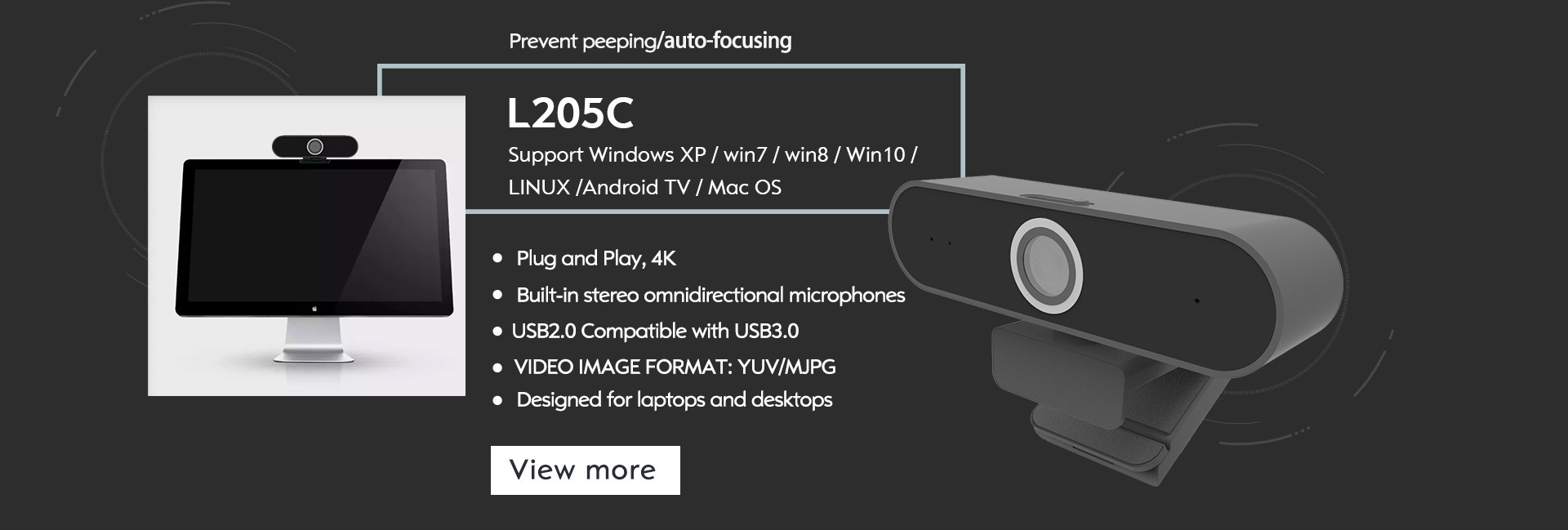
For buyers building a practical conferencing portfolio, the 1080P USB Webcam with Microphone for Video Conferencing from Shenzhen Eshuni Technology Co., Ltd. is a suitable starting point for volume B2B sourcing. It targets the core requirements of commercial conferencing: full-HD 1080P video, integrated microphone, USB connectivity and straightforward deployment across common meeting platforms. The exact configuration can be discussed against the buyer’s market, target price, certification needs and packaging requirements.
Primary application: desk-level video conferencing, remote offices, call centers, online education, telemedicine terminals and enterprise meeting pods.
Core specification: 1080P full-HD USB webcam with built-in microphone for everyday voice and video communication.
Buyer validation: test low-light image quality, microphone pickup, echo behavior, color reproduction and platform compatibility before mass production.
OEM/ODM options: product logo, housing, packaging, cable, accessories, firmware branding and private-label documentation can be reviewed per project.
Quality and compliance: factory ISO9001 quality management system with CE, FCC, RoHS and 3C certification support depending on the model.
RFQ inputs: target quantity, destination market, required certifications, platform matrix, mounting preferences, packaging language and delivery terms.
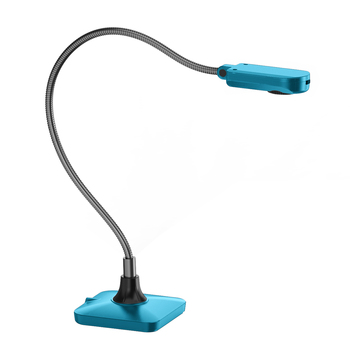
Related USB webcam hardware can be configured for conferencing, online teaching and document sharing. Final specification, accessories and packaging are confirmed through samples.
When comparing a 1080P webcam with microphone for video conferencing, do not stop at the sensor specification. Ask how the camera behaves when a user moves, when a window creates backlight, when the room turns warm or when a meeting platform compresses video aggressively. Ask for the power consumption, cable length, mounting method, warranty policy and package dimensions. If the product is intended for retail, request retail-ready packaging and barcode labeling information. If it is intended for tender projects, request the datasheet, certificate list and model consistency statement in advance.
Video conferencing hardware is moving from ad hoc purchasing toward managed fleet procurement. Organizations that bought cameras one by one during the remote-work transition are now standardizing models, accessories and warranty terms across offices. This creates opportunities for suppliers who can maintain consistent quality, provide clear documentation and support repeat orders. It also means buyers should evaluate a supplier’s production planning and engineering support, not only the unit price.
Fleet standardization and TCO
Buyers are calculating total cost of ownership, including samples, certification, packaging, returns, support and shipping. A stable 1080P model with predictable quality often wins over a low-cost unit that creates support tickets.
Hybrid work and video-first service
Remote offices, telemedicine, online education and video customer service continue to require affordable cameras. Demand is especially strong for plug-and-play USB devices that are easy for non-technical users to deploy.
Privacy and compliance review
Privacy shutters, recording indicators and transparent firmware practices are increasingly requested by enterprise buyers. Certification and environmental compliance are now part of supplier qualification, especially for EU and North American channels.
Private label and regional differentiation
Distributors want packaging, accessories, software branding and documentation that match local markets. Suppliers with OEM/ODM experience can help build a differentiated range without requiring full custom tooling for every SKU.
Supply-chain resilience
Buyers are planning buffer stock and qualifying alternate configurations. Suppliers with ERP-supported production, supply-chain management and export experience can help reduce risk during peak demand periods.
Landed-cost thinking
Smart procurement moves beyond FOB price to include freight, duties, packaging volume, failure rates and after-sales cost. A slightly higher unit price can produce a lower landed cost when quality is stable.
Product development trends for 1080P USB conferencing cameras
Although the headline resolution remains 1080P, the user experience continues to improve. Development is focused on image processing, audio quality, privacy, connectivity and integration with software platforms. Buyers should watch these trends but avoid paying for features that do not match their target market.
Better low-light and dynamic range
Sensor tuning and image processing matter more than megapixels in offices with windows, fluorescent lighting or mixed light. Test backlight performance and face exposure before approving a model.
Improved microphone systems
Integrated microphone design is moving toward better background-noise handling, beamforming and echo performance. For small rooms, a well-tuned microphone can simplify deployment and reduce accessory cost.
USB-C and driver-free usability
USB-C connectivity and UVC compliance reduce installation friction. Buyers should confirm which platforms are supported and whether adapters or hubs are required for the complete solution.
Privacy by design
Mechanical shutters, status LEDs and secure firmware update processes are becoming procurement requirements. These features are simple to specify up front but difficult to add after mass production.
AI-assisted video features
Auto-framing, background improvement and audio processing are increasingly embedded in software and higher-end cameras. For a 1080P volume model, focus on reliable core performance before adding premium features.
Modular OEM hardware
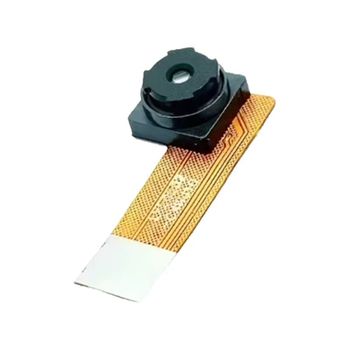
Camera modules, lenses and interface options allow private-label brands to develop differentiated devices. Shenzhen Eshuni Technology Co., Ltd. also supplies camera modules for customized applications.
For most importers, the strongest strategy is a tiered product roadmap: a dependable 1080P USB webcam with microphone for video conferencing as the volume model, a premium 4K or AI-enhanced model for higher-margin channels, and related document cameras or camera modules for broader video-capture projects. This structure allows the buyer to serve different customer budgets while keeping supply and after-sales processes manageable.
Recommended Product Range
Conferencing Cameras and OEM Imaging Hardware
Use these product directions as a starting point for sampling. Final configuration, certification scope, packaging and price are confirmed through the RFQ process.
1080P · USB · Microphone
1080P USB Webcam with Microphone for Video Conferencing
1080P full HD
Built-in microphone
USB plug and play
A practical conferencing camera for enterprise offices, call centers, online education and private-label B2B programs.
How to Buy a 1080P USB Webcam for Video Conferencing Without Creating Future Problems
The lowest quotation is not always the lowest cost. Evaluate the supplier, sample, documentation and lifecycle support as one commercial package.
Build an RFQ that suppliers can answer accurately
A strong RFQ helps the supplier recommend the right configuration and reduces back-and-forth. Include the target application, expected quantity, destination country, required certifications, conferencing platforms to support, microphone pickup distance, mounting requirements, privacy shutter needs, cable length, packaging language and preferred Incoterms. If the product will be sold under a private label, include logo files, brand colors, packaging concepts and firmware branding requirements. If the camera will be installed in a tender project, provide the technical specification and certificate checklist.
Shenzhen Eshuni Technology Co., Ltd. can support product design, project design and project application discussions according to the buyer’s actual scene. This is especially useful when a standard product must be adapted for a kiosk, classroom, government counter or OEM device. Please email info@eshunitech.com with your requirements, target quantity and certification market so the team can respond with a suitable quotation path.
Sample evaluation checklist
Image: test face exposure, backlight handling, color reproduction, focus stability and low-light noise.
Audio: test microphone pickup, echo behavior, background-noise handling and consistency between units.
Compatibility: test the exact platform versions, operating systems and meeting-room PCs used by your customers.
Mechanical: check mount tightness, cable strain relief, privacy shutter movement, LED visibility and connector quality.
Documentation: request datasheet, certificate scope, packaging artwork, warranty terms and production inspection criteria.
Commercial: compare landed cost, MOQ, lead time, sample schedule, payment terms and after-sales replacement policy.
Why E-E-A-T matters in webcam sourcing
Experience, expertise, authoritativeness and trust are not abstract SEO ideas in B2B hardware. They appear in the supplier’s ability to answer engineering questions, provide consistent samples, explain certification boundaries and support a project after shipment. A manufacturer that has worked across document cameras, webcams, scanners and camera modules understands that image quality is a system issue involving optics, firmware, interface and application. This cross-product experience helps buyers avoid overlapping SKUs, unnecessary accessories and avoidable compatibility risks.
The recommendations in this guide are written from a manufacturer-side perspective, but they are not a substitute for your own sample approval and commercial due diligence. Buyers should verify the exact product configuration, certificates, packaging, labeling and warranty terms for their market. This is the responsible way to use supplier information while protecting your brand and customers.
Shenzhen Eshuni Technology Co., Ltd., founded in 2012, is an overall solution provider for information collection and identity verification. The company specializes in high-speed scanners, video booths, book scanners, intelligent terminals, document cameras, webcams, camera modules and related hardware and software.
Products and services are used across finance, insurance, communications, government, education and enterprise information-construction projects. Based on years of industry-market experience and a senior R&D team, Shenzhen Eshuni Technology Co., Ltd. can provide three-level technical services covering product design, project design and project application according to the customer’s actual scene and service needs.
The company operates an ISO9001 quality management system and an environmental management system, with product certification support including 3C, CE, FCC and RoHS. Core hardware and software are developed as the company’s own intellectual property and protected by national patents. ERP and supply-chain management help support consistent quality, efficient delivery and OEM/ODM project coordination.
For this 1080P USB webcam with microphone for video conferencing category, the commercial advantage is not only manufacturing capacity. It is the ability to translate a buyer’s application into a practical specification, validate samples, prepare export documentation and support repeat orders with clear communication. The company’s Alibaba profile lists a response time of ≤14 hours and a response rate of 72.73%, giving buyers a documented service signal to include in supplier evaluation.
Frequently Asked Questions About 1080P USB Webcams with Microphones
These are the practical questions purchasing teams, brand owners and project integrators ask before requesting a formal quotation.
Is a 1080P USB webcam with microphone still suitable for professional video conferencing?
Yes. 1080P remains the practical volume standard for enterprise video conferencing because it balances image clarity, bandwidth, PC performance and total cost. The important qualification points are real image processing quality, microphone pickup, platform compatibility and stable production consistency. Buyers should test a sample in the actual meeting environment before approving a volume order.
Will the webcam work with Zoom, Microsoft Teams and Google Meet?
Most USB webcams use USB Video Class standards and work with major conferencing platforms without proprietary drivers. However, Shenzhen Eshuni Technology Co., Ltd. recommends testing the exact SKU, firmware, operating system and platform version used by your customers. A compatibility matrix should be documented and kept with the approved sample.
Can Shenzhen Eshuni Technology Co., Ltd. customize the logo, packaging and firmware?
Yes. OEM and ODM discussions can cover logo, housing color, packaging, cable length, accessories, quick-start guide, firmware splash screen, labeling and private-label documentation. Final scope depends on the project quantity, tooling requirements and sample approval. The exact customization should be written into the quotation and production specification.
Which certifications should be requested for export?
The required certification depends on the destination country and sales channel. Shenzhen Eshuni Technology Co., Ltd. operates an ISO9001 quality management system, and product certification support can include CE, FCC, RoHS and 3C depending on the model. Buyers should request the certificate scope for the exact product and confirm whether additional documentation is needed for their market.
How do we evaluate microphone quality remotely?
Request a live demo or a recorded sample that includes normal speech, background noise and a two-way call. Test at the expected speaking distance and compare with the meeting software you use. Ask for echo behavior, gain control and noise handling under the same conditions for each shortlisted model. Sample units should be tested, not only promotional videos.
Should we choose 1080P or 4K for video conferencing?
For routine meetings, call centers, online teaching and broad fleet deployment, 1080P is usually the more practical investment. 4K is better for whiteboard capture, large-room detail, content creation and premium product ranges, but it requires stronger optics, higher processing capability and more bandwidth. A tiered range with 1080P as the core model often serves the widest B2B market.
What should be included in the first RFQ?
Include target quantity, destination market, required certifications, meeting platforms, expected microphone pickup distance, mounting method, privacy shutter requirement, cable length, packaging language, logo and firmware needs, sample schedule and preferred trade terms. Send the RFQ to info@eshunitech.com for a structured response from Shenzhen Eshuni Technology Co., Ltd.
Do you support related document cameras and camera modules?
Yes. Shenzhen Eshuni Technology Co., Ltd. supplies document cameras, visualizers, scanners, identity verification hardware and camera modules in addition to webcams. This broader product experience is useful for buyers developing an education, government, finance or enterprise video-capture portfolio with multiple related devices.
Need a reliable 1080P USB webcam quotation for your next project?
Send your target quantity, application, destination market and certification requirements. Shenzhen Eshuni Technology Co., Ltd. will recommend a suitable configuration and sample path.