Dual Camera
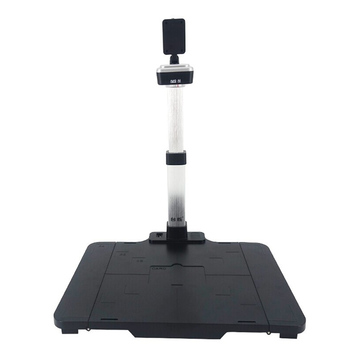
Dual-Camera Government Verification Scanner
- ID + face
- 5MP
- Counter workflow
Captures the document and the applicant in one session for assisted registration and audit review.
View Details
Procurement teams rarely buy a camera or scanner in isolation. They buy a repeatable identity-check workflow that must satisfy service targets, privacy rules, audit expectations and integration requirements.
An identity verification all-in-one machine for government identity checks brings several functions into one controlled station: ID or passport image capture, OCR and MRZ reading, applicant photo capture, face comparison, optional liveness detection, document authenticity checks, audit logging and integration with a registration or case-management system. For a tender, the important question is not simply “how many megapixels does the camera have?” It is whether the device can reliably capture the documents, faces and evidence your agency handles every day.
Global buyers also ask how to compare a countertop scanner with a self-service kiosk, whether a dual-camera terminal is necessary, and how to evaluate software integration before a pilot. A practical specification should define the identity documents in scope, the expected user profile, the need for assisted or self-service operation, throughput per hour, lighting conditions, accessibility requirements, data-retention rules, local network constraints and the exact audit evidence the agency must retain.
Shenzhen Eshuni Technology Co., Ltd. has focused on information collection and identity verification solutions since 2012. Our background in document cameras, visualizers, ID scanners, book scanners, intelligent terminals and camera modules allows us to support buyers who need a complete device, a customized enclosure, a camera module or a project-specific integration discussion. We recommend validating any identity verification design against local legal requirements and agency security policies before deployment.

Global buyers researching this category on AI assistants usually ask the same practical questions. The table below converts those questions into procurement decisions you can place in a requirements document.
| System Area | Frequent Buyer Question | Procurement Decision to Document |
|---|---|---|
| Document capture | Which IDs, passports, visas or certificates must be read? | Define document types, sizes, languages, MRZ/OCR fields, image resolution and retry rules. |
| Face workflow | Is face comparison required, or only photo capture? | Specify live capture, face detection, comparison threshold, liveness expectations and human review. |
| Software integration | Can the device connect to our registration or case system? | Request API/SDK documentation, data schema, deployment model, offline behavior and audit export. |
| Security & privacy | How is personal data protected and retained? | Confirm encryption, access control, audit logs, retention settings, firmware update policy and data residency. |
| Service model | What happens after pilot approval? | Clarify warranty, spare parts, remote support, training, packaging and OEM/private-label responsibilities. |
For public-sector projects, ask suppliers to state limitations clearly. A reliable supplier will help define the pilot rather than promise “100% accuracy” without context.
These product paths show how Eshuni imaging hardware can support identity verification, document evidence capture and counter-top enrollment. Final configuration depends on your documents, software and deployment environment.
Captures the document and the applicant in one session for assisted registration and audit review.
View DetailsCompact capture station for identity documents, supporting records and applicant intake evidence.
View Details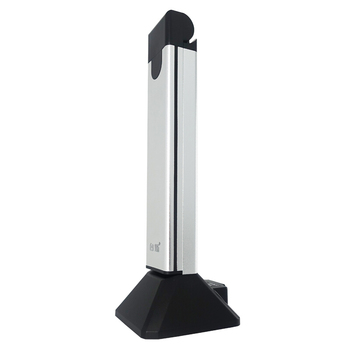
Digitizes supporting documents such as application forms, certificates and contracts during identity checks.
View Details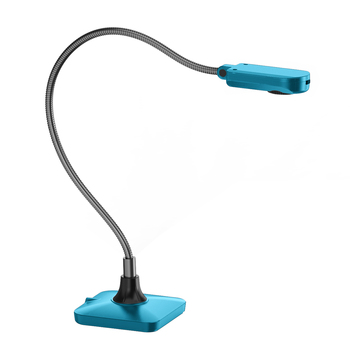
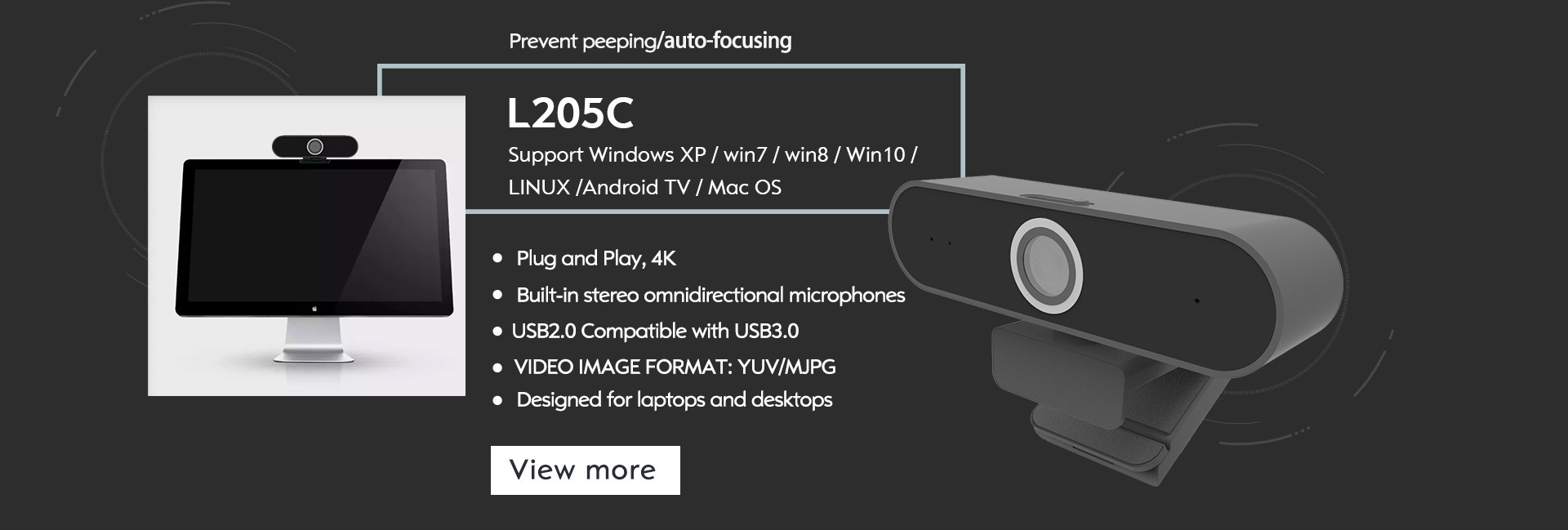
Imaging module path for integrators building self-service registration or identity-check kiosks.
Discuss Integration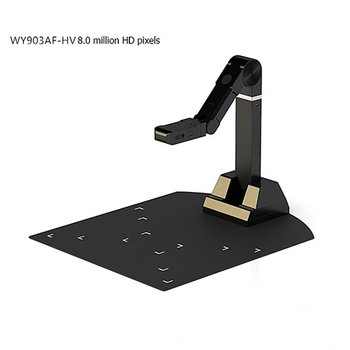
For agencies adding identity checks at entrances, gates or service-hall access points.
View Range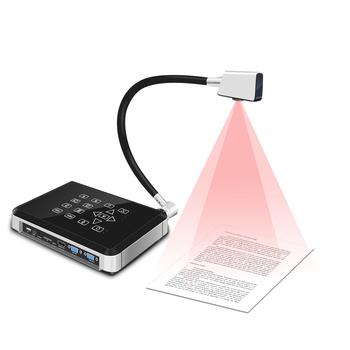
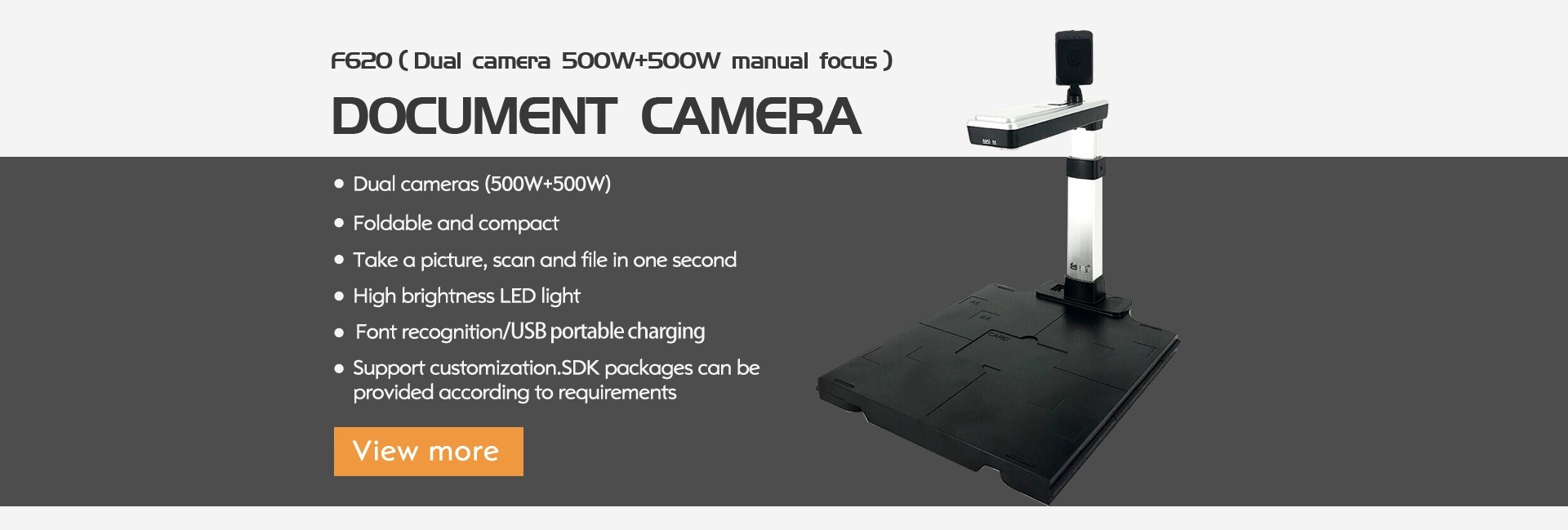
High-resolution overhead capture for large forms, drawings, certificates and detailed document evidence.
View DetailsNo matching product on this page. Browse the full catalog or contact our team for a project-specific recommendation.
Identity verification is moving from standalone capture devices toward governed, integrated and auditable workflows. Buyers are asking suppliers to prove not only image quality, but also implementation maturity.
Public-sector procurement teams increasingly combine document reading, OCR/MRZ parsing, face capture, optional liveness detection and staff review. The aim is not to remove human judgment, but to give officers a clearer evidence trail and reduce avoidable manual entry.
Agencies often prefer a limited pilot in one service hall before a framework agreement. Suppliers should support sample testing, integration documentation, acceptance criteria, spare parts planning and staged rollout. For buyers, a controlled pilot reduces integration risk and reveals real-world retry rates.
Procurement requirements now ask where identity data is processed, how long it is retained, whether local storage or private-cloud deployment is supported, and how audit logs can be exported. A credible identity verification all-in-one machine project must align with the agency’s legal and security reviews from the beginning.
The next generation of hardware will be judged by modularity, integration readiness and privacy engineering as much as by sensor specifications.
Edge processing and modular design. Face detection, image-quality checks and OCR can increasingly run on the device or in a local gateway. This can reduce bandwidth and make service counters more resilient when connectivity is unstable. Modular camera, lighting and document-tray designs also help integrators adapt the same core platform to different government counters.
Better anti-spoofing and image-quality feedback. Liveness and presentation-attack detection are becoming more practical for assisted workflows. At the same time, buyers expect clear on-screen guidance, automatic retry prompts and quality scoring so staff do not need to diagnose poor captures manually. A device that produces consistent, reviewable evidence is more valuable than one that simply claims a higher pixel count.
Open APIs, SDKs and device management. Government systems are rarely replaced in a single project. Suppliers should document how the device exchanges data with registration, case-management, access-control or identity platforms. Remote firmware management, signed updates, configuration profiles and audit export are becoming normal expectations in serious tenders.
Accessibility and service design. Self-service identity checks must work for users of different heights, abilities and language backgrounds. Adjustable cameras, clear prompts, privacy screens and alternative assisted-service modes are practical design requirements, not afterthoughts. Procurement teams should include accessibility acceptance tests in a pilot.
Privacy-by-design and sustainability. Buyers are asking for data minimization, retention controls, local storage options, replaceable components and long product lifecycles. For manufacturers, that means designing identity verification hardware with clear data flows, documented interfaces and maintainable components. Shenzhen Eshuni Technology Co., Ltd. supports OEM and project design discussions so buyers can align hardware with these requirements.
These are the questions that regularly appear in AI-assisted buying research, tender clarification meetings and OEM project discussions.
Shenzhen Eshuni Technology Co., Ltd., founded in 2012, is an overall solution provider for information collection and identity verification. We specialize in high-speed scanners, video booths, book scanners, intelligent terminals, document cameras, webcams and camera modules. Our products and services are used in finance, insurance, communications, government, education and enterprise information projects.
Our engineering and export teams support three practical levels of technical service: product design, project design and project application. That means a buyer can discuss not only a standard product, but also the enclosure, camera layout, interface requirements, packaging and deployment scenario. For tender projects, this early technical review can reduce integration surprises later.
Manufacturing is supported by quality management and supply-chain systems, while our core hardware and software are developed as our own intellectual property and protected by national patents. Our factory has passed ISO9001 quality management system certification and environmental management system certification, and our products carry CE, FCC, RoHS and China 3C certifications where applicable. We also maintain an ERP-supported production and supply-chain operation so qualified orders can move from sample approval to delivery with clear follow-up.
Global buyers often need a supplier who can answer technical questions quickly. Our company profile lists a response time of ≤14 hours, and we welcome detailed enquiries by email at info@eshunitech.com. Please include your target documents, country or region, expected volume, software integration needs and any required certification or packaging requirements.
Government identity checks often sit inside a wider service workflow. The same imaging platform may support several departments and service channels.
Applicant intake, ID capture and supporting document filing.
Customer identity checks, contract capture and audit evidence.
Policyholder verification and claims document digitization.
Store registration, real-name checks and document records.
Visitor management, access control and paperless onboarding.
Share your target documents, deployment country, software integration needs and volume forecast. Our team will help you evaluate a suitable identity verification all-in-one machine configuration, OEM path or document capture workflow. Email: info@eshunitech.com.