Resolution is no longer the only performance metric
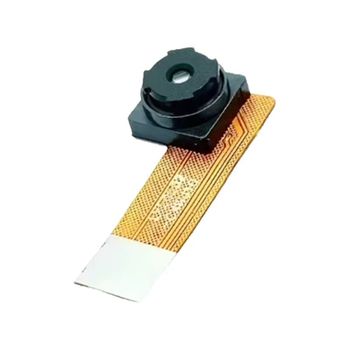
Procurement teams still ask whether a high-resolution CMOS sensor camera module for AR smart glasses should be 8MP, 13MP or higher. In practice, the better question is what the camera must recognise, document or display in the real environment. A well-tuned 8MP module with a suitable lens and image signal processor can outperform a poorly integrated higher-resolution module in low light. Buyers increasingly request image comparisons, field-of-view simulations and power estimates before awarding a project.
MIPI, FPC and mechanical integration are early decisions
For embedded AR smart glasses, the interface and mechanical route influence the entire design. MIPI CSI-2 may be preferred for compact integration with a host SoC, while USB can be useful for evaluation. FPC length, connector height, bend radius, shielding and mounting must be reviewed with the frame structure at the beginning of the project. Postponing these decisions usually increases tooling changes and delays pilot builds.
Low power, low heat and low weight define usability
Smart glasses are worn close to the face, so thermal comfort and battery life are procurement issues, not only engineering details. Buyers ask for active power, standby current, wake-up time, frame rate, resolution modes and thermal behaviour. A module that performs well on a desk but creates heat or drains the battery in the glasses will create after-sales problems in the field.
Privacy-by-design and on-device processing enter the RFQ
AR cameras raise legitimate privacy questions. Global buyers increasingly request capture indicators, local processing options, data minimisation, secure update policy and clear documentation of whether images leave the device. In some markets, facial recognition or biometric processing requires additional legal review. A responsible supplier should be ready to discuss these requirements openly and document assumptions.
Supply continuity and documentation are scored
For a wearable product, sensor availability and change notification matter. Buyers want to know how the supplier manages sensor lifecycle, lens tooling, connector alternatives and production traceability. They also ask for reliability reports, firmware version control, calibration records and consistent packaging. A lower quotation can become expensive if the module cannot be supplied consistently after the product launch.
Pilot builds and faster iteration cycles are replacing one-shot tenders
Many AR hardware programmes now start with a small engineering sample, move to a pilot build and then scale. This approach allows the buyer to validate image quality, mechanical fit, firmware compatibility and certification assumptions before committing to large tooling costs. Procurement is therefore more collaborative: the supplier must respond quickly, document changes and support the next design iteration without losing the original specification baseline.