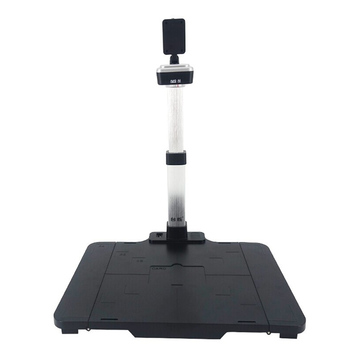
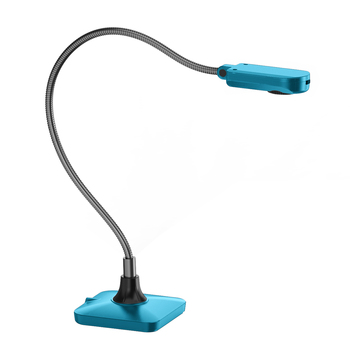
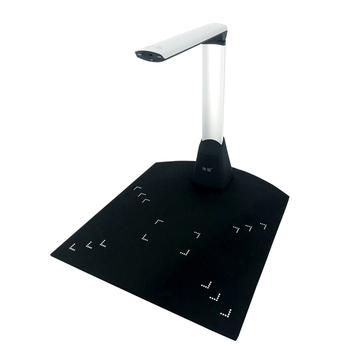
Sensor resolution will continue to rise, but resolution alone will not define product quality. Future high-speed A4 document scanners are likely to combine 8MP to 13MP sensors with improved auto-focus, automatic exposure, LED lighting control, glare reduction and document edge detection. The goal is to produce a clean A4 page image under ordinary office lighting without requiring a trained operator to adjust settings for every document.
Book-curve correction, shadow removal and multi-document layout detection are becoming more important as offices digitize mixed archives. A scanner that can separate two receipts placed side by side, flatten the curve of a bound book or preserve a coloured stamp will reduce post-capture correction. Buyers should also look for image processing that supports OCR accurately across English, European languages and other target-market languages.
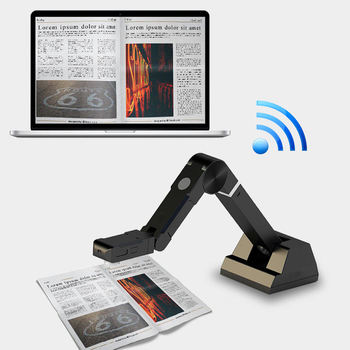
Connectivity will become more flexible. USB remains the simplest and most stable option for fixed desks and kiosks, while 5.8GHz wireless and network-connected models support flexible rooms and distributed capture. In parallel, buyers will ask more questions about local processing, firmware maintenance, remote configuration and how the device fits their existing security architecture.
Hardware will also be sold with a development path. System integrators need clear information about UVC compatibility, SDK availability, operating-system support, output file types and integration with OCR or document management software. Shenzhen Eshuni Technology Co., Ltd. develops both hardware and software and can support OEM/ODM discussions around housing, firmware, packaging and project-specific requirements, which is valuable when a standard catalogue product does not fully match a tender.
Finally, sustainability and serviceability will influence purchasing. Modular design, replaceable lighting components, clear spare-parts planning, RoHS compliance and efficient packaging help distributors serve their customers over a multi-year product life cycle.