Eight Document Camera & Imaging Products for High-Intent B2B Buyers
These models represent practical starting points for tender projects, private-label ranges and OEM imaging programs. Every product link below preserves the original factory product URL.
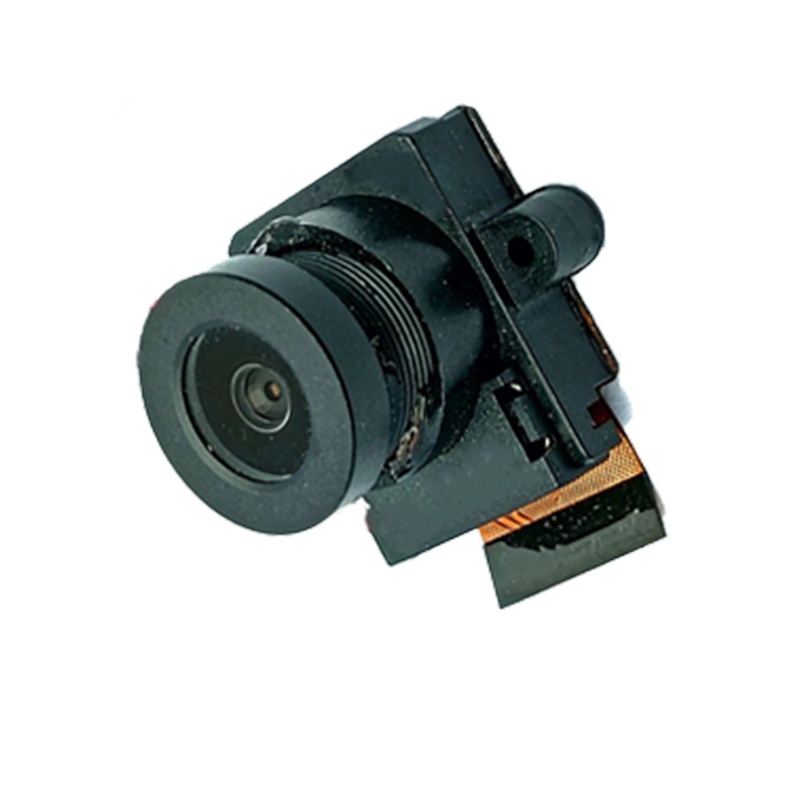
Factory Hot-Selling 1080p CMOS Sensor Body Camera with HD Video/Audio Recording and Night Vision
Rugged field documentation camera for security patrol, inspection, evidence capture and mobile recording projects.
View product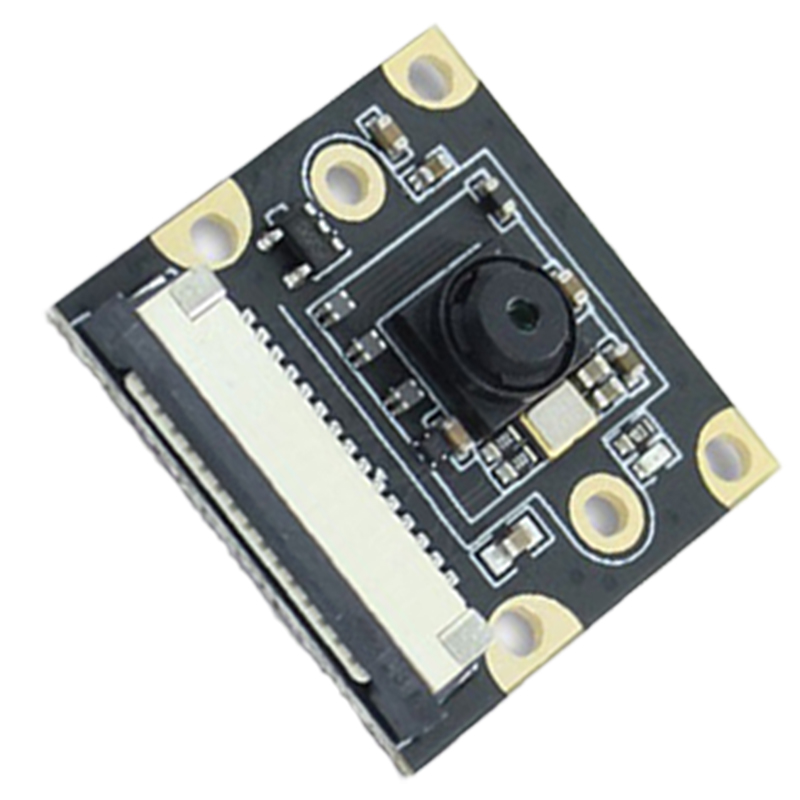
1080p/2K/4K Camera Module for Nvidia Development Board with Adjustable Focal Length
Embedded vision module for AI prototyping, edge computing, Nvidia development boards and custom OEM products.
View product
Wireless Robotic Frame Book Scanner Document Camera A3/A4 for Online Class
Overhead book capture and classroom presentation for hybrid teaching, library scanning and document management.
View product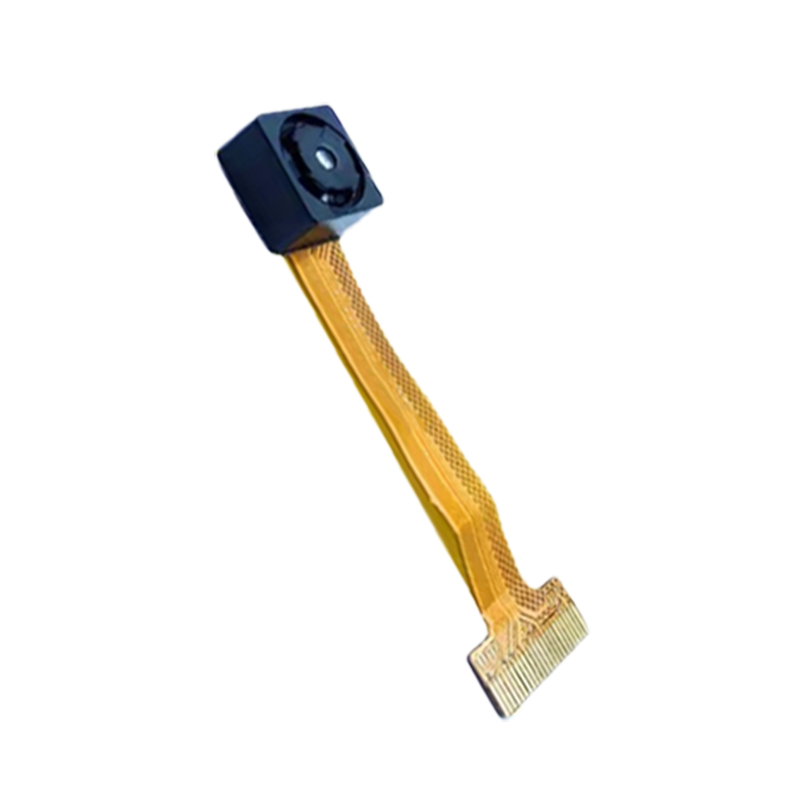
1080P/2K/4K Camera Module with Wireless Transmission, Night Vision and Face Recognition
Advanced module platform for drone imaging, smart terminals, face recognition and wireless video transmission.
View product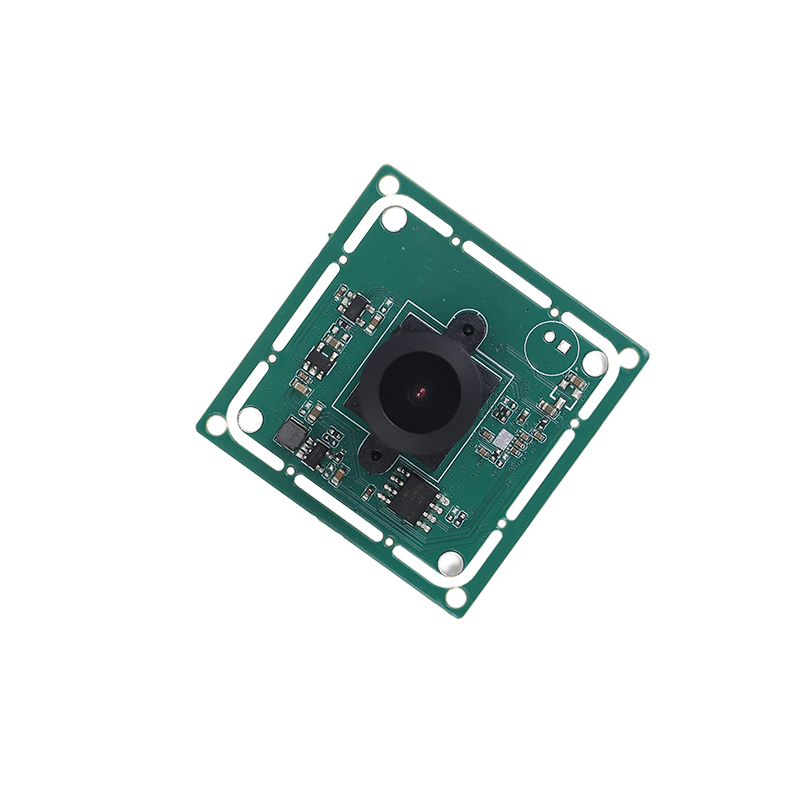
1080P 30FPS USB HD Portrait Camera Module with Macro Recognition and Fixed Focus
Compact USB camera module for portrait capture, macro inspection, kiosks and embedded visual devices.
View product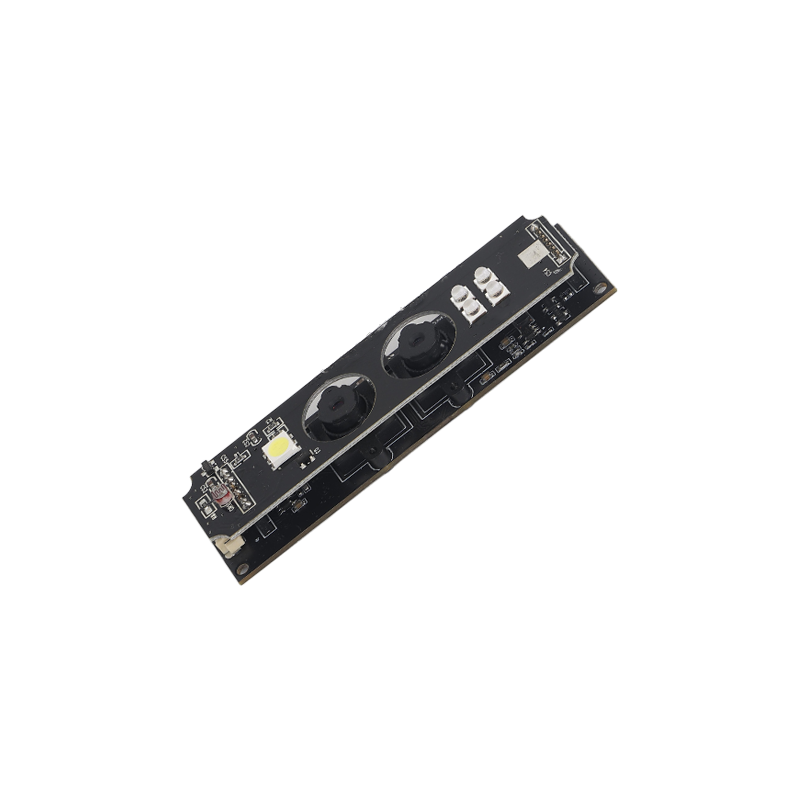
1080P/2K/4K HD Binocular Wide Dynamic Camera Module with CMOS Sensor
Dual-view imaging module for depth sensing, intelligent terminals, robot vision and wide-dynamic-range applications.
View product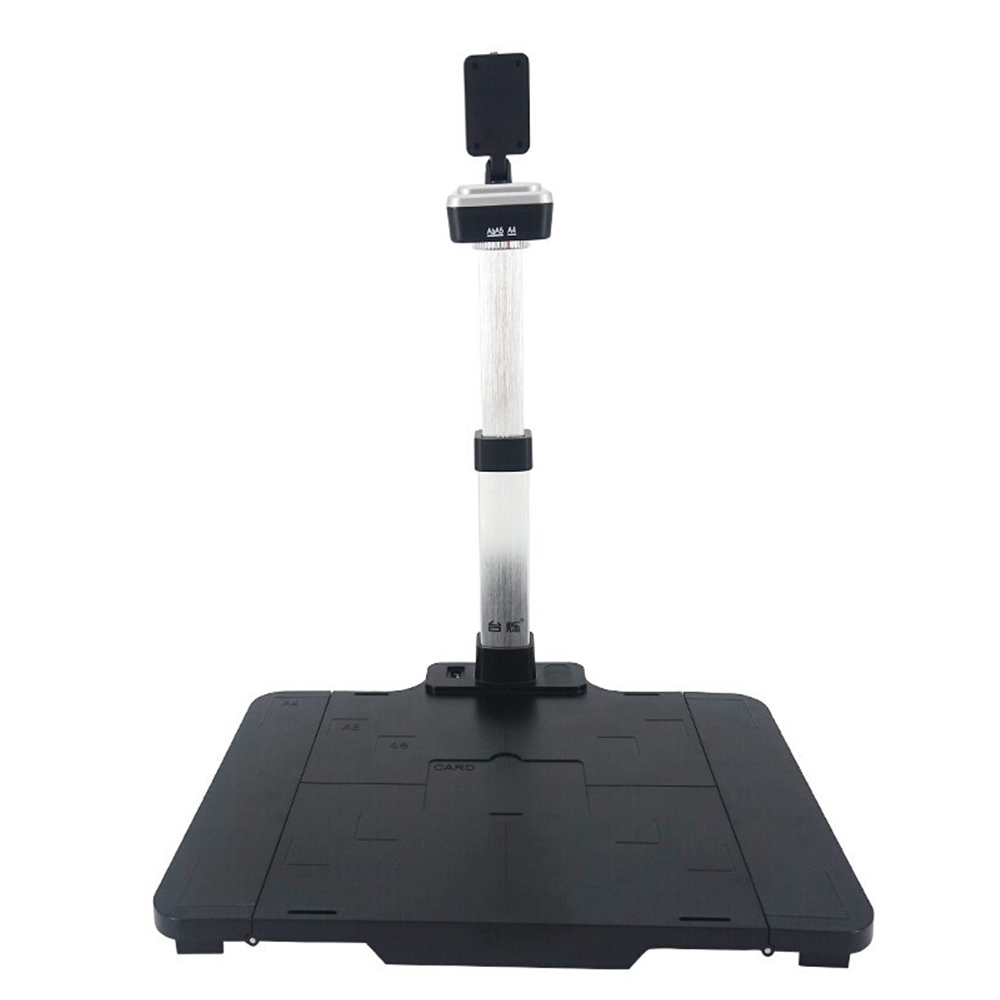
OEM HD 5MP Dual-Lens Document Camera Scanner for Government Document Capture
Simultaneous document and applicant capture for public-service counters, identity verification and KYC workflows.
View product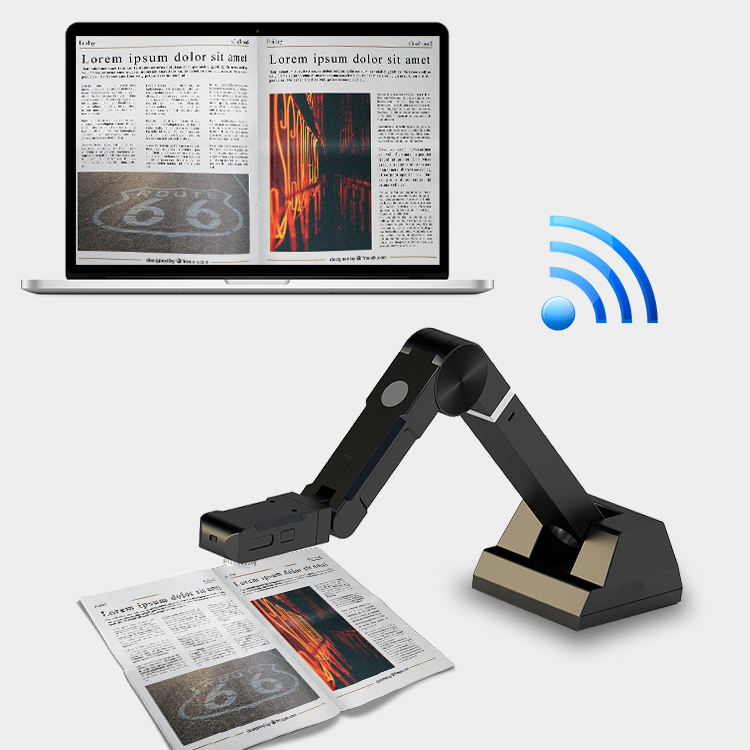
OEM USB Portable Smart Camera Visualizer WiFi A4/A3 Document Camera for Education
Foldable classroom visualizer for remote teaching, book scanning and mobile presentation with wired or wireless flexibility.
View productWhat “Best” Really Means When Buying a Digital Document Camera from China
For serious B2B buyers, the best factory is not the one with the loudest catalogue. It is the one that can prove imaging performance, customization depth, compliance discipline and supply continuity.
Evidence Before Claims
Ask for factory audit evidence, ISO9001 documentation, test reports and product certifications. A credible China document camera supplier will provide traceable quality records before sample approval.
Image Pipeline Quality
Resolution alone is misleading. Evaluate lens quality, autofocus speed, wide dynamic range, low-light behavior, color accuracy and text legibility after digital zoom under real lighting.
Workflow Compatibility
Check UVC support, driverless installation, Windows/macOS/Linux compatibility, SDK access, firmware update policy and whether the visualizer fits existing teaching or counter software.
The search intent behind phrases such as “China best digital document camera factory” is rarely a simple product query. It combines supplier validation, OEM feasibility, certification risk, shipping terms and after-sales confidence. A factory page should therefore answer procurement questions, not only list products. This is where information gain becomes a competitive advantage: buyers need decision-grade detail that helps them compare factories, not recycled sales copy.
Recommended Digital Document Camera Types by Workflow
Match the device to the application first, then finalize resolution, connectivity and packaging. This prevents over-specification and reduces total cost of ownership.
Classroom & Hybrid Teaching
Choose a wireless A3 visualizer with 8MP to 13MP resolution, fast autofocus and 5.8GHz transmission. It should display textbooks, handwriting and science demonstrations clearly on large screens.
Government & Financial Counters
Use a dual-lens 5MP document camera scanner to capture the document and the applicant in one workflow. Prioritize privacy controls, stable USB connectivity and clear identity-capture documentation.
Office Book Scanning
For contracts, books and archives, select an A3/A4 overhead scanner with auto-focus, OCR-ready output and efficient page capture. Physical page curvature and lighting should be tested before volume rollout.
OEM & Embedded Vision
For Nvidia development boards, AR glasses, drones and smart terminals, select camera modules with adjustable focus, wide dynamic range and SDK-friendly integration. Confirm thermal limits and FPC layout early.
Online Tutoring & Conferencing
Use USB plug-and-play document cameras or 2-in-1 webcam/visualizer models for remote lessons. Driverless operation and clear audio are more important than marginal resolution gains for home users.
Security & Field Documentation
Body cameras and portable camera modules support inspection, patrol and evidence collection. Buyers should confirm night-vision performance, storage workflow and data-retention policies.
How Digital Document Camera Procurement Is Changing
Purchasing teams are moving from “buy a camera” to “buy a documented imaging workflow.” The following trends are shaping tender specifications, private-label strategies and supplier selection.
Outcome-Based Specifications
Buyers increasingly specify legibility, capture speed, OCR readiness and deployment support instead of only megapixels. Suppliers must document real-world performance by application.
Wireless-First Deployments
Hybrid classrooms and flexible training rooms favor 5.8GHz wireless visualizers. Procurement teams are testing RF stability, latency, roaming behavior and battery or power design before campus-wide rollout.
Privacy & Compliance Documentation
Education and government buyers now ask for firmware update policies, data-flow diagrams and security statements. A document camera without transparency can slow down procurement approval.
Edge AI & On-Device Processing
Face recognition, auto-framing, document de-skewing and OCR are moving closer to the device. Buyers are asking whether AI features run locally, what SDK is available and how models are updated.
Consolidated Factory Sourcing
Instead of managing separate suppliers for document cameras, webcams and camera modules, more buyers prefer one factory with shared engineering, quality control and export documentation.
TCO Over Lowest Price
Total cost of ownership now includes sample testing, firmware maintenance, spare parts, packaging compliance, freight terms and after-sales response. The lowest quotation is not always the lowest cost.
What the Next Generation of Document Cameras Will Require
Hardware buyers should track these development directions when planning a 12–36 month product roadmap, especially for education, government and OEM camera modules.
Better Optics, Not Just More Pixels
High-resolution sensors require matched lenses, anti-glare coatings and intelligent exposure. Fine print, diagrams and book pages must remain readable under mixed classroom or office lighting.
USB-C, UVC & Driverless Design
Cross-platform compatibility remains a major purchasing factor. Driverless UVC video, USB-C power delivery and stable firmware reduce installation time for schools and enterprise IT teams.
Dual-Band & 5.8GHz Wireless
5.8GHz helps avoid congested 2.4GHz networks in schools, while dual-band designs offer flexibility. Development focus is shifting toward lower latency, stronger pairing and secure wireless sessions.
AI-Assisted Capture
Auto-framing, de-skewing, handwriting enhancement and OCR are becoming practical differentiators. For OEM buyers, the key question is whether AI features are local, optional and documented.
Sustainable & Compliant Packaging
RoHS compliance, recyclable packaging and lower standby power are becoming tender requirements. Factories that document material choices and packaging data reduce compliance risk for importers.
SDK & Software Ecosystem
Document cameras are increasingly integrated into learning platforms, identity systems and document-management software. Buyers should ask for SDK scope, API documentation and long-term firmware support.
Match Resolution and Connectivity to Real Workflows
Use this matrix as a starting point for RFQ discussions. Final selection should follow sample testing with your own content, lighting and software environment.
| Device Type | Typical Resolution | Capture Area | Connectivity | Best-Fit Workflow |
|---|---|---|---|---|
| USB document camera | 1080p / 2K | A4 | USB plug-and-play | Classroom display, office counters, online tutoring and fixed workstations with simple installation. |
| Wireless document camera visualizer | 8MP / 13MP | A3 / A4 | 5.8GHz wireless + USB | Hybrid classrooms, lecture halls and training rooms where teachers need free movement. |
| Book scanner document camera | HD / 8MP | A3 / A4 bound pages | USB or WiFi | Library archiving, office digitization, contract capture and document-management projects. |
| Dual-lens document camera | 5MP dual camera | A4 + applicant view | USB | Government service counters, bank KYC, telecom registration and identity verification. |
| Embedded camera module | 1080p / 2K / 4K | Application-specific | MIPI / USB / FPC / wireless | Nvidia development boards, AR glasses, drones, smart terminals and OEM vision products. |
Need a different sensor, lens, housing or firmware configuration? Share your target specification and annual volume with the factory engineering team before committing to a tooling plan.

Why Eshuni Is a Practical Digital Document Camera Supplier in China
Shenzhen Eshuni Technology Co., Ltd. is a manufacturer and solution provider for information collection and identity verification. Since 2012, the company has designed and built document cameras, visualizers, book scanners, webcams, ID scanners and camera modules for B2B buyers.
Our devices support digital transformation in education, finance, insurance, telecommunications, government and enterprise. The factory combines an in-house R&D team with ERP-driven production and supply-chain management, so product design, engineering changes and repeat orders stay coordinated.
For OEM and ODM projects, the team supports product design, project design and on-site project application. Core hardware and software are developed in-house and protected by national patents. This gives buyers a single technical partner for document camera hardware, camera modules and related imaging accessories.
How to Audit a China Document Camera Factory Before You Order
Use a structured evaluation protocol to compare suppliers on evidence, not presentation. The checklist below reflects common failure points in document camera and camera module sourcing.
Verify the Factory Identity
Confirm business license, factory address, production floor, QMS documentation and whether assembly is in-house. Ask for a live video audit or third-party inspection for critical tenders.
Request an Image Quality Protocol
Test text, diagrams, handwriting, book curvature, glossy paper, low light and mixed lighting. Require before-and-after samples at full resolution, not compressed marketing images.
Stress-Test Connectivity
For wireless visualizers, test pairing time, interference, latency and reconnection behavior in a real school network. For USB models, verify compatibility across operating systems and host devices.
Review Firmware & SDK Support
Ask how firmware updates are delivered, whether settings can be locked for institutional buyers and what SDK or API support is available for integration projects.
Check Reliability Data
Request MTBF estimates where available, drop-test or hinge-cycle reports, thermal data and aging test records. These are especially important for education and government deployments.
Validate Packaging & After-Sales
Confirm retail packaging, drop protection, accessory lists, spare-parts availability, warranty terms and RMA workflow. Packaging failures can erase the margin of an otherwise good product.
Common Questions Buyers Ask Before Ordering Document Cameras
These answers address the search intents most often seen in factory sourcing conversations, tender clarification rounds and private-label negotiations.
Are you a document camera factory or a trading company?
Shenzhen Eshuni Technology Co., Ltd. is a manufacturer and solution provider focused on information collection and identity verification hardware. The company has designed and built document cameras, visualizers, book scanners, webcams, ID scanners and camera modules since 2012, with in-house R&D and ERP-supported production management.
Do you offer OEM, ODM and private-label document cameras?
Yes. OEM manufacturing, product design services and buyer-label production are available. The team can support product design, project design and on-site project application, including logo, packaging, firmware settings and accessory configuration depending on the model.
Which certifications does the factory and product range hold?
The factory operates an ISO9001 quality management system. Products can be supplied with CE, FCC, RoHS and China 3C certifications depending on model and destination market. Certification scope should be confirmed for each SKU during the RFQ process.
Should I choose 8MP or 13MP for a document camera?
An 8MP sensor is usually sufficient for A4 pages, textbooks and classroom demonstrations. A 13MP sensor is recommended for full A3 sheets, fine print, engineering drawings, archival scans and applications where users need to zoom deeply while keeping text legible.
What is the difference between USB and 5.8G wireless document cameras?
USB models are plug-and-play and draw power from the host device, making them suitable for fixed desks, counters and simple installations. 5.8GHz wireless models let teachers move freely and are often more stable than 2.4GHz solutions in busy school environments, but they require proper pairing and RF testing.
What is the MOQ, sample lead time and production lead time?
MOQ, sample lead time and production lead time depend on the model, sensor, housing, branding and packaging requirements. Buyers should provide target market, annual volume and customization details so the factory can confirm the most accurate schedule and tooling plan.
Which trade terms and export markets do you support?
FOB, EXW and DDP delivery terms are supported. The factory regularly ships to North America, South America, Western Europe, South Asia and Africa. Shipping documents, packaging marks and destination compliance requirements should be confirmed before production.
Can buyers request SDK support or custom firmware?
SDK and firmware support can be discussed within the scope of the project. Requirements may include UVC behavior, image parameters, auto-focus settings, language packs, security settings or integration with education and identity-verification software. Clear technical documentation should be agreed before mass production.
What after-sales and warranty support is available?
Warranty and after-sales terms are configured by order and product line. Buyers should confirm spare-parts availability, RMA procedures, technical contact channels and firmware update expectations during contract negotiation. For tenders, these details should be written into the purchase agreement.
Planning a Tender, Private-Label Range or OEM Camera Project?
Send your application, target resolution, connectivity requirements, certification needs and estimated annual volume. Our engineering team will recommend the right document camera or camera module and outline a practical customization route.