8 Factory-Direct HDMI Document Cameras and Imaging Devices
These are not generic marketplace listings. Each product below maps to a real deployment pattern — classroom demonstration, library digitization, office capture, government identity checking or embedded camera design. Use the specification notes to shortlist a sample for your tender, private-label range or integration project.

OEM USB A3 13MP 2-in-1 Education Visualizer Document Camera and Webcam
A strong first sample for hybrid classrooms: one device supports face-to-camera teaching and overhead A3 document sharing.
- 13MP
- A3 capture
- USB
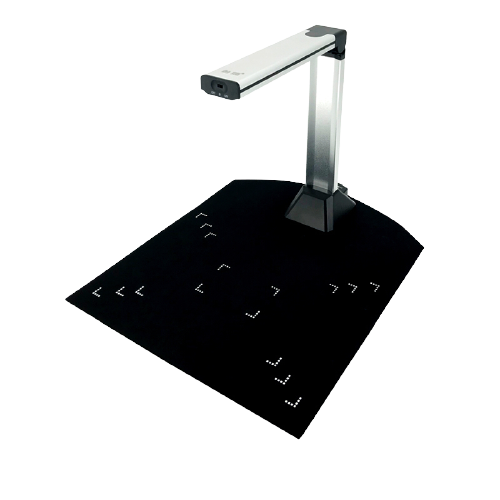
Portable OEM 8MP Document Camera Visual Presenter
Best for mobile teachers, tutoring rooms and book scanning where desk space is limited and setup must be fast.
- 8MP
- Portable
- Book capture

OEM USB 5MP / 8MP / 13MP Document Camera Visualizer
A scalable SKU family for importers and tender bundles that need several price points from one platform.
- USB
- Education
- Office
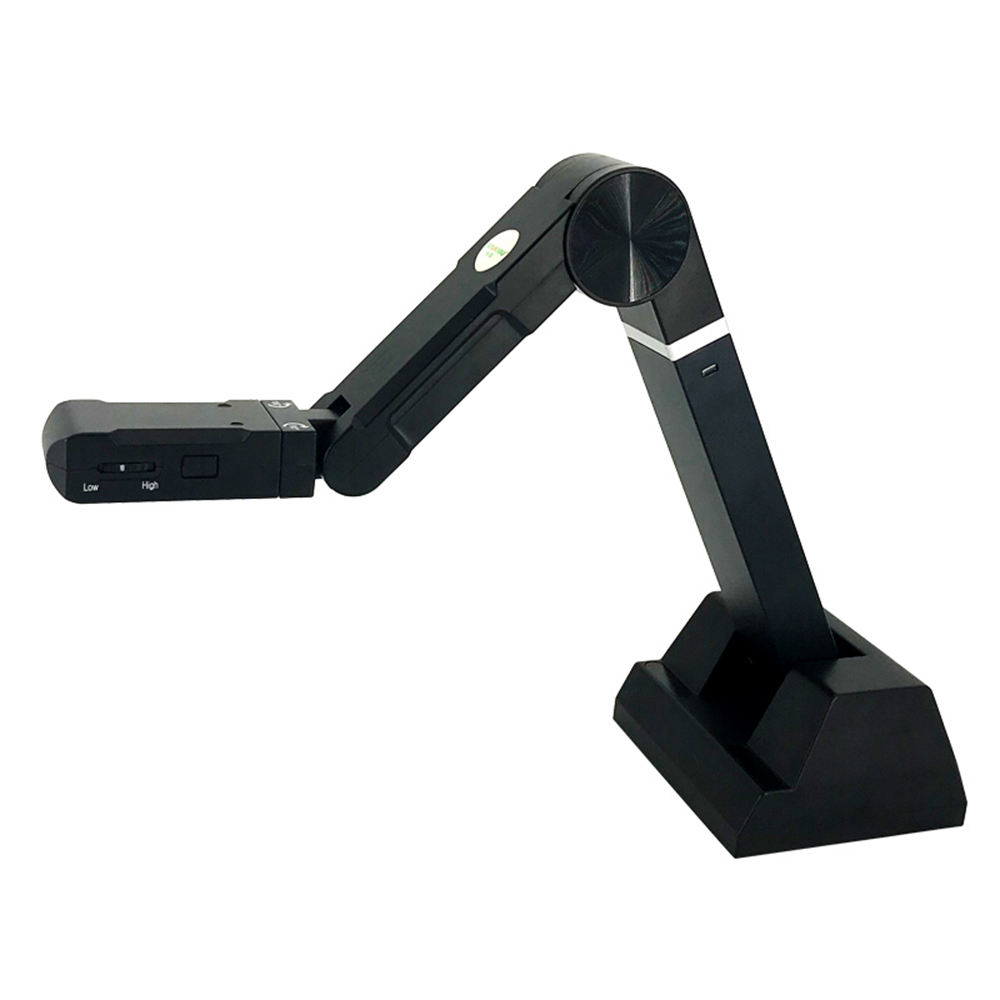
Portable WiFi Document Camera Scanner with Multi-Interface Visualizer
Useful when cable routing is difficult, when teachers move between rooms, or when records teams scan bound volumes.
- WiFi
- Multi-interface
- Portable
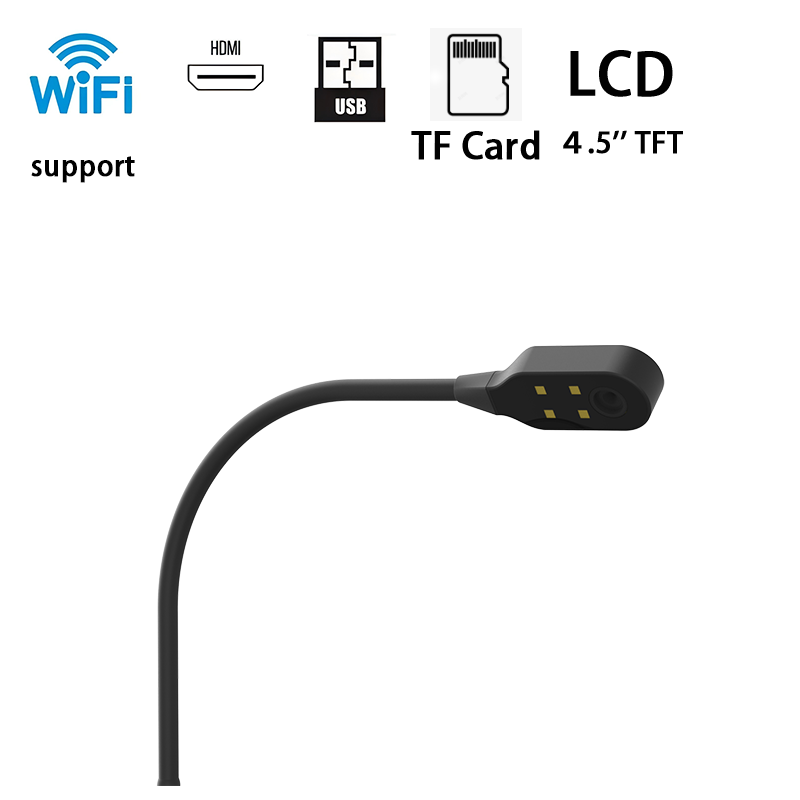
VGA and WiFi Interface Document Camera for Teacher Teaching Files
For legacy classroom displays that still rely on VGA, with WiFi support for modern lesson workflows.
- VGA
- WiFi
- Teaching

WG133AF-HV V508 VGA/HDMI/USB Three-Mode 13MP Document Camera
One of the most interoperable choices for a tender specification that must support projectors, PCs and recording.
- HDMI
- VGA
- USB
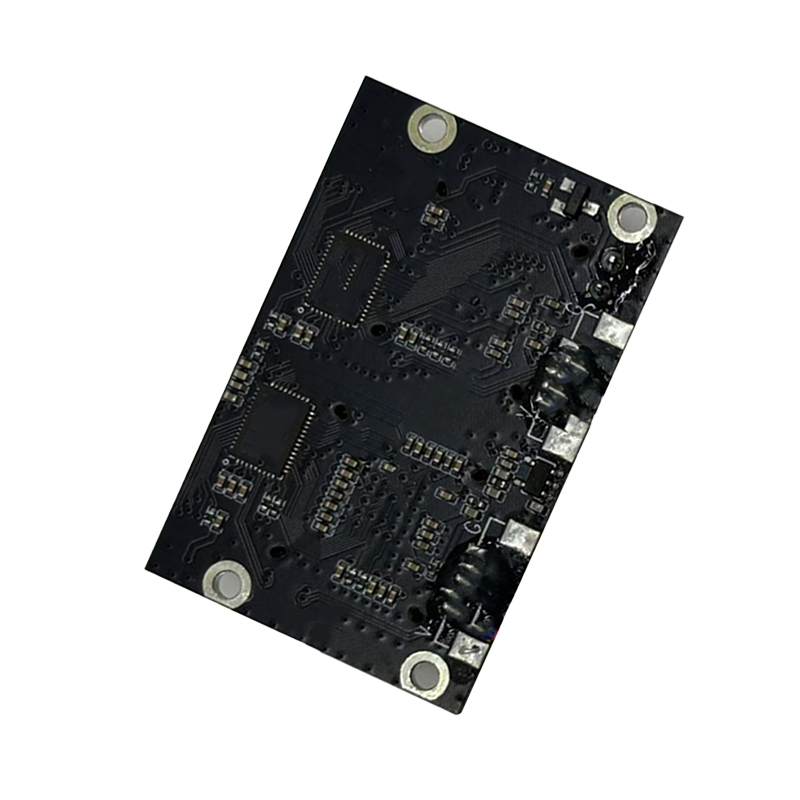
Dual 1080P Face, Finger-Vein and Palm-Print Camera Module
An adjacent identity-verification module for system integrators, not a general classroom visualizer.
- Dual 1080P
- Face
- Palm vein

HD Auto-Focus 8MP / 13MP Document Camera Scanner
A strong private-label hero SKU for online education, book cameras and regional education-equipment brands.
- Auto-focus
- HD
- Book camera
What “China Best” Should Mean in an HDMI Document Camera Tender
For a B2B buyer, the phrase “China best HDMI document camera factory and exporters” is not a marketing claim; it is a shortlist question. The answer depends on the project: a school district may prioritise HDMI output, A3 capture and teacher training; a government counter may need dual-camera identity capture and audit-friendly software; an importer may need private-label packaging and a stable sensor supply.
Shenzhen Eshuni Technology Co., Ltd. has manufactured information-capture and identity-verification hardware since 2012. Our range covers document cameras, video presenters, book scanners, webcams, identity-verification terminals and camera modules. We work with education, finance, insurance, telecom, government and enterprise buyers, and we support three levels of technical assistance: product design, project design and on-site application support.
E-E-A-T is not a badge you add to a page. It is the trail a buyer can verify: experience from shipped projects, expertise in optics, firmware and interface design, authority shown by certifications and patents, and trust built through consistent quality and transparent trade terms. That is why a credible factory should be willing to provide model-level declarations, a live factory walk-through and sample test evidence before a purchase order is issued.
- Factory audit pack with production, testing and quality-control evidence.
- Model-level certification scope, not only a company-level certificate.
- In-house R&D for hardware, firmware and own intellectual property.
- OEM/ODM support for logo, packaging, manuals and firmware presentation.

Match HDMI, USB, Wireless and Sensor Resolution to the Workflow
Most failed document camera purchases begin with a specification copied from another tender. A 13MP sensor with HDMI is excellent for A3 engineering drawings, but it is unnecessary for a reception desk scanning A4 forms. A USB visualizer may be perfect for a fixed desk, yet the wrong choice for a teacher who moves between classrooms.
| Use case | Recommended configuration | Why it matters | Sample direction |
|---|---|---|---|
| A3 classroom demonstration, fine print and science diagrams | 13MP, auto-focus, HDMI + USB | HDMI feeds the projector with minimal processing delay; USB supports recording or PC capture. | WG133AF-HV V508 13MP three-mode document camera |
| Mobile teaching and library book scanning | 8MP or 13MP auto-focus, 5.8G WiFi, A3/A4 | WiFi reduces cable hazards; 5.8GHz is often less congested than 2.4GHz in busy schools. | HD auto-focus 8MP / 13MP book camera |
| Fixed office reception or records desk | 5MP–13MP USB visualizer, A4 capture | Plug-and-play installation keeps counter staff productive with minimal training. | OEM USB 5MP / 8MP / 13MP visualizer |
| Legacy classroom with VGA projector | VGA + WiFi, with HDMI where available | Protects the existing AV investment while adding modern lesson-sharing options. | VGA and WiFi teaching document camera |
| Hybrid teaching with face and desk views | 2-in-1 webcam and document camera, A3 capture | One device switches between teacher-facing video and overhead document demonstration. | OEM USB A3 13MP 2-in-1 visualizer |
| Identity checking and biometric integration | Dual 1080P face/palm-vein module, embedded USB | Designed for kiosk and terminal integration, not general classroom use. | Dual 1080P multi-biometric camera module |
| Private-label retail or tender range | Scalable USB family across 5MP, 8MP and 13MP | Several price points can share accessories, packaging systems and service procedures. | Portable WiFi multi-interface document camera |
Before ordering, verify native resolution and frame rate at the chosen output, minimum illumination and focus speed in your own lighting, and software compatibility with the target operating system.
Procurement Trends: What Smart Buyers Will Specify in 2025–2030
The document camera market is moving away from “megapixels only” purchasing. Education and government buyers are writing specifications around interoperability, serviceability, compliance evidence and long-term supply. Importers are asking for differentiation that cannot be copied by a generic marketplace seller.
Interoperability first
Single-port thinking is fading. Buyers ask for HDMI, USB, VGA, WiFi and adapter-friendly configurations so one device can serve projectors, PCs, interactive panels and recording software.
Total cost of ownership
Procurement teams compare spare parts, standard power adapters, replaceable LED illumination, packaging drop tests and after-sales response — not only the FOB quotation.
Compliance evidence
ISO9001, CE, FCC, RoHS and China 3C are baseline expectations. Serious buyers also request model-level declarations and firmware/security review for networked devices.
OEM differentiation
Private-label packaging, firmware splash screens, regional accessories and tender-ready bundles help distributors avoid competing only on price.
Illustrative project weighting used in engineering reviews; actual tender weights vary by country and application.
Product Development Trends: From HDMI Visualizers to AI-Assisted Capture
The next generation of document cameras will be judged less on the sensor badge and more on what the device does with the image. Auto-focus speed, glare handling, text enhancement, output stability and privacy-safe processing are becoming the new specification language.
Resolution plus computational imaging
13MP and 4K matter, but the visible result depends on lens quality, auto-focus speed, low-light noise, text clarity and de-warping. Buyers now test whether small print at the A3 margin remains legible after zooming.
AI-assisted capture at the edge
Auto-crop, page de-skew, glare suppression, finger removal and OCR-ready output are becoming practical in education and records workflows. Privacy-sensitive buyers prefer on-device processing over cloud upload.
Modular platforms and biometrics
FPC camera modules, dual 1080P face/palm-vein modules and AR wearable sensors allow one imaging platform to serve document cameras, webcams, kiosks and verification terminals.
For exporters, this changes the sales conversation: from “How many megapixels?” to “What is the minimum light level, simultaneous output capability, firmware lock policy and service plan?”
Factory Advantages: The Evidence Behind the Export Claim
A factory and exporter should be judged by what it can prove. Eshuni’s advantage is the combination of in-house engineering, quality-system discipline, own intellectual property and export support for B2B buyers.
In-house R&D since 2012
A senior engineering team supports product design, project design and on-site application support for education, government and enterprise deployments.
ISO9001 and product certifications
ISO9001 quality management, with CE, FCC, RoHS and China 3C certifications available for applicable products. Certification scope should always be checked against the exact model.
Own intellectual property
Core hardware and software are developed in-house and protected by national patents, reducing the risk of generic white-label supply and improving long-term continuity.
ERP-driven production
ERP-managed production and supply-chain planning help keep quality consistent, lead times visible and repeat orders stable as volumes grow.
OEM / ODM and private label
Buyer-label production, packaging design, manual customization, firmware presentation and accessories can be aligned with your brand and target market.
Global trade capacity
FOB, EXW and DDP terms are supported for buyers in North America, South America, Western Europe, South Asia and Africa, with public trade records and buyer feedback available for review.
When a tender asks for a “China best” supplier, submit evidence: factory audit materials, model certification, sample test results and a clear after-sales plan.
Where HDMI Document Cameras and Visualizers Work
The same imaging platform can serve very different environments, but the accessories, firmware settings and training must match the workflow. These are the six environments where Eshuni document cameras, book scanners and identity modules are most often deployed.
Education
Live demonstrations, homework review, science experiments and hybrid lessons. HDMI output supports projectors and interactive panels, while USB enables recording.
Government
ID capture, document filing and service-counter digitization. Dual-camera and biometric modules support identity verification workflows where auditability matters.
Finance & insurance
KYC checks, contract digitization, claims documentation and counter-based identity capture. Clear imaging and fast capture reduce queue time and manual entry.
Telecom
Real-name SIM registration, store verification and document capture. Compact visualizers fit limited counter space while maintaining image quality.
Enterprise
Video conferencing, paperless office projects and training rooms. A single USB or HDMI visualizer can make physical documents visible to remote teams.
Libraries & records
Book scanning, archive digitization and document management. Auto-focus and A3/A4 capture help preserve bound pages without damaging the originals.
How to Vet an HDMI Document Camera Exporter Before You Place a PO
A reliable exporter should welcome detailed questions. If a supplier cannot show the model-level evidence behind the catalogue photo, treat the quotation as a starting point, not a purchase order.
1. Ask for a live factory walk-through
Photos are useful; a live video review of production, testing and warehouse areas is stronger evidence of an operating factory.
2. Test a sample with your content
Use your own textbook pages, forms, handwriting and lighting. Check focus speed, glare handling, text clarity at the edges and colour consistency.
3. Verify certification scope
Confirm that the certificate covers the exact model, power adapter and target market requirements — not just a company brochure statement.
4. Validate interface and software
Test HDMI, USB and WiFi behaviour on the operating systems you support. Ask whether simultaneous output is needed for projection and recording.
5. Confirm spare-parts support
Ask about remote controls, cables, power adapters, LED modules and replacement accessories. A stable parts plan protects your after-sales reputation.
6. Review packaging and drop testing
Private-label packaging must protect the product in the target market. Check retail label requirements, carton strength, accessories and installation guide quality.
FAQ: Purchasing HDMI Document Cameras from China
These are the questions our project team receives most often from schools, distributors, system integrators and government suppliers.
Are you a document camera factory or a trading company?
Shenzhen Eshuni Technology Co., Ltd. is a manufacturer and solution provider for information collection and identity verification. Our factory in Shenzhen, Guangdong, supports in-house R&D, production, quality control and export operations for document cameras, visualizers, webcams, scanners and camera modules.
Do you support OEM, ODM and private-label orders?
Yes. We support OEM manufacturing, product design and buyer-label production. Depending on the project, customization can include logo, packaging, user manual, accessories and firmware presentation. Our team also provides product design, project design and on-site project application support.
Which certifications and quality credentials can you provide?
Our factory operates an ISO9001 quality management system, and applicable products carry CE, FCC, RoHS and China 3C certification. Our core hardware and software are developed in-house and protected by national patents. For a tender, request model-level certification and confirm that the certificate covers the exact power adapter and configuration being supplied.
Should I choose an 8MP or 13MP document camera?
An 8MP sensor is usually sufficient for A4 pages, textbooks and live classroom demonstration. A 13MP sensor is recommended for full A3 sheets, fine print, engineering drawings and archival scans where details must remain legible after zooming. The final choice should also consider lens quality, auto-focus speed, lighting and output method.
What is the practical difference between HDMI, USB and 5.8G wireless?
HDMI is preferred for fixed installation and direct projector or display output with minimal processing delay. USB is plug-and-play for PC capture, recording and video-conferencing workflows. 5.8GHz wireless models give teachers freedom to move around the room, and the 5.8GHz band is often less congested than 2.4GHz in busy school networks. Confirm whether simultaneous outputs are needed if the lesson requires both projection and recording.
Can your document cameras capture books and bound documents?
Yes. Overhead visualizers and book-scanner configurations are designed for bound pages, textbooks and archive documents. For best results, match the capture area to A3 or A4 requirements and confirm focus performance, glare handling and lighting controls for the material being scanned.
What are the MOQ, lead time and trade terms?
MOQ and lead time depend on the model, customization level and order volume. We support FOB, EXW and DDP terms, and ERP-driven production planning helps keep repeat orders stable. Your quotation should confirm the final configuration, packaging, accessories and delivery schedule.
Can I request a sample before placing a bulk order?
Yes. Sample evaluation is a normal part of the process for serious B2B projects. Share your application, target resolution, HDMI/USB/WiFi requirement, capture area, software environment and packaging needs. Our engineers can recommend a suitable SKU and configuration for testing.
Which export markets do you serve?
We regularly support buyers in North America, South America, Western Europe, South Asia and Africa. Requirements outside these regions can be reviewed case by case, depending on certification, packaging and logistics requirements.
Planning a Tender, Private-Label Range or OEM Project?
Send your target specification: resolution, HDMI/USB/WiFi requirement, A3/A4 capture area, software environment, target market and packaging needs. Our engineers will recommend a configuration and the evidence your evaluation team needs.