Eight OCR Imaging Products for Sample Testing and Private Label
Each product below is available for OEM/ODM evaluation, firmware adaptation, packaging customization and volume production. Images are shown in full without cropping, and every link leads to the live product page preserved from the original catalog.

OEM Document Camera A3 Portable Wireless 13MP Visualizer
High-resolution A3 overhead capture for OCR, lesson sharing, engineering drawings and archive digitization where fine print must remain legible after zooming.

CMOS Sensor 1080P 30fps USB2.0 Camera Module
Ultra-low-light monocular module with wide dynamic range for embedded OCR terminals, kiosks, document capture devices and industrial inspection hardware.
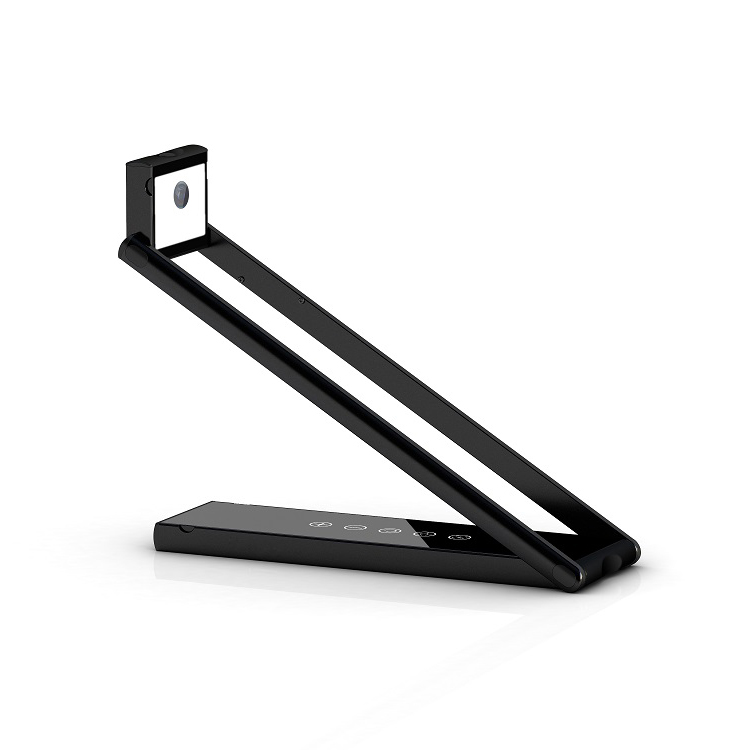
Education Visual Presenter A3 Book and Paper Scanner
Classroom-ready visual presenter for A3 books, worksheets and paper documents, designed for live demonstration and OCR-assisted content capture.
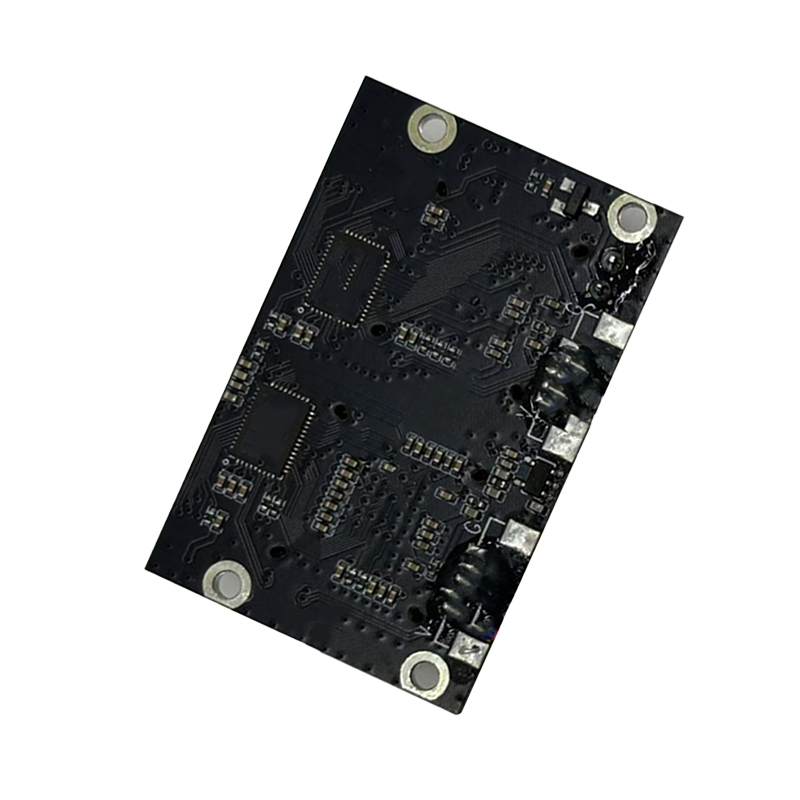
Dual 1080P Multi-Biometric Face, Palm and Vein Camera Module
Multi-sensor biometric module for identity verification terminals, access control and counter-top systems that need face, palm or finger-vein capture.
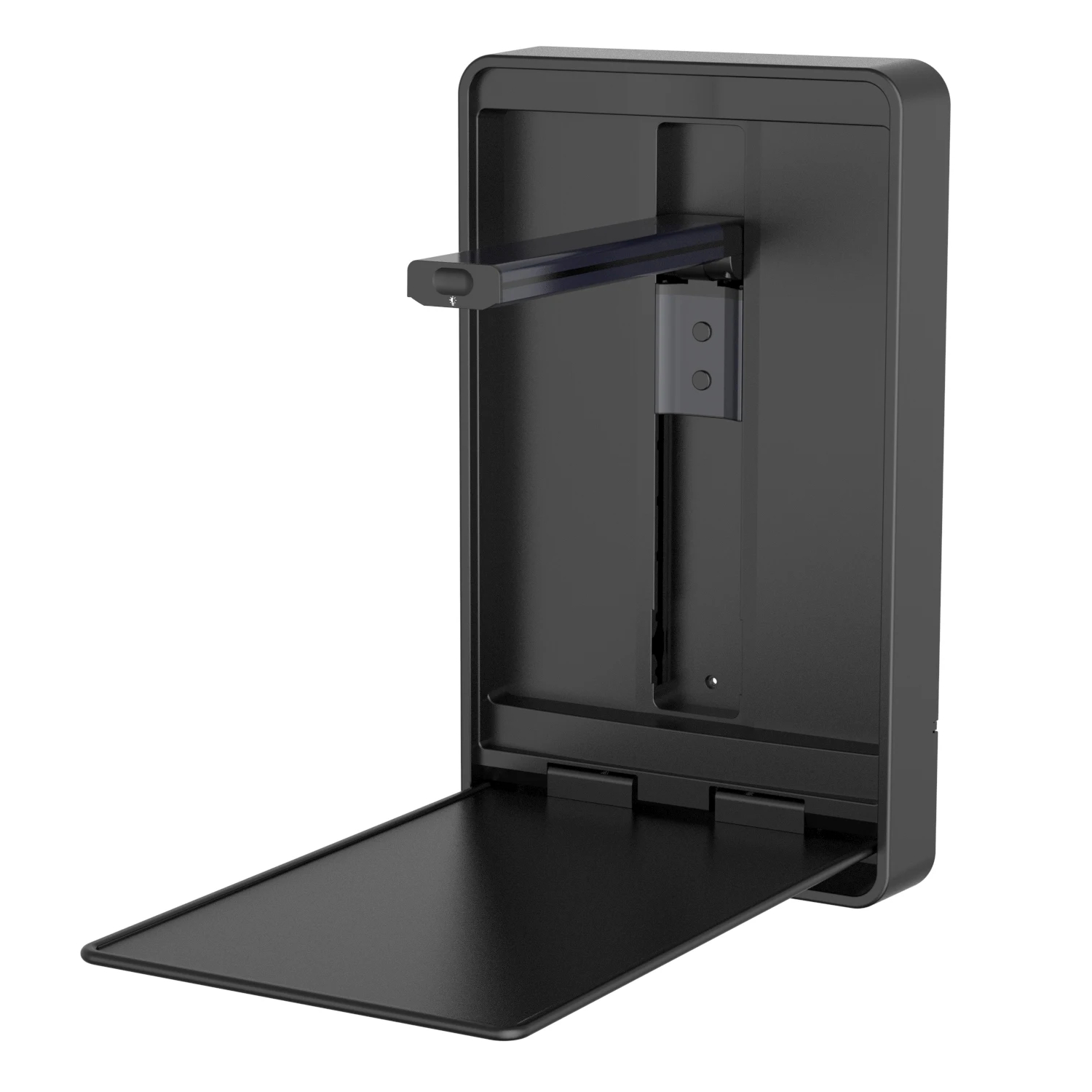
OEM 8MP Wireless Document Camera with Wall-Mount Stand
Flexible education display system combining 8MP document capture with a wall-mounted stand for wireless classrooms and training rooms.
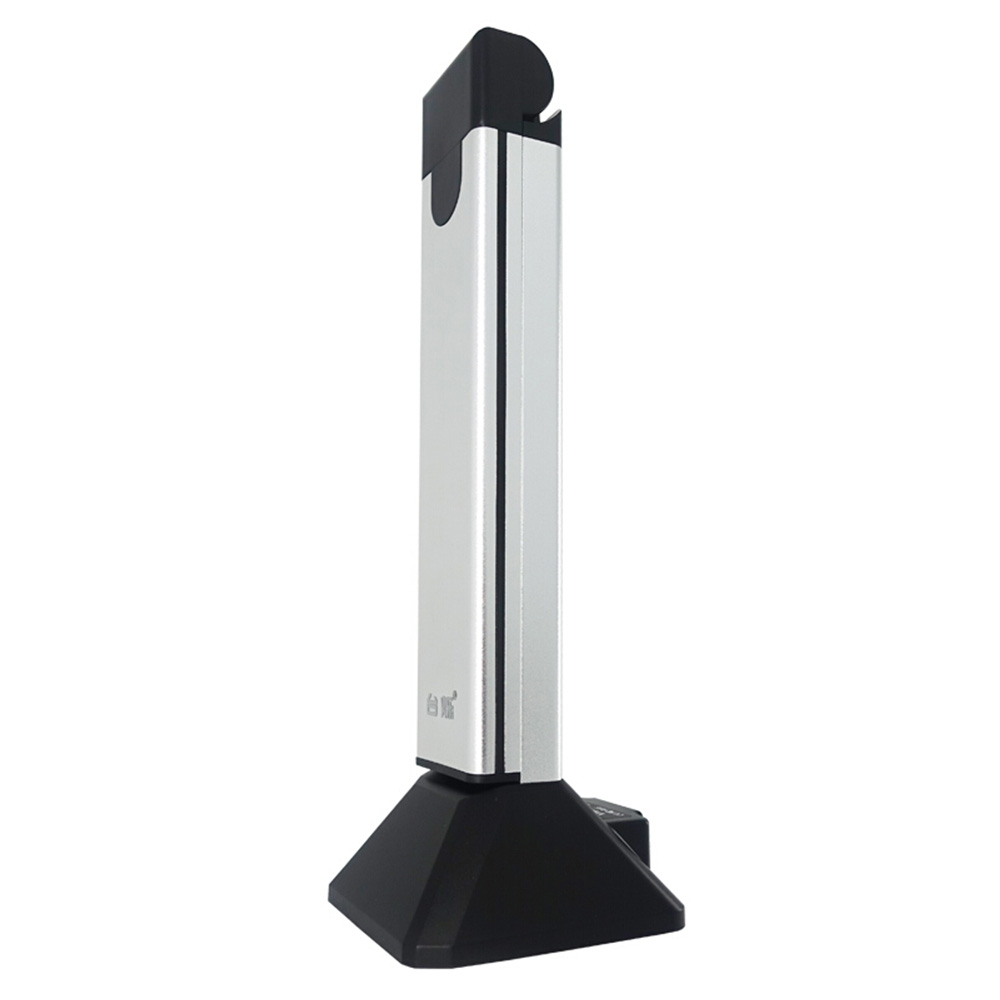
High-Speed Page Scanner Document Camera for Education
Fast page-capture document camera for online teaching, homework review and paper-to-digital workflows where speed and repeatability matter.
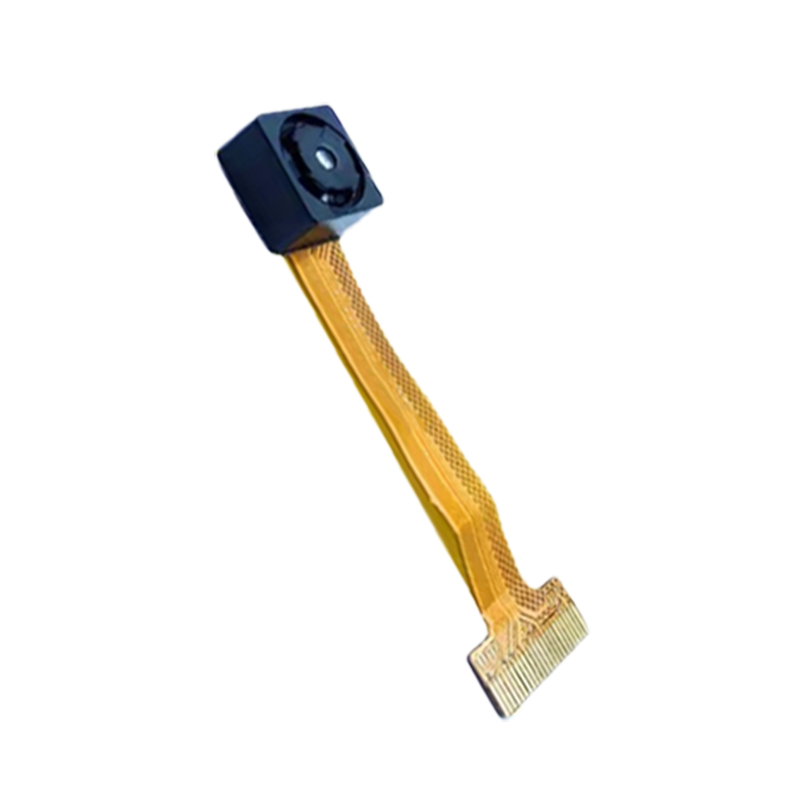
4K Camera Module with Wireless Transmission, Night Vision and Face Recognition
Configurable high-resolution module for drones, smart terminals, OCR devices and AI vision products requiring wireless image transmission.
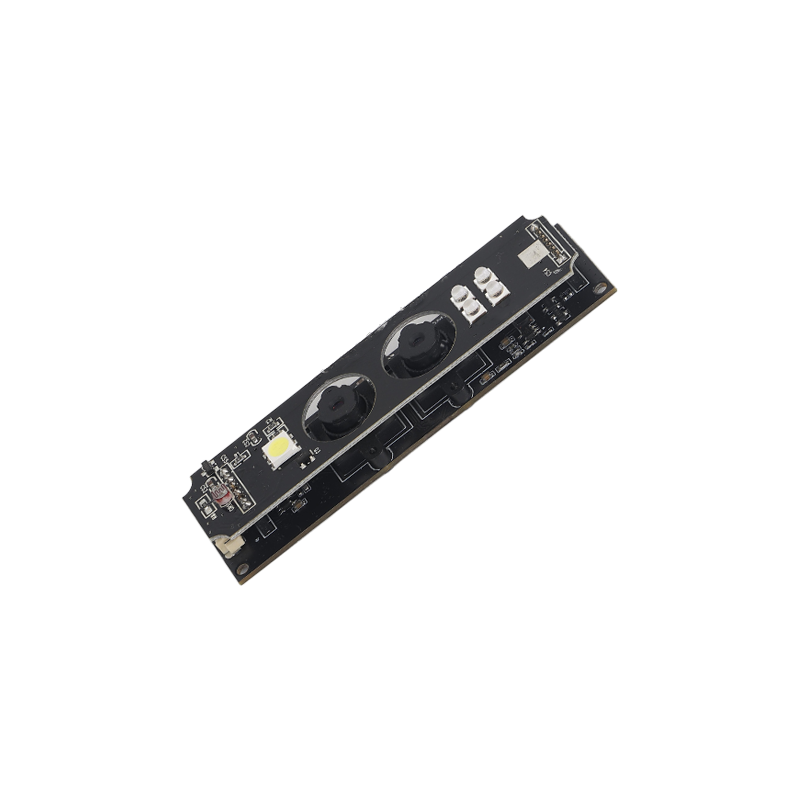
1080P/2K/4K HD Binocular Wide Dynamic Camera Module
Binocular CMOS module with wide dynamic range and auto/fixed focus options for depth-related capture, document imaging and intelligent devices.
Need a different sensor, lens, housing or OCR firmware? Our engineers can adapt any platform to your project. Share your target resolution, OCR workflow, certification market and annual volume.
Why China Remains the Benchmark for OCR Document Scanner Manufacturing
The strongest suppliers are no longer just assembling cameras. They are combining optics, CMOS sensors, image signal processing, OCR pipelines, wireless modules and compliance documentation into a repeatable factory system.
Focused R&D in document cameras, visualizers and imaging modules.
Factory floor area supporting assembly, testing and quality control.
Production, engineering, quality and export support under one roof.
North America, South America, Western Europe, South Asia and Africa.
Where the supply chain creates real advantage
Shenzhen and the wider Pearl River Delta concentrate CMOS sensor distributors, lens and FPC suppliers, ISP tuning houses, injection-molding toolmakers and certification labs within a few hours of each other. For an OCR document scanner program, this shortens the loop between a failed sample and a corrected lens, housing or firmware build.
A buyer can test a 13MP A3 visualizer, an 8MP book scanner and a USB2.0 low-light module in the same week, then select the optical stack that keeps text sharp at the edges of the page. That iteration speed is the real advantage — not simply a lower quotation.
What separates a factory from a trading company
Many suppliers can quote a document camera and upload a catalog. Fewer can explain how the image signal processor is tuned for OCR, how autofocus behaves on curved book pages, how a 5.8GHz wireless link performs in a crowded school network, or how the production BOM is controlled when a sensor lot changes.
Ask for the production BOM, not only the sample BOM. Request change-control records, aging-test data, firmware version history and certification reports that match the exact model you will import. A reliable factory will show you the evidence. A trading company will usually route the questions back to an unknown third party.
Information gain: the factory audit formula we use with buyers
Before a sample is approved, Eshuni’s export team applies a simple screen: Suitable factory = (in-house optical/electronic R&D × documented change control × OCR validation capability) ÷ landed-cost risk. A high score on one factor cannot compensate for a near-zero score on another.
For example, a 13MP sensor is not an advantage if the lens is misaligned, the firmware cannot expose a stable UVC stream, or the factory cannot reproduce the sample after a component substitution. Procurement teams should score suppliers against all three capability factors and then compare the landed cost, warranty and firmware roadmap.
Match the OCR Hardware to the Real Workflow
A tender rarely buys one generic document camera. It buys a workflow. Use this use-case matrix to shortlist the first sample and avoid over-specifying one parameter while under-specifying another.
K-12 and Higher Education
Use the 13MP A3 wireless visualizer for live demonstrations, book pages, science experiments and hybrid lessons. Prioritize A3 coverage, autofocus, stable wireless and teacher-friendly software.
View A3 13MP visualizer →Government Identity Counters
Combine document capture with dual 1080P biometric modules for counters that must verify a person and a document in one session. Evaluate anti-spoofing, lighting control and privacy requirements early.
View biometric module →Finance, Insurance and Telecom KYC
For contracts, receipts and ID documents, use a high-speed page scanner camera with consistent illumination and OCR-friendly output. Speed matters, but repeatable page alignment and image quality matter more.
View high-speed scanner →OEM Integrators and Smart Devices
Use 4K or binocular CMOS modules when the OCR engine must be embedded into a kiosk, drone, AR device or wearable. Ask for FPC drawings, power budget, MIPI/USB options and SDK documentation.
View 4K camera module →2025–2030 Procurement Trends: What Buyers Will Specify Next
The next wave of OCR document scanner tenders will reward suppliers who can document image quality, software integration and lifecycle support — not only resolution and price.
OCR Accuracy Moves Into the Tender
Buyers are starting to define sample pages, fonts, languages, lighting conditions, minimum character confidence and edge-distortion limits. Resolution alone is no longer a specification. Suppliers must provide OCR validation evidence.
Edge AI and Privacy-by-Design
On-device OCR and local document processing reduce data transfer and simplify compliance. Procurement teams will ask where images are processed, how logs are stored and whether the device can operate without a cloud connection.
Wireless Becomes Hybrid, Not Replacement
5.8GHz wireless is valued in classrooms and mobile counters, but buyers increasingly want USB-C or USB fallback in the same device. A hybrid model protects the deployment if the wireless environment changes.
Dual-Camera Identity Capture Grows
Government, finance and telecom projects increasingly need a document image and a live person image in one workflow. Dual-camera terminals with face, palm or vein capture will replace single-purpose scanners in many counters.
Modular Camera Modules for Custom Products
System integrators want the imaging engine, not always a finished scanner. FPC/CMOS modules with documented interfaces will grow in kiosks, AR glasses, wearables, drones and OCR appliances.
Total Cost of Ownership Beats Lowest Quote
Warranty, spare parts, firmware updates, SDK support, training and compliance documentation now enter the purchase decision. A lower unit price can be more expensive if the supplier cannot support a three-year deployment.
Buyer priority shift: what procurement teams expect by 2030
Directional index based on Eshuni’s project inquiries and tender reviews across education, government and finance deployments. It is not a market forecast, but it shows where specification pressure is increasing.
What the Next OCR Document Scanner Will Look Like
The document camera is becoming an imaging edge device. Hardware, firmware and OCR software are converging into one system that must be easy to integrate and easy to support.
Resolution With Usable Pixels
13MP to 20MP sensors and 4K output will continue, but buyers will focus on edge sharpness, low-light noise, wide dynamic range and distortion correction. A high pixel count without good optics is wasted.
AI-ISP and On-Device OCR
Text detection, de-skewing, dewarping, shadow removal and layout analysis will move closer to the camera. This reduces bandwidth and enables faster response in classrooms, counters and mobile kiosks.
USB-C, UVC and Wireless Coexistence
Driverless UVC is becoming a baseline requirement. The next generation of visualizers will combine USB-C, HDMI and 5.8GHz wireless in one device so the same unit can serve a PC, interactive panel and mobile teaching setup.
Multi-Sensor Biometrics Convergence
Document capture and identity verification will share one terminal. Face, palm and finger-vein cameras will be paired with document cameras and anti-spoofing logic for government, banking and telecom counters.
Modular FPC and CMOS Modules
AR glasses, wearables, drones and compact OCR appliances need smaller modules with documented FPC pinouts, low power consumption and flexible lens options. The supplier must support custom design, not only catalog sales.
Compliance, Repairability and Longevity
RoHS compliance, recyclable packaging, spare-part availability and multi-year firmware support will become procurement criteria. Buyers want devices that can be serviced, not replaced after the first failure.
Inside Eshuni: Factory Advantages Global Buyers Can Verify
Shenzhen Eshuni Technology Co., Ltd. is a manufacturer and solution provider for information collection and identity verification. Since 2012, we have designed and built high-speed document scanners, video booths, book scanners, identity verification terminals, webcams and camera modules for digital transformation in education, finance, insurance, telecommunications, government and enterprise.

Factory & R&D center · Shenzhen, Guangdong
Our in-house R&D team covers product design, project design and on-site project application — three levels of technical support that many trading suppliers cannot provide. ERP-driven production and supply-chain management keep quality consistent and lead times short, while core hardware and software are our own intellectual property and protected by national patents.
Quality is documented, not implied. The factory operates an ISO9001 quality management system, and products carry CE, FCC, RoHS and China 3C certification where applicable. The manufacturing base covers more than 3,000 m² with 100+ employees. We accept FOB, EXW and DDP terms and ship regularly to North America, South America, Western Europe, South Asia and Africa.
Buyer feedback on the public trade profile averages 4.8/5, and the premises have been onsite verified by a third-party verification company. For buyers, this means one partner can support an education visualizer tender, a government identity terminal and a custom CMOS module program without handing the project to an unknown subcontractor.
How to Evaluate a China OCR Document Scanner Factory
Use this six-point checklist before you approve a sample or release a purchase order. It is designed for importers, tender owners and system integrators who need a repeatable comparison method.
Request a Production Sample
Ask for a unit built from the current production BOM, with the same sensor, lens, firmware and housing as the mass order. Test at least 50–100 real pages under your own lighting conditions.
Verify Certification Scope
Check that the certificate covers the exact model, the report date is current and the standards match your destination market. A logo on a catalog page is not the same as a valid report.
Test OCR Under Real Conditions
Use the paper, fonts, languages, bindings and lighting your users actually encounter. Include low-contrast receipts, curved book pages and handwritten notes if those are part of the workflow.
Ask for SDK, API and UVC Details
Confirm operating-system support, driverless UVC behavior, image formats and OCR output options. If you need an SDK, ask for sample code, version history and a written update policy.
Audit Change Control and Traceability
Ask how the factory handles component substitution, firmware changes and lot traceability. A strong supplier can show ERP records, engineering change notices and outgoing quality reports.
Compare Landed Cost With After-Sales SLA
Include warranty, spare parts, response time, packaging, training and DDP delivery in the comparison. The lowest quotation is not the lowest total cost if service and replacements are weak.
Questions Buyers Ask Before Ordering
These are the practical questions we receive from importers, tender owners and system integrators evaluating OCR document scanner factories in China.
What is an OCR document scanner, and how is it different from a document camera?
An OCR document scanner is a capture system that combines an overhead camera or scan head with OCR software. The hardware controls focus, lighting, distortion and color; the software converts the image into searchable text. A document camera can be part of an OCR workflow, but the OCR result depends on the whole system: sensor, lens, illumination, firmware, SDK and the recognition engine.
Does Eshuni offer OEM and ODM document cameras, webcams and camera modules?
Yes. Eshuni offers OEM manufacturing, product design services and buyer-label production. Our in-house R&D team supports product design, project design and on-site project application, so customization can cover resolution, lens, housing, firmware, packaging and interface requirements.
Which certifications do Eshuni products and factory hold?
The factory operates an ISO9001 quality management system, and products carry CE, FCC, RoHS and China 3C certification where applicable. Core hardware and software are developed in-house and protected by national patents. Buyers should still confirm that the certificate scope matches the exact model and destination market.
Should I choose an 8MP or 13MP document camera for OCR?
An 8MP sensor is generally sufficient for A4 pages, textbooks and live classroom demonstrations. A 13MP sensor is recommended when capturing full A3 sheets, fine print, engineering drawings or archival scans where every detail must remain legible after zooming. In both cases, lens quality, autofocus, lighting and distortion correction matter as much as the pixel count.
What is the difference between USB and 5.8G wireless document cameras?
USB models are plug-and-play and draw power from the computer, which makes them ideal for fixed desks, counters and kiosks. 5.8GHz wireless models let teachers move freely around the room; the 5.8GHz band is typically less congested than 2.4GHz, giving a more stable live image in busy school networks. Hybrid USB plus wireless designs are often the safest choice for multi-room deployments.
Which trade terms and export markets do you support?
Eshuni accepts FOB, EXW and DDP delivery terms and regularly ships to North America, South America, Western Europe, South Asia and Africa. For tender projects, we can prepare documentation for certification, packaging, labeling and inspection requirements before shipment.
How do I request samples and start a private-label program?
Share your application, target resolution, OCR workflow, certification market, annual volume and packaging requirements. The factory will recommend the closest platform, confirm customization feasibility and arrange samples for testing. After sample approval, the project moves to firmware freeze, pilot production and mass production with agreed inspection criteria.
Build Your Next OCR Document Scanner Program with Eshuni
Send your target resolution, OCR workflow, certification market, annual volume and packaging requirements. Our OEM/ODM team will return a recommended configuration, sample plan and production schedule.