8 Document Digitization Products for Global B2B Buyers
This shortlist is organized by deployment scenario, not by a generic catalog ranking. Each model solves a specific buying problem: high-detail A3 capture, mobile teaching, fixed classroom presentation, self-service kiosk imaging, dual-lens identity checks, hybrid visualizer/webcam use, or stable 5.8G wireless sharing. For a tender, compare the capture task, software environment, mounting method, cable route, warranty and spare-parts plan before comparing price.

Document Camera Scanner 48MP USB3.0 Autofocus A3 A4 Office Scanning and Classroom Visualizer
- 48MP
- A3/A4
- Autofocus
Best for high-detail A3/A4 capture where fine print, diagrams and textbook pages must remain legible after zooming. USB 3.0 and autofocus reduce setup friction for fixed teaching desks and scanning stations.
View product details →
OEM Document Camera A3 Portable Wireless 13mp Visualizer Document Camera
- 13MP
- Wireless
- Portable
A portable 13MP A3 visualizer for sales teams, mobile trainers and OEM programs that need a compact wireless document camera. The portable format suits devices that move between classrooms, meeting rooms and demo stations.
View product details →
Visual Presenter HD Camera 8MP 13MP auto focus Document Camera Scanner online educational equipment book camera
- 8MP/13MP
- Auto focus
- Education
An auto-focus visual presenter for online education, book demonstration and live classroom annotation. Choose this class when the priority is smooth focus and natural colour reproduction for projected lessons.
View product details →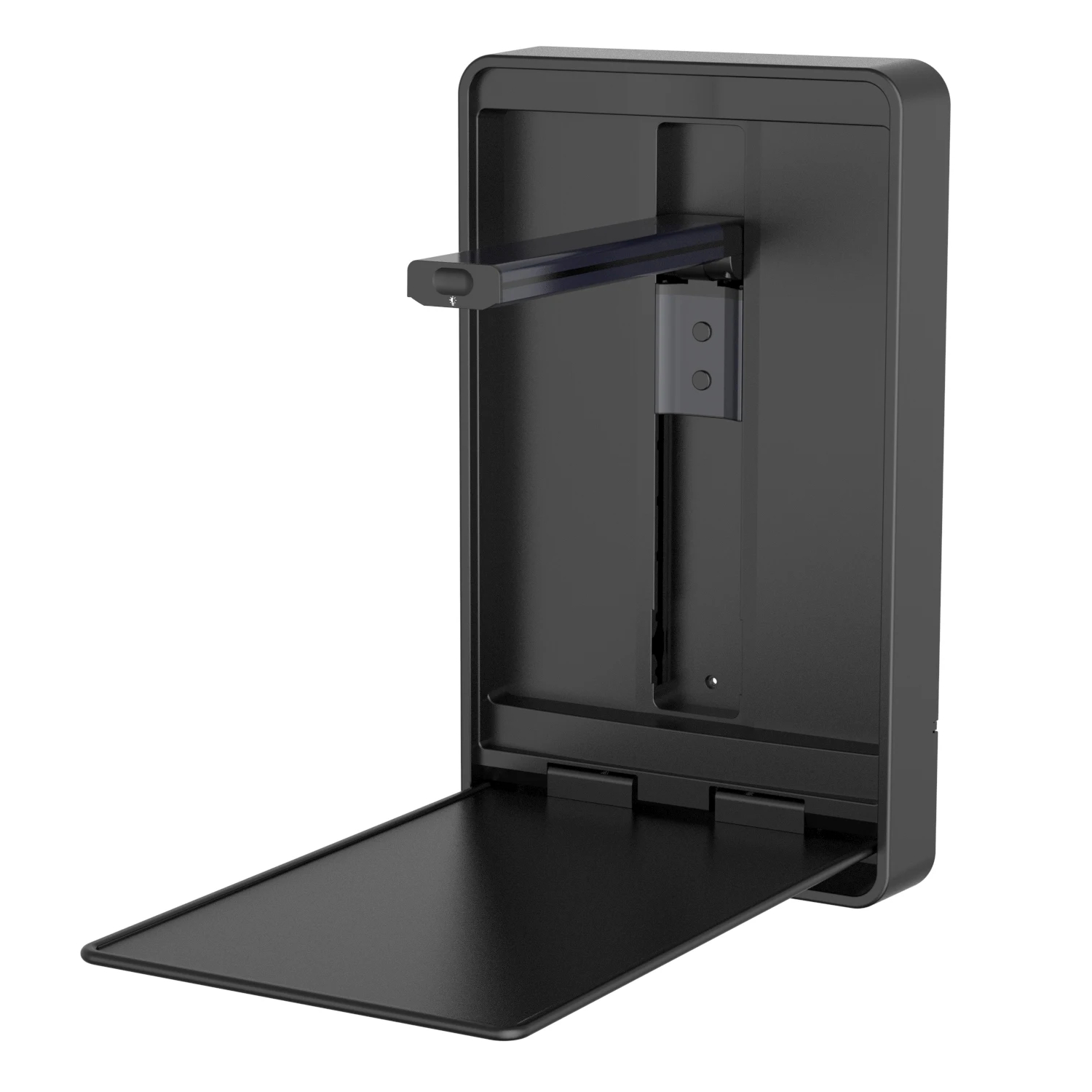
Document Camera OEM Factory 8M Education Display Stand for Wireless Document Camera Scanner, Wall Mounted Video Display Stand
- 8MP
- Wall mount
- Education
An OEM education display stand with wall-mount option for fixed classroom capture. The design is aimed at schools and integrators that want a stable overhead view without occupying desk space.
View product details →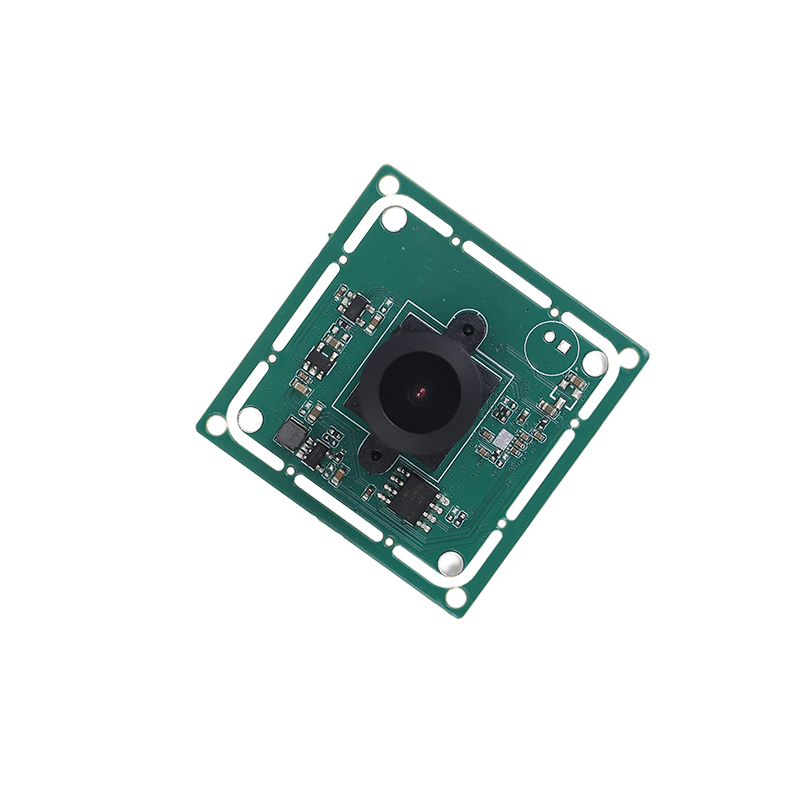
1080P 30FPS USB HD portrait shooting camera module with macro recognition, fixed focus, and optional auto focus
- 1080P
- Macro
- USB module
Best for kiosks, self-service terminals and compact imaging devices. Fixed-focus and auto-focus options let integrators match depth of field to the mechanical design and installation distance.
View product details →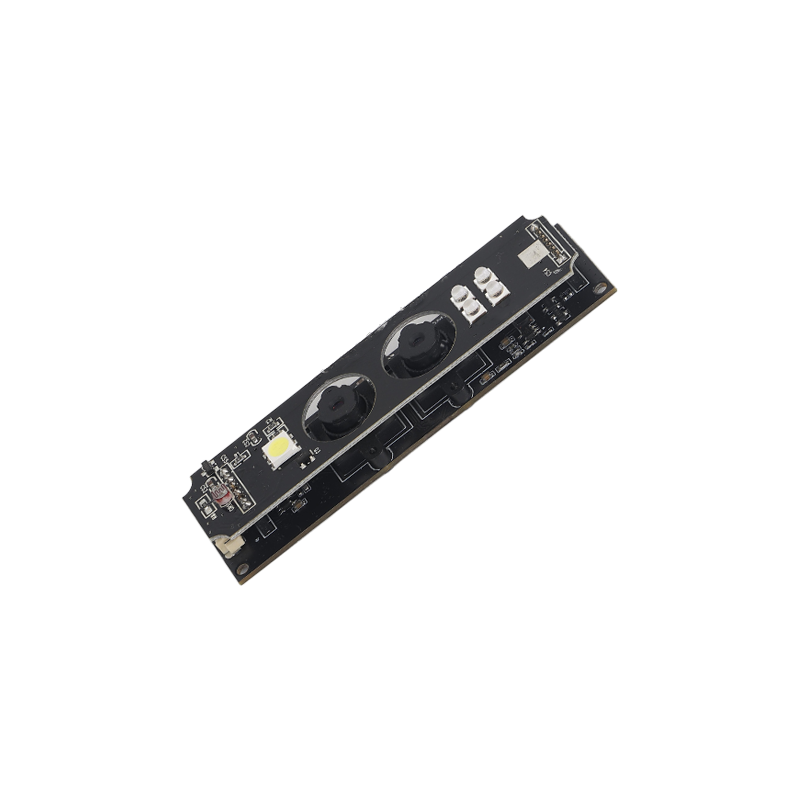
1080P/2K/4K HD binocular wide dynamic camera module CMOS sensor auto focus/fixed focus
- Dual view
- Wide dynamic
- OEM core
A binocular wide-dynamic camera module for identity, face and dual-view applications. CMOS sensor options and auto/fixed focus support OEM projects that need a ready camera core rather than a finished housing.
View product details →
OEM USB A3 13mp 2 in 1 Education Visualizer Document Camera and Webcam for Education Scanning Book Camera
- 13MP
- A3
- Webcam + visualizer
A 2-in-1 A3 13MP visualizer and webcam for hybrid teaching. Teachers can switch from face-to-camera presentation to overhead book scanning without deploying two separate devices.
View product details →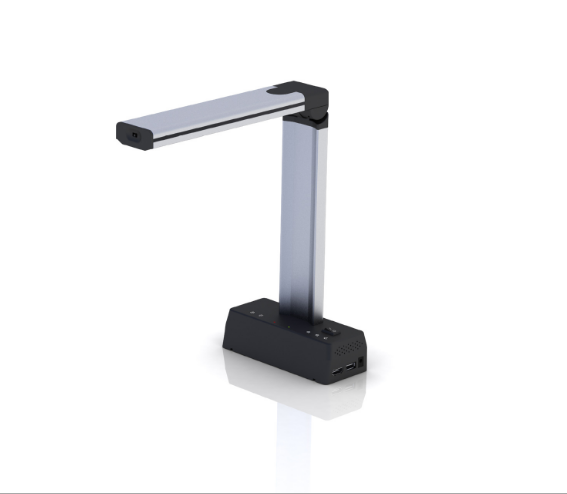
WIFI document camera visualizer wireless 5.8G WIFI OEM ODM Document scanner for education or office
- 5.8G WiFi
- OEM/ODM
- Education
A 5.8G WiFi document camera visualizer for education and office scanning. The 5.8GHz link is chosen when 2.4GHz classroom networks are congested and teachers need a more stable live image.
View product details →All eight products are available for OEM/ODM evaluation. Share your target sensor, housing, firmware and packaging requirements.
A Factory Footprint Built for Long-Term Supply
For importers and tender teams, a supplier’s production base matters as much as the sample image. These figures summarize the operating scale behind Eshuni’s document camera, visualizer and camera-module business.
A Practical Definition of Document Digitization Equipment
Document digitization equipment is not limited to a flatbed scanner. In education, government, finance and enterprise projects, the category includes overhead document cameras, visual presenters, book scanners, ID card capture terminals, dual-camera counters, USB webcams and embedded camera modules. The common requirement is repeatable capture: a page, object, face or identity document must be turned into a clear image that software can display, store, OCR or verify.
At supplier selection stage, experienced buyers compare total cost of ownership rather than megapixels alone. A 13MP device with poor autofocus, unstable drivers or slow repair turnaround can cost more than an 8MP model with consistent colour, reliable UVC output and local spare-parts support. The most useful questions are: Which capture area is required? What software receives the image? Who installs the device? How is firmware updated? What happens if one unit fails during a school term or a government rollout?
Information gain comes from evidence: request a live capture sample under the same lighting as the deployment, test the device in the buyer’s video platform, confirm the sensor/lens combination, and ask the factory to document the acceptance criteria. This is the standard Eshuni applies when helping importers, tender teams and system integrators shortlist reliable China document digitization equipment suppliers and exporters.
Why Eshuni Belongs on a China Supplier Shortlist
A supplier should be judged by engineering depth, quality records, customization capability, delivery discipline and application support. These six advantages are the practical reasons global buyers keep Eshuni on their shortlist.
In-house R&D since 2012
The company has focused on information collection and identity verification hardware for more than a decade. Core hardware and software are developed in-house, with national patents supporting ongoing customization rather than catalogue-only selling.
ISO9001 quality management
Factory operations follow an ISO9001 quality management system. Products carry CE, FCC, RoHS and China 3C certifications where applicable, giving importers a documented base for retail, tender and compliance reviews.
OEM, ODM and private label
Eshuni supports OEM manufacturing, product design and buyer-label production. A project can range from logo and packaging changes to housing adaptation, firmware settings, accessory selection and retail-ready documentation.
Application-level design support
Our team supports product design, project design and on-site application planning. For tender teams, this means help with capture distance, lighting, mounting, software compatibility and the practical workflow behind the specification.
ERP-driven production discipline
ERP-based production and supply-chain management keep materials, assembly and order progress visible. For repeat buyers, this supports consistent quality and more predictable lead times across document camera and webcam ranges.
Export-ready commercial terms
FOB, EXW and DDP terms are available, with regular shipments to North America, South America, Western Europe, South Asia and Africa. Buyers can align Incoterms, packaging and documentation with their own import process.
Procurement Trends Reshaping China Sourcing in 2025
Price competition remains important, but the strongest buyers now buy around deployment risk. They ask suppliers to prove the capture workflow, not simply quote a sensor resolution.
Workflow proof before price negotiation
Buyers increasingly request a live demonstration in Zoom, Teams, Google Meet or their own capture software. A supplier that can show stable focus, correct colour and predictable installation requirements is easier to qualify for a tender.
Bundled hybrid deployments
Schools and public counters prefer one supplier for the visualizer, webcam, mounting hardware and spare-parts plan. Bundling reduces integration risk and simplifies warranty administration across multi-site rollouts.
Compliance and data privacy
Government, finance and education buyers are reviewing where image processing happens, how firmware is maintained and whether local storage is required. Hardware specifications are now evaluated together with security and privacy questions.
Lower MOQ, higher customization, fewer suppliers
Private label demand remains strong, but buyers are consolidating orders with fewer qualified factories. The winning supplier offers flexible MOQ, reliable customization and a clear path from sample to repeat production.
Supplier evaluation scorecard used by experienced buyers
Use this weighting as a starting point for a tender or internal sourcing review. Adjust the percentages to match your risk profile and deployment scale.
Product Development Trends 2025–2030
The next competitive gap will not be a bigger pixel number alone. It will be how quickly a device turns a physical page, object or identity document into a usable, software-ready image.
AI-assisted capture and OCR-ready output
Future visualizers will increasingly support page-edge detection, glare reduction, handwriting enhancement and auto-cropping before the image reaches the host software. For buyers, the benefit is less operator training and more consistent output across schools, counters and records offices.
Dual-mode wireless and higher-resolution sensors
USB-C, 5.8G wireless and multi-source switching are becoming practical expectations rather than premium features. At the same time, 4K sensors and improved low-light performance will matter in large classrooms, auditoriums and mobile demonstration kits.
Modular camera cores for AI and AR devices
Embedded camera modules are moving into smart glasses, kiosks, access-control terminals and edge-AI devices. The winning design is compact, power-efficient and adaptable, with privacy-by-design processing and clear integration documentation for OEM teams.
How to Specify the Right Device Without Overpaying
A clear specification protects budget and reduces returns. Use these four decision rules before issuing an RFQ or comparing sample prices.
8MP, 13MP or 48MP?
8MP is sufficient for A4 pages, normal textbooks and live classroom demonstrations. 13MP is safer for full A3 sheets, fine print, engineering drawings and archival scans. A 48MP class model is for buyers who need maximum detail and can manage larger file sizes.
USB or 5.8G wireless?
USB models are plug-and-play and draw power from the computer, making them ideal for fixed desks and counters. 5.8G wireless models suit teachers who move around the room; the 5.8GHz band is often less congested than 2.4GHz in busy school networks.
Visualizer or book scanner?
Choose a visualizer for live presentation, annotation and hybrid teaching. Choose a book scanner or overhead document camera for higher-volume page capture, records digitization and office workflows where the output image is the primary product.
OEM/ODM or ready model?
A ready model is faster for pilot orders and private-label launches. OEM/ODM is better when you need specific housing, firmware, mounting, packaging or camera-core integration. Ask for a sample schedule and change-control process before committing.
Quality, Compliance and Supply-Chain Confidence

Shenzhen Eshuni Technology Co., Ltd. manufactures and supports information collection and identity verification solutions for education, finance, insurance, telecommunications, government and enterprise buyers. The product range covers high-speed document scanners, video booths, book scanners, identity verification terminals, webcams and camera modules.
The factory operates an ISO9001 quality management system, and products carry CE, FCC, RoHS and China 3C certifications where applicable. Hardware and software are developed in-house and protected by national patents, which matters when a buyer needs customization without losing control of the final device behavior.
- Confirm the sensor, lens, focus mode and capture area in writing before tooling or mass production.
- Test UVC output, wireless pairing and target software with the exact computer or interactive display used on site.
- Agree on an inspection protocol for image clarity, colour consistency, packaging and accessories.
- Plan spare parts, firmware support and a replacement path for multi-site rollouts.
Frequently Asked Questions for Importers and Tender Teams
What is the difference between a document camera and a document scanner?
Does Eshuni offer OEM and ODM document cameras and webcams?
Which model should I choose for A3 textbook scanning?
Is 5.8G wireless better than USB for classrooms?
Which certifications and trade terms are available?
How do I request samples, pricing and lead time?
Ready to Shortlist a Document Digitization Supplier?
Send your use case, target specification and order volume. Eshuni will help you match the right document camera, visualizer, book scanner, ID capture device or OEM camera module for your market — and clarify the trade terms, certification documents and sample plan before you commit.
Get a Quote