8 Presentation Camera & Document Camera Models for Export Programs
Shortlist proven presentation cameras, visualizers, book scanners and embedded camera modules. Every model can be discussed for OEM branding, packaging, firmware configuration and volume supply planning.

Visual Presenter HD Camera 8MP / 13MP Auto Focus Document Camera Scanner
Online educational equipment and book camera for hybrid lessons, tutoring centers and live classroom demonstration.
- 8MP / 13MP
- Auto focus
- Book camera
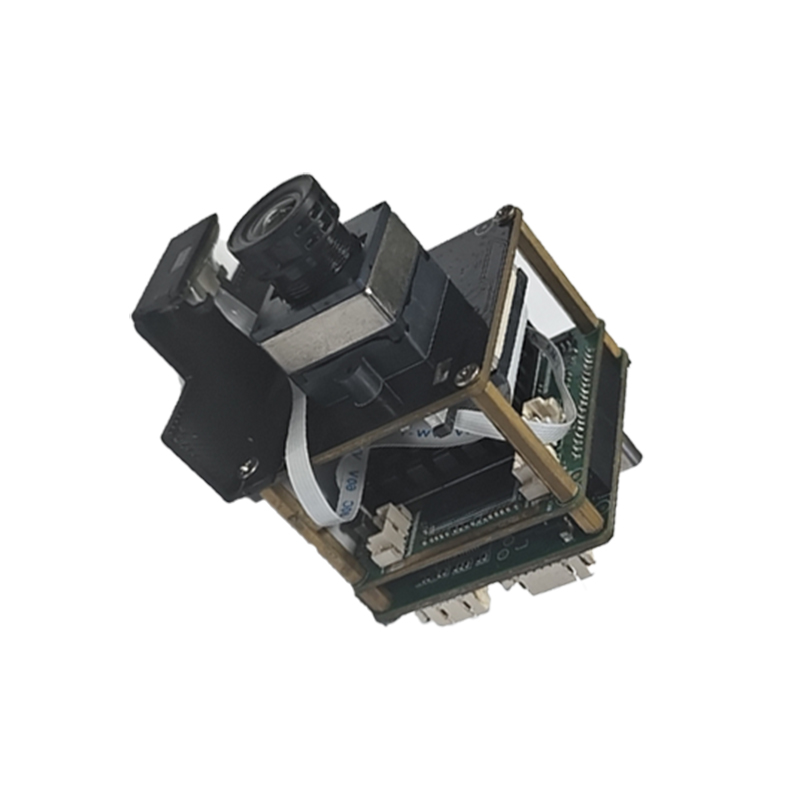
Factory Customized HD Live Streaming Conference / Teaching 4K Camera Module
Multi-system compatible camera module for conference hardware, teaching terminals and embedded live-streaming devices.
- 4K
- Live streaming
- OEM module

CMOS Sensor 1080P 30fps USB2.0 Camera Module with Ultra-Low Light WDR
Monocular wide dynamic range camera module for kiosks, document capture and industrial imaging integration.
- 1080P
- USB2.0
- WDR
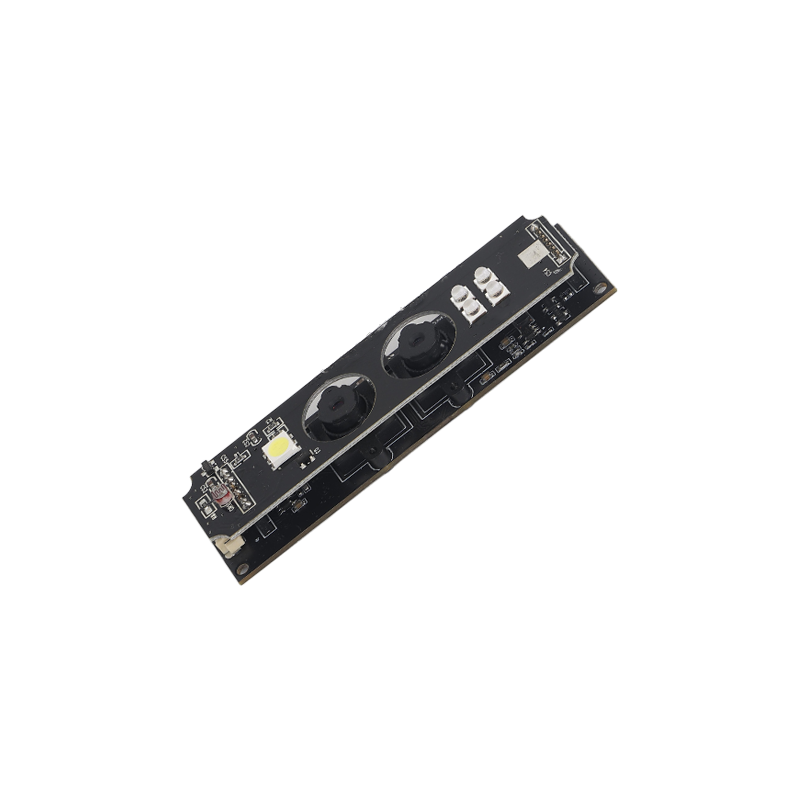
1080P / 2K / 4K HD Binocular Wide Dynamic Camera Module with CMOS Sensor
Auto-focus or fixed-focus binocular module for depth-aware imaging, smart terminals and dual-view capture systems.
- 1080P–4K
- Binocular
- Auto / fixed focus

Wireless Robotic Frame Book Scanner Document Camera A3 / A4
Management document scanner and online-class camera for libraries, records rooms and non-destructive book capture.
- A3 / A4
- Robotic frame
- Wireless

WG133AF-HV V508 VGA / HDMI / USB Three-Mode 13MP Document Camera
Teacher-ready presentation camera with multi-interface output for Mac, Windows, projectors and interactive displays.
- 13MP
- VGA / HDMI / USB
- Teacher use
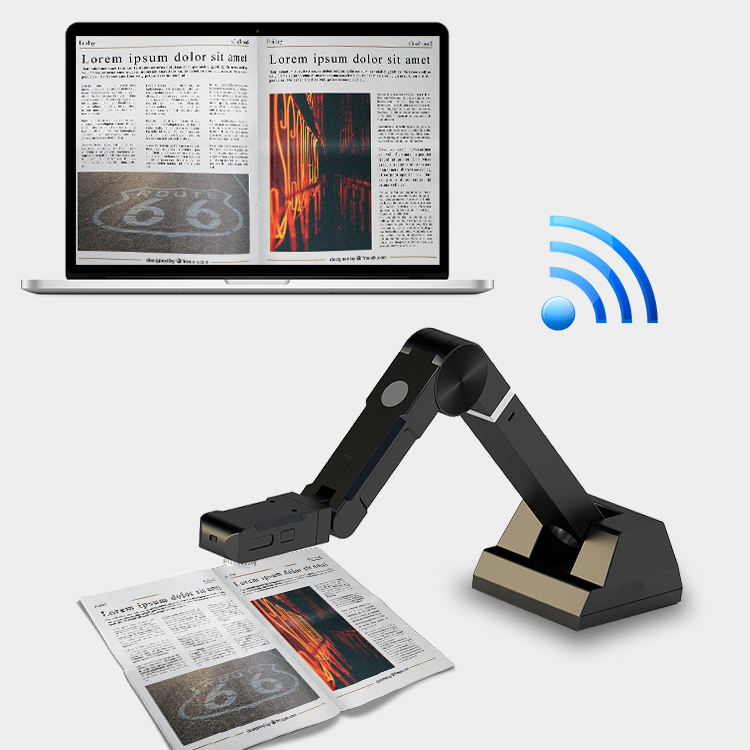
OEM USB Portable Smart Camera Visualizer WiFi A4 / A3 Document Camera
Compact visualizer for mobile teaching, remote tutoring and flexible classroom deployments where portability matters.
- USB + WiFi
- A4 / A3
- Portable
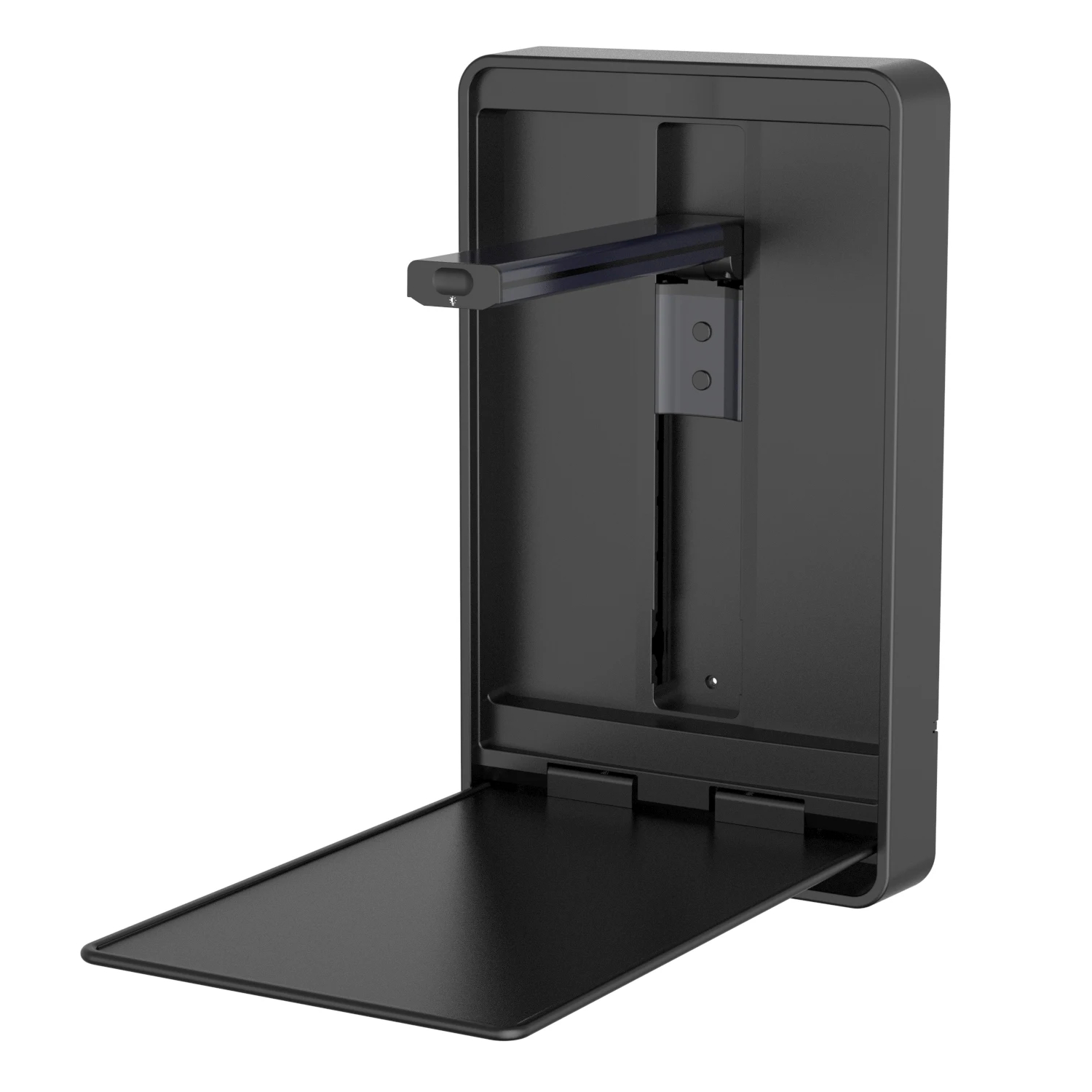
Document Camera OEM Factory 8M Education Display Stand
Wireless document camera scanner and wall-mounted video display stand for fixed classroom or training-room installation.
- 8MP
- Wall mount
- Education display
Why China’s Presentation Camera Supply Chain Still Sets the Benchmark
For B2B buyers, the real question is not “which exporter is cheapest?” but “which factory can prove repeatable image quality, firmware compatibility, spare-part depth and delivery discipline over a multi-year program?”
China remains the world’s densest production cluster for presentation cameras, document camera visualizers, book scanners, USB webcams and compact camera modules. Shenzhen, in particular, combines sensor and lens suppliers, PCB and FPC fabrication, injection molding, firmware engineering and export logistics within a short supply radius. That concentration gives importers faster sampling, better customization options and more reliable cost engineering than many distributed supply chains.
However, the market has matured. Buyers no longer evaluate a presentation camera only by resolution or unit price. They compare total cost of ownership, long-term firmware stability, certification readiness, packaging and private-label capability. A factory that can support both a tender specification and a retail-ready SKU range is more valuable than a trading company that only forwards quotations. For a China presentation camera factory, the ability to support OEM manufacturing, product design, buyer-label production and on-site project application support is now part of the product itself.
What Is Changing in the Next Presentation Camera Buying Cycle
Procurement teams are re-specifying presentation cameras around interoperability, compliance and lifecycle support rather than single-unit price alone.
Total Cost of Ownership
Buyers are asking for spare parts, accessory availability and warranty discipline before comparing FOB prices. A lower quote with no lifecycle support often becomes the most expensive choice for schools and public-sector tenders.
Interface Flexibility
USB, HDMI, VGA and wireless modes are increasingly specified in one project because classrooms, conference rooms and exam rooms rarely share identical hardware. Multi-interface models reduce integration risk.
Compliance as a Gate
ISO9001, CE, FCC, RoHS and China 3C are no longer optional in many tenders. Public buyers increasingly require certification evidence, patent ownership and traceable production documentation before awarding a contract.
OEM/ODM Traceability
Private-label sellers want predictable firmware, stable color rendering and repeatable packaging across repeat orders. Factory-controlled software and hardware IP is now a procurement advantage, not a technical detail.
Presentation Camera Trends Buyers Should Specify Now
These trends affect tender language, sample evaluation and the long-term resale value of a presentation camera range.
13MP and 4K Clarity
An 8MP sensor remains sufficient for A4 pages, textbooks and live demonstrations. A 13MP sensor is recommended for full A3 sheets, fine print, engineering drawings and archival scans where details must stay legible after zooming.
AI-Assisted Capture
OCR, auto-crop, page flattening, de-warping and noise reduction are becoming expected in software-supported visualizers. Buyers should confirm whether these features are embedded, PC-side or optional.
5.8GHz Wireless and BYOD
USB models are plug-and-play and ideal for fixed desks. 5.8GHz wireless models let teachers move freely; the band is typically less congested than 2.4GHz in busy school networks, improving live-image stability.
Modular Camera Modules
Embedded product makers increasingly request compact CMOS modules with WDR, ultra-low-light performance and FPC layouts. These modules support conference systems, smart terminals and AR wearable devices.
Recommended Presentation Camera Fit by Use Case
Specify by workflow, not only by sensor. The right interface, capture area and form factor reduce after-sales support and improve user adoption.
K–12 and University Classrooms
Choose a 13MP, A3-capable visualizer with HDMI, USB and VGA flexibility. Teachers gain clear textbook, worksheet and science-demonstration capture without changing classroom displays.
Hybrid and Remote Teaching
A portable USB/WiFi visualizer with A4/A3 coverage is easier for tutors who travel between rooms or teach from home. Plug-and-play installation reduces setup time and technical support calls.
Library and Archive Scanning
For bound books and fragile documents, a robotic frame book scanner with A3/A4 coverage and non-destructive capture is more appropriate than a fixed-focus camera intended only for single sheets.
Conference and Live Streaming
Conference hardware and teaching terminals benefit from a 4K camera module with multi-system compatibility. For embedded devices, confirm interface, driver support and enclosure constraints early.
Inside Eshuni: The Enterprise Strengths Behind the Quotation
Shenzhen Eshuni Technology Co., Ltd. is a manufacturer and solution provider for information capture and identity verification, serving education, finance, insurance, telecommunications, government and enterprise buyers since 2012.

Manufacturer, Not a Trading Intermediary
Eshuni designs and builds high-speed document scanners, video booths, book scanners, identity verification terminals, webcams and camera modules. The company’s devices support digital transformation in education, finance, insurance, telecommunications, government and enterprise environments.
Backed by a senior R&D team, Eshuni provides three levels of technical support: product design, project design and on-site project application. That combination matters for buyers who need more than a catalog unit — they need a supplier who can help translate a tender’s workflow into a stable hardware and firmware configuration.
Core advantage: ERP-driven production and supply-chain management help keep quality consistent and lead times short, while core hardware and software are developed in-house and protected by national patents.
In-House R&D Since 2012
Long-term engineering focus on document cameras, visualizers and imaging modules supports faster customization and more reliable firmware decisions.
OEM / ODM and Private Label
OEM manufacturing, product design services and buyer-label production make the range suitable for distributors, tender suppliers and regional brands.
Three-Level Technical Support
Support covers product design, project design and on-site project application, helping integrators reduce deployment risk and specification errors.
ERP-Driven Production
Production and supply-chain management are coordinated through ERP systems to improve repeat-order consistency and shorten lead-time surprises.
Own IP and National Patents
In-house hardware and software development reduces dependency on third-party firmware and helps protect buyer-specific configurations.
Global Trade Execution
FOB, EXW and DDP terms are supported, with regular shipments to North America, South America, Western Europe, South Asia and Africa.
Quality, Compliance and Buyer Verification Checklist
Use this checklist when comparing China presentation camera factories and exporters before releasing a sample, tender or private-label order.
Factory and Certification Evidence
Request current ISO9001 evidence, product certification documents and a clear statement of which entity manufactures the product. For public-sector tenders, confirm that CE, FCC, RoHS and China 3C documentation matches the exact model and firmware version being quoted.
- Check factory name, address and model coverage.
- Confirm whether certifications apply to the customized SKU.
- Review patent or IP claims where private-label firmware is involved.
Sample, Firmware and Packaging Review
Test the exact use case, not only a catalog image. Check autofocus speed, low-light noise, 5.8GHz wireless stability, HDMI/USB switching, microphone behavior if applicable, and whether packaging protects the product during export handling.
- Test A3 and A4 documents at the intended zoom level.
- Verify driver compatibility with buyer operating systems.
- Approve logo, manual, label and carton artwork before mass production.
Transparent trading records matter. Eshuni’s public company pages include Ratings & Reviews, Credit Index and Trade History, helping B2B buyers verify the supplier before committing to a program. Delivery terms include FOB, EXW and DDP, with regular shipments across five major export regions.
Questions Buyers Usually Ask Before Ordering
Direct answers for importers, tender suppliers, school distributors and OEM/ODM project owners.
Does Eshuni offer OEM and ODM presentation cameras?
Yes. Eshuni offers OEM manufacturing, product design services and buyer-label production for document cameras, visualizers, webcams and related imaging products. The in-house R&D team supports product design, project design and on-site project application, which helps adapt a model to tender requirements, regional packaging or private-label firmware needs.
Which certifications do the factory and products hold?
The factory operates an ISO9001 quality management system, while products carry CE, FCC, RoHS and China 3C certifications according to model. Hardware and software are developed in-house and protected by national patents. Buyers should confirm certification coverage against the exact SKU and customization requested.
Should I choose 8MP or 13MP for a presentation camera?
An 8MP sensor is sufficient for A4 pages, textbooks and live classroom demonstration. A 13MP sensor is recommended when capturing full A3 sheets, fine print, engineering drawings or archival scans where details must remain legible after zooming. The best choice depends on the smallest text size, capture area and display resolution used by the end customer.
What is the difference between USB and 5.8GHz wireless document cameras?
USB models are plug-and-play and draw power from the computer, making them ideal for fixed desks, counters and simple installation. 5.8GHz wireless models allow teachers or presenters to move freely around the room. The 5.8GHz band is typically less congested than 2.4GHz in busy school networks, which can improve live-image stability.
Which trade terms and export markets are supported?
FOB, EXW and DDP delivery terms are accepted. Eshuni regularly ships to North America, South America, Western Europe, South Asia and Africa. For tender projects, buyers should confirm Incoterms, packaging standards, destination documentation and after-sales responsibilities before the order is finalized.
How can buyers evaluate quality before mass production?
Start with a use-case sample, not a catalog photo. Test document sharpness, autofocus speed, low-light performance, interface switching, software compatibility and packaging. Then review certification documents, firmware version control, warranty terms and spare-part planning. For larger programs, a pre-production pilot with a defined acceptance checklist helps reduce mass-production risk.
Planning a Tender, Private-Label Range or OEM Presentation Camera Project?
Share your application, target specification and expected volume. Our engineering and export team can recommend the right sensor, interface, housing and packaging configuration for your market.
Contact UsDiscuss 8MP/13MP visualizers, 4K modules, wireless document cameras, book scanners and OEM camera modules with the factory directly.