China Wholesale 4K Document Camera Factories & Supplier
A procurement-grade guide to 4K-ready document cameras, visualizers, book scanners and OEM imaging hardware from a manufacturer with in-house R&D since 2012.
Eight Factory Models for 4K-Ready Document Camera Programs
The models below are linked to their original product pages so procurement teams can compare sensor class, capture area, interface and application fit. For a native 4K tender, use these as starting points and request a configuration review; for many A3/A4 classroom and office workflows, an 8MP or 13MP sensor with a high-quality lens and stable UVC pipeline can already deliver excellent clarity after zoom and digital crop.
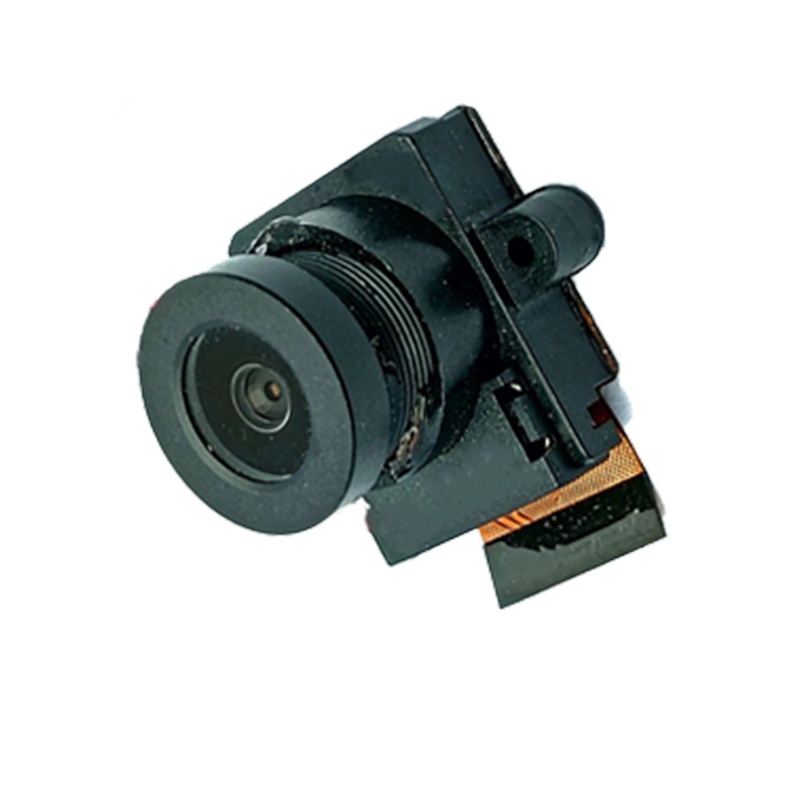
Factory hot-selling 1080p CMOS sensor body camera with HD video/audio recording and night vision
Portable field documentation and recording for buyers who need a rugged capture device alongside a document-camera range.
View factory model
OEM USB A3 13mp 2 in 1 Education Visualizer Document Camera and Webcam for Education Scanning Book Camera
A strong hybrid-learning candidate: overhead document detail plus face-to-camera communication in one USB device.
View factory model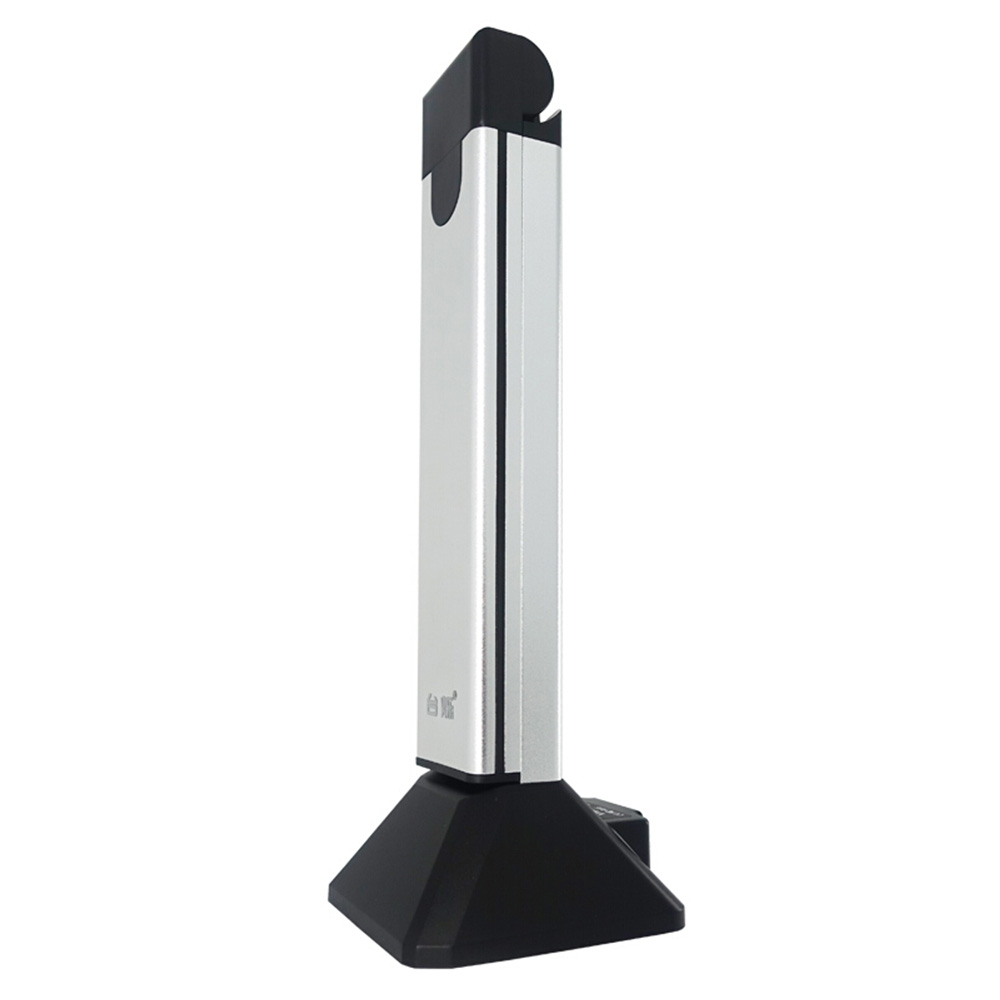
Document camera page camera high speed page scanner for online educational equipment
Suited to exam papers, worksheets and lesson materials where repeatable page capture matters more than camera movement.
View factory model
OEM USB 5MP 8MP 13MP Document Camera Visualizer for Education Camera Scanner or Office Document Scanner
A scalable platform for importers building tiered good-better-best ranges across office and education channels.
View factory model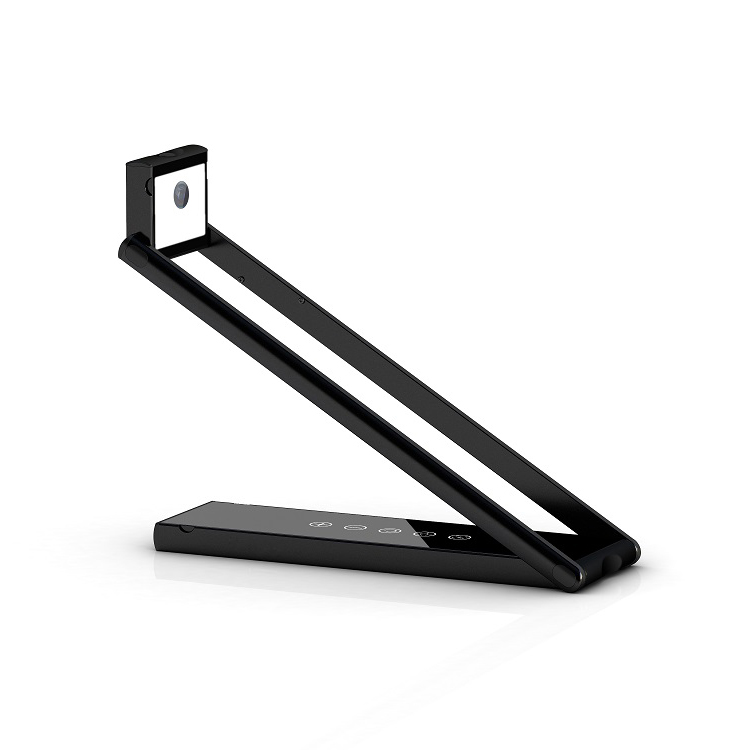
Education Equipment Visual Presenter Document Camera Scanner Scanning A3 Book and Paper
Designed for classrooms and library scanning where full A3 pages, textbooks and bound materials must remain readable.
View factory model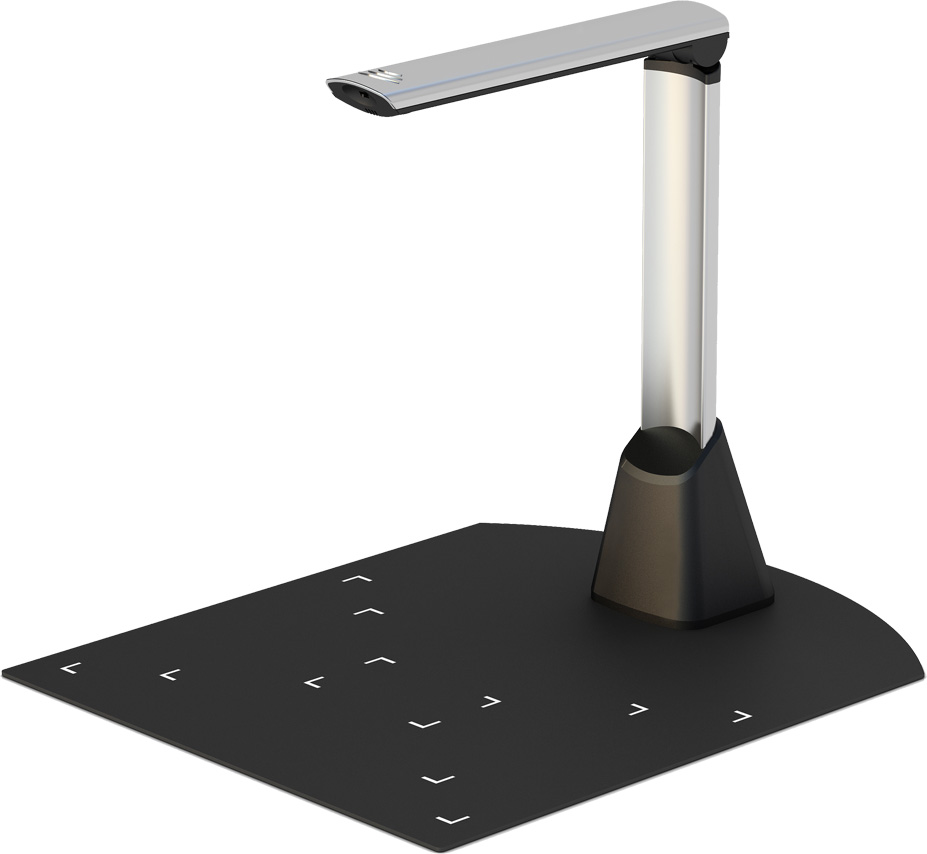
USB OEM A4 Fixed Focus Portable Desktop Document Scanner 13MP for Office Document Scanning
An efficient desk-side scanner for office digitization, customer counters and paper-to-digital workflow projects.
View factory model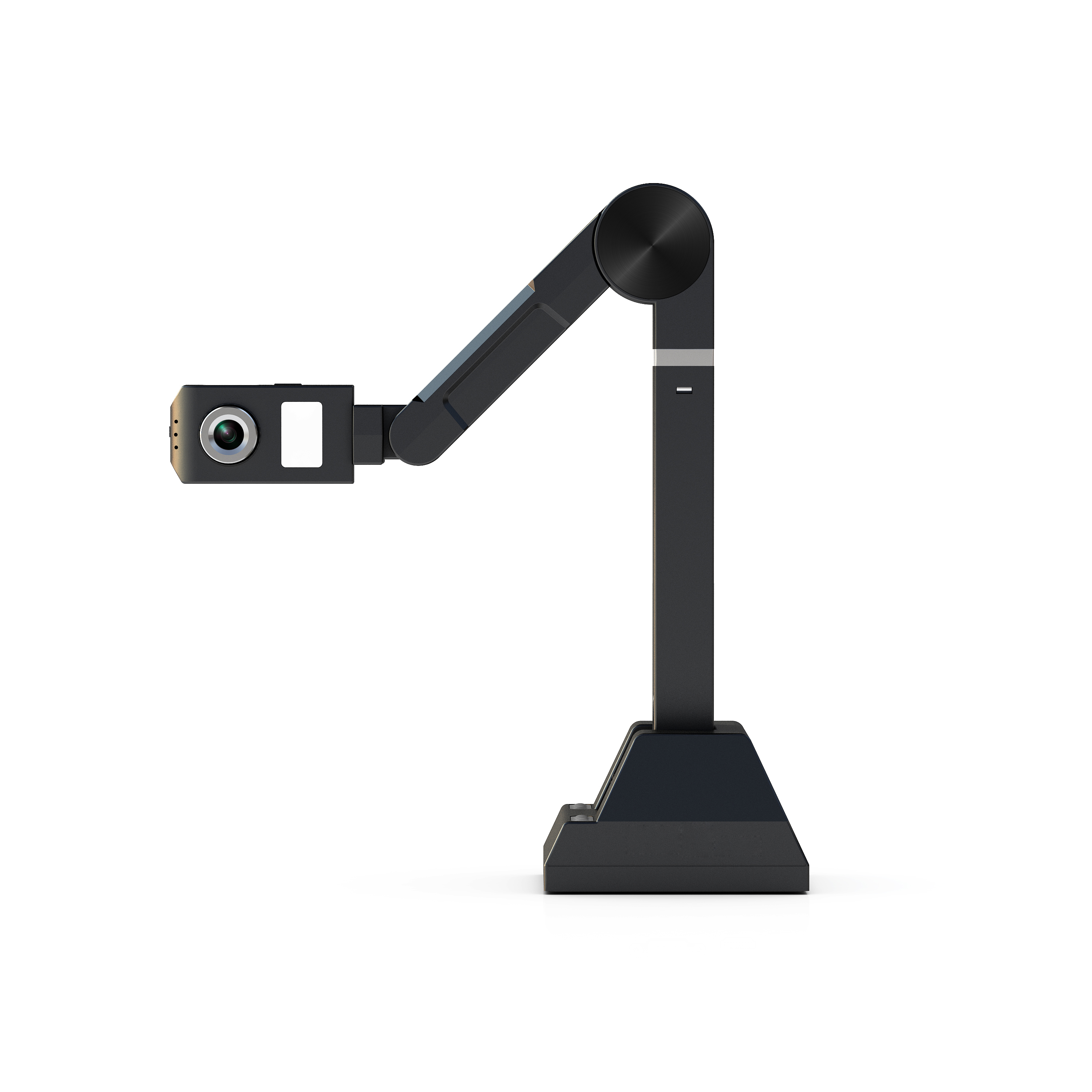
New design HD Camera 8MP 13MP auto focus Document Camera Scanner online educational equipment
Auto-focus supports books, objects and changing working heights, making it easier to standardize across classrooms.
View factory model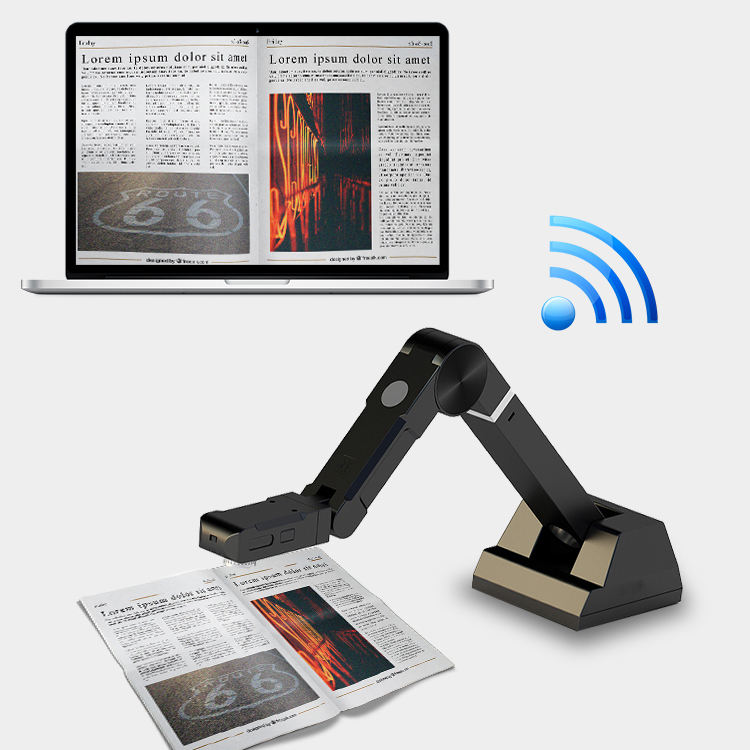
Visualized Handheld Hd Usb A4 Book Scanner A3 Automatic Management Document Scanner Camera
For field documentation, records management and flexible capture where a fixed desktop visualizer is not practical.
View factory modelWhat “4K” Really Means in Document Camera Procurement
4K is often used as a marketing shorthand, but a practical buyer should evaluate the entire imaging chain. Resolution, lens quality, autofocus behaviour, lighting, interface bandwidth and software all determine whether a document camera remains legible after zooming into fine print, annotations, textbook margins or engineering drawings.
Resolution is a system, not a number
A 13MP sensor can support highly detailed 4K-style document capture only when the lens, focus module, lighting, image signal processor and compression path preserve edges. Buyers should request un-retouched captures at the intended A3/A4 working distance, not only a sensor datasheet.
Aspect ratio and oversampling
4K UHD is 3840 × 2160, while document cameras often work with A4, A3 or 4:3 capture areas. A supplier may oversample, crop or downscale the image. The tender should state whether full A3 width must stay legible at the same time as the live video feed.
Interface and latency
USB UVC is ideal for plug-and-play classrooms, counters and offices; HDMI may suit lecture capture and installed AV. Confirm real frame rate, latency, compression, driver support and behaviour on the customer’s video platform rather than accepting a “4K” label at face value.
Wireless is a bandwidth decision
A 5.8GHz link can be less congested than 2.4GHz, but 4K video still needs efficient encoding and a robust video pipeline. Test in a live classroom with multiple access points. For mission-critical government or bank counters, fixed USB or wired HDMI is often more predictable.
AI and software create value
Auto-focus, deskew, book-curve correction, OCR, annotation and document capture workflows can matter more than a small resolution increase. Clarify where processing occurs—on-device, PC or cloud—and how privacy, firmware updates and software licensing are handled.
Total cost of ownership
Consider spare parts, firmware maintenance, lens cleaning, mounting, training and warranty logistics. A modular design with accessible camera modules and consistent UVC support often lowers five-year cost more than a low initial quotation.
What Wholesale Buyers Should Plan For Next
Document camera procurement is shifting from single-spec shopping to deployment risk management. Public tenders, distributor ranges and private-label programs increasingly ask suppliers to demonstrate measurable classroom outcomes, service levels and long-term model continuity.
Outcome-based tenders
Buyers are adding measurable clarity, latency and software compatibility requirements to megapixel specifications. This is good for serious suppliers: it shifts evaluation toward demonstrable capture quality and away from model numbers alone.
Hybrid classroom resilience
Schools want one device that can support overhead demonstration, face-to-camera teaching and recording. Dual-purpose USB visualizers and 2-in-1 document camera/webcam models are becoming easier to justify across multi-site deployments.
Private label and compliance
Distributors increasingly request buyer-label packaging, localized documentation and evidence of CE, FCC, RoHS and other market requirements. OEM/ODM capability helps shorten the path from catalog concept to regional launch.
Supply-chain lifecycle planning
For repeat orders, buyers are asking about stable BOMs, alternative sensors, firmware maintenance and spare-part availability. ERP-driven production and documented change control reduce the risk of a model becoming unsupportable mid-program.
Where 4K Document Cameras Are Heading
The next product cycle will be shaped by clearer imaging, smarter software and better integration with existing classroom and counter workflows. Buyers can use these trends to future-proof a range without overpaying for features that end users will not operate.
4K UHD and high-resolution sensors
As 4K displays and video platforms become normal, suppliers are improving sensor, lens and ISP combinations rather than relying on interpolation. A 13MP-class model can provide useful oversampling for A3 detail when the entire pipeline is engineered correctly.
Auto-focus and macro precision
Books, 3D objects and handwritten notes demand reliable focus across changing heights. Better autofocus and macro performance reduce teacher frustration and make the same model usable across more subjects and grade levels.
AI-assisted document cleanup
Deskew, shadow reduction, book-curve correction, OCR and annotation are becoming practical differentiators. For procurement, the key questions are whether these features run on-device or in software, and whether they are included or licensed separately.
Wireless casting and UVC interoperability
Dual-mode models that support USB and 5.8GHz wireless give schools flexibility, while UVC compatibility reduces driver friction. The most successful products will make switching between wired and wireless workflows simple for non-technical users.
Modular imaging and camera modules
Camera module and FPC design capability is increasingly valuable for AR wearables, compact visualizers and custom OEM projects. Modular imaging platforms let brands adapt a proven core to new housings, lenses and connectivity options.
Identity and document capture convergence
Dual-camera scanners, ID capture and face-recognition access control are moving into the same procurement conversation as document cameras. Government, finance and telecom counters increasingly want document plus identity evidence in one workflow.
Match the Model to the Buying Brief
Use this matrix to compare the eight factory models against a real deployment brief. For a wholesale range, avoid choosing only by headline resolution; match the sensor class, capture area and connection method to the actual user workflow.
| Model | Capture / interface | Best-fit buyer | Procurement note |
|---|---|---|---|
| 1080p CMOS Body Camera | 1080p, night vision, HD audio/video | Field documentation, security-adjacent recording | Not a 4K document camera; pair with a visualizer range for mixed tenders. |
| 13MP 2-in-1 Document Camera & Webcam | 13MP, A3, USB | Hybrid education, remote teaching, tutoring | Strong candidate for detailed document capture plus face-to-camera use. |
| High-Speed Page Scanner | Page camera, education workflow | Exam papers, worksheets, bulk page capture | Confirm software workflow, frame rate and UVC compatibility. |
| OEM USB Visualizer 5MP / 8MP / 13MP | USB, multiple sensor tiers | Importers building tiered product ranges | Specify 13MP when A3 fine detail and digital zoom are key requirements. |
| A3 Visual Presenter | A3 book and paper capture | Classrooms, libraries, training rooms | Best when full page width and textbook visibility are central. |
| A4 Portable Desktop Scanner 13MP | A4, fixed focus, USB | Office counters, records digitization | Fixed focus can be efficient for standard A4 workflows; confirm height flexibility. |
| HD 8MP / 13MP Auto-Focus Visualizer | 8MP or 13MP, auto focus, online education | Schools standardizing across subjects | Auto-focus is useful for books, objects and changing working heights. |
| Handheld HD USB A4/A3 Book Scanner | Handheld, USB, A4/A3 management | Field capture, mobile records management | Check stabilisation, OCR workflow and operator training needs. |
Why a Capable China Supplier Matters Beyond Unit Price
Shenzhen Eshuni Technology Co., Ltd. is described as a manufacturer and solution provider for information collection and identity verification. Its product scope includes high-speed document scanners, video booths, book scanners, identity verification terminals, webcams and camera modules. For wholesale buyers, the real value is not only assembly; it is the ability to hold a specification stable across repeat orders, document test results, support firmware changes and respond when a tender requires certification or engineering adaptation.
Certified quality management
The factory operates an ISO9001 quality management system, while products are presented with CE, FCC, RoHS and China 3C certifications. These documents matter when a distributor is responding to a school, government or enterprise tender.
OEM, ODM and buyer-label support
Eshuni offers OEM manufacturing, product design and private-label production. The in-house R&D team supports product design, project design and on-site project application, which helps buyers adapt a standard model to local packaging, firmware or installation requirements.
ERP-driven production and supply chain
ERP-driven production and supply-chain management support consistency across repeat orders. For wholesale buyers, that translates into clearer production planning, more predictable communication and better control when a project requires several model variants or packaging versions.
Own intellectual property
Core hardware and software are developed in-house and protected by national patents, according to the company profile. This is relevant for buyers who need stable firmware, customisation support or long-term product continuity rather than a purely trading-company supply model.
Application knowledge across industries
Devices support digital transformation in education, finance, insurance, telecommunications, government and enterprise. That breadth helps the supplier translate use cases—such as KYC document capture, classroom demonstration or archive digitization—into practical hardware and software requirements.
Export readiness and due diligence
FOB, EXW and DDP terms are supported, with regular shipments to North America, South America, Western Europe, South Asia and Africa. Public company-profile, trade-capacity, credit-index and buyer-feedback pages can be reviewed as part of supplier due diligence.
Questions Procurement Teams Ask Before Ordering
Clear answers shorten the evaluation cycle. The questions below are written for importers, distributors, tender owners and OEM brand teams comparing China document camera factories.
What should we verify before buying a 4K document camera from China?
Verify raw image clarity at the real working distance, autofocus behaviour, latency on your video platform, UVC or HDMI compatibility, lighting performance, software features and warranty terms. Ask for unedited sample captures of A3 pages, textbook margins and fine print. Also confirm the sensor class, lens specification, firmware update process and packing requirements before comparing quotation prices.
Is a 13MP document camera enough for 4K output?
A 13MP sensor provides more pixels than 4K UHD and can support oversampled detail, but the result depends on the lens, focus accuracy, lighting, image processing and output interface. For tender evaluation, request actual 4K or 4K-style captures at your required A3/A4 working distance. If native 4K at a specific frame rate is mandatory, ask the supplier to document the complete video path rather than only the sensor resolution.
Should we choose USB or 5.8G wireless document cameras?
USB models are plug-and-play and draw power from the computer, making them suitable for fixed desks, counters and classrooms with a nearby PC. 5.8GHz wireless models give teachers more movement, and the 5.8GHz band is typically less congested than 2.4GHz. However, wireless 4K still requires efficient encoding and a stable environment. For high-stakes counters, use wired USB or HDMI unless the wireless workflow has been tested in the actual room.
Can Eshuni support OEM and ODM document camera projects?
Yes. The company offers OEM manufacturing, product design services and buyer-label production. Its in-house R&D team supports product design, project design and on-site project application. Buyers can discuss logo, packaging, firmware configuration, documentation and model adaptation based on the target market and estimated order plan.
Which certifications and trade terms are available?
The factory operates an ISO9001 quality management system, and products are presented with CE, FCC, RoHS and China 3C certifications. FOB, EXW and DDP terms are supported, with regular shipments to North America, South America, Western Europe, South Asia and Africa. Always confirm the exact certificate scope and destination-market requirements for your specific model and configuration.
How can we compare China document camera suppliers efficiently?
Build a scorecard covering optical clarity, interface stability, software compatibility, certification, total cost of ownership, spare-part support and communication speed. Request samples from shortlisted suppliers, test them with the buyer’s actual video platform, and ask for evidence of production capability, trade records and quality management. A supplier that can explain trade-offs clearly is usually safer than one that answers every requirement with “yes” without documentation.
Turn Your 4K Document Camera Brief Into a Quotation
Share your application, capture area, target resolution, interface, deployment country, certification requirements, packaging needs and estimated order plan. Our team can recommend a model, outline OEM/ODM options and help you compare the right factory configuration for your market.