China Wholesale Book Scanning Machine Manufacturers & Factories
Factory-direct sourcing intelligence for overhead book scanners, A3 visualizers, USB document cameras and custom imaging modules — built for importers, tender teams and private-label education brands.
Send an Inquiry8 Factory-Direct Book Scanning and Imaging Products for Wholesale Buyers
This selection is designed for B2B discovery, tender planning and OEM/ODM discussion. Product URLs and images from the manufacturer’s source catalog are retained so buyers can review the exact model family before requesting samples or volume quotations.

Document Camera Scanner 48MP USB3.0 Autofocus A3 A4 Office Scanning and Classroom Visualizer
High-resolution overhead capture for fine print, classroom demonstrations, office records and image-critical archival workflows where detail remains important after zooming.
View product →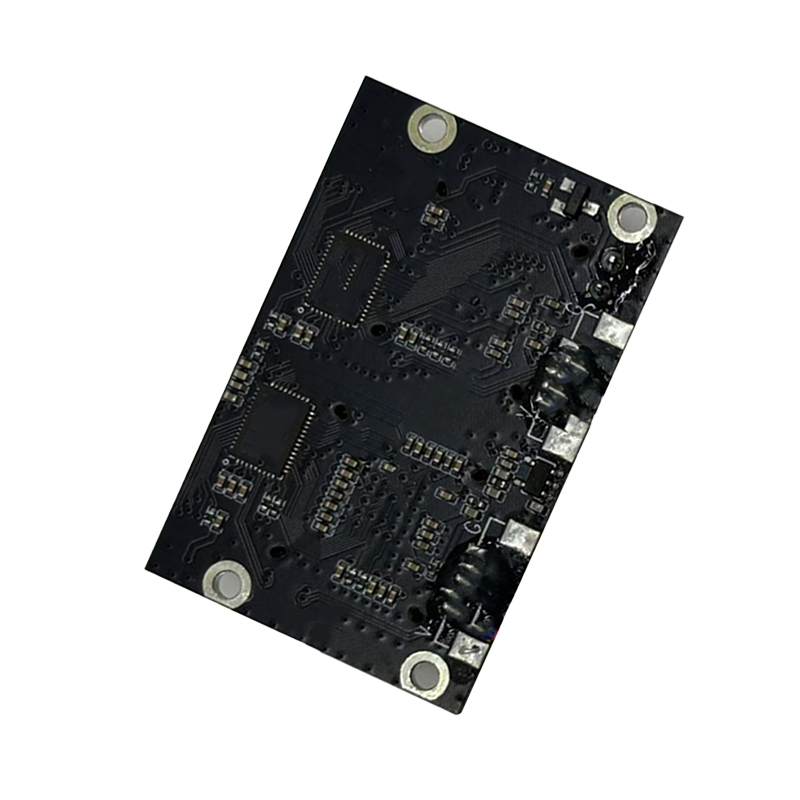
Newly upgraded dual 1080P finger vein palm print recognition facial recognition camera module CMOS sensor
Multi-biometric imaging for identity-verification terminals, access-control gates and service counters that combine document capture with person verification.
View product →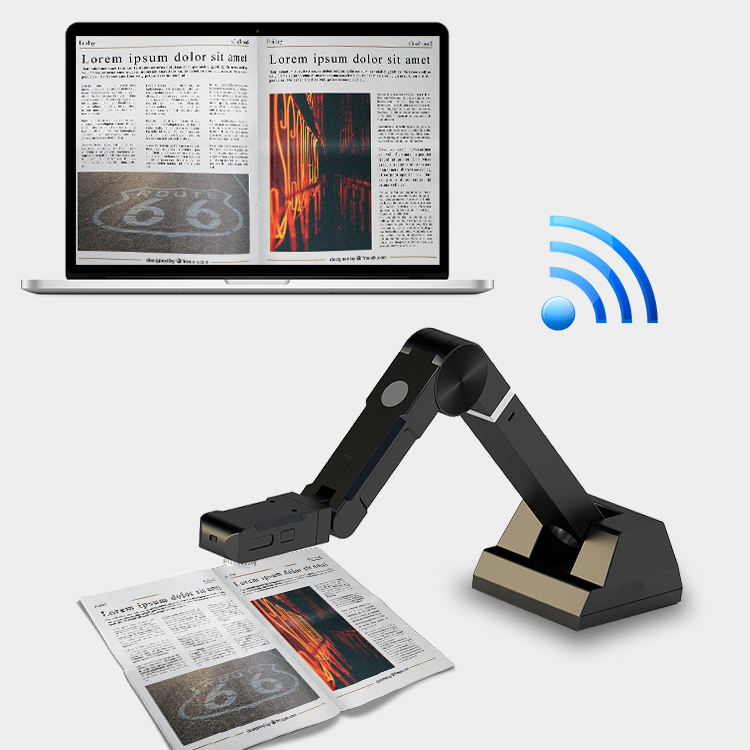
OEM USB Portable Smart Camera Visualizer Wifi A4 A3 Document Camera Visualizer for Education Book Camera
A travel-friendly visualizer concept for online teaching, mobile training and school districts that need flexible desk-side capture across multiple rooms.
View product →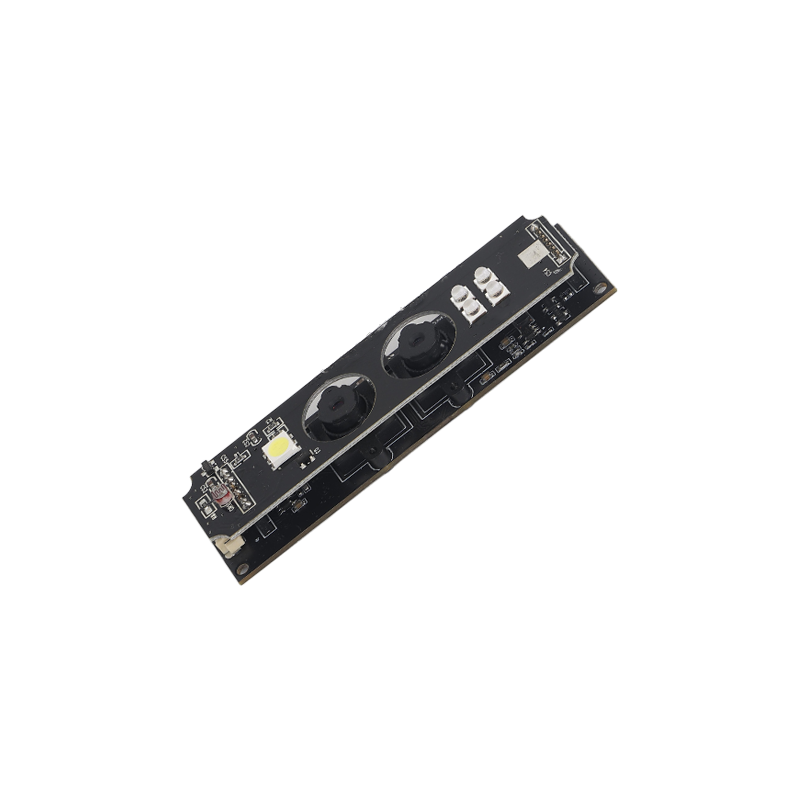
1080P/2K/4K HD binocular wide dynamic camera module CMOS sensor auto focus/fixed focus
For systems requiring binocular capture, wide dynamic range and focus flexibility, including smart terminals, machine-vision prototypes and dual-view scanning stations.
View product →
Visual Presenter HD Camera 8MP 13MP auto focus Document Camera Scanner online educational equipment book camera
A core education visualizer choice for A4 textbooks, live annotation and hybrid lessons, with resolution options matched to budget and image-detail requirements.
View product →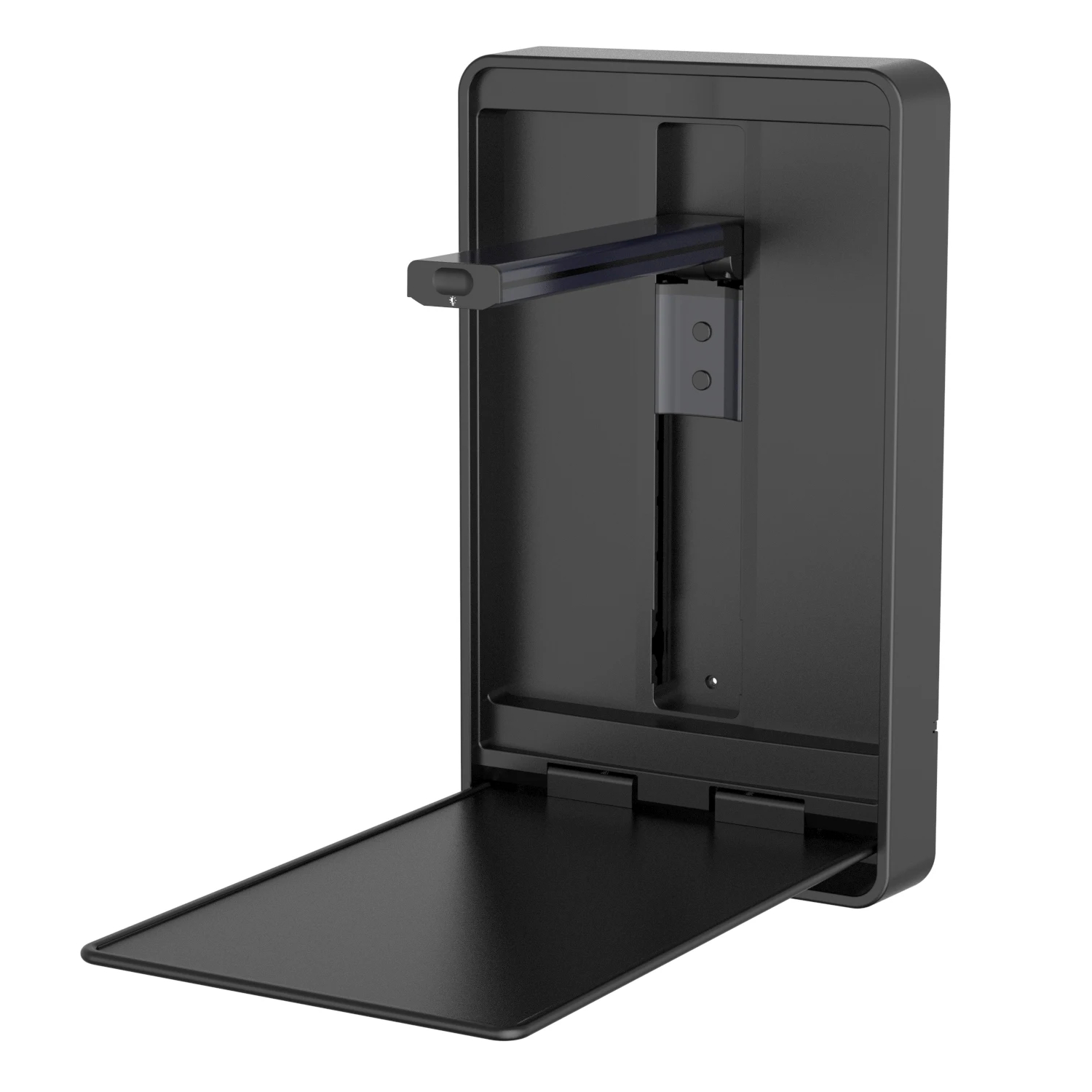
Document Camera OEM Factory 8M Education Display Stand for Wireless Document Camera Scanner, Wall Mounted Video Display Stand
A space-saving fixed installation for classrooms, training rooms and public counters where wall or ceiling mounting reduces desk clutter and setup time.
View product →
China Document Camera A3 Portable Wireless 13mp Visualizer Document Camera
A high-resolution A3 option for art, engineering drawings, large textbooks and mobile teaching where full-page clarity matters in one frame.
View product →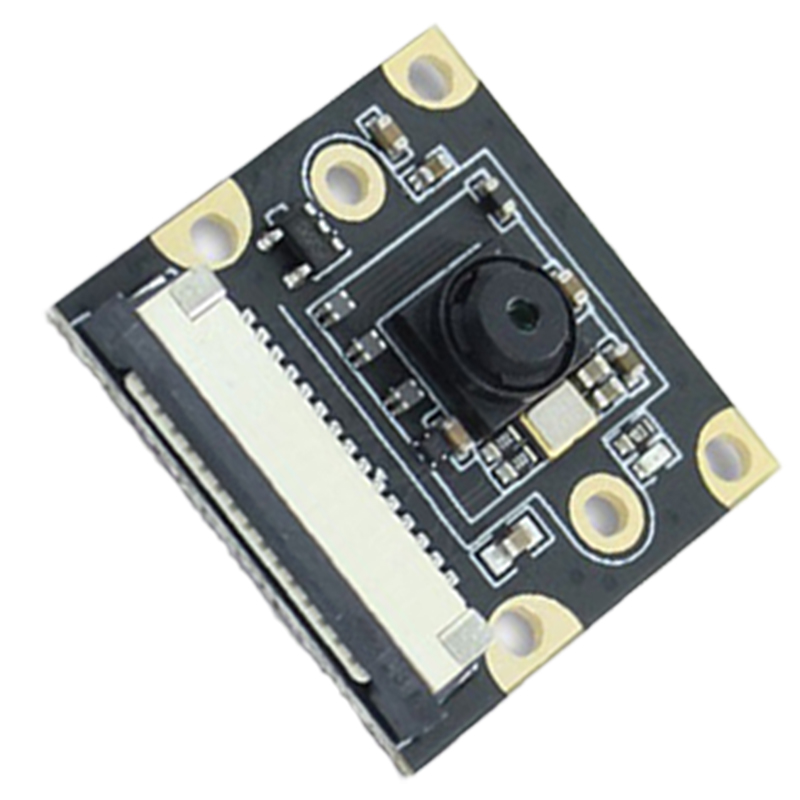
1080p/2K/4K camera module Nvidia development board sensor adjustable focal length webcam camera module
An integration-ready camera module for edge AI, Nvidia development boards, robotics, kiosks and custom book-scanning prototypes that need flexible optics.
View product →China Wholesale Book Scanning Machine Buyers Are Not Just Buying a Camera
A search for China wholesale book scanning machine manufacturers & factories usually sits at the intersection of three buyer intents: distributors seeking private-label supply, tender teams comparing compliant visualizers, and system integrators sourcing embedded camera modules for kiosks or document workflows.
Those buyers do not need the same answer. A school district may need an autofocus A3 visualizer that teachers can operate without training. A library or archive may need non-contact capture of bound volumes, stable lighting, page-curvature correction and OCR-ready output. A bank, telecom operator or government counter may care more about identity verification, audit logs and integration with existing document-management systems. That is why the phrase “book scanning machine” is semantically broader than “flatbed scanner.”
In many Chinese export catalogs, a book scanning machine is an overhead document camera, visualizer or document camera scanner. The camera sits above the page, captures the image without pressing the book flat, and sends a live or still image to a computer, display or network. The practical evaluation question is not simply “how many megapixels?” but whether the device reduces cost per usable page while fitting the room, software stack, compliance file and service model.
This guide is written from a manufacturer and sourcing perspective. Shenzhen Eshuni Technology Co., Ltd. has produced information-collection and identity-verification hardware since 2012, including document cameras, visualizers, book scanners, ID scanners, webcams and camera modules. The objective here is to give wholesale buyers a defensible framework for comparing factories, samples and tender responses — not to reduce the decision to a single specification.
Compare the Four Capture Architectures Before You Request a Quote
Wholesale book scanner projects usually fall into one of four hardware paths. Matching the architecture to the workflow first prevents expensive rework after samples arrive.
| Architecture | Typical product direction | Best-fit workflow | Purchase caution |
|---|---|---|---|
| USB overhead visualizer | 48MP USB 3.0, 8MP/13MP autofocus document camera | Classrooms, office counters, bound books, live annotation, quick still capture | Confirm UVC compatibility, cable length, power draw and the software used for OCR or image enhancement |
| Wireless A3 visualizer | Portable 13MP wireless document camera, 5.8G WiFi book scanner | Mobile teaching, libraries, multi-room training, large-page capture | Test latency, interference and network policy; confirm how the device is powered and paired |
| Wall-mounted document camera | OEM 8MP wireless document camera with wall-mount stand | Fixed classroom, training room, service counter or public display point | Check field of view, installation height, lighting and cable routing before ordering brackets |
| Embedded camera module | 1080P/2K/4K camera module, binocular module, biometric module | Kiosk, Nvidia development board, edge AI, custom scanning station | Define lens, focus range, interface, firmware access, SDK and mechanical envelope early |
Six Procurement Criteria That Separate a Low-Cost Camera from a Reliable Book Scanning System
Experienced buyers compare the complete system. These six criteria are a practical way to structure samples, supplier questions and tender scoring.
Sensor, Lens and Resolution
8MP is sufficient for A4 text and live teaching. 13MP supports A3 pages, fine print and drawings. 48MP and 4K modules suit image-critical archival, zoom and integration work — but resolution must be validated with lens quality, lighting and processing.
Autofocus, Lighting and De-Warping
Bound books are not flat. Ask how the image is corrected for curvature, shadows and page edges. For OCR-heavy projects, compare character accuracy and page-processing time rather than only video smoothness.
Connectivity That Matches the Room
USB models are plug-and-play and draw power from the host. Wireless models give teachers freedom, but need a realistic FOV, latency and interference check. Fixed installations need mounting, cable-routing and display compatibility confirmed before shipment.
Software, UVC and Integration
Many visualizers output UVC video; OCR or document management may run on host software. Define operating system, output format, annotation needs, SDK access and whether the buyer needs local processing or cloud review.
Compliance Evidence
For tenders and retail channels, verify the certification file by model and destination. Eshuni operates an ISO9001 system, and product families support CE, FCC, RoHS and China 3C requirements, with in-house hardware and software protected by national patents.
Supply, Spares and Service
Ask who handles firmware changes, spare parts, accessories, packaging and after-sales triage. OEM/ODM flexibility is valuable only when it is matched by stable production, ERP-driven supply-chain control and clear trade terms.
A Buyer Priority Index for Tender Scoring
The weighting below is not a market statistic. It is a practical scoring model that sourcing teams can adapt when comparing wholesale book scanner suppliers and samples.
Use this index to align technical, procurement and finance stakeholders before a pilot. Re-weight it for your tender rules, but keep image quality, integration and service visible.
Six Procurement Trends Reshaping Wholesale Book Scanner Purchasing
Buyers are becoming more sophisticated. The winning supplier will be the one that can document performance, integrate with local workflows and keep a multi-year fleet serviceable.
From Lowest Price to Lifecycle Cost
Procurement teams now model installation, training, software, spare parts and downtime alongside unit price. A low-cost visualizer that fails in a classroom creates a much higher cost than a slightly higher-specification unit with stable supply.
Privacy and Local Processing
Document, identity and biometric use cases attract greater scrutiny. Buyers ask where images are processed, how long they are retained and whether local software can satisfy data-governance rules. This is especially relevant for government, finance and telecom counters.
Hybrid Wired and Wireless Fleets
Rather than choosing one connection method, large buyers often mix USB document cameras for fixed desks with wireless visualizers for mobile teaching. The supplier should be able to support both without creating separate service and accessory silos.
Outcome-Based Tender Specifications
Tenders increasingly describe the workflow outcome — capture speed, OCR quality, annotation, image export, accessibility — rather than only sensor megapixels. Suppliers that can map specifications to real workflows gain an advantage.
Verified Compliance and Supply Resilience
Certification files, factory verification, public trade records and component continuity are becoming part of supplier scoring. Buyers want evidence that the factory can support repeat orders and documentation requests, not just a sample.
Pilot-First and Regional Service
More distributors and integrators begin with a small pilot, collect teacher or counter-agent feedback, then scale. Suppliers that support sample configurations, local documentation and after-sales triage shorten the path from trial to volume order.
Six Product Development Trends Buyers Should Watch
The next generation of book scanning hardware will compete less on raw pixels and more on image usability, integration and serviceability.
Higher Resolution with Better Image Processing
48MP, 13MP and 4K options are becoming available at more price points, but the real differentiator is how the device handles glare, shadows, page curvature and text contrast. Buyers should test real books, not only printed test charts.
AI Assistance at the Edge
Auto-crop, page-boundary detection, de-skewing and OCR pre-processing are moving closer to the device. Edge processing can reduce workflow steps and improve privacy, but it must remain transparent and easy to maintain.
Multi-Camera and Identity Convergence
Document capture is increasingly paired with facial, palm or finger-vein imaging in service counters and access-control environments. A supplier with both document-camera and camera-module experience can integrate these needs more coherently.
Modular Camera Modules and UVC Compatibility
Integrators want interchangeable modules, flexible focal lengths and standard interfaces. UVC-friendly designs and well-documented mechanical envelopes reduce development risk for kiosks, Nvidia development boards and custom scanning stations.
Flexible Mounting and Portability
Wall-mounted document cameras, portable visualizers and quick-fold stands address different room constraints. The same buyer may need all three across a school or public-service network, making product-line coherence an advantage.
Sustainable Design and Repairability
Longer product life, replaceable accessories and packaging reduction are becoming procurement considerations. A repairable book scanner with clear spare-part support can be more economical and sustainable than a sealed low-cost unit replaced every few years.
Inside Shenzhen Eshuni Technology Co., Ltd.: Manufacturer, R&D Partner and OEM/ODM Supplier Since 2012
Eshuni is a manufacturer and solution provider for information collection and identity verification, not a simple catalog reseller. The company designs and builds high-speed document scanners, video booths, book scanners, identity-verification terminals, webcams and camera modules.

Its devices support digital transformation in education, finance, insurance, telecommunications, government and enterprise. The in-house R&D team focuses on three levels of technical support: product design, project design and on-site project application, so buyer requirements can be translated into workable hardware rather than generic specifications.
Production and supply-chain management are ERP-driven, helping keep quality consistent and lead times visible. Core hardware and software are developed in-house and protected by national patents. The factory operates an ISO9001 quality-management system, and product families support CE, FCC, RoHS and China 3C certification requirements.
For wholesale buyers, Eshuni offers OEM manufacturing, product design services and private-label production. Trade terms include FOB, EXW and DDP, with regular shipments to North America, South America, Western Europe, South Asia and Africa. Public trade records, buyer feedback and factory verification are displayed on the company’s Alibaba.com profile, including an average buyer rating of 4.8/5 shown on the source site.
Where the ROI Appears: Education, Government, Finance and Archives
The same book scanning hardware can deliver very different value depending on the workflow. Define the operating environment before choosing resolution, mounting and connectivity.
Education and Hybrid Teaching
Teachers need one-frame A3 or A4 capture, autofocus, smooth live video and simple annotation. USB visualizers suit fixed classrooms; wireless models help teachers move between rooms. Prioritise ease of use and stable image quality.
Government and Public Counters
Counters may combine document capture with ID or biometric verification. Look for auditable workflow, clear field of view, consistent lighting and models that can be matched with identity-verification terminals.
Finance, Insurance and Telecom
KYC, contract digitization and real-name registration require reliable image capture and privacy-aware processing. Buyers should define whether OCR and document management run locally or on a controlled server.
Libraries, Archives and Enterprise
Bound volumes, drawings and records need non-contact capture, higher resolution and good de-warping. A 13MP A3 scanner or 48MP overhead camera can reduce re-scans and manual correction.
FAQ: China Wholesale Book Scanning Machine Manufacturers & Factories
These are the questions sourcing teams, distributors and tender writers most often ask before shortlisting a factory.
Are you a manufacturer or a trading company?
+
Shenzhen Eshuni Technology Co., Ltd. is a Shenzhen-based manufacturer and solution provider established in 2012. The company designs and builds document cameras, visualizers, book scanners, ID scanners, webcams, identity-verification terminals and camera modules, and also offers OEM/ODM and private-label production.
Can you customize a book scanning machine for our brand?
+
Yes. OEM manufacturing, product design, project design and on-site project application support are available. Typical customization covers housing, labeling, packaging, firmware features, interface configuration, accessories and documentation. Tooling, MOQ and validation scope are confirmed per project.
Which certifications can support a tender?
+
The factory operates an ISO9001 quality-management system, and product families support CE, FCC, RoHS and China 3C requirements. Because certification is model-specific, buyers should confirm the exact SKU, destination market and required test reports before submitting a tender response.
What is the difference between USB and wireless document cameras?
+
USB models are usually plug-and-play and draw power from the computer, making them suitable for fixed desks and counters. Wireless models give teachers freedom to move around the room; 5.8GHz is often less congested than 2.4GHz, but latency, power and network policy should still be tested in the real room.
Should I specify 8MP, 13MP, 48MP or 4K?
+
8MP is generally sufficient for A4 pages, textbooks and live classroom demonstrations. 13MP is recommended for full A3 sheets, fine print and engineering drawings. 48MP or 4K modules suit image-critical archival, zoom and integration work. Validate lens quality, lighting, processing and file size — not megapixels alone.
Can the scanner support OCR or document-management software?
+
It depends on the model and integration plan. Many visualizers output UVC video, while OCR or document management may run on host software. Define operating system, output format, OCR language, local or server processing and any SDK requirement before requesting a quote.
What are the MOQ, sample policy, lead time and warranty?
+
These are project-specific. Share the target model, annual volume, branding needs, certification requirements, destination and trade term. Engineering and sales can then confirm sample arrangements, MOQ, production schedule, warranty scope and documentation. Avoid assuming a catalog price applies to a customized tender configuration.
Do you support FOB, EXW and DDP? Which markets do you serve?
+
Yes. Eshuni accepts FOB, EXW and DDP delivery terms and regularly ships to North America, South America, Western Europe, South Asia and Africa. Final logistics planning should reflect destination, order volume, documentation and after-sales responsibilities.
What should I include in an inquiry for a fast response?
+
Include the use case, capture area (A3 or A4), preferred resolution, USB or wireless connection, software environment, target volume, branding requirements, destination and required certifications. If a tender is involved, attach the relevant clauses and deadline so the factory can respond with the right model and documentation.
Turn Your Book Scanning Requirement into a Quotation-Ready Specification
Share your capture area, resolution target, connectivity, software environment and tender deadline. Our team can map the requirement to an appropriate visualizer, document camera or camera module and confirm OEM/ODM options.
Send an InquiryFactory: Shenzhen Eshuni Technology Co., Ltd. · Email: info@eshunitech.com · OEM/ODM · ISO9001 · CE · FCC · RoHS · 3C