Custom OEM Book Scanner Suppliers & Exporters
Engineering-led document camera, visualizer and book scanner modules for importers, tender teams, distributors and private-label brands that need verifiable quality evidence.
Eight Book Scanner & Imaging Modules for Custom Programmes
These models show the practical building blocks behind a custom OEM book scanner supply programme — from CMOS sensor engines and 48MP document cameras to portable A4 scanners, biometric modules and 4K streaming cameras. Each product link is preserved for direct technical review.

CMOS sensor 1080P 30fps USB2.0 camera module monocular wide dynamic range camera module with ultra-low light performance
A compact 1080P USB2.0 CMOS engine with wide dynamic range and ultra-low-light tuning. Suited to embedded book-scanner heads, document cameras and space-constrained capture devices where sensor, lens and board must fit a custom housing.

Document Camera Scanner 48MP Usb3.0 Autofocus A3 A4 Office Scanning and Classroom Visualizer
A 48MP USB3.0 autofocus document camera scanner for A3/A4 office scanning and classroom visualisation. The high pixel count supports close-up inspection, archive capture and large-format presentation when matched with appropriate optics and lighting.
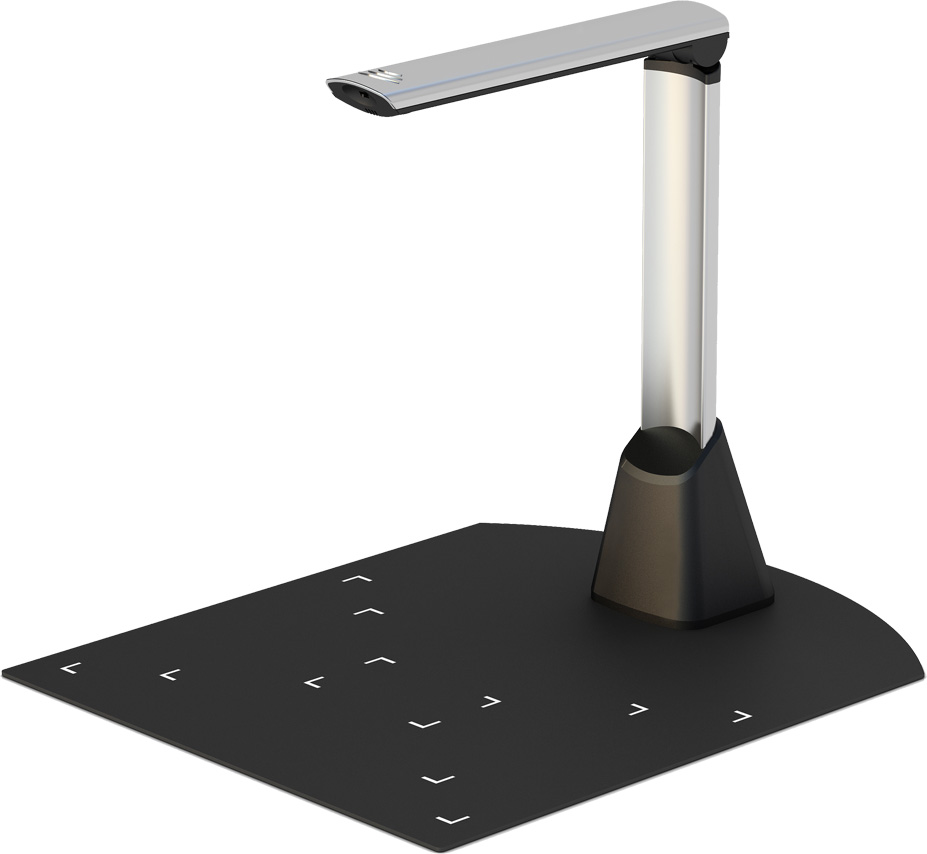
USB OEM A4 Fixed Focus Portable Desktop Document Scanner 13MP for Office Document Scanning
A 13MP USB portable A4 desktop document scanner with fixed focus. Practical for office counters, remote-learning kits and compact book-scanning stations that require fast deployment, simple integration and straightforward field service.
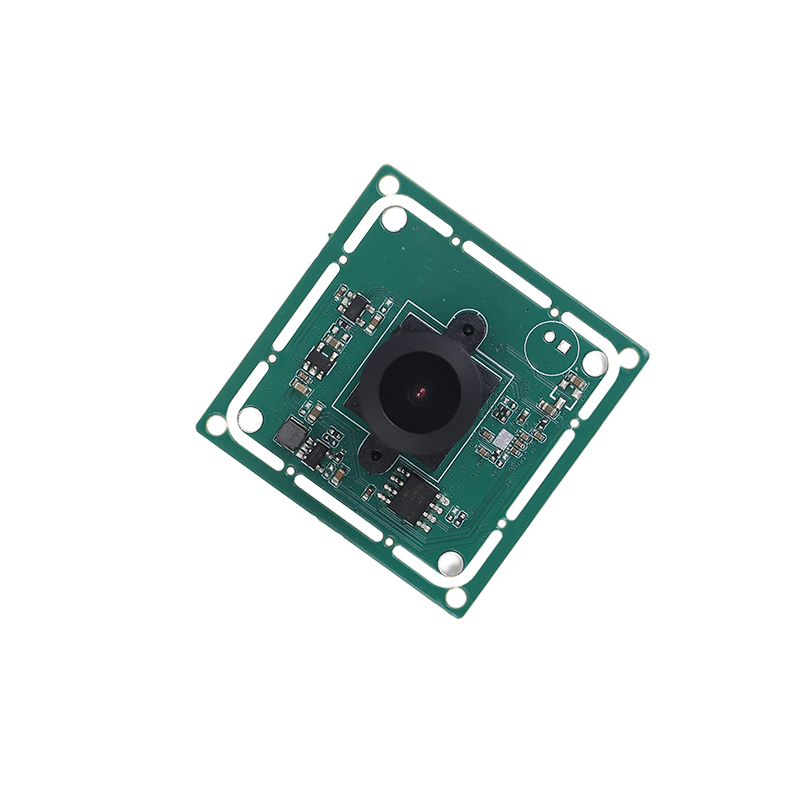
1080P 30FPS USB HD portrait shooting camera module with macro recognition, fixed focus, and optional auto focus
A 1080P USB HD portrait-shooting module with macro recognition and fixed focus, with optional autofocus. Suitable for close-up document capture, identification workflows and multi-angle OEM visualizer designs.

Visual Presenter HD Camera 8MP 13MP auto focus Document Camera Scanner online educational equipment book camera
An 8MP or 13MP autofocus visual presenter designed for online education and book-camera workflows. The platform suits distributors that need a proven overhead capture format with branding, firmware and accessory customisation.
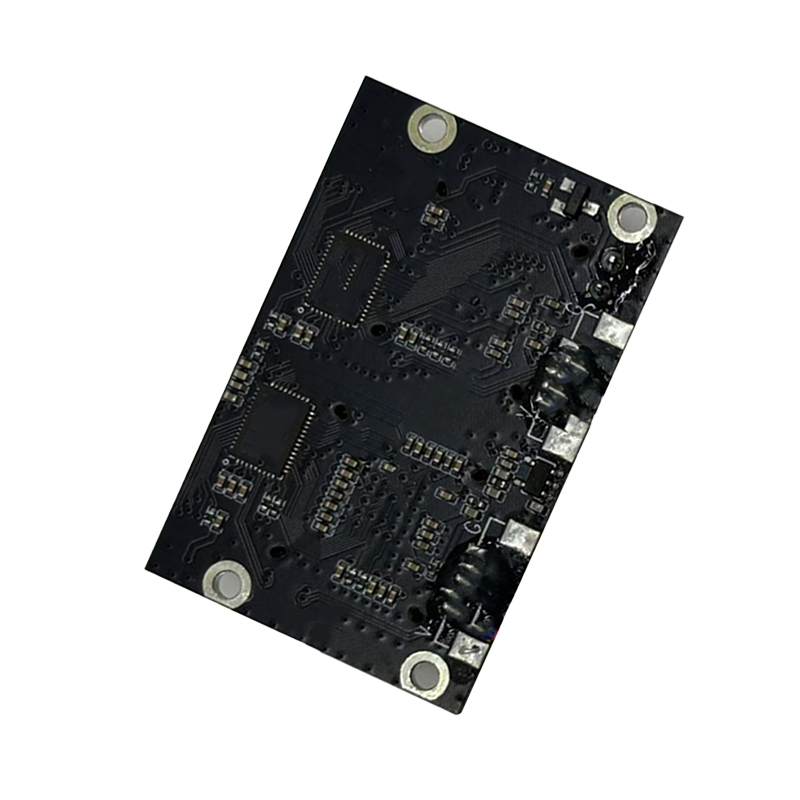
Newly upgraded dual 1080P finger vein palm print recognition facial recognition camera module CMOS sensor
A dual 1080P biometric module combining finger vein, palm print and facial recognition capture. For book scanner exporters, it demonstrates how core CMOS and image-processing expertise can be reused across secure identity projects.
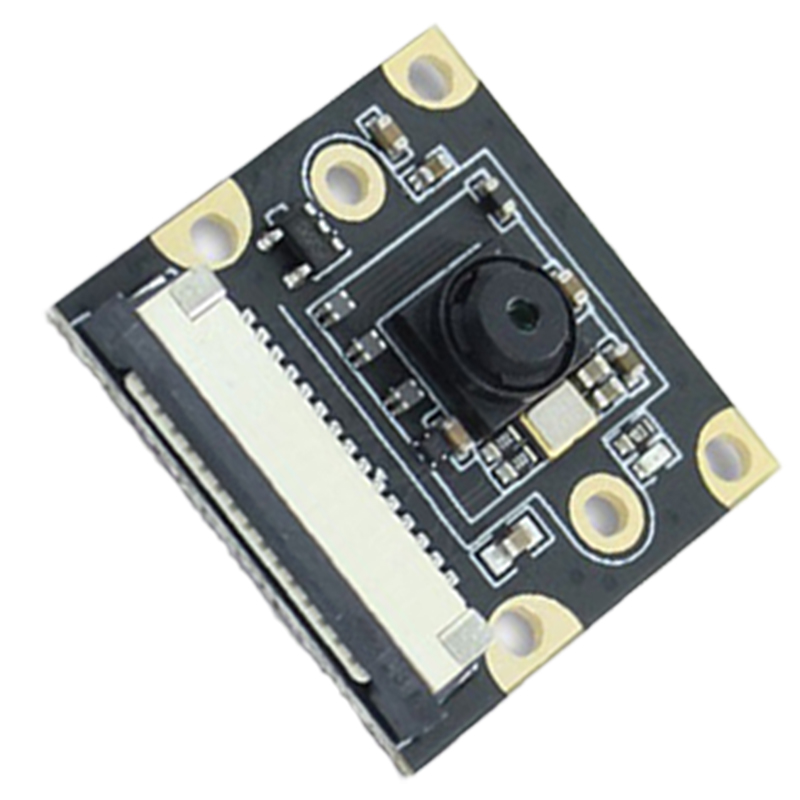
1080p/2K/4K camera module Nvidia development board sensor adjustable focal length webcam camera module
An adjustable-focal-length 1080p/2K/4K camera module for NVIDIA development boards. A development-friendly option for AI vision prototypes, edge OCR appliances and intelligent document capture systems that need rapid lens tuning.
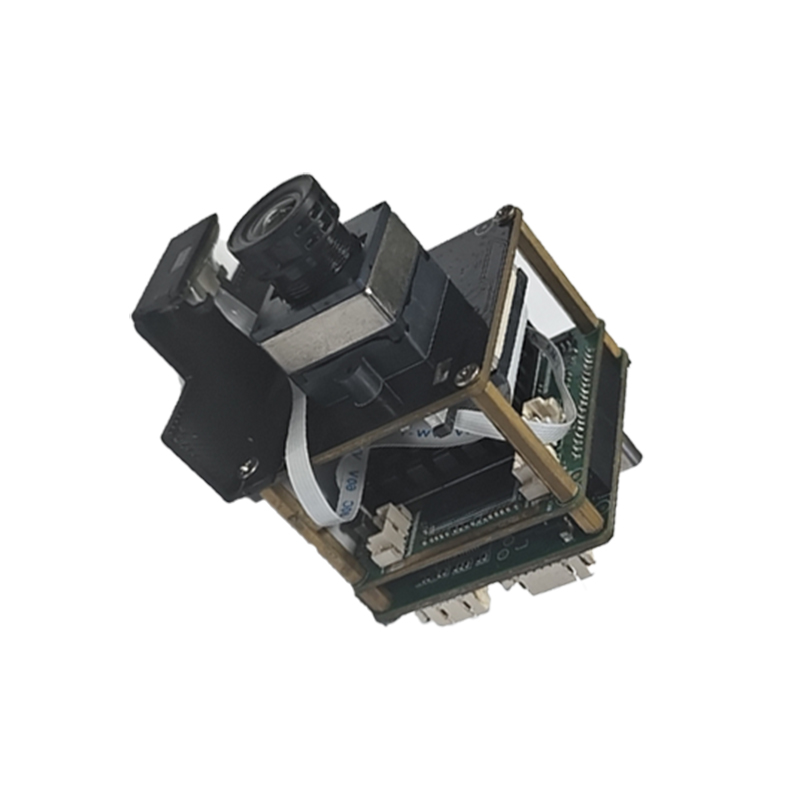
Factory customized HD live streaming conference/teaching 4K camera module compatible with multiple systems
A factory-customised 4K live streaming camera module for conference and teaching systems, compatible with multiple operating environments. It can be adapted for overhead demonstration, lecture capture and integrated book-scanner consoles.
What a Qualified Custom OEM Book Scanner Exporter Must Prove
Buying a book scanner from an overseas supplier is not a catalogue exercise. A custom OEM programme usually combines a camera head, lens, light source, mechanical stand, firmware, host software and after-sales documentation.
The supplier must therefore be evaluated as an engineering partner, not merely as a trading company. In practice, the strongest evidence is a clear line of sight from the sensor and PCB to the finished device, plus documented quality controls and a team that can answer application questions before a purchase order is raised.
Shenzhen Eshuni Technology Co., Ltd. is a manufacturer and solution provider for information collection and identity verification. Since 2012, our work has covered high-speed document scanners, video booths, book scanners, identity verification terminals, webcams, document cameras, visualizers and camera modules. That breadth matters for custom projects: the same optical, firmware and mechanical capabilities used in a classroom visualizer can be reused in a library book scanner, a government counter or an embedded OEM device.
For importers, distributors and tender teams, the real question is not “who has the lowest quotation?” but “who can provide repeatable output, documented compliance and a credible path from sample to volume?” A supplier that can explain the trade-offs between 8MP and 13MP, USB and 5.8G wireless, A4 and A3 capture, and single-camera and dual-camera workflows is more likely to reduce programme risk.
- Traceable BOM, ERP production records and change-control history
- ISO9001 quality system with CE, FCC, RoHS and 3C evidence where applicable
- In-house hardware and software capability, including national patents
- Sample reports for resolution, focus, low-light response and distortion
- Clear export terms, after-sales escalation path and spare-part planning
Define the Capture Architecture Before You Compare Quotations
Two suppliers can quote the same 13MP resolution and still deliver very different results. The right specification begins with the document, the user and the installation environment.
A library scanning bound books needs a stable overhead arm, even illumination and software support for page curvature. A classroom visualizer needs fast autofocus, low latency and simple switching between document and presenter views. An office counter needs compact dimensions, USB power and predictable driver behaviour. An OEM device builder may need only a camera module, FPC cable and SDK. This is why a serious book scanner supplier should ask application questions before recommending a model.
Use five questions to turn a vague requirement into a purchasable specification: capture area, working distance, output resolution, interface and environmental constraints. Then add application features such as OCR, image stitching, auto crop, ID capture or biometric matching. Good exporters will ask these questions first; weaker suppliers simply send a price list.
| Application scenario | Recommended capture platform | Important specification | Procurement note |
|---|---|---|---|
| K-12 classroom / hybrid teaching | 8MP or 13MP autofocus visualizer with USB or 5.8G wireless | Low latency, A3/A4 capture, stable focus and teacher-friendly controls | Request live demo footage and a training checklist, not only a spec sheet. |
| Library / archive book scanning | 13MP or 48MP overhead scanner with even light control | Book-curve handling, colour fidelity, A3 support and OCR-ready output | Test sample pages under real lighting; confirm software/API options. |
| Office / registration counter | 13MP portable A4 document scanner | Fixed focus, USB connection, compact footprint and easy field service | Check desk space, driver support and spare-camera availability. |
| Government / bank identity check | Dual-camera document scanner or biometric module | Document plus live-person capture, audit workflow and data-handling policy | Confirm privacy requirements and local compliance evidence early. |
| Embedded OEM equipment | CMOS module, FPC module or NVIDIA development-board camera | Lens, field of view, interface, power budget and SDK access | Plan prototype-to-production validation before locking the enclosure. |
Product Trends Shaping 2025–2027 Book Scanner Programmes
Resolution alone is no longer a differentiator. The next generation of OEM book scanners will be judged by image intelligence, integration flexibility and documented lifecycle support.
AI-assisted image processing and SDKs
Buyers increasingly ask for auto page detection, dewarping, background cleanup, OCR-ready output and stable API hooks. Exporters that can expose firmware options and clear documentation help integrators build their own software layer, turning the camera head into a platform rather than a commodity.
Hybrid connectivity and cable-free teaching
USB remains the most predictable interface for power, data and installation. 5.8GHz wireless and Wi-Fi support mobile teaching and flexible room layouts, while HDMI or network outputs appear in fixed installations. The trend is a hybrid device that can operate in multiple modes without changing the optical engine.
Computational imaging beyond megapixels
A 48MP model without good optics and lighting can underperform an 8MP system with careful tuning. Wide dynamic range, low-light performance, autofocus stability, lens distortion and colour consistency are becoming clearer differentiators. Buyers are beginning to request objective sample comparisons under their own lighting conditions.
Modular hardware for private label
FPC camera modules, NVIDIA development-board modules, biometric modules and 4K streaming engines let OEMs reuse a common image pipeline across education, access control, live streaming and smart glasses. A supplier with in-house PCB, firmware and mechanical capability can shorten the path from concept to pilot production.
Procurement Trends: What Serious Buyers Are Changing
The purchasing conversation is shifting from unit price to total programme cost. Distributors and project owners are consolidating approved suppliers, requesting evidence bundles before samples, and asking suppliers to support mixed configurations.
Verified records and audit trails
Public tenders and private-label buyers increasingly treat incomplete documentation as a disqualification risk. Factory verification, recent trade history, certification scope and credit records help procurement teams move faster and defend their supplier selection internally.
Small-batch customisation first
Brands often test a market with a limited private-label batch before scaling. Suppliers that can support packaging, logo, firmware boot screen and accessory changes without losing production discipline are better positioned for long-term distribution partnerships.
Total cost of ownership
Low unit price can hide expensive failure modes: unstable focus, incompatible drivers, missing spare parts or weak documentation. Serious buyers compare warranty response, field-service access, sample consistency and lifecycle availability alongside the quotation.
Regional compliance and delivery terms
FOB, EXW and DDP terms are not interchangeable across markets. Importers now ask for market-specific certification evidence, packaging compliance, freight planning and a clear escalation path before committing to annual volumes.
| Buyer type | Primary evaluation focus | Supplier evidence to request |
|---|---|---|
| Education distributor | Classroom usability, training and warranty response | Live demo video, teacher quick-start guide, warranty terms and spare-parts list |
| Public tender team | Compliance, traceability and after-sales responsibility | ISO9001 evidence, product certifications, test reports, trade history and delivery plan |
| Private-label brand | Customisation depth and batch consistency | Packaging artwork control, firmware policy, sample approval records and QC reports |
| System integrator | SDK access, interface stability and mechanical adaptation | Protocol documentation, development-board support, lens options and change-notification process |
Why Eshuni Is a Credible Partner for Custom Book Scanner Export
Eshuni combines in-house development, production discipline and B2B export experience. The value is not a single product page; it is the ability to translate a capture requirement into a repeatable hardware and software configuration.

Eshuni manufactures and supplies document cameras, visualizers, webcams, ID scanners, identity verification terminals and camera modules for education, finance, insurance, telecommunications, government and enterprise applications. Our engineering team supports three levels of technical assistance: product design, project design and on-site project application. ERP-driven production and supply-chain management help maintain consistency across repeat orders.
For custom OEM book scanner programmes, this means buyers can discuss sensor choice, housing structure, mounting options, interface selection, packaging and firmware requirements in one technical conversation. Core hardware and software are developed in-house and protected by national patents, while ISO9001, CE, FCC, RoHS and 3C evidence supports market access and tender submissions.
In-house R&D
14+ years focused on document imaging, visualisers and information capture.
Certified quality
ISO9001 system with CE, FCC, RoHS and 3C documentation support.
OEM / ODM capability
Private label, packaging, firmware and project-specific engineering support.
Global delivery
FOB, EXW and DDP terms with regular shipments to five major regions.
Custom OEM Book Scanner Sourcing Questions
These are the questions our engineering and export teams answer most often during supplier evaluation, sampling and tender preparation.
What is the difference between a document camera and a book scanner in OEM sourcing?
A document camera is a broad category for overhead live capture. A book scanner is usually optimised for bound pages and archival output, with attention to even lighting, page-curve handling, A3/A4 framing and software that supports OCR or document management. For OEM projects, define whether the buyer needs live teaching, archival scanning or both.
Should I choose USB, 5.8G wireless or a network-enabled model?
USB is the simplest choice for fixed desks, counters and predictable driver behaviour. 5.8GHz wireless models suit mobile teaching and rooms where cabling is impractical; the band is often less congested than 2.4GHz, but site testing is still advised. Network or HDMI options are better for fixed installations with central control. Validate latency, security policy and installation support before selecting a configuration.
Which resolution should I specify: 8MP, 13MP or 48MP?
8MP is usually adequate for A4 pages and live classroom demonstrations. 13MP is a stronger choice for full A3 sheets, fine print and zooming into drawings. 48MP can support archival or inspection workflows, but only when optics, lighting and processing are matched. Buyers should compare sample output at the intended working distance rather than judging megapixels alone.
What can Eshuni customise for an OEM or private-label order?
Depending on the model and volume, discussions can cover logo, housing and mounting, packaging, firmware boot screen, accessories, lens or interface options, and project-specific software requirements. Not every combination is available off the shelf; our team will confirm feasibility through sample and engineering validation before production.
Which certifications and quality documents should buyers request?
Start with ISO9001 quality-system evidence and the product certifications relevant to the destination market, such as CE, FCC, RoHS or China 3C where applicable. For tender work, also request test reports, BOM change-control policy, incoming and outgoing inspection records, packaging specifications and warranty terms. The evidence package should match the exact model being quoted.
What trade terms, lead times and MOQ questions should I ask?
Confirm whether the quotation is FOB, EXW or DDP, which port or destination applies, and what is included in the price. Ask about sample lead time, production lead time after deposit, MOQ for standard versus customised versions, packaging approval steps and spare-parts support. Eshuni regularly ships to North America, South America, Western Europe, South Asia and Africa; current lead times should be confirmed for each project.
Send Your Book Scanner Specification for an Engineering Review
Share your capture area, resolution target, interface, annual volume, certification needs and branding requirements. Our team will respond with a practical configuration, sample plan and next steps for a custom OEM book scanner supply programme.
Send an Inquiry