Eight Document Scanner Platforms Ready for Customization
Choose a proven platform for education, office digitization, government counters or embedded imaging. Each product can be quoted as a standalone SKU or developed into a private-label range with logo, packaging and specification alignment.

OEM Document Camera A3 Portable Wireless 13MP Visualizer
Recommended for tender packages that need full-sheet A3 clarity, cable-free teaching and detailed zoom on annotations, diagrams and fine print.
Review OEM configuration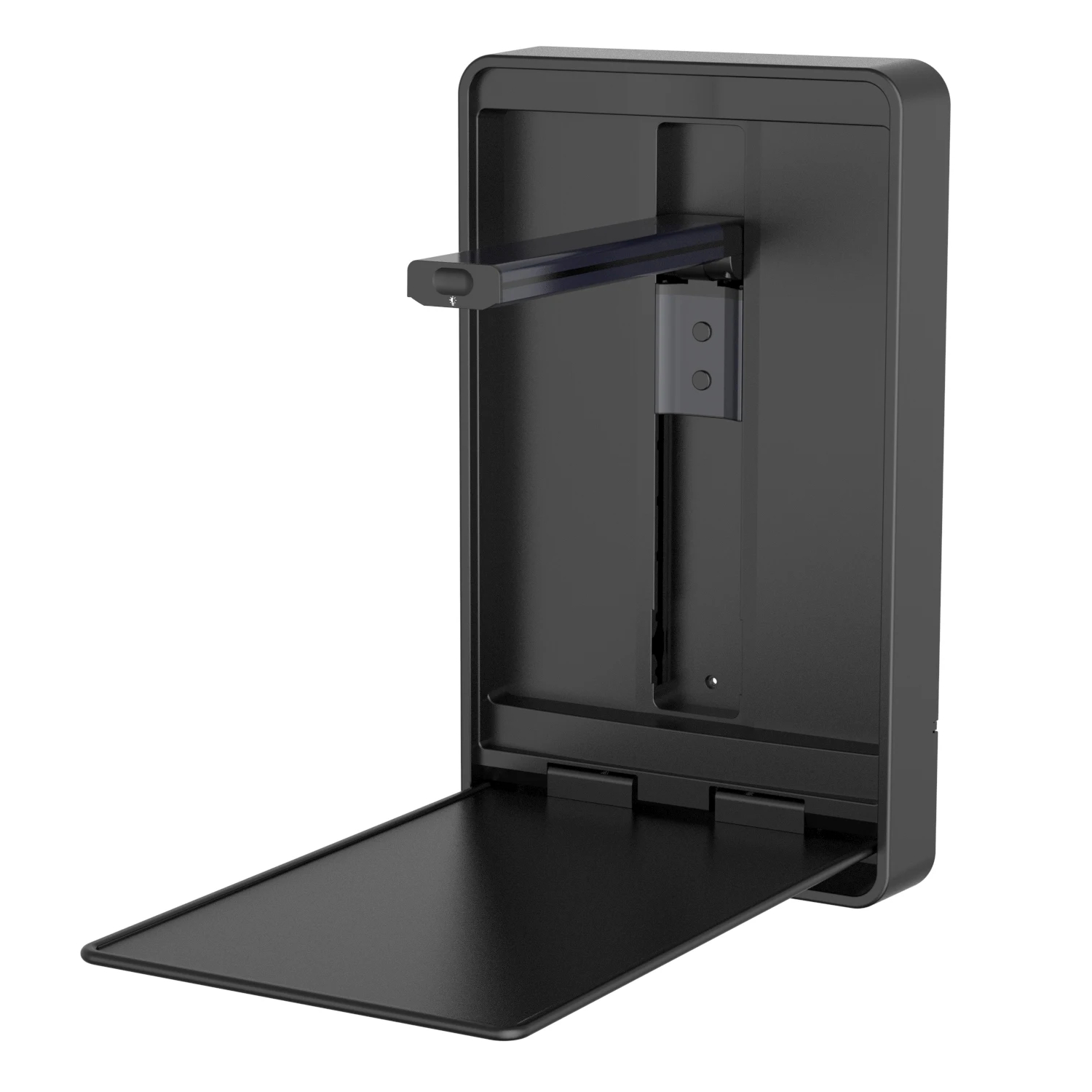
OEM Factory 8MP Education Display Stand for Wireless Document Camera Scanner
A fixed classroom visualizer concept for lecture halls, training rooms and shared education displays where mounting and cable planning matter.
View project fit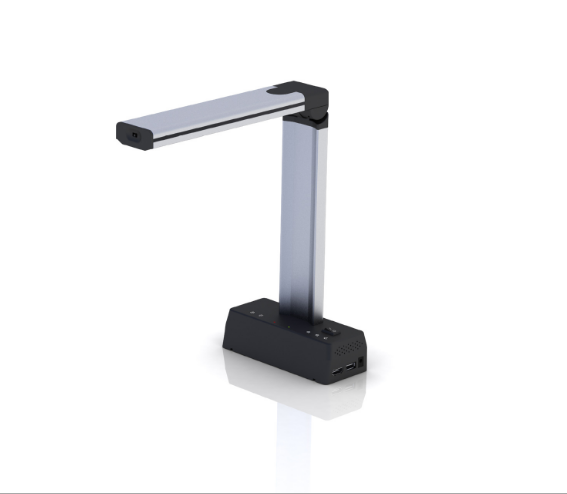
5.8G WiFi Document Camera Visualizer for Education or Office
Built for education and office projects that want a less congested wireless band than 2.4GHz while keeping installation simple.
Check wireless platform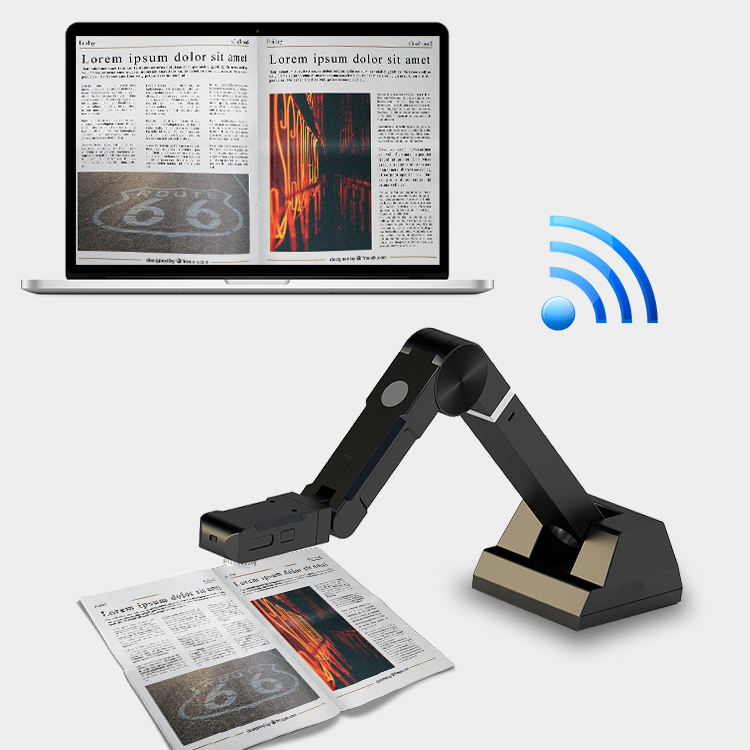
OEM USB Portable Smart Camera Visualizer WiFi A4/A3
A flexible book camera for tutoring, traveling teachers, home learning and compact office counters that need quick deployment.
Explore portable options
1080P 30fps USB 2.0 CMOS Camera Module with Ultra-Low-Light WDR
An embedded module for kiosks, identity terminals and OEM imaging devices that need stable low-light capture and wide dynamic range.
See module specs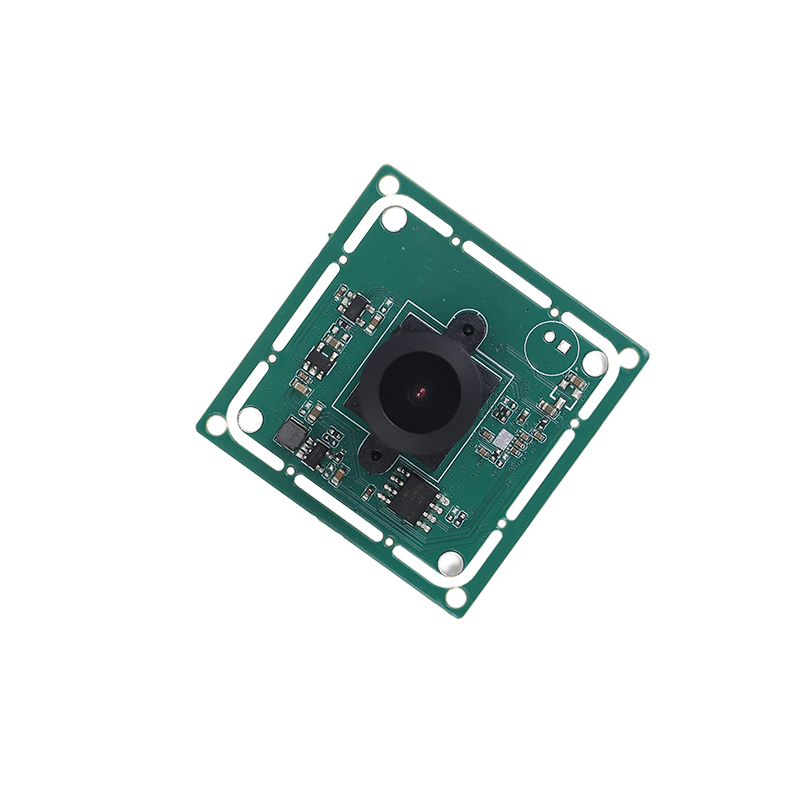
1080P USB HD Portrait Camera Module with Macro Recognition
A portrait and document-capture module for desktop terminals, visualizers and multi-purpose cameras with macro recognition requirements.
Review integration fit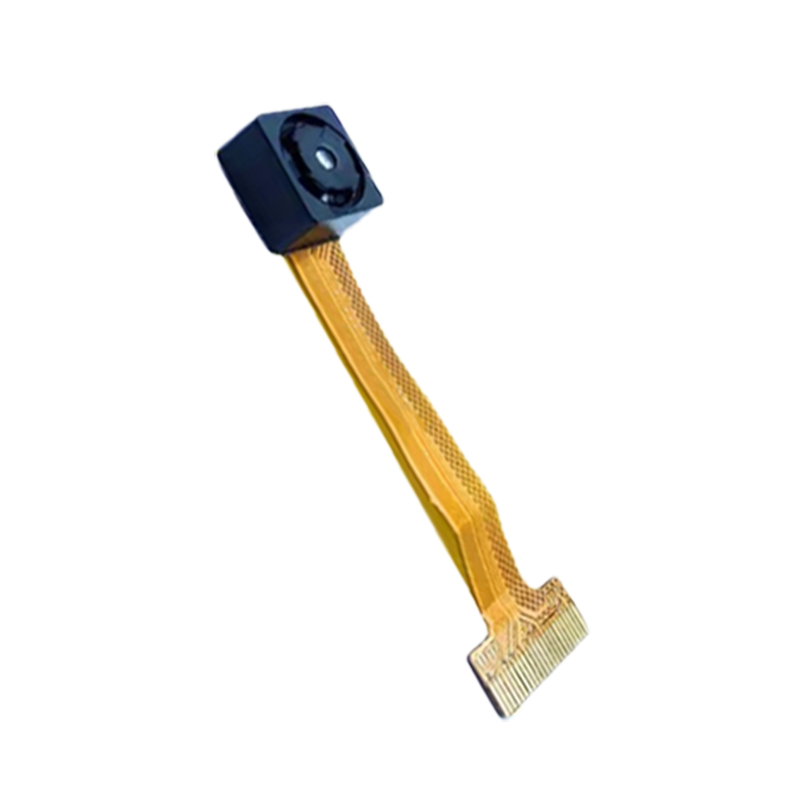
1080P / 2K / 4K Camera Module with Wireless Transmission and AI
A higher-resolution module platform for drones, smart devices, AR wearables and vision-enabled equipment with night vision and face recognition functions.
Discuss module roadmap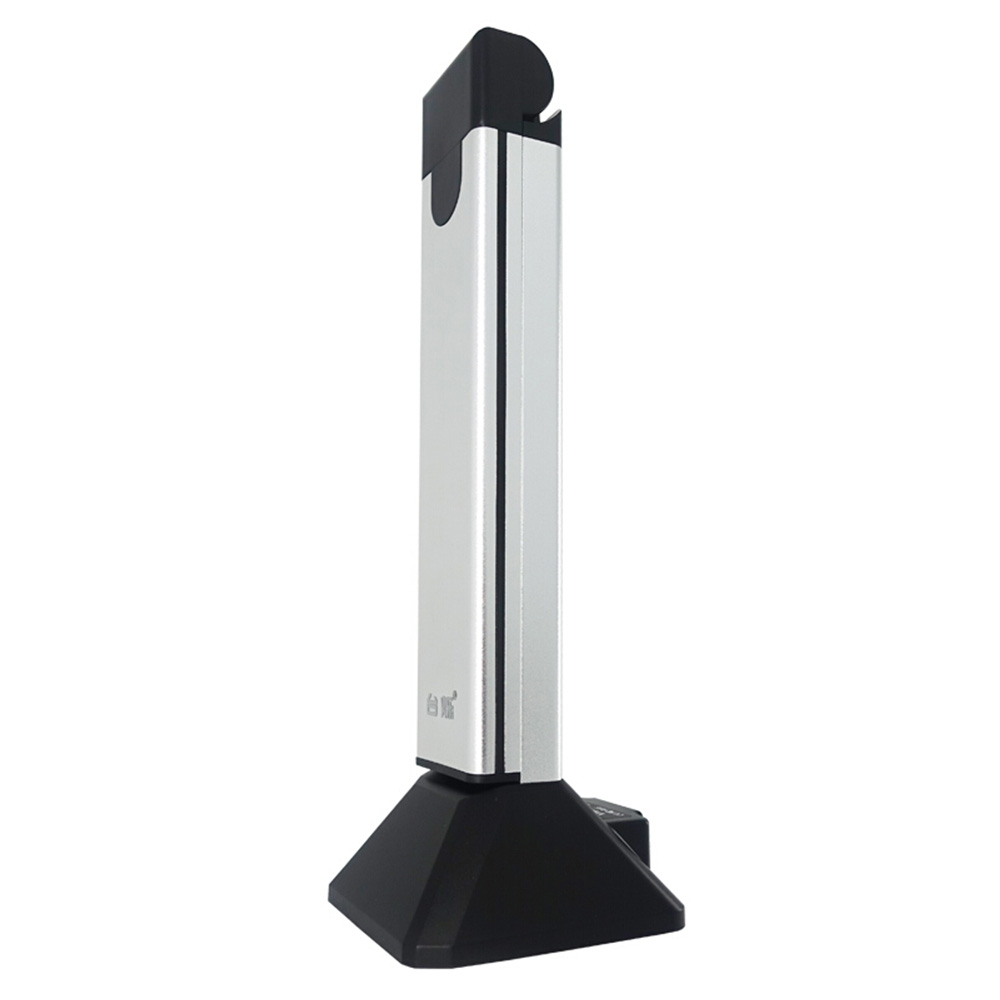
High-Speed Document Camera Page Scanner for Online Education
A page-capture visualizer for online teaching, course recording and fast document presentation where lesson flow must not slow down.
Compare teaching modelsA Digital Document Scanner Program Is a Supply-Chain Decision, Not a One-Off Purchase
Custom OEM digital document scanner projects rarely fail because a camera cannot capture an image. They fail at the points where image capture meets procurement, deployment, software integration, compliance and after-sales service. For distributors, tender contractors, school suppliers, bank integrators and government solution providers, the right manufacturer and wholesaler is not simply a catalog with a camera on a stand. It is a partner that can translate a real workflow into a stable SKU, protect the SKU with the right documentation, and keep supply predictable across repeat orders.
Shenzhen Eshuni Technology Co., Ltd. has focused on information collection and identity verification since 2012. The company manufactures high-speed document scanners, video booths, book scanners, identity verification terminals, webcams and camera modules, and supplies OEM/ODM and buyer-label production to education, finance, insurance, telecom, government and enterprise buyers. Its in-house R&D team supports product design, project design and on-site project application, while ERP-driven production and supply-chain management help keep quality consistent and lead times visible.
For wholesale buyers, the commercial value of this model is straightforward: one source can cover classroom visualizers, office book scanners, government counter devices and embedded camera modules. That reduces supplier fragmentation, simplifies certification reviews and makes it easier to build a repeatable private-label program instead of re-sourcing every project from scratch.
Match the Scanner to the Buying Scenario
Procurement decisions become faster when the specification is tied to the workflow, not only to a sensor headline. These four starting points reflect the most common B2B briefs received for OEM document scanners.
Education and hybrid classrooms
Specify a 13MP A3 wireless unit when full-page textbooks, technical drawings or fine annotations must remain legible after zooming. Choose the 5.8GHz auto-focus 8MP platform when teachers move between rooms and need cable-free live demonstration. For fixed classroom displays, the OEM 8MP wall-mount stand helps protect mounting and cable planning.
Procurement note: request sample images under classroom lighting and projector washout before approving the SKU.Government and financial counters
Counter workflows need stable capture, legible ID documents and a clear operator experience. Start with the high-speed page scanner for document presentation, and discuss a dual-camera or identity-verification configuration with engineering when the workflow requires simultaneous face and document capture. Confirm local data-handling rules before piloting.
Procurement note: validate enclosure, cable routing and privacy controls at the counter, not only on a lab bench.Office, library and archive digitization
For bound pages and document management, the 5.8G WiFi auto-focus 8MP book scanner and the portable USB/WiFi A4/A3 visualizer cover both fixed desks and visiting staff. Check page curvature, focus speed and light exposure. A3 models are preferred when full spreads, drawings or registration documents must be captured without stitching.
Procurement note: test the actual page mix, including glossy paper, thin paper and bound books.OEM modules and embedded imaging
Embedded products require a different sourcing logic. Use the 1080P low-light WDR module for kiosks and terminals, the macro-focus module for portrait and document capture, and the 1080P/2K/4K AI wireless module for drones, smart devices and AR wearables. Confirm UVC/driver compatibility, field of view, power budget and thermal limits before tooling.
Procurement note: lock the interface and mechanical drawing before the pilot build.Procurement Trends Reshaping Digital Document Scanner Orders
Buying behavior is moving from isolated hardware purchases toward repeatable deployment programs. The strongest RFQs now ask suppliers to prove workflow outcomes, not only product features.
Outcome-based tender specifications
Public and education tenders increasingly score legibility after zoom, OCR-ready output, setup time and operator training. A megapixel count alone is no longer enough. Buyers should request sample captures under classroom light, office light, low light and projector washout.
Hybrid learning keeps visualizers relevant
Document cameras are now part of a broader lesson-capture stack that includes displays, conferencing software and recording tools. Procurement teams are bundling visualizers with installation, training and warranty support rather than buying a single device per classroom.
Document capture and identity convergence
Government, telecom and financial counters increasingly need document capture plus portrait or face verification in one workflow. Dual-camera configurations and modular camera systems reduce the number of devices at the counter while creating new requirements for privacy notices and data handling.
Wireless stability is evaluated, not assumed
5.8GHz wireless is often selected because the band is less congested than 2.4GHz in busy school networks. Buyers now test latency, reconnection behavior and interference in real rooms. Cable-free teaching is valuable, but a wired fallback and clear installation guidance remain part of a serious specification.
Supply continuity beats one-off price
Distributors prefer fewer suppliers that can cover multiple SKUs, hold a consistent firmware baseline, protect packaging quality and repeat certifications across batches. This is where a manufacturer with in-house R&D, ERP-driven production and category focus offers more value than a trading intermediary.
Security, privacy and TCO enter the RFQ
Schools, banks and public agencies are asking about data flow, firmware updates, spare-part planning and service response before they commit. Buyers should compare the total cost of ownership over three to five years, including installation, training, accessories, replacement units and compliance documentation.
Example evaluation weighting for a tender-ready OEM proposal
Illustrative model only. Replace the weightings with your own tender scoring rules, then ask every supplier to submit the same sample set for a fair comparison.
Development Trends Buyers Should Price Into the Next Cycle
The next scanner cycle will be shaped less by a single hardware headline and more by optics, embedded intelligence, modularity and integration discipline.
Sensor and optics upgrades beyond megapixels
13MP and 4K-class modules continue to expand, but WDR, low-light performance, macro focus and lens quality often decide real-world legibility. Buyers should evaluate the complete image chain, including illumination, compression and display compatibility.
Edge AI moves from demo to deployment
Auto-focus, page detection, macro recognition and face-related functions are becoming practical ways to reduce operator training. The procurement question is not whether AI exists, but whether it improves a defined task without creating support burden or privacy exposure.
Modularity replaces single-purpose hardware
Camera modules for AR wearables, smart glasses, drones and kiosks let buyers separate the sensor, board, housing and finished device. This modular approach can shorten development cycles and allow one imaging platform to serve several product lines.
Open integration and serviceability
USB UVC, stable drivers, clear SDK boundaries and wireless fallback options are becoming part of the buying decision. For tender projects, ask the supplier to document operating-system compatibility, firmware update policy and the replacement strategy for cables, stands and power accessories.
A Practical OEM Scanner Selection Matrix
Use this matrix to shortlist the right platform before requesting a quotation. It connects a buyer requirement to the specification focus and commercial diligence that usually determine project success.
| Buyer requirement | Recommended starting point | Specification focus | Commercial diligence |
|---|---|---|---|
| A3 teaching with fine detail | Wireless 13MP A3 visualizer | 13MP sensor, A3 capture, distortion control, zoom legibility | Compare daylight and projector-light samples; confirm wireless latency and mounting. |
| Book scanning and mobile classroom | 5.8G WiFi auto-focus book scanner | Auto-focus, A3/A4 coverage, 5.8GHz stability | Test page curvature, refresh rate and room-to-room interference. |
| Fixed education display | OEM 8MP wall-mount education display | 8MP, stand ergonomics, cable reach, display compatibility | Check wall fixing, installation time and accessory supply. |
| Portable tutoring and office use | USB/WiFi A4/A3 portable visualizer | Portability, plug-and-play setup, focus range | Verify OS compatibility, carry case and packaging quality. |
| Embedded kiosk or identity terminal | 1080P USB low-light WDR module | Low-light capture, WDR, UVC driver, enclosure fit | Confirm power budget, EMC, cable length and firmware maintenance. |
| Macro and portrait integration | 1080P macro-focus camera module | Minimum focus distance, field of view, fixed vs auto focus | Test the real subject distance and lighting before tooling. |
| Drone, AR or wearable imaging | 4K AI wireless camera module | 4K roadmap, wireless transmission, night vision, AI functions | Review thermal design, antenna placement, privacy rules and power consumption. |
| Online education page capture | High-speed page scanner for education | Capture speed, page presentation, teaching workflow | Test page turns, annotation flow and training time for teachers. |

Why Eshuni Is Built for Custom OEM and Wholesale Programs
Shenzhen Eshuni Technology Co., Ltd. is a manufacturer and solution provider for information collection and identity verification. Since 2012, the company has developed high-speed document scanners, video booths, book scanners, identity verification terminals, webcams and camera modules for buyers who need more than a catalog listing.
The factory operates under an ISO9001 quality management system, and products carry CE, FCC, RoHS and China 3C certifications. Certificate scope should be confirmed for each SKU and configuration before a tender submission. Core hardware and software are developed in-house and protected by national patents, while ERP-driven production and supply-chain management support repeat wholesale orders.
For distributors and project contractors, Eshuni combines product design, project design and on-site project application support. The result is a more practical OEM relationship: the buyer can define a market requirement, validate a sample, protect the product with the right documentation and scale into repeat production with a supplier that understands education, finance, insurance, telecom, government and enterprise deployments.
In-house R&D, not catalog assembly
A senior R&D team supports product design, project design and on-site application, helping buyers adapt a platform to the real deployment environment.
OEM, ODM and private label
OEM manufacturing, buyer-label production and customization discussions can cover logo, packaging, housing and specification alignment according to project scope.
Certification and quality discipline
ISO9001 quality management plus CE, FCC, RoHS and 3C certification support. Buyers should verify current certificate scope for the exact model, configuration and destination market.
ERP-driven production repeatability
ERP-based production and supply-chain management help maintain batch consistency, packaging discipline and clearer scheduling for wholesale and project orders.
Category IP and application depth
In-house hardware and software development is protected by national patents, with application experience across visualizers, book scanners, identity terminals and camera modules.
Global trade support
FOB, EXW and DDP terms are supported, with regular delivery to North America, South America, Western Europe, South Asia and Africa for B2B buyers.
Frequently Asked Questions from OEM and Wholesale Buyers
These are the questions that most often decide whether a document scanner program moves from inquiry to sample, pilot and repeat order.
What does a custom OEM digital document scanner program include?
A typical program can cover sensor and lens selection, connectivity, housing, logo and packaging, user documentation and specification alignment. The exact scope depends on the model, order volume and target market. For tender projects, the process should also include sample validation and certificate review for the final SKU.
Is Eshuni a manufacturer or a trading company?
Shenzhen Eshuni Technology Co., Ltd. is a manufacturer and solution provider for information collection and identity verification, founded in 2012. The company operates a 3,000+ m² factory with 100+ employees and supplies OEM, ODM and buyer-label production to B2B buyers.
Which certifications and quality controls apply?
The factory operates an ISO9001 quality management system, and products carry CE, FCC, RoHS and China 3C certifications. Because certification scope can differ by model and configuration, buyers should request the current certificate package for the exact SKU before tender submission.
Should we choose an 8MP or 13MP document camera?
An 8MP sensor is sufficient for A4 pages, textbooks and live classroom demonstrations. A 13MP sensor is recommended when capturing full A3 sheets, fine print, engineering drawings or archival scans where every detail must remain legible after zooming.
What is the difference between USB and 5.8G wireless document cameras?
USB models are plug-and-play and draw power from the computer, making them ideal for fixed desks and counters. 5.8GHz wireless models let teachers move freely around the room. The 5.8GHz band is typically less congested than 2.4GHz, which can deliver a more stable live image in busy school networks, but buyers should still test latency and interference in the real room.
Can Eshuni support tender packages and sample validation?
Yes. Share the application, target specification, quantities, installation environment and compliance requirements. The team can support product design, project design and on-site project application, then align a sample and quotation around the tender requirement. Final certificate documents and commercial terms are confirmed per order.
Which trade terms, export regions and lead times are supported?
FOB, EXW and DDP delivery terms are supported. Regular shipments go to North America, South America, Western Europe, South Asia and Africa. Lead time depends on the model, customization scope, order volume and current production schedule; ERP-driven planning helps keep the schedule visible after the specification is locked.
How do we start an OEM or wholesale inquiry?
Send the application, target market, required resolution, capture area, connectivity, estimated annual volume, logo and packaging requirements, and any certification needs. The engineering and sales teams can then recommend a starting platform, confirm customization feasibility and issue a quotation. A sample or pilot batch is the normal next step before volume production.
Build a Repeatable OEM Scanner Program with a Factory-Direct Partner
Share your application, target specification and annual volume. Eshuni can help shortlist the right document camera, book scanner, visualizer or camera module and prepare the next quotation step.