Custom OEM Document Scanning Equipment Supplier & Wholesalers
Factory-direct document cameras, visualizers, book scanners, ID capture devices and camera modules for education, government, finance, enterprise and private-label buyers.
8 Document Scanning Products for Distributors, Integrators and Wholesalers
Use this shortlist to compare capture area, resolution, connectivity and deployment scenario. Every product URL below is preserved so procurement teams can move from evaluation to RFQ without losing the original model reference.
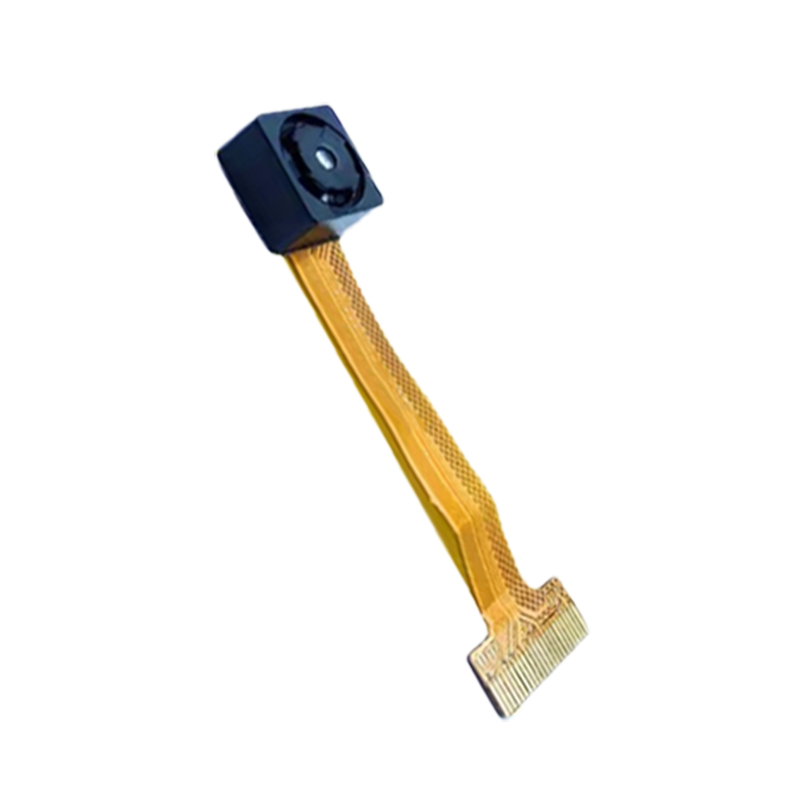
1080P, 2K & 4K Camera Modules for Drone Wireless Transmission
Night vision and face recognition functions for OEM aerial, security and intelligent vision projects.
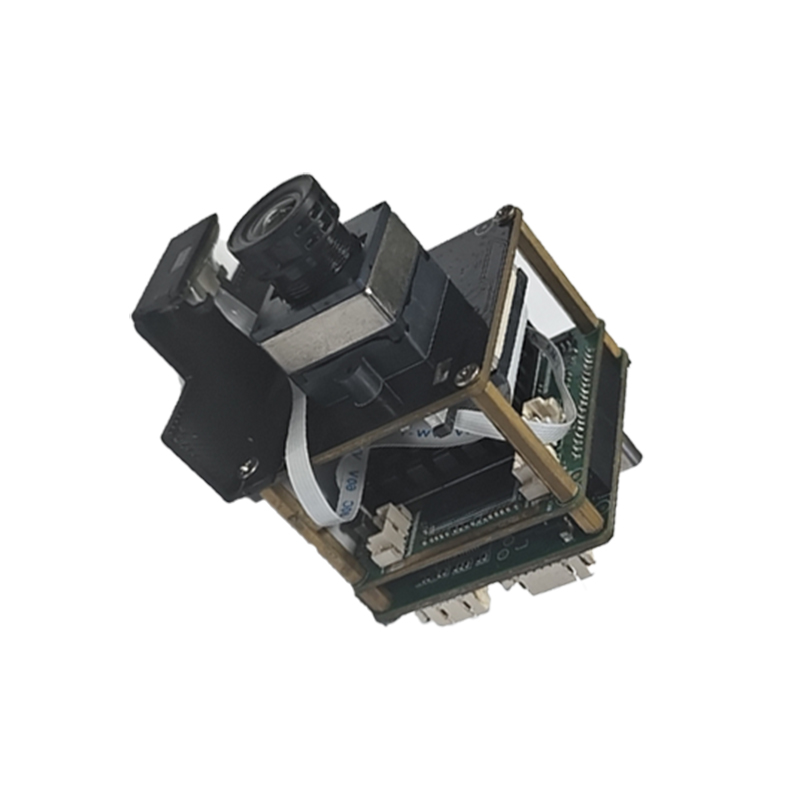
Customized 4K Live Streaming Conference & Teaching Camera Module
Factory-customized HD module compatible with multiple systems for conference, teaching and streaming programs.
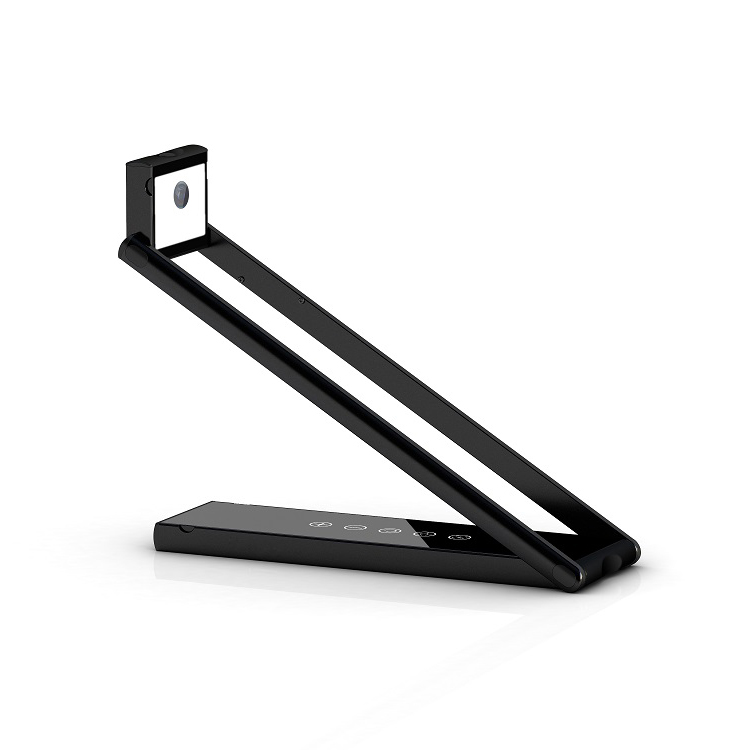
Education Equipment Visual Presenter Document Camera Scanner
Scanning A3 books and paper for classroom demonstration, hybrid teaching and training rooms.

China Document Camera A3 Portable Wireless 13MP Visualizer
Portable wireless 13MP document camera for mobile teaching, field training and flexible office capture.
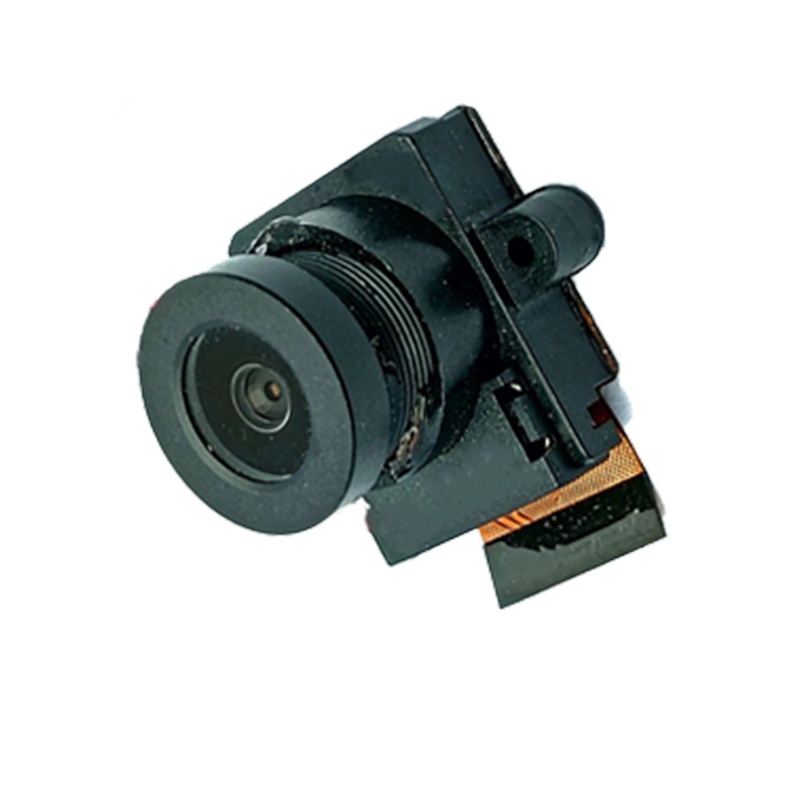
1080P CMOS Body Camera with Night Vision
HD video and audio recording with night vision for field documentation and mobile evidence capture.
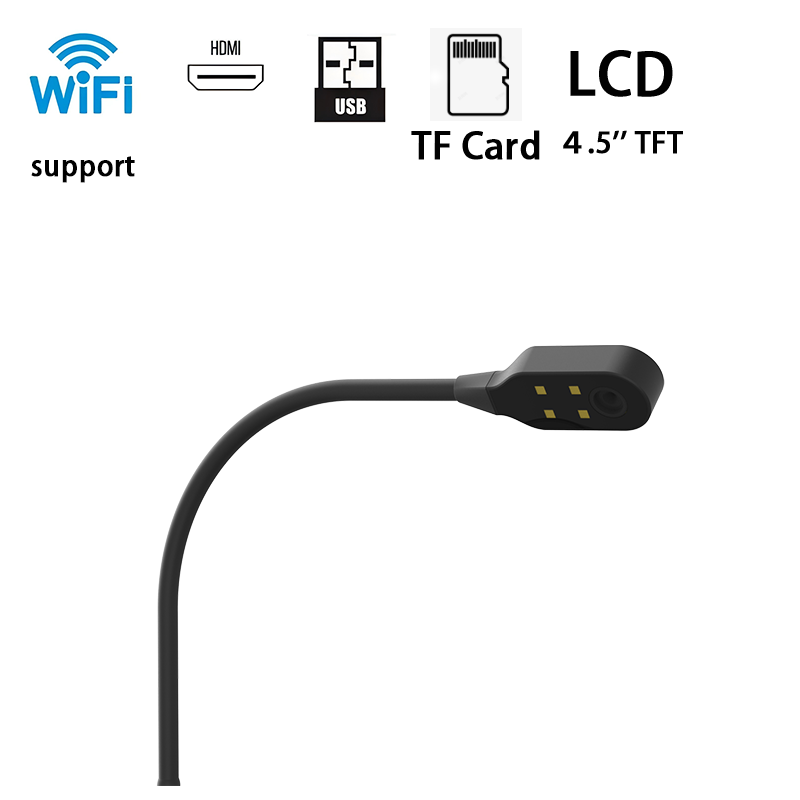
VGA & WiFi Interface for Teacher Teaching Files and Cameras
Flexible teaching interface supporting VGA and WiFi connection for files, cameras and high camera modules.

Wireless Robotic Frame Book Scanner Document Camera A3/A4
A3 and A4 management document scanner for online classes, libraries, archives and book digitization.

OEM Portable Wireless 13MP A3 Document Camera
Private-label-ready A3 portable wireless 13MP visualizer for wholesale ranges and tender specifications.
Custom OEM Document Scanning Equipment Is a System Purchase, Not a Box Purchase
The search phrase “Custom OEM Document Scanning Equipment Supplier & Wholesalers” carries stronger commercial intent than a generic product query. Buyers using it are usually comparing factories, private-label programs, tender specifications or distributor ranges. They are not only asking for a price; they are asking whether a supplier can protect the project from integration risk.
That is why information gain matters in this category. A useful supplier page should explain what fails when a document camera is specified only by megapixels. It should clarify the optical chain, frame rate, focus behavior, wireless band, driver support, mounting method, certification scope, packaging and after-sales terms. Those details determine whether a school, government counter or wholesale brand can deploy the device without repeated returns.
Shenzhen Eshuni Technology Co., Ltd. has manufactured information collection and identity verification hardware since 2012. Our range includes document cameras, visualizers, book scanners, webcams, ID scanners and camera modules. We support OEM manufacturing, product design and buyer-label production, with in-house hardware and software development protected by national patents.
For wholesale buyers, the strongest sourcing strategy is to evaluate the supplier and the product together. A lower quotation can be expensive if the firmware cannot match the buyer’s software, if the wireless image is unstable in a crowded school network, or if the certification scope excludes the destination market.
RFQ information package that reduces evaluation cycles
- Primary application: classroom, counter, archive, field recording or OEM module integration.
- Capture area: A4, A3, book spread, ID card, face plus document, or custom field of view.
- Required resolution and frame rate after zoom, not only sensor marketing resolution.
- Interface and power: USB, VGA, WiFi, 5.8GHz wireless, HDMI or embedded module connection.
- Software environment: operating system, video conferencing platform, document capture workflow or kiosk application.
- Certification markets and packaging language: CE, FCC, RoHS, 3C or buyer-specific documentation.
- Commercial terms: sample quantity, annual volume, private-label artwork, trade term and delivery schedule.
What Wholesale Buyers Should Verify Before Choosing an OEM Document Camera Supplier
A practical due-diligence checklist for importers, tender writers, distributors and private-label brand owners comparing document scanning equipment manufacturers.
Optical chain and real resolution
Ask how the sensor, lens, focus system and image processing work together. A 13MP sensor is valuable for A3 fine print, engineering drawings and archive work, while a well-tuned 8MP device can be ideal for A4 pages and classroom demonstration. Confirm legibility after zoom, low-light behavior and focus speed rather than accepting a sensor number without context.
Connectivity and network stability
USB models are simple to deploy at fixed desks and counters. Wireless models must be tested in the buyer’s real environment. 5.8GHz transmission is often chosen for busy classrooms because it can be less congested than 2.4GHz, but antenna placement, receiver design and firmware still determine stability. Request a sample test with multiple devices active at the same time.
Software, drivers and integration
The device is only one part of the workflow. Buyers should confirm operating-system support, video output format, driver behavior, document capture software compatibility and recovery steps after power loss. For integrators, firmware customization and SDK discussion should be clarified before tooling or private-label packaging begins.
Certification scope and documentation
ISO9001, CE, FCC, RoHS and China 3C are important signals, but certification must match the exact model, accessories and destination market. Ask for current documentation, label requirements and any buyer-specific testing needs. This is especially important for government, finance and education tenders where incomplete paperwork can delay delivery.
Mechanical design and installation
Document cameras are frequently mounted on desks, carts, lecterns or counters. Check arm reach, foldability, camera rotation, base stability, cable strain relief and the available A3 or A4 working area. For book scanning, the page-curve behavior and lighting uniformity matter as much as resolution.
Supply continuity and private label
Wholesalers need repeatable quality across production batches. Look for ERP-driven production and supply-chain management, clear incoming inspection, aging tests and packaging control. Confirm how logo printing, user manuals, retail boxes and accessory bundles are managed so the private-label program does not create a new quality bottleneck.
Match the Document Scanning Device to the Buyer’s Real Workflow
Product recommendation should start with deployment scenario. The same sensor can be excellent for one buyer and poorly matched for another if the mounting, interface or software environment is wrong.
Classroom and hybrid teaching
Choose an A3 visual presenter with smooth live video, clear text rendering and simple teacher controls. The education visual presenter and A3 portable wireless 13MP models are suitable when teachers need to show books, worksheets or handwritten examples. For fixed classrooms, USB power and cable management reduce daily setup time. For multi-room teaching, a portable wireless design improves utilization.
Government and service counters
Counter applications usually need fast document capture, stable focus and clear evidence images. Buyers should confirm the working area for IDs, forms and signatures, plus how the device sits beside existing printers or terminals. Certified documentation and consistent image output are often more important than high-resolution marketing claims.
Library, archive and book digitization
Book scanners benefit from overhead capture, even lighting and flexible framing. The wireless robotic frame book scanner A3/A4 model is aimed at online classes and document management where bound pages must be captured repeatedly. Buyers should test page curvature, glare control and operator fatigue during a full shift.
OEM camera module integration
For equipment makers, the 1080P, 2K and 4K camera module range supports drone wireless transmission, night vision and face recognition functions. Module projects require early discussion of lens field of view, PCB dimensions, interface, power budget, firmware features and enclosure constraints. In-house R&D support can shorten the specification cycle before tooling commitments are made.
How Document Scanning Equipment Procurement Is Changing for Wholesalers
Procurement teams are shifting from one-off product purchases toward multi-year imaging platforms. The supplier that can document, customize and support the full system will have an advantage over catalog-only sellers.
Outcome-based sourcing
Buyers increasingly define the outcome: clear A3 capture, stable wireless teaching, faster counter processing or reliable book scanning. Suppliers must translate that outcome into sensor, lens, firmware and mounting decisions. Tenders that specify only a model number may still fail if the workflow is not validated.
Multi-source and regional inventory planning
Distributors are balancing lead time, landed cost and local stock availability. OEM suppliers with ERP-driven production and flexible trade terms such as FOB, EXW and DDP can support different inventory models. Buyers should ask how packaging and accessory kits are planned for regional warehouses.
Compliance-first supplier selection
Certification is moving earlier in the buying process. Education and government projects often require documentation before a sample is approved. Suppliers should be able to map the exact product configuration to the required market documents and label requirements.
Software and privacy due diligence
As document cameras connect to laptops, networks and cloud platforms, buyers want clarity on data flow. Even when capture is local, the software environment matters. Suppliers should explain whether the device is driver-free, what software is optional, and how firmware updates are controlled.
Private-label differentiation
Wholesalers need products that are not visually identical to every competing listing. Custom housing colors, badges, packaging, manuals and firmware start-up screens help build a brand. The supplier must protect quality while accommodating these changes.
Serviceability and lifecycle cost
The lowest unit price is not the lowest total cost. Buyers should evaluate replacement accessories, packaging protection, failure diagnosis, spare-part planning and technical documentation. A product that is easy to install and support creates better margin for distributors.
Where Document Scanning Hardware Is Heading Next
Document cameras and visualizers are becoming imaging platforms. The most relevant development trends for 2025–2030 focus on intelligence, connectivity, modularity and evidence-grade image quality.
AI-assisted capture at the edge
Auto-focus, auto-exposure, document edge detection, dewarping and text enhancement are becoming more capable. Buyers should distinguish between AI as a marketing label and AI that measurably improves OCR readiness, book-page clarity or face-plus-document capture.
13MP, 4K and larger A3 capture
Higher resolution supports fine print, engineering drawings, signatures and archive work. The practical question is whether the image remains sharp and color-accurate after zoom and compression. Resolution should be evaluated together with lens quality, lighting and processing latency.
Wireless-first with USB fallback
Hybrid products let a teacher or counter operator move freely while retaining a stable wired option. 5.8GHz wireless, USB and VGA interfaces can coexist in the same product family, giving distributors a coherent range for different customers.
Modular camera-platform design
Camera modules for drones, AR glasses, body cameras and document devices share optical, PCB and firmware building blocks. Modular platforms reduce redesign time and help OEM buyers customize field of view, resolution and interface without starting from a blank sheet.
Identity verification convergence
Document capture is increasingly combined with face capture, ID scanning or access-control workflows. This convergence is visible in dual-camera government scanners and identity verification terminals. Procurement teams should define which images must be retained and how the device is synchronized with the host application.
Sustainable packaging and repairability
Wholesale buyers are asking for efficient packaging, reduced plastics, clear labeling and serviceable accessories. These factors do not appear on a sensor datasheet, but they affect landed cost, customer satisfaction and brand reputation.

A Practical OEM Partner for Document Scanning Equipment Wholesalers
Shenzhen Eshuni Technology Co., Ltd. is a manufacturer and solution provider for information collection and identity verification. Since 2012, we have supported education, finance, insurance, telecommunications, government and enterprise buyers with document cameras, visualizers, webcams, ID scanners and camera modules.
Our factory operates an ISO9001 quality management system, and products carry CE, FCC, RoHS and China 3C certifications. Hardware and software are developed in-house and protected by national patents. We support three levels of technical service — product design, project design and on-site project application — so OEM buyers receive specification guidance before production begins.
ERP-driven production and supply-chain management help maintain quality consistency and short lead times. We accept FOB, EXW and DDP terms and regularly support buyers in North America, South America, Western Europe, South Asia and Africa.
In-house R&D control
Our engineering team works across camera modules, visualizers, document scanners and identity verification devices. This helps keep optical choices, firmware behavior and mechanical design aligned instead of relying on disconnected suppliers.
OEM, ODM and private label
We offer OEM manufacturing, product design services and buyer-label production. Packaging, manuals, logo placement, accessory bundling and firmware presentation can be discussed during specification so the product fits the channel.
Quality, certification and delivery
ISO9001 process control, ERP-driven production and export experience across five regions support repeat orders. Buyers should still confirm model-specific certification scope, label requirements and final inspection criteria before purchase orders are released.
Map Each Product Family to the Specification and Commercial Risk
Use this matrix during first-stage evaluation. It helps buyers move from a product name to the questions that actually determine project success.
| Product family | Best-fit buyer | Specification to lock down | Risk if under-specified |
|---|---|---|---|
| 1080P / 2K / 4K camera modules | OEM equipment makers, drone and AI vision integrators | Lens field of view, PCB size, power, interface, night vision and face recognition requirements | Module cannot fit the enclosure or fails to meet image-processing expectations |
| Customized 4K live streaming module | Conference, teaching and streaming hardware brands | OS compatibility, mounting, video format, audio path and driver behavior | Image works in the lab but not in the buyer’s platform or installation |
| Education visual presenter | Schools, training centers and education distributors | A3 working area, focus speed, lighting, cable management and teacher controls | Teachers avoid the device because daily setup or image adjustment is inconvenient |
| A3 portable wireless 13MP visualizer | Mobile teaching, field training and multi-room programs | Wireless band, battery or power strategy, carrying design and receiver pairing | Unstable connection or short runtime reduces utilization |
| 1080P body camera with night vision | Field documentation, security and evidence-capture buyers | Recording time, storage workflow, low-light performance and file management | Evidence quality or retrieval process does not meet operational policy |
| VGA & WiFi teaching interface | Project integrators and classroom upgrade programs | Signal switching, device compatibility, resolution and installation environment | Interface adds complexity without solving the classroom switching problem |
| Wireless robotic frame book scanner | Libraries, archives, online class providers and records offices | Page curvature handling, glare control, A3/A4 framing and operator workflow | Slow capture or unreadable page edges increase labor and rework |
| OEM portable wireless 13MP A3 document camera | Wholesalers and private-label education brands | Logo, packaging, manual, accessory kit, firmware start screen and certification scope | Product arrives as a generic item, limiting channel differentiation and margin |
Frequently Asked Questions from OEM and Wholesale Buyers
These answers reflect the issues that affect sampling, certification, private-label production and long-term supply.
Does Eshuni offer OEM and ODM document cameras and webcams?
Yes. We offer OEM manufacturing, product design services and buyer-label production. The in-house R&D team can support product design, project design and on-site project application discussions. For the fastest response, share the target use case, estimated volume, interface requirements and preferred packaging format.
Which certifications do your products and factory hold?
The factory operates an ISO9001 quality management system, and products carry CE, FCC, RoHS and China 3C certifications. Because certification is model- and configuration-specific, buyers should confirm the exact product, accessories, label language and destination market before ordering.
Should I choose an 8MP or 13MP document camera?
An 8MP sensor is often sufficient for A4 pages, textbooks and live classroom demonstration. A 13MP sensor is recommended when capturing full A3 sheets, fine print, engineering drawings, signatures or archival scans where detail must remain legible after zooming. The lens and focus system should be evaluated with the sensor.
What is the difference between USB and 5.8G wireless document cameras?
USB models are plug-and-play and draw power from the computer, making them suitable for fixed desks and counters. 5.8GHz wireless models allow teachers or operators to move around the room. The 5.8GHz band is often less congested than 2.4GHz, but a sample test in the actual environment is still recommended.
Can you customize camera modules for our enclosure?
Yes, camera module projects can be discussed at the optical, PCB, interface, firmware and mechanical level. Early specification is important because field of view, power budget and board dimensions often determine whether the module can fit the target product. Our team can support product design and project design phases.
What trade terms and markets do you support?
We accept FOB, EXW and DDP delivery terms and regularly ship to North America, South America, Western Europe, South Asia and Africa. Final trade term, packing method, inspection requirement and shipping schedule should be confirmed in the quotation and sales contract.
How do I reduce software integration risk?
Provide the host operating system, video platform, capture application and any driver or firmware constraints at the RFQ stage. If the device will be embedded in a kiosk or government workflow, describe the exact sequence of document capture, face capture and data transfer so the supplier can confirm compatibility before mass production.
What is the fastest way to get an accurate quotation?
Send the application, target product, capture area, resolution, interface, software environment, certification markets, private-label requirements and estimated annual volume. A complete RFQ reduces back-and-forth and allows engineering and sales teams to recommend the most suitable document camera, visualizer or camera module configuration.
Build a Differentiated OEM Document Scanning Range with a Specification-Led Supplier
Share your application, target capture area, interface, software environment, certification markets and packaging requirements. Our team will help match the right document camera, visualizer, book scanner, body camera or camera module to your wholesale program.