Eight Portable Document Camera Configurations for OEM Buyers
These eight product families cover the most common requests from education, government, finance and enterprise channels. Each card preserves the original product URL for specification review. If a standard model is close but not exact, our OEM team can adapt sensors, lenses, interfaces, firmware, accessories, packaging and private-label branding.
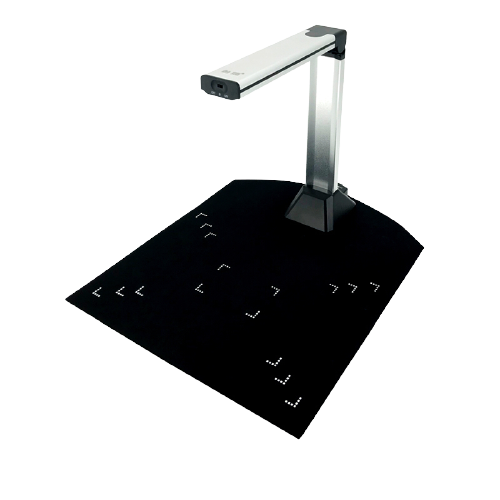
Portable OEM 8MP Document Camera Visual Presenter
A compact 8MP overhead presenter for classroom demonstration, textbook close-ups and desktop document sharing. Ideal for distributors that need a high-turnover education visualizer with private-label housing and packaging options.
- 8MP sensor
- Compact arm
- Education channel

Wireless Robotic Frame Book Scanner Document Camera A3 A4
Designed for online classes, library digitization and bound-book capture. The A3/A4 frame platform helps keep pages aligned, while the wireless workflow reduces cable clutter in hybrid teaching rooms and records offices.
- A3 / A4
- Wireless
- Book capture
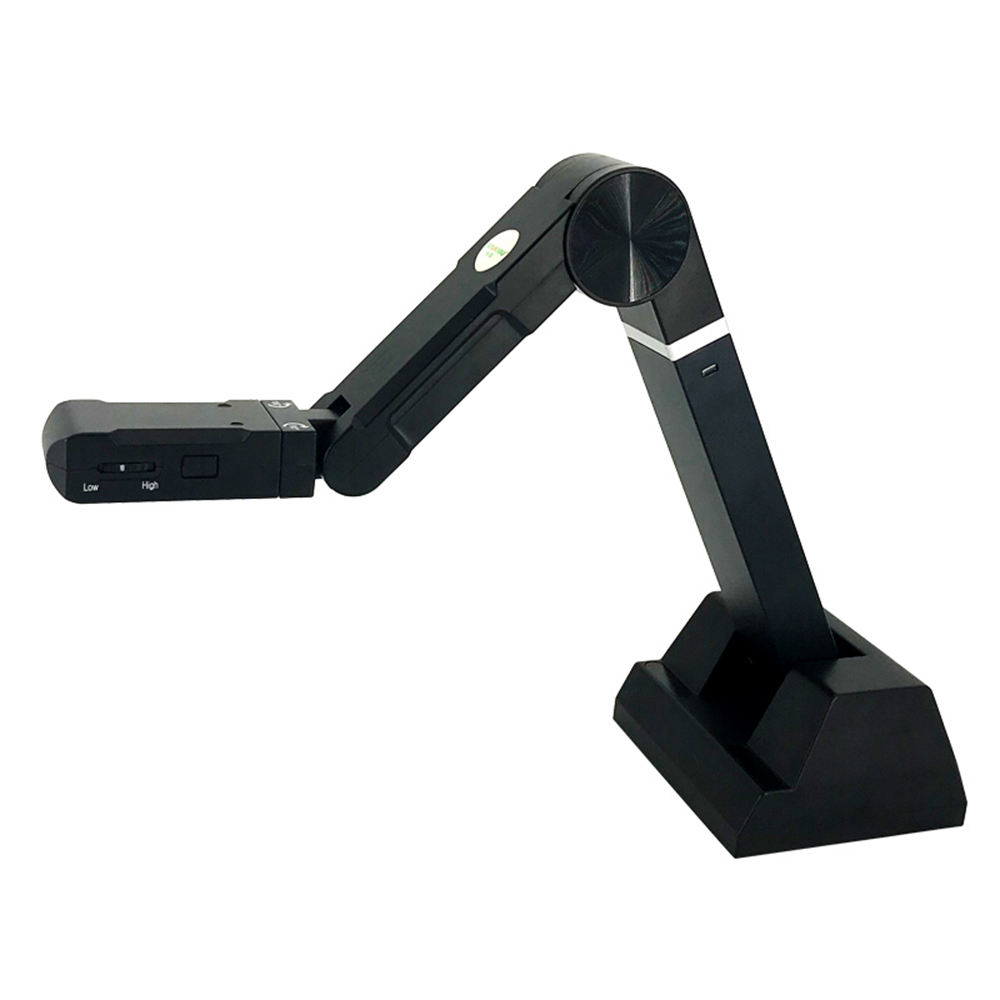
Document Camera High Quality OEM Portable WiFi Camera Scanner
A portable WiFi camera scanner with multi-interface output for buyers who need one platform across classrooms, meeting rooms and service counters. OEM teams can tune resolution, focus behavior, interface mix and branding.
- WiFi
- Multi-interface
- Book scanning

OEM USB A3 13MP 2-in-1 Document Camera and Webcam
Combines an A3 13MP document visualizer with webcam functionality for online teaching, remote tutoring and hybrid conferencing. The dual-use format reduces device count per classroom and simplifies distributor SKU planning.
- 13MP
- A3 capture
- 2-in-1
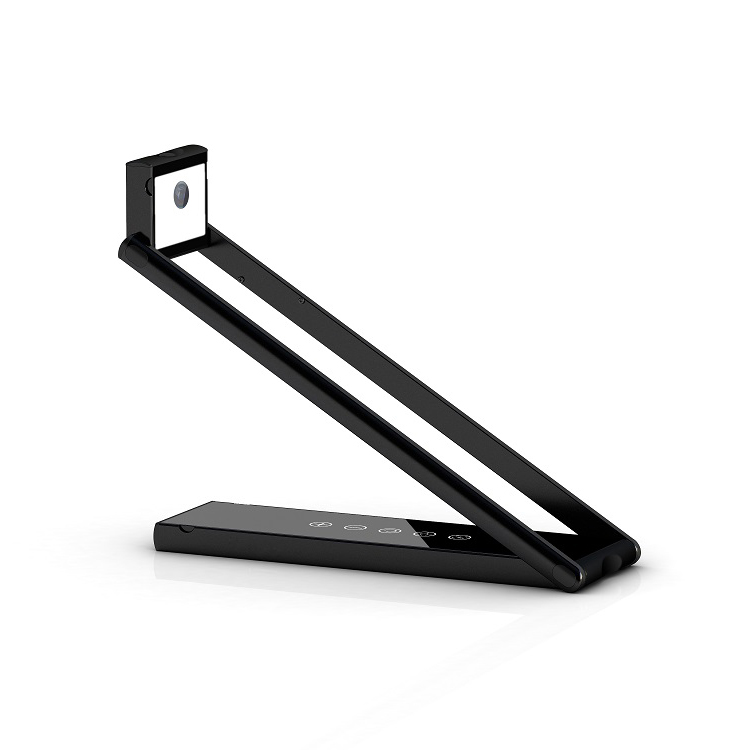
Education Equipment Visual Presenter Document Camera Scanner
A dependable A3 document camera scanner for book and paper capture in primary, secondary and vocational classrooms. Suited to volume education procurement, with options for anti-glare illumination, annotation software and private-label accessories.
- A3
- Book and paper
- Education
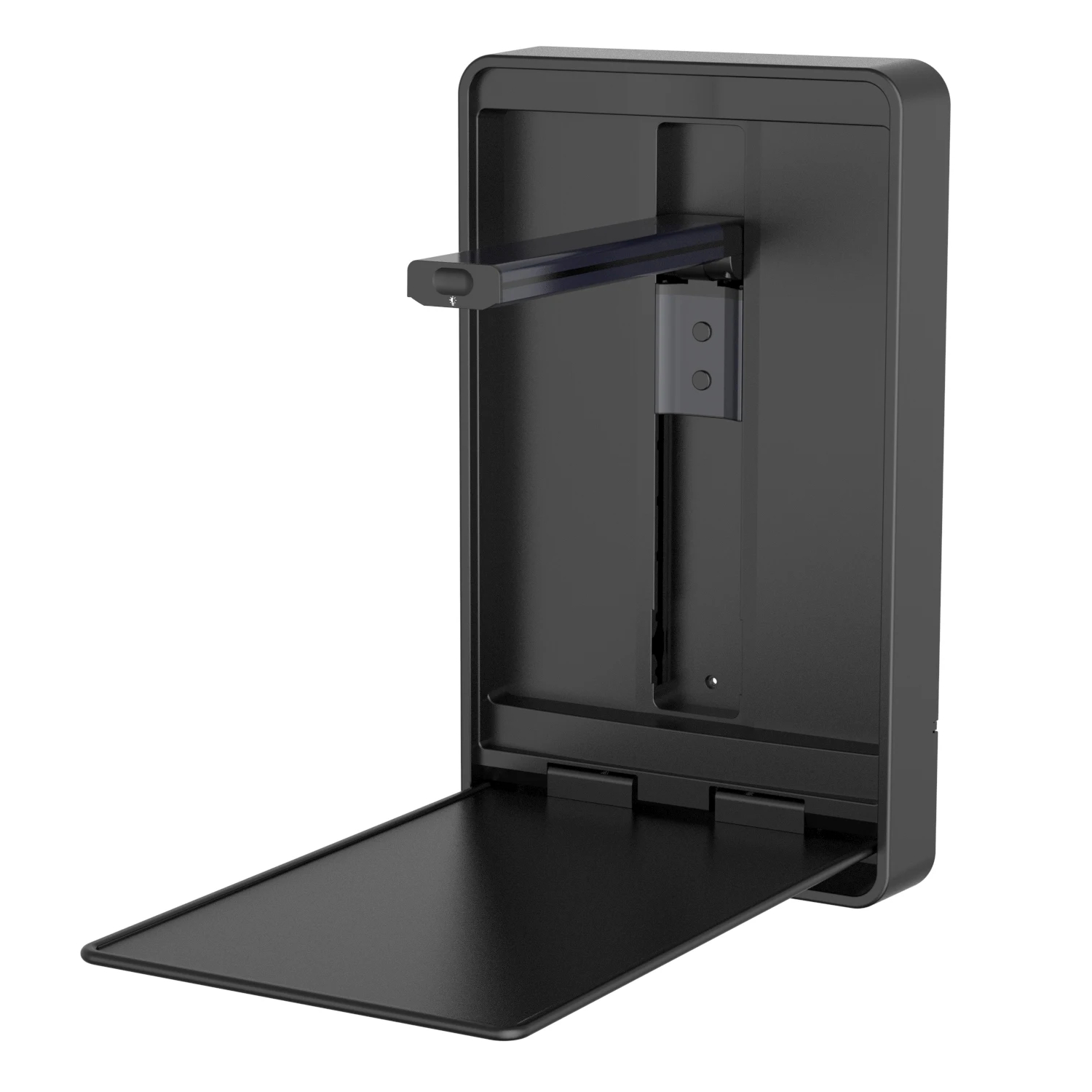
OEM Factory 8MP Wireless Document Camera Wall Mount Stand
An 8MP education display stand for wireless document camera configurations where fixed installation, clean cable management and stable overhead framing matter. Ideal for smart classrooms, training centers and system-integration projects.
- 8MP
- Wall mount
- Wireless display
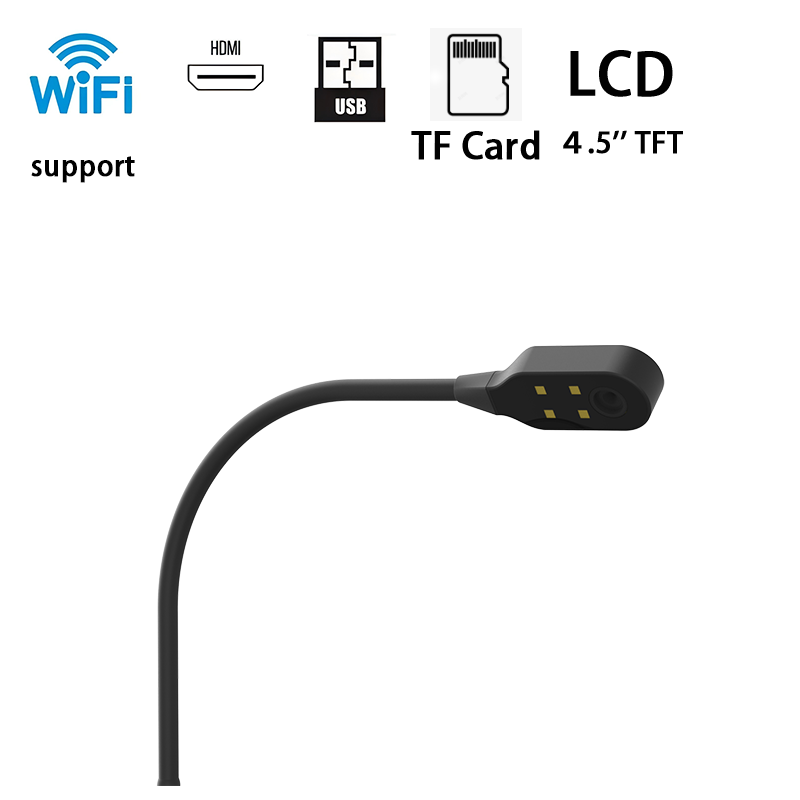
Support VGA WiFi Interface for Teacher Teaching Files and Camera
Built for teachers who move between legacy VGA projectors and modern wireless display environments. Multiple interface options help wholesalers serve schools with mixed equipment fleets without multiplying spare-part complexity.
- VGA
- WiFi
- Teaching files
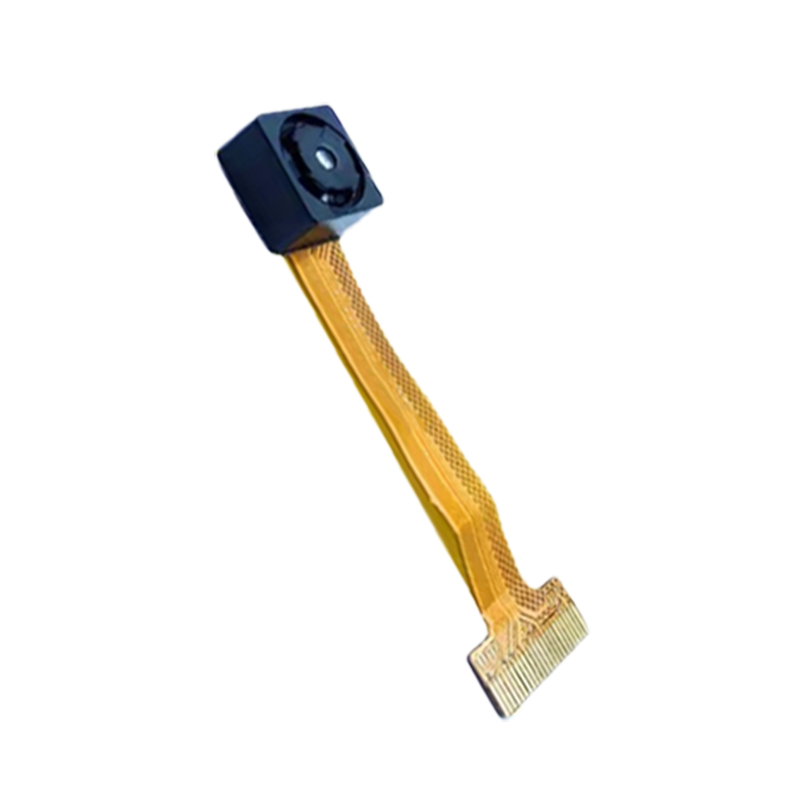
1080P 2K 4K Camera Modules with Wireless Transmission and AI
A custom camera-module platform supporting 1080P, 2K and 4K options, wireless image transmission, night-vision and face-recognition functions. Suitable for OEM device makers developing document capture, drones, smart terminals and AI vision products.
- 1080P / 2K / 4K
- Wireless transmission
- AI-ready
Need a mixed-model wholesale quotation? Share your target market, annual volume, interface preference, resolution and certification requirements so our export team can recommend the most suitable standard or OEM configuration.
Capacity, Certifications and Customization in One Supply Chain
For wholesale buyers, the value of an exporter is not only the product photo. It is the ability to repeat quality, document compliance, adapt a model and ship on schedule.
What Wholesalers and Tender Buyers Will Expect Next
Portable document camera procurement is shifting from a simple accessory purchase to a long-term deployment decision. The strongest exporters will support buyers with evidence, flexibility and service planning rather than a single price list.
Total Cost of Ownership Will Outrank the Lowest Quote
Wholesalers are moving away from one-off unit-price comparisons. They now model sample validation, packaging, spare parts, RMA rate, firmware updates, user manuals and local service. A portable document camera that is easy to support across a five-year school rollout often beats a cheaper device that creates service friction. Exporters should prepare transparent accessory lists, replacement-part plans and private-label packaging options.
Hybrid Classrooms Need Wireless Stability, Not Just WiFi
Education procurement continues to blend in-person and remote learning. Buyers will ask for 5.8GHz options, clean HDMI or VGA fallback and USB UVC compatibility so one visualizer can serve multiple rooms. The winning specification balances mobility with predictable latency and simple teacher operation. Exporters should test wireless behavior in real classrooms and document the conditions under which USB or direct video output is the better choice.
Tender-Ready Compliance and Security Documentation
Public-sector and enterprise tenders increasingly require ISO9001 process evidence, CE, FCC and RoHS declarations, 3C where applicable, software privacy statements and clear intellectual-property ownership. Exporters that can supply test reports, labeling files, firmware version records and consistent product photos reduce buyer risk during evaluation. Compliance is not a logo row on a website; it is a document package that must match the exact model being quoted.
Localization, Flexible MOQ and Faster Replenishment
Distributors want packaging, manuals, plug types, language packs and accessory kits aligned to each market. At the same time, they need flexible MOQ by SKU and reliable replenishment for best sellers. A factory with in-house design and ERP-managed supply chain can support mixed containers and regional customization without treating every order as a new engineering project.
Where Portable Document Cameras Are Heading
Buyers should distinguish between features that improve teaching and document workflows and features that only improve a specification sheet. The next product cycle will reward useful automation, optical quality and integration flexibility.
AI-Assisted Capture Becomes Practical
AI in document cameras is most valuable when it removes repetitive work: auto page detection, dewarping curved books, glare reduction, OCR-ready image cleanup and presenter tracking. Buyers should evaluate whether the AI feature improves teacher workflow or simply adds a label to the box. The strongest implementations run quickly, remain predictable and can be disabled when a school prefers a manual setup.
Higher Resolution Plus Better Optics
13MP and 4K capture are easier to source, but resolution alone does not guarantee legibility. Lens quality, autofocus speed, sensor low-light behavior and image processing determine whether fine print, engineering drawings and handwritten notes remain clear after zoom. A well-tuned 8MP model can outperform a poorly integrated 13MP unit in real classroom lighting.
Multi-Interface and BYOD Readiness
Modern deployments rarely use one connector. USB-C, USB-A, HDMI, VGA and 5.8GHz wireless are being combined so the same visualizer works with interactive panels, projectors, laptops and video-conference rooms. Driverless UVC support is especially important for managed IT fleets, while direct video output keeps legacy classrooms operational during network changes.
Modular Camera Cores for OEM Programs
Device makers want reusable camera modules that can be adapted across visualizers, smart terminals, kiosks, AR wearables and industrial inspection tools. Modular optics, FPC layouts and firmware platforms shorten development cycles and protect supply continuity. For wholesalers, this means a single supplier can support multiple product categories without building a separate sourcing relationship for each one.
Specification Priorities in a Typical Document Camera Tender
The weighting below is a directional planning model compiled from the project briefs our OEM team receives across education, government and enterprise channels. Actual weights vary by tender. Use this view to align samples, documentation and quotation assumptions before submission.
Why Eshuni Is Built for Repeatable B2B Supply
Shenzhen Eshuni Technology Co., Ltd. has focused on information capture and identity verification hardware since 2012. Our structure is designed for buyers who need more than a catalog: they need design input, quality evidence, export coordination and a product story that can be localized.
Factory-Direct R&D Since 2012
More than 14 years of document-camera and visualizer development supports buyers who need a supplier that can discuss optics, firmware, deployment and tender documentation in the same conversation. Project design and on-site project application support help bridge the gap between a sample and a working classroom or counter installation.
In-House Hardware and Software IP
Core hardware and software are developed in-house and protected by national patents. This gives OEM buyers a clearer path for custom firmware, interface changes, product-label programs and long-term spare-part planning. It also reduces the risk of relying on a trading intermediary that cannot answer technical questions directly.
ISO9001 and Product Certification Readiness
Our factory operates an ISO9001 quality management system, and products can be prepared with CE, FCC, RoHS and China 3C compliance depending on model and market. Buyers receive model-specific documentation rather than generic claims. This is especially important when the final order must pass a tender committee or retailer compliance review.
OEM, ODM and Private-Label Execution
We support OEM manufacturing, product design and buyer-label production. Customization can cover logo, retail packaging, user manuals, language packs, interface configuration, accessories, boot screens and firmware behavior. For distributors, this makes it possible to build a local brand without owning a factory or maintaining a separate engineering team.
3,000+ m² Facility and 100+ Team
A 3,000+ square-meter factory and a team of more than 100 people support assembly, testing, quality control and export coordination. ERP-driven production and supply-chain management help keep quality consistent and lead times manageable, while repeat buyers benefit from stable documentation and fewer surprises between sample approval and mass production.
Export Experience Across Five Regions
We regularly ship to North America, South America, Western Europe, South Asia and Africa, and accept FOB, EXW and DDP terms. Public trading records, buyer feedback and a verified factory profile help new wholesale buyers conduct due diligence before the first order. Our export team can align packaging, labeling and delivery terms with the target market.
Supplier Evaluation Guide for Custom OEM Portable Document Camera Buyers
A portable document camera is not a commodity webcam on a stand. It is an integrated capture system used at the front of a classroom, on a government counter, in a bank branch, at a library digitization station or inside a hybrid meeting room. The buying decision therefore combines optical engineering, firmware stability, installation workflow, compliance evidence and after-sales planning.
1. Define the capture job before comparing sensor numbers
Start with the document, not the datasheet. Are users capturing single A4 pages, full A3 worksheets, bound textbooks, ID cards, lab samples or handwritten notes? Will the camera be mounted on a portable arm, a wall bracket or a fixed display stand? Does the room already have an interactive panel, a legacy VGA projector, or a wireless bring-your-own-device policy?
An 8MP sensor is usually sufficient for A4 textbooks and live classroom demonstration. A 13MP sensor becomes more valuable when full A3 sheets, engineering drawings, fine print or archival scans must remain legible after zooming. For government and finance counters, dual-camera or ID-focused configurations may matter more than raw resolution because the workflow needs both the document and the applicant visible.
- 1Capture area and working height: confirm A4, A3 or custom field of view.
- 2Real document types: bound books, glossy paper, receipts, ID cards or handwritten notes.
- 3Lighting conditions: classroom projectors, counter lamps, windows and low-light rooms.
- 4User skill and training time: teachers and counter staff need predictable one-step operation.
- 5Interface and software requirements: USB UVC, HDMI, VGA, 5.8GHz wireless, annotation or OCR.
2. Validate the real image path and integration cost
Ask for samples tested with the exact materials your buyers will use. A specification sheet may show a high-resolution sensor, but the usable result depends on lens sharpness, autofocus behavior, exposure control, glare handling and image processing. Test fine print, color-coded diagrams, curved book pages, moving hands and documents placed near the edge of the capture area.
Connectivity also changes total cost. USB UVC models are simple to deploy across managed laptops because they often work without a driver. HDMI or VGA output keeps a visualizer independent from the computer and is useful in older classrooms. A 5.8GHz wireless model supports teacher mobility, but it should be tested in the actual room because building materials and network density affect stability.
Software deserves the same scrutiny. Ask whether the device supports freeze, rotate, split-screen, annotation, image capture, PDF export, OCR, firmware update and SDK or API access. For large distributors, consistent firmware naming and version control prevent support confusion after multiple production batches.
| Selection decision | Common low-cost approach | Better wholesale approach | Why it matters |
|---|---|---|---|
| Sensor and optics | 5MP fixed-focus module with a basic lens | 8MP or 13MP with autofocus and a validated lens | Fine print, A3 pages and handwritten notes stay legible after zoom. |
| Connectivity | USB only | USB plus HDMI, VGA or 5.8GHz wireless options | One platform can serve computer rooms, legacy projectors and mobile teaching. |
| Software and integration | Generic capture app with limited documentation | UVC, annotation, OCR options and SDK or API discussion | System integrators and IT teams reduce deployment and training effort. |
| Customization | Logo sticker only | Packaging, manuals, language packs, firmware boot screen and accessories | Distributors build a local brand and differentiate from generic listings. |
| Service planning | Ad hoc spare-parts support | Documented RMA process, accessory list and firmware update path | Lower total cost of ownership across school, government and retail rollouts. |
3. Treat customization as a supply-chain program
Private label is more than a logo. A serious OEM program defines the product label, retail box, quick-start guide, plug type, cable set, warranty card, language requirements and any firmware defaults. It also records approval samples, packaging artwork, inspection criteria and version history so future orders remain consistent.
For tenders, ask the exporter to separate standard features from project-specific changes. If a buyer needs a different sensor, mounting bracket, interface mix or software behavior, the supplier should confirm whether the change affects certification, lead time, MOQ or spare-part planning. This prevents a low quotation from becoming an expensive re-engineering project after the contract is awarded.
4. Verify the factory, not only the trading profile
Look for evidence that the supplier controls engineering, production and quality. ISO9001 is a useful starting point, but it should be supported by model-level certificates, inspection records and consistent product photos. Ask how the factory manages incoming components, assembly, aging tests, final inspection and packaging checks. For public projects, confirm that the legal manufacturer name on the certificate matches the quotation and packaging.
Finally, review communication quality. A supplier that can explain trade-offs between resolution, frame rate, wireless stability, power draw and cost is more valuable than one that simply promises every feature. This is the practical meaning of E-E-A-T in B2B sourcing: experience with real deployments, technical expertise, verifiable authority and reliable delivery.
Questions Buyers Ask Before Ordering Portable Document Cameras
These answers address the practical issues that appear most often in wholesale, OEM and tender discussions.
What is included in a custom OEM portable document camera program?
A custom OEM program can include sensor selection, lens and focus tuning, housing colors, logo, boot screen, user manual, packaging, plug type, interface configuration, accessory kit and firmware settings. For volume projects, we can also discuss product design and project design support. The exact scope is confirmed in the quotation and technical agreement so samples, mass production and inspection criteria stay aligned.
Should we choose 8MP, 13MP or 4K?
Choose 8MP for A4 teaching, routine book capture and budget-sensitive volume ranges. Choose 13MP when A3 pages, fine print, drawings or archival scans must remain legible after digital zoom. 4K refers to video output and should be evaluated with lens quality, autofocus and the display path, not as a standalone guarantee of clarity.
USB, HDMI/VGA or 5.8G wireless: which is best?
USB is best for fixed desks, computer-connected classrooms and counters because it is plug-and-play and often driverless. HDMI or VGA is useful where the camera must connect directly to an existing projector or panel. 5.8GHz wireless supports teacher mobility and cleaner installations; test it in the actual room because building materials and network density affect performance. Many wholesale ranges include two or three connection types to cover mixed fleets.
How do you support quality and certification for tenders?
Start with ISO9001 process evidence and model-specific CE, FCC, RoHS or 3C documents where required. Ask for labeling files, test reports, firmware version records, packaging artwork approval and sample inspection criteria. For public tenders, confirm product photos, accessories, warranty language and spare-parts availability before submission. We provide documentation support based on the final configuration.
What information should a buyer send for an accurate quotation?
Send the target market, application scenario, preferred resolution, capture area, interface, wireless requirement, estimated annual volume, sample quantity, certification needs, packaging language and any tender deadline. Photos of the existing classroom or counter setup are also useful. The more precise the brief, the faster our team can recommend a standard model or outline an OEM adaptation.
Which trade terms, packaging and after-sales terms can you support?
We support FOB, EXW and DDP delivery terms and regularly ship to North America, South America, Western Europe, South Asia and Africa. Packaging, manuals, labels, plug types and accessory kits can be localized. Warranty, RMA and spare-parts terms are defined in the quotation and contract so both parties have a clear service baseline.
Build Your OEM Portable Document Camera Range with a Verified Manufacturer
Send your target resolution, interface, capture area, estimated volume, certification and packaging requirements. Our team will recommend a standard model or outline an OEM configuration for your market.