Eight OEM USB Document Camera Models for Wholesale Programs
Use this shortlist to compare sensor class, capture area, interface and application intent. Every model can be discussed for OEM housing, packaging, firmware configuration and private-label supply.

CMOS sensor 1080P 30fps USB2.0 camera module monocular wide dynamic range camera module with ultra-low light performance
Recommended for embedded imaging, low-light document capture and OEM projects where stable 1080P video and a compact USB interface matter more than maximum resolution.
View OEM specifications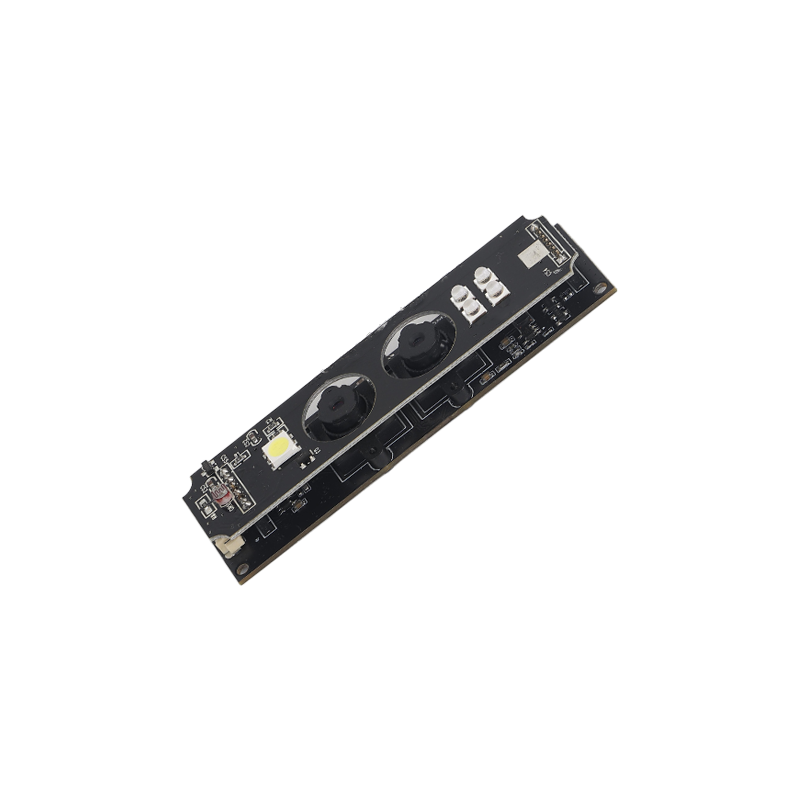
1080P/2K/4K HD binocular wide dynamic camera module CMOS sensor auto focus/fixed focus
A flexible imaging platform for dual-view teaching, depth-related capture, smart terminals and integrators who need multiple resolution options under one modular design approach.
View OEM specifications
OEM USB A3 13mp 2 in 1 Education Visualizer Document Camera and Webcam for Education Scanning Book Camera
An efficient choice for hybrid classrooms and distributors that want one device to serve both face-to-camera communication and overhead document demonstration.
View OEM specifications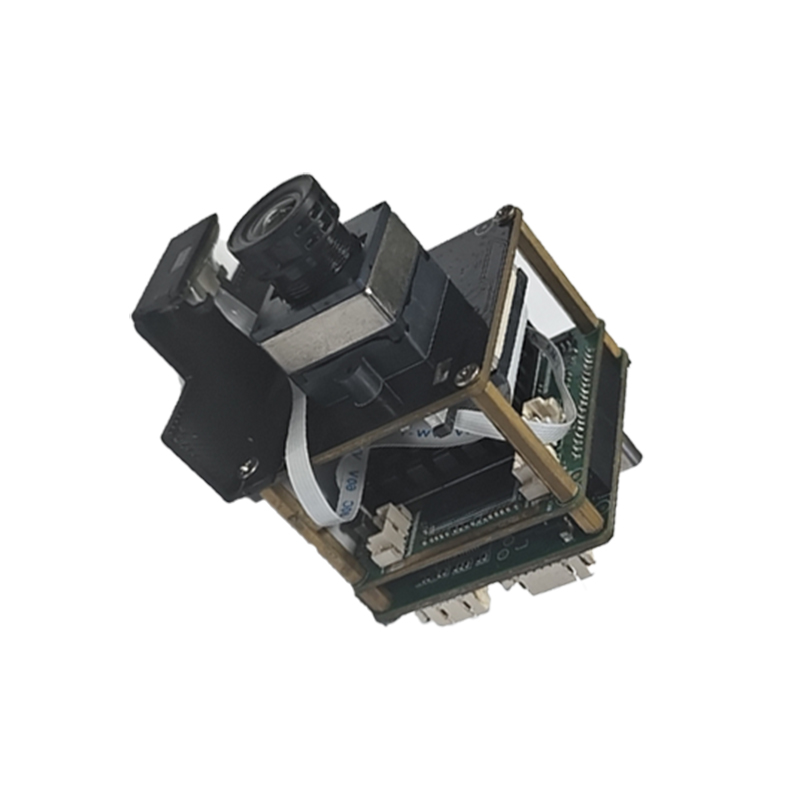
Factory customized HD live streaming conference/teaching 4K camera module compatible with multiple systems
Built for AV distributors and system integrators who need a customizable 4K video module for conferencing rooms, lecture capture and multi-platform teaching environments.
View OEM specifications
OEM USB 5MP 8MP 13MP Document Camera Visualizer for Education Camera Scanner or Office Document Scanner
A practical multi-resolution platform for wholesalers serving both school tenders and office digitization channels. Sensor selection can be aligned with A4/A3 capture needs and budget tiers.
View OEM specifications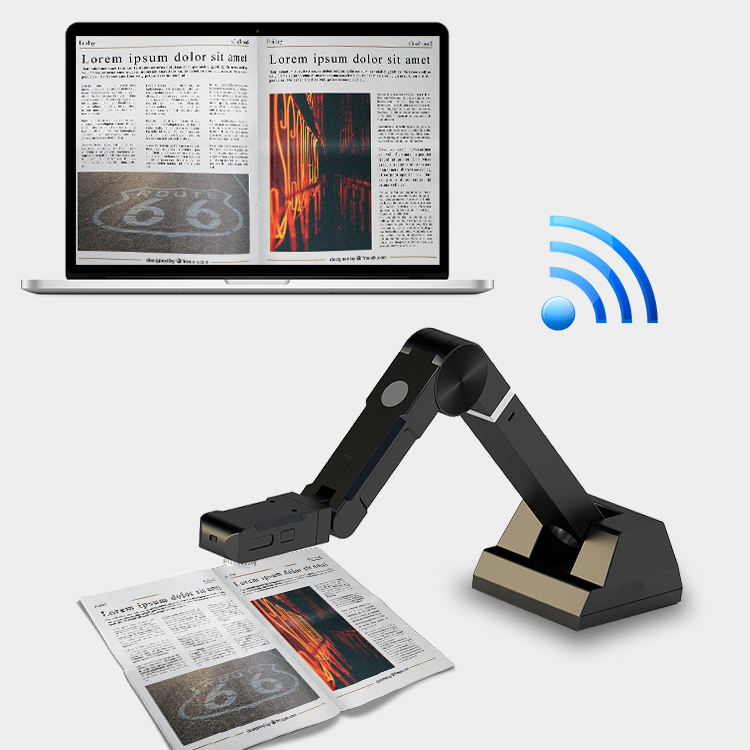
OEM USB Portable Smart Camera Visualizer Wifi A4 A3 Document Camera Visualizer for Education Book Camera
Best suited to mobile teaching, library scanning and field training where the device must be compact, quick to deploy and easy to carry between rooms.
View OEM specifications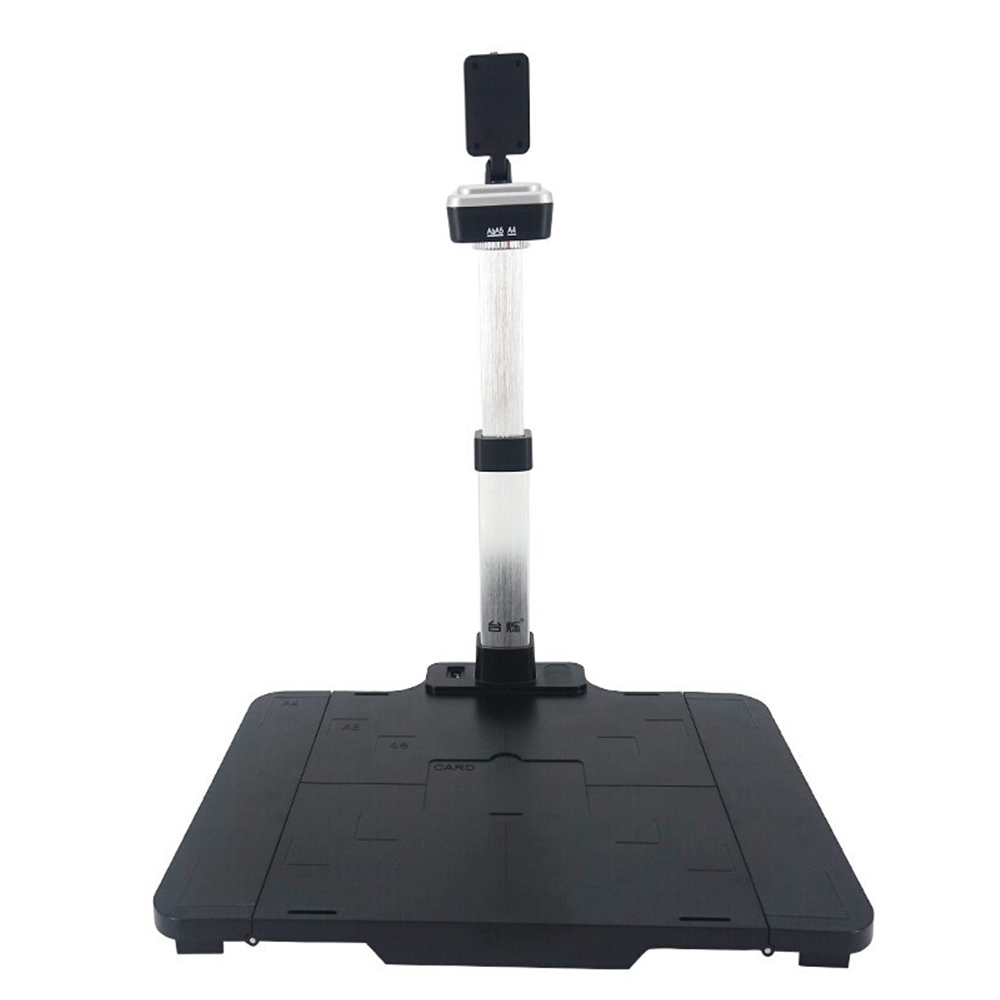
OEM HD 5MP double Camera Document camera Scanner For Government document camera
Designed for public-service counters, identity checks and application processing where staff need to capture a document and the person or scene in a coordinated workflow.
View OEM specifications
Document Camera Scanner 48MP Usb3.0 Autofocus A3 A4 Office Scanning and Classroom Visualizer
A high-resolution option for archive projects, detailed drawings, premium classroom visualizers and buyers who need stronger crop-and-zoom performance after capture.
View OEM specificationsWhy OEM USB Document Cameras Remain a High-Intent B2B Category
Buyers no longer search only for a “document camera.” They search by application, interface, sensor class, classroom workflow, government counter requirement and private-label readiness. That shift rewards suppliers who can provide technical clarity, not just product photos.
The modern OEM USB document camera sits at the intersection of education technology, visual communication, document digitization and identity verification. For importers and wholesalers, this creates an attractive but demanding category: demand is steady, but the specification range is wide. A primary school may need an A4 visualizer for live demonstration; a university may ask for A3 capture and high-resolution book scanning; a government counter may require dual-lens capture, controlled software settings and long-life industrial components.
For SEO and procurement teams, the winning content strategy is to answer the buyer’s real question before the RFQ. What resolution is sufficient? When does auto-focus matter? Is 5.8GHz wireless more suitable than USB? How should certification files be prepared for a tender? What information should a distributor request from a factory before committing to a private-label run? These are the details that separate a catalogue page from a useful sourcing resource.
Shenzhen Eshuni Technology has focused on information collection and identity verification hardware since 2012. Our product range covers high-speed document scanners, video booths, book scanners, identity verification terminals, webcams and camera modules. The factory operates an ISO9001 quality management system, and products are designed for CE, FCC, RoHS and China 3C compliance requirements. Hardware and software development are handled in-house and protected by national patents, giving buyers a stronger foundation for customization and long-term supply.
Information gain for buyers: the most valuable supplier is not the one that lists the most models. It is the one that can explain the trade-offs between sensor size, capture area, frame rate, interface, lens design, firmware behavior and certification documentation — then support the selected configuration through samples, production and after-sales service.
- Education distributors need predictable A4/A3 performance, teacher-friendly setup and stable supply across the school year.
- Government and finance integrators need dual-camera options, identity-capture workflows and tender-ready documentation.
- AV and IT wholesalers need UVC-friendly USB connectivity, 4K options and compatibility with conferencing platforms.
- Private-label brands need housing customization, packaging, firmware configuration and a factory that can protect their brand position.
2026–2028 Procurement Trends for Document Camera Wholesalers
Procurement is becoming more evidence-driven. Buyers are planning around hybrid learning, AI-assisted document workflows, privacy expectations and supply-chain resilience. These four trends should be written into your next RFQ and product roadmap.
Hybrid Classroom Continuity
Schools are standardizing on devices that work for in-room projection and remote sharing without changing the teaching routine. USB plug-and-play, UVC compatibility and stable auto-focus will remain baseline requirements, while A3 capture and 2-in-1 webcam/document camera functions become differentiators.
AI-Assisted Capture
Document flattening, de-warping, OCR, auto-cropping and edge enhancement are moving from premium software into device-level expectations. Wholesalers should request clarity on which functions are on-camera, which run in host software, and how firmware updates are controlled for different markets.
Privacy and Controlled Connectivity
Public-sector and enterprise buyers increasingly ask whether a device requires cloud access, how firmware is updated and whether local recording is possible. USB models with local-only operation and clear data-flow documentation can reduce procurement friction for schools and government projects.
Dual Sourcing and Forecast Visibility
Importers are reducing single-source risk by qualifying more than one configuration and asking suppliers for rolling forecasts, component continuity plans and shipment documentation. A factory with ERP-driven production and supply-chain management can respond faster when a tender deadline or retail season shifts.
What the Next Generation of Visualizers and Camera Modules Will Add
The product roadmap is being shaped by higher-resolution sensors, computational imaging, more flexible wireless links and modular hardware. For wholesalers, the opportunity is to position product tiers around actual buyer intent rather than a single “megapixel” number.
Resolution Plus Computational Imaging
48MP and 13MP sensors attract attention, but image quality depends on lens, processor and tuning. The next competitive layer is computational: document edge detection, page flattening, glare reduction and text enhancement that make the final captured page more usable.
Auto-Focus, WDR and Low-Light Stability
Wide dynamic range and ultra-low-light performance matter when a visualizer is used in rooms with uneven lighting or when a government counter needs legible ID detail. Auto-focus must be fast without visible hunting during live demonstrations.
5.8GHz Wireless and Flexible Connectivity
Wireless visualizers support teacher movement, but the experience depends on local network conditions. 5.8GHz solutions can offer a less congested link than 2.4GHz in busy schools, while USB remains the most predictable choice for fixed desks, counters and plug-and-play deployment.
Modular Camera Modules for OEM Buyers
Smart glasses, AR wearables, kiosks, conference systems and compact visualizers increasingly rely on modular CMOS/FPC camera designs. OEM buyers should evaluate mechanical fit, interface stability, firmware access and long-term component availability.
Match the Specification to the Buyer’s Search Intent
This reference table turns product selection into a procurement conversation. It is useful for tender preparation, distributor range planning and sample evaluation.
| Buyer Intent | Recommended Configuration | Why It Matters | Sample Focus |
|---|---|---|---|
| Classroom demonstration | 8MP to 13MP, A3/A4, USB or 5.8GHz wireless | Balances live image clarity, teacher movement and budget. A3 is preferred for full-page textbooks and drawings. | Test auto-focus speed, glare handling, projector output and software compatibility. |
| Book and archive scanning | 13MP to 48MP, autofocus, USB 3.0 where available | Higher resolution supports crop-and-zoom for fine print, bound pages and records with small annotations. | Check text edge sharpness, page curvature, lighting uniformity and capture speed. |
| Government counter capture | 5MP dual-lens, USB, fixed or controlled focus | Document and person/scene capture can be coordinated in one station, improving verification workflow. | Evaluate dual-view synchronization, ID detail, low-light stability and software access. |
| Online teaching and tutoring | 2-in-1 webcam/document camera, HD or 13MP | One device supports both face-to-camera communication and overhead demonstration. | Confirm UVC compatibility, microphone requirement, mounting stability and driver-free setup. |
| Conference and live streaming | 4K camera module, USB, multi-system compatibility | AV resellers need a clean video feed, broad platform support and flexible mechanical integration. | Review 4K output, field of view, low-light behavior and platform testing. |
| Private-label retail range | Multiple sensor tiers, custom packaging, logo and firmware settings | Brands need differentiation without losing technical stability or compliance documentation. | Approve retail packaging, quick-start guide, branding area, firmware lock and warranty terms. |
| OEM module integration | 1080P, 2K/4K, binocular or single-module CMOS options | Module buyers need mechanical fit, stable drivers and a clear signal path for their own product design. | Request pinout, interface details, FPC dimensions, SDK/API support and long-term supply notes. |
Need a different sensor, lens, housing, packaging or firmware profile? The inquiry CTA below routes your request to the catalog and engineering conversation.
Why Wholesalers Work With Shenzhen Eshuni Technology
The supplier advantage is not only product range. It is the ability to support design, production, quality control, documentation and after-sales follow-through for B2B projects.
Manufacturer Since 2012
Eshuni is a manufacturer and solution provider for information collection and identity verification. Long-term experience in document scanners, book scanners, webcams and camera modules supports realistic specification advice.
ISO9001 and Product Compliance
The factory operates an ISO9001 quality management system. Products are designed around CE, FCC, RoHS and China 3C requirements, with documentation support for distributors and tender submissions.
OEM / ODM and Private Label
Support includes OEM manufacturing, product design services and buyer-label production. Branding, packaging, firmware configuration and product presentation can be aligned with the target market.
Three Levels of Technical Support
A senior R&D team supports product design, project design and on-site project application. This is valuable for integrators who need application guidance beyond a standard spec sheet.
ERP-Driven Production Control
ERP-driven production and supply-chain management help maintain quality consistency and lead-time visibility. That matters when a school tender, government project or retail launch has a fixed delivery window.
Export Experience Across Five Regions
FOB, EXW and DDP terms are supported, with regular shipments to North America, South America, Western Europe, South Asia and Africa. This experience helps buyers plan documentation, packaging and delivery expectations.
Quality Is Built Into the Process, Not Added at the End
A document camera is used in front of teachers, students, clerks and citizens. Reliability is therefore part of the user experience, not a back-office metric. For OEM buyers, quality control should begin with the approved sample and continue through component intake, assembly, firmware configuration, image testing, aging checks and packaging verification.
Our in-house hardware and software development, national patents and ERP-supported production provide a practical foundation for customization. Every project should still define acceptance criteria clearly: target resolution, focus behavior, frame rate, low-light threshold, interface compatibility, logo placement, accessory list, packaging language and warranty process.
The most successful wholesale relationships are built on repeatable specifications. Once the golden sample is approved, the factory and buyer should share the same inspection standard. This reduces disputes, protects the brand and makes future reorders faster.
Information Gain: Questions Most Catalogue Pages Miss
- Which image functions run on the device, and which depend on host software?
- What is the documented behavior under mixed lighting, glare and fast page turning?
- How are firmware changes controlled for different distributors or private-label brands?
- Which accessories are included by default, and what changes for tender packaging?
- What sample evidence should be retained before mass production is released?
- How will after-sales replacement parts and technical escalation be handled?
Common Questions From Document Camera Buyers
These answers reflect the questions most relevant to importers, distributors, tender buyers and private-label product teams.
Does Eshuni offer OEM and ODM document cameras and webcams?
Yes. We offer OEM manufacturing, product design services and buyer-label production. Our in-house R&D team supports product design, project design and on-site project application. Buyers can discuss housing branding, packaging, firmware configuration, accessory combinations and documentation requirements before production.
Which certifications do your products and factory hold?
The factory operates an ISO9001 quality management system, and products are designed around CE, FCC, RoHS and China 3C requirements. Our hardware and software are developed in-house and protected by national patents. For tenders and retail channels, buyers should confirm the exact certificate scope and model coverage required for their destination market.
Should I choose an 8MP or 13MP document camera?
An 8MP sensor is sufficient for A4 pages, textbooks and live classroom demonstrations. A 13MP sensor is recommended when capturing full A3 sheets, fine print, engineering drawings or archival scans where every detail must remain legible after zooming. For premium archive and drawing use cases, a 48MP model may be appropriate, provided lighting, lens quality and processing are also evaluated.
What is the difference between USB and 5.8G wireless document cameras?
USB models are plug-and-play and draw power from the computer, making them ideal for fixed desks, counters and predictable IT environments. 5.8GHz wireless models let teachers move freely around the room; the 5.8GHz band is typically less congested than 2.4GHz in busy school networks, supporting a more stable live image when correctly deployed. Buyers should test both modes against their actual room layout and software stack.
Which trade terms and markets do you support?
We accept FOB, EXW and DDP delivery terms and regularly ship to North America, South America, Western Europe, South Asia and Africa. Project-specific shipping, packaging and documentation requirements can be reviewed with the sales and engineering teams.
How should a distributor prepare an RFQ for OEM supply?
Include the application, target market, required capture area, preferred resolution, interface, software environment, packaging language, branding requirements, estimated annual volume and any compliance documents needed for tender or retail entry. A clear RFQ helps the factory recommend the right product platform and avoid over-specifying features that do not affect the user experience.
What quality checks should be agreed before mass production?
At minimum, approve a golden sample and define image quality, focus behavior, frame rate, low-light performance, interface compatibility, mechanical stability, packaging contents, logo placement and accessory standards. Production checks should also cover firmware version control, aging tests, functional testing, visual inspection and final packaging verification.
Can the product be customized for private label and tender use?
Yes. Private-label projects can address product logo, retail packaging, user manual, accessory configuration, firmware settings and product naming. Tender projects often require additional documents, model-specific certificates, packing lists and delivery schedules. Sharing the tender specification early helps the team map requirements to the most suitable hardware platform.
Planning a Wholesale Range, Tender or Private-Label Launch?
Share your target application, resolution, capture area, interface, packaging and certification requirements. The Eshuni team will help match the right OEM USB document camera, visualizer, book scanner, webcam or camera module to your project.