OEM/ODM HD Document Camera Factories & Exporters
Factory-direct HD document cameras, classroom visualizers, A3/A4 book scanners, 5.8G wireless presentation cameras, USB camera modules and dual-camera identity terminals for importers, tender suppliers and system integrators.
8 HD Document Camera, Visualizer & OEM Camera Module Models for Export Programs
This shortlist is built for buyers who need more than a catalogue photo. It covers classroom document cameras, portable visualizers, A3/A4 book scanners, 5.8G wireless teaching devices, facial and palm-vein recognition modules, and USB camera modules for OEM integration. Each product URL is preserved so procurement teams can review specifications, request samples and confirm customization scope.
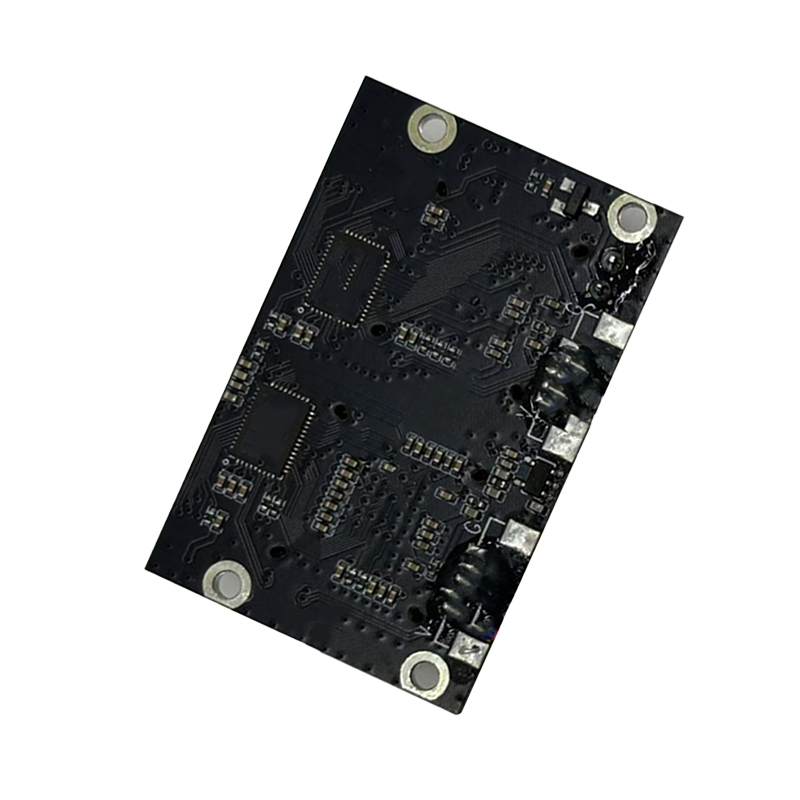
Newly upgraded dual 1080P finger vein palm print recognition facial recognition camera module CMOS sensor
Dual-camera biometric capture for access control, KYC counters, smart gates and identity-verification terminals. Suitable for OEM housing, firmware and interface customization.
View product details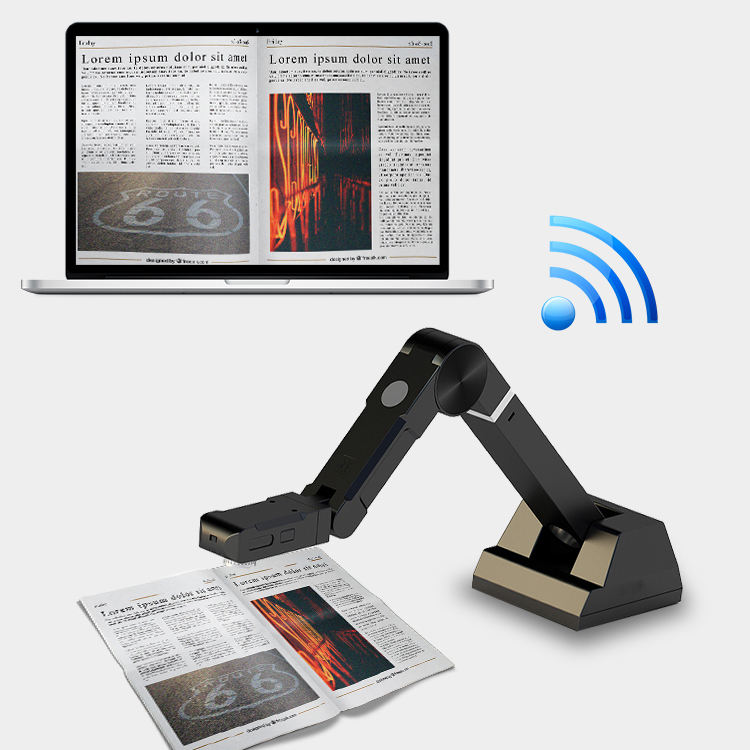
Visualized Handheld Hd Usb A4 Book Scanner A3 Automatic Management Document Scanner Camera
Flexible handheld USB scanning for book pages, contracts, receipts and classroom materials. A practical bridge between a document camera and an overhead book scanner.
View product details
CMOS sensor 1080P 30fps USB2.0 camera module monocular wide dynamic range camera module with ultra-low light performance
1080P 30fps USB2.0 camera module with wide dynamic range and low-light capability for kiosks, teaching hardware, inspection devices and embedded vision products.
View product details
HD Camera Portable Visualizer Presenter Document Camera for Presentation Equipment Book Camera
Portable HD presenter for classrooms, training rooms, sales demonstrations and mobile teaching kits. Quick to deploy where fixed visualizers are impractical.
View product details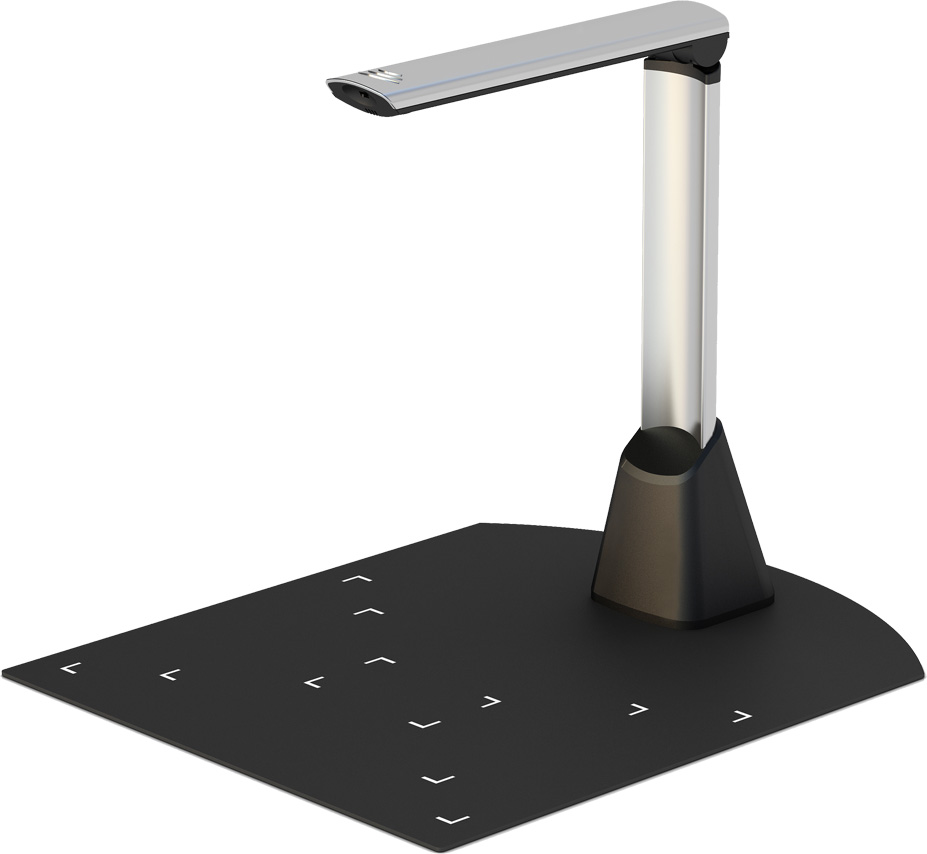
USB OEM A4 Fixed Focus Portable Desktop Document Scanner 13MP for Office Document Scanning
13MP fixed-focus desktop scanner for office digitization, front-desk capture and high-detail A4 documents. A strong option for retail and tender-ready office bundles.
View product details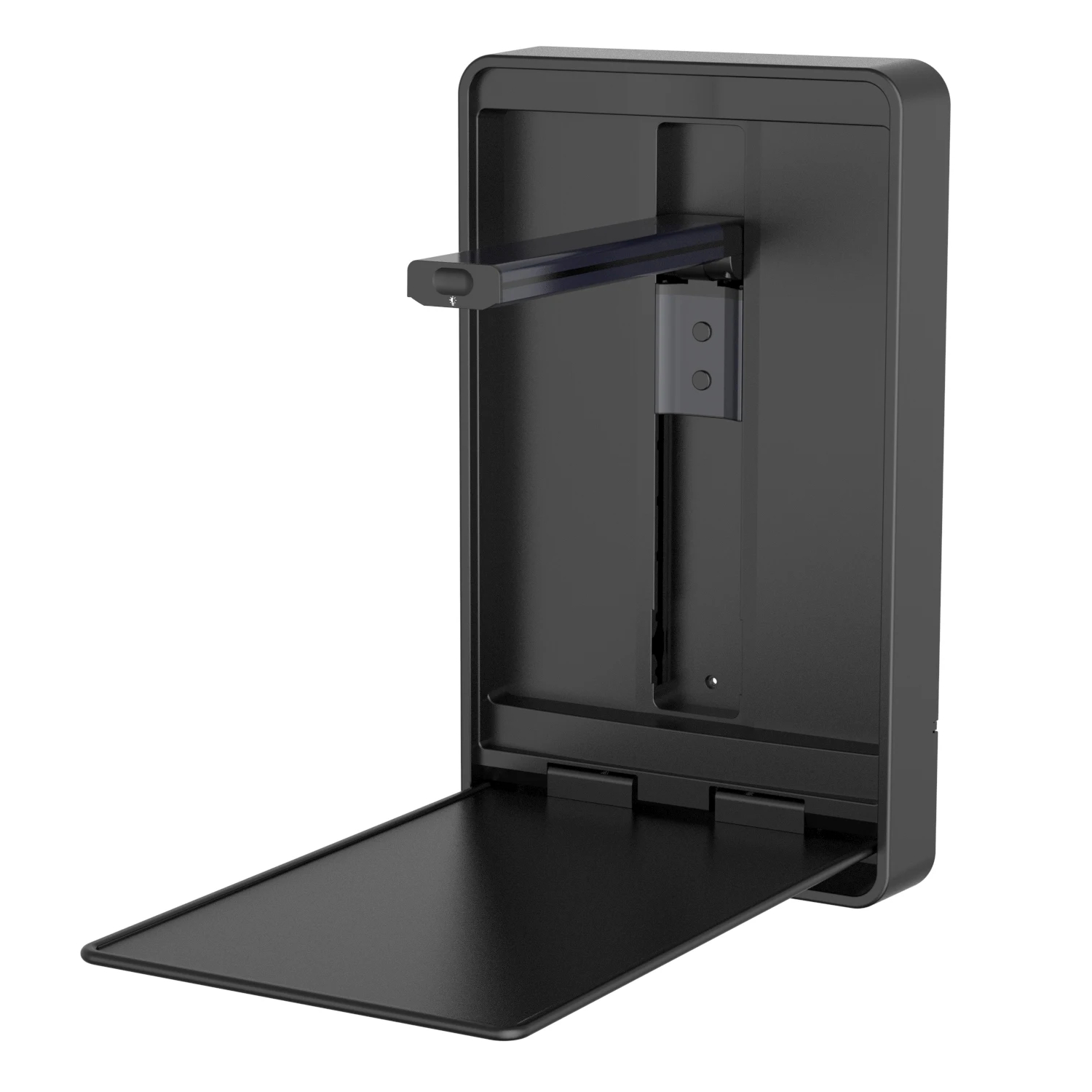
Document Camera OEM Factory 8M Education Display Stand for Wireless Document Camera Scanner, Wall Mounted Video Display Stand
8MP education display stand with wall-mount and wireless deployment potential. Designed for classroom presentation, remote teaching and fixed installation projects.
View product details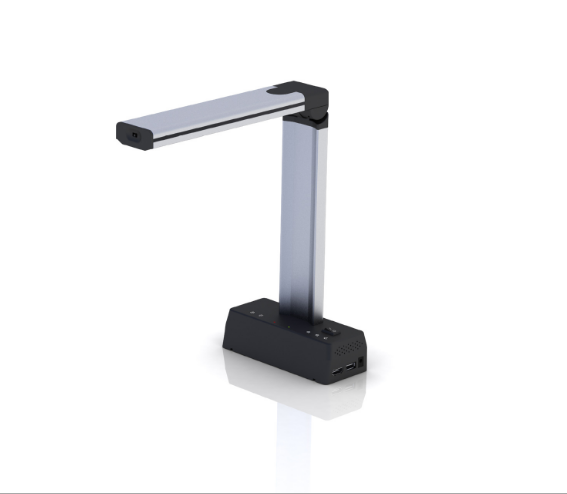
WIFI document camera visualizer wireless 5.8G WIFI OEM ODM Document scanner for education or office
5.8G wireless visualizer for classrooms and offices where cable-free teaching, stable live image transmission and OEM branding are required.
View product details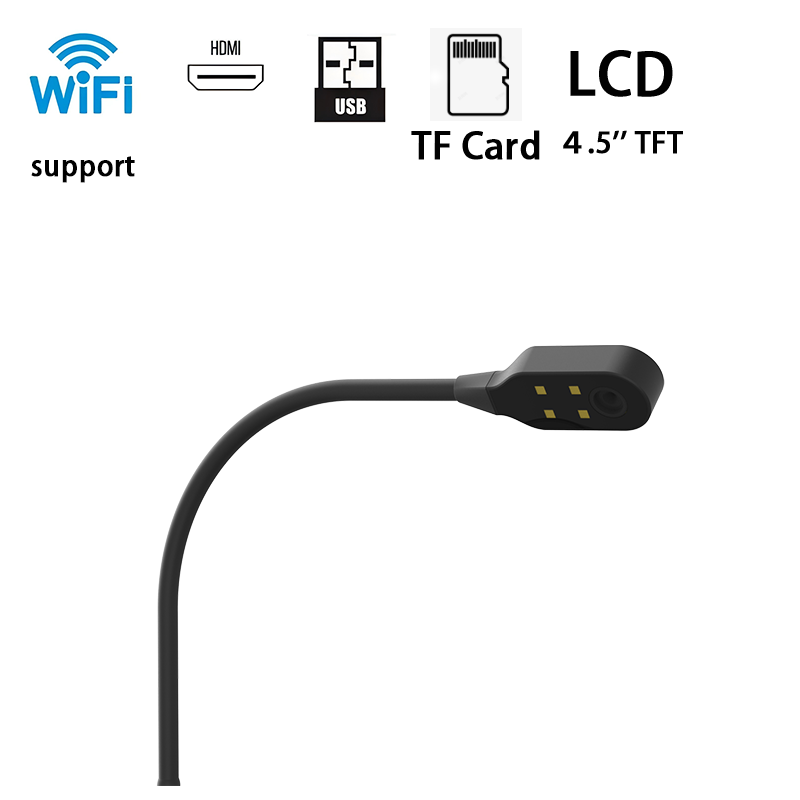
Support VGA WIFI Interface for Teacher Teaching Files, Camera and High Camera
VGA and WiFi teaching interface solution for classrooms that need compatibility with existing displays, teacher files, document cameras and high cameras.
View product detailsNeed a different sensor, A3 capture area, housing, logo, packaging or firmware behavior?
Contact UsWhat Serious Buyers Now Evaluate Before Choosing a Document Camera Exporter
Search behavior has shifted from price-led queries to intent-led sourcing. Procurement teams increasingly search for an OEM HD document camera factory, a 5.8G wireless document camera exporter, an A3 book scanner OEM, or a low-light USB camera module manufacturer. The supplier that wins is usually the one that reduces specification risk, not the one that publishes the longest specification list.
A3 versus A4 is a workflow decision
A4 models suit contracts, books and office pages. A3 models are better for large textbooks, drawings, maps and two-page spreads. Buyers should confirm the real capture area after installation, not only the sensor resolution.
Resolution is more than megapixels
An 8MP document camera can be ideal for live teaching and A4 pages, while a 13MP model gives more margin for A3 sheets, fine print and archival digitization. Lens quality, focus method and image processing also affect legibility.
Wireless is not a checkbox
USB is plug-and-play for fixed desks. A 5.8G wireless visualizer gives teachers freedom to move, and the 5.8GHz band may be less congested than 2.4GHz in busy school networks. The deployment environment should decide the connection type.
OEM success starts before the RFQ
The strongest OEM projects define the use case, target market, compliance needs, packaging, interface and estimated volume before tooling begins. That brief allows the factory to recommend the right sensor, focus system, housing and firmware scope.
Shenzhen Eshuni Technology Co., Ltd. has manufactured imaging hardware since 2012, with an ISO9001 quality management system, CE, FCC, RoHS and China 3C certifications, and in-house hardware and software development protected by national patents. Its product range covers document cameras, visualizers, book scanners, identity-verification terminals, webcams and camera modules for education, finance, insurance, telecommunications, government and enterprise buyers.
For importers and tender suppliers, the useful question is how those capabilities translate into a lower-risk purchase order. The answer is usually found in three areas: a clear application brief, documented quality control, and an exporter that can support product design, project design and on-site application rather than simply shipping a box.
Match the Model to the Buyer, Tender or Deployment Scenario
The same document camera can be a strong classroom visualizer, a weak archival scanner, or an excellent OEM module depending on how the project is specified. Use this buyer-fit matrix as a starting point for sampling and quotation.
| Buyer or scenario | Recommended model | Why it fits | Specification checkpoint |
|---|---|---|---|
| Identity-verification and access-control integrators | Dual 1080P biometric camera module | Supports face and palm-vein capture for kiosks, gates and counter terminals. | Confirm interface, SDK scope, enclosure fit and certification target. |
| Education distributors needing flexible demonstration tools | Handheld HD USB A4/A3 book scanner | Useful for A3/A4 book pages, classroom objects and field demonstrations. | Check A3 capture area, light control and software compatibility. |
| Embedded vision and kiosk hardware brands | 1080P USB2.0 WDR camera module | Low-light performance and wide dynamic range improve real-world reliability. | Confirm lens, cable, UVC behavior and mechanical mounting. |
| Training companies, mobile teachers and presenters | Portable HD visualizer presenter | Quick setup for classrooms, sales demos and travelling training kits. | Check folded size, lighting, focus range and carry protection. |
| Office digitization and service counters | 13MP USB A4 desktop scanner | Higher-resolution A4 capture for contracts, forms and records. | Confirm document size, OCR workflow and illumination stability. |
| Classroom wall-mount or fixed installation projects | OEM 8MP education display stand | Designed around wall-mount and wireless display deployment. | Check stand reach, conduit plan, wireless environment and power access. |
| Hybrid teaching and cable-free classrooms | 5.8G WiFi document camera visualizer | Stable wireless presentation with OEM/ODM branding potential. | Confirm network plan, receiver setup, firmware updates and warranty terms. |
| Legacy AV classrooms upgrading to digital capture | VGA and WiFi teaching interface | Bridges existing display infrastructure with teacher files and cameras. | Confirm VGA requirement, WiFi workflow and local support material. |
For projects outside these scenarios, share the application, target resolution, capture area, connection method, branding requirement and target market. The factory can then recommend a standard model or an OEM adaptation.
Future Procurement Trends for Document Camera Factories and Exporters
Price comparison still matters, but it is no longer enough. The following procurement shifts are shaping supplier selection for education, government, finance and enterprise imaging projects.
Tender documentation as a sales asset
Buyers increasingly expect ISO9001 evidence, CE, FCC, RoHS and 3C references, product test data and clear warranty terms. Exporters that can supply organized documentation reduce bid preparation time for distributors and tender specialists.
Total cost of ownership over unit price
Return rates, spare parts, firmware stability, packaging protection and after-sales response affect the real cost of a shipment. Experienced buyers now compare the landed cost of ownership, not only the FOB quotation.
Hybrid classroom continuity
Schools want devices that work in the classroom, in remote teaching and during hybrid lessons. USB and wireless operation, UVC compatibility and simple switching between local display and computer capture are becoming practical requirements.
Privacy and on-device processing
Education and identity projects are sensitive to where images are processed and stored. Buyers ask whether a document camera can operate locally without unnecessary cloud dependency, and how access is controlled in shared environments.
Dual-camera identity workflows
Government, telecom and finance counters increasingly combine document capture with face or palm verification. Dual-camera modules can reduce counter space and operator steps when the integration scope is defined early.
Supply-chain traceability
ERP-driven production, repeatable incoming inspection and version-controlled firmware help importers manage multi-year supply programs. Buyers should ask how changes to BOM, firmware or packaging are communicated before shipment.
Localization of packaging and firmware
Private-label buyers want more than a logo on the housing. They need retail packaging, multilingual quick-start guides, label compliance and firmware behavior tailored to the destination market and installation workflow.
Sustainable packaging and power efficiency
Reduced plastic, recyclable cartons and efficient power design are moving from marketing preferences to practical tender requirements. A factory that can adjust packaging without compromising transit protection has an advantage in repeat orders.
Where HD Document Camera and Visualizer Hardware Is Heading
These development directions matter to buyers planning a product roadmap, a private-label range or a multi-year tender specification.
13MP and higher-detail capture
As A3 documents, engineering drawings and archived pages are digitized, higher-resolution capture provides more zoom margin and cleaner OCR inputs. The practical result is better legibility after cropping or compression.
AI-assisted focus, framing and OCR
Auto focus, text enhancement, edge detection and OCR-friendly output are becoming differentiators. Buyers should validate performance on real pages, handwriting, glare, curved book spines and moving hands instead of only studio samples.
5.8G stability and next-generation wireless
5.8GHz wireless remains attractive in dense school environments because it can avoid congested 2.4GHz traffic. Future designs will also need to consider Wi-Fi 6, USB-C and mixed wired-wireless operation.
USB-C and UVC plug-and-play
Cross-platform compatibility reduces installation friction. UVC-style operation is valuable for online teaching, meeting rooms and kiosk software that must work across Windows, macOS and education platforms.
Multi-sensor modules
Face, palm-vein, document and object capture can be combined in one terminal. The key is not adding more cameras, but aligning field of view, lighting, processing and interface design so the operator experience remains simple.
Low-light WDR and glare control
Real classrooms and counters have uneven lighting, windows, glossy pages and shadows. Low-light performance and wide dynamic range are becoming specification points for buyers who care about first-pass scan quality.
Modular CMOS and FPC camera engines
OEM buyers increasingly need compact modules for smart glasses, embedded terminals and custom housings. Modular sensor, lens and FPC selection enables faster product iteration without redesigning the entire system.
Remote diagnostics and device management
Schools and enterprise fleets benefit from easier firmware updates, usage diagnostics and configuration control. Even when cloud management is optional, serviceability becomes part of the product value proposition.

Factory Advantages That Reduce Buyer Risk
Shenzhen Eshuni Technology Co., Ltd. is a manufacturer and solution provider for information collection and identity verification. The company designs and builds high-speed document scanners, video booths, book scanners, identity verification terminals, webcams and camera modules. Its devices support digital transformation in education, finance, insurance, telecommunications, government and enterprise.
A senior R&D team provides three levels of technical support: product design, project design and on-site project application. Manufacturing is managed through ERP-driven production and supply-chain processes to keep quality consistent and lead times short. Core hardware and software are developed in-house and protected by national patents.
The factory operates an ISO9001 quality management system, and products carry CE, FCC, RoHS and China 3C certifications. Regular shipments cover North America, South America, Western Europe, South Asia and Africa, with FOB, EXW and DDP terms available. For importers, that combination of engineering depth, documented quality and export experience is the real product.
Questions Buyers Ask Before Ordering OEM/ODM Document Cameras
These answers are written for importers, tender teams, distributors and system integrators evaluating a long-term manufacturing partner.
Does Eshuni offer OEM and ODM document cameras and visualizers?
Yes. The factory supports OEM manufacturing, product design services and buyer-label production. Its in-house R&D team can support product design, project design and on-site project application, with customization discussed against the target specification, volume and validation plan.
Which certifications do the factory and products hold?
The factory operates an ISO9001 quality management system. Products carry CE, FCC, RoHS and China 3C certifications. Hardware and software are developed in-house and protected by national patents. Certification scope should still be confirmed for each model and destination market during the RFQ.
Should I choose an 8MP or 13MP document camera?
An 8MP sensor is usually sufficient for A4 pages, textbooks and live classroom demonstrations. A 13MP sensor is recommended when capturing full A3 sheets, fine print, engineering drawings or archival scans where detail must remain legible after zooming and cropping.
What is the difference between USB and 5.8G wireless document cameras?
USB models are plug-and-play and draw power from the computer, making them ideal for fixed desks and counters. 5.8GHz wireless models let teachers move freely; the 5.8GHz band is often less congested than 2.4GHz, which can improve live image stability in busy school networks.
Can the housing, logo, packaging and firmware be customized?
Yes, customization can cover logo, packaging, labels, housing colors, accessories, interface requirements and firmware behavior, subject to minimum order quantities, tooling review and validation. Buyers should provide the destination market, compliance needs and target user workflow before sampling.
Which trade terms and export markets are supported?
The company accepts FOB, EXW and DDP delivery terms and regularly ships to North America, South America, Western Europe, South Asia and Africa. Trade terms, packaging, documentation and shipping method are confirmed during quotation.
How should an importer evaluate quality before placing a volume order?
Request a sample with the same configuration as the planned order, test it on real documents and in the target lighting environment, review firmware behavior, confirm packaging protection and ask how BOM or firmware changes are communicated. For tender projects, align test reports and certification documents with the bid schedule.
What information is needed for a fast quotation?
Share the application, preferred model or product category, resolution, A3 or A4 capture requirement, USB or wireless connection, interface needs, target market, certification requirements, branding scope, estimated quantity and target delivery schedule. The factory can then recommend a standard model or an OEM/ODM adaptation.
Send Your Document Camera RFQ to a Shenzhen OEM/ODM Factory
Tell us the application, resolution, capture area, connection method, branding requirements and estimated volume. Our team will recommend the right HD document camera, visualizer, book scanner, wireless teaching device or camera module for your project.