OEM/ODM Overhead Book Scanner & Visualizer Product Recommendations
The eight configurations below reflect the requests we receive most often from importers, tender agents, distributors and private-label brands. Each link preserves the live product URL so buyers can verify specifications, images and application notes. Where a buyer needs a different sensor, lens, housing, firmware string, packing or branding, our engineering team can adapt the platform.
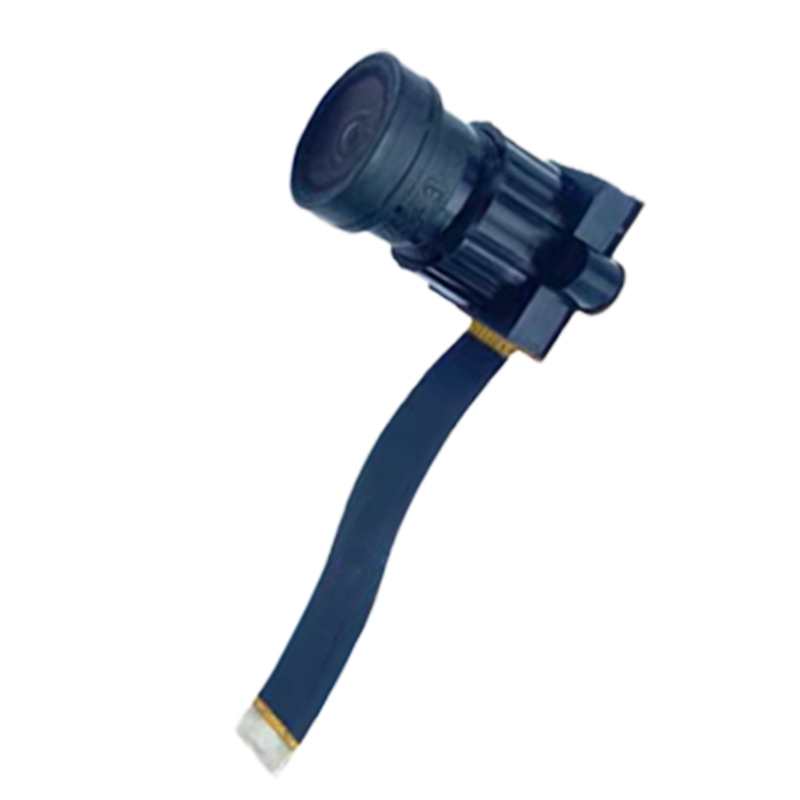
1080P/2K/4K CMOS Sensor MIPI Camera Module for Drone & Wireless Video
A compact MIPI module platform for OEM projects that need low-latency video, embedded vision or wireless transmission. Suitable where a book-scanning or visualizer program requires a customized sensor path rather than an off-the-shelf camera.
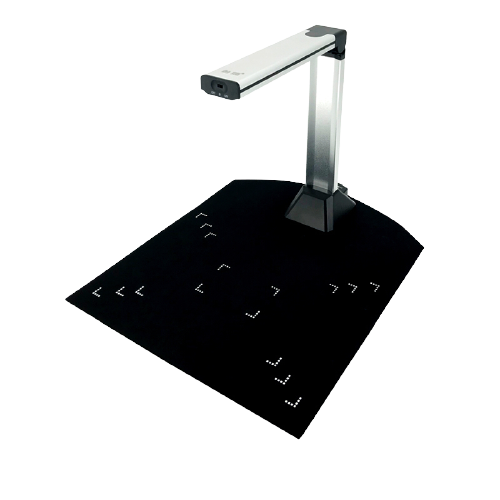
Portable OEM 8MP Document Camera Visual Presenter
A practical overhead capture platform for education equipment, classroom demonstrations and book scanning. Portable housing and 8MP imaging make it a strong fit for distributors serving schools and training centers.
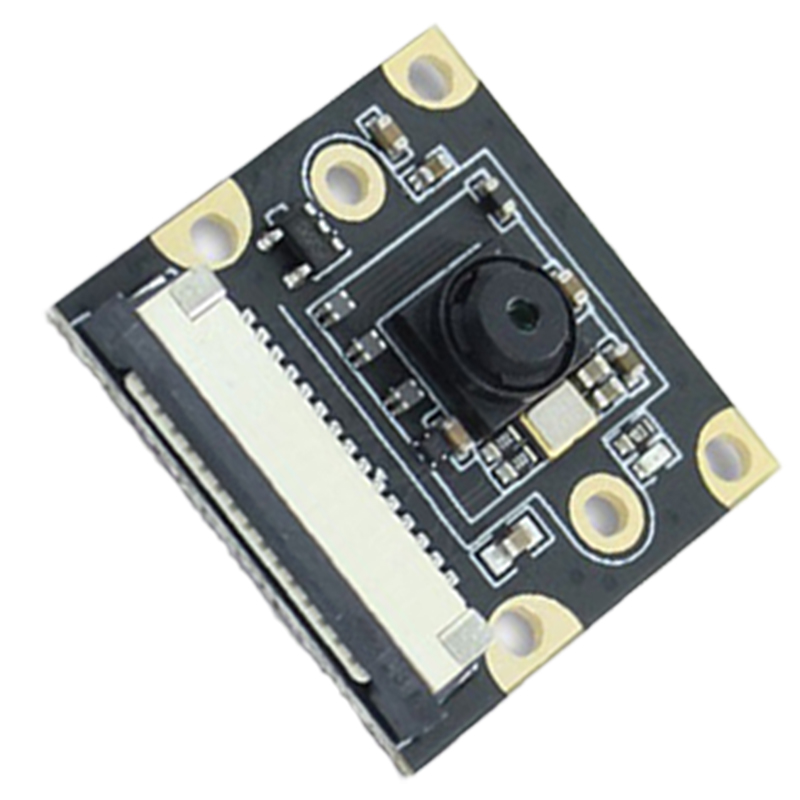
1080p/2K/4K Camera Module for NVIDIA Development Boards
Adjustable focal length and development-board compatibility support OEM teams building inspection, scanning, video capture or embedded vision prototypes that may later move into volume production.
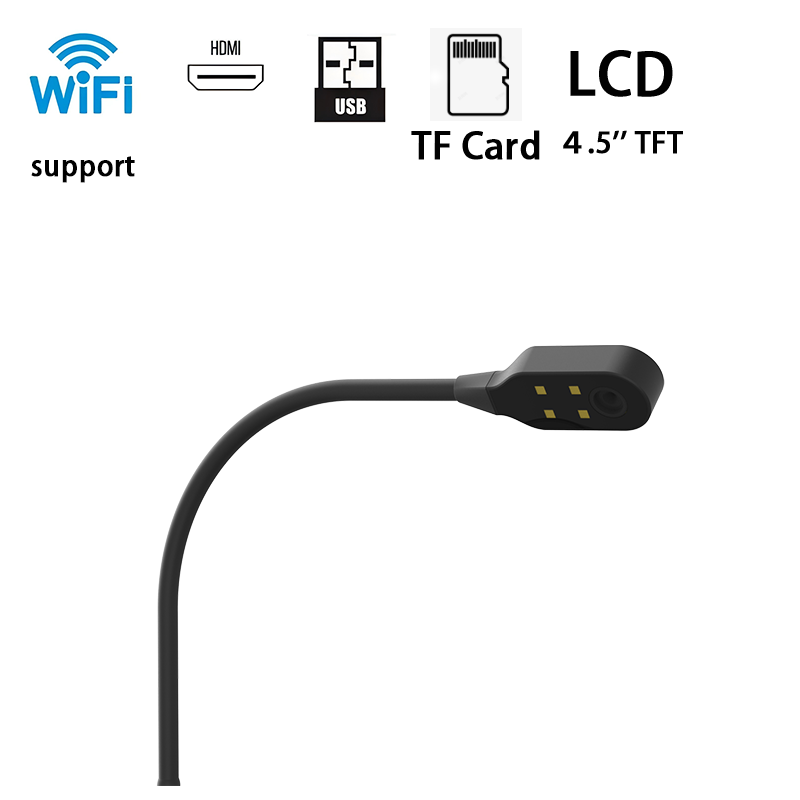
VGA + WiFi Interface for Teacher Teaching Files and Cameras
Designed for classroom display workflows that need VGA and WiFi connectivity, this platform helps integrators connect teaching files, document cameras and high cameras in a familiar presentation environment.
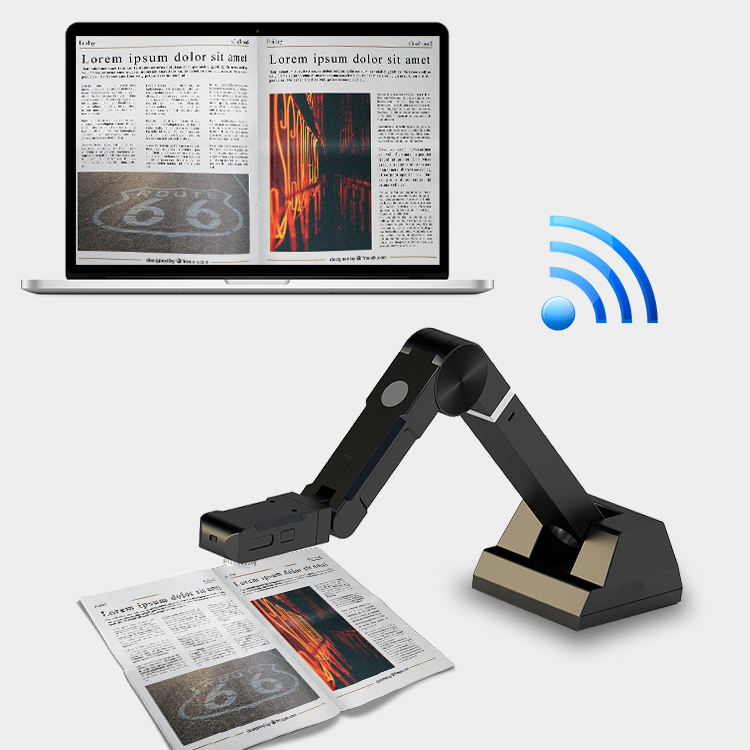
OEM USB Portable Smart Camera Visualizer with WiFi A4/A3 Book Camera
A flexible visualizer for education buyers who want both USB and WiFi operation. It supports A4/A3 book camera workflows, making it suitable for classroom sharing, remote teaching and private-label education ranges.
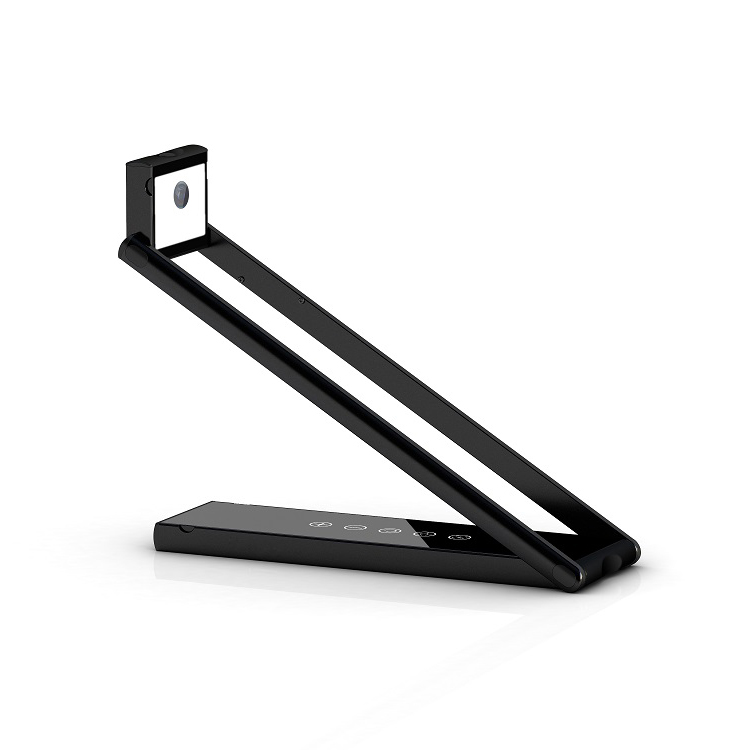
Education Equipment A3 Document Camera Visual Presenter Scanner
Built for scanning A3 books, paper documents and teaching materials. The visual presenter format is well suited to schools, libraries, training rooms and archive digitization projects needing full-page overhead capture.
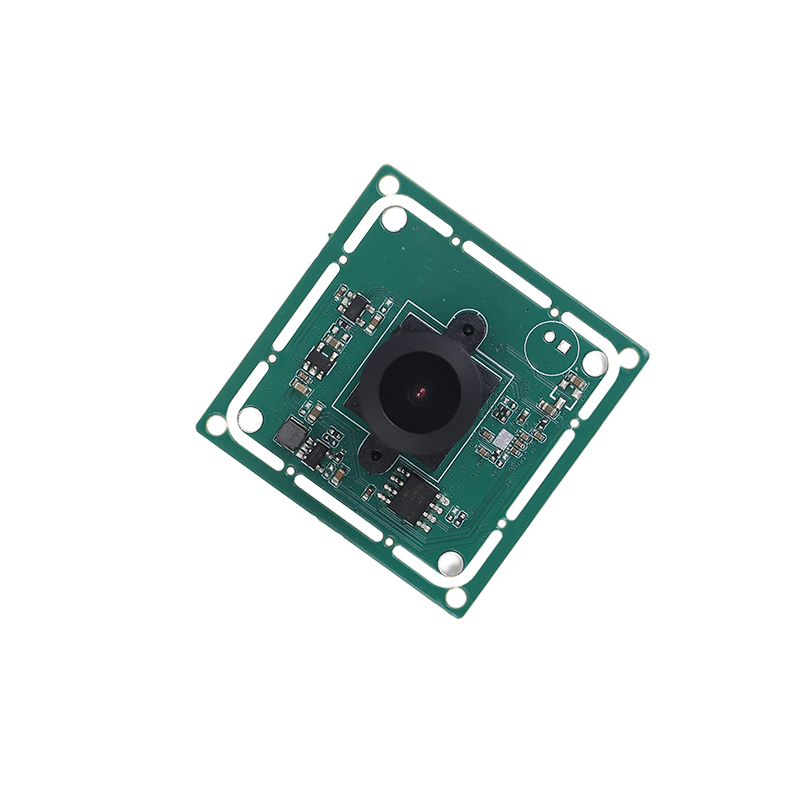
1080P 30FPS USB HD Portrait Camera Module with Macro Focus
A USB camera module with macro-recognition, fixed-focus and optional auto-focus configurations. It can support portrait capture, document detail work and compact OEM devices where a dedicated imaging module is required.
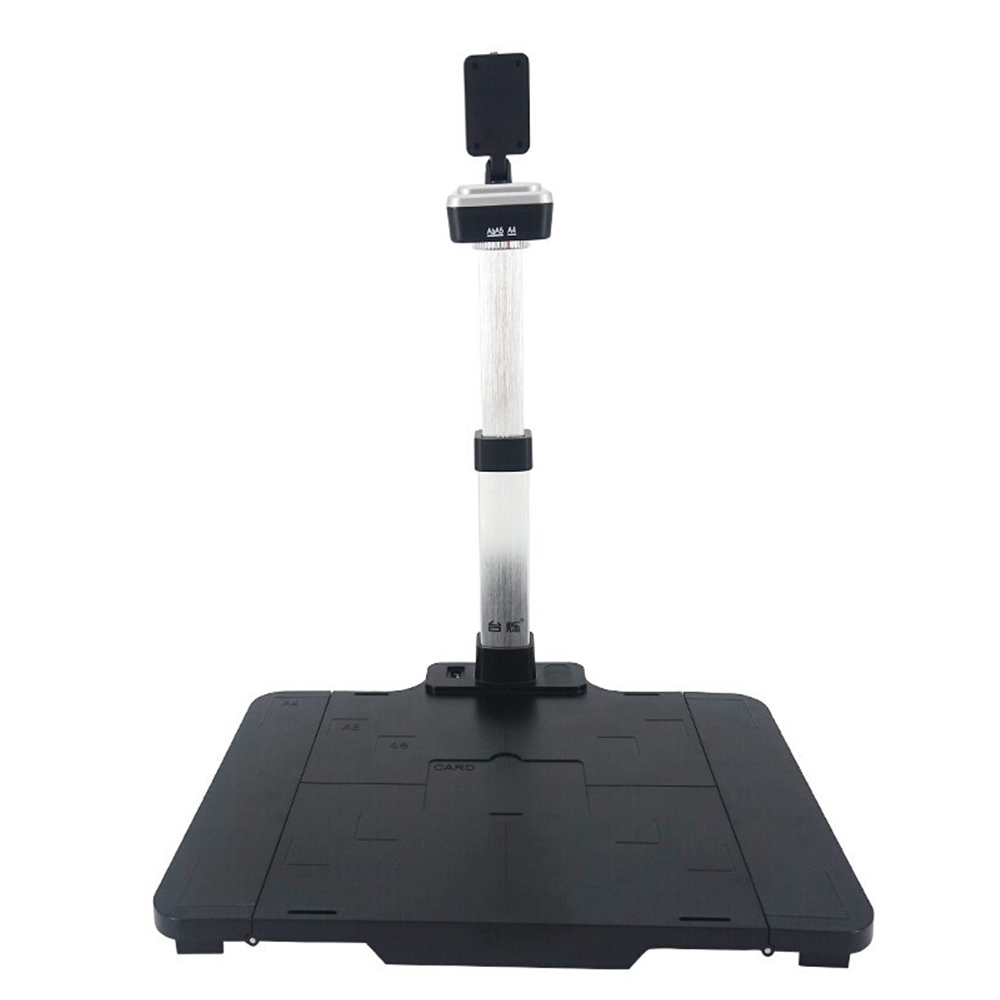
OEM HD 5MP Dual-Lens Document Camera Scanner for Government
A dual-camera document scanner concept for government counters, identity checks and public-service document capture. It can capture the document and the person or scene in one workflow, with OEM branding and interface options.
Why Overhead Book Scanners Are Moving From Niche Hardware to Core Procurement Categories
Buyers no longer purchase an overhead book scanner as a standalone accessory. They buy a document-capture workflow that must fit classroom display, archive digitization, counter service, remote teaching and identity verification. That shift creates opportunities for exporters and wholesalers who can specify, customize and support the complete use case.
Hybrid learning and frontline document capture
Schools, universities and training providers need visual presenters that can share a textbook page, handwritten notes or a live demonstration on screen and online at the same time. The same capture principle now appears in government counters, bank KYC desks, insurance claim handling and enterprise paperless projects.
For wholesalers, this means an overhead book scanner should be positioned as a workflow product, not only a camera. Connectivity, lighting, focus speed and software compatibility matter as much as resolution.
Tender-based modernization and compliance
Public-sector and enterprise tenders increasingly ask for documented quality systems, product certifications, stable firmware, spare-parts planning and clear country-of-origin information. A low unit price alone is not enough when a buyer must satisfy procurement rules and long-term service obligations.
Exporters and wholesalers with ISO9001 processes, CE, FCC, RoHS and 3C documentation for applicable models, and a traceable production workflow can reduce buyer risk in education and government projects.
Distributor private-label growth
Distributors want their own brand, packaging and product documentation rather than competing on the same generic model. OEM/ODM flexibility allows them to build a range for education, library, government or corporate channels with region-specific interfaces and power accessories.
The strongest supplier relationship is one that supports product design, project design and on-site application questions, so the distributor can answer technical pre-sales questions without escalating every detail to the factory.
Purchasing Trends Buyers Should Plan for in 2025–2027
Overhead book scanner exporters and wholesalers are being evaluated on supply continuity, customization depth and documentation quality. These four trends are shaping buyer requests and should be reflected in sourcing plans.
Wireless-first, cable-second designs
5.8GHz WiFi is often requested for classrooms and multi-use rooms because it can be less congested than 2.4GHz networks. Buyers still want USB fallback for plug-and-play reliability, so dual-mode products are easier to position across different tenders.
Evidence-driven compliance files
Procurement teams are asking earlier for model-level certification status, firmware version control, packaging marks, user manuals and spare-parts lists. A supplier that can organize these documents quickly becomes a lower-risk choice than one that only supplies a quotation.
Total cost of ownership
Importers increasingly compare sample quality, failure rate, spare-parts availability, packaging protection and after-sales response time. A slightly higher unit price can be preferable when it protects the buyer from returns, installation delays and tender penalties.
Localization and private label
Wholesalers want localized packaging, manuals, interface strings, accessories and model naming. ODM programs that support these requests reduce the time needed to launch a country-specific range and make the product easier to sell through education or government channels.
What a Credible Overhead Book Scanner Roadmap Looks Like
The next generation of overhead book scanners will be judged less by a single megapixel number and more by image consistency, connectivity, privacy, serviceability and customization potential. The roadmap below reflects how our OEM/ODM discussions are evolving with global buyers.
Sensor and lens co-design
A higher-resolution sensor does not automatically produce a better page image. Buyers should evaluate edge sharpness, focus stability, glare control and low-light behavior as a complete image chain. For A3 drawings and fine print, 13MP configurations are often easier to justify than 8MP models.
Multi-modal connectivity
USB, VGA, WiFi and network-friendly interfaces remain important because buyers have different installed bases. Dual-mode products that switch between wired and 5.8GHz wireless use cases can serve more markets with fewer SKUs, while still meeting the practical requirements of classrooms and counters.
On-device image enhancement
Auto-focus, exposure control, sharpening and noise reduction can reduce the training burden on teachers and counter staff. Future-facing programs may also pair overhead capture with OCR software, document management platforms or AI-assisted cropping, while keeping the camera itself simple and stable.
Modular camera and FPC platforms
OEM buyers increasingly need a base platform that can be adapted across several products. Modular CMOS sensor and FPC designs allow changes to resolution, lens, focus method and interface without redesigning the entire mechanical housing, helping wholesalers build a wider catalog faster.
Privacy and data minimization
Government and finance buyers care about where images are processed and stored. Suppliers should make it clear whether a model requires a PC, a local network or an optional cloud workflow. Privacy-by-design is becoming a selling point for identity-document scanners and dual-camera counter devices.
Serviceability and supply continuity
Repairable housings, accessible boards, clear firmware revision records and stable accessory sourcing help importers protect long-term contracts. For tender-driven markets, a documented service and spare-parts approach can be more valuable than an additional feature that is rarely used.
Match Sensor, Connectivity and Capture Area to the Buyer’s Workflow
Use this matrix as a starting point for tenders, private-label product plans and distributor range reviews. The best overhead book scanner is the one that matches the page size, lighting environment, connection standard and operator skill level of the end user.
| Buyer Scenario | Recommended Platform | Why It Fits | Customization Levers |
|---|---|---|---|
| Hybrid classroom visualizer | 8MP or 13MP A3 document camera with USB and 5.8G WiFi | Teachers need live textbook, worksheet and handwriting sharing with clear detail at the edges of an A3 page. | Sensor, lens angle, focus mode, LED lighting, housing color, logo, packaging and firmware language. |
| Library and archive book scanning | 13MP A3 visual presenter with auto-focus and stable overhead mounting | Bound pages and fine print benefit from higher resolution and repeatable positioning, especially when images feed OCR or document management software. | Capture area, frame rate, USB or wireless interface, button layout, software bundle and export format compatibility. |
| Government or bank counter | 5MP dual-lens document camera scanner | A counter workflow may need the document and the person or scene captured together for identity checks and service records. | Camera spacing, face/document framing, USB interface, privacy modes, enclosure design and branding. |
| Portable tutoring and sales demo | Portable 8MP visual presenter with USB connectivity | Lightweight setup suits tutors, mobile trainers and sales teams that move between rooms. | Foldable structure, cable length, carry bag, A4/A3 capture, software shortcuts and retail packaging. |
| OEM embedded camera program | 1080P/2K/4K MIPI or USB camera module with adjustable focus | Equipment makers need a compact imaging module for kiosks, smart devices, development boards or specialized scanning heads. | FPC shape, sensor resolution, focus method, interface, driver support, connector, sample validation and MOQ plan. |
How to Evaluate an Overhead Book Scanner Exporter: Four Practical Checks
Price comparison is useful, but it should not be the first step. Use the four checks below to compare suppliers on the evidence that matters when a product must pass a sample review, tender evaluation or retail launch.
Verify the image chain
Ask for live video and still samples under real classroom or counter lighting. Check text at the edges of an A3 sheet, color stability, focus speed and glare on glossy paper. A clear sample beats a long specification sheet.
Test connectivity and workflow
Confirm whether the model is driverless over USB, how 5.8G WiFi pairing works, what happens when the network is busy, and whether VGA or other interfaces are required. Ask for a setup video and a quick-start guide in your target language.
Review compliance documents
Request the available certification and test documents for the exact SKU and destination market. Confirm factory quality-system documentation, packaging marks, model labels and whether the firmware version can be frozen for a tender or private-label launch.
Check supply and customization
Discuss forecast, MOQ, lead time, spare-parts plan, packaging protection and branding options before the sample is approved. For long-term distributor programs, ask how engineering changes are communicated and how replacement accessories can be ordered.

Why Eshuni Is a Practical OEM/ODM Partner for Overhead Book Scanner Programs
Shenzhen Eshuni Technology Co., Ltd. is a manufacturer and solution provider for information collection and identity verification. Since 2012, we have built document cameras, visual presenters, high-speed document scanners, book scanners, ID card document scanners, identity verification terminals, webcams and camera modules for buyers in education, finance, insurance, telecommunications, government and enterprise.
Our in-house R&D team supports three levels of technical support: product design, project design and on-site project application. Hardware and software are developed in-house and protected by national patents, while ERP-driven production and supply-chain management help keep quality consistent and lead times responsive.
For OEM/ODM buyers, we support private-label branding, packaging, firmware interface wording and product configuration around the target use case. Our factory operates an ISO9001 quality management system, and applicable products carry CE, FCC, RoHS and China 3C certifications. We regularly support FOB, EXW and DDP delivery terms for buyers in North America, South America, Western Europe, South Asia and Africa.
Public company-profile pages covering trade capacity, transaction level, trade history and buyer feedback are available for third-party verification. This transparency is important when a buyer is comparing overhead book scanner exporters and wholesalers for a tender, distributor range or private-label program.
FAQ for OEM/ODM Overhead Book Scanner Exporters & Wholesalers
These are the questions our export sales and engineering teams answer most often during sample evaluation, tender preparation and private-label product planning.
Are you a manufacturer or a trading company?
Shenzhen Eshuni Technology Co., Ltd. is a manufacturer and solution provider for information collection and identity verification products. We have produced document cameras, visualizers, book scanners, webcams and camera modules since 2012, with an in-house R&D team, factory production and OEM/ODM support.
Can you customize an overhead book scanner for our brand?
Yes. We support OEM manufacturing, ODM design support and private-label production. Typical customization points include logo, housing color, packaging, user manual, interface language, cable and accessory set, firmware wording and selected hardware configuration. The exact scope depends on the model and order plan.
Which certifications do your products and factory hold?
Our factory operates an ISO9001 quality management system. Applicable products carry CE, FCC, RoHS and China 3C certifications. Because certification status can differ by model and destination market, buyers should confirm the exact SKU requirements with our team and request the available documents during sample evaluation.
What are the trade terms, MOQ and lead time?
We accept FOB, EXW and DDP delivery terms and regularly ship to North America, South America, Western Europe, South Asia and Africa. MOQ and lead time depend on the model, customization level, forecast and component situation. Share your target quantity, branding requirements and launch date so we can provide a practical production plan.
Should I choose an 8MP or 13MP document camera?
An 8MP sensor is often sufficient for A4 pages, textbooks and live classroom demonstrations. A 13MP sensor is usually easier to justify when capturing full A3 sheets, fine print, engineering drawings or archival scans where detail must remain legible after zooming. Always validate with a sample under your real lighting conditions.
What is the difference between USB and 5.8G wireless document cameras?
USB models are plug-and-play and draw power from the computer, making them suitable for fixed desks and counters. 5.8GHz wireless models let teachers move around the room; the 5.8GHz band is often less congested than 2.4GHz, giving a more stable live image in busy school networks. Many buyers prefer dual-mode products so one platform can serve multiple sales channels.
Request a Configuration Review and Quotation
Send us your application, target capture area (A4 or A3), preferred resolution, connectivity needs, certification requirements, branding plan, annual forecast, trade terms and target launch date. Our export engineering team will recommend a suitable overhead book scanner or camera module platform and outline the customization path.