OEM/ODM Overhead Document Camera Manufacturer & Exporters
Build A3/A4 visualizers, book scanners, dual-camera identity capture devices and imaging modules with a manufacturer that supports education, government and enterprise buyers from sample approval to repeat export orders.
Eight OEM/ODM Document Camera & Imaging Products for Private Label Programs
These production-ready platforms cover overhead document capture, portable visualizers, dual-camera verification, biometric modules and field recording. Each product link below is preserved for direct specification review and sample discussion.
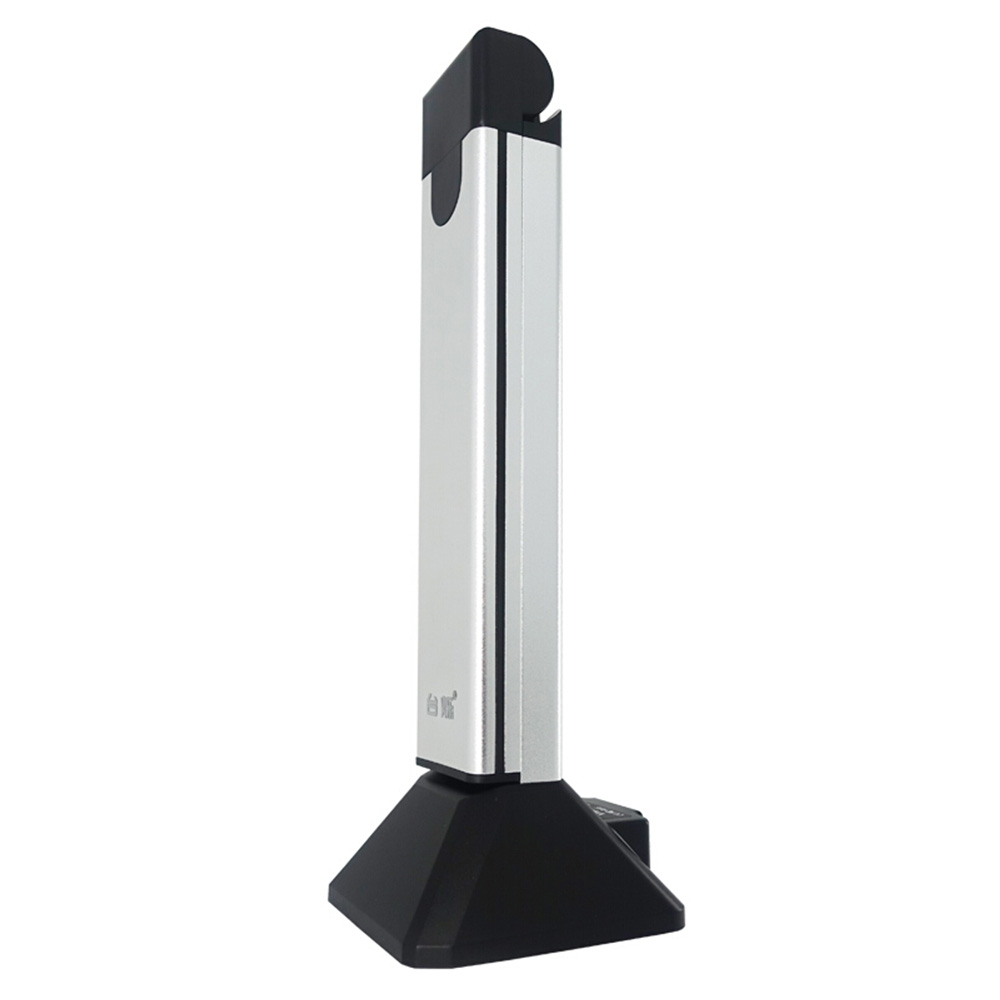
Document camera page camera high speed page scanner for online educational equipment
High-speed page capture for online teaching, lesson recording and live document sharing in schools and edtech distribution channels.
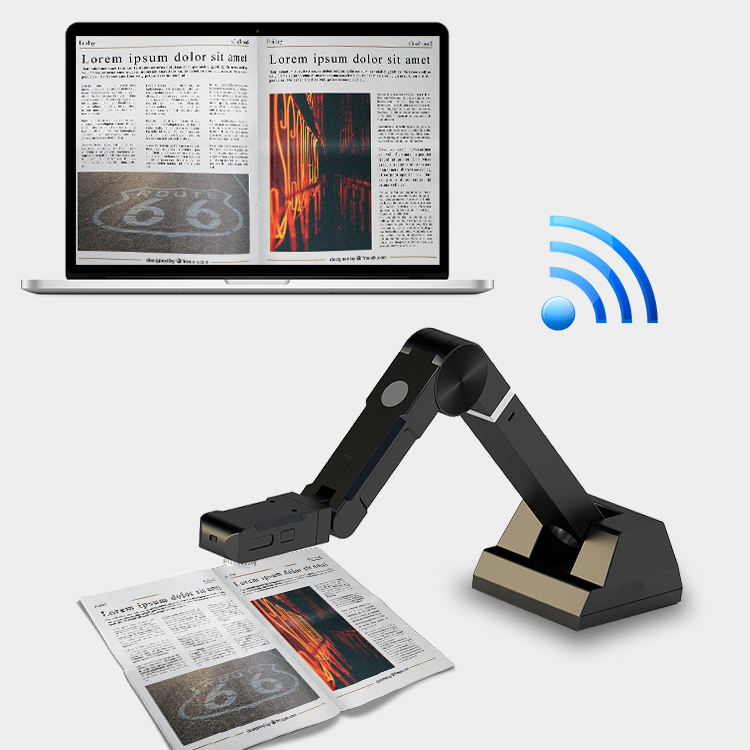
OEM USB Portable Smart Camera Visualizer Wifi A4 A3 Document Camera Visualizer for Education Book Camera
Portable WiFi visualizer with A3/A4 book capture for mobile teaching, tutoring and field training where quick setup matters.
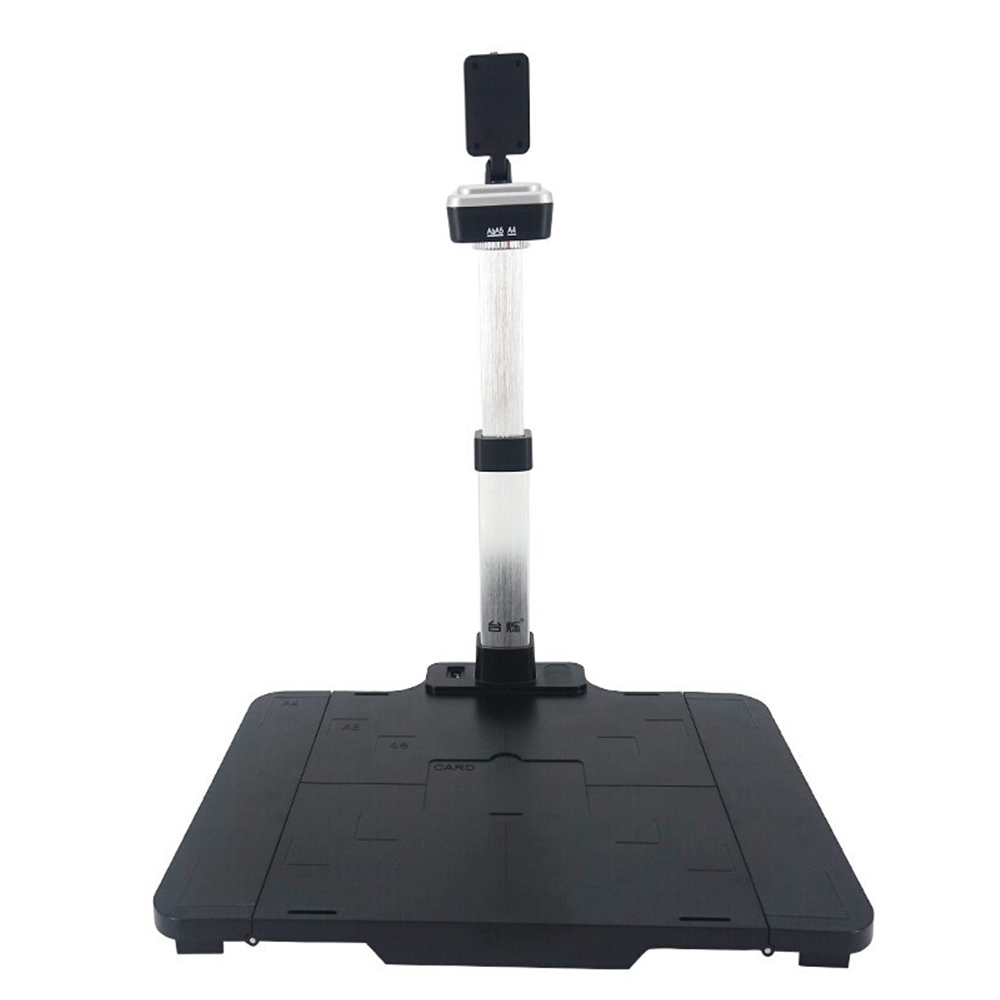
OEM HD 5MP double Camera Document camera Scanner For Government document camera
Dual-lens document camera for government service counters that need document and applicant images in one controlled workflow.
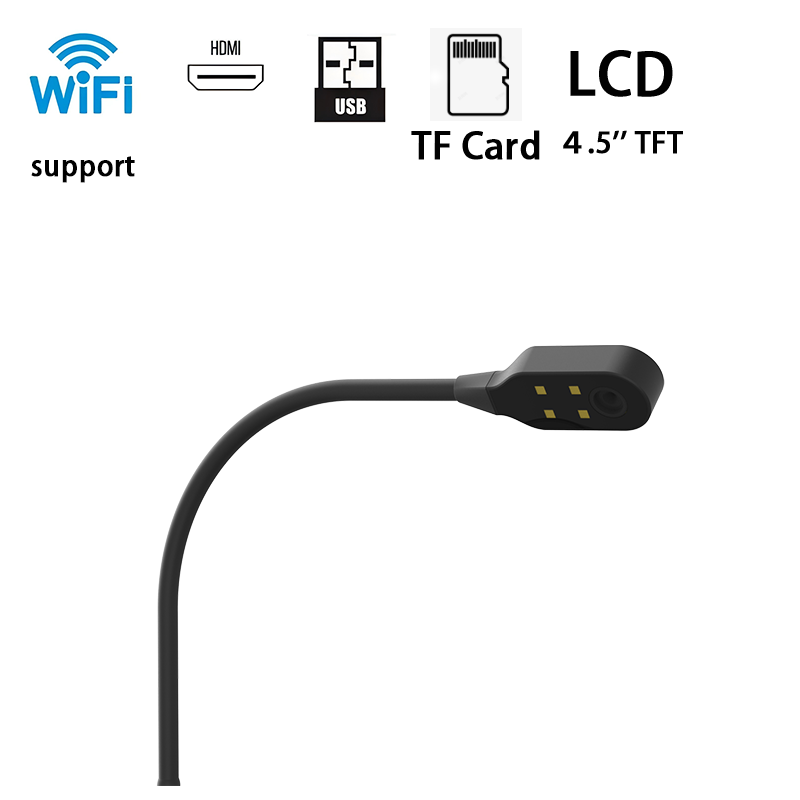
Support VGA WIFI Interface for Teacher Teaching Files, Camera and High Camera
Flexible VGA/WiFi teaching camera for classroom displays, legacy AV installations and teacher-led demonstration workflows.

OEM USB A3 13mp 2 in 1 Education Visualizer Document Camera and Webcam for Education Scanning Book Camera
13MP A3 2-in-1 visualizer and webcam for hybrid classrooms, book scanning, lesson capture and content creation.
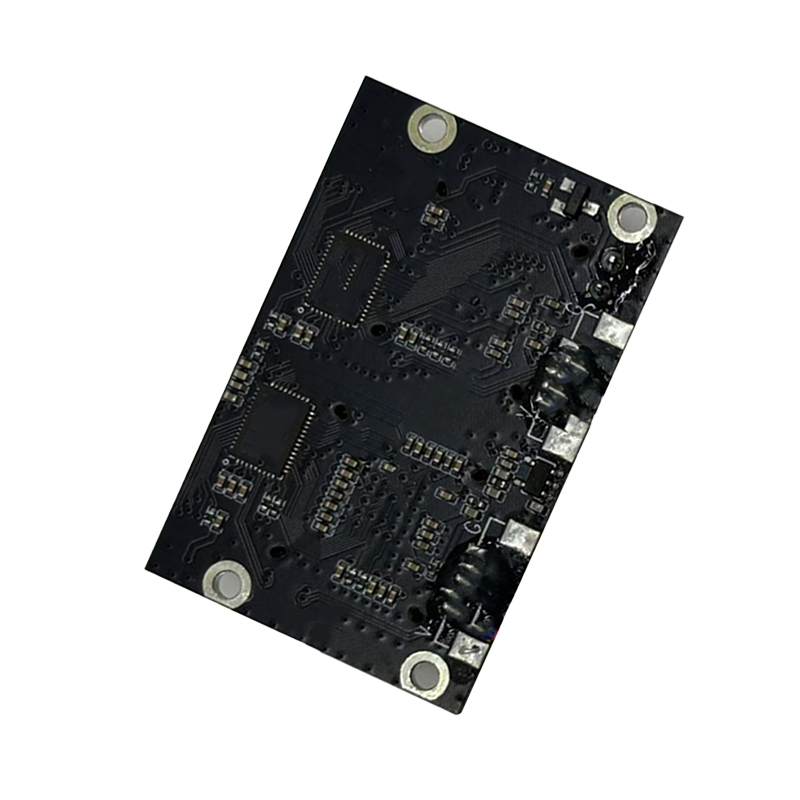
Newly upgraded dual 1080P finger vein palm print recognition facial recognition camera module CMOS sensor
Dual 1080P biometric camera module for face, palm and finger-vein recognition terminals used in access control and identity projects.
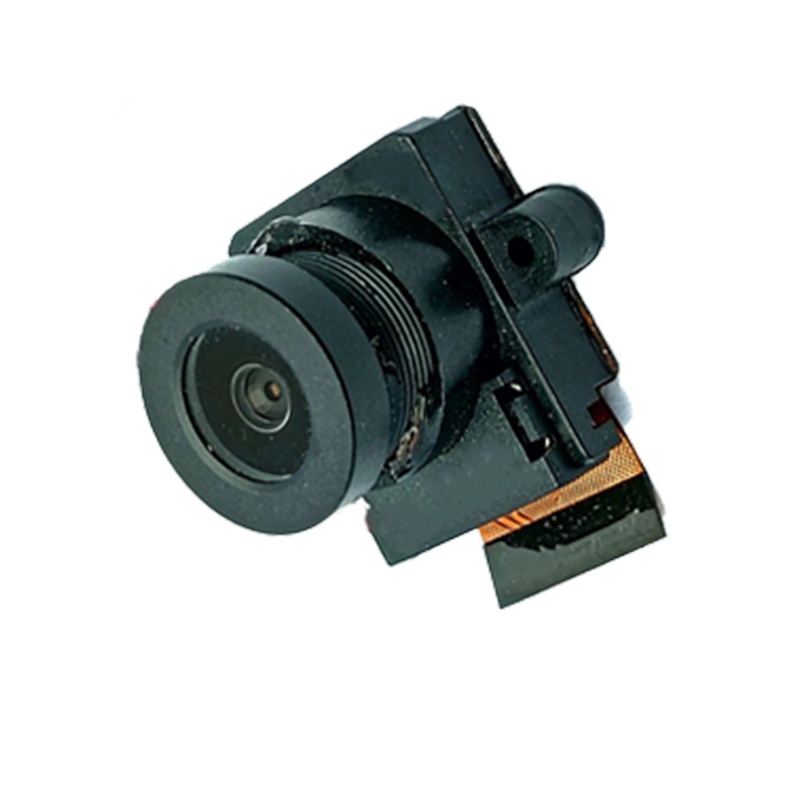
Factory hot-selling 1080p CMOS sensor body camera with HD video/audio recording and night vision
1080P body camera with night vision and audio/video recording for security, enforcement and field-service integrators.

HD Camera Portable Visualizer Presenter Document Camera for Presentation Equipment Book Camera
Portable HD visual presenter for classroom demonstrations, meeting-room presentations and desk-side document sharing.
Need a different sensor, lens, housing, interface, firmware language or retail package? Share your application and target volume so our engineering team can recommend the most suitable OEM/ODM platform.
Get a QuoteWhy Overhead Document Cameras Became Strategic Procurement Hardware
The category now sits at the intersection of teaching continuity, identity verification, records digitization and remote service delivery.
The overhead document camera has moved from a niche classroom accessory to a strategic information-capture endpoint. Schools use visualizers to make handwriting, textbooks, science demonstrations and paper-based assessments visible in live and recorded lessons. Government counters use overhead scanners and dual-camera devices to digitize forms while checking identity. Banks, insurers and telecom operators use the same hardware to shorten KYC steps and reduce paper handling. The procurement question is therefore no longer only “How many megapixels?” It is “Can this device reduce friction in teaching, verification, records digitization and remote service?”
Eshuni’s experience since 2012 shows that successful projects are specified around the workflow, not only the box. A teacher needs fast focus, glare control and one-cable setup. A service counter needs consistent document framing, face capture and an audit-friendly file output. An OEM brand owner needs predictable firmware, stable optics, certification evidence and packaging that can carry its own identity. These requirements shape the models we recommend, the questions we ask during sampling and the customization work we accept.
Eshuni is a manufacturer and solution provider for information collection and identity verification. We design and build high-speed document scanners, video booths, book scanners, identity verification terminals, webcams and camera modules for education, finance, insurance, telecommunications, government and enterprise users. Our in-house R&D team supports product design, project design and on-site project application, while ERP-driven production and supply-chain management keep configuration changes visible from sample approval to repeat order.
Years developing document cameras, visualizers and imaging devices for B2B buyers.
Production space in Shenzhen supporting assembly, testing and export preparation.
Employees across production, engineering, quality, sales and supply-chain functions.
Regular export regions: North America, South America, Western Europe, South Asia and Africa.
Procurement Trends Reshaping OEM/ODM Document Camera Orders
Importers, tender teams and private-label brands are changing how they compare overhead document camera suppliers. The strongest proposals now combine product evidence, workflow validation and long-term supply clarity.
Outcome-Based Tender Specifications
Buyers are moving beyond resolution-only requirements. They test glare on laminated pages, focus speed after a page turn, OCR readability at A3 borders and compatibility with interactive displays or LMS software. Suppliers that can document these tests reduce approval risk.
Wireless-First With Wired Fallback
5.8GHz wireless models reduce cable clutter and let teachers move around the room. USB, VGA and HDMI inputs remain essential for fixed desks, control rooms and legacy AV cabinets. Dual-mode products are easier to justify because one SKU can serve more installation scenarios.
Dual-Camera Verification at Counters
Public-service counters increasingly need one capture session to record both the document and the applicant or presenter. This creates a more complete evidence trail for government, banking, telecom and insurance workflows, while reducing repeated manual steps.
Private Label and Certification Readiness
Importers want a supplier who can lock firmware, support local labels and languages, prepare CE/FCC/RoHS evidence and keep a model stable through a multi-year contract. The lowest quotation is less useful if documentation is incomplete or the product changes.
Product Development Trends Shaping the Next Generation of Document Cameras
Hardware differentiation is shifting from raw sensor numbers to image consistency, workflow integration and long-term software support.
AI-Assisted Image Optimization
Edge-side processing is being used to improve auto-focus behavior, suppress glare, detect document boundaries and prepare OCR-ready output. The goal is not marketing language—it is fewer manual adjustments during a lesson, counter transaction or archive scan.
Higher-Resolution A3 Capture
8MP remains efficient for A4 pages, textbooks and live demonstrations. 13MP is increasingly requested for full A3 sheets, fine print, engineering drawings and archival scans where details must remain legible after zooming or cropping.
Connectivity Convergence
USB plug-and-play, 5.8GHz wireless, VGA and HDMI are converging into flexible interface strategies. Buyers want a single platform that can serve a new smart classroom, a legacy projector installation and a fixed service counter without a separate product family.
Firmware and Software as Product Features
Private-label buyers now ask about firmware locking, UI language, SDK access, update planning and privacy controls before they place volume orders. A document camera is no longer complete at the hardware BOM; its software behavior must support the buyer’s brand and tender obligations.
Match the Right Overhead Document Camera to the Buying Scenario
Our engineers use application context—not only sensor resolution—to recommend the best starting platform for a tender, pilot or private-label range.
Visualizers for Teaching, Book Capture and Remote Lessons
For K-12 classrooms, tutoring centers and edtech distributors, prioritize A3 coverage, fast focus and simple teacher operation. A 13MP 2-in-1 device supports both document capture and webcam use, while a portable visualizer serves teachers who move between rooms.
Dual-Camera and High-Speed Capture for Regulated Workflows
Identity checks require consistent framing, clear document images and a repeatable counter process. The 5MP dual-camera scanner combines document capture with applicant verification, while high-speed page scanners help staff digitize forms without slowing the queue.
Private-Label Platforms for Retail, Tender and Project Supply
Brand owners should compare customization boundaries, certification evidence and model lifecycle. A focused range can pair an A3 visualizer, a portable WiFi model and a specialized module, so the same factory relationship serves classroom, counter and field-service channels.
What Buyers Can Verify About Eshuni as an OEM/ODM Supplier
E-E-A-T in B2B sourcing is built on verifiable capability: factory history, production discipline, certifications, export experience and the ability to support a product after the first order.
Founded in 2012 With In-House R&D
Shenzhen Eshuni Technology Co., Ltd. has focused on information capture and identity verification since 2012. Our senior R&D team supports product design, project design and on-site project application, giving buyers engineering continuity beyond a trading relationship.
3,000+ m² Factory and ERP Discipline
Our Shenzhen production footprint and 100+ employee team support assembly, testing and export preparation. ERP-driven production and supply-chain management help keep BOM changes, quality records and delivery planning aligned across repeat orders.
Certification and IP Coverage
The factory operates an ISO 9001 quality management system, and products carry CE, FCC, RoHS and China 3C certification. Core hardware and software are developed in-house and protected by national patents, supporting private-label buyers who need clear technical ownership.
Export Execution and Buyer Support
We accept FOB, EXW and DDP delivery terms and regularly ship to North America, South America, Western Europe, South Asia and Africa. Our team supports product design, project design and on-site project application, so buyers can move from sample to tender delivery with fewer handoff gaps.
A Practical Supplier Checklist for Tenders and Private Label Launches
Before comparing quotations, align the evaluation team on the evidence that matters for the full product lifecycle.
Validate the Workflow, Not the Photo
Request a live or recorded sample under the real lighting, page size and software environment. Test focus speed, glare control, zoom behavior and output compatibility before accepting a resolution claim.
Check Certification Scope
Confirm that the certificate, model number, power adapter and packaging align with the exact SKU you intend to import. Certification evidence should be available before the tender submission, not after purchase order release.
Clarify Firmware and Customization Limits
Discuss UI language, boot logo, default settings, SDK access, firmware locking and update responsibility. A clear customization boundary prevents late-stage surprises when the buyer’s brand or tender requires specific behavior.
Plan Model Lifecycle and Spares
Ask how long the optics, housing and firmware will remain stable, how spare parts are handled and what changes require a new sample approval. Lifecycle clarity is especially important for multi-year education and government projects.
FAQ: OEM/ODM Overhead Document Camera Sourcing
Questions international buyers ask before requesting samples, preparing a tender or launching a private-label range.
What is the difference between an overhead document camera and a flatbed scanner?
+
An overhead document camera captures pages, books, objects and live demonstrations from above in real time. A flatbed scanner is designed mainly for single-sheet digitization and generally cannot support live teaching, presenter movement or dual-camera identity capture. For tenders, the choice depends on whether the workflow needs live display, fast page turning, book handling or integration with classroom and counter software.
Does Eshuni provide OEM, ODM and private-label services?
+
Yes. We support OEM manufacturing, product design services and buyer-label production. Customization can cover logo, housing, packaging, accessories, firmware settings, UI language and project-specific requirements, subject to technical review and order volume. Our in-house R&D team can support product design, project design and on-site project application.
How do I choose between 8MP and 13MP document cameras?
+
An 8MP sensor is generally sufficient for A4 pages, textbooks and live classroom demonstrations. A 13MP sensor is recommended when capturing full A3 sheets, fine print, engineering drawings or archival scans where details must remain legible after zooming. Buyers should test the actual page size, lighting and software zoom level rather than relying on megapixel figures alone.
Should I select USB, VGA, HDMI or 5.8GHz wireless models?
+
USB models are plug-and-play and suitable for fixed desks, counters and computer-based lessons. VGA and HDMI interfaces help with projectors, displays and legacy AV installations. 5.8GHz wireless models give teachers freedom to move around the room, and the 5.8GHz band is often less congested than 2.4GHz in busy school networks. Many projects benefit from a dual-mode platform with a wired fallback.
Which certifications and quality systems are available?
+
Our factory operates an ISO 9001 quality management system. Products carry CE, FCC, RoHS and China 3C certification where applicable. Core hardware and software are developed in-house and protected by national patents. For a specific tender, confirm the exact model, adapter, packaging and destination market so the relevant documentation can be reviewed before order commitment.
Can firmware, packaging and accessories be customized?
+
Custom firmware settings, boot logo, UI language, packaging, labels and selected accessories can be discussed as part of an OEM/ODM project. The scope depends on the platform, target volume and certification impact. Buyers should define which changes are cosmetic and which affect electrical, wireless or software behavior, because those decisions influence sample approval and compliance review.
Which trade terms and export markets do you support?
+
We accept FOB, EXW and DDP delivery terms and regularly ship to North America, South America, Western Europe, South Asia and Africa. The final shipping plan should account for destination compliance, packaging requirements, documentation and after-sales arrangements. Our team can review the project route before quotation.
How should buyers prepare an RFQ or tender specification?
+
Include the capture area, preferred resolution, required interfaces, lighting conditions, software compatibility, identity-capture requirements, language, certifications, packaging and estimated annual volume. Add acceptance tests such as A4/A3 readability, focus recovery time, glare handling and compatibility with the target display or LMS. A clear specification helps the manufacturer recommend the correct platform and avoid over-specifying features that do not improve the workflow.
Build Your Next Overhead Document Camera Range With Eshuni
Share your application, target market, volume and customization requirements. Our team will recommend the right OEM/ODM platform for education, government, finance, telecom or enterprise projects.
Get a Quote