8 OEM/ODM Teaching Document Camera Platforms for Buyer Programs
These proven imaging platforms cover classroom visualizers, A3/A4 book scanners, USB teaching cameras, dual-camera identity capture and custom sensor modules. Each product URL below is preserved for direct product evaluation.

OEM Document Camera A3 Portable Wireless 13MP Visualizer
A portable wireless teaching visualizer for full-sheet A3 demonstrations, textbook close-ups, science lessons and hybrid classrooms that need teacher mobility.
View product
Wireless Robotic Frame Book Scanner Document Camera
A structured A3/A4 capture platform for libraries, records rooms, online teaching and document management workflows that benefit from repeatable overhead scanning.
View product
Visual Presenter HD Camera 8MP 13MP Auto Focus Document Scanner
An online education and presentation workhorse with auto-focus clarity for textbooks, worksheets, 3D objects and live classroom annotation.
View product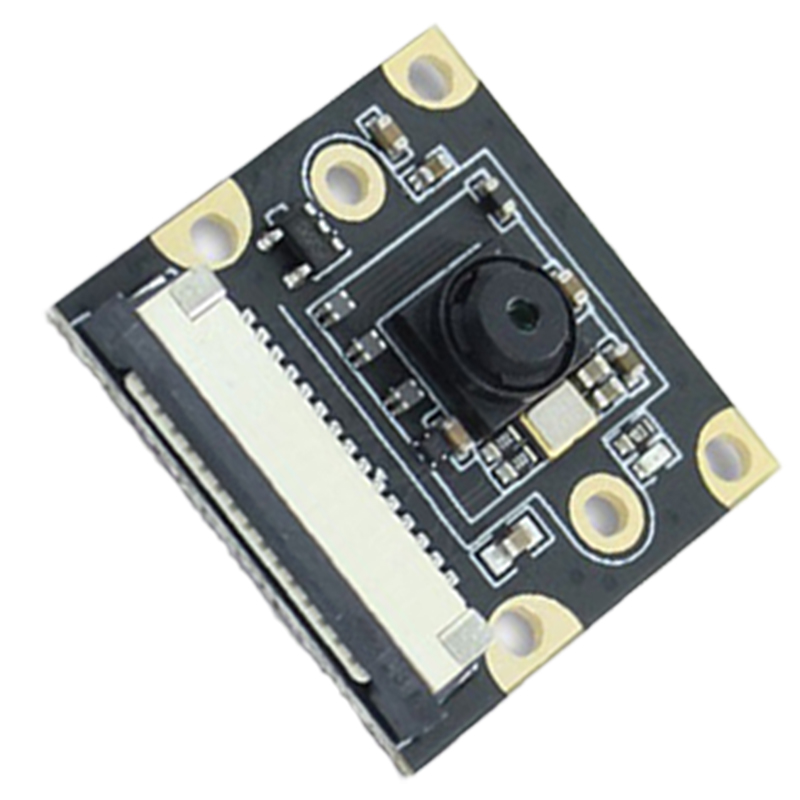
1080p/2K/4K Camera Module for NVIDIA Development Board
An adjustable focal length camera module for edge AI, machine vision, development boards and custom embedded imaging products requiring flexible integration.
View product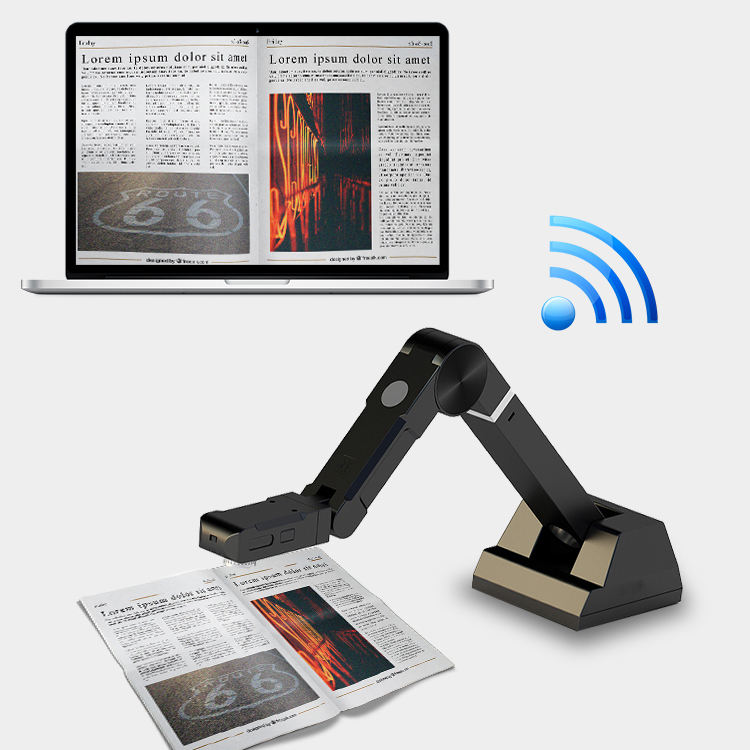
Visualized Handheld HD USB A4 Book Scanner
A flexible USB document camera for office digitization, service counters and mobile teaching setups where quick deployment matters.
View product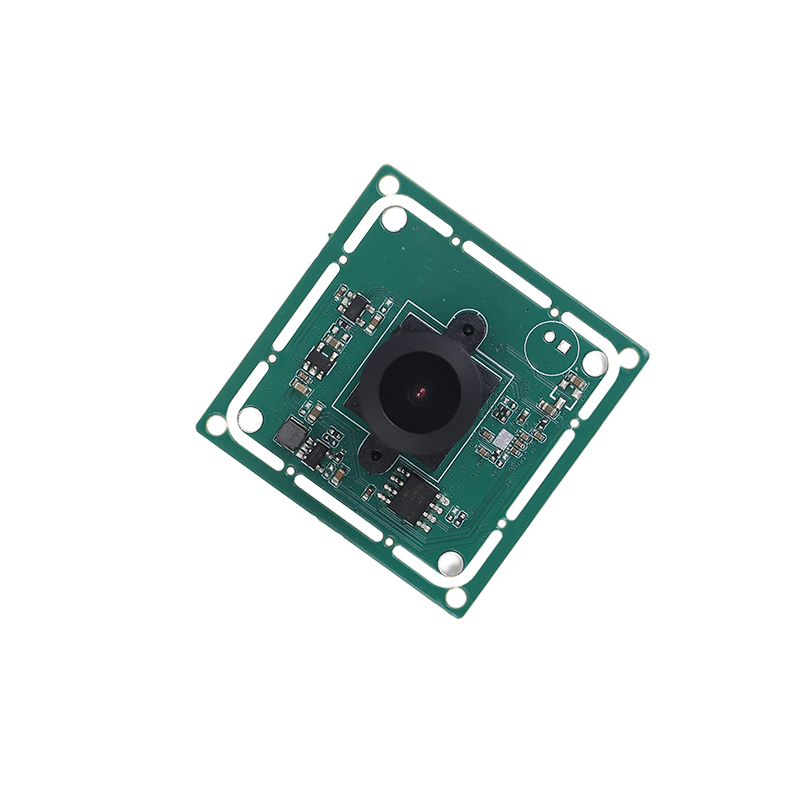
1080P 30FPS USB HD Portrait Camera Module
A compact fixed-focus or auto-focus camera module with macro recognition for kiosks, identity terminals, portrait capture and custom OEM devices.
View product
OEM USB A3 13MP 2-in-1 Document Camera and Webcam
A dual-purpose education visualizer that supports overhead document sharing and face-to-camera communication for online tutoring and hybrid lessons.
View product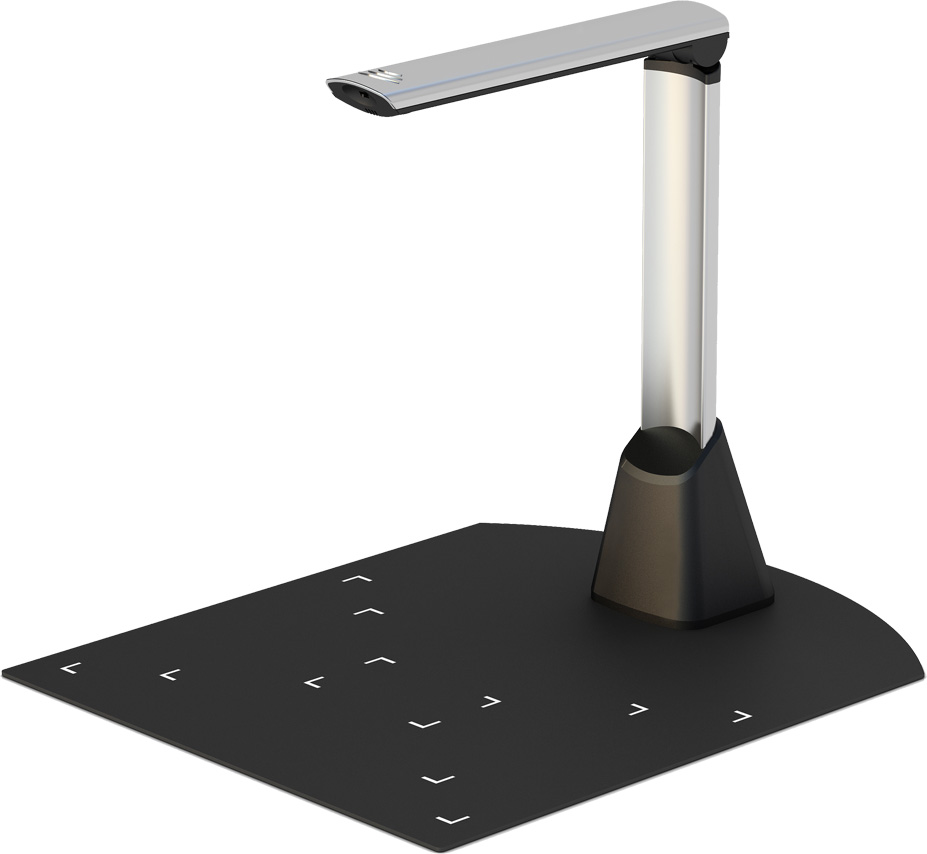
USB OEM A4 Fixed Focus Portable Desktop Document Scanner
A focused 13MP desktop scanner for office document capture, registration desks, invoice scanning and lightweight paper-to-digital workflows.
View productOEM/ODM Teaching Document Camera Sourcing: From Product Search to Defensible Procurement
The buying journey for a teaching document camera is no longer a simple price comparison. Education distributors, tender teams, system integrators and private-label brand owners now evaluate image clarity, classroom workflow, connection stability, firmware support, certification evidence and the manufacturer’s ability to customize hardware. A search for “OEM/ODM teaching document camera manufacturers” often carries high commercial intent, but it also signals risk: the buyer must choose a platform that can pass procurement review, not only a model that looks suitable in a catalogue.
This whitepaper is structured around that intent. It explains which factory-ready platforms fit common education and document-capture scenarios, where procurement demand is moving, how product design is changing, and what evidence a serious document camera manufacturer should provide before a sample request, tender submission or private-label launch.
- Best-fit products: 13MP A3 wireless visualizers, 8MP/13MP auto-focus teaching cameras, USB book scanners, dual-camera modules and 2-in-1 document camera/webcam devices.
- Procurement signals: certification completeness, in-house R&D, stable BOM, ERP-driven production and support for product design, project design and on-site application.
- Information gain: a practical comparison of 8MP versus 13MP capture, USB versus 5.8GHz wireless deployment, and A3 versus A4 workflow fit.
Why Eshuni is relevant for OEM/ODM buyers
Shenzhen Eshuni Technology Co., Ltd. has focused on information capture and identity verification hardware since 2012. The factory builds document cameras, visualizers, book scanners, webcams, identity verification terminals and camera modules, with OEM manufacturing, product design and buyer-label production available for B2B buyers.
The advantage is not only the product range. It is the ability to connect sensor selection, housing design, firmware requirements, packaging, certification and production planning into one supplier conversation.
Procurement Trends Shaping Document Camera Purchasing, 2025–2030
Public tenders, education distributors and private-label brands are buying differently. They want platforms that reduce deployment risk across classrooms, counters, remote learning and identity workflows.
Hybrid classrooms treat visualizers as standard infrastructure
Teaching document cameras are moving from optional accessories to standard classroom equipment. Buyers now ask how the camera works with interactive displays, learning management systems, video conferencing tools and remote lesson capture. USB plug-and-play models suit fixed desks; 5.8GHz wireless models support teacher mobility and flexible room layouts.
Resolution expectations move from 8MP toward 13MP A3
An 8MP sensor remains efficient for A4 pages, textbooks and live classroom demonstration. Demand is rising for 13MP capture where buyers need full A3 worksheets, fine print, engineering drawings, artwork or archival scans that stay legible after zooming. Tender language increasingly separates “good enough for demonstration” from “good enough for documentation.”
Dual-camera and identity capture expand beyond education
Government counters, telecom stores, banks and insurance service points need document plus face capture for KYC, real-name registration, enrollment and audit trails. A dual-camera document scanner can capture an ID page while recording the applicant in one workflow, reducing manual reconciliation and queue time.
Modular camera hardware replaces one-size-fits-all sourcing
OEM buyers increasingly need adjustable focal length modules, FPC camera modules and sensor options for kiosks, AR wearables, access-control gates and custom visualizers. The procurement question becomes: can the manufacturer support sample tuning, lens selection, firmware integration and volume production without losing consistency?
Compliance and IP ownership become procurement gates
ISO9001, CE, FCC, RoHS and China 3C are no longer paperwork at the end of a deal. They are qualification criteria. Tender teams also ask whether core hardware and software are developed in-house, whether national patents protect the design, and whether documentation can support customs, safety and public-sector review.
Total cost of ownership favors engineering support
Low unit price can disappear when a device fails validation, lacks firmware continuity or cannot be adapted for a tender. Buyers are shifting toward manufacturers with ERP-driven production and supply-chain management, stable BOM control, and the ability to support product design, project design and on-site project application.
What the Next Teaching Document Camera Will Include
Hardware competition is moving from pixel count alone to workflow intelligence, integration flexibility and long-term serviceability.
AI-assisted image enhancement
Auto-focus, auto-exposure, document edge detection, page dewarping and OCR-ready capture are becoming expected features. The practical benefit is fewer teacher adjustments during live lessons and faster digitization at service counters.
Higher-resolution, low-light sensors
8MP remains the efficient choice for standard A4 teaching. 13MP and 4K-class modules are gaining ground for A3 capture, fine detail, engineering drawings and hybrid lessons where the compressed video stream must still preserve readable text.
Stable 5.8GHz wireless and USB-C integration
5.8GHz wireless is often preferred in busy school networks because it can be less congested than 2.4GHz. At the same time, USB-C and plug-and-play USB models remain essential for fixed desks, counters and environments where network policy restricts wireless use.
Multi-camera and multimodal capture
Dual-camera devices can combine document capture with face capture, while multi-sensor designs support 3D objects, lab demonstrations and identity verification. This trend is especially relevant for government, telecom, finance and enterprise reception workflows.
Open integration for OEM brand owners
Private-label buyers want more than a logo on the housing. They need selectable sensors, focal length options, firmware behavior, packaging and accessory kits. Modular camera modules and documented interfaces shorten the path from concept to a sellable SKU.
Serviceability, security and sustainable design
Schools and public institutions keep devices longer when spare parts, firmware updates and service documentation are available. Efficient power design, repairable housings and clear data handling are becoming differentiators in public procurement.
Match the Right Document Camera Platform to the Buying Intent
Use this matrix to translate an application requirement into a specific product family before requesting samples, pricing or tender documentation.
| Buyer intent | Recommended platform | Core specification | Why it fits |
|---|---|---|---|
| Wireless A3 classroom demonstrations | A3 Portable Wireless 13MP Visualizer | 13MP · A3 · wireless | Teacher mobility, full-sheet clarity and OEM branding for hybrid classrooms. |
| Library, records room and book scanning | Wireless Robotic Frame Book Scanner | A3/A4 · wireless | Repeatable overhead capture for bound pages, records and online class material. |
| Standard HD visual presenter programs | 8MP/13MP Auto-Focus HD Document Camera | 8MP/13MP · USB · auto focus | Balanced cost and performance for textbooks, worksheets and live teaching. |
| Embedded AI, edge vision and development boards | 1080p/2K/4K Camera Module | Adjustable focal length · OEM | Flexible integration for machine vision, NVIDIA development boards and custom devices. |
| Portable USB office digitization | Handheld HD USB A4 Book Scanner | USB · A4/A3 · handheld | Fast deployment for counters, office capture and mobile document workflows. |
| 2-in-1 online teaching and face-to-camera calls | 13MP 2-in-1 Document Camera and Webcam | 13MP · A3 · USB | One device for overhead teaching and live communication in remote lessons. |
Need a different sensor, lens, housing, firmware behavior or packaging design? The product URL is the starting point, not the limit of the OEM/ODM program.

Factory and R&D center · Shenzhen, Guangdong, China
Manufacturing Evidence Behind the OEM/ODM Teaching Document Camera Offer
Shenzhen Eshuni Technology Co., Ltd. is a manufacturer and solution provider for information collection and identity verification. Since 2012, the company has designed and built high-speed document scanners, video booths, book scanners, identity verification terminals, webcams and camera modules. These products support digital transformation in education, finance, insurance, telecommunications, government and enterprise environments.
The factory advantage is supported by a senior R&D team that provides three levels of technical support: product design, project design and on-site project application. For buyers, this matters because a document camera program involves more than choosing a sensor. It includes lens selection, focus strategy, firmware behavior, mounting design, packaging, certification, installation guidance and after-sales planning.
ERP-driven production and supply-chain management help keep quality consistent and lead times manageable. Core hardware and software are developed in-house and protected by national patents. The factory operates an ISO9001 quality management system, while products carry CE, FCC, RoHS and China 3C certifications. OEM manufacturing, product design services and buyer-label production are available for private-label and distributor programs.
In-house R&D depth
14+ years of focus on document cameras, visualizers and imaging hardware, with product design and project design support.
Certified quality system
ISO9001 factory management with CE, FCC, RoHS and 3C product certification support for global B2B programs.
OEM / ODM flexibility
OEM manufacturing, product design, project design, buyer-label production and on-site project application support.
Global shipping terms
FOB, EXW and DDP support with regular shipments to North America, South America, Western Europe, South Asia and Africa.
Where OEM Document Cameras and Visualizers Create Measurable Value
A teaching document camera is only the starting point. The same imaging platform can serve public counters, remote lessons, identity checks, enterprise reception and customized OEM devices.
Education
Live demonstrations, homework review, textbook capture, science experiments and hybrid lessons.
Government
ID capture, document filing, public-service counters and audit-ready registration workflows.
Finance and insurance
KYC checks, contract digitization, customer onboarding and dual-camera identity evidence.
Telecom
Real-name SIM registration, store verification and fast capture of customer documents.
Enterprise
Video conferencing, paperless office workflows, reception capture and training rooms.
System integrators and brand owners
Custom camera modules, private-label visualizers, firmware adaptation and tender-specific packaging.
OEM/ODM Teaching Document Camera Procurement Questions
These are the questions most often raised by distributors, tender teams, school suppliers and private-label brand owners before they request samples or pricing.
Does Eshuni offer OEM and ODM document cameras and visualizers?
Yes. Eshuni offers OEM manufacturing, product design services and buyer-label production. The in-house R&D team can support product design, project design and on-site project application. Buyers can discuss housing, packaging, firmware requirements, accessories and private-label branding based on the target market.
Which certifications and quality evidence are available?
The factory operates an ISO9001 quality management system. Products carry CE, FCC, RoHS and China 3C certifications. Core hardware and software are developed in-house and protected by national patents. Buyers preparing a tender should confirm the exact certificate scope for the selected model and destination market.
Should a buyer choose 8MP or 13MP for a teaching document camera?
An 8MP sensor is sufficient for A4 pages, textbooks, worksheets and live classroom demonstrations. A 13MP sensor is recommended when capturing full A3 sheets, fine print, engineering drawings, artwork or archival scans where details must remain legible after zooming. The correct choice depends on capture area and documentation quality, not pixel count alone.
What is the difference between USB and 5.8GHz wireless document cameras?
USB models are plug-and-play and draw power from the computer, making them suitable for fixed desks, service counters and environments with strict network control. 5.8GHz wireless models allow teachers to move around the room and can offer more stable live video than congested 2.4GHz networks in busy schools. Deployment policy, room layout and IT support should decide the choice.
Which trade terms and export markets are supported?
Eshuni accepts FOB, EXW and DDP delivery terms. Regular shipment regions include North America, South America, Western Europe, South Asia and Africa. For a specific project, the buyer should confirm destination, Incoterm, packaging requirement and document set with the sales team before order confirmation.
How should a buyer prepare an RFQ for an OEM document camera project?
Share the application, A3 or A4 capture area, preferred 8MP or 13MP resolution, USB or 5.8GHz wireless connection, operating system, housing requirement, certification target, private-label artwork, target quantity and delivery timeline. If the project is for a tender, include the technical specification and evaluation criteria so the manufacturer can map the request to a factory-ready platform or a customized module.
Review Your Specification With an OEM/ODM Document Camera Manufacturer
Send your target application, capture area, resolution preference, connection type, certification requirement, packaging plan and estimated volume. The engineering and sales teams can recommend a factory-ready teaching document camera or discuss a customized camera module program.