What Separates a Real Document Scanner Factory From a Trading Company
Specification sheets are easy to copy. What separates a genuine OEM/ODM USB document scanner factory from a reseller is what happens after your sample is approved: who controls the sensor tuning, who owns the firmware defaults, and who can change the housing without restarting the tooling cycle.
Shenzhen Eshuni Technology Co., Ltd. has been building information-capture and identity-verification hardware since 2012. Our 3,000 m² facility runs an ISO9001 quality management system, and the document cameras, visualizers and CMOS camera modules leaving the line carry CE, FCC, RoHS and China 3C marks. Core hardware and firmware are developed in-house and protected by national patents — which is why we can take an OEM project from a competitor's spec sheet to a validated sample without outsourcing the optical engine.
OEM/ODM USB Document Scanner & Visualizer Models
Eight field-proven platforms covering classroom visualizers, office scanning, portable OEM housings and bare CMOS camera modules. Every model can be re-badged, re-packaged or re-firmwared for your market.

Visual Presenter HD Camera 8MP / 13MP Auto Focus Document Camera
An overhead teaching camera that keeps textbook pages, lab demonstrations and handwriting sharp from the first second of a lesson.
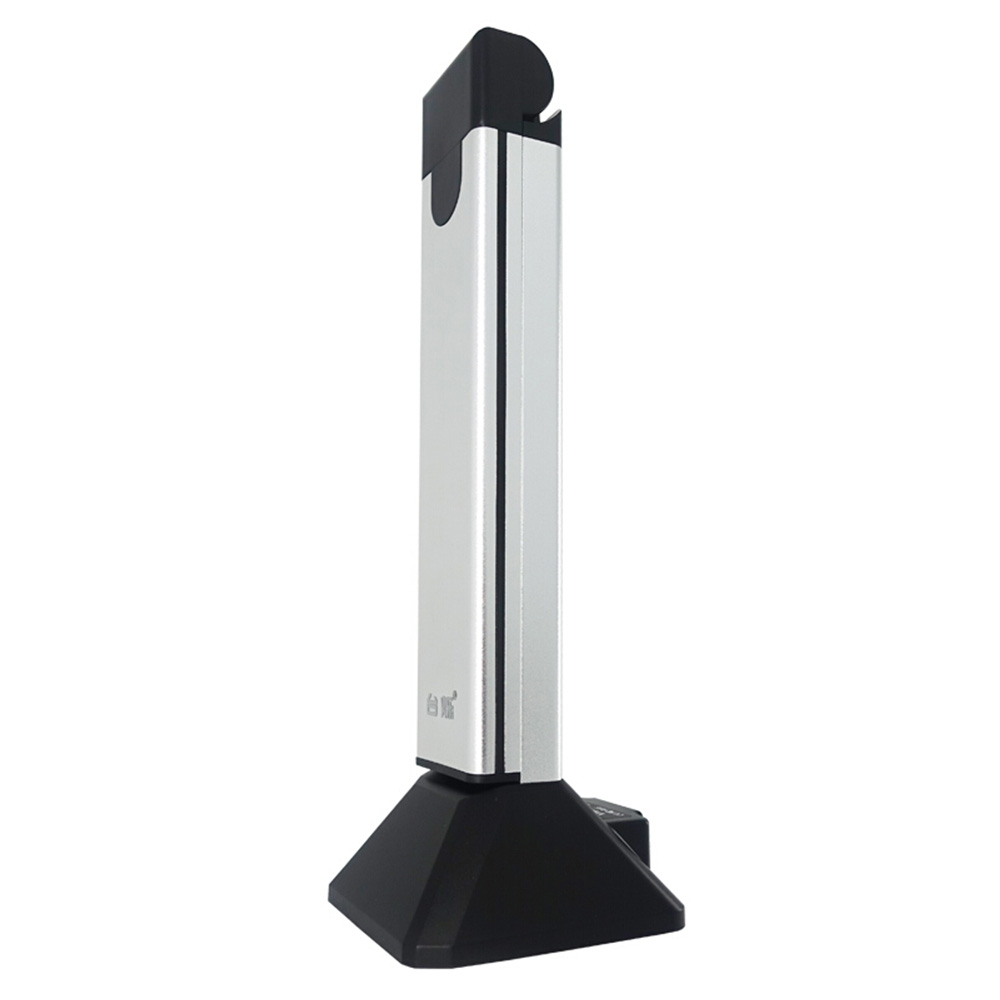
Document Camera Page Camera High Speed Scanner for Education
Built for rapid page turning in classrooms and e-learning studios, capturing full sheets without visible lag on a projector.
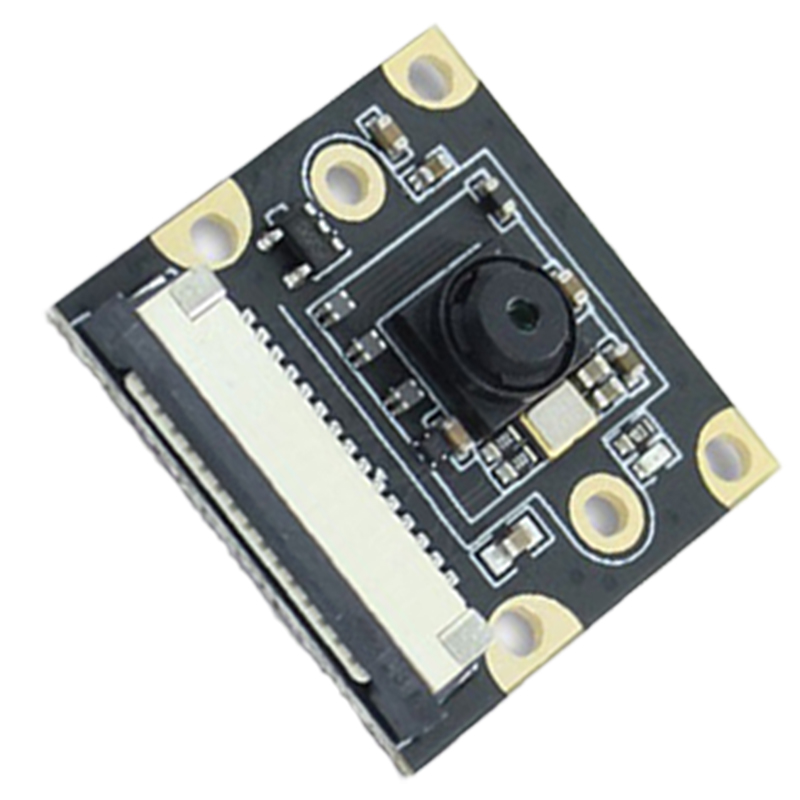
1080p / 2K / 4K Adjustable Focal Length Camera Module for Nvidia Boards
A bare CMOS imaging engine for embedded-vision teams, supplied with manual focus adjustment for prototyping and pilot builds.

WG133AF-HV V508 VGA / HDMI / USB Three-Mode 13MP Document Camera
Three simultaneous outputs let one unit serve an interactive flat panel, a legacy projector and a teacher's laptop at the same time.

48MP USB 3.0 Autofocus A3 / A4 Document Camera Scanner
High-resolution capture for stamps, floor plans and dense contract text — detail that stays legible after zooming into an archived scan.
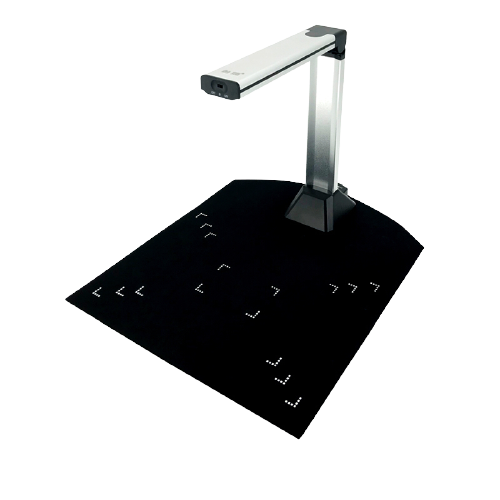
Portable OEM 8MP Document Camera Visual Presenter
A foldable OEM body designed for distributors who want a light, USB-powered visualizer that travels between classrooms.

A3 Portable Wireless 13MP Visualizer Document Camera
13MP A3 coverage over a wireless link, so teachers can move around the room without dragging a cable behind them.
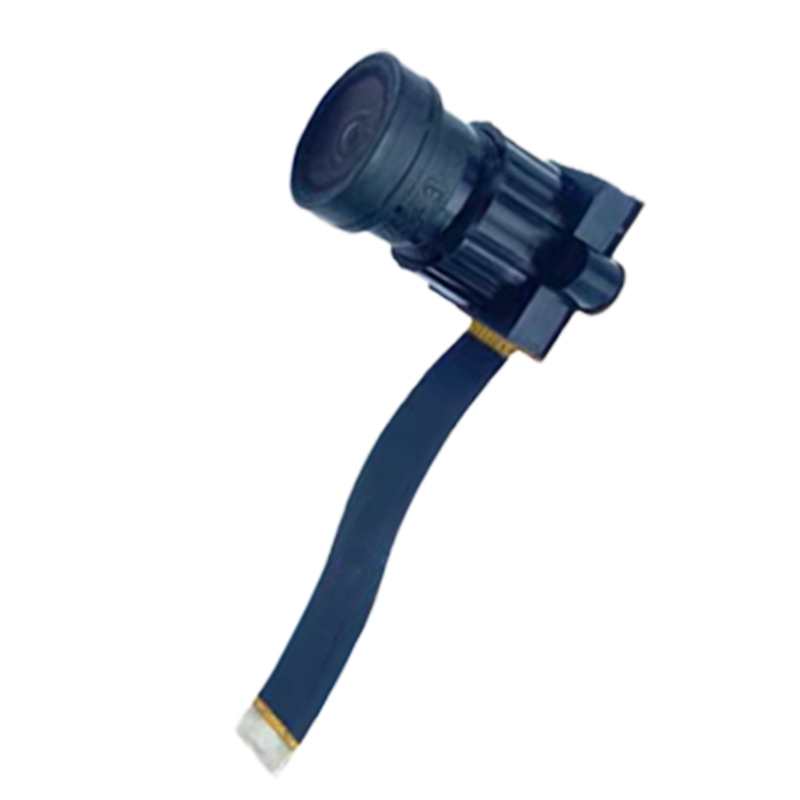
CMOS Sensor MIPI Camera Module 1080P / 2K / 4K for Drone Video
Custom MIPI modules for UAV and wireless video-transmission integrators, with sensor, lens and cable length chosen per project.
Why Global Buyers Source Document Cameras From Eshuni
Six structural advantages that show up in the quotation, the sample report and the third reorder — not just on a brochure.
In-House R&D Since 2012
A senior engineering team has spent more than a decade on document camera optics, autofocus behaviour and video pipelines. That continuity is why we can advise on sensor choice before a purchase order exists.
Certified Quality System
ISO9001 governs incoming inspection, in-process checks and final QA. Products ship with CE, FCC, RoHS and 3C documentation suitable for EU and US customs and for public tender submissions.
True OEM / ODM / Private Label
Three service levels: OEM manufacturing on our existing models, ODM design of a new device, and buyer-label production with your logo, packaging, user manual and boot-screen branding.
ERP-Driven Supply Chain
Production planning, material traceability and shipment tracking run on an ERP system, holding quality consistent across repeat orders and giving importers a predictable lead time.
Own Intellectual Property
Hardware and firmware are developed in-house and covered by national patents, so OEM buyers are not exposed to third-party IP claims on the core imaging platform.
Global Trade Capacity
FOB, EXW and DDP terms are supported, with regular shipments to North America, South America, Western Europe, South Asia and Africa. Export paperwork is prepared per destination.
Match the Platform to the Application
Every tender, distributor catalogue and retail range has a different centre of gravity. This matrix shortlists the eight models by real buying scenario before the first sample call.
| Application | Recommended Model | Why It Fits |
|---|---|---|
| K-12 classroom & lecture hall | WG133AF-HV V508 three-mode 13MP document camera | VGA, HDMI and USB run at the same time, so an interactive flat panel and a legacy projector stay connected without a switcher. |
| Hybrid & remote teaching | Portable OEM 8MP visual presenter | Light, USB-powered and foldable — teachers can carry it between rooms and set it up in under a minute. |
| Office & archive digitisation | 48MP USB 3.0 autofocus A3/A4 scanner | High pixel count plus USB 3.0 bandwidth keeps stamps, dense contracts and engineering drawings readable after zoom. |
| Wireless campus deployment | A3 portable wireless 13MP visualizer | Cable-free A3 capture lets instructors move around the room while the image stays anchored on the display. |
| Distributor private label | Portable OEM 8MP + 5.8G WiFi 8MP book scanner | Both platforms accept custom housing colours, packaging artwork and a branded firmware splash screen at practical volumes. |
| Embedded vision & drone integration | MIPI camera modules (1080p / 2K / 4K) | Adjustable-focus Nvidia-board modules and custom CMOS MIPI modules give integrators the imaging engine without the housing. |
Need a different sensor, lens or enclosure? Our engineering team adapts any platform above to your target specification.
How Document Scanner Procurement Is Changing (2026–2030)
Buying behaviour in this category has shifted faster in four years than in the previous twelve. These are the four pressures reshaping purchase orders right now.
Total Cost of Ownership Beats Landed Cost
Tender documents increasingly evaluate a three-to-five-year cycle. Spare-part availability, RMA ratios and written firmware-update commitments now outweigh a few dollars saved per unit at the quotation stage.
Hybrid-Ready Is Now a Hard Requirement
A document camera per classroom moved from optional to standard equipment. The new line item is switching between USB and wireless mode in under thirty seconds without reinstalling a driver.
Compliance Packets Are Scored, Not Assumed
Buyers now request CE and FCC test reports matching the exact SKU in the quote, not a generic factory certificate. Suppliers who cannot produce model-level documents are eliminated before price is discussed.
Local Stock Plus Sea Freight, Combined
Distributors increasingly want a hybrid model: full-container sea freight for cost, with a local buffer for urgent school roll-outs. Factories that can hold that buffer without inflating unit price win the reorder.
Four Engineering Shifts Shaping the Next Scanner Generation
What our R&D roadmap and inbound OEM requests tell us about where document imaging hardware is heading.
High-Megapixel Sensors Go Mainstream
48MP capture is no longer reserved for flagship models. USB 3.0 removes the bandwidth ceiling that previously made high-resolution real-time video impractical on a standard classroom PC.
3-in-1 Interfaces Replace Single Outputs
VGA, HDMI and USB on one chassis keeps legacy projectors in service while adding modern laptops and interactive panels — a decisive feature for schools replacing equipment in phases.
5.8 GHz Wireless Retires the Last Cable
The 5.8 GHz band is significantly less congested than 2.4 GHz in dense campus networks, which is why wireless visualizers now hold a stable live image where older Wi-Fi models stuttered.
Module-Level Customisation Expands
AR glasses, drones, kiosks and access-control terminals all need the imaging engine, not the enclosure. Adjustable-focus MIPI and CMOS module orders are growing faster than finished-device orders.
How to Vet an OEM Document Scanner Supplier
Run this checklist during the sample stage. Each row includes what a credible answer actually sounds like — the fastest way to tell a factory from a forwarder with a catalogue.
| Checkpoint | What to Ask | What a Strong Answer Looks Like |
|---|---|---|
| Certification scope | "Can you send the CE / FCC test report for this exact SKU?" | A report number matching the quoted model, not a generic factory certificate. |
| Sensor & lens source | "Which CMOS sensor and lens stack is inside this unit?" | A named sensor family and supplier, rather than the phrase "high definition". |
| Firmware ownership | "Can you change default exposure, watermark and boot logo?" | Firmware written in-house, with a configuration tool supplied alongside OEM orders. |
| RMA & spare parts | "What is your RMA ratio and spare-part policy?" | A written commitment with a defined spare-parts ratio bundled into the order. |
| Production capacity | "What is monthly output and ramp-up time?" | Concrete line numbers and a build schedule tied to your confirmed volume. |
| Intellectual property | "Does this platform depend on licensed third-party IP?" | A clear split between self-owned patents and licensed components, with certificates on request. |
Eshuni answers all six checkpoints in writing as part of every OEM quotation pack.
OEM/ODM Document Scanner FAQ
The seven questions importers, tender writers and integrators ask most often before placing a first order.
What is the difference between OEM and ODM on a document camera?
OEM means you buy an existing Eshuni model with your logo, packaging and firmware defaults applied. ODM means we design and tool a new device around your specification — housing shape, interface set, sensor and software behaviour. Most first-time buyers start with OEM and move to ODM once volume justifies new tooling.
Can you manufacture under my own brand as a private label?
Yes. Buyer-label production is one of our three service levels. It covers logo printing, customised retail packaging, multi-language user manuals, a branded boot screen and region-specific plug and cable options.
Which certifications do the factory and the products hold?
The factory operates an ISO9001 quality management system. The product range carries CE, FCC, RoHS and China 3C certification. Reports are issued per model, so you can attach the correct file directly to a tender response rather than submitting a general company certificate.
Should I choose an 8MP or a 13MP document camera?
8MP covers A4 pages, textbooks and live classroom demonstration comfortably. 13MP is the better choice for full A3 capture, fine print, engineering drawings and archival scanning where detail must remain legible after zooming. For high-volume office digitisation, the 48MP USB 3.0 model is the strongest option in the range.
USB, VGA/HDMI or 5.8G wireless — which one should I order?
USB suits fixed desks and plug-and-play simplicity. Three-mode VGA/HDMI/USB units suit rooms with a mix of old projectors and modern panels. 5.8 GHz wireless suits teachers who need to move around the room; the band is less congested than 2.4 GHz in busy school networks, which produces a more stable live image.
What trade terms and lead times do you support?
We accept FOB, EXW and DDP delivery terms and ship regularly to North America, South America, Western Europe, South Asia and Africa. Lead time depends on the model and the depth of customisation — confirmed in writing on the quotation, alongside the production schedule.
Can you supply camera modules instead of finished devices?
Yes. We supply adjustable-focal-length MIPI modules for Nvidia development boards and custom CMOS MIPI modules for drone and wireless video-transmission projects. Sensor selection, lens angle and cable length are specified per project.
Planning a Tender or a Private-Label Range?
Send your application, target specification and expected volume. Our engineers will come back with the right sensor, connectivity and housing combination — plus a factory quotation with the certification pack attached.