8 Document Camera Scanner & Imaging Models for Global Procurement
These eight product lines cover classroom visualizers, portable document cameras, book scanners, biometric capture, drone video and embedded CMOS modules. Every link below preserves the original live product URL so buyers can verify specifications before requesting a quote.
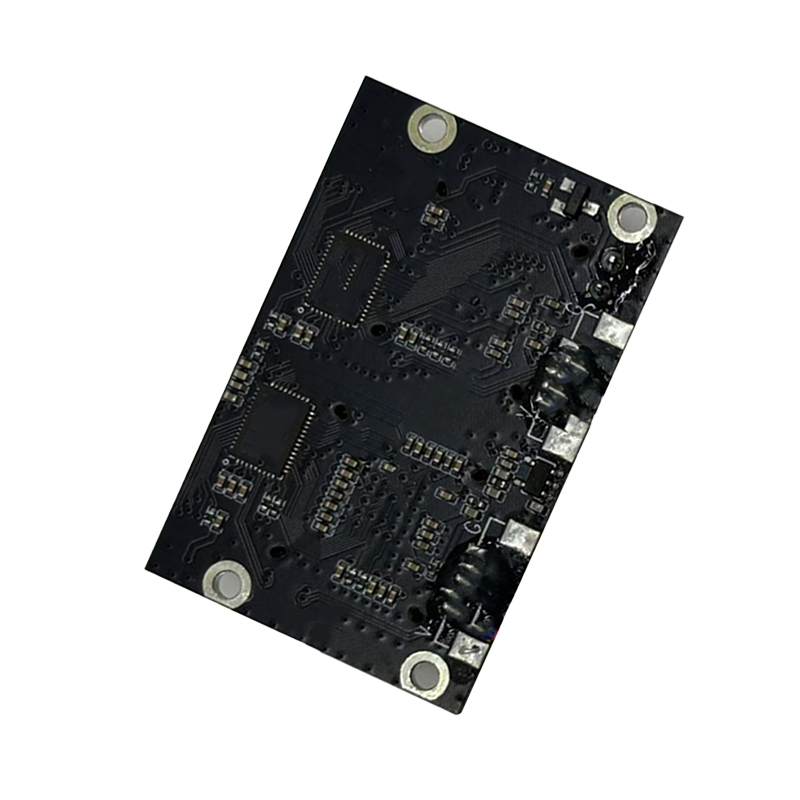
Newly Upgraded Dual 1080P Finger Vein, Palm Print & Facial Recognition Camera Module
Built for identity verification terminals, access-control gates and government counters. Captures face, palm vein and palm print data in one compact module for high-assurance KYC workflows.
View product details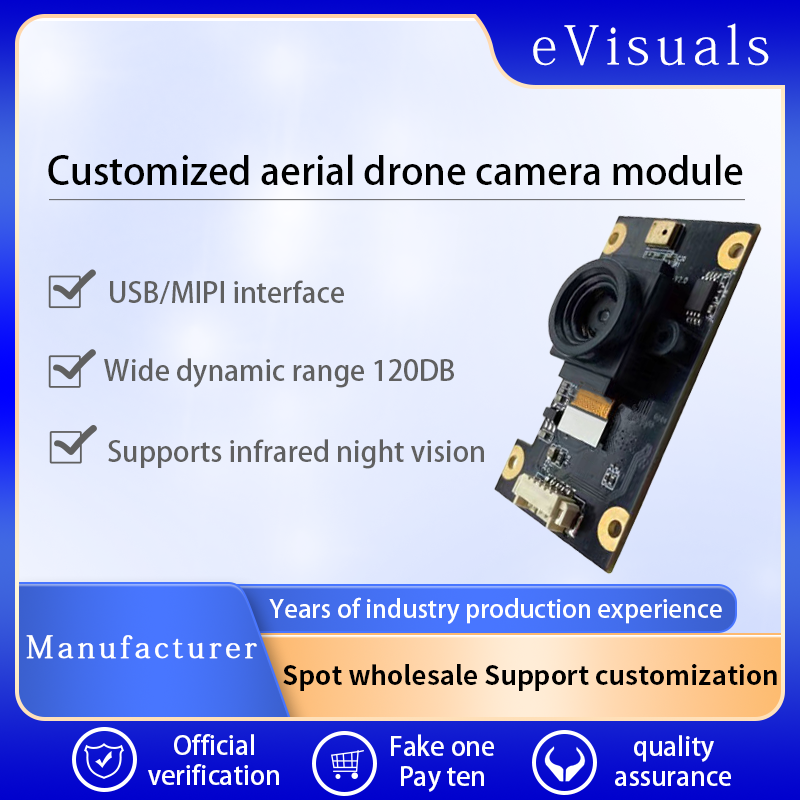
Factory Customized 1080P/4K Drone Wireless Video Transmission Camera Module
Designed for aerial photography, industrial inspection and unmanned systems. Supports custom lens, FPC and transmission integration for OEM projects that need compact, stable imaging.
View product details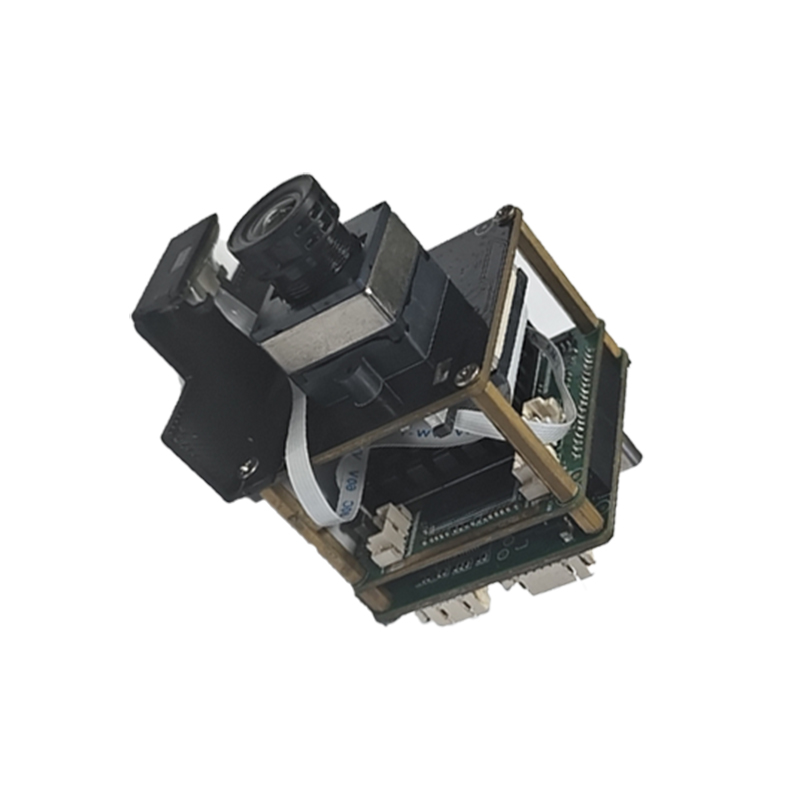
Factory Customized HD Live Streaming Conference & Teaching 4K Camera Module
Supports hybrid classrooms, lecture capture and video conference rooms. Compatible with multiple systems and available with buyer-defined housing, firmware and private-label packaging.
View product details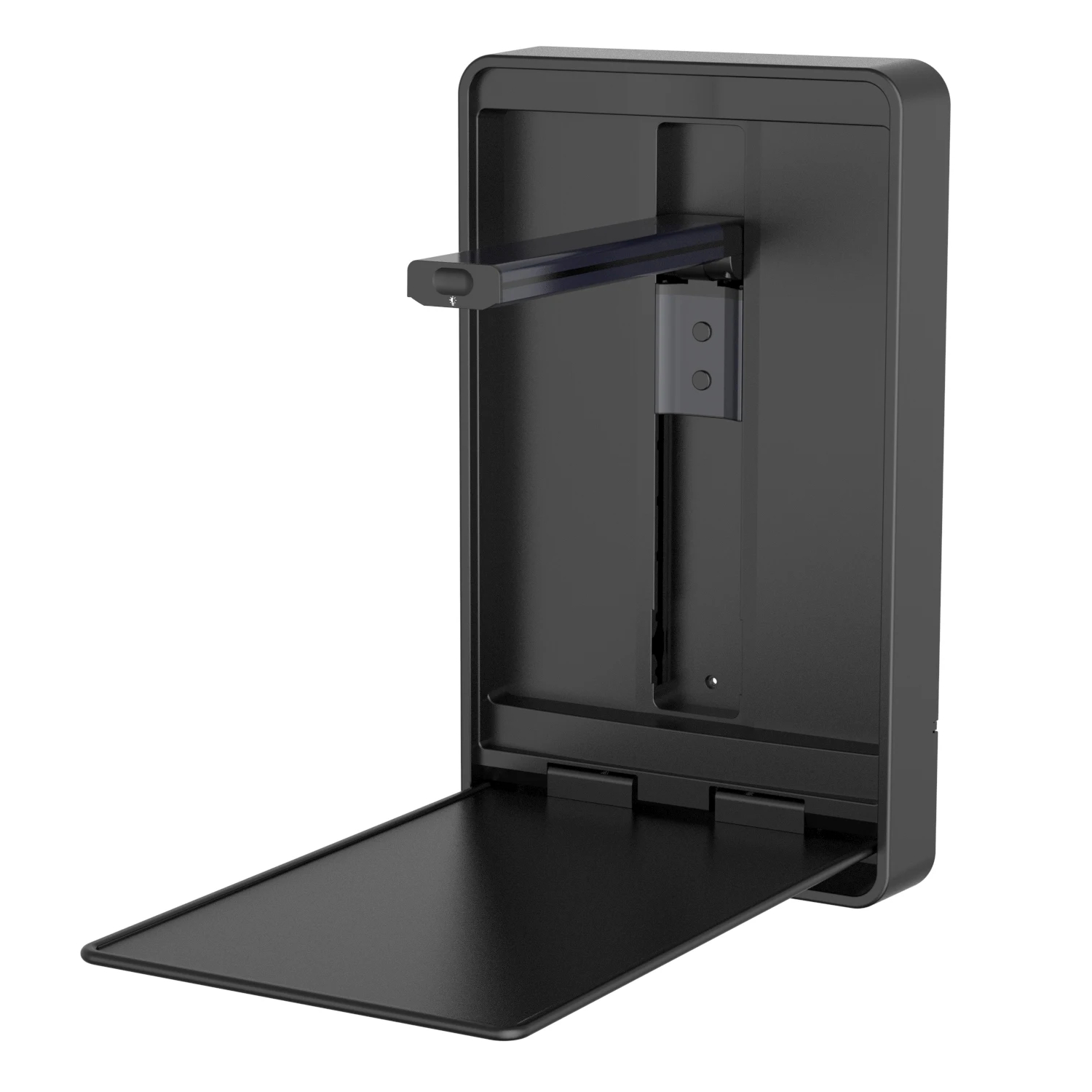
Document Camera OEM Factory 8MP Education Display Stand for Wireless Document Camera Scanner
A fixed-installation solution for classrooms and training rooms. The wall-mounted video display stand supports wireless document camera scanning and stable long-term use.
View product details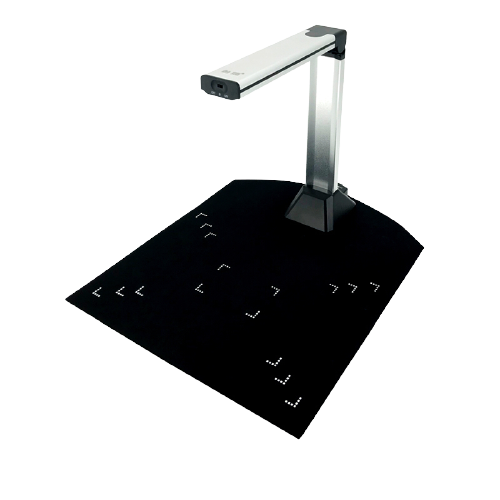
Portable OEM 8MP Document Camera Visual Presenter for Education
Lightweight and easy to move between classrooms. Ideal for teachers, tutors and trainers who need overhead document sharing without a permanent installation.
View product details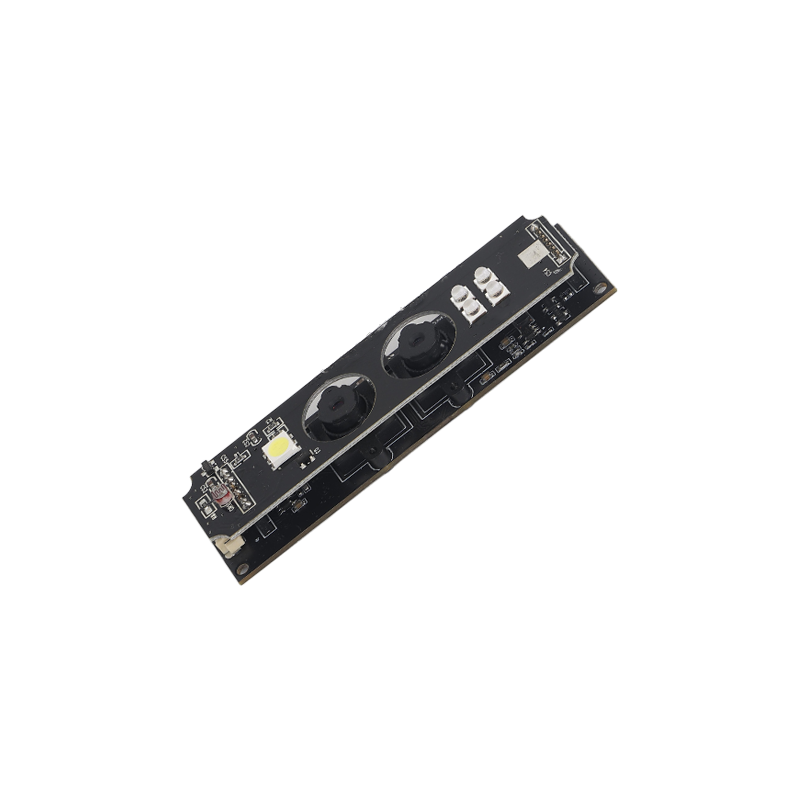
1080P/2K/4K HD Binocular Wide Dynamic Camera Module with Auto/Fixed Focus
Supports dual-lens imaging, auto focus and fixed focus options. Suitable for embedded vision, access control, robotics and advanced imaging devices that require wide dynamic range.
View product details
CMOS Sensor 1080P 30fps USB2.0 Camera Module with Ultra-Low-Light WDR
A plug-and-play embedded module for kiosks, webcams and OEM devices. The wide dynamic range and low-light tuning help maintain image clarity in uneven lighting.
View product details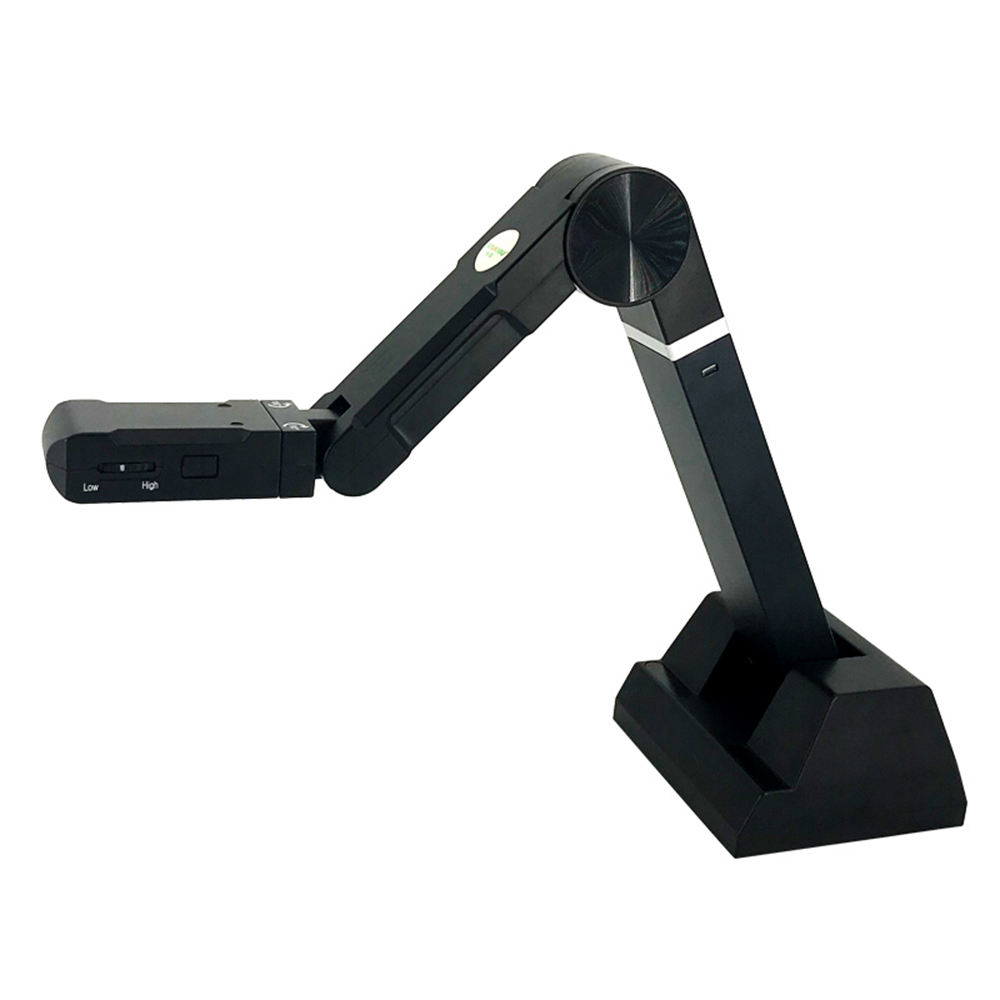
High Quality OEM Portable WiFi Document Camera Scanner with Multi-Interface Visualizer
Built for libraries, offices and remote teaching. Supports book and document scanning with WiFi convenience and multi-interface adaptation for different buyer ecosystems.
View product detailsNeed a model matched to your tender specification?
Send your target resolution, capture area, connection type, operating system and estimated annual volume. Our engineering team will recommend a document camera scanner or camera module and outline OEM/ODM options.
What “Top 10” Really Means When You Source Document Camera Scanners
High-intent buyers do not search for a generic “document camera” alone. They search by application, resolution, connection method, certification and OEM capability. A credible factory shortlist must answer those specific questions with verifiable evidence.
Google’s semantic search now maps queries such as “wireless document camera for classroom tender”, “A3 book scanner OEM factory” and “USB visualizer exporter China” to different intent clusters. A generic product page cannot satisfy all three. Buyers want sensor resolution, focus method, capture area, interface, certification, export terms, sample process and after-sales model in one place.
From a procurement perspective, a top-10 factory is not simply the supplier with the lowest unit price. It is the supplier that can keep image quality stable across batches, document firmware and component changes, pass compliance checks, and scale from a sample order to a tender shipment without replacing critical parts midway.
Eshuni’s information gain comes from combining 14+ years of imaging hardware R&D, a 3,000+ m² production base, in-house hardware and software development, ERP-driven production management and a product portfolio that spans complete document camera scanners, visual presenters, biometric modules and embedded camera modules. That combination reduces integration risk for education, government, finance, telecom and enterprise buyers.
The 10-Point Evaluation Framework for Document Camera Scanner Factory & Exporters
Use this scorecard during RFQ review, supplier audits and sample evaluation. It focuses on the factors that most often decide whether a document camera program succeeds after the first container ships.
In-House R&D Ownership
Does the supplier control hardware, firmware and image tuning, or only assemble third-party boards?
Sensor & Lens Calibration
Can the factory tune focus, white balance, exposure and distortion for A3, A4 and close-up capture?
OEM/ODM Flexibility
Are logo, housing, packaging, firmware behavior and interface options available without long delays?
Quality System & Certification
Look for ISO9001 process control plus CE, FCC, RoHS and 3C readiness for target markets.
Resolution & Capture Range
The shortlist should cover 8MP value models, 13MP/4K premium models and A3/A4 document formats.
Connectivity Compatibility
USB, UVC, 5.8GHz wireless, WiFi and multi-system support matter more than a single headline spec.
Low-Light & WDR Performance
Classrooms, counters and offices rarely have perfect lighting. WDR and low-light tuning protect usability.
Production Traceability
ERP-driven material control and serial-number tracking reduce batch inconsistency and after-sales disputes.
Export & Logistics Reliability
FOB, EXW and DDP experience across North America, Europe, Asia, Africa and South America lowers friction.
Project Support & After-Sales
Product design, project design and on-site application support are critical for tenders and system integration.
Match the Right Document Camera Scanner to Real Buyer Intent
Product recommendations are only useful when they connect a buyer scenario to a technical configuration. The matrix below translates common search intents into practical model choices from the showcase above.
| Buyer Scenario | Recommended Model | Why It Fits | Commercial Note |
|---|---|---|---|
| Government identity verification or access-control OEM | Dual 1080P multi-biometric module | Face, palm vein and palm print capture in one module supports higher-assurance KYC workflows. | OEM/ODM firmware and housing adaptation available. |
| Drone, aerial inspection or wireless video transmission | 1080P/4K drone camera module | Compact module design with custom lens and transmission integration for unmanned systems. | Best specified with target weight, range and power constraints. |
| Hybrid classroom, lecture capture or conference room | 4K live streaming camera module | Multi-system compatibility and 4K capture support teaching, conferencing and streaming. | Private-label housing and packaging can be developed. |
| Fixed classroom or training room installation | 8MP education display stand | Wall-mounted wireless document camera scanner setup reduces cable clutter and daily handling. | Suitable for school tenders and long-term classroom deployment. |
| Mobile teaching, travelling trainers and temporary classrooms | Portable 8MP visual presenter | Foldable, portable document camera visualizer for overhead sharing without permanent installation. | Good fit for distributors serving education and tutoring markets. |
| Embedded vision, robotics or dual-lens product development | Binocular wide dynamic camera module | Auto/fixed focus options and dual-lens architecture support advanced imaging products. | Requires early specification of FPC, interface and mechanical envelope. |
| Kiosk, webcam or low-light USB embedded device | 1080P USB2.0 CMOS camera module | Ultra-low-light WDR performance and plug-and-play USB2.0 simplify integration. | Ideal for OEM projects with moderate resolution and high reliability needs. |
| Library, office, book scanning and document capture | Portable WiFi document camera scanner | Multi-interface WiFi visualizer supports book and document scanning in flexible workspaces. | Recommend based on capture area, daily scan volume and software workflow. |
Product Future Procurement Trends: 2025–2030
Document camera procurement is shifting from a one-off SKU purchase to a lifecycle decision. The following six trends are already visible in tenders, distributor ranges and private-label programs.
Intent-Led RFQs Replace Generic Catalog Buying
Buyers increasingly specify teaching workflow, capture area, software compatibility and deployment environment before discussing price. Suppliers that publish application-level evidence win earlier in the research phase and face fewer technical clarifications later.
4K and 13MP Move from Premium to Mainstream
As sensor costs normalize, 8MP remains the value tier for A4 classrooms, while 13MP and 4K become expected in A3 drawings, archival scans and premium visualizers. Procurement teams should avoid locking a multi-year tender to a single resolution tier.
Hybrid Connectivity Becomes Non-Negotiable
USB, UVC, 5.8GHz wireless and WiFi are no longer interchangeable. Fixed desks prefer USB plug-and-play, while mobile teaching and library scanning benefit from less congested 5.8GHz links. Dual-mode products reduce SKU complexity for distributors.
AI Capture and Privacy-Aware Processing
OCR, auto-framing, page flattening and object detection are moving into document camera workflows. Buyers should ask where processing happens: on-device, on the host PC or in the cloud. Privacy-by-design becomes a procurement advantage for schools and government users.
Firmware Transparency and Compliance
Security teams now ask for firmware update processes, component traceability and interface documentation. This is especially important for USB devices connected to managed school and enterprise networks. A compliance-ready supplier reduces procurement risk beyond CE and RoHS.
Total Cost of Ownership and Local Service
Purchase price is only one line in the TCO model. Buyers are comparing failure rates, spare-part availability, repairability, installation time and technical response. Exporters that support FOB, EXW and DDP plus project documentation are better positioned for long-term contracts.
Product Development Trends Inside the Factory
For OEM and ODM buyers, product development trends matter as much as current specifications. These six engineering directions shape the next generation of document camera scanners and embedded imaging modules.
Dual-Tier Sensor Strategy
Factories are building product families around an 8MP value platform for A4 classroom capture and a 13MP/4K premium platform for A3 drawings, fine print and archival work. Modular sensor selection helps distributors cover multiple price bands without redesigning every product.
Wireless Stability Beyond Raw Bandwidth
5.8GHz wireless remains attractive because it avoids crowded 2.4GHz networks in schools. Next-generation designs combine better antenna placement, lower latency and fallback modes so live teaching continues when a network changes or a conference room becomes congested.
Driverless UVC and Multi-OS Support
UVC plug-and-play reduces installation friction for schools and enterprise IT teams. Development effort is shifting toward multi-OS compatibility, stable USB enumeration, consistent color output and software integration guides for interactive whiteboard and conferencing platforms.
Multi-Camera Fusion and Biometrics
Document cameras increasingly coexist with facial recognition, palm vein capture and environmental cameras. Multi-camera modules can capture a document and a person at the same time, which is valuable for government counters, banking KYC and self-service terminals.
Low-Light WDR and Computational Imaging
Classrooms, service counters and libraries rarely offer ideal lighting. Wide dynamic range, localized exposure and noise reduction are becoming standard requirements. On-device tuning protects legibility when documents are glossy, curled or placed under mixed indoor lighting.
Modular FPC/CMOS Platforms for Faster OEM
Buyers want faster customization without full redevelopment. Modular CMOS boards, FPC options, interchangeable lenses and reusable firmware foundations allow factories to adapt a document camera, biometric terminal or embedded vision product with lower tooling risk and shorter validation cycles.
Shenzhen Eshuni Technology Co., Ltd. — Factory DNA for Global Buyers
Eshuni is a manufacturer and solution provider for information collection and identity verification. The company designs and builds high-speed document scanners, video booths, book scanners, identity verification terminals, webcams and camera modules for global B2B buyers.

Why Eshuni Belongs on a Serious Shortlist
Since 2012, Eshuni has focused on imaging hardware for education, finance, insurance, telecommunications, government and enterprise. The company supports digital transformation with devices that are practical to deploy, service and customize rather than simply assembled to a price point.
- 14+ years of in-house R&D experience in document cameras, visualizers and imaging modules.
- 3,000+ m² factory floor with ERP-driven production and supply-chain management.
- 100+ employees on site, including engineering, production, quality and sales support.
- ISO9001 quality management system; products support CE, FCC, RoHS and 3C certification requirements.
- OEM manufacturing, product design, project design and buyer-label production for private brands.
- Three levels of technical support: product design, project design and on-site project application.
- Core hardware and software developed in-house and protected by national patents.
- Export experience across North America, South America, Western Europe, South Asia and Africa.
Trade terms include FOB, EXW and DDP. For buyers comparing document camera scanner factory and exporters, this combination of engineering control, certification readiness and export flexibility reduces the gap between a sample order and a repeatable tender program.
Document Camera Scanner Factory & Exporters: Common Buyer Questions
These are the questions that most often appear during supplier evaluation, sample approval and tender preparation for document camera and visualizer projects.
What does “Top 10 Document Camera Scanner Factory & Exporters” mean for a B2B buyer?
It is a shortlist framework rather than a popularity ranking. A useful top-10 evaluation should compare in-house R&D, sensor and lens tuning, OEM/ODM flexibility, certifications, production traceability, export terms and after-sales support. The goal is to identify suppliers that can support both a sample order and a repeatable tender or distributor program.
How can I verify whether a supplier is a real factory or a trading company?
Ask for factory address, production workflow, quality-control documents, product design ownership, firmware capability and certification records. A manufacturer should be able to explain where key components are sourced, how image tuning is performed and how batch consistency is tracked. Video audits and on-site inspection further reduce risk for larger orders.
Should I choose an 8MP or 13MP document camera?
An 8MP sensor is sufficient for A4 pages, textbooks and live classroom demonstrations. A 13MP sensor is recommended when capturing full A3 sheets, fine print, engineering drawings or archival scans where every detail must stay legible after zooming. For tenders, specify the capture area and smallest text size rather than resolution alone.
What is the difference between USB and 5.8G wireless document cameras?
USB models are plug-and-play and draw power from the computer, making them ideal for fixed desks and counters. 5.8GHz wireless models let teachers move freely around the room; the 5.8GHz band is typically less congested than 2.4GHz, giving a more stable live image in busy school networks. Dual-mode products can reduce SKU complexity for distributors.
Which certifications and quality systems should I check?
Confirm ISO9001 quality management and, depending on your market, CE, FCC, RoHS and 3C compliance. For network-connected devices, ask about firmware update procedures and interface documentation. For government or finance projects, also review identity-capture accuracy, data handling and component traceability.
Can I customize logo, housing, packaging and firmware?
Yes. OEM manufacturing, product design, project design and buyer-label production are available. Customization scope depends on the model and order volume, but common requests include logo, packaging, color, housing adaptation, cable or interface changes, default settings and firmware behavior for a specific deployment environment.
Which trade terms and export markets are supported?
Eshuni accepts FOB, EXW and DDP delivery terms and regularly ships to North America, South America, Western Europe, South Asia and Africa. For tender projects, confirm required documents, packaging marks, warranty terms and spare-part recommendations before production begins.
How should I prepare a request for quotation?
Include the application, target capture area, resolution, connection type, operating system, software platform, certification market, estimated annual quantity and required delivery term. If the product will be private-labeled, add logo, packaging and firmware requirements. A complete RFQ reduces back-and-forth and helps the factory recommend a more accurate model.
Build a Shortlist That Survives Technical Review
Send your application, target resolution, capture area, connection type and estimated annual volume. Our engineering team will recommend a document camera scanner or camera module and outline OEM/ODM options for your market.