Dual-Lens, Visualizer, and Document Camera Products for Wholesale Programs
The eight product families below reflect the original Eshuni range for education, government, office, security, and embedded imaging projects. Each platform can be discussed as a standalone SKU or as part of a broader OEM/ODM catalog strategy.
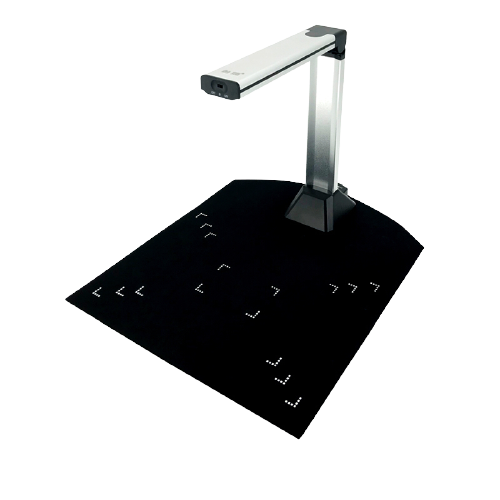
Portable OEM 8MP document camera Visual presenter for education equipment camera scanner
A field-ready visual presenter for classroom demonstration, remote tutoring, and book sharing. The 8MP overhead view keeps A4 text legible, while USB power and driver-free UVC output reduce installation friction. Available with OEM logo, packaging, cable set, and firmware language packs.
View product details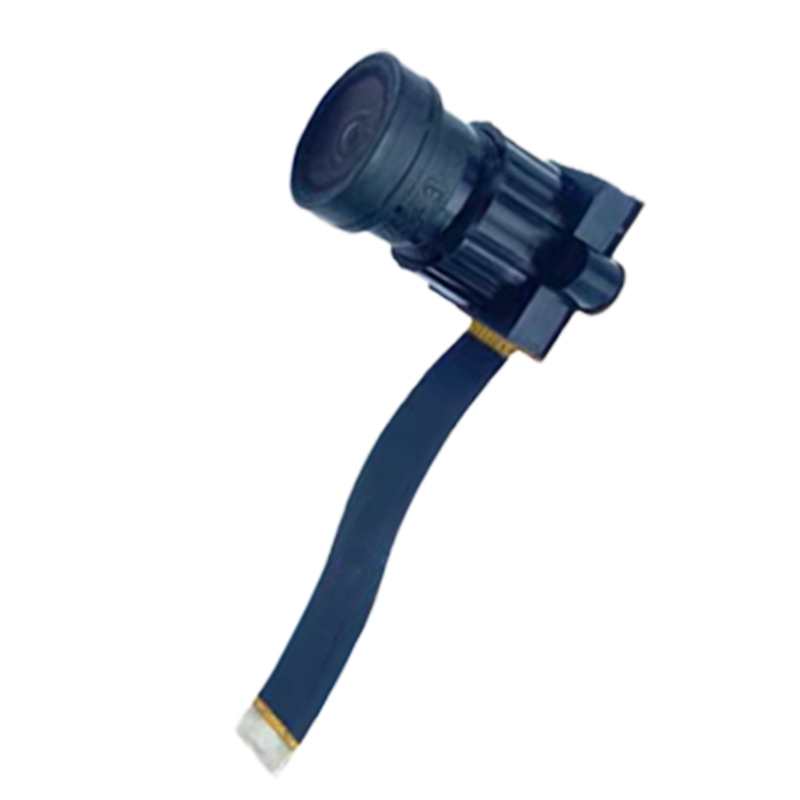
Professional manufacturer's CMOS sensor MIPI camera module 1080P 2K 4K drone wireless video transmission camera module
A compact CMOS sensor module for drone video transmission, embedded vision, smart terminals, and custom camera products. OEM teams can tune lens, FPC, PCB shape, and video pipeline around the project instead of forcing a finished consumer device into an industrial enclosure.
View product details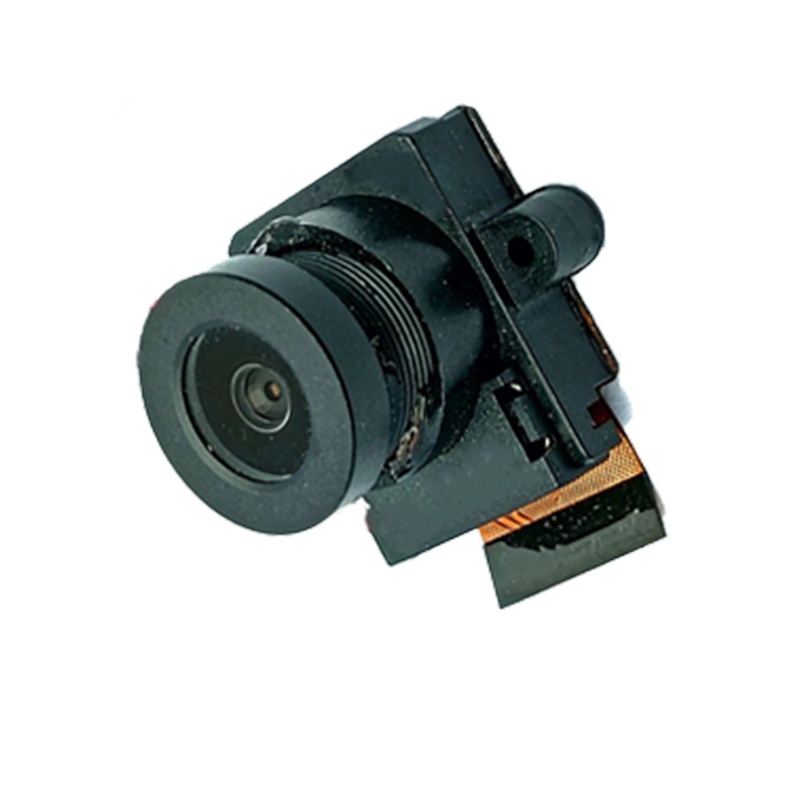
Factory hot-selling 1080p CMOS sensor body camera with HD video/audio recording and night vision
A 1080P CMOS body camera with HD video and audio recording plus night vision for security, inspection, field service, and evidence capture. It helps distributors build a broader mobile imaging portfolio alongside fixed document cameras and visualizers.
View product details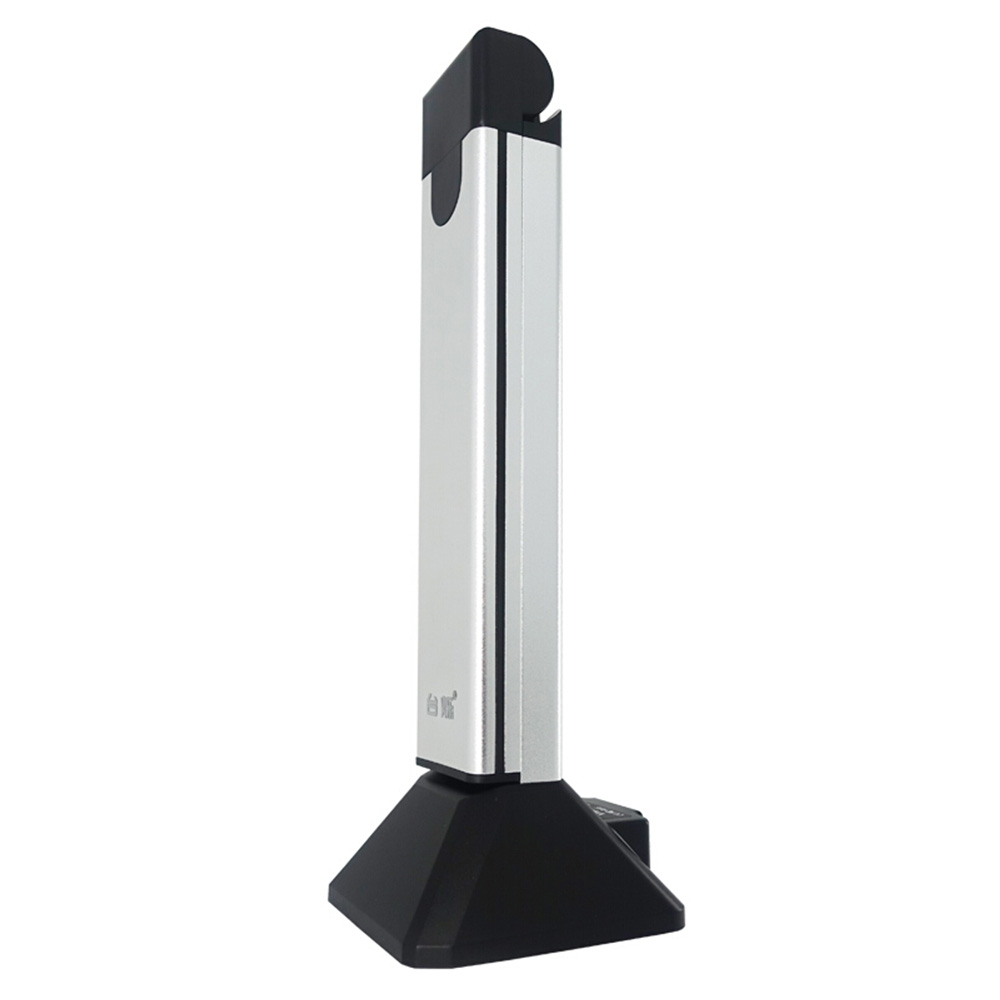
Document camera page camera high speed page scanner for online educational equipment
An education-focused page camera for capturing books, worksheets, handwritten work, and teaching materials quickly. It supports online education workflows where teachers need a stable overhead view rather than a handheld camera or a flatbed scanner.
View product details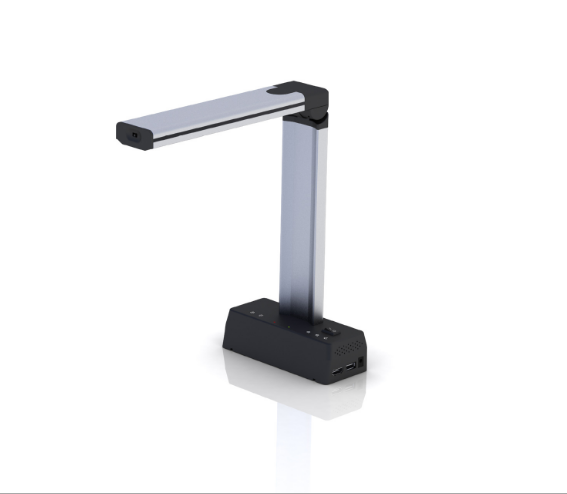
WIFI document camera visualizer wireless 5.8G WIFI OEM ODM Document scanner for education or office
A cable-free visualizer for classrooms and offices that need freedom of movement. The 5.8GHz band is typically less congested than 2.4GHz in busy school environments, and OEM/ODM options cover housing, packaging, accessories, and software localization.
View product details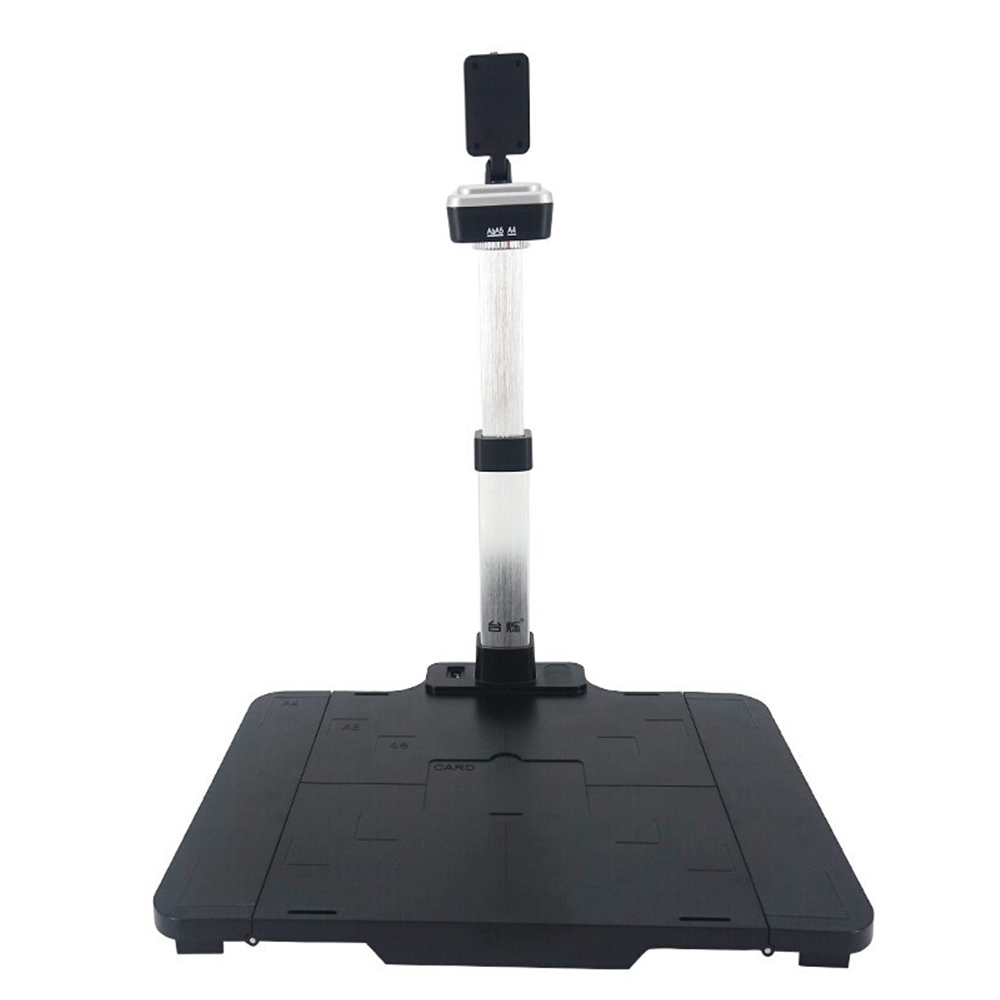
OEM HD 5MP double Camera Document camera Scanner For Government document camera
A government-oriented dual-camera scanner that can capture a document and the person or scene at the same time. It is suited to counters, identity checks, and service desks where document evidence and contextual evidence must be linked in one workflow.
View product details
OEM USB 5MP 8MP 13MP Document Camera Visualizer for Education Camera Scanner or Office Document Scanner
A scalable USB document camera family covering three sensor tiers. Distributors can hold one mechanical platform while serving entry-level education, mainstream office, and high-detail archival segments with different camera specifications.
View product details
OEM Document Camera A3 Portable Wireless 13mp Visualizer Document Camera
A portable A3 wireless document camera for full-sheet drawings, textbooks, and detailed records. The 13MP sensor helps preserve fine print after zooming, and the wireless design simplifies temporary classrooms, shared meeting rooms, and mobile training programs.
View product detailsSearch Intent Behind “Dual Lens Document Camera Exporter & Wholesaler”
This query is not a beginner’s definition search. It is a commercial investigation signal from buyers who already understand document cameras and now want a qualified manufacturing partner.
When an importer searches for a dual lens document camera exporter and wholesaler, the intent usually combines supplier discovery, product validation, certification review, OEM/ODM capability, and commercial terms. The buyer may be preparing a school tender, adding a private-label range for distributors, replacing a single-lens visualizer at government counters, or sourcing an imaging platform for a system-integration project. A generic product page with a short specification list rarely satisfies that intent because it does not answer the real due-diligence questions: Can the factory customize the lens and housing? Are certifications traceable? Is the wireless link stable in a crowded classroom? Can the supplier support samples, documentation, and repeat orders?
An exporter and a wholesaler are also not identical roles. A true exporter should understand destination-market compliance, export documentation, packaging, and trade terms. A wholesaler should provide range depth, stable supply, and commercially useful MOQ structures. The strongest suppliers combine both functions with engineering depth. That combination matters especially for dual-lens document cameras because the product is rarely a pure catalog item; it often needs a secondary camera position, synchronized capture, custom firmware behaviour, or application-specific accessories for identity verification, counter service, or hybrid teaching.
Shenzhen Eshuni Technology Co., Ltd. has operated since 2012 as a manufacturer and solution provider for information collection and identity verification. Its product range includes high-speed document scanners, video booths, book scanners, identity verification terminals, webcams, camera modules, and document cameras. The company reports a 3,000+ m² factory floor, 100+ employees, ISO9001 quality management, CE, FCC, RoHS, and China 3C certifications, plus in-house hardware and software development protected by national patents. This white paper uses that factory perspective to explain how buyers should shortlist a Top 10 candidate rather than rely on directory badges alone.
What Makes a Dual Lens Document Camera Different From a Single-Lens Visualizer?
A dual-lens document camera is not simply a visualizer with an extra camera. It is a workflow architecture for capturing two kinds of evidence at once: the document and the context around the document.
In a conventional single-lens visualizer, an overhead camera points downward at a page, book, object, or demonstration. That works well for classroom teaching and office scanning, but it can leave a gap at service counters, identity-verification desks, and remote assessment environments. A dual-lens model may use one overhead camera for the document and a second camera for the applicant’s face, the surrounding counter area, a side view of a book spine, or a wider room view. For government, banking, telecom, and insurance workflows, that second view can reduce device count and create a more complete evidence package. For education, a dual-lens design can switch between the teacher, the student, and the desk without repositioning a single camera arm.
The engineering challenge is synchronization. The two sensors must be calibrated, aligned, and exposed in a way that produces a usable result under mixed lighting. The software must make switching intuitive, and the hardware must manage heat, power, and cable routing without compromising the document view. Buyers should therefore test not only sensor resolution but also switching latency, focus behaviour, colour consistency, and privacy controls. A second lens adds value only when the two views behave as one system rather than two unrelated cameras in one housing.
Document + Context
Capture the page and the person, room, or side view in one operation, reducing the number of devices on a counter or teaching desk.
Counter Workflow Fit
Dual-lens scanners are especially relevant to government, finance, telecom, and insurance processes where identity and document evidence must be linked.
Tender Differentiation
A well-implemented dual-lens platform can meet specification clauses that a standard single-lens visualizer cannot address without extra accessories.
One Platform, Multiple SKUs
OEM buyers can build several models from one core architecture by changing sensor resolution, connectivity, housing, packaging, and firmware.
A Transparent Top 10 Evaluation Framework for Dual Lens Document Camera Exporters
Rather than publish an unsupported ranking, use this ten-point scorecard to compare exporters and wholesalers against the criteria that affect total project risk.
Application Mapping
Does the supplier understand education, government, finance, telecom, and office workflows, or only provide a generic spec sheet?
Optical Performance
Check real focus speed, depth of field, low-light behaviour, glare control, and legibility after digital zoom on A3 and A4 pages.
Sensor Economics
Compare 5MP, 8MP, and 13MP tiers against actual use. Higher resolution helps A3 archives but may be unnecessary for live A4 teaching.
Connectivity Reliability
USB plug-and-play is ideal for fixed desks; 5.8GHz wireless supports movement. Test both in the destination environment, not only in a showroom.
OEM/ODM Depth
Ask whether the factory can change housing, logo, cable set, firmware language, packaging, lens position, and accessory bundles.
Quality & Compliance
Verify ISO9001 process control and CE, FCC, RoHS, and 3C documentation where applicable. Certificates should match the shipped configuration.
Software & SDK
Driver-free UVC support reduces installation risk. For integrators, an SDK or protocol document can be more valuable than a long feature list.
Production Continuity
Check factory area, workforce, ERP-driven planning, component strategy, and lifecycle support for repeat orders and tender deliveries.
Export Documentation
Confirm support for FOB, EXW, and DDP terms, commercial invoices, packing lists, product labels, and destination-market requirements.
After-Sales & Lifecycle
Clarify warranty terms, spare-parts policy, firmware updates, RMA workflow, and who provides on-site application support when a project scales.
Future Procurement Trends for Dual Lens Document Camera Wholesale Buyers
Purchase decisions are moving from “buy a camera” to “validate a complete capture workflow.” That shift changes the questions buyers ask during sourcing.
Procurement teams are becoming more specific because end users now compare document cameras with webcams, flatbed scanners, phone capture, and integrated counter terminals. A supplier that can explain where the product fits, where it does not fit, and which configuration reduces downstream support calls is more valuable than a supplier that simply quotes the lowest unit price. This is especially true for dual-lens models, where the second camera changes workflow design rather than only improving the specification sheet.
Workflow Validation Before Price
Buyers increasingly request sample testing, installation checks, and software confirmation before approving a wholesale order. The winning exporter provides a clear test protocol rather than only a quotation.
Wireless-First With Wired Fallback
Education tenders often ask for wireless freedom but still require USB fallback for examinations, network restrictions, and substitute teachers who need a simple connection.
A3 and 13MP Move Mainstream
Full-sheet capture is no longer limited to archival scanning. As 13MP sensors become more accessible, distributors are building tiered ranges around 5MP, 8MP, and 13MP demand.
Product Development Trends: From Document Capture to Identity Evidence
The next generation of document cameras will compete less on raw pixels and more on image intelligence, modular integration, and evidence quality.
Edge Image Cleanup
Auto-focus, page detection, de-warping, glare reduction, and OCR pre-processing are moving closer to the device. The practical benefit is fewer manual corrections during live lessons and counter transactions.
Sensor Fusion
Dual-lens document cameras are becoming evidence platforms: one view for the ID or contract, another for the person, room, or side angle. Synchronization and privacy controls will define product quality.
Modular and Open
Interchangeable sensors, FPC modules, driver-free UVC output, and documented SDKs help distributors adapt one base platform to many markets without redesigning the entire product.
Evidence Behind Eshuni as a Dual Lens Document Camera Supplier
B2B buyers do not need inflated claims. They need a supplier whose factory, certifications, engineering support, and export record can be checked.
Focused Imaging Experience
Operating since 2012, with more than 14 years of R&D and manufacturing experience across document cameras, visualizers, scanners, webcams, and camera modules.
Factory Scale
A 3,000+ m² factory floor and 100+ on-site employees support production planning, quality control, and volume wholesale requirements.
Certified Quality System
ISO9001 quality management, with CE, FCC, RoHS, and China 3C certifications available for applicable products and configurations.
Three-Level Technical Support
Product design, project design, and on-site project application support help distributors and integrators adapt products to real deployment scenarios.
In-House Hardware and Software
Core hardware and software are developed in-house and protected by national patents, supporting long-term customization and product continuity.
Export-Ready Delivery
FOB, EXW, and DDP terms are supported, with regular shipments to North America, South America, Western Europe, South Asia, and Africa.
Common Questions From Dual Lens Document Camera Buyers
These are the questions that most often determine whether a sample request becomes a repeat wholesale program.
What is a dual-lens document camera used for?
It captures a document together with a second view, such as the user’s face, the surrounding counter, or a side angle. Typical uses include government service desks, bank and telecom KYC, remote assessment, and classroom switching between teacher and desk.
Should I choose 5MP, 8MP, or 13MP?
5MP is suitable for basic identity and document capture where file size and cost matter. 8MP is a strong general-purpose tier for A4 teaching and office scanning. 13MP is recommended for full A3 sheets, fine print, engineering drawings, and archival work where zoomed details must remain legible.
Is USB or 5.8G wireless better for tenders?
USB is simpler to deploy on fixed desks and counters, with stable power and driver-free operation. 5.8GHz wireless supports teacher movement and temporary rooms. Many successful tenders specify both modes so the device can operate wirelessly during lessons and switch to USB when network conditions demand it.
Can Eshuni customize hardware, firmware, and packaging?
Yes. OEM/ODM support can cover housing colour, logo, cable set, packaging, label content, language resources, accessory bundles, and project-specific software requirements. The company’s R&D team supports product design, project design, and on-site application support.
Which certifications and trade terms are supported?
The factory operates an ISO9001 quality management system, and products can support CE, FCC, RoHS, and China 3C requirements where applicable. Common trade terms include FOB, EXW, and DDP, with export experience across five major regions.
How should a buyer evaluate samples before ordering?
Test the real workflow: focus speed, A3 and A4 legibility, colour consistency, second-camera switching, wireless stability, UVC compatibility, packaging protection, and firmware behaviour. Compare the sample against the tender specification and your support team’s installation process, not only against a competitor’s datasheet.
Build a Defensible Dual Lens Document Camera Supply Program
Use the Top 10 scorecard in this white paper to compare suppliers on engineering evidence, certifications, workflow fit, and export support. If you are sourcing dual-lens document cameras, visualizers, book scanners, or private-label imaging hardware, request the current catalog and share your target specification with our team.
Shenzhen Eshuni Technology Co., Ltd. · OEM/ODM document cameras, visualizers, webcams, identity scanners, and camera modules since 2012.