Top 10 High Speed Book Scanner Supplier & Suppliers
A 2025 buyer’s guide to high-speed book scanners, document cameras, visualizers, biometric modules and OEM imaging hardware for education, government, finance and enterprise digitization projects.
8 High-Speed Book Scanner & Document Camera Models to Evaluate First
Instead of a directory-style “top 10” list, start with these eight production platforms. Each addresses a different capture workflow — handheld A4/A3 book scanning, wireless classroom visualization, OEM private-label programs, identity capture and embedded 4K camera modules.
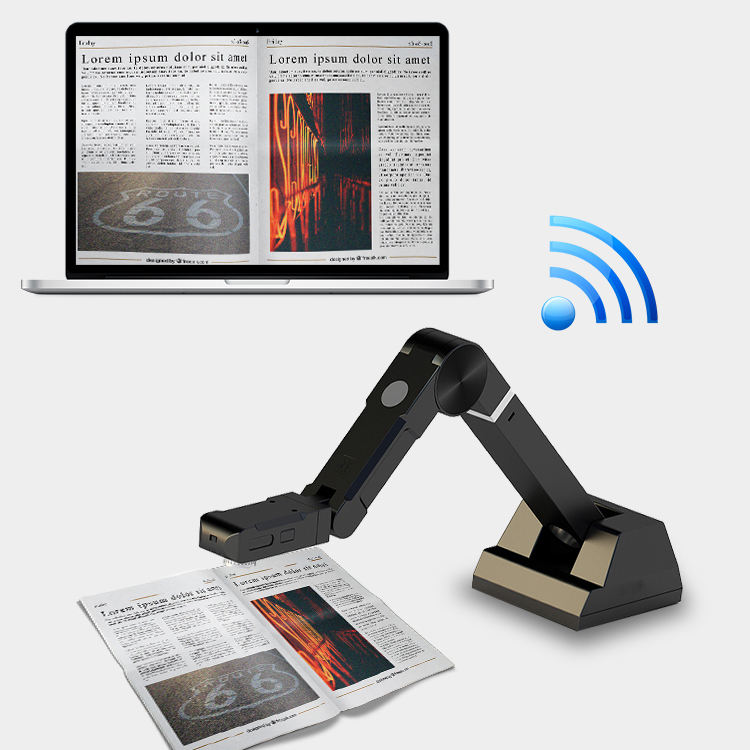
Visualized Handheld HD USB A4 Book Scanner A3 Automatic Management Document Scanner Camera
A compact handheld USB capture platform for records rooms, mobile enrolment desks and book digitization. It visualizes bound pages, loose documents and ID pages, then sends the live image to a computer for review, OCR or document management.
View product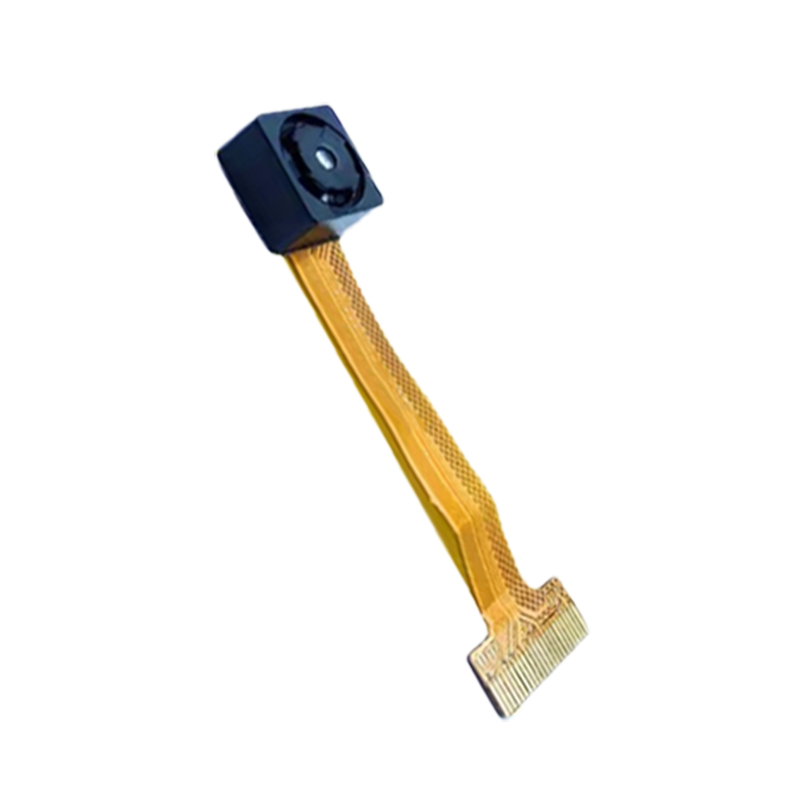
Supports 1080P, 2K, 4K Pixel Camera Modules, Drone Wireless Image Transmission with Night Vision and Face Recognition Functions
An OEM camera-module platform for drones, inspection tools, kiosks and smart terminals. The integrated wireless transmission, night-vision capability and face-recognition functions shorten development time for embedded imaging products.
View product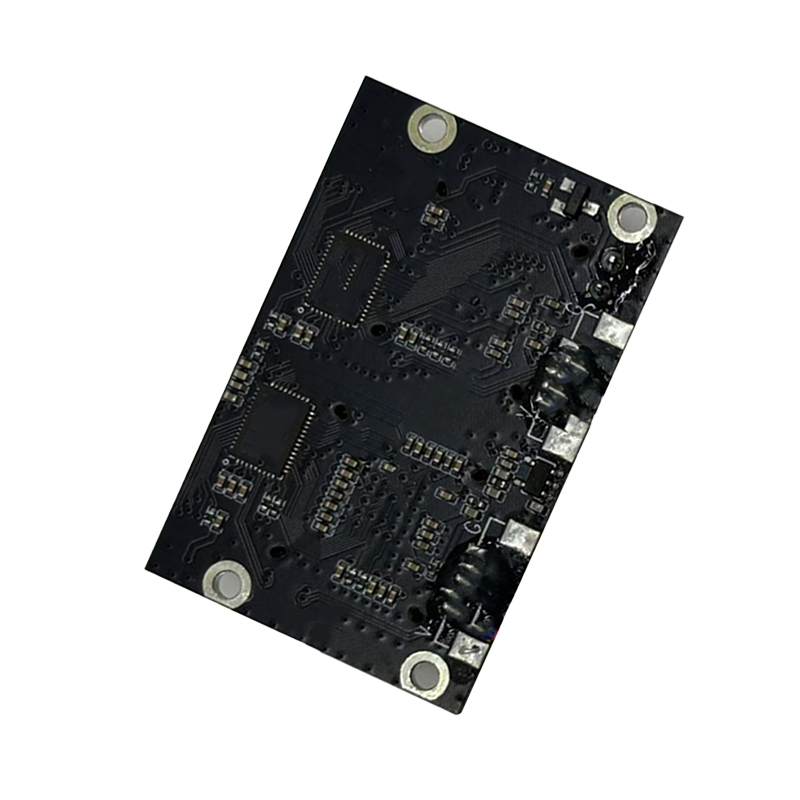
Newly Upgraded Dual 1080P Finger Vein Palm Print Recognition Facial Recognition Camera Module CMOS Sensor
A multi-biometric camera module for access control, identity verification and fintech onboarding. Dual 1080P channels support face, palm-vein and related high-assurance identity workflows in one compact imaging platform.
View product
China Document Camera A3 Portable Wireless 13MP Visualizer Document Camera
A portable 13MP A3 wireless visualizer for classrooms and hybrid teaching. The higher-resolution sensor keeps fine print legible after digital zoom, while wireless projection reduces cable friction in active learning rooms.
View product
Visual Presenter HD Camera 8MP 13MP Auto Focus Document Camera Scanner Online Educational Equipment Book Camera
An autofocus visual presenter for textbook demonstration, science lessons and remote tutoring. Autofocus maintains sharpness as pages are flipped or objects are raised to the camera, improving live lesson capture and recorded content.
View product
OEM Document Camera A3 Portable Wireless 13MP Visualizer Document Camera
An OEM-ready A3 wireless 13MP document camera for private-label programs. Buyers can define housing cosmetics, boot logo, accessory kits and packaging while retaining a proven capture and wireless architecture.
View product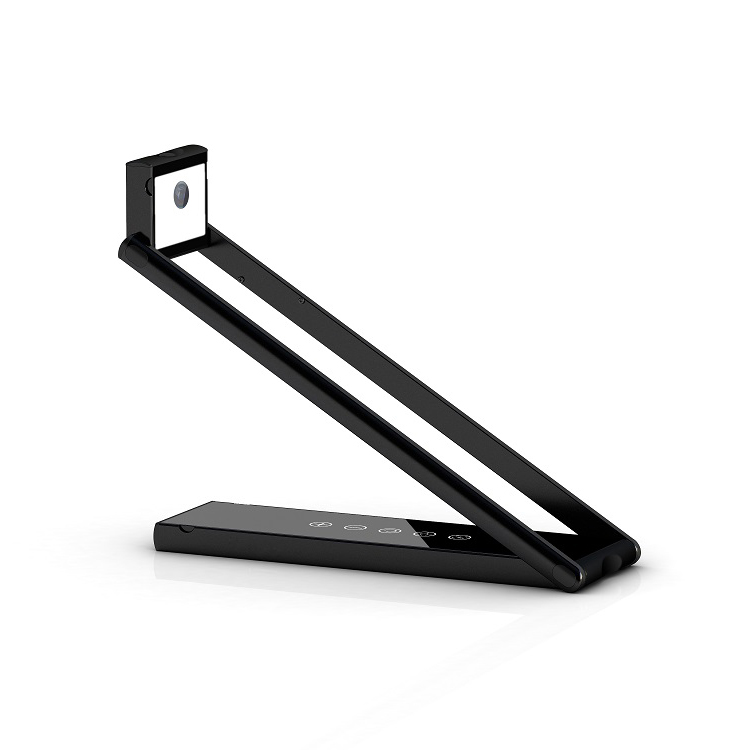
Education Equipment Visual Presenter Document Camera Scanner Scanning A3 Book and Paper
A classroom visualizer for A3 books, worksheets and paper documents. It is designed for daily education use where simple controls, dependable projection and clear readability matter more than specialist archive features.
View product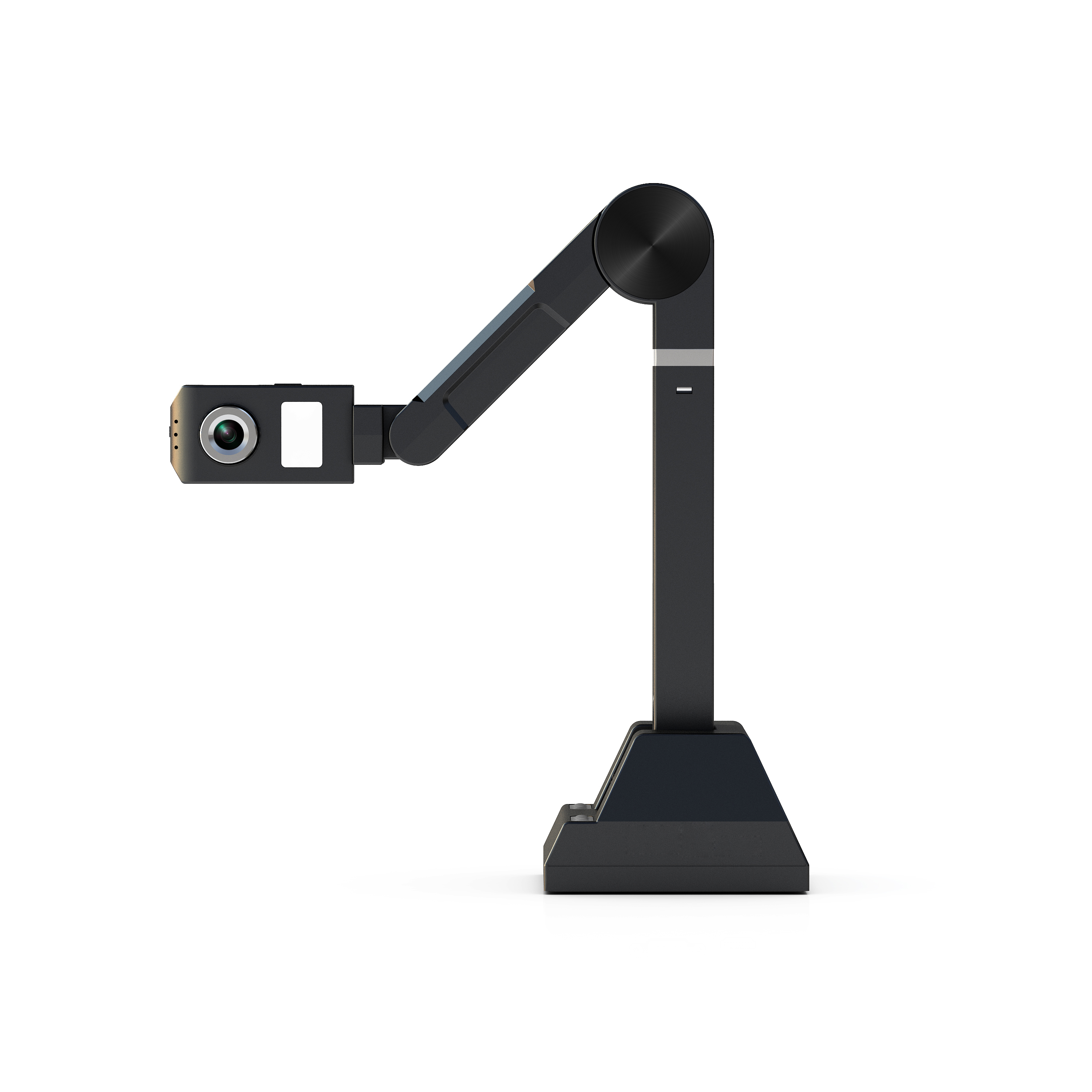
New Design HD Camera 8MP 13MP Auto Focus Document Camera Scanner Online Educational Equipment
A new-generation HD autofocus document camera for online education and office collaboration. The 8MP and 13MP options let distributors build one product family across price tiers without changing accessories or user training.
View productAll eight platforms can be discussed for OEM/ODM customization, buyer-label packaging, firmware options and project-specific accessories. Send your target application, annual volume and destination market for a focused recommendation.
What “Top 10 High Speed Book Scanner Supplier & Suppliers” Really Means for Buyers
The query combines two commercial intentions: buyers seeking one accountable manufacturer, and buyers comparing multiple suppliers. A useful shortlist must compare capture performance, software integration, compliance evidence and after-sales depth — not just catalogue photos.
Directory pages often treat every high-speed book scanner supplier as interchangeable. In practice, two A3 document cameras with similar resolution can behave very differently when scanning a thick book, an ID card at a service counter or a handwritten form that must remain readable after OCR. Procurement teams should compare the sensor-to-capture-area match, autofocus behaviour, frame stability, lighting control, software development kit availability and the supplier’s ability to support a tender specification.
Shenzhen Eshuni Technology Co., Ltd. is positioned for buyers who need one manufacturing partner across several capture categories: high-speed book scanners, document cameras, education visualizers, webcams, ID scanners, biometric modules and custom camera modules. The company’s OEM/ODM model supports product design, project design and on-site project application, allowing distributors, system integrators and government contractors to move from sample evaluation to branded delivery with a single technical contact.
Sensor-to-area match
Confirm whether the sensor resolves A4, A3 or full double-page spreads at the working height required by the desk or lectern.
Autofocus speed
Test focus changes while flipping book pages, raising objects or moving the camera head during a live lesson or counter transaction.
OCR & dewarp workflow
Ask how the supplier supports OCR, image flattening, auto-crop, page splitting and export into document-management systems.
Interface flexibility
USB, 5.8GHz wireless, Wi-Fi and camera-module interfaces must match the buyer’s hardware, network and installation constraints.
Firmware ownership
A manufacturer with in-house firmware control can support private-label boot screens, feature changes and long-term product maintenance.
Compliance evidence
Request ISO9001, CE, FCC, RoHS and destination-market documentation before a tender deadline, not after purchase order release.
Tender documentation
Specification sheets, packing details, warranty terms and conformity files should be ready for public-sector procurement review.
Spare parts & warranty
Evaluate replacement camera heads, cables, power adapters and accessories for multi-year deployments in schools and service counters.
OEM flexibility
Small-batch private-label programs, packaging changes and buyer-label documentation can determine whether a range launches on schedule.
Verified trading record
Review factory verification, buyer feedback, trade history and export experience in markets similar to your own.
Product Recommendations by Workflow
The right high-speed book scanner supplier should shorten your evaluation, not extend it. Use this application table to narrow the first sample round.
| Application | Recommended Eshuni Platform | Why It Fits | Typical Buyer |
|---|---|---|---|
| Handheld A4/A3 book and records capture | Visualized Handheld HD USB A4 Book Scanner | Portable USB capture with document-management workflow support for bound books, forms and ID pages. | Records offices, integrators, mobile enrolment teams |
| Wireless classroom demonstration | A3 Portable Wireless 13MP Document Camera | 13MP resolution and A3 coverage keep fine print readable while the teacher moves around the room. | Schools, universities, training centres |
| Autofocus textbook and object presentation | 8MP / 13MP Auto Focus Document Camera Scanner | Autofocus supports page flipping, science demonstrations and live online teaching without constant adjustment. | Tutoring providers, education distributors |
| Private-label document camera range | OEM A3 Portable Wireless 13MP Document Camera | OEM cosmetics, logo, packaging and accessory configuration around a proven A3 wireless platform. | Brands, importers, tender suppliers |
| Identity capture and access control | Dual 1080P Multi-Biometric Face / Palm-Vein Module | Dual-channel biometric imaging for identity verification, liveness-oriented workflows and gate control devices. | Security integrators, government contractors |
| Drone and embedded wireless imaging | 1080P / 2K / 4K Wireless Camera Modules | Integrated wireless transmission, night vision and face recognition functions for intelligent hardware projects. | OEM hardware developers, AI device makers |
If the application involves OCR, identity checks or custom firmware, share the workflow with the supplier before requesting a sample. Capture quality is only one part of total deployment cost.
Future Procurement Trends for High-Speed Book Scanners
Procurement teams are moving from “device purchase” to “workflow deployment.” The strongest suppliers will be those that can document performance, integrate software and support repeatable multi-site rollouts.
Total cost of ownership over unit price
Buyers increasingly compare spare-part availability, warranty response, power consumption and software compatibility across a three- to five-year service life. A low-cost scanner that fails at a counter or cannot integrate with the school’s document system creates higher support costs than a slightly higher-priced platform with documented integration support.
AI-assisted capture in the workflow
Auto-crop, book-curve correction, text recognition, blank-page removal and ID-field extraction are becoming expected in tender specifications. Suppliers that can explain where processing happens — on-device, on PC software or in the cloud — will be better positioned for privacy-sensitive education and government projects.
Security and data-residency review
Schools, banks and public agencies need to know whether images leave the local network. Procurement teams will ask for firmware update policies, local capture options, access-control documentation and conformity evidence before approving large deployments or framework agreements.
Smaller private-label batches and faster launches
Distributors want differentiated products without years of hardware development. Modular camera platforms, configurable accessories and buyer-label packaging let them test a new education or office range with lower inventory risk and faster tender response.
Product Development Trends to Write Into Your Next RFQ
These development directions are especially relevant when writing a five-year specification or evaluating whether a high-speed book scanner supplier can support future software and accessory requirements.
Higher-resolution capture with better optics
Resolution alone no longer differentiates products. Lens quality, illumination uniformity and sensor tuning determine whether A3 text remains readable at the edges. Buyers should request sample images of small fonts, diagrams, handwritten notes and ID cards rather than relying on megapixel claims.
Edge processing for OCR and identity
On-device processing can reduce latency and improve privacy. For book scanners, edge processing may handle crop, dewarp and page detection; for biometric modules, it may support face or palm-vein workflows. RFQs should define which functions must remain local.
Modern interfaces and stable wireless
USB-C, dual-mode USB/wireless operation and less-congested 5.8GHz links are becoming practical requirements in classrooms and counters. Buyers should test wireless stability in the actual school or office network before approving a standard configuration.
Modular camera architecture
Modular sensor, lens and housing options allow one core platform to serve multiple price tiers. This is useful for distributors that need an entry-level 8MP range and a higher-end 13MP range while keeping accessories, user instructions and service procedures consistent.
Software-defined imaging value
SDKs, drivers and documented command sets can enable integration with document-management systems, recording software and identity-verification workflows. The more open the software layer, the easier it is to adapt the device to a tender’s existing IT environment.
Privacy-by-design and repairability
Public-sector buyers increasingly value replaceable components, clear data-flow documentation and long-term firmware support. Suppliers that plan for repair, spare parts and privacy review will be easier to approve for multi-year education and government programs.

Factory & R&D center · Shenzhen, Guangdong
Why Eshuni Is a Supplier of Record for Book Scanner Programs
Shenzhen Eshuni Technology Co., Ltd. is a manufacturer and solution provider for information collection and identity verification. Since 2012, the company has designed and built document cameras, visualizers, book scanners, ID scanners, identity verification terminals, webcams and camera modules for education, finance, insurance, telecommunications, government and enterprise users.
For buyers comparing a high-speed book scanner supplier, the difference is engineering accountability. Eshuni’s senior R&D team supports three levels of technical assistance — product design, project design and on-site project application — so a distributor or integrator can discuss the actual room layout, counter workflow, network constraint or tender requirement with the people responsible for the hardware platform.
ERP-driven production and supply-chain management help keep specifications consistent across repeat orders. Core hardware and software are developed in-house and protected by national patents, while the factory operates an ISO9001 quality management system. Products carry CE, FCC, RoHS and China 3C certifications to support export-market compliance discussions.
In-house R&D and own IP
Camera, firmware and software development are handled internally, supporting customization and long-term product continuity.
OEM / ODM and private label
Buyer-label production, product design services, packaging changes and project-specific configuration are available for B2B programs.
Certified quality management
ISO9001 system with CE, FCC, RoHS and 3C certifications supports integration into education, government and commercial tenders.
ERP-backed manufacturing
Production and supply-chain management help maintain repeat-order consistency across document camera, scanner and module lines.
Tender and integration support
Specification review, sample evaluation and application discussions help buyers align the device with the real deployment workflow.
Global trade experience
FOB, EXW and DDP terms are supported, with regular shipments to five major export regions and experience in varied compliance environments.
How to Shortlist a High-Speed Book Scanner Supplier
Use this checklist before placing a sample order or issuing a purchase order. It is designed to reveal whether a supplier can carry a project through validation, documentation and repeat delivery.
1. Confirm the legal entity and factory
Match the quotation entity, factory address, certification holder and export documents to avoid trading-layer ambiguity.
2. Test real documents
Scan thick books, thin paper, handwriting, barcodes and ID cards under the room lighting used by the end customer.
3. Review software support
Ask for driver information, SDK availability, OCR workflow compatibility and firmware update expectations.
4. Verify certifications
Check that CE, FCC, RoHS, ISO9001 and other required documents apply to the exact model being purchased.
5. Confirm private-label scope
Clarify logo, packaging, manual, accessory kit, boot screen and minimum order requirements before quotation.
6. Evaluate spare parts
Confirm warranty terms and the availability of cables, adapters, camera heads and other service components.
7. Review trade terms
Compare FOB, EXW and DDP costs with lead time, inspection plan and shipping documentation responsibilities.
8. Start with a pilot
Use a small batch to validate packaging, performance, installation instructions and after-sales response before scale-up.
High-Speed Book Scanner Supplier FAQ
Practical answers for distributors, tender suppliers, integrators and buyers comparing OEM document camera and book scanner manufacturers.
Is Eshuni a manufacturer or a trading company?
Can Eshuni support OEM, ODM and private-label projects?
Should I choose an 8MP or 13MP document camera?
What is the difference between USB and 5.8G wireless document cameras?
Which certifications and quality systems are available?
Can the scanner integrate with OCR or document-management software?
What trade terms and export markets are supported?
Can Eshuni support government tenders and multi-site rollouts?
Planning a Book Scanner, Visualizer or OEM Imaging Project?
Share your capture area, target resolution, connectivity, software environment, estimated volume and destination market. Eshuni will help match the right platform from document cameras, book scanners, biometric modules and custom camera modules.