8 Lecture Camera Products Recommended for Global Buyers
When buyers search for lecture camera suppliers and exporters, they usually need more than a camera. They need a visualizer that supports live teaching, document capture, book scanning, remote presentation and OEM customization. The eight products below are directly relevant to classroom, office, integrator and embedded-vision programs.

CMOS sensor 1080P 30fps USB2.0 camera module monocular wide dynamic range camera module with ultra-low light performance
A compact camera module for lecture capture, document close-up and low-light visualizer designs. The wide dynamic range and USB2.0 interface make it suitable for integrators building fixed or portable presentation systems.
View product details
OEM USB 5MP 8MP 13MP Document Camera Visualizer for Education Camera Scanner or Office Document Scanner
A flexible USB document camera series for education scanners and office document scanning. Buyers can select resolution and housing options to match tender specifications or private-label retail ranges.
View product details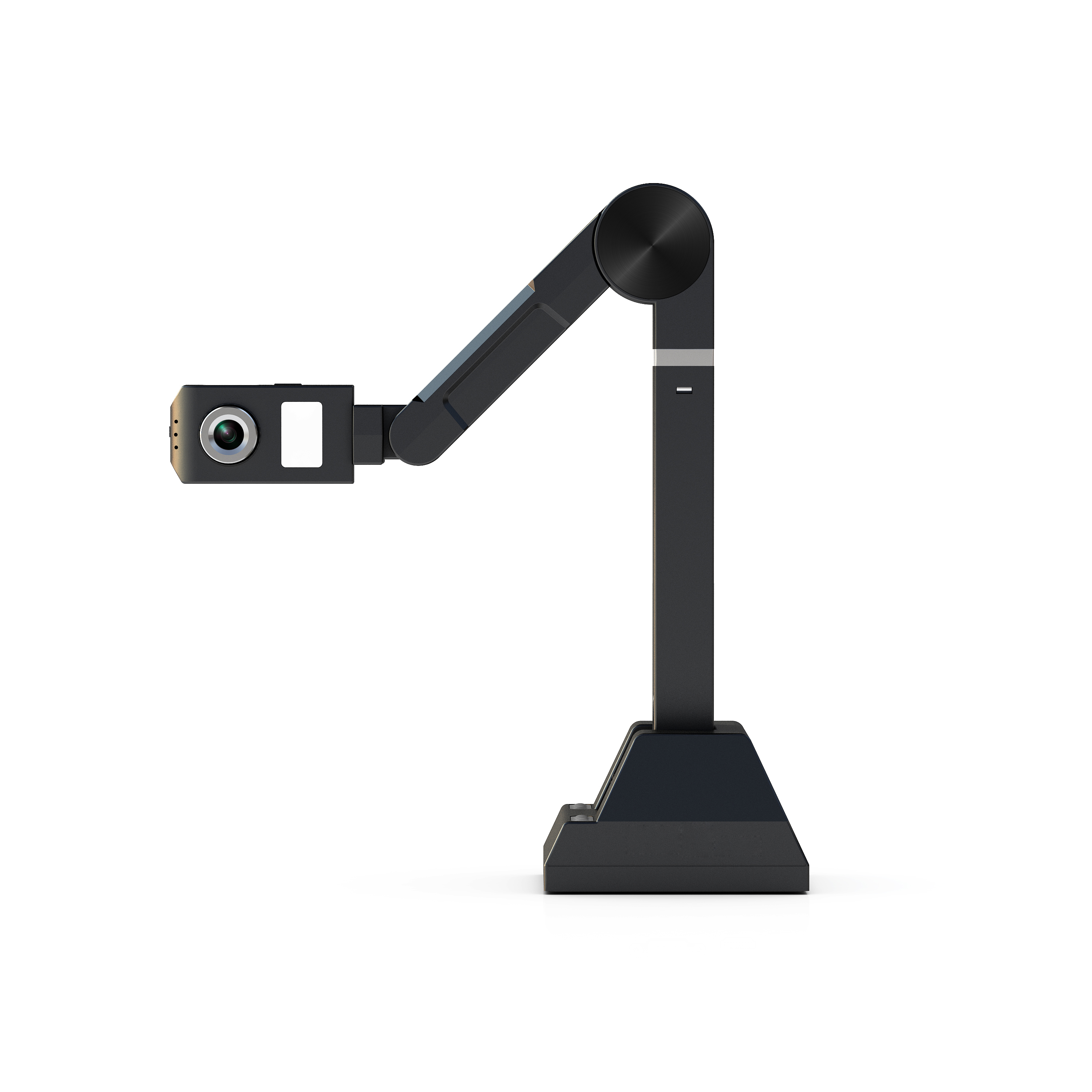
New design HD Camera 8MP 13MP auto focus Document Camera Scanner online educational equipment
An auto-focus HD lecture camera for online teaching, homework review and live demonstration. The 8MP and 13MP options let buyers balance image clarity against target price.
View product details
HD Camera Portable Visualizer Presenter Document Camera for Presentation Equipment Book Camera
A portable visual presenter for classrooms, training rooms and library book capture. Its foldable format supports teachers who move between rooms and prefer a dedicated presentation camera.
View product details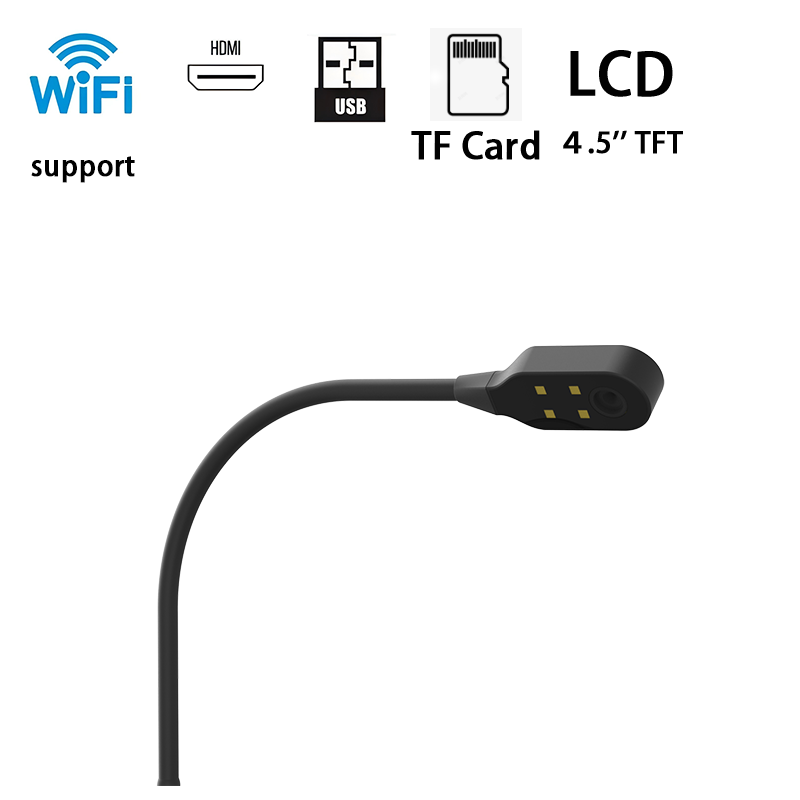
Support VGA WIFI Interface for Teacher Teaching Files, Camera and High Camera
A practical interface option for classroom retrofits where legacy VGA displays remain in use. It supports teaching files, camera and high-camera workflows in presentation environments.
View product details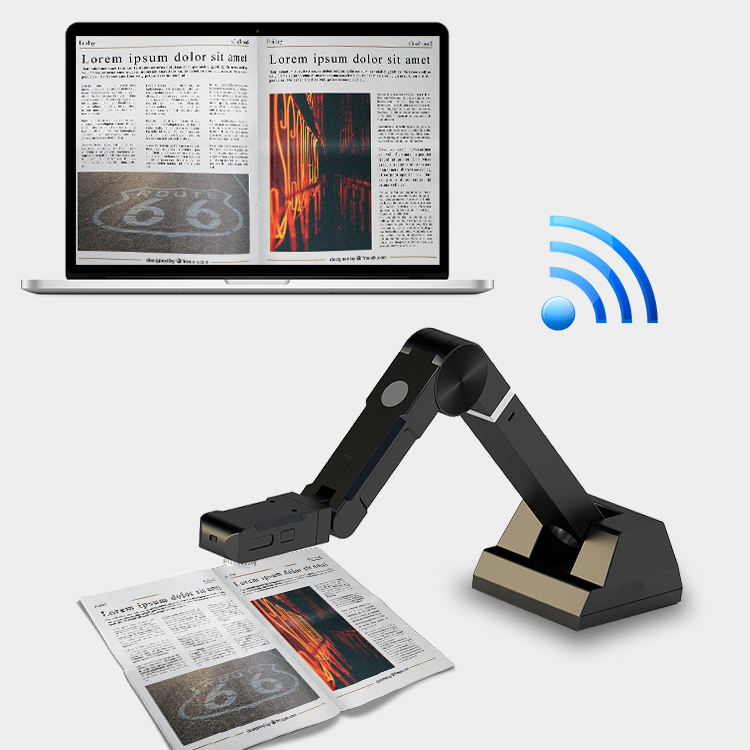
OEM USB Portable Smart Camera Visualizer Wifi A4 A3 Document Camera Visualizer for Education Book Camera
A portable smart visualizer for A3 and A4 teaching materials. The OEM USB and WiFi design supports education buyers who need cable-free demonstrations and private-label flexibility.
View product details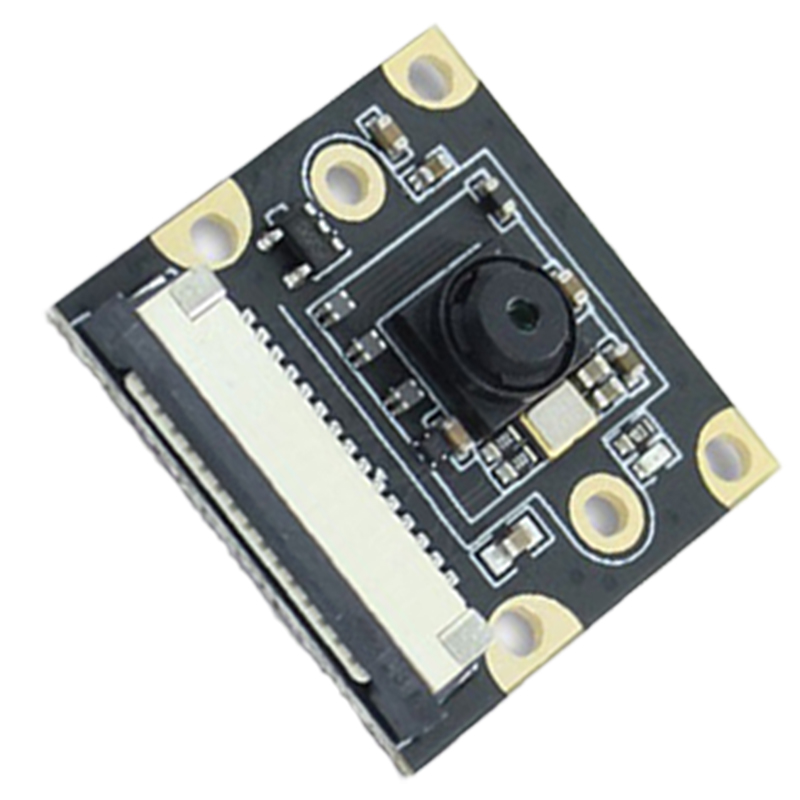
1080p/2K/4K camera module Nvidia development board sensor adjustable focal length webcam camera module
An adjustable-focal-length camera module for NVIDIA development boards, machine-vision prototypes and custom webcams. It helps product teams move from proof-of-concept to pilot production.
View product details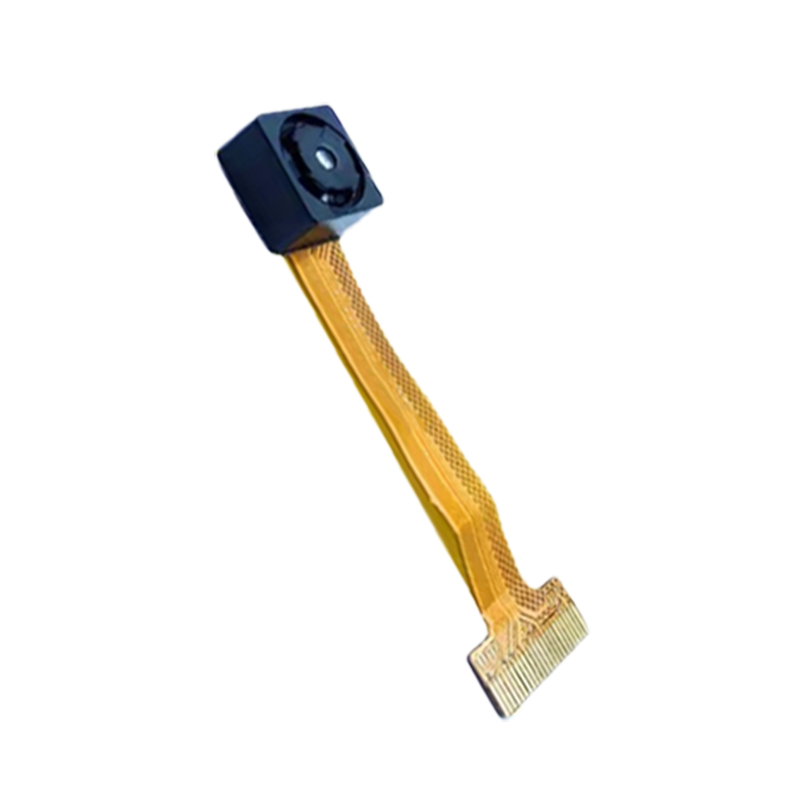
supports 1080P, 2K, 4K pixel camera modules, drone wireless image transmission with night vision and face recognition functions
A 4K-capable camera module with wireless transmission, night vision and AI functions for drone imaging, security, face recognition and embedded vision products.
View product detailsWhy Lecture Cameras Have Become a Strategic Procurement Category
Searchers use many overlapping phrases — lecture camera, document camera, visualizer, overhead scanner, presenter, book camera and teaching camera. Google and B2B buyers interpret these terms through context, application and proof of capability.
A lecture camera is no longer a simple classroom accessory. It sits at the intersection of live teaching, document digitization, remote collaboration, identity verification and embedded imaging. Schools use visualizers to show textbooks, handwriting, experiments and physical objects. Government counters use overhead cameras to capture forms and ID documents. Finance and telecom teams combine camera capture with verification workflows. Enterprises use the same hardware for video conferencing, training and paperless office projects.
For suppliers and exporters, this creates a difficult challenge: the product must be understandable at the specification level, but also credible at the application level. A buyer comparing lecture camera suppliers and exporters needs to know whether a model can show a full A3 sheet, how it behaves under low light, whether wireless transmission remains stable in a crowded school network, and whether the factory can support private label, packaging, firmware and certification documentation.
This is where information gain matters. Generic product pages list megapixels and interfaces. A high-quality sourcing guide explains the trade-offs behind those specifications. It connects buyer intent to real-world scenarios: a 13MP sensor is not automatically better for every project, a 5.8GHz wireless link is not identical to 2.4GHz WiFi, and an OEM camera module may be more appropriate than a finished visualizer when the buyer is building a larger system.
How to Shortlist the Top 10 Lecture Camera Suppliers & Exporters
A useful “top 10” shortlist should be built on evidence, not adjectives. These six evaluation areas help procurement teams compare document camera manufacturers, visualizer exporters and OEM camera module suppliers.
Education Application Depth
Look for suppliers who understand lesson delivery, book scanning, science demonstration and hybrid classrooms. A factory that only assembles cameras may miss mounting, focus and software workflow details.
Sensor and Optical Engineering
Ask for sample images in real lighting. Compare 8MP and 13MP output, auto-focus speed, low-light noise, wide dynamic range and lens options for A3, A4 and close-up capture.
Connectivity & Software Ecosystem
USB, VGA, HDMI, 5.8GHz wireless and WiFi each fit different rooms. Strong suppliers provide driver support, firmware control and clear guidance on network density and display compatibility.
Certification & Compliance
ISO9001, CE, FCC, RoHS and China 3C are baseline signals for many export markets. Verify certificates, test reports, patent claims and product labels before tender submission.
OEM / ODM Flexibility
Private label is more than a logo. Confirm housing customization, packaging design, user manual localization, firmware settings, carton marks and mixed-model container planning.
Export Execution & After-Sales
FOB, EXW and DDP support matter, but so do lead-time consistency, spare-parts policy, RMA response and technical documentation. Ask for trade history and buyer references.
Procurement Scorecard: What Serious Buyers Weight Most
An illustrative 100-point screening model used by procurement teams when comparing lecture camera suppliers, visualizer exporters and OEM camera module factories.
Supplier Screening Snapshot
Higher scores indicate stronger influence on tender success and long-term supply stability.
Lecture Camera Product Development Trends 2025–2027
Hardware trends are moving in three directions: clearer capture, more flexible connectivity and more embedded intelligence. Buyers should separate useful innovation from features that add cost without improving the teaching or verification workflow.
AI-Assisted Capture & Auto-Framing
Auto-focus is becoming baseline. The next step is AI-assisted document edge detection, auto-framing, glare reduction and intelligent exposure. These functions are especially valuable in classrooms with changing light and in service counters where operators cannot manually adjust the camera for every document.
4K & Modular Sensor Platforms
4K is moving from premium webcams into visualizers, book scanners and embedded camera modules. At the same time, modular sensor and FPC designs allow OEM buyers to reuse a core camera platform across several products. This shortens development time and improves spare-parts planning.
Wireless-First Hybrid Classrooms
5.8GHz wireless and WiFi visualizers are growing because teachers want to move around the room without losing image quality. The best products will support wired fallback, stable pairing and clear guidance on channel planning in dense school networks.
Future Procurement Trends for Lecture Camera Buyers
Purchasing behavior is shifting from one-off product purchases to multi-year supply programs. The following trends should influence RFQs, supplier audits and framework agreements.
Tender Specifications Reward Verifiable Compliance
Education and government tenders increasingly require documented certification, test reports and traceable production. Suppliers that can provide complete compliance files early will have an advantage over sellers who answer only with product photos and price lists.
Private-Label OEM Becomes the Default
Distributors want their own brand, packaging and documentation. They also need flexibility in MOQ, model mix and firmware settings. Exporters that treat OEM as a documented process — not a verbal promise — will win repeat orders.
Total Cost of Ownership & Lifecycle Support
Buyers now compare spare-parts availability, RMA response, firmware updates and installation guidance alongside unit price. A lower-cost camera with weak after-sales support can become expensive when deployed across hundreds of classrooms or service counters.
Match the Lecture Camera Specification to the Real Workflow
Use this matrix to convert teaching, office and embedded-vision requirements into a more precise RFQ.
| Decision Area | Option A | Option B | Best Fit |
|---|---|---|---|
| Resolution | 8MP: efficient for A4 textbooks and live teaching | 13MP: better for full A3 sheets, fine print and archival detail | Choose by capture area, not by megapixel alone |
| Capture Area | A4: compact desk, forms, single-page documents | A3: textbooks, drawings, maps and two-page spreads | Match the largest material the teacher or operator must show |
| Connection | USB: plug-and-play, fixed desk and counter workflows | 5.8GHz wireless: teacher movement and cable-free classrooms | Use USB for stability; use wireless where mobility is essential |
| Focus | Fixed focus: simple operation and controlled distance | Auto-focus: books, objects and changing document height | Auto-focus is usually safer for multi-material teaching |
| Lighting | Standard illumination for bright rooms | Low-light WDR for dim classrooms and uneven light | Ask for real sample images under your target lighting |
| Customization | Standard model with buyer logo and packaging | OEM/ODM with housing, firmware and module changes | Choose a factory that documents each customization step |
A strong RFQ should specify resolution, capture area, connectivity, auto-focus, light conditions, certification, packaging and target shipment schedule.

Why Eshuni Is Built for OEM/ODM Lecture Camera Programs
Shenzhen Eshuni Technology Co., Ltd. has focused on information collection and identity verification solutions since 2012. The company designs and builds high-speed document scanners, video booths, book scanners, identity verification terminals, webcams and camera modules for education, finance, insurance, telecommunications, government and enterprise buyers.
For lecture camera projects, this matters because the product is not only a camera body. It includes sensor selection, lens design, firmware settings, connectivity, mounting, packaging and compliance. Eshuni’s in-house R&D team supports product design, project design and on-site project application, giving buyers a practical path from sample evaluation to tender delivery.
- ISO9001 quality management system, with products carrying CE, FCC, RoHS and China 3C certifications where applicable.
- Own hardware and software intellectual property, supported by national patents.
- ERP-driven production and supply-chain management for consistent quality and shorter lead times.
- OEM manufacturing, buyer-label production and private-label packaging support.
- FOB, EXW and DDP terms with regular shipments to North America, South America, Western Europe, South Asia and Africa.
Lecture Camera Procurement FAQ
Direct answers to the questions buyers ask before shortlisting a document camera manufacturer, visualizer exporter or OEM camera module supplier.
What is the difference between a lecture camera, document camera and visualizer?
In B2B sourcing, the terms often overlap. A lecture camera usually describes a camera used to present materials during teaching or training. A document camera emphasizes document capture. A visualizer is a broader term for an overhead presentation camera that can show documents, objects, experiments and books. The right choice depends on whether the priority is live teaching, scanning, book capture or integration into a larger system.
Should I choose an 8MP or 13MP lecture camera?
Choose 8MP for A4 textbooks, normal classroom demonstration and cost-sensitive projects where file size and bandwidth also matter. Choose 13MP when the camera must capture full A3 sheets, fine print, engineering drawings or archival material that will be zoomed after capture. Resolution should always be tested with real content under the lighting conditions of the final installation.
Is a 5.8GHz wireless document camera better than 2.4GHz WiFi?
For many classrooms, 5.8GHz is attractive because the band is often less congested than 2.4GHz. However, performance still depends on the receiver, antenna design, room layout and number of devices nearby. A good supplier should provide pairing guidance, channel advice and a wired fallback for mission-critical teaching environments.
Which certifications should a lecture camera supplier provide?
For many export projects, buyers request ISO9001 for the factory and CE, FCC, RoHS or China 3C for the product depending on the destination market. Education and government tenders may also require test reports, patent documentation, product labels and traceability records. Ask for current documents during the sample stage, not after the purchase order is placed.
Can we order OEM or private-label lecture cameras?
Yes, provided the supplier has a documented OEM process. A serious OEM discussion should cover logo placement, housing color, packaging design, user manual localization, firmware defaults, carton marks, MOQ, sample approval and mass-production inspection. Eshuni supports OEM manufacturing, product design and buyer-label production for B2B programs.
Which trade terms and export markets are usually supported?
Common terms include FOB, EXW and DDP. Export destinations often include North America, South America, Western Europe, South Asia and Africa. Before ordering, confirm the Incoterm, port or door delivery point, insurance responsibility, packaging standard and estimated production lead time.
How should we evaluate low-light and WDR performance?
Do not rely on specification labels alone. Request sample images or a live video call using the type of document, book or object you need to capture. Test in bright light, dim light, mixed light and glare-prone conditions. For whiteboards or glossy textbooks, wide dynamic range and exposure control are often more important than raw resolution.
What camera module options exist for NVIDIA development or drone AI projects?
Buyers can evaluate adjustable-focal-length 1080p, 2K and 4K modules for NVIDIA development boards, as well as wireless transmission modules with night vision and face recognition functions for drone and embedded-vision projects. The key is to define interface, power, lens field of view, latency, compression, SDK support and mechanical fit before requesting a custom sample.
Need a Lecture Camera Supplier for Your Next Tender or Private-Label Range?
Share your target resolution, capture area, connectivity, certification and shipment schedule. Eshuni’s OEM/ODM team will recommend a matching lecture camera, document camera visualizer or custom camera module configuration.
Inquire Now