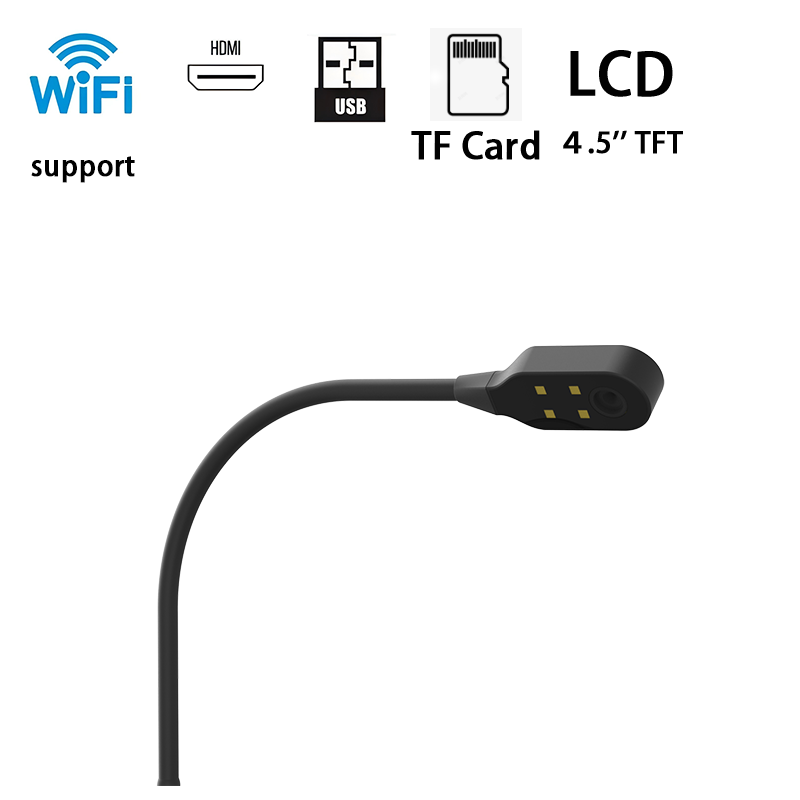
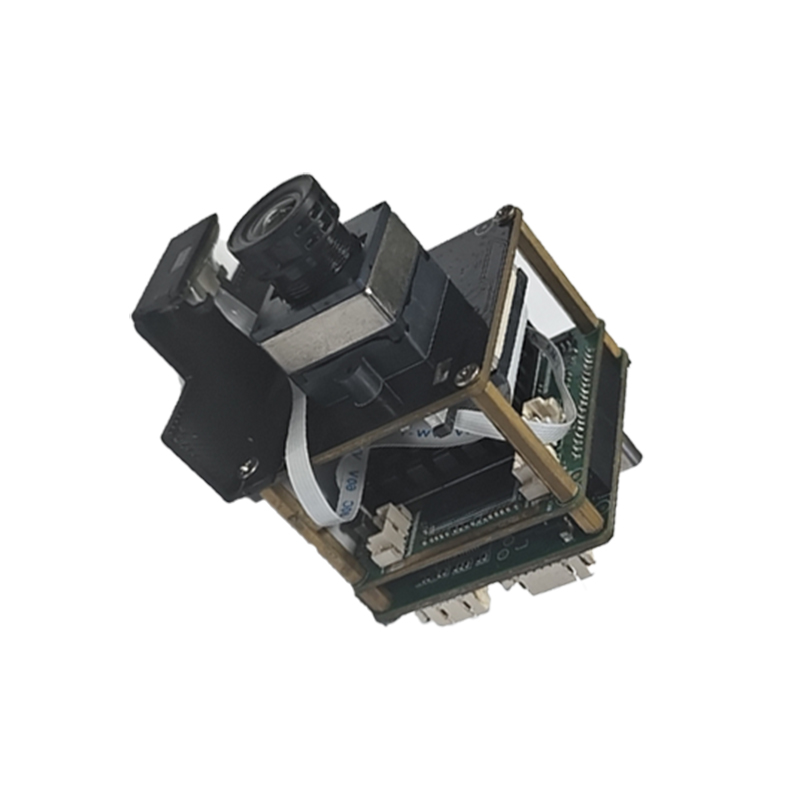
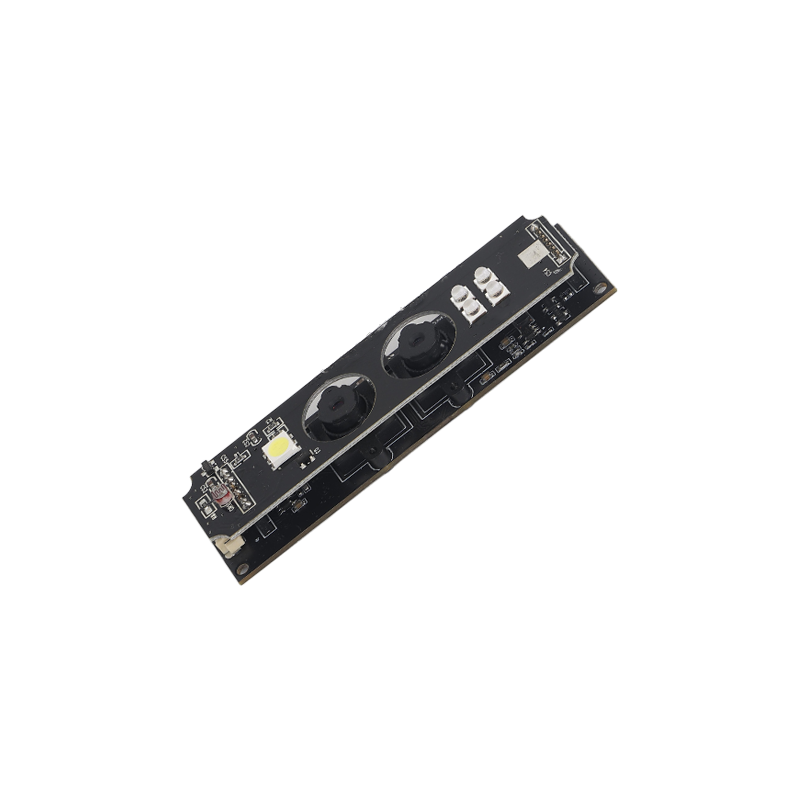
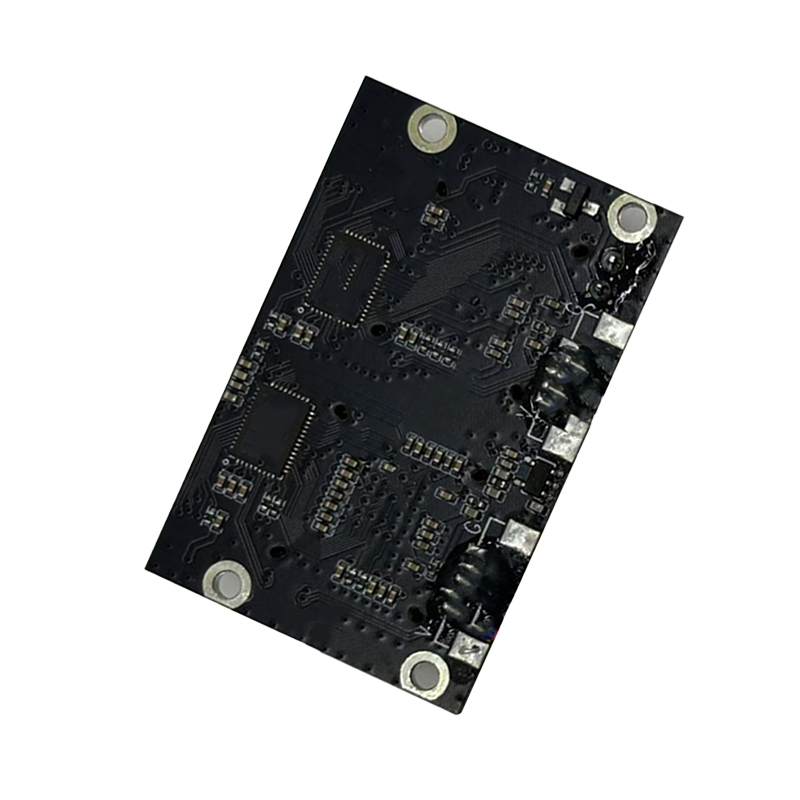
Newly Upgraded Dual 1080P Finger Vein, Palm Print & Facial Recognition Camera Module
- CMOS
- Dual 1080P
- Biometric
Multi-biometric imaging module for identity verification, access control, and secure teaching-environment authentication.
View Product →Every model below supports B2B sourcing conversations around sensor choice, capture area, connectivity, housing, packaging, firmware, and certification requirements. Product URLs are shown exactly as supplied.

Multi-biometric imaging module for identity verification, access control, and secure teaching-environment authentication.
View Product →
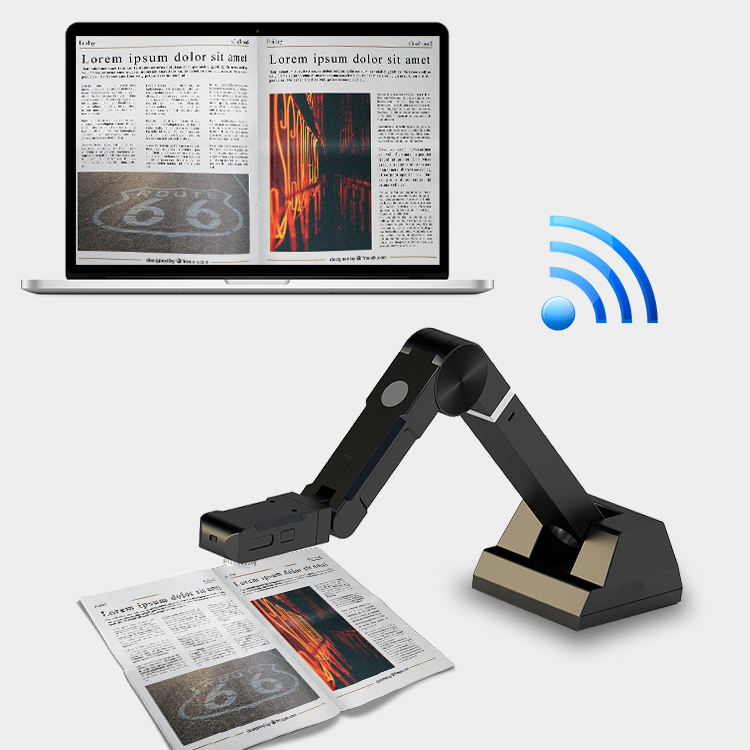
Overhead visual presenter for textbook demonstrations, hybrid lessons, and classroom book scanning.
View Product →
Multi-interface teacher camera designed for classroom displays, Mac/Windows systems, and flexible installation.
View Product →
Interface module for lesson-material sharing, document camera integration, and expanded classroom capture workflows.
View Product →
Customizable camera module for live teaching, conferencing hardware, and system-integrated education devices.
View Product →
Dual-lens module for depth-aware capture, smart terminals, and advanced teaching hardware integration.
View Product →
Compact visualizer for mobile teaching, tutoring centers, and flexible document capture in education environments.
View Product →
High-resolution overhead scanner for fine print, office digitization, and classroom visualizer deployments.
View Product →Need a different sensor, capture area, interface, housing color, logo, or packaging specification? Share your target configuration with our team.
Inquire NowTeaching cameras have moved from peripheral AV equipment to core classroom infrastructure. A modern document camera visualizer supports live annotation, hybrid lessons, recorded demonstrations, remote tutoring, and the digitization of textbooks and student work. For distributors, tender suppliers, and EdTech integrators, the sourcing decision is therefore not only about megapixels; it is about whether the manufacturer can deliver consistent optical quality, stable firmware, certification documentation, and repeatable OEM production.
Buyers searching for a top 10 teaching camera manufacturer and exporters usually compare four dimensions: manufacturing depth, product breadth, compliance readiness, and export responsiveness. The strongest suppliers can show a verified factory, in-house R&D, multiple sensor and interface options, documented quality control, and clear trade terms.
The phrase “top 10” is useful only when it is backed by a repeatable evaluation method. Treat a top 10 shortlist as a procurement standard, not a decorative badge.
Ask for factory address, production area, employee count, audit reports, and years focused on imaging products. A supplier active since 2012 with an established Shenzhen base is easier to qualify than an unknown intermediary.
Teaching cameras depend on video pipelines, auto-focus, exposure, and interface stability. In-house hardware and software teams shorten customization cycles and reduce unresolved firmware risk.
A serious manufacturer should support 5MP to 13MP document cameras, 1080P to 4K modules, and CMOS options for different price tiers. Match resolution to A3/A4 capture, print size, and zoom requirements.
USB, HDMI, VGA, Wi-Fi, and 5.8GHz wireless options suit different classrooms. Confirm driver-free UVC behavior, operating system support, and stable wireless performance in crowded school networks.
Megapixels alone do not guarantee readable text. Request sample images of small print, bound books, handwriting, and engineering diagrams under typical classroom lighting before approving a model.
Custom housing, logo, packaging, firmware strings, user manuals, and accessory bundles are standard B2B needs. Confirm tooling ownership, sample lead time, and change-control process before volume orders.
ISO9001 is a baseline; CE, FCC, RoHS, and 3C may be required by destination markets. A top supplier should provide current certificates and test reports rather than verbal claims.
Ask about incoming component inspection, aging tests, optical alignment checks, final QA, and ERP-based traceability. These controls reduce dead-on-arrival rates and protect your brand in tenders.
FOB, EXW, and DDP support, plus documented shipments to North America, South America, Western Europe, South Asia, and Africa, indicate that a supplier can manage documents, consolidation, and delivery expectations.
Pre-sales engineering advice, sample evaluation, installation guidance, and spare-parts planning matter more than a low unit price. Test supplier responsiveness before you award a contract.
Shenzhen Eshuni Technology Co., Ltd. has manufactured information capture and identity verification hardware since 2012. Its portfolio includes document cameras, visualizers, webcams, ID scanners, identity verification terminals, and camera modules for education, government, finance, telecom, and enterprise workflows.
Hardware and software developed in-house, protected by national patents, with support for product design, project design, and on-site application planning.
ISO9001 quality management system, with CE, FCC, RoHS, and China 3C certifications reported for applicable products and market requirements.
OEM manufacturing, buyer-label production, packaging customization, accessory bundling, and product design support for distributors and brands.
FOB, EXW, and DDP terms, with regular shipments to North America, South America, Western Europe, South Asia, and Africa.
ERP-driven production and supply-chain management help keep quality consistent and lead times visible. Buyers building a top 10 teaching camera exporter shortlist can review Eshuni’s company profile, trade capacity, trade history, and credit index before requesting samples. Final specifications, certification scope, MOQ, and lead time should always be confirmed in writing for each model and destination market.
Education buyers are rewriting specifications around hybrid teaching, compliance risk, total cost of ownership, and supply resilience.
Recorded and hybrid teaching are now normal procurement scenarios. Buyers increasingly require cameras that work with video conferencing, learning management systems, and lecture capture tools without complex drivers.
Public tenders and large school rollouts request ISO9001, CE, FCC, RoHS, and 3C documentation before technical evaluation. Exporters that supply current certificates and consistent model naming reduce bid risk.
Procurement teams now evaluate sample quality, failure rate, spare-parts availability, packaging durability, and after-sales response. A slightly higher unit price from a factory-direct source can be cheaper over three years.
Wireless teaching cameras are popular, but school Wi-Fi is congested. Buyers ask for 5.8GHz options, clear channel guidance, and fallback USB modes so integrators can plan access points and avoid latency complaints.
Data protection policies in education are tightening. Even when a document camera does not record to the cloud, buyers prefer suppliers that explain data flows, local storage behavior, firmware update controls, and accessory options.
Distributors want differentiated products rather than identical catalogue items. Private-label packaging, custom firmware strings, regional accessories, and model-number control are becoming standard requests.
Hardware roadmaps are moving toward smarter processing, modular design, and flexible classroom integration.
Sensor resolution continues to rise, but the bigger differentiator is image signal processing. Expect better exposure control, text sharpening, color accuracy, and low-light performance for classroom legibility.
Dual-camera designs are expanding from government counters into education workflows. One camera can capture the document while another captures the teacher or student, supporting recorded lessons and assessment review.
Auto-framing, page-boundary detection, de-skewing, and text enhancement reduce manual adjustment during live lessons. Winning products will keep AI processing local or clearly documented for privacy review.
CMOS camera modules and FPC assemblies developed for document cameras are being adapted for AR smart glasses, visual assistants, and portable inspection devices. Control over module design becomes a strategic advantage.
Foldable visualizers are in demand for multi-room teaching, tutoring centers, and mobile training. Weight, hinge durability, and cable management are becoming as important as resolution.
Classrooms rarely standardize on one interface. Product roadmaps increasingly include USB-C, HDMI, VGA, and wireless options in the same family, helping distributors serve legacy equipment and new hybrid classrooms.
Practical answers for importers, tender suppliers, distributors, and private-label education brands.
Share your target resolution, capture area, connectivity, certification market, packaging requirement, and order volume. Eshuni’s team can recommend a teaching camera platform and confirm OEM/ODM options for your project.