Eight Product Families for Automatic Book Capture, Visualizers and OEM Imaging
These are the product families global buyers most often evaluate when sourcing book scanners, document cameras and adjacent imaging hardware from China. Every model can be discussed for OEM, private-label and project-specific configuration.
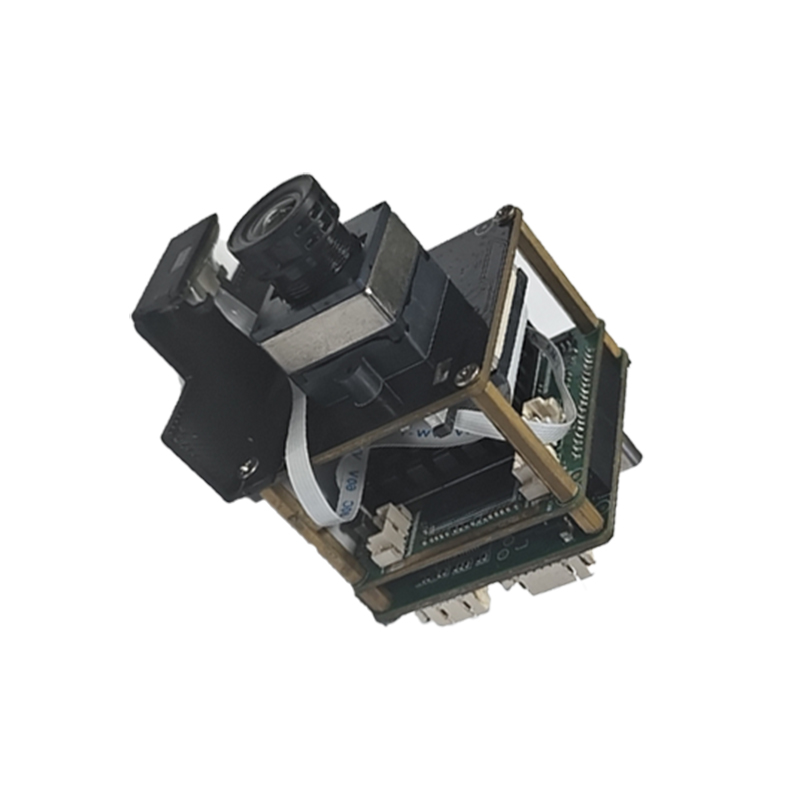
Factory customized HD live streaming conference/teaching 4K camera module compatible with multiple systems
Multi-system 4K module for conference, teaching and live production hardware where stable video transmission matters.
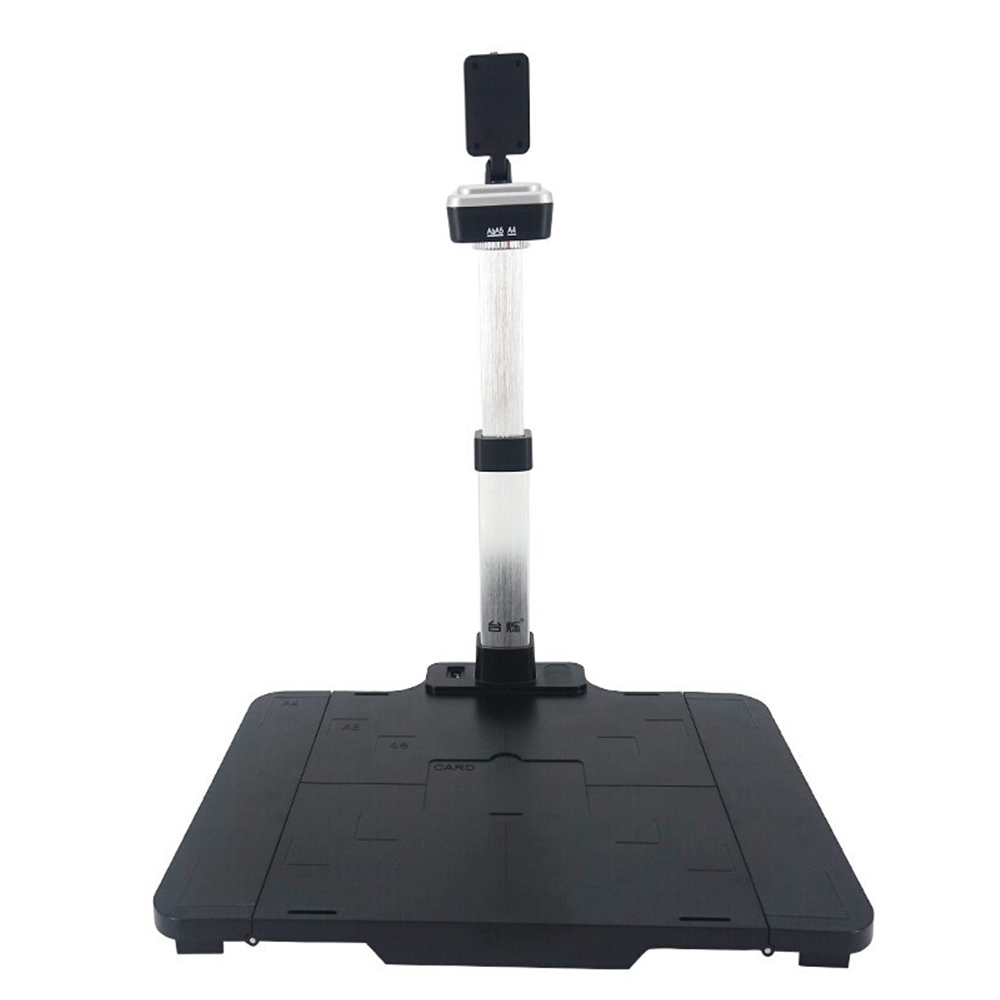
OEM HD 5MP double Camera Document camera Scanner For Government document camera
Dual-lens capture for government counters that need document images and applicant identity context in one workflow.
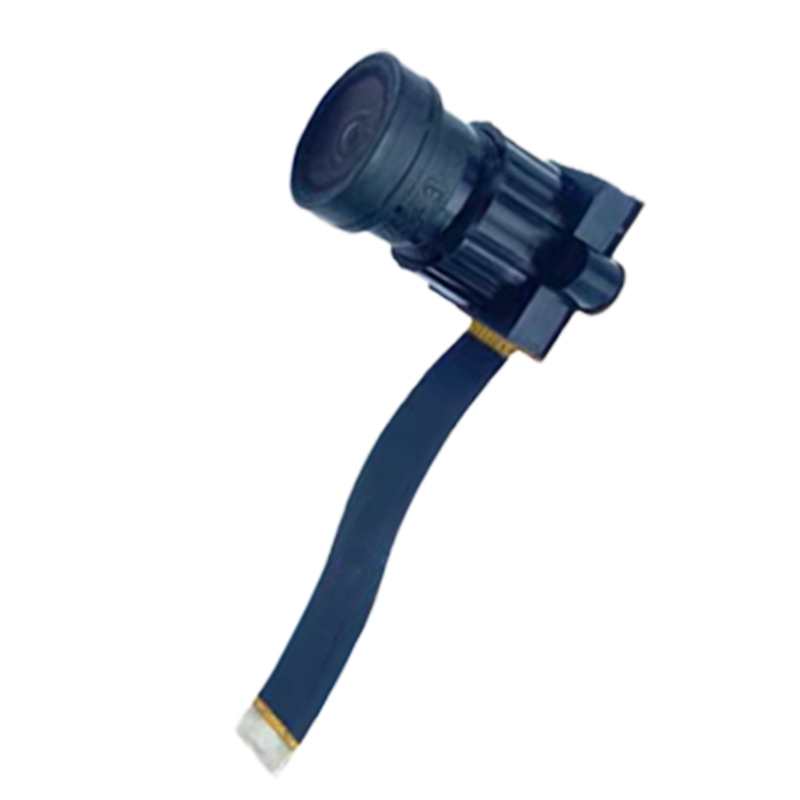
Professional manufacturer's CMOS sensor MIPI camera module 1080P 2K 4K drone wireless video transmission camera module
MIPI camera module platform for drone, AR, wearable and embedded vision projects requiring custom hardware integration.
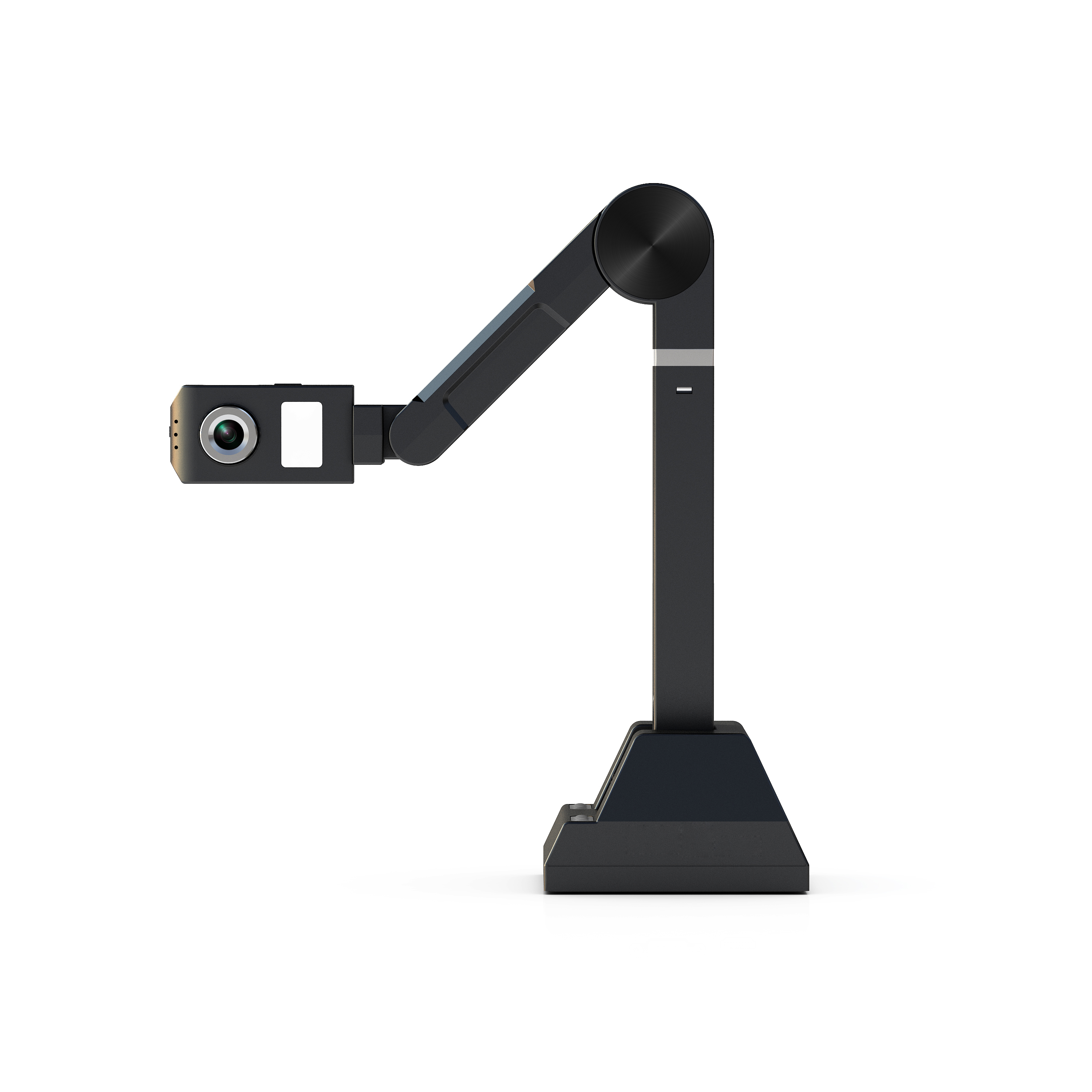
New design HD Camera 8MP 13MP auto focus Document Camera Scanner online educational equipment
Auto-focus overhead scanner for online teaching, textbook capture and visual presentations with clear text reproduction.
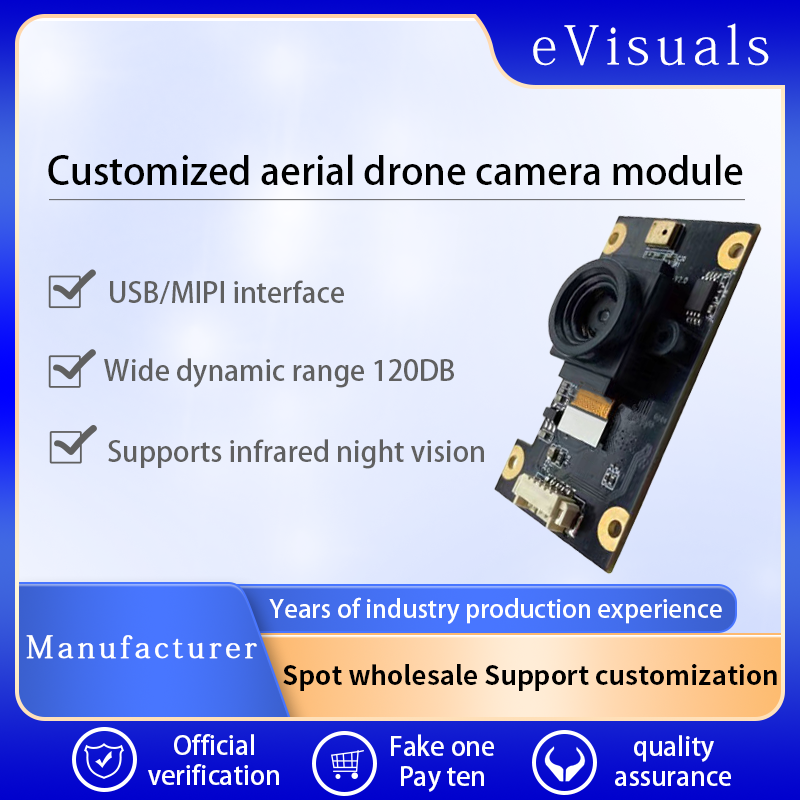
Factory customized 1080p 4K drone wireless video transmission HD aerial photography face recognition camera module
Custom wireless video module for aerial imaging, recognition hardware and embedded OEM products with demanding size limits.

China Document Camera A3 Portable Wireless 13mp Visualizer Document Camera
Portable A3 wireless visualizer for classrooms, training rooms and field presentations that need larger capture coverage.
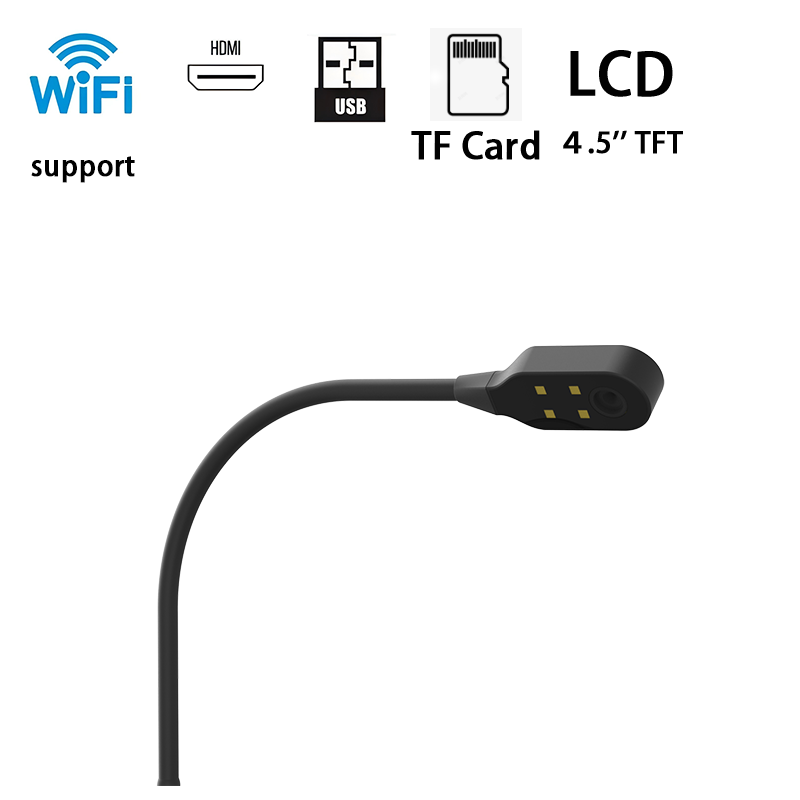
Support VGA WIFI Interface for Teacher Teaching Files, Camera and High Camera
Multi-interface teaching visualizer for mixed legacy and wireless classroom environments, reducing upgrade friction.
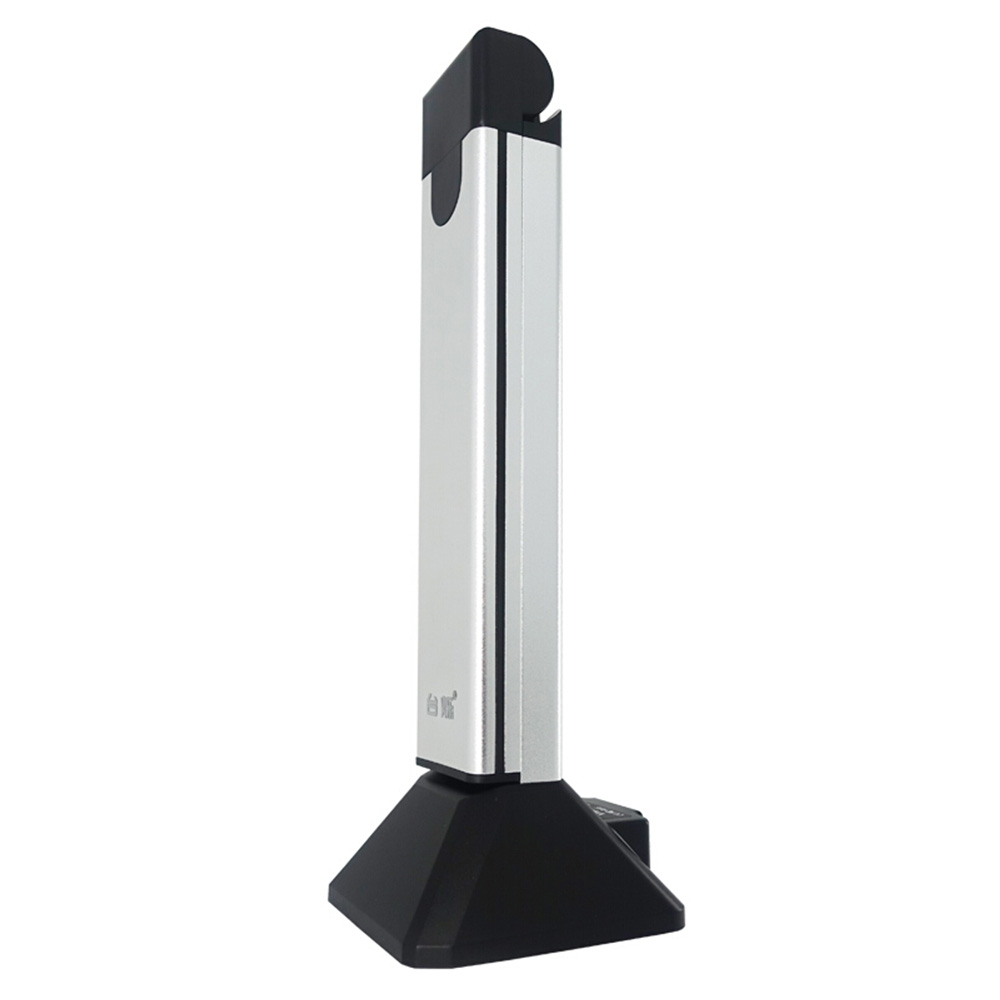
Document camera page camera high speed page scanner for online educational equipment
High-speed page capture scanner for education and office digitization where repeated book and paper scanning is daily work.
Need a mixed container, private label or tender-specific configuration?
Contact UsWhat “Automatic Book Scanner” Really Means to a Serious B2B Buyer
Most buyer searches combine three ideas: automatic page capture, overhead book scanning and wholesale sourcing. They do not always mean the same machine, and that ambiguity affects quotations, tender compliance and total cost of ownership.
A true robotic page-turning scanner is a specialized archive system. In contrast, many China suppliers use “automatic book scanner” for an overhead document camera with auto-focus, auto-exposure and software-assisted page capture. Others mean a portable visualizer for teaching, a book-edge scanner for fragile collections, or a high-speed page scanner for office digitization. Before you compare supplier quotations, define the workflow: Is the operator manually turning pages while the device auto-captures? Is the device mounted over a bound book? Does the software need OCR, de-skew, curvature correction and export to a document management system? The answer changes the camera resolution, lighting design, working distance and compatibility requirements.
This is where information gain matters. A credible supplier should help you distinguish hardware from workflow. Eshuni approaches book capture as an imaging and integration problem: sensor selection, lens choice, illumination, wireless or USB connectivity, firmware stability and OEM customization all affect the final image. That engineering perspective is more valuable than a generic quotation sheet because it prevents hidden costs after the sample has been approved.
Lens and Sensor Clarity
Text legibility after zoom is determined by resolution, lens quality and lighting uniformity, not megapixels alone.
Auto-Capture Software
Page detection, OCR, de-skew and export options should be validated with your own sample books and documents.
Capture Area Fit
A3 coverage matters for full spreads and engineering drawings; A4 is usually enough for standard textbooks.
Tender-Ready Compliance
Certifications, interfaces and documentation must match the tender specification before samples are shipped.
2025–2030 Procurement Trends for Automatic Book Scanner Wholesale
Buyers are no longer purchasing isolated hardware. They are buying classroom continuity, records digitization, identity verification workflows and long-term serviceability.
Hybrid Classroom Continuity
Schools will favor visualizers that work with USB, HDMI, VGA and wireless networks without disrupting existing lesson plans.
AI and OCR Workflow
Automatic cropping, curvature correction and searchable PDF output will become buying criteria, not optional extras.
Data and Privacy Review
Government, finance and education projects increasingly require local data policies, offline modes and clear software ownership.
Total Cost of Ownership
Wholesalers will compare spare-part availability, firmware updates, packaging quality and mixed-container flexibility.
A second shift is visible in sourcing structure. Importers want fewer suppliers with broader imaging ranges: a document camera for education, a book scanner for records management, a dual-camera unit for public counters and a camera module for OEM projects. Consolidating these products with one qualified manufacturer can reduce communication cost, sample cycles and shipment complexity. At the same time, prudent buyers keep a dual-source strategy for critical components such as sensors, lenses and wireless modules. The winning supplier is therefore not simply the lowest quotation, but the one that can document its process, support customization and maintain consistent quality across repeat orders.
What the Next Generation of Automatic Book Scanners Must Do
The hardware roadmap is converging around sharper imaging, faster workflow and better integration with existing IT infrastructure.
Higher Resolution Without Slower Capture
13MP, 4K and high-frame-rate sensors are becoming practical for A3 capture, but the system must keep focus, exposure and transfer speed stable under classroom or counter conditions.
AI-Assisted Image Cleanup
Automatic page boundary detection, shadow reduction, de-skew, finger removal and OCR pre-processing will differentiate usable book scanners from basic cameras.
Wireless and Wired Coexistence
Buyers increasingly expect 5.8GHz wireless freedom alongside USB plug-and-play, VGA/HDMI compatibility and stable fallback when school networks are congested.
Dual-Lens and Multi-View Systems
Government, banking and telecom counters need document evidence and identity context. Dual-camera modules reduce workstation complexity and operator error.
Portable and Space-Saving Form Factors
Foldable visualizers, compact bases and lightweight housings suit mobile teaching, temporary service desks and field documentation teams.
OEM Software and Hardware Flexibility
Private-label buyers want customizable firmware, boot screens, packaging, connectors, sensors, lenses and SDK access to fit their own brand and market.
Match the Product Family to the Real Buying Intent
Use this matrix as a starting point for RFQ discussions. Final specifications should always be confirmed against sample scans, interface requirements and local certification needs.
| Product Family | Typical Buyer Intent | Why It Fits |
|---|---|---|
| 4K Live Streaming Camera Module | Conference, teaching and live production hardware | Multi-system 4K module for OEM integration and stable video transmission. |
| OEM 5MP Dual-Lens Document Camera | Government counters, identity verification, service desks | Captures documents and applicant context in a single counter workflow. |
| CMOS MIPI Camera Module | Drone, AR, wearable and embedded vision projects | Custom sensor and FPC module design for space-constrained OEM hardware. |
| 8MP / 13MP Auto-Focus Scanner | Online education, textbook capture, live demonstration | Auto-focus overhead imaging with clear text and flexible classroom use. |
| 4K Wireless Video Module | Aerial imaging, recognition hardware, custom cameras | Wireless video transmission in a compact OEM module format. |
| A3 13MP Wireless Visualizer | Large document capture, portable teaching, field training | A3 coverage and wireless operation for classrooms and mobile presentations. |
| VGA / WiFi Teaching Visualizer | Legacy classroom upgrades and mixed-interface projects | Supports teachers who need current connectivity without replacing all displays. |
| High-Speed Page Scanner | Education digitization, office paper capture, archives | Designed for repeated page capture where speed and image consistency matter. |

Why Eshuni Is a Practical China Wholesale Partner for Book Scanners
Shenzhen Eshuni Technology Co., Ltd. is a manufacturer and solution provider for information collection and identity verification. Since 2012, we have designed and built high-speed document scanners, video booths, book scanners, identity verification terminals, webcams and camera modules for global B2B buyers.
Our devices support digital transformation in education, finance, insurance, telecommunications, government and enterprise. The company is backed by an in-house R&D team and provides three levels of technical support: product design, project design and on-site project application. ERP-driven production and supply-chain management help keep quality consistent and lead times manageable across repeat orders.
For wholesale and private-label buyers, the value is not only the product itself. It is the ability to align a sensor, lens, housing, interface, firmware, packaging and certification path with a real market requirement. Core hardware and software are developed in-house and protected by national patents, giving OEM/ODM projects a stronger technical foundation.
- OEM, ODM and buyer-label production support.
- ISO9001 quality management system and CE, FCC, RoHS and 3C certifications.
- Product design, project design and on-site project application support.
- FOB, EXW and DDP delivery terms with regular shipments to five major export regions.
How to Compare China Automatic Book Scanner Suppliers Before You Order
A low unit price can hide weak sample quality, unclear software ownership or slow after-sales response. Use a structured audit rather than a single quotation comparison.
Verify the Real Factory and R&D Capability
Ask for factory video, production-line evidence, patents or software documentation. Confirm whether the supplier designs modules and firmware or only assembles third-party parts.
Test Sample Scans with Your Own Documents
Send dense text, thin paper, glossy pages, handwritten notes and A3 spreads. Evaluate legibility after zoom, shadow control, auto-focus speed and page-edge detection.
Clarify Software, SDK and Data Handling
Confirm what is included: drivers, OCR, export formats, firmware customization and SDK access. For government or finance projects, document offline modes and data rules.
Lock Down Certifications and Trade Terms
Check ISO9001, CE, FCC, RoHS, 3C or destination-specific requirements. Confirm FOB, EXW or DDP terms, packaging tests, spare parts and warranty workflow before mass production.
Where Automatic Book Capture and Visualizers Deliver Measurable Value
The same imaging platform can serve very different workflows. The ROI comes from reducing handling time, improving image consistency and fitting the device into existing processes.
Education
Live demonstration, textbook sharing, hybrid lessons, homework review and remote teaching with clear overhead images.
Government and Telecom
Document capture, identity verification, real-name registration and public-service counters with dual-camera options.
Finance and Insurance
KYC checks, contract digitization, claims documentation and fast evidence capture at service windows.
Enterprise and Archives
Paperless office projects, records management, barcode labels, bound-book capture and searchable digital filing.
China Automatic Book Scanner Wholesale and OEM Questions
These are the questions procurement teams, tender specialists and private-label buyers ask most often when evaluating a China supplier.
What is the difference between an automatic book scanner and a document camera?
+
Does Eshuni support OEM, ODM and private-label wholesale?
+
Which certifications and quality systems do you provide?
+
How do I choose between 8MP, 13MP and 4K models?
+
What is the difference between USB and 5.8GHz wireless book scanners?
+
Which trade terms and export markets are supported?
+
Request a Specification Review or Private-Label Quote
Share your target capture area, resolution, connectivity, software requirements, annual volume and destination market. Our engineering team will help you choose the right automatic book scanner, visualizer or OEM camera module for the project.
Contact Us