8 Foldable Document Scanner & Imaging Products for Serious B2B Buyers
This shortlist is built for importers, tender teams, distributors and OEM product managers who need a credible starting point before an RFQ. Every product below can be quoted as a standalone SKU or developed into a private-label configuration. Images are displayed without cropping or forced compression; product links preserve the original destinations. Where a buyer needs a different sensor, lens, housing, cable, firmware or packaging format, the factory engineering team can review the specification.
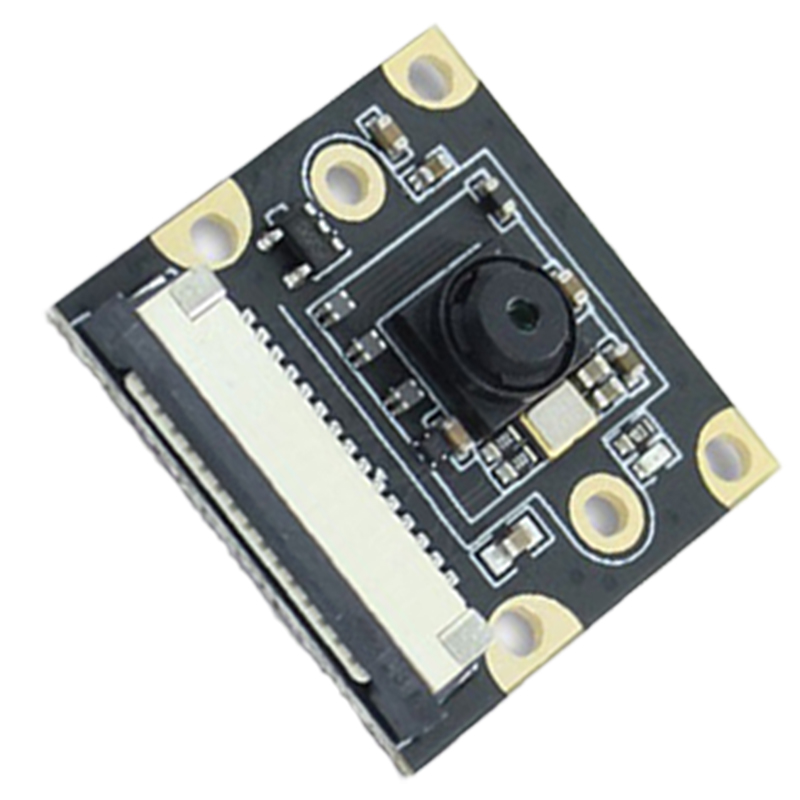
1080p, 2K & 4K Adjustable-Focus Camera Module for Nvidia Development Boards
A board-level imaging module for AI vision prototyping, edge inference and embedded development. Adjustable focus helps system integrators tune working distance across lab rigs, robotics and inspection fixtures.
View product details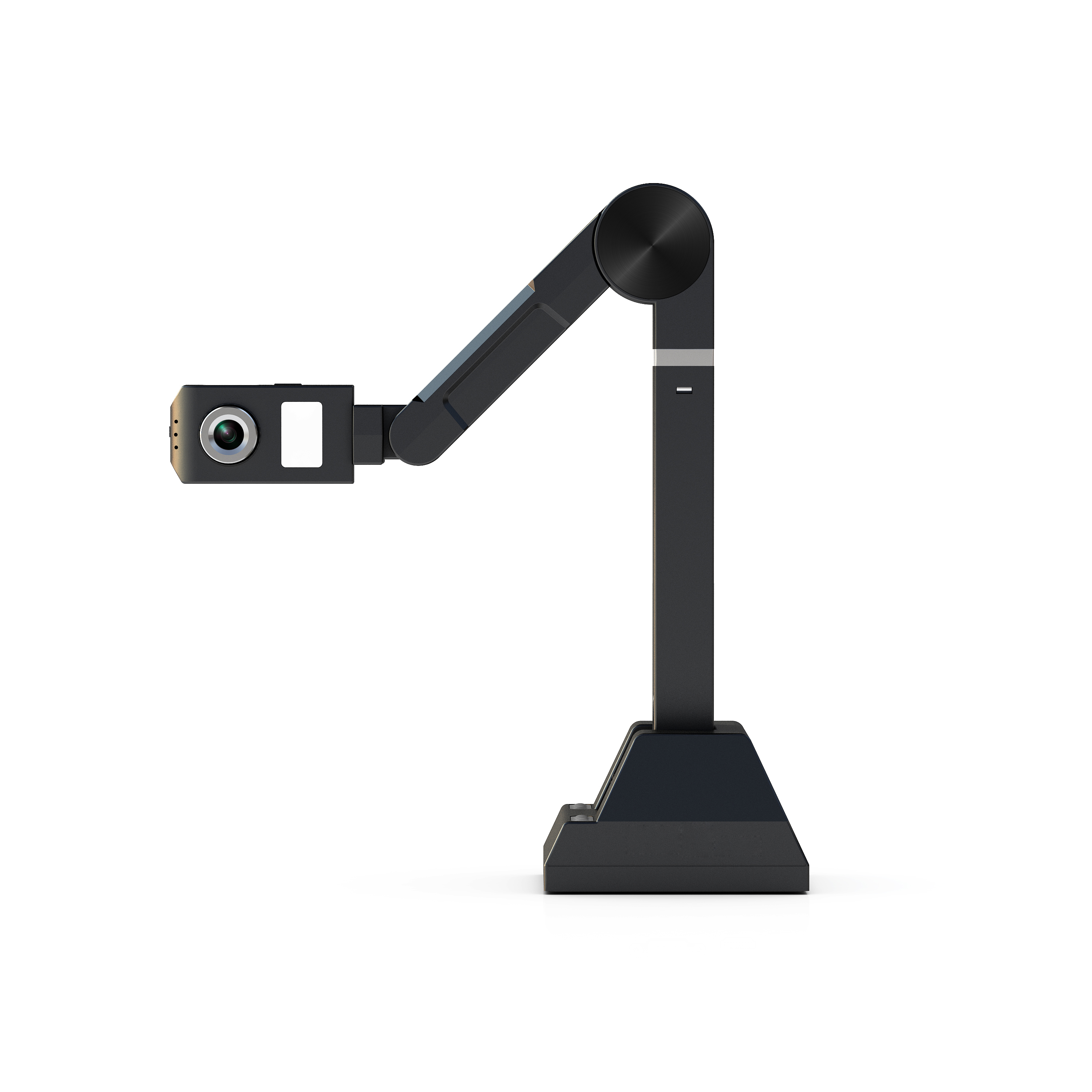
HD 8MP / 13MP Auto-Focus Document Camera Scanner for Online Education
A teaching-ready document camera with auto-focus for worksheets, textbooks and live demonstrations. The 8MP tier suits A4 lessons, while 13MP configurations support denser A3 content and zoomed image review.
View product details
A3 Portable Wireless 13MP Visualizer Document Camera
A foldable, portable visualizer for classrooms, training rooms and mobile teaching. Wireless operation reduces cable clutter, and 13MP capture supports full A3 sheets, diagrams and detailed printed material.
View product details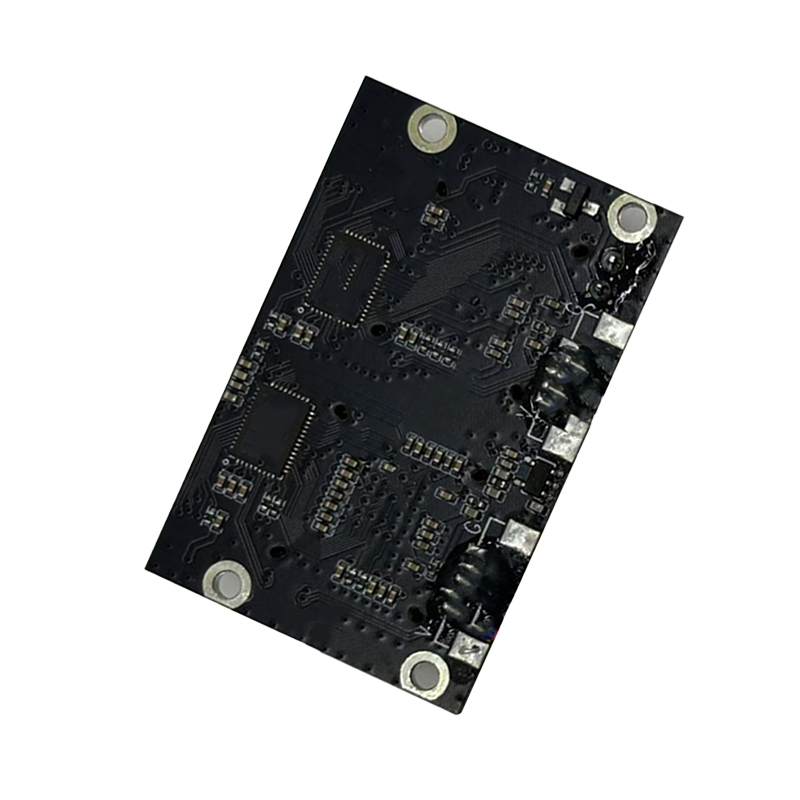
Dual 1080P Face, Palm Vein & Finger Vein Recognition Camera Module
A multi-biometric module for identity-verification terminals, access-control kiosks and fintech projects. Dual 1080P capture supports face, palm-vein and finger-vein workflows when paired with the buyer algorithm stack.
View product details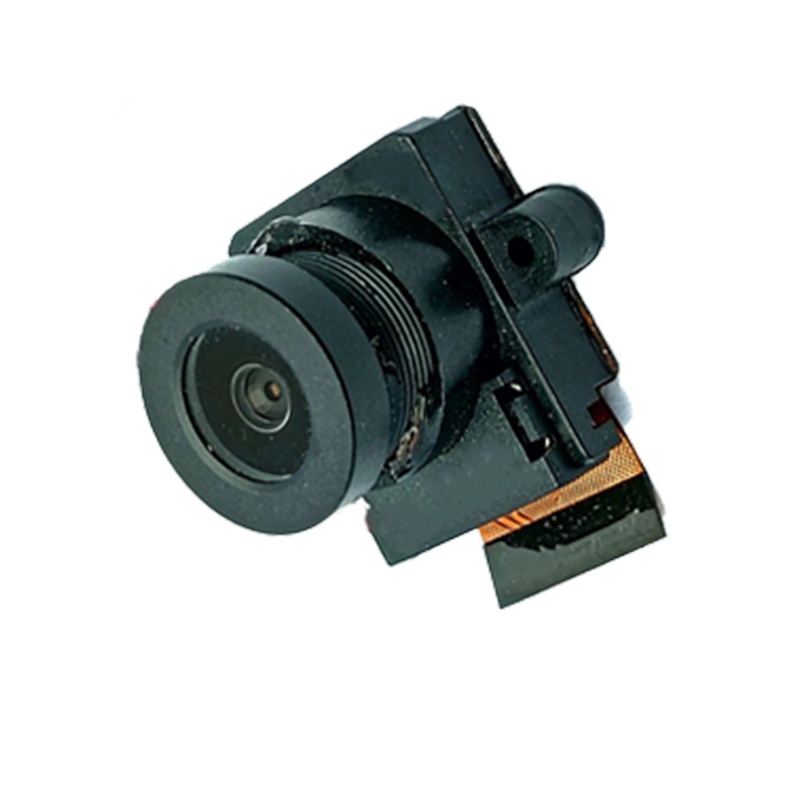
1080p HD Body Camera with Night Vision and Audio/Video Recording
A compact recording device for field service, inspection and evidence-capture workflows. Night vision, audio capture and 1080p video support deployments where portability and simple operation matter.
View product details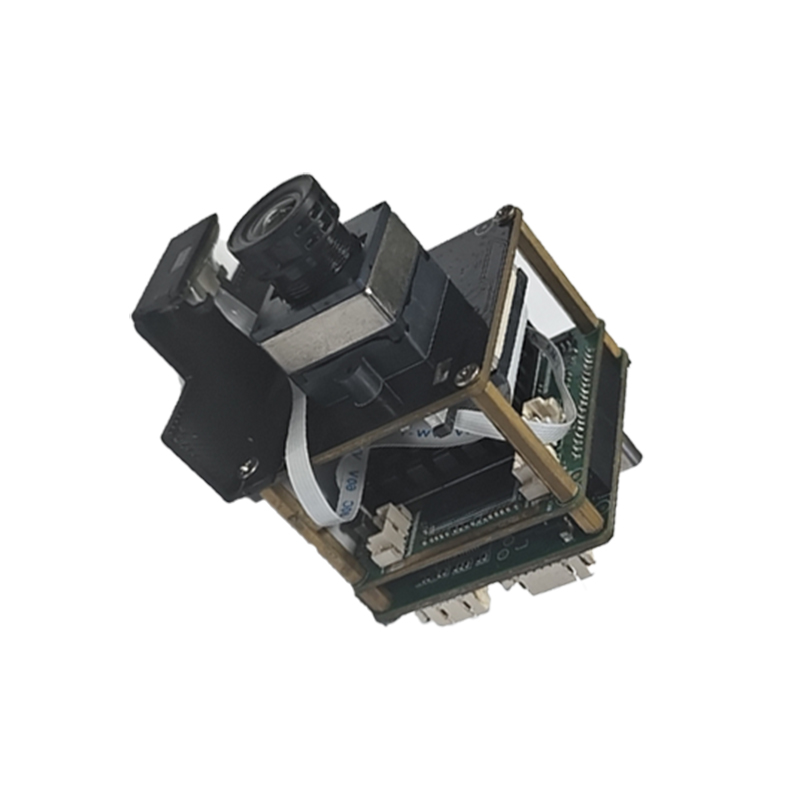
Customized 4K Live Streaming Camera Module for Conference & Teaching
An OEM module for video-conferencing rooms, lecture capture and multi-system teaching setups. Buyers can discuss resolution, interface, housing and firmware requirements with the factory engineering team.
View product details
1080P 30fps USB2.0 CMOS Camera Module with Ultra-Low-Light WDR
A monocular USB camera module for kiosks, document capture and machine vision. Wide dynamic range and low-light performance help maintain usable images in mixed indoor lighting.
View product details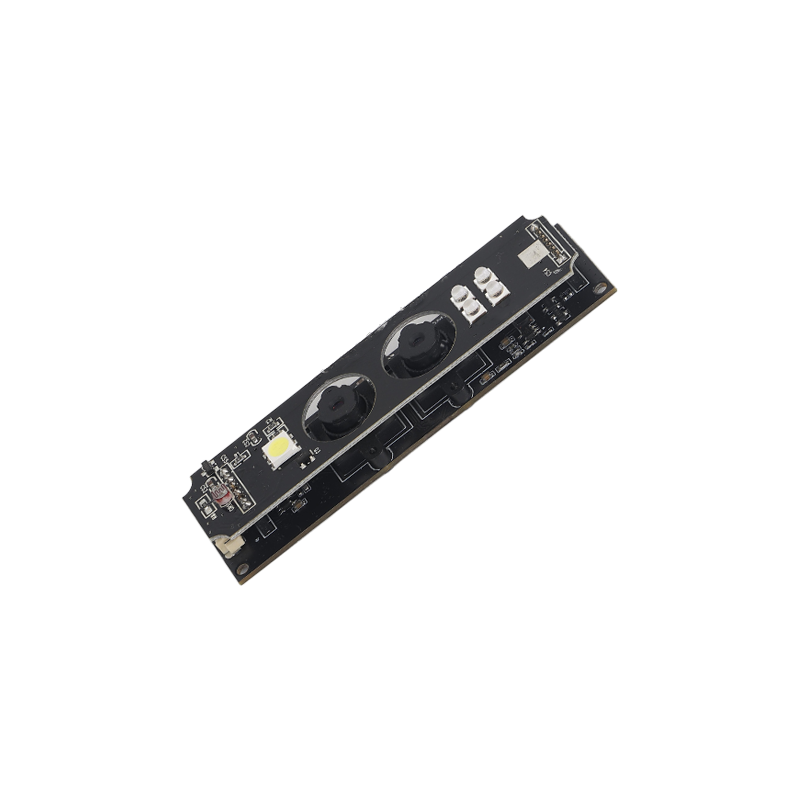
1080P / 2K / 4K HD Binocular Wide Dynamic Auto-Focus Camera Module
A dual-lens module for depth-related imaging, stereo vision and advanced document-capture designs. Auto-focus and fixed-focus variants can be discussed for different integration constraints.
View product detailsVerifiable Capability Signals Before You Shortlist a Supplier
Procurement teams usually begin with the same filters: manufacturing history, engineering depth, quality system, export experience and production capacity. The figures below summarise the public Eshuni company profile and trade-capacity information.
Years of R&D focus in document camera, visualizer and imaging hardware since 2012.
Square metres of factory floor area in Shenzhen, supporting assembly and quality control.
Employees on site across production, engineering, quality and supply-chain functions.
Major export regions: North America, South America, Western Europe, South Asia and Africa.

Shenzhen Eshuni Technology Co., Ltd.: A Supplier-Exporter Built for Due Diligence
Founded in 2012, Shenzhen Eshuni Technology Co., Ltd. manufactures and supplies information-capture and identity-verification hardware. The portfolio covers high-speed document scanners, video booths, book scanners, identity-verification terminals, webcams, document cameras, visualizers and camera modules. Buyers use these devices in education, finance, insurance, telecommunications, government and enterprise workflows.
Unlike a trading-only supplier, Eshuni presents a factory-controlled model: in-house R&D, ERP-driven production and supply-chain management, and hardware and software developed as own intellectual property. The company reports national patents covering core hardware and software. Its engineering support is organised around three levels — product design, project design and on-site project application — so a buyer can move from a sample request to a tender-ready specification without losing technical continuity.
The Shenzhen facility covers more than 3,000 m² and employs 100+ people. The factory operates an ISO9001 quality management system; product programs reference CE, FCC, RoHS and China 3C compliance. Trade terms include FOB, EXW and DDP, with regular shipments to North America, South America, Western Europe, South Asia and Africa.
Before placing a volume order, use the public record: company profile, trade capacity, transaction level, trade history, credit index and buyer feedback. A trustworthy foldable document scanner supplier should make those checks easy, not hide them behind a sales conversation.
Six Supplier Advantages That Matter in Real Procurement
Price is only one line in a landed-cost model. These are the capabilities that determine whether a first order becomes a repeatable product line.
OEM / ODM & Private Label
Buyers can discuss logo, packaging, housing colour, accessories, firmware strings and user manuals. The R&D team supports product design, project design and on-site application, which is especially useful for tender-specific SKUs.
In-House R&D and Own IP
Core hardware and software are developed in-house and protected by national patents. That matters when a buyer needs a stable BOM, long-term firmware support or a differentiated mechanical design.
ERP-Controlled Production
ERP-driven production and supply-chain management support repeatable quality and shorter lead-time planning. For distributors, this is the difference between a one-off sample and a replenishable product line.
Certification & Quality Documentation
ISO9001 system controls; CE, FCC, RoHS and 3C product programs. Ask for the exact certificate scope, report version and model coverage for your destination market.
Global Trade & Delivery Terms
FOB, EXW and DDP are supported, with export experience across five major regions. DDP can simplify landed-cost planning for importers, while EXW/FOB can suit buyers with established freight forwarders.
Application Engineering Support
Support is not limited to a spec sheet. The three-level technical support model covers product design, project design and on-site project application, enabling smoother integration into classrooms, counters and identity-verification systems.
Recommended Configurations by Buying Scenario
Start with the workflow, not the megapixel number. The four scenarios below map to the product families most often requested by importers, tender teams and OEM buyers.
Education & Hybrid Learning
Consider a 13MP A3 wireless visualizer, an 8MP/13MP auto-focus document camera and a 4K live streaming module. Procurement note: specify capture area, zoom, UVC compliance and whether 5.8GHz wireless is permitted by school IT policy.
Office & Archive Digitisation
Use an auto-focus document scanner for contracts, bound books and records, supported by a 1080P USB2.0 WDR module for kiosk or embedded capture. Procurement note: confirm OCR/TWAIN expectations, file output and long-run ergonomics.
Government, Finance & Telecom Counters
Evaluate dual-camera identity capture, a dual 1080P biometric module and field-recording devices. Procurement note: separate hardware validation from algorithm validation, and document where identity images are processed, stored and deleted.
OEM / ODM Product Teams
Use the 4K Nvidia development module, low-light USB2.0 module or binocular wide-dynamic module as a platform. Procurement note: lock the lens, FPC, interface, housing and firmware requirements early to avoid re-tooling later.
Specification Signals to Compare Before You Request Samples
Megapixels alone do not predict a successful deployment. Use the four selection signals below to structure your RFQ and sample test.
A4 Teaching & Lesson Capture
8MP8MP is usually enough for A4 worksheets and textbook pages. Check auto-focus speed, frame rate, UVC compatibility and how the software handles glare from laminated paper.
A3 Fine Detail & Drawings
13MP13MP becomes relevant when A3 sheets, dense annotations or zoomed review must stay legible. Test the full capture area, edge sharpness and low-light performance.
Wireless Classroom Mobility
5.8G5.8GHz wireless can reduce congestion versus 2.4GHz in busy school networks. Keep a USB fallback for exams, locked-down computers and servicing.
Identity & Multi-Camera Capture
DUALDual-camera and biometric designs need stable frame rates, synchronisation, SDK support and clear data-privacy boundaries. Validate the algorithm stack separately.
Bars express relative selection emphasis for each scenario; they are not laboratory benchmark scores.
Foldable Document Scanner Procurement Trends for 2025–2030
Tenders and private-label ranges are shifting from “a camera on an arm” to a managed capture platform. The following six trends are practical scoring criteria, not futuristic claims.
Total Cost of Ownership Replaces Lowest FOB Price
Procurement teams increasingly score firmware updates, spare parts, warranty response, remote diagnostics and packaging durability. A low unit price with no lifecycle support becomes expensive after deployment.
Supply-Chain Resilience Becomes a Product Feature
Buyers ask for ERP visibility, stable BOMs, alternate component planning and predictable lead times. DDP or regional stock options can reduce risk for distributors and tender winners.
Compliance and Privacy Move Into the RFQ
ISO9001, CE, FCC, RoHS and 3C are baseline questions. Education and government buyers also ask where image data is processed, retained and deleted; local processing and clear documentation reduce approval friction.
Wireless and Hybrid Classroom Readiness
5.8GHz wireless, USB fallback, driverless UVC and cross-platform software are becoming standard expectations. The winning design is not simply wireless; it is wireless that still works when IT policy changes.
AI-Assisted Capture and Software Integration
Auto-framing, document flattening, OCR triggers, handwriting support and LMS/video-conference integration are moving from premium features to differentiators. Buyers should request test files and workflow demonstrations.
Modular Customisation Instead of Full Redesign
Sensor, lens, FPC, housing, interface and firmware options let OEM buyers create market-specific SKUs without paying for a completely new platform. This shortens development cycles and reduces tooling risk.
Product Development Trends Reshaping Foldable Visualizers and Camera Modules
These design directions are visible across education, office and identity-verification hardware. They also indicate what buyers should put into a multi-year supply agreement.
Better Foldable Mechanics
Hinge stability, cable routing, balance and one-hand setup are now quality issues. A foldable document scanner that drifts, pinches cables or wobbles under a camera will fail in daily classroom use.
Resolution With Manageable File Size
8MP, 13MP and 4K options continue to expand, but compression, frame rate and storage strategy matter. Buyers need crisp text without creating unmanageable files for teachers or clerks.
Auto-Focus, WDR and Low-Light Performance
Mixed lighting, glossy paper and hand shadows are common. Wide dynamic range, fast focus and low-noise sensors often matter more than a higher megapixel count.
Multi-Camera Architecture
Document-plus-face, binocular and biometric modules are creating new device categories for counters, kiosks and access control. Synchronisation, SDKs and privacy design become part of the product definition.
Driverless USB-C and UVC Deployment
Schools and enterprises prefer peripherals that work without admin rights or extra drivers. UVC compliance, USB-C options and cross-platform support reduce installation and support costs.
Sustainability and Serviceability
RoHS-aligned materials, replaceable cables, modular camera heads and recyclable packaging are becoming tender questions. Design for repair can extend product life and protect the buyer brand.
Where Foldable Document Scanners and Imaging Modules Create Measurable Value
The same hardware platform can serve very different workflows. Match the device to the counter, classroom or integration environment before negotiating volume.
Education & Hybrid Classrooms
Live demonstration, homework review, remote lesson capture and A3 material sharing. A foldable visualizer keeps the teaching surface flexible without a fixed document-camera rig.
Government Service Counters
Identity documents, application forms, supporting papers and dual-camera evidence capture. Stable focus and clear audit documentation matter more than decorative features.
Finance, Insurance & Telecom
KYC checks, contract digitisation and real-name registration. Buyers should test document edges, ID-card glare and biometric module synchronisation with their own software stack.
Offices & Archives
Book scanning, records digitisation and OCR workflows. A4/A3 capture with auto-focus and low-distortion optics reduces rework and manual cropping.
System Integrators & OEMs
Camera modules, SDK discussions, custom firmware, housing adaptations and private-label packaging. Modular platforms shorten the path from prototype to purchase order.
Field Inspection & Evidence Capture
Body cameras, low-light modules and portable visualizers support inspection, service and evidence-recording workflows where desktop scanners cannot travel.
Questions Buyers Ask Before Ordering Foldable Document Scanners
Use these answers to prepare a clearer RFQ and to separate a capable supplier from a catalogue reseller.
What makes a foldable document scanner supplier trustworthy?
Look for manufacturing history, in-house R&D, a documented quality system, certificate scope and a public trade record. Shenzhen Eshuni Technology Co., Ltd. has operated since 2012, reports ISO9001 quality management, references CE, FCC, RoHS and 3C programs, and states that its hardware and software are protected by national patents.
Does Eshuni support OEM, ODM and private-label production?
Yes. The company offers OEM manufacturing, product design services and buyer-label production. Buyers can discuss logo, packaging, housing, accessories, firmware strings and user manuals. Engineering support covers product design, project design and on-site project application.
Which certifications and quality checks should I request?
Request the exact certificate scope, model list, report version and destination-market coverage for ISO9001, CE, FCC, RoHS and 3C where applicable. Also ask for sample-test records covering focus, low-light WDR, edge sharpness, frame rate and packaging drop protection.
How do I choose between 8MP and 13MP, USB and 5.8G wireless?
8MP is usually sufficient for A4 pages, textbooks and live classroom demonstration. 13MP is preferable for full A3 sheets, fine print, engineering drawings and archival scans. USB is ideal for fixed desks and counters; 5.8GHz wireless supports mobility, but a USB fallback protects exams and locked-down computers.
Which trade terms, MOQ and export markets should be confirmed?
Eshuni supports FOB, EXW and DDP delivery terms and regularly ships to North America, South America, Western Europe, South Asia and Africa. MOQ, lead time, warranty and spare-parts terms should be confirmed in the written quotation because they vary by model, customisation level and order volume.
How should I evaluate image quality and software fit before ordering?
Test with the documents your users actually handle: glossy paper, handwritten notes, ID cards, bound books and A3 drawings. Check focus speed, glare control, edge sharpness, low-light noise, frame rate, UVC compatibility, OCR results and integration with your LMS, video-conference or identity platform.
Build a Better Bid with a Factory-Ready Specification
Share your target application, resolution, capture area, connectivity, software environment, annual volume, branding requirements and destination market. Eshuni can respond with a model recommendation, customisation path and trade-term options. For distributor, tender and OEM projects, ask for the current catalog and a specification checklist.
Email: info@eshunitech.com · Shenzhen Eshuni Technology Co., Ltd. · 7th Floor West, Building A8, Tianrui Industrial Park, Fuyuan 1st Road, Fuhai Street, Shenzhen, Guangdong, China