Top Trusted Overhead Camera Manufacturers & Wholesaler
Factory-direct document cameras, visualizers, overhead scanners, and OEM camera modules for education, government, finance, and enterprise buyers — engineered in Shenzhen with in-house R&D, ISO9001 quality management, and global B2B support.
Inquire NowWholesale Overhead Cameras, Document Scanners & Camera Modules
Eight field-proven products for distributors, tender buyers, system integrators, and private-label brands. Every model can be discussed for OEM/ODM customization, packaging, firmware adaptation, and volume supply.
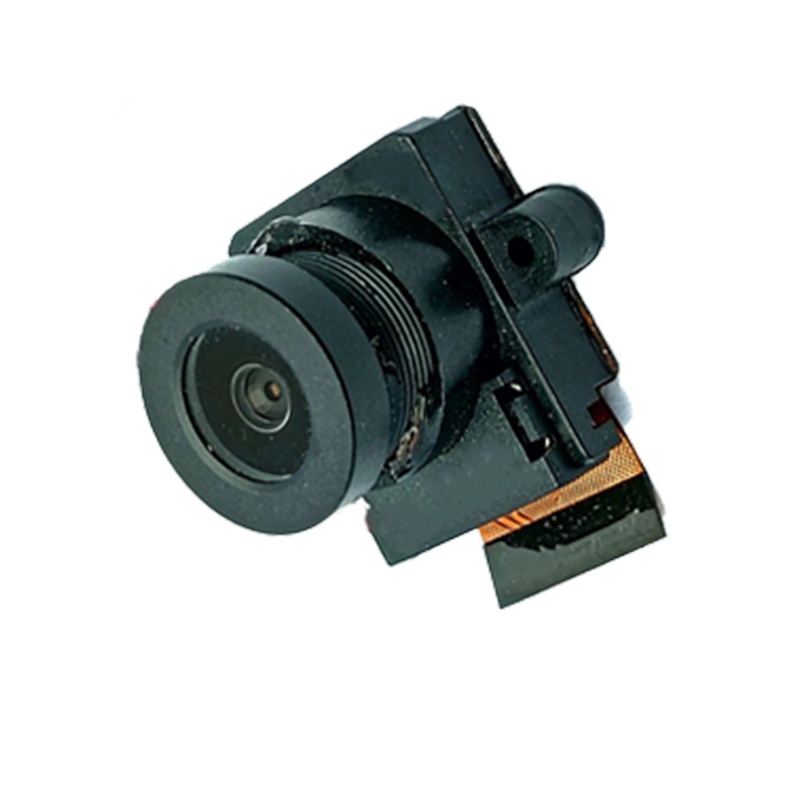
Factory hot-selling 1080p CMOS sensor body camera with HD video/audio recording and night vision
A compact 1080p CMOS imaging device for field documentation, inspection, and OEM projects that need reliable video/audio capture in low-light conditions.
- 1080p CMOS
- Night vision
- HD audio
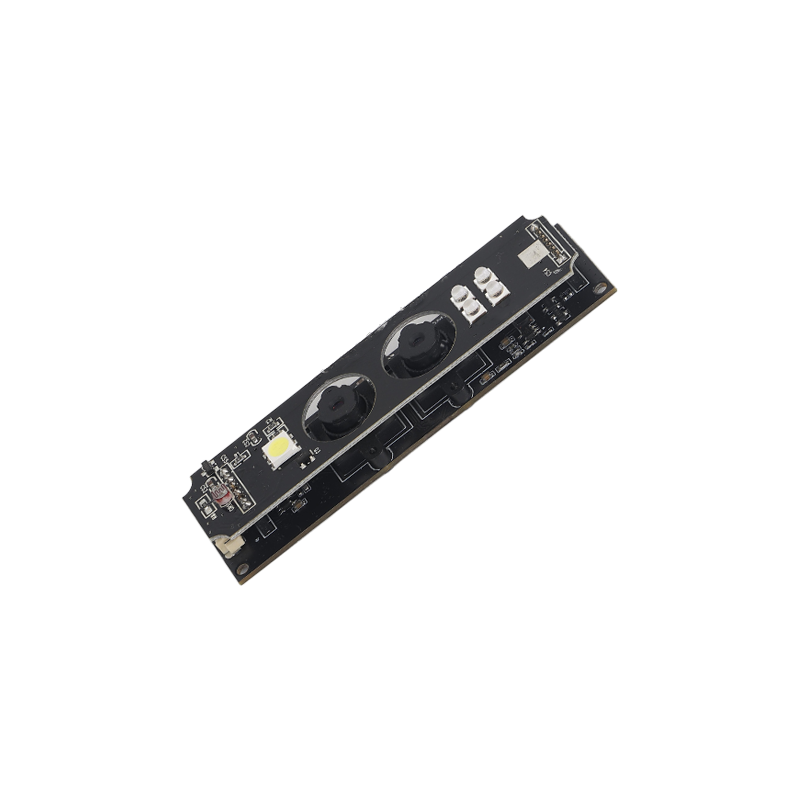
1080P/2K/4K HD binocular wide dynamic camera module CMOS sensor auto focus/fixed focus
A flexible binocular wide-dynamic module for integrators building inspection, recognition, or dual-view imaging systems with auto-focus or fixed-focus options.
- 1080P–4K
- Wide dynamic
- Auto focus
Visualized Handheld Hd Usb A4 Book Scanner A3 Automatic Management Document Scanner Camera
Built for office digitization, book capture, and records management, with USB plug-and-play convenience and A4/A3 document workflow support.
- USB output
- A4/A3
- Book capture

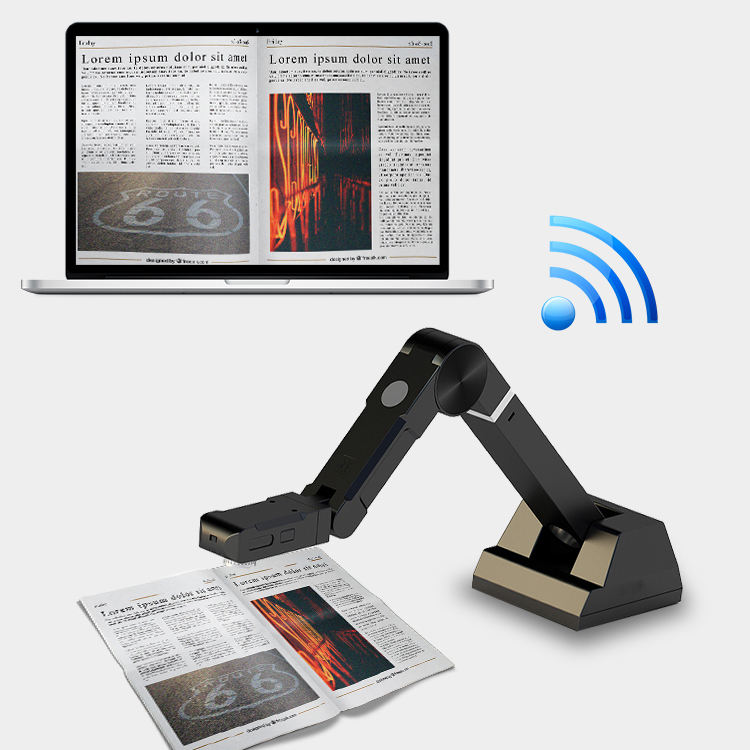
Wireless Robotic Frame Book Scanner Document Camera A3 A4 Size Management Document Scanner for Online Class
A robotic-frame overhead camera for online teaching and bound-document scanning, designed to keep books and pages in frame with less manual adjustment.
- A3/A4
- Wireless
- Online class

WG133AF-HV V508 VGA/HDMI/USB Three Mode 13MP Document Camera for Teachers, Mac, Windows
Multi-interface 13MP document camera for classroom presentation and office use, with VGA, HDMI, and USB compatibility for existing AV equipment.
- 13MP
- VGA/HDMI/USB
- Teacher use
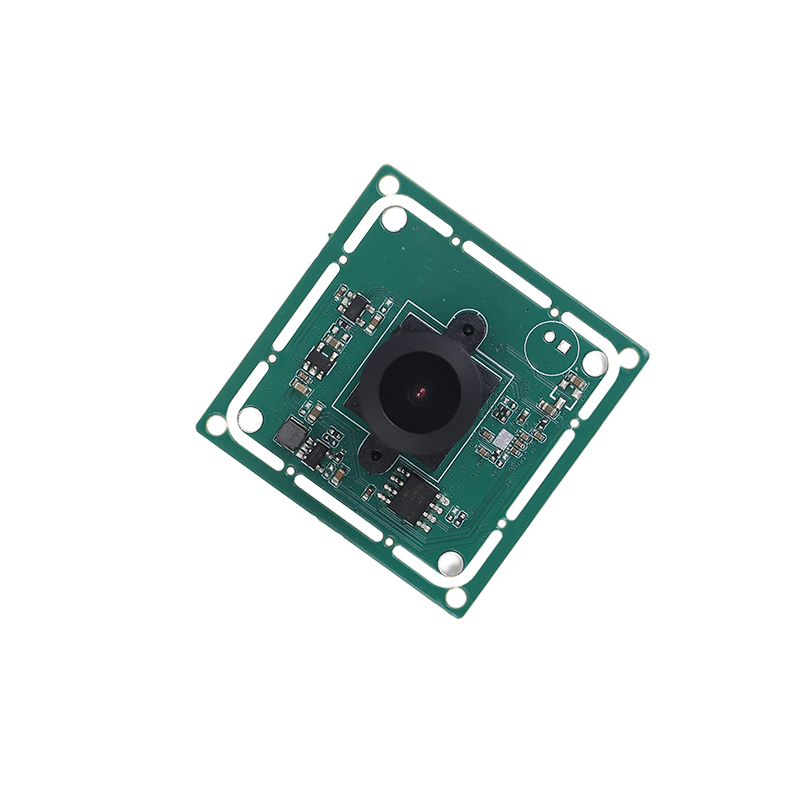
1080P 30FPS USB HD portrait shooting camera module with macro recognition, fixed focus, and optional auto focus
A 1080P 30FPS USB module for portrait capture, macro recognition, and embedded imaging projects requiring fixed or optional auto-focus flexibility.
- 1080P 30FPS
- Macro
- USB

CMOS sensor 1080P 30fps USB2.0 camera module monocular wide dynamic range camera module with ultra-low light performance
Designed for dim counters, kiosks, and industrial imaging, this USB2.0 module combines WDR and ultra-low-light performance for stable image quality.
- USB2.0
- WDR
- Ultra-low light

OEM USB 5MP 8MP 13MP Document Camera Visualizer for Education Camera Scanner or Office Document Scanner
A scalable OEM visualizer platform available in 5MP, 8MP, and 13MP configurations for education tenders, office scanning, and private-label product lines.
- 5MP–13MP
- USB
- OEM/ODM
Evidence Behind the “Trusted Manufacturer” Claim
Procurement teams should verify operating scale, engineering depth, compliance, and export experience. These are the core indicators behind Shenzhen Eshuni Technology Co., Ltd.
Built for Buyers Who Need More Than a Price List
The search for an overhead camera manufacturer or wholesaler usually marks the start of a procurement project, not a one-click purchase. The right supplier must support tender compliance, volume supply, customization, and after-sales execution.
Manufacturing depth
95%In-house R&D, 3,000+ m² floor space, 100+ staff, and ERP-driven production reduce the risk of undocumented subcontracting.
Compliance readiness
100%ISO9001 quality management plus CE, FCC, RoHS, and China 3C product certification support retail, tender, and customs requirements.
Customization capability
90%OEM/ODM support covers product design, project design, on-site project application, firmware adaptation, housing, packaging, and private label.
Global delivery confidence
85%FOB, EXW, and DDP terms are supported, with regular shipping experience across five major export regions and varied documentation needs.
For B2B buyers, an overhead camera — often called a document camera, visualizer, or overhead scanner — combines a CMOS sensor, fixed or auto-focus lens, LED illumination, mechanical arm or frame, and USB or wireless connectivity. The sensor matters, but the actual purchase risk sits in thermal design, hinge stability, firmware compatibility, certification scope, packaging durability, spare-part planning, and the supplier’s ability to reproduce a golden sample at volume. This is where a manufacturer with in-house engineering and documented quality management provides measurable information gain over a catalog reseller.
Shenzhen Eshuni Technology Co., Ltd. has focused on information collection and identity verification since 2012. The company designs and builds high-speed document scanners, video booths, book scanners, identity verification terminals, webcams, camera modules, and visualizers. Its devices serve education, finance, insurance, telecommunications, government, and enterprise scenarios. The operating model includes senior R&D, national patents on hardware and software, ERP production and supply-chain management, and three levels of technical support: product design, project design, and on-site project application. That combination is what serious importers, tender agents, and private-label brands should look for when comparing overhead camera manufacturers and wholesalers.
This guide adds procurement-specific information gain: how to compare 8MP and 13MP capture, when 5.8GHz wireless is worth the premium, how OEM/private-label programs are structured, which certifications to request, and what future product trends may affect your 2026–2030 purchasing plan.
Overhead Camera Procurement Trends Buyers Should Plan for in 2025–2030
Wholesale purchasing is shifting from “lowest unit price” toward total cost of ownership, supply continuity, regional compliance, and product differentiation.
Total cost of ownership over sticker price
Buyers increasingly compare landed cost, warranty terms, spare parts, firmware updates, and packaging protection. A slightly higher factory quote can be cheaper over a three-year deployment if it reduces returns and service escalation.
Private-label differentiation
Distributors want branded visualizers that do not look identical to every marketplace listing. OEM/ODM factories with housing, packaging, firmware, and accessory customization can shorten the path from concept to sellable range.
Hybrid classroom and distributed service workflows
Education and government buyers need plug-and-play USB for fixed desks and optional 5.8GHz wireless for room mobility. Products that support multiple connection modes reduce the number of SKUs a distributor must carry.
Compliance and data governance
Tenders increasingly ask for certificate scope, model lists, label files, firmware traceability, and clear handling policies for identity-related capture. Suppliers who can answer these questions early are easier to approve.
Modular camera platforms
Instead of re-engineering a complete device for every market, buyers are asking for modular sensors, lenses, FPC boards, interfaces, and housings. Modularity shortens customization cycles and makes spare-part planning more predictable.
AI-assisted capture and workflow value
Auto-focus and auto-framing are becoming baseline expectations. Education, finance, and records buyers are also evaluating OCR, document boundary detection, object recognition, and workflow software that turns a camera into a productivity tool.
Product Development Trends Reshaping Overhead Cameras
The next generation of visualizers and document cameras is being shaped by better optics, more intelligent capture, cleaner connectivity, and smaller integrated modules.
Higher resolution with stronger optics
13MP, 4K-class capture, wide dynamic range, and low-light performance are moving from premium models into mainstream tender specifications. Optical design, lens quality, and image tuning matter as much as the sensor headline.
Auto-focus and intelligent framing
Auto-focus, book-curve handling, boundary detection, and automatic framing reduce teacher or operator effort. Buyers now expect the camera to adapt to the document, not the other way around.
5.8GHz wireless and USB-C simplicity
Wireless freedom is valuable in classrooms and mobile counters, while USB-C and plug-and-play USB remain essential for zero-install deployment. Products that combine wireless and wired modes offer better regional flexibility.
Compact modules and integrated imaging
FPC camera modules, binocular modules, macro-focus modules, and low-light USB boards are enabling overhead imaging inside kiosks, smart glasses, inspection tools, and other embedded systems.
How to Evaluate an Overhead Camera Wholesaler: A Practical Matrix
Use these questions in an RFQ, factory audit, or tender prequalification. Strong suppliers answer with documents and process, not adjectives.
| Evaluation Area | What to Ask | Evidence to Request | Why It Matters |
|---|---|---|---|
| Factory identity | Are you the manufacturer or a trading company? Where is the production site? | Business license, factory audit, production video, address verification, export records | Prevents hidden trading layers and supports tender compliance. |
| R&D capability | Who designs the PCB, firmware, housing, and optical assembly? | Patent list, engineering team structure, test reports, NDA-protected technical review | Determines customization speed, supply continuity, and firmware support. |
| Certification scope | Which models carry CE, FCC, RoHS, or 3C? Are certificates current? | Certificate scope, model lists, label files, renewal dates, test reports | Reduces customs risk and supports retail or government approval. |
| Quality control | How are incoming materials, assembly, aging, and final inspection controlled? | IQC/IPQC/OQC records, aging-test procedure, golden sample, packaging drop-test standard | Lowers defect rate, returns, and after-sales burden. |
| OEM/ODM process | What are the MOQ, tooling, packaging, firmware, and sample approval steps? | Project timeline, sample schedule, approval workflow, private-label references where permitted | Protects launch dates and prevents costly late-stage changes. |
| Trade and after-sales | Which Incoterms, warranty, spare-part, and RMA terms are available? | Trade history, service policy, RMA process, export documentation sample | Improves total cost of ownership and long-term channel confidence. |
Why Eshuni Is a Trusted Overhead Camera Manufacturer & Wholesaler
Shenzhen Eshuni Technology Co., Ltd. combines factory production, engineering ownership, compliance documentation, and export support for B2B buyers.
Manufacturing experience since 2012
More than a decade of focus on document cameras, book scanners, visualizers, webcams, and identity-related imaging gives buyers a supplier that understands real deployment scenarios, not only product photography.
In-house R&D and national patents
Hardware and software are developed in-house and protected by national patents. This supports firmware adaptation, optical module integration, custom housing, and project-specific design work under NDA.
ISO9001 and product certifications
The factory operates an ISO9001 quality management system, and products carry CE, FCC, RoHS, and China 3C certifications. Buyers can request certificate scope and model lists for tender and customs preparation.
OEM, ODM, and private label
Eshuni supports OEM manufacturing, product design services, and buyer-label production. The team can align packaging, labels, accessories, firmware strings, and user documentation with a distributor’s brand requirements.
ERP-driven production and supply chain
ERP-based production and supply-chain management help keep materials, assembly status, quality records, and delivery planning visible. For wholesale buyers, this translates into more predictable lead times and clearer issue resolution.
Global trade support
FOB, EXW, and DDP terms are supported, with regular shipments to North America, South America, Western Europe, South Asia, and Africa. The team provides product design, project design, and on-site project application support.
Where Overhead Cameras and Visualizers Deliver Measurable ROI
Product value depends on workflow fit: image clarity, operator speed, integration simplicity, and reliable service all influence return on investment.
Education and hybrid classrooms
Overhead cameras let teachers show textbooks, handwriting, experiments, and 3D objects to an entire class or remote audience. A3 capture, auto-focus, and 13MP resolution are especially valuable for detailed demonstrations.
Government service counters
Identity verification, document filing, and dual-camera capture help public-service counters process applications faster. Stable USB power, clear ID capture, and simple software integration are key purchase criteria.
Finance, insurance, and KYC
Banks, insurers, and fintech operators use overhead scanners for contract digitization and identity capture. Legible documents, consistent illumination, and traceable firmware matter in regulated environments.
Telecom and enterprise workflows
Telecom stores use imaging devices for real-name registration and document verification. Enterprise teams use visualizers for training, video conferencing, product inspection, and paperless office processes.
Frequently Asked Questions About Overhead Camera Wholesale and OEM
These are the questions buyers, tender agents, and distributors most often ask before requesting a quotation.
Are you a manufacturer or a trading company?
Do you offer OEM and ODM services?
Which certifications do your factory and products hold?
Should I choose an 8MP or 13MP overhead document camera?
What is the difference between USB and 5.8GHz wireless document cameras?
What are the MOQ, lead time, and trade terms?
Can you customize camera modules for embedded or OEM projects?
How do you control quality and support after-sales service?
Start With the Application, Not the Model Number
Tell us whether your project is for education, government counters, finance, telecom, or private-label distribution. Eshuni’s engineering and export team will help match sensor resolution, connectivity, capture area, certification, packaging, and lead-time requirements to the right overhead camera or camera module.
Inquire Now