Automatic Document Scanner Suppliers & Wholesaler Serving the Denver Market
Factory-direct document cameras, visualizers, book scanners, ID capture terminals and camera modules for schools, agencies, clinics, law firms, contractors and distributors across Denver, Aurora, Lakewood, Boulder and the Front Range.
Eight Document Scanner & Visualizer Products for Denver Buyers
These models cover the most common Denver-market buyer intents: classroom visualizers, portable book capture, A3 plan-set review, ID and counter documentation, wireless teaching, and OEM camera modules for system integrators.

OEM USB 5MP 8MP 13MP Document Camera Visualizer for Education Camera Scanner or Office Document Scanner
- USB
- 5MP / 8MP / 13MP
- OEM
A flexible platform for Denver districts, office resellers and private-label programs. Choose 5MP for routine capture, 8MP for classroom clarity, or 13MP for A3 materials and fine print.
View product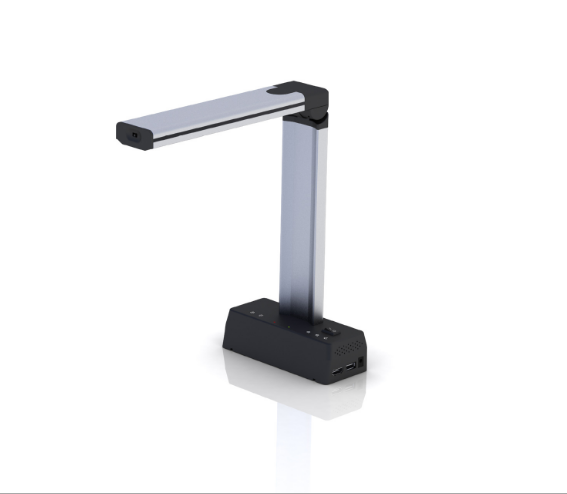
WIFI document camera visualizer wireless 5.8G WIFI OEM ODM Document scanner for education or office
- 5.8G
- OEM/ODM
- Education
Cable-free teaching and meeting-room capture for Denver schools and training centers. The 5.8GHz band is often less congested than 2.4GHz in busy buildings, but a site test is still recommended.
View product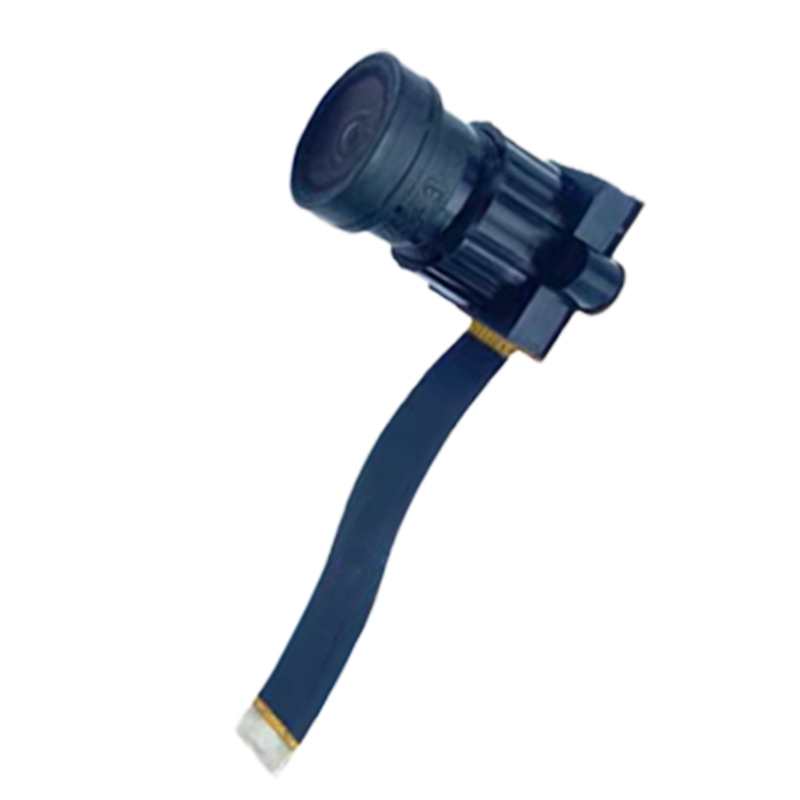
Professional manufacturer's CMOS sensor MIPI camera module 1080P 2K 4K drone wireless video transmission camera module
- CMOS
- MIPI
- 1080P / 2K / 4K
A component-level option for Denver integrators building inspection, robotics, drone or imaging systems. Eshuni supports sensor selection, FPC layout and OEM enclosure planning.
View product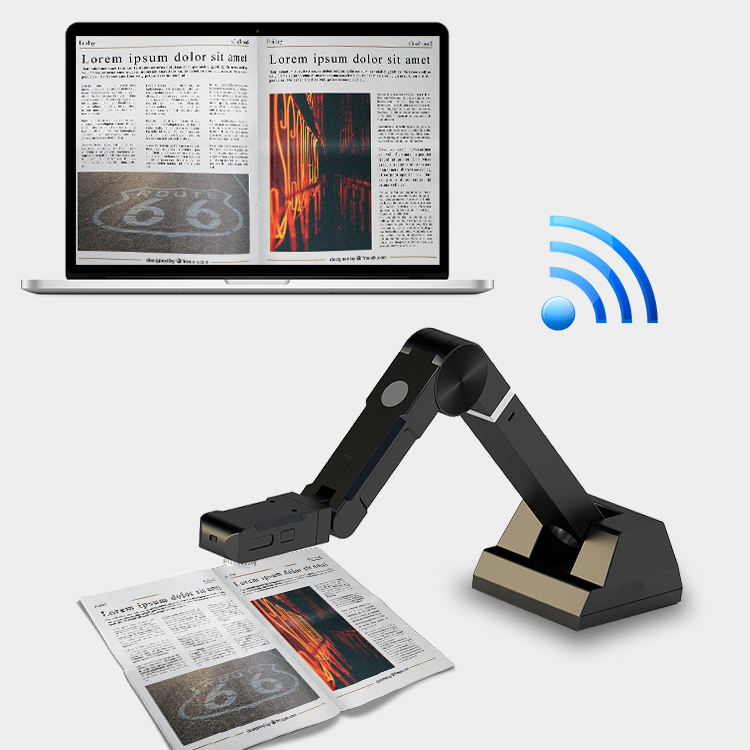
OEM USB Portable Smart Camera Visualizer Wifi A4 A3 Document Camera Visualizer for Education Book Camera
- Portable
- A4 / A3
- Book camera
A practical choice for tutors, mobile trainers and shared school devices in Denver. The compact footprint suits book scanning, printed worksheets and small-group demonstrations.
View product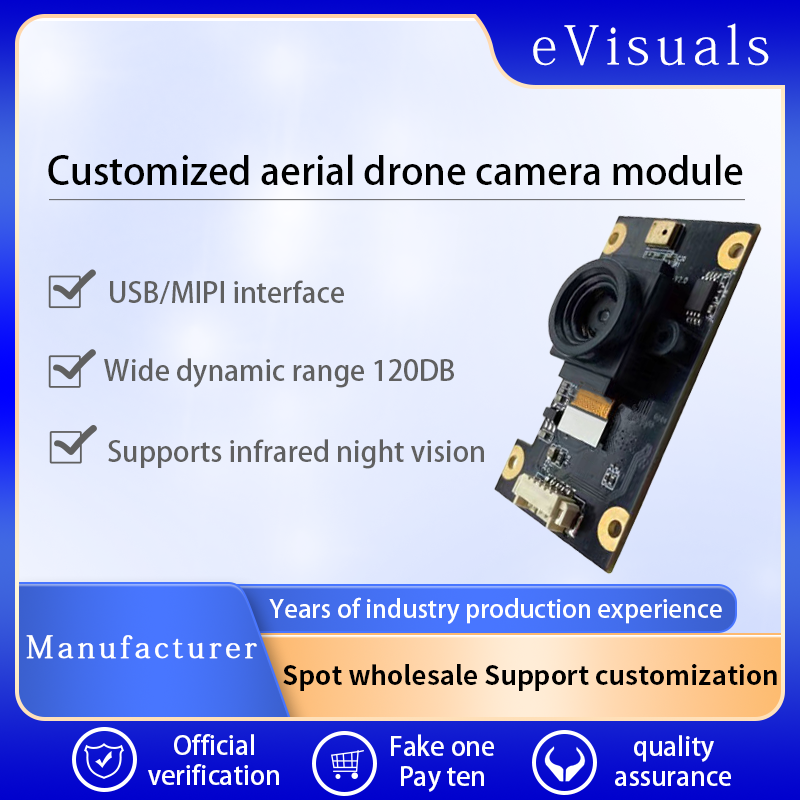
Factory customized 1080p 4K drone wireless video transmission HD aerial photography face recognition camera module
- 1080p / 4K
- Customized
- Wireless video
Built for OEM buyers who need customized video transmission modules rather than a finished scanner. Useful for industrial inspection, public-safety imaging and unmanned systems development.
View product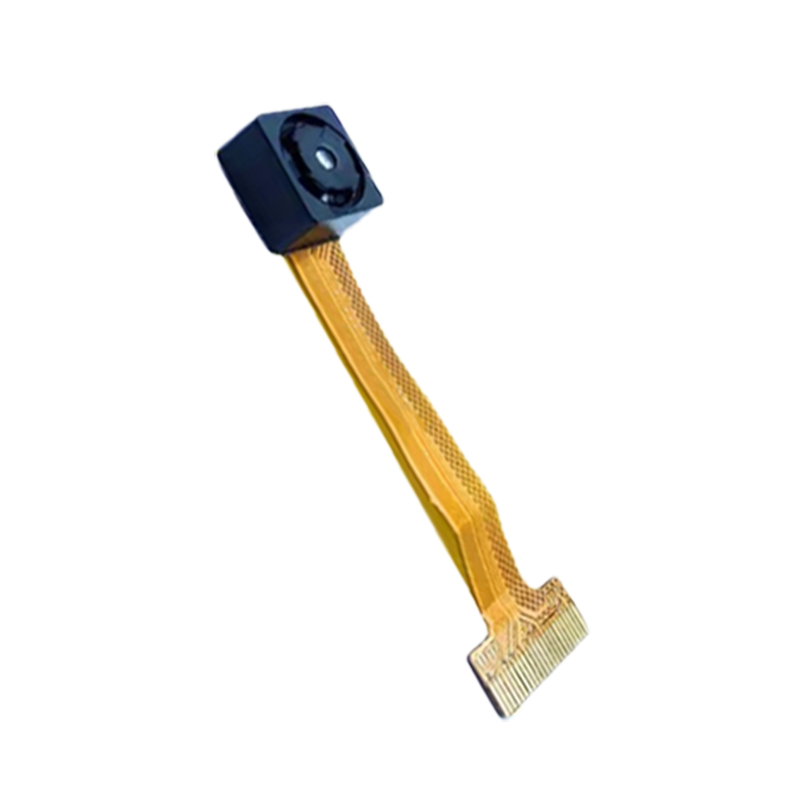
supports 1080P, 2K, 4K pixel camera modules, drone wireless image transmission with night vision and face recognition functions
- Night vision
- Face recognition
- Wireless
A modular building block for Colorado technology teams evaluating intelligent vision, remote inspection or controlled-access projects. Final compliance and data-handling requirements should be reviewed with your legal team.
View product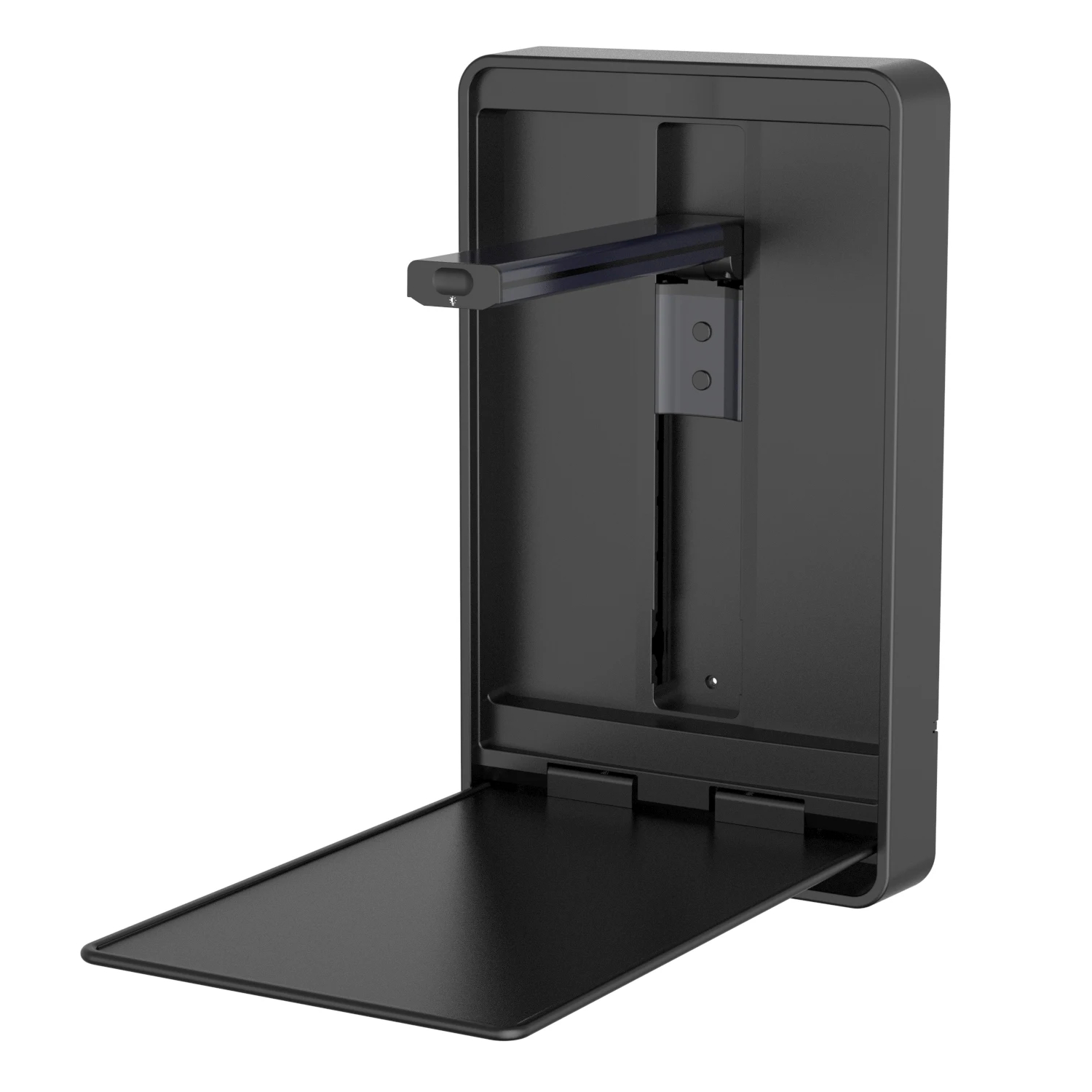
Document Camera OEM Factory 8M Education Display Stand for Wireless Document Camera Scanner, Wall Mounted Video Display Stand
- 8MP
- Wall mount
- Education display
Designed for room retrofits where fixed capture is more practical than portable hardware. The wall-mount stand supports reliable positioning for classrooms, labs and training rooms.
View product
HD Camera Portable Visualizer Presenter Document Camera for Presentation Equipment Book Camera
- HD
- Portable
- Presentation
A straightforward presentation visualizer for offices, libraries and training rooms. It supports book sharing, document review and live demonstration without a dedicated scanning room.
View productFrom Classroom Visualizer to Records Infrastructure
Denver buyers rarely need a scanner in isolation. They need a faster way to teach, document, verify, archive and collaborate without adding friction to the daily workflow.
In the Denver metro, automatic document scanner demand is shaped by three overlapping realities. First, schools and higher-education campuses continue to blend in-person and remote instruction, so teachers need an easy way to show a textbook page, a science experiment, a math solution or a student's work on screen. Second, public-sector offices, healthcare clinics and legal teams are under pressure to digitize records while preserving legibility, signatures and identity details. Third, engineering, construction and aerospace teams along the Front Range need a practical way to capture A3 plan sets, technical drawings and inspection notes without walking to a copy center.
This is why workflow fit matters more than megapixels alone. A 5MP document camera can be ideal for an A4 worksheet or a video call, while a 13MP model is more appropriate for full A3 sheets, fine print and drawings that must remain readable after zooming. A flatbed scanner may still be the right tool for loose-sheet volume scanning, but an overhead document camera is often better for bound books, 3D objects, live demonstrations and counter-top identity capture. Denver buyers should compare the workflow, not just the headline resolution.
Another local consideration is the building itself. Older brick schools, dense municipal offices and shared coworking spaces can challenge wireless stability. USB plug-and-play models are often preferred where IT controls are strict, while 5.8GHz wireless visualizers are preferred where teachers move between rooms or present from different positions. For any wireless project, request a site test and confirm how the device behaves on the existing network.
What Denver buyers ask us most often
Buyers want clear answers on A3 capture, 120V power adapters, FCC documentation, OEM branding, private-label packaging, DDP shipping to Denver and after-sales support. They also want honest guidance on when a document camera is the wrong choice. That kind of consultative support is more valuable than a generic product list, especially for school district procurement teams, integrators and regional wholesalers.
Denver-Market Intent Signals
- A3 capture for textbooks, plan sets and engineering drawings
- USB plug-and-play for schools, counters and locked-down IT environments
- 5.8GHz wireless for room-to-room teaching and flexible presentation
- Dual-camera or ID capture for public-service and KYC counters
- OEM branding, private-label packaging and regional wholesale programs
Where Document Scanners and Visualizers Fit in Denver Workflows
Denver's economy mixes education, government, healthcare, legal services, construction, aerospace, finance and a fast-growing remote-work population. Each environment asks different questions of a capture device.
K-12 and Higher Education
Teachers in Denver, Aurora and surrounding districts use visualizers for live annotation, science demonstrations, art critique, textbook sharing and remote tutoring. A3 models help with large diagrams, while portable units support shared-device programs.
Public Agencies and Records Counters
Municipal clerks, permit desks, human-services offices and records teams need fast capture of IDs, forms, signatures and supporting documents. Dual-camera or overhead scanners reduce back-and-forth and keep digital files legible.
Healthcare and Telehealth Support
Clinics and telehealth teams may need to show printed medication lists, insurance cards, consent forms or educational materials during a video session. Overhead capture gives patients and providers a shared visual reference without complex setup.
Legal, Insurance and Financial Services
Denver law firms, insurers and financial teams can capture exhibits, signed forms, policy pages and identity documents during client meetings. A visualizer is especially useful for bound files and documents that cannot be fed through an ADF scanner.
Construction, Engineering and Aerospace
Project teams can capture A3 drawings, marked-up plans, site photos and inspection notes for review. High-resolution 13MP models are more likely to preserve fine dimensions and annotations when the image is shared with remote engineers.
Coworking, Training and Distributed Teams
Denver's coworking and hybrid-work culture creates demand for portable visualizers and webcams that can be moved between rooms. Plug-and-play USB models reduce setup time for workshops, interviews and product demonstrations.
Denver Procurement Trends Shaping Document Capture
The bars below are a qualitative Eshuni buying-intent view from Denver-market inquiries and buyer discussions. They are not a statistical forecast, but they help explain where wholesale and OEM demand is moving.
Hybrid Classroom Capture
Schools want visualizers that work for in-room teaching and remote learners without a complex control system.
Records Digitization
Public agencies and regulated offices are moving paper files into searchable digital workflows while keeping image quality auditable.
ID and KYC Verification
Counters need quick capture of identity cards, signatures and supporting forms without slowing the customer queue.
A3 Plan-Set Capture
Construction and engineering teams prefer overhead capture for marked-up drawings, bound reference sets and site documentation.
Denver's bright daylight and high-altitude environment can create glare on laminated documents and whiteboards. Buyers should request sample images under realistic office or classroom lighting, not only studio conditions.
How to Choose a Wholesale Partner for Denver Projects
A low unit price is not enough if the model creates IT tickets, shipping delays or compliance questions. Use this practical matrix before confirming a tender, pilot or private-label program.
A3 / A4 Capture Area
Confirm the real usable capture area. A4 is enough for forms and books; A3 is better for textbooks, plan sets, engineering drawings and side-by-side comparisons.
Resolution and Lens Quality
Do not compare megapixels in isolation. Ask for sample images of small text, handwriting and technical drawings. 8MP suits many classrooms; 13MP is safer for A3 detail.
USB vs. 5.8G Wireless
USB models reduce network dependency and are easy for IT to approve. Wireless models support movement, but dense buildings may need a site test and a clear fallback plan.
Compliance Documentation
For US buyers, request FCC documentation, RoHS information, ISO9001 evidence and model-specific test reports. For schools, clarify whether capture software stores data locally or in the cloud.
Power and Daily Ergonomics
Confirm 120V/60Hz adapter compatibility where a power adapter is included. Check the stand, cable length, focus speed and mounting options for the rooms or counters you plan to equip.
Logistics and After-Sales
For Denver shipments, confirm EXW, FOB or DDP terms, packaging standards, spare-parts planning and the model-specific warranty process before placing a wholesale order.

Factory-Direct Supply for Denver Wholesale Programs
Shenzhen Eshuni Technology Co., Ltd. is a manufacturer and solution provider for information collection and identity verification. Founded in 2012, we design and build document cameras, visualizers, book scanners, high-speed document scanners, video booths, identity verification terminals, webcams and camera modules.
Our devices support digital transformation across education, finance, insurance, telecommunications, government and enterprise environments. Backed by an in-house R&D team, we offer three levels of technical support: product design, project design and on-site project application support. For Denver buyers, that means a supplier who can discuss capture area, lighting, mounting, software compatibility and OEM packaging rather than simply quoting a box.
Production and supply-chain management are ERP-driven, while core hardware and software are developed in-house and protected by national patents. We support OEM manufacturing, ODM cooperation, private-label production, custom firmware planning and buyer-specific packaging. Trade terms include FOB, EXW and DDP, with regular shipments to North America, South America, Western Europe, South Asia and Africa.
Buyer trust matters in wholesale supply. Our trading record is publicly documented, including a 4.8 average buyer rating, verified factory status and a transaction history that Denver importers can review before placing a first order.
Common Questions from Local Wholesale and Institutional Buyers
These are the questions our team most often answers when supporting Denver-area schools, agencies, resellers and integrators.
QCan Eshuni supply document scanners and visualizers to Denver wholesale buyers?
Yes. We manufacture and export document cameras, visualizers, book scanners, ID capture devices and camera modules. We support distributors, resellers, school suppliers and system integrators with OEM/ODM and private-label options.
QWhich model is best for Denver classrooms and hybrid teaching?
For fixed classrooms, an 8MP USB or wall-mount visualizer is often sufficient. For teachers who move between rooms, a 5.8G wireless model or a portable A4/A3 visualizer may be more practical. For A3 textbooks and fine detail, consider 13MP.
QWhat should we check before buying an A3 document camera for construction plans?
Confirm the usable A3 capture area, lens quality, focus speed and sample image readability after zooming. Ask for images of small dimensions and handwritten markups under realistic office lighting, not only studio lighting.
QDo your products meet US certification and compliance needs?
Our factory operates an ISO9001 quality system and products carry CE, FCC, RoHS and China 3C certifications. For US procurement, request model-specific FCC and RoHS documentation and confirm software data-handling requirements with your compliance team.
QCan you provide OEM/private label and 120V power adapters?
Yes. We support buyer logos, packaging, firmware planning and private-label programs. Where a model uses an external adapter, confirm 120V/60Hz compatibility during quotation. Many USB models draw power directly from the connected computer.
QHow do you manage shipping and after-sales support to Denver?
We quote EXW, FOB or DDP depending on the buyer's preference and freight plan. Lead time, MOQ, spare-parts recommendations and warranty terms vary by model. Share your target quantity and application so our team can provide a specific proposal.
Planning a Denver Tender, Pilot or Private-Label Range?
Send your application, target specification, quantity and delivery preference. Our team will recommend the right document camera, visualizer, book scanner, ID capture device or camera module and prepare a quotation for Denver-bound shipment.