What San Francisco Buyers Really Mean by “Book Camera Factories & Exporters”
When San Francisco procurement teams search for book camera factories, exporters or suppliers, they are usually solving two jobs at once: finding a reliable overhead capture device and finding a supply partner who can document compliance, customise hardware and ship repeatably to the Bay Area.
“Book camera” is a buying term, not a single product category
In San Francisco and the wider Bay Area, the phrase often covers overhead document cameras, book scanners, visualizers, ID capture scanners and dual-camera counter devices. The right specification depends on whether the job is teaching, records digitisation, identity verification or product inspection. A classroom that needs an A3 mathematics worksheet has different requirements from a public counter that needs a face image and an ID card in the same capture workflow.
Local support matters, but high-volume manufacturing is usually factory-direct
San Francisco has excellent systems integrators, AV resellers and procurement advisors, yet most volume manufacturing for book cameras remains in Shenzhen and nearby manufacturing clusters. The most practical model for many buyers is a Shenzhen factory plus a Bay Area procurement plan: samples first, a documented specification, OEM/private-label support, and trade terms such as FOB, EXW or DDP confirmed in writing before purchase orders are released.
8 Book Cameras and Imaging Modules for San Francisco Workflows
Compare proven models for K–12 classrooms, university labs, public-service counters, document archiving, drone vision, biometric access and OEM product development. Product URLs are preserved for direct specification review.
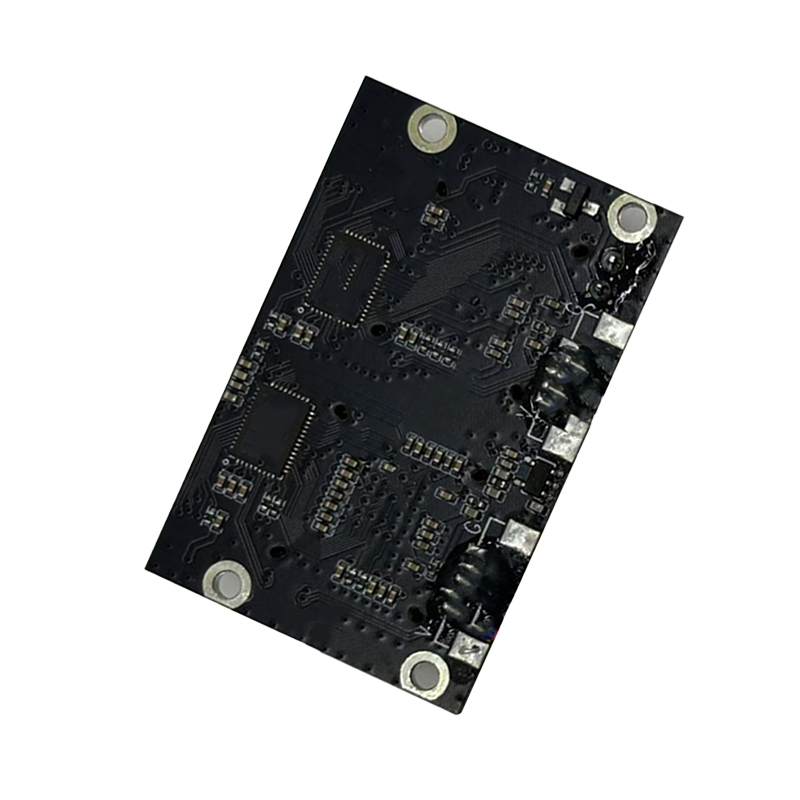
Newly upgraded dual 1080P finger vein palm print recognition facial recognition camera module CMOS sensor
- Dual 1080P
- Face + palm
- OEM module
For San Francisco access-control integrators and workplace-safety projects that need multi-biometric capture in a compact module. Suitable for secure rooms, labs and identity terminals where face, palm or finger-vein workflows are being engineered.
View product details →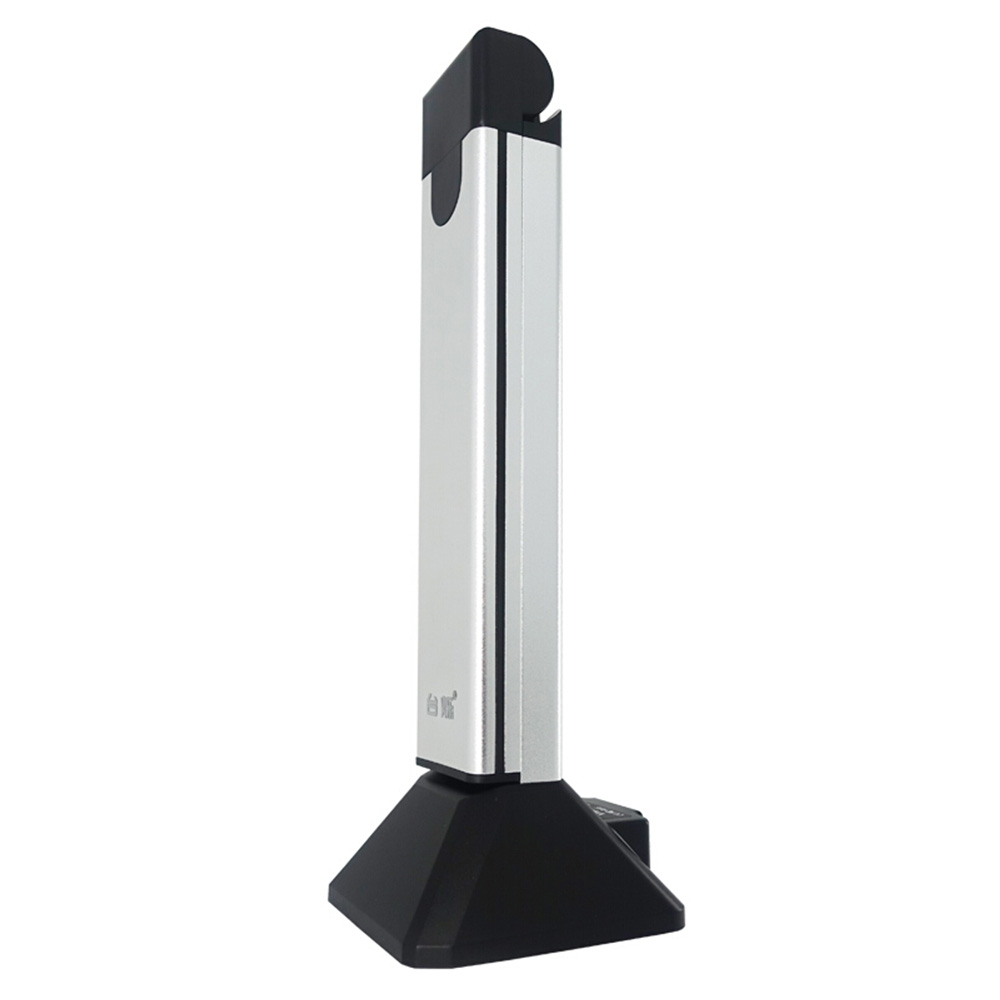
Document camera page camera high speed page scanner for online educational equipment
- High speed
- Page capture
- Online teaching
Recommended for tutoring centers and hybrid classrooms that present printed pages, handwriting and small objects over video calls. The overhead view helps teachers show a full page while speaking, without rebuilding every lesson as a slide deck.
View product details →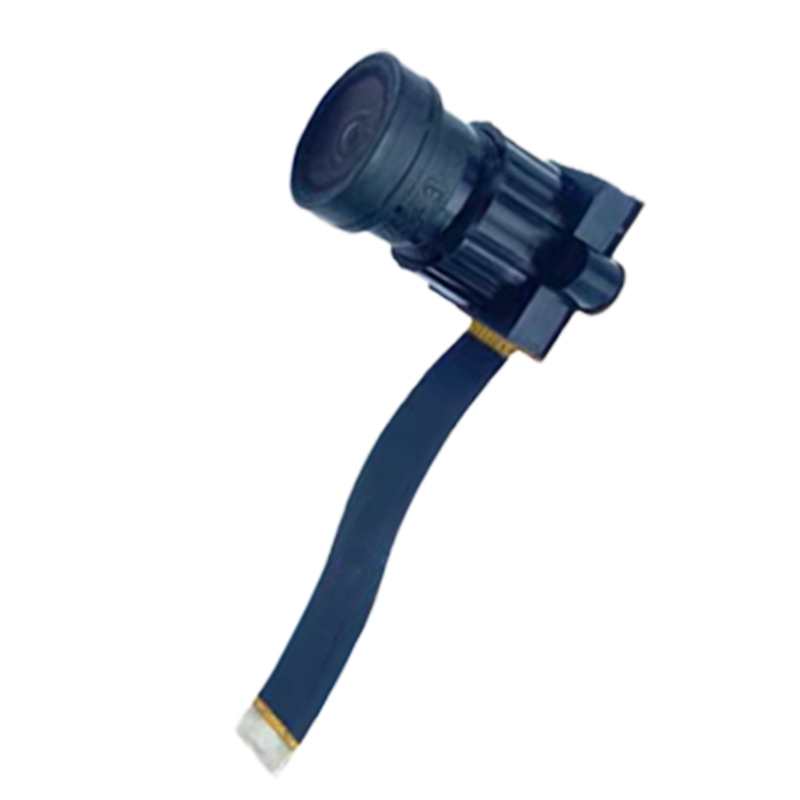
Professional manufacturer's CMOS sensor MIPI camera module 1080P 2K 4K drone wireless video transmission camera module
- 1080P / 2K / 4K
- MIPI
- Drone vision
Built for Bay Area hardware teams prototyping drones, robotics and embedded vision systems. Discuss lens choice, cable routing, firmware assumptions and mechanical fit early so the module integrates cleanly into your enclosure and test plan.
View product details →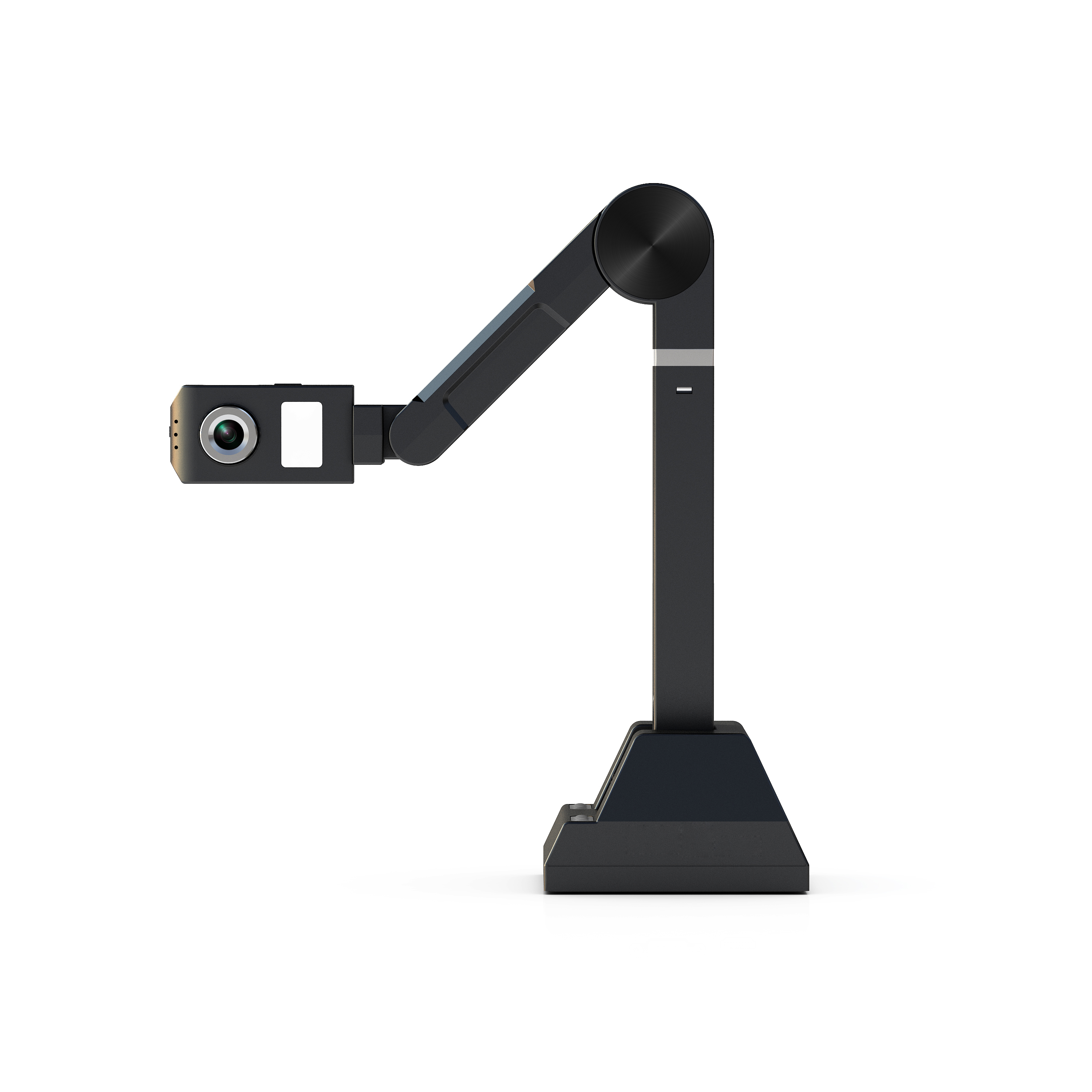
New design HD Camera 8MP 13MP auto focus Document Camera Scanner online educational equipment
- 8MP / 13MP
- Auto focus
- A3 detail
An excellent fit for San Francisco schools that need clear A3 worksheets, science demonstrations and fine-print textbook pages. Choose 13MP when zoomed detail and archival legibility matter; 8MP is often enough for everyday live classroom presentation.
View product details →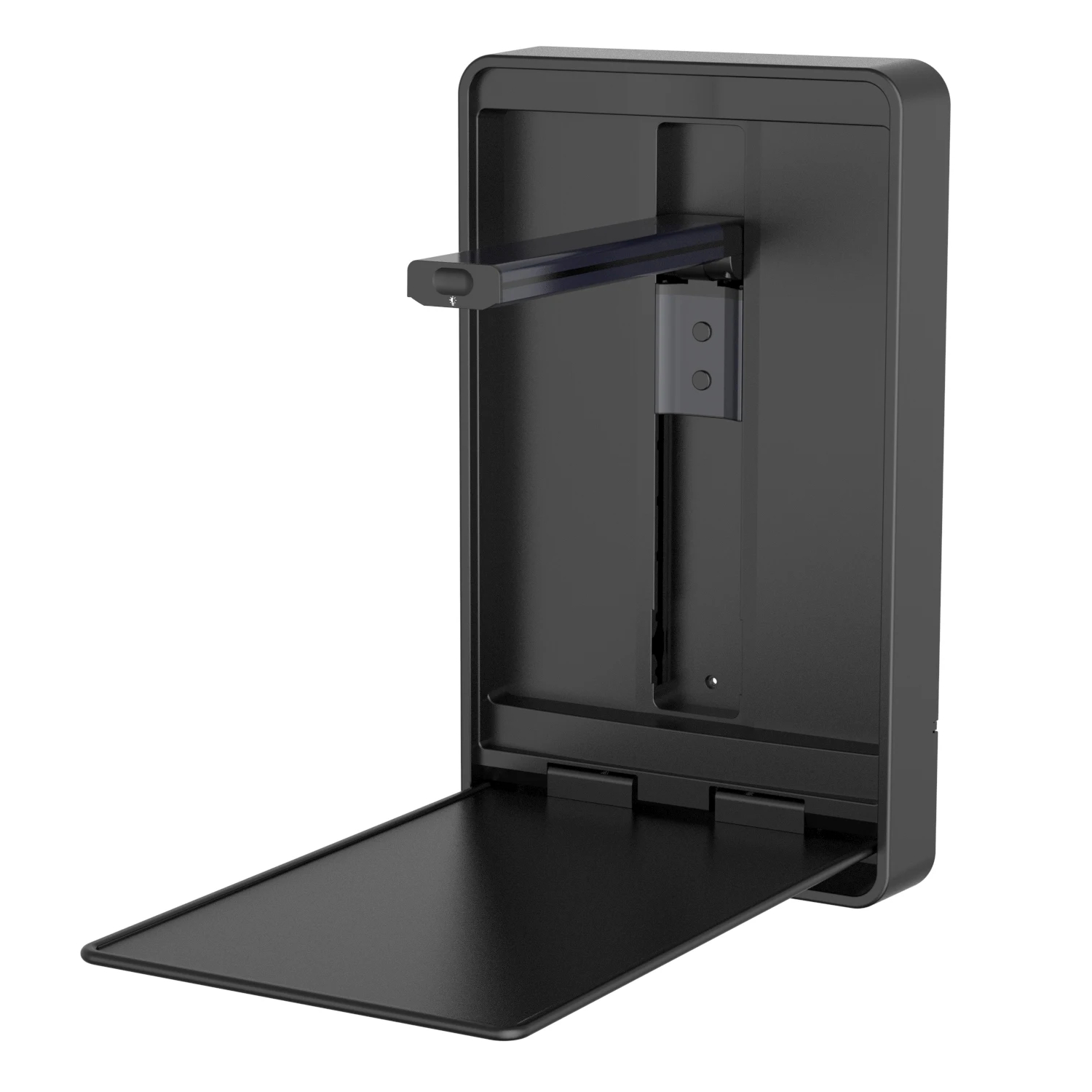
Document Camera OEM Factory 8M Education Display Stand for Wireless Document Camera Scanner, Wall Mounted Video Display Stand
- 8MP
- Wall mount
- OEM
Useful for fixed demonstration points, training rooms and counters where a flexible stand or wall-mounted presentation position reduces daily setup. OEM buyers can discuss housing, branding, packaging and installation accessories.
View product details →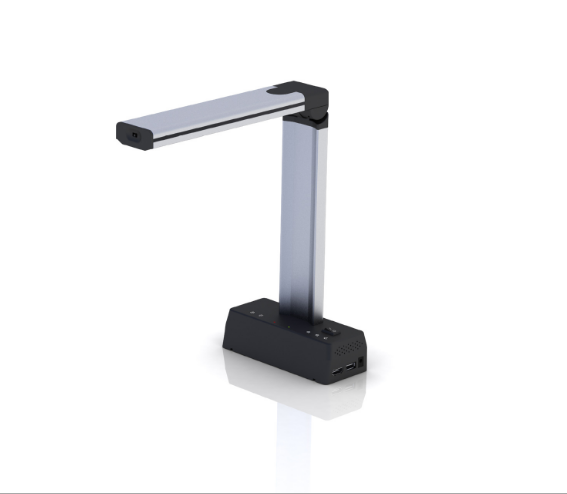
WIFI document camera visualizer wireless 5.8G WIFI OEM ODM Document scanner for education or office
- 5.8G WiFi
- OEM / ODM
- Wireless
Designed for teachers and trainers who move around the room. The 5.8GHz band is often less congested than 2.4GHz in busy school networks, supporting a more stable live image for demonstrations and collaborative review.
View product details →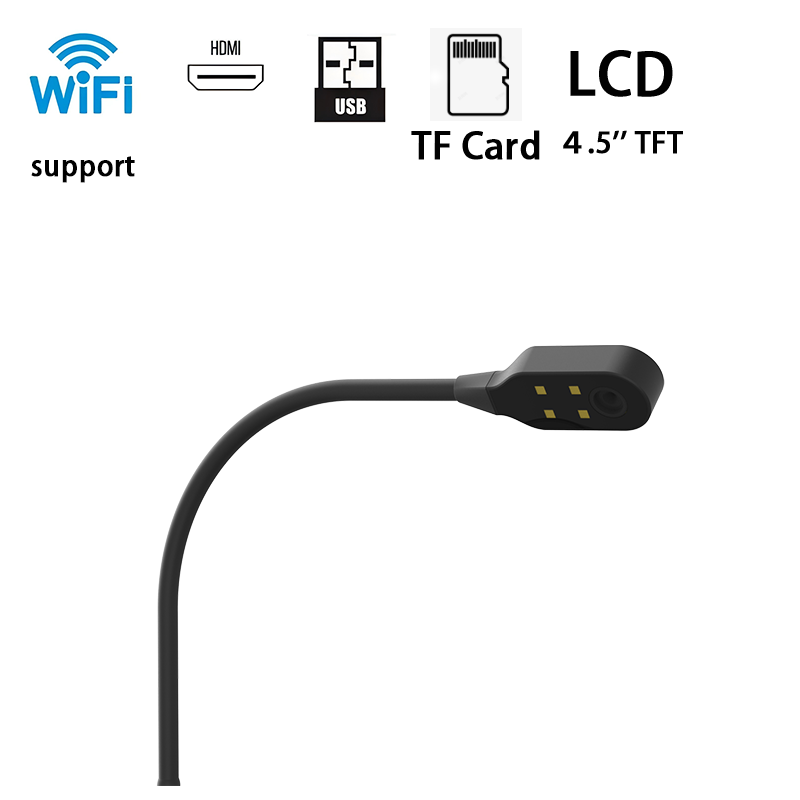
Support VGA WIFI Interface for Teacher Teaching Files, Camera and High Camera
- VGA
- WiFi
- Legacy AV
A practical choice for San Francisco classrooms and training rooms that still rely on VGA projectors while adding wireless document sharing. It bridges installed AV infrastructure with newer teaching workflows and reduces unnecessary adapter purchases.
View product details →
OEM USB 5MP 8MP 13MP Document Camera Visualizer for Education Camera Scanner or Office Document Scanner
- 5MP / 8MP / 13MP
- USB
- Private label
A flexible USB platform for Bay Area resellers, education suppliers and office-equipment brands. Select resolution, housing and packaging for private-label ranges, then validate the software workflow with your own integration team.
View product details →Where Book Cameras Earn Their Budget in San Francisco
San Francisco buyers rarely purchase a document camera as a novelty. The device has to solve a visible workflow problem, reduce training time or create a record that can be reviewed later.
K–12 classrooms and tutoring centers
Teachers in San Francisco and the Bay Area use overhead cameras to show workbooks, handwriting, science demonstrations and small objects during live instruction. A clear A3 view helps students follow each step, and recorded lessons support absent students and after-school review.
Higher education, labs and maker spaces
Engineering labs around San Francisco and Silicon Valley need to present diagrams, prototypes, PCBs and fine mechanical details. A 13MP sensor with auto focus is often a better fit when students or reviewers need to zoom into small text and dimensional markings on A3 drawings.
Public-service counters
Civic agencies and service centers can use a document camera to capture forms, signatures, supporting papers and applicant photos. Dual-camera models are useful when one view needs to show the document while another captures the person presenting it, depending on the agency’s workflow and privacy policy.
Financial services and insurance
Downtown San Francisco teams and Bay Area branches handle contracts, identity documents, claim forms and signatures. A dedicated overhead scanner reduces phone-camera inconsistency and gives staff a repeatable capture station for KYC checks and document intake, while final compliance depends on the software and retention policy used.
Clinics, telehealth and patient intake
Small clinics and telehealth operators can present insurance cards, forms and prescriptions clearly to remote colleagues. The camera is a capture device, not a compliance guarantee; healthcare buyers should pair it with approved software, access controls and retention policies that meet their own legal requirements.
Enterprise hybrid meetings
Sales teams, design reviewers and operations groups can place a contract, sample or whiteboard sketch under the camera during a video call. USB models keep setup simple at a fixed desk, while wireless models help facilitators move between meeting rooms without losing the live document view.
San Francisco Procurement Trends Shaping Book Camera Demand
Bay Area buying behavior is moving toward higher-resolution capture, cleaner wireless deployment and supplier transparency. These trends are useful when building a 2025 specification or tender document.
Hybrid instruction is now the baseline
San Francisco schools and training providers expect lesson capture to work for in-room and remote participants. Buyers increasingly ask for documented frame rates, zoom behavior, auto-focus performance and software compatibility instead of evaluating only the sensor resolution.
5.8GHz wireless is being specified more often
Dense Wi-Fi environments can make 2.4GHz visualizer connections unstable. For classrooms, training rooms and multi-use spaces, 5.8GHz models are often requested to reduce interference and simplify cable-free teaching, subject to a site survey of the installed network.
8MP remains practical; 13MP grows for detail
An 8MP camera is still appropriate for everyday A4 pages and live lessons. Demand for 13MP rises when the workflow includes full A3 sheets, engineering drawings, archived print, quality inspection or zoomed review where small type must remain readable after capture.
Private label and smaller OEM runs matter
Bay Area resellers and niche education brands want their own logo, packaging, firmware prompts and accessory kits. Buyers are asking earlier for sample timelines, packaging artwork requirements and quality checkpoints so a small launch can scale without redesigning the product.
Document cameras are becoming data-capture endpoints
Higher education and enterprise teams increasingly treat the camera as the first step in an OCR, AI-review or records-management pipeline. Asking the supplier about USB modes, driver behavior and mounting options is now as important as asking about megapixels.
Landed cost is replacing sticker price
San Francisco buyers compare freight, duties, undamaged delivery, warranty administration and replacement-part availability. A factory-direct quote should separate unit price, accessories, packaging, trade term and delivery responsibility so finance teams can compare offers accurately.
How to Compare a Bay Area Reseller with a Factory-Direct Exporter
For a pilot purchase, a local reseller can be convenient. For repeatable volume, factory-direct sourcing usually wins when the specification, compliance file and after-sales plan are documented. Use the comparison below to align procurement, IT and operations stakeholders.
| Evaluation Area | San Francisco Reseller Route | Factory-Direct Exporter Route | Best Practice for Buyers |
|---|---|---|---|
| Product flexibility | Usually limited to catalog choices already in stock. | Sensor, housing, logo, packaging and firmware options can be discussed. | Request a written specification and sample before private-label tooling. |
| Compliance documents | May provide distributor documents or a certificate copy. | Can supply factory quality-system and product-certification information. | Verify certificate scope, model numbers and revision dates. |
| Lead time | Faster for small local stock purchases, subject to availability. | Depends on production schedule, material readiness and chosen shipping. | Ask for production time, QC time and transit time separately. |
| Landed cost | Freight and duty are often bundled into the local selling price. | Quoted by trade term; DDP may be available for qualified orders. | Compare FOB, EXW and DDP quotes with the same accessory list. |
| After-sales support | Local contact points can simplify returns and replacement conversations. | Support is coordinated by factory engineers and account managers. | Define RMA, spare-part and firmware-support expectations before ordering. |
Why Eshuni Is a Practical Manufacturing Partner for San Francisco Buyers
Shenzhen Eshuni Technology Co., Ltd. has focused on information capture and identity-verification hardware since 2012. We manufacture document cameras, visualizers, webcams, ID scanners, book scanners and camera modules, and we support buyers who need both a product and a repeatable supply process.

From product design to on-site project application
Our engineering team supports three levels of technical work: product design, project design and on-site project application. For San Francisco buyers, that means a conversation can move from “we need a document camera for A3 textbooks” to a defined sensor, lens, stand, interface and packaging plan with sample checkpoints.
ERP-driven production and supply-chain management help keep specifications, materials and order progress visible across the factory. Core hardware and software are developed in-house and protected by national patents, so OEM buyers have a clearer path when requesting custom firmware prompts, housing changes or product-label adjustments.
Certification and quality-system support
The factory operates an ISO9001 quality management system, and products can be supplied with CE, FCC, RoHS and China 3C documentation as applicable. Buyers should confirm the exact model, certificate scope and revision during quotation.
OEM, ODM and private-label production
We support OEM manufacturing, product design services and buyer-label production. San Francisco resellers and education brands can discuss logo placement, packaging, accessories, firmware prompts and launch quantities before committing to inventory.
Export terms for North American buyers
We regularly ship to North America and accept FOB, EXW and DDP delivery terms for qualified orders. Final trade term, duties, taxes and delivery responsibility should be written into the quotation so finance and operations teams can review the same landed-cost basis.
Application-led product selection
We do not recommend a model from a price list alone. Share the capture area, working distance, lighting, software environment and user skill level. That information helps narrow the choice between USB, 5.8GHz wireless, 8MP, 13MP and dual-camera configurations.
Trade records buyers can review
Our public trade activity and buyer feedback are documented on Alibaba.com, including an average buyer rating of 4.8/5 on the original company profile. San Francisco procurement teams can review trade history and feedback before requesting a formal quotation.
Practical documentation for pilots
Ask for a sample evaluation sheet, packing list, model specification, certificate copy and spare-parts list. A pilot should test the exact use case—A3 textbook pages, a government counter form or a product-inspection view—not just a short video call demo.
Supplier-vetting checklist for San Francisco book camera procurement
- Confirm the supplier’s role: local reseller, trading company, or factory with in-house engineering and production.
- Match the model to the real capture task, including page size, working height, lighting and required zoom detail.
- Request a sample and test it with your own software, projector, laptop, network and privacy controls.
- Verify certification scope, warranty terms, RMA process, spare-part availability and firmware-support expectations.
- Ask for a landed-cost comparison using the same accessories, packaging, trade term and delivery responsibility.
Questions Local Buyers Ask Before Ordering a Book Camera
These answers reflect the questions most often raised by education suppliers, resellers, public agencies and system integrators sourcing document cameras for San Francisco and Bay Area projects.
Are there book camera factories in San Francisco, or should I import from Shenzhen?
+
What is the typical shipping path and lead time to San Francisco?
+
Should a San Francisco classroom choose 8MP or 13MP?
+
Is a 5.8GHz wireless document camera better than USB for Bay Area schools?
+
Can Eshuni support OEM, ODM, private label and custom packaging?
+
Which certificates and compliance documents can be provided?
+
What trade terms, MOQ and warranty terms should buyers confirm?
+
Request a San Francisco-Ready Book Camera Catalog
Share your application, target page size, preferred connection, annual quantity and branding needs. Our team can recommend an 8MP, 13MP, USB, 5.8GHz wireless or dual-camera configuration, then outline sample, certification and DDP/FOB/EXW quotation options.