Eight supplier-ready models
Paper Scanners, Document Cameras and Visualizers for Munich Buyers
These eight configurations cover the most common Munich search intents: A3 page capture, book scanning for libraries, 13MP visualizers for lecture halls, portable USB cameras for seminar rooms, dual-camera ID capture for counters and custom camera modules for system integrators. Product URLs are preserved for direct specification review.

OEM USB A3 13mp 2 in 1 Education Visualizer Document Camera and Webcam for Education Scanning Book Camera
A dual-purpose visualizer and webcam for hybrid classrooms, tutoring rooms and exam review. One USB connection supports face-to-camera teaching and overhead A3 page capture.
View Product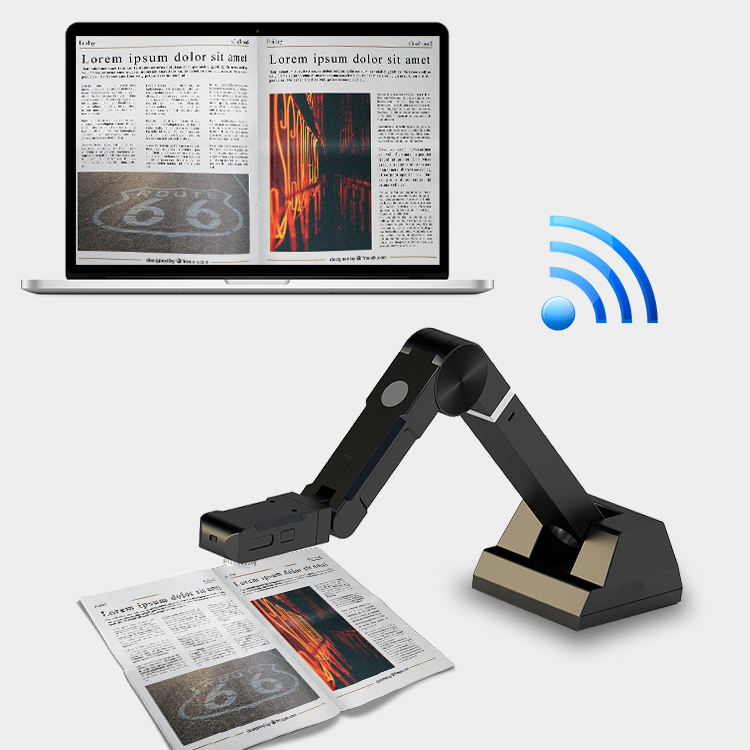
OEM USB Portable Smart Camera Visualizer Wifi A4 A3 Document Camera Visualizer for Education Book Camera
A travelling teacher or seminar-room visualizer for schools that need quick book and worksheet sharing without fixed installation. Suitable for pilot projects and mobile teaching kits.
View Product
WG133AF-HV V508 VGA/HDMI/USB Three Mode 13MP Document Camera for Teachers, Mac, Windows
Useful where Munich lecture rooms mix legacy AV desks with modern laptops. Three output modes reduce adapter friction for teachers who alternate between HDMI projectors and USB capture.
View Product
Wireless Robotic Frame Book Scanner Document Camera A3 A4 Size Management Document Scanner for Online Class
For libraries, archives and online class capture where bound pages need stable overhead positioning. The frame-based concept supports repeatable page placement and less hand fatigue.
View Product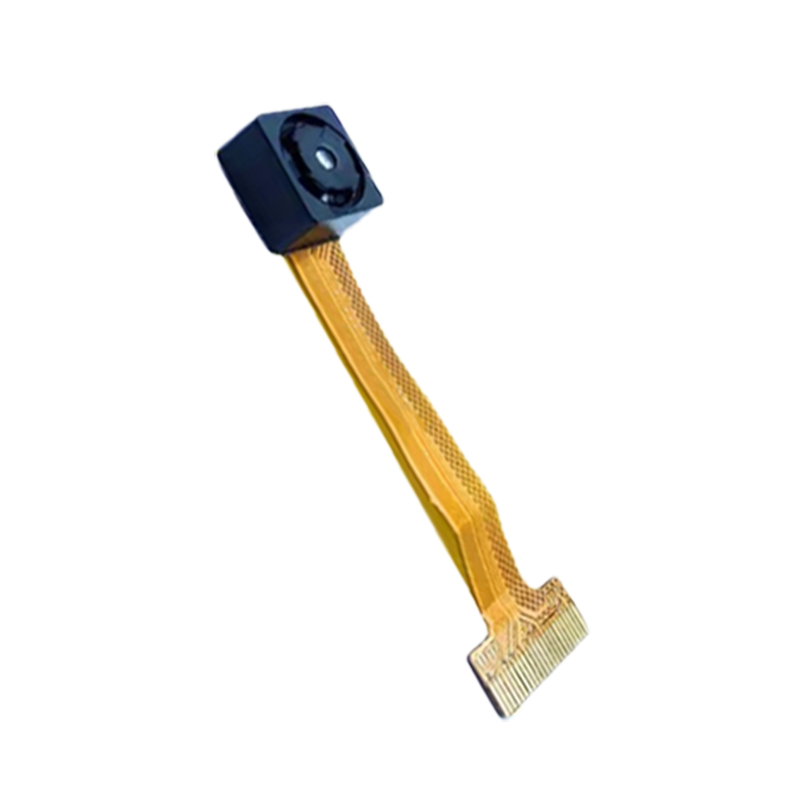
supports 1080P, 2K, 4K pixel camera modules, drone wireless image transmission with night vision and face recognition functions
A module option for integrators building kiosks, inspection devices, smart terminals or drone imaging systems. Discuss sensor, interface and enclosure requirements with the factory engineering team.
View Product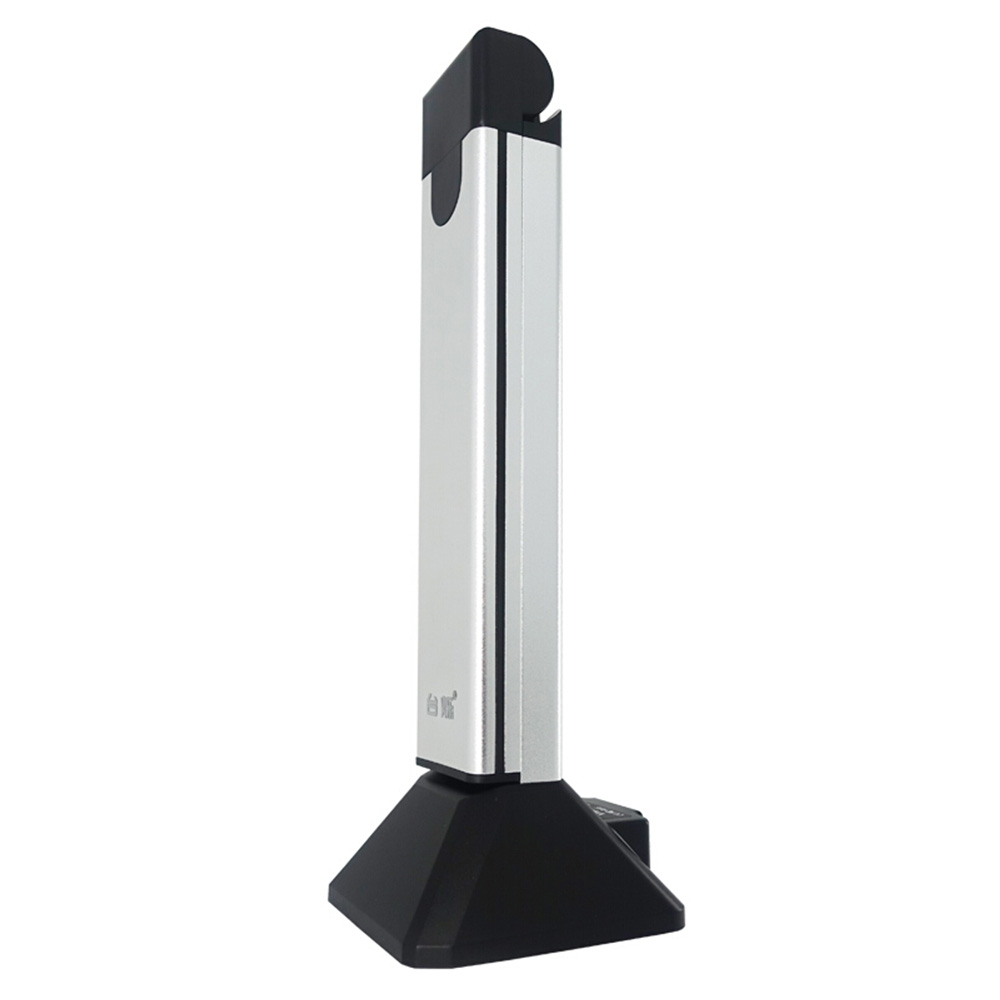
Document camera page camera high speed page scanner for online educational equipment
Designed for digitizing lecture notes, forms and classroom materials in shared resource rooms. A practical choice when teaching teams need fast page turnover and simple software capture.
View Product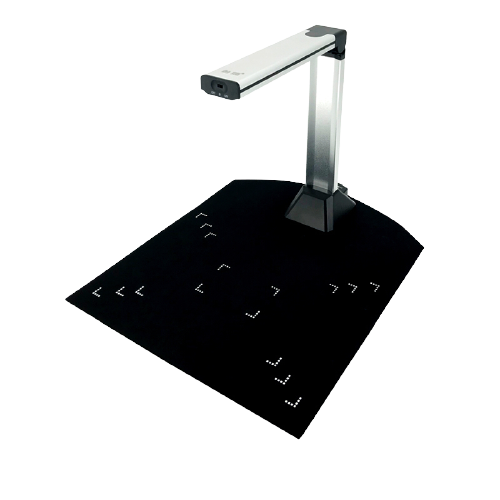
Portable OEM 8MP document camera Visual presenter for education equipment camera scanner
An 8MP presenter for primary and secondary classrooms, training rooms and mobile teaching kits. It balances image clarity, bandwidth and budget for larger school rollouts.
View Product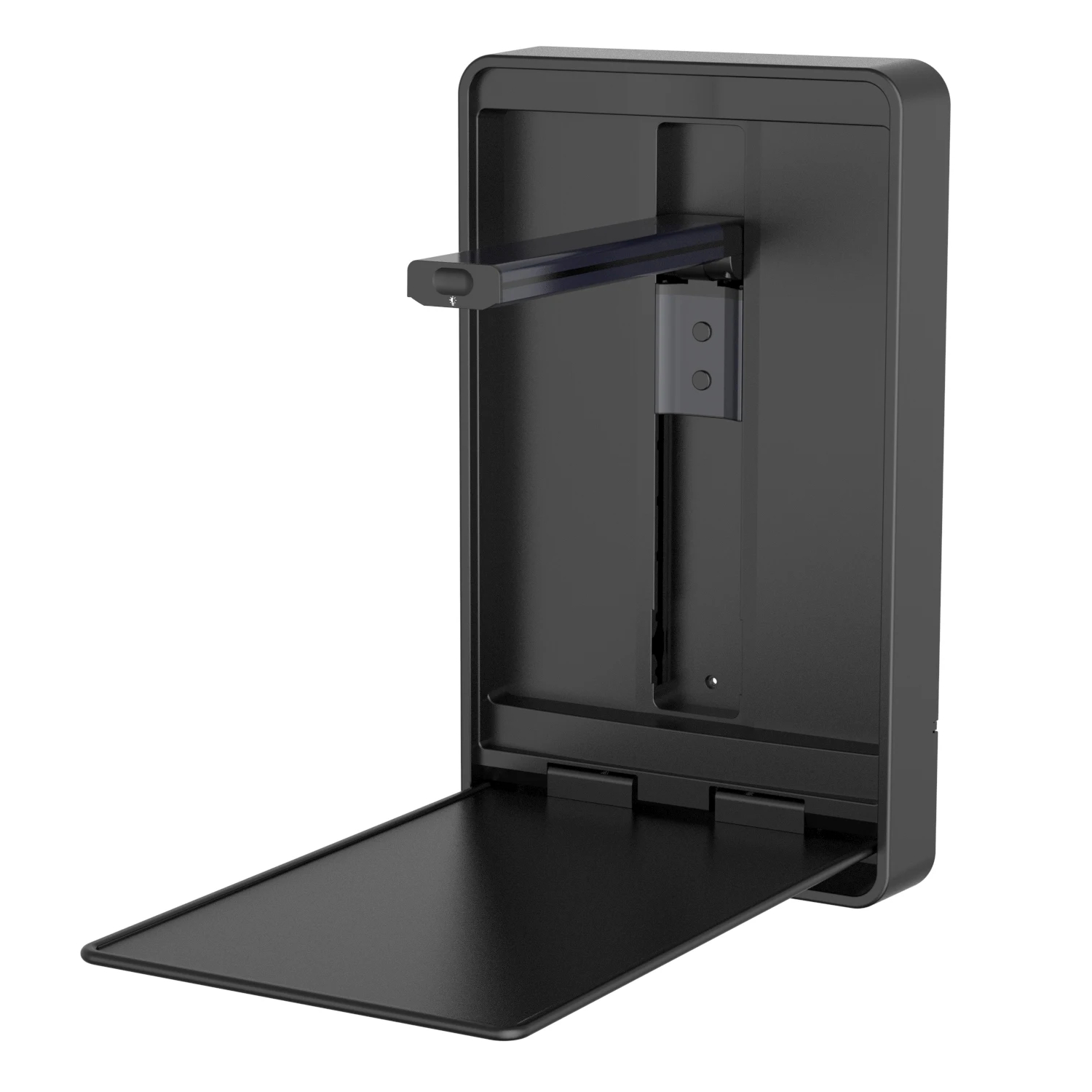
Document Camera OEM Factory 8M Education Display Stand for Wireless Document Camera Scanner, Wall Mounted Video Display Stand
For fixed room-based demonstrations, lab benches and service counters where a dedicated stand improves repeatability. Suitable for OEM branding and room-standard deployment.
View ProductSemantic search intent for Munich
Why Munich Rewards a Different Kind of Paper Scanner Supplier
Munich is not a price-only market. Buyers in Bavaria usually evaluate the whole capture workflow: how quickly a teacher can place a book, how clearly an A3 engineering drawing remains after zooming, whether the device survives shared-room use, and whether the supplier can provide traceable compliance documentation.
For search engines and procurement teams alike, the phrase “China best paper scanner factories” is only the start. Munich-based buyers refine intent with specific terms such as A3 document camera, 13MP book scanner, 5.8G wireless visualizer, dual-camera ID scanner, OEM visual presenter, DDP Germany, CE/RoHS paperwork, and Windows or Mac compatibility. A supplier that answers those questions directly is easier to trust than a catalogue that only lists FOB prices.
Eshuni’s factory-direct model fits this evaluation style because the company has worked on information capture and identity verification hardware since 2012. The portfolio includes document cameras, book scanners, visual presenters, webcams, ID scanners and camera modules, with OEM/ODM support, in-house hardware and software development, ISO9001 quality management, and export experience across North America, South America, Western Europe, South Asia and Africa.
A Munich school, insurer or system integrator does not need another generic catalogue. It needs a supplier that can map the right scanner to the room, the document, the software stack and the tender requirement. That is the practical meaning of buying from a factory rather than a trading intermediary.
What Munich Buyers Usually Mean by “Paper Scanner”
- Overhead document camera for books, forms and A3/A4 pages
- Visual presenter for classroom demonstrations and hybrid lessons
- Book scanner for libraries, archives and bound documents
- Dual-camera scanner for ID capture at public-service counters
- Portable USB visualizer for mobile teaching and pilot projects
- Custom camera module for kiosks, access control and inspection
This intent map helps match product recommendations to the actual job to be done, not just the headline megapixel count.
Procurement lens
What Munich Procurement Teams Test Before Shortlisting a China Factory
A factory can look similar on a landing page and still fail a pilot. These four checks separate an imaging hardware manufacturer from a catalogue reseller in the eyes of Bavarian schools, insurers and public agencies.
A3 Image Integrity
Munich engineering drawings, insurance files and textbook spreads reward resolution that remains readable after zooming. A 13MP sensor is often more appropriate for A3 detail than an 8MP device when fine print must survive digital review.
AV and OS Compatibility
Lecture halls and training rooms often mix HDMI projectors, USB laptops, Windows PCs and MacBooks. VGA/HDMI/USB three-mode cameras reduce adapter friction and support a faster installation during term breaks.
Compliance and Traceability
EU-facing buyers ask for CE/RoHS documentation, label review and consistent batch records. ISO9001 quality management, ERP-driven production and in-house firmware control make technical clarifications easier to document.
Supply Continuity and Support
A pilot order is not enough. Munich buyers want a practical scale-up plan, spare-unit policy, packaging control and remote technical support. FOB, EXW and DDP terms should be quoted clearly before the project reaches budget approval.
Product recommendation
Recommended Configurations by Munich Use Case
Start with the task and the room, then choose the sensor, connection and mounting method. This approach usually produces a more accurate quotation than selecting by price list alone.
Universities and Research Institutes
For lectures, lab demonstrations and research review, choose a 13MP A3 visualizer with USB and HDMI flexibility. The 2-in-1 education visualizer and webcam supports both overhead capture and face-to-camera teaching, which is valuable when seminars are recorded.
Schools and Training Rooms
An 8MP portable presenter often gives the best balance for primary and secondary classrooms. For mobile teaching and room changes, a 5.8G WiFi model or USB plug-and-play device reduces installation complexity and supports faster teacher onboarding.
Insurance, Legal and Public Counters
Dual-camera scanning is useful when the document and the applicant may need to be captured together. For high-volume paper files, pair a high-speed page camera with a dual-camera ID scanner and a documented image-naming workflow.
Libraries, Archives and Engineering
Bound books, maps, drawings and component documentation benefit from a robotic-frame book scanner or a 13MP three-mode document camera. Stable overhead positioning and repeatable page placement matter more than a long list of software features.
Localized application scenarios
Where Paper Scanners and Document Cameras Work in Munich
Munich combines education, insurance, automotive engineering, public administration, libraries and a strong Mittelstand base. The same device category can be specified very differently across these environments.
Hybrid Classrooms and Lecture Capture
Teachers need to show handwriting, textbook pages, lab equipment and printed exercises without switching tools. A document camera can be used in the room and streamed to remote learners. For privacy-sensitive schools, the preferred configuration keeps image capture local and relies on the school’s approved conferencing software.
Public Administration and Citizen Services
Citizen-service counters handle ID cards, application forms, supporting documents and signatures. A dual-camera scanner can capture the document and the person in one workflow, while a high-speed page camera supports back-office digitization. Clear audit trails and consistent image quality matter more than decorative features.
Insurance, Legal and Finance Documents
Munich’s insurance and financial-services ecosystem deals with contracts, policy documents, damage reports and signed forms. A3 capture, color fidelity and fast page handling help reduce repeated scans. The right device should integrate with existing document-management systems rather than force a new cloud workflow.
Engineering, Archives and Libraries
Bavarian engineering firms, museums, archives and university libraries often need to digitize drawings, plans, rare books and object labels. A3/A4 book scanners and 13MP visualizers support careful handling, detailed capture and consistent output for research or compliance records.
Localized trends
Munich Market Trends Shaping Paper Scanner Demand, 2025–2028
The strongest growth is not simply “more cameras.” It is the combination of hybrid teaching, auditable digital records, AI-assisted indexing and stricter EU procurement documentation.
Hybrid-First Teaching
Schools and universities are designing rooms for simultaneous in-person and remote participation. A visualizer that works with the existing laptop and conferencing stack is often more valuable than a standalone scanner with a closed ecosystem.
E-Government and Audit-Ready Files
Public-sector digitization increases demand for consistent capture, readable filenames, clear metadata and reliable hardware. Devices that reduce operator variation can lower rework in citizen-service and back-office teams.
AI-Assisted Indexing
OCR and AI document tools are only as good as the original image. Munich buyers increasingly understand that better lighting, focus and resolution at the capture stage can reduce downstream correction and improve searchability.
Compliance and Total Cost
Unit price alone is a weak comparison. Munich procurement teams increasingly weigh CE/RoHS documentation, warranty logistics, teacher training time, replacement parts and the cost of a failed pilot against the initial quotation.
Information gain
A Factory Audit Scorecard Before You Shortlist for Munich
A useful supplier comparison goes beyond product photos. The following scorecard reflects how an OEM imaging factory should be organized when it supports education, government and enterprise buyers in a compliance-conscious market such as Bavaria.
- In-house R&D with firmware ownership, version control and documented change requests
- Traceable sensor, lens and board sourcing for repeat orders
- ERP-driven production and batch consistency checks
- OEM/ODM process for logo, packaging, manuals and buyer-label programmes
- CE/RoHS documentation, label review and export paperwork discipline
- Remote technical support plus a realistic RMA and spare-unit policy
- Pilot order workflow that can scale into a framework agreement
- Three-level technical support: product design, project design and on-site project application
Eshuni’s organization includes an in-house R&D team, national patents on hardware and software, ISO9001 quality management, and a factory team of more than 100 people. These are relevant because Munich buyers often need answers across hardware, software, packaging and project deployment.
Planning Guidance: Matching Resolution to Munich Document Work
Illustrative planning guidance for buyer conversations, not a formal laboratory benchmark. Final selection should be confirmed with sample testing against your own documents, software and room conditions.
Factory advantages
Why Eshuni Is a Practical China Supplier for Munich Buyers
Shenzhen Eshuni Technology Co., Ltd. is a manufacturer and solution provider for information capture and identity verification. The company designs and builds high-speed document scanners, book scanners, visualizers, webcams, ID scanners, face-recognition gate controllers and camera modules for B2B buyers.
Manufacturing Since 2012
More than a decade of production experience in document cameras and imaging devices gives the factory a practical base for OEM projects, repeat orders and application-specific customization.
In-House R&D and Patents
Hardware and software are developed in-house and protected by national patents. This helps when buyers need firmware adjustments, interface clarification or a customized visualizer for a tender.
ISO9001 and Product Certifications
The factory operates an ISO9001 quality management system. Products carry CE, FCC, RoHS and China 3C certification, and buyers can discuss the documentation package required for their market.
OEM / ODM and Private Label
Eshuni supports OEM manufacturing, product design services and buyer-label production. Logo, packaging, manual and software-startup requirements can be reviewed against the project plan.
3,000+ m² Factory and 100+ Team
A production floor area of more than 3,000 square metres and a team of over 100 employees provide capacity for pilot builds, repeat orders and seasonal delivery planning.
ERP Production Control
ERP-driven production and supply-chain management help keep quality consistent and lead times visible. This matters when a Munich project team needs predictable delivery windows.
Export Experience
Regular shipments to North America, South America, Western Europe, South Asia and Africa support a practical understanding of export documentation, packaging and destination requirements.
Three-Level Technical Support
Product design, project design and on-site project application support help move a buyer from product selection to deployment. For Munich projects, this can be combined with remote engineering discussions before shipment.
Quality, compliance and delivery
What Munich Buyers Should Confirm Before Purchase
Clear documentation reduces surprises during public tenders, school procurement and enterprise purchasing. The following points are useful for building a precise request for quotation.
Documentation Pack
Request product datasheets, model labels, CE/RoHS-related documents, packaging information and warranty terms. For public-sector projects, ask the supplier to state what can be provided for the tender file.
Trade Terms
Eshuni accepts FOB, EXW and DDP delivery terms. Munich buyers should clarify DDP coverage, EU VAT handling, customs formalities, destination charges and return logistics in the quotation.
Language and Packaging
For schools and public institutions, simple English or German quick-start material can reduce training time. Discuss manual language, box labeling, barcode requirements and master-carton configuration early.
Pilot and Quality Plan
A pilot order helps test image quality, software compatibility, teacher acceptance and packaging before volume production. Define sample quantities, acceptance criteria and the responsible technical contact on both sides.
FAQ
Common Questions from Munich Paper Scanner Buyers
Can a China paper scanner factory support Munich public tender requirements?
Support depends on the tender specification. A factory with ISO9001, CE, FCC, RoHS and 3C certification can usually help with product data, technical descriptions, packaging information and compliance-related documents. Munich buyers should still confirm local legal requirements with their procurement and compliance teams before award.
Which product is best for A3 engineering drawings and library books?
For A3 drawings, fine print and archival work, a 13MP A3 document camera or robotic-frame book scanner is usually more suitable than an 8MP A4 model. For bound books, stable overhead positioning and careful page handling matter as much as resolution.
Should Munich classrooms choose 8MP or 13MP document cameras?
An 8MP sensor is often sufficient for A4 pages, textbooks, notes and live classroom demonstrations. A 13MP model is recommended when capturing full A3 sheets, detailed diagrams, engineering drawings or archival scans where every detail must remain legible after zooming.
What is the difference between USB and 5.8G wireless document cameras?
USB models are plug-and-play and draw power from the computer, which is ideal for fixed desks and service counters. 5.8GHz wireless models give teachers freedom to move around the room; the 5.8GHz band is typically less congested than 2.4GHz, supporting a more stable live image in busy school networks.
Does Eshuni offer OEM and ODM document cameras and webcams?
Yes. Eshuni offers OEM manufacturing, product design services and buyer-label production. The in-house R&D team supports product design, project design and on-site project application, which is relevant for distributors and system integrators who need a customized range rather than a single stock model.
Which certifications do your products and factory hold?
The factory operates an ISO9001 quality management system, and products carry CE, FCC, RoHS and China 3C certifications. The hardware and software are developed in-house and protected by national patents. Munich buyers should request the exact documentation package for the specific model and order volume.
How should DDP delivery to Munich, VAT, customs and warranty returns be handled?
Eshuni supports FOB, EXW and DDP delivery terms. For Munich projects, the quotation should clearly state DDP coverage, EU VAT responsibility, customs formalities, destination charges, warranty duration and the return address or spare-unit process. This avoids hidden landed-cost surprises after purchase.
Can a Munich school or integrator place a pilot order before a larger framework agreement?
Yes, a pilot order is a practical first step. Test the device with your own documents, room lighting, laptop or Mac, conferencing software and storage workflow. Define acceptance criteria in advance, then scale the selected configuration into a volume or framework order.
Next step for Munich buyers
Build a Paper Scanner Shortlist with Factory-Level Answers
Share your application, document size, quantity, target software environment and delivery requirement. The Eshuni team can recommend an 8MP or 13MP document camera, USB or 5.8G wireless visualizer, dual-camera scanner or OEM camera module based on the actual Munich deployment scenario.
Get Catalog