Eight Factory-Direct Book Cameras & Visualizers for the Las Vegas Market
These eight models are the most relevant starting points for education, hospitality, government, legal and commercial buyers. Each can be discussed for sample evaluation, private-label packaging, firmware configuration and DDP delivery coordination.
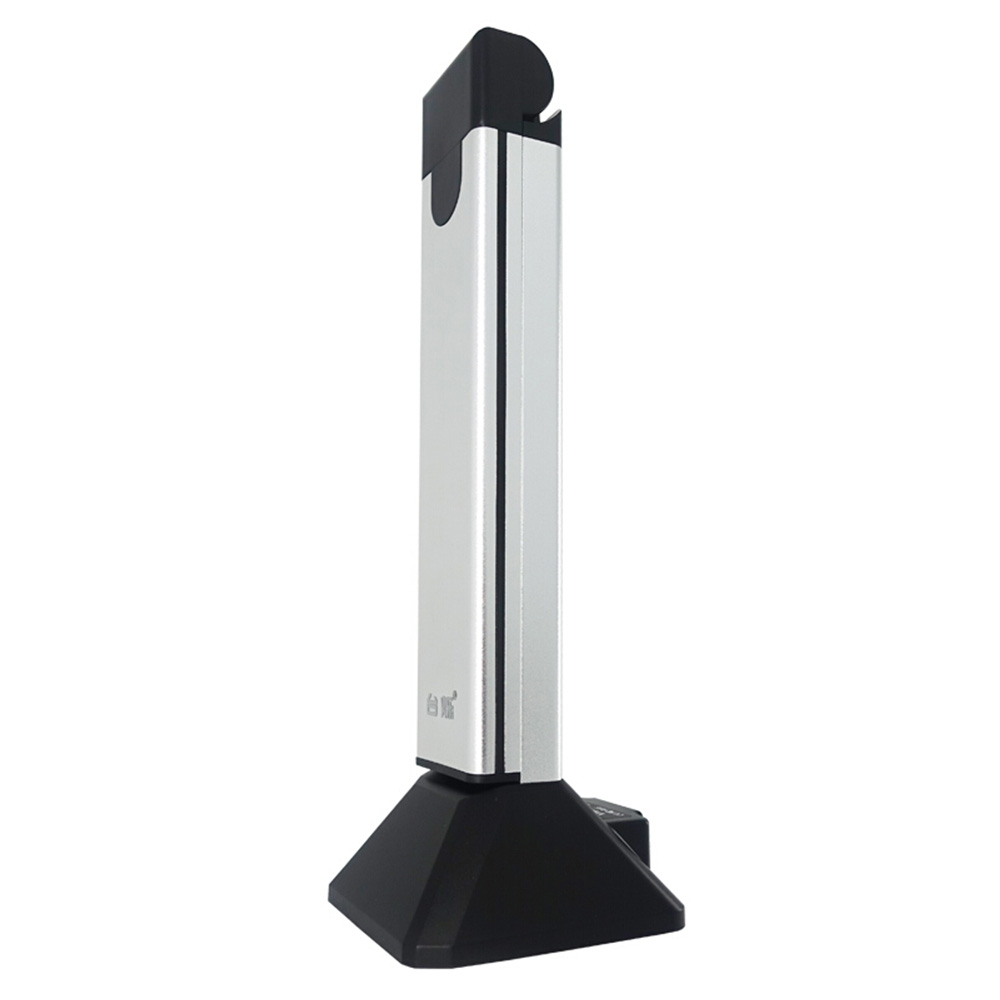
High-Speed Document Camera Scanner for Education
A fast live-capture visualizer for K-12 classrooms, tutoring studios and teacher training rooms. It supports handwriting demonstrations, science demos and remote instruction without forcing teachers to rebuild lesson plans. Las Vegas buyers can test it against existing projectors and USB display hardware before a campus rollout.
View model specification →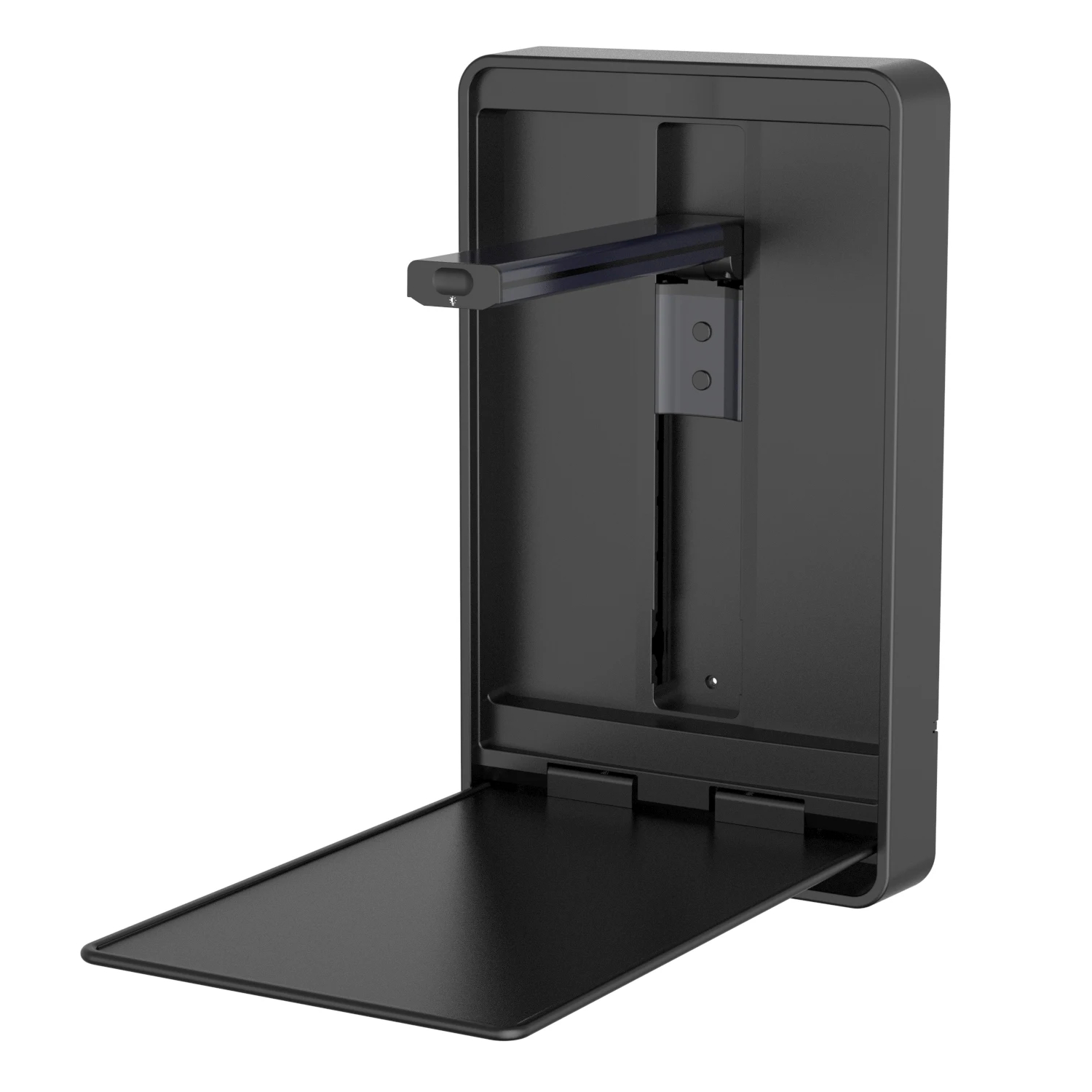
OEM 8MP Wireless Document Camera Wall Mount Stand
A space-saving 8MP wireless visualizer for wall-mounted capture. It suits hotel training suites, clinic intake counters and compact back-office scanning stations where tripod arms would block circulation. OEM housing and label options help multi-property hospitality groups standardize their training rooms.
View model specification →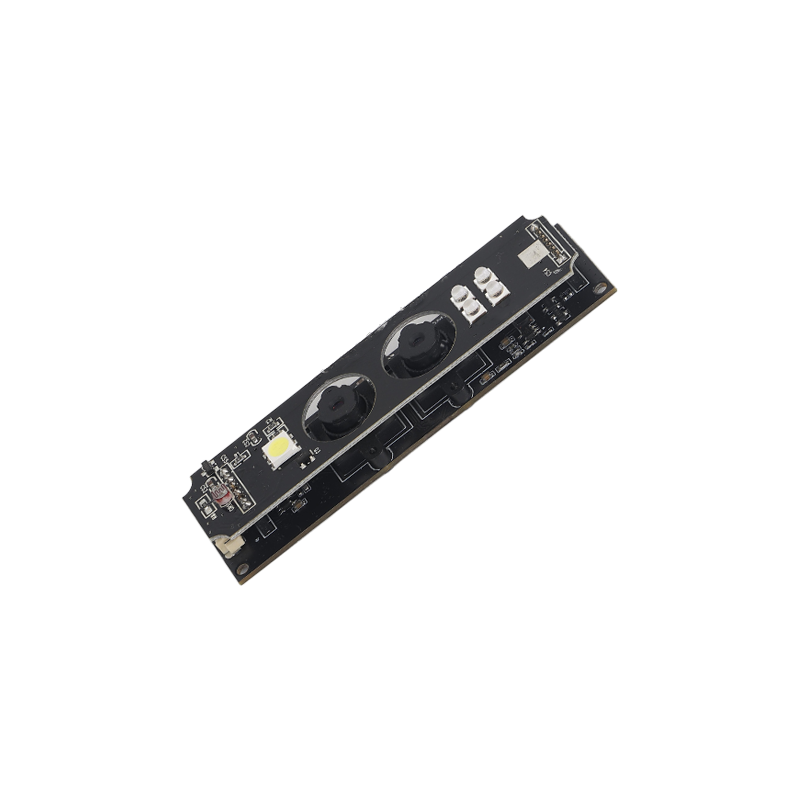
1080P / 2K / 4K HD Binocular Wide Dynamic Camera Module
An embedded CMOS camera module platform for kiosks, smart lockers, access terminals and custom book-camera enclosures. Auto-focus and fixed-focus options support different reading distances, while wide dynamic imaging helps manage challenging lobby and counter lighting. Ideal for OEM teams designing a differentiated capture device.
View model specification →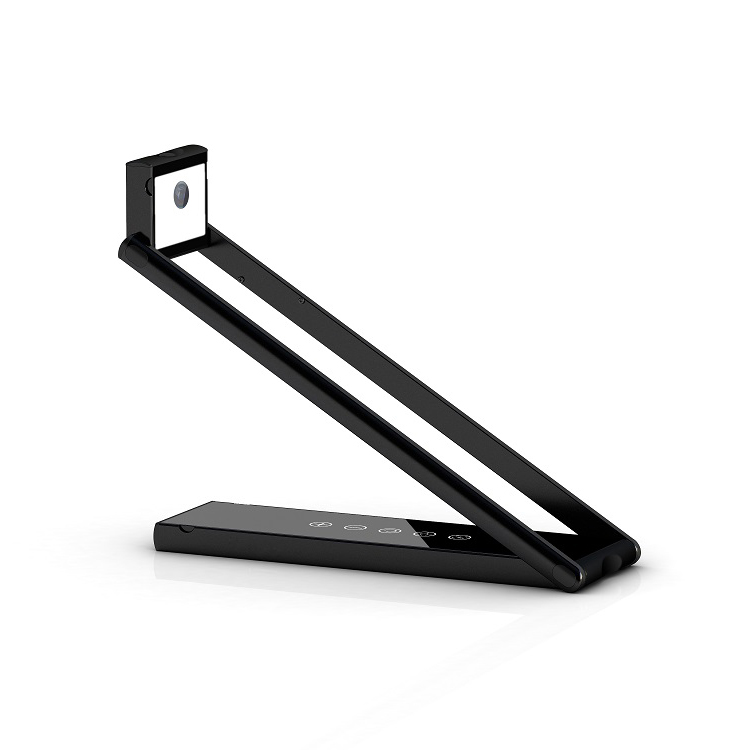
A3 Education Equipment Visual Presenter Document Camera Scanner
An A3 book-and-paper scanner for full-spread textbooks, engineering drawings, plan sets and bound reference materials. In Las Vegas, this class is often requested by libraries, legal teams, insurance offices and workforce training centers that need full-page records captured without losing reading order or edge detail.
View model specification →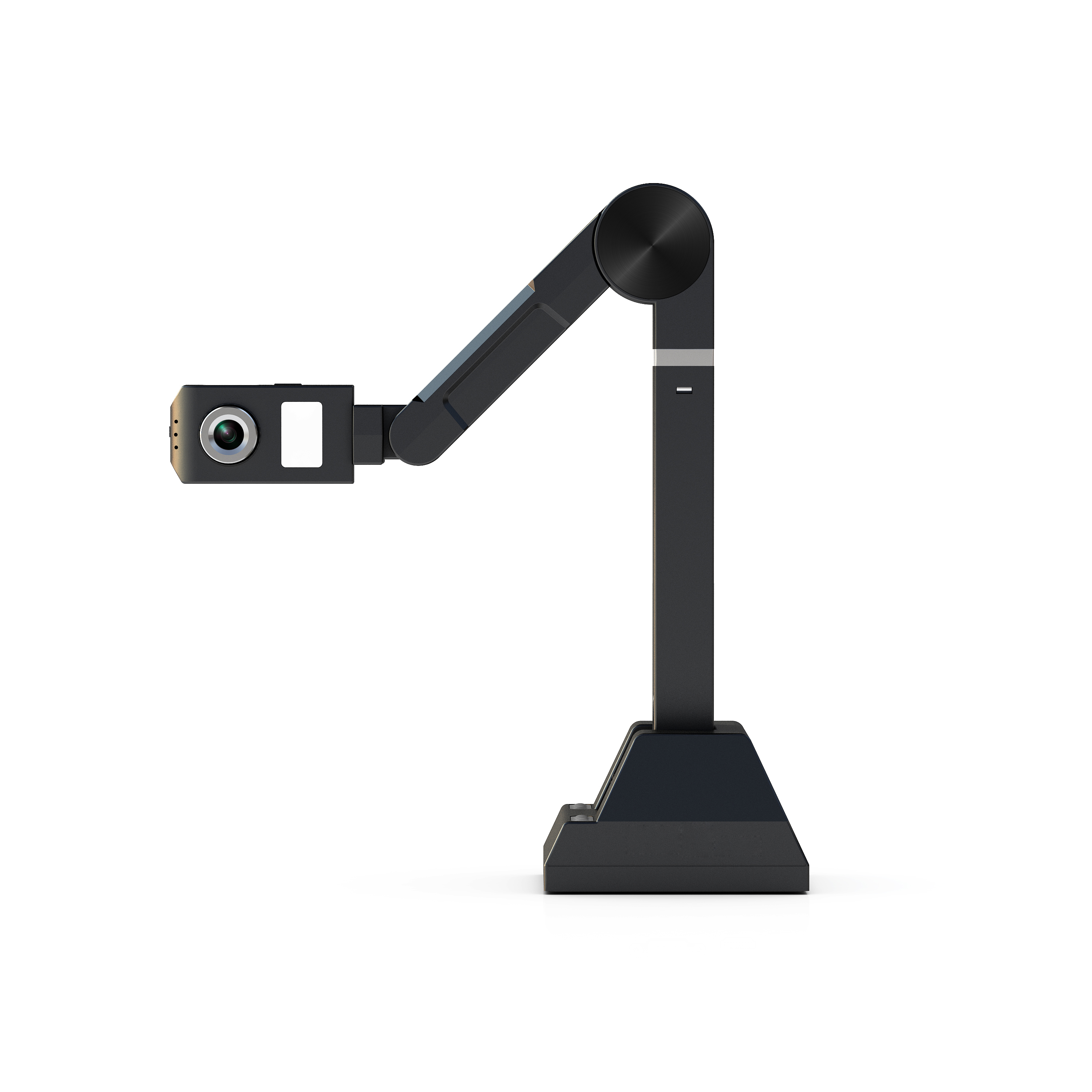
New Design HD 8MP / 13MP Auto-Focus Document Camera Scanner
A flexible 8MP/13MP document camera scanner for online education. Auto focus lets presenters move between flat pages, 3D objects and handwriting without manual adjustment. A practical choice for charter schools, tutoring franchises and corporate learning teams that need a familiar USB visualizer workflow with a sharper sensor option.
View model specification →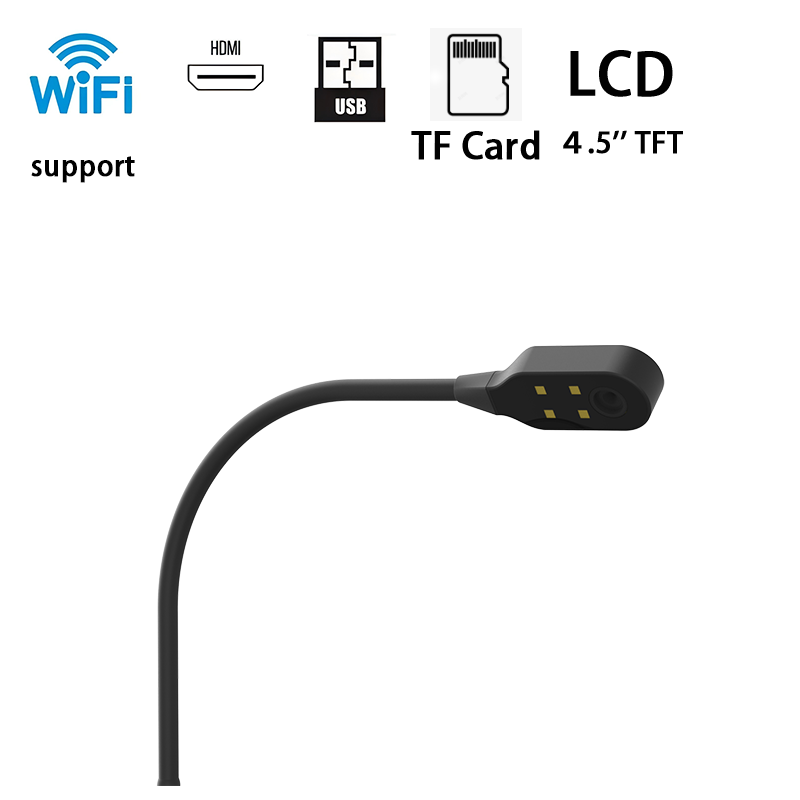
Teaching Visualizer Supporting VGA and WiFi Interfaces
Designed for classroom retrofits where VGA projectors remain in service while WiFi enables file and camera sharing. This dual-interface approach reduces the need to replace working display infrastructure—a meaningful procurement advantage for older facilities, portable classrooms and temporary learning sites.
View model specification →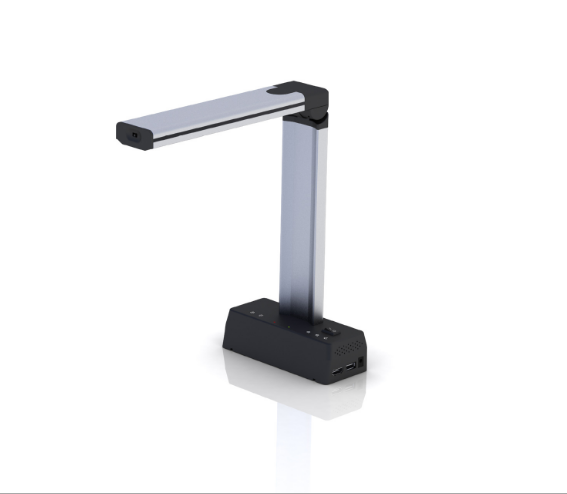
5.8G WiFi Document Camera Visualizer — OEM / ODM
A 5.8G wireless document camera visualizer for education or office use. The 5.8GHz band is typically less congested than 2.4GHz in dense networks. For convention spaces, multi-classroom buildings and mobile training setups, this model gives integrators more predictable live-view performance and easier cable management.
View model specification →
OEM Portable Wireless 13MP A3 Document Camera Visualizer
A portable wireless 13MP A3 visualizer for pop-up classrooms, hotel conference rooms, temporary exam sites and field training. The portable form factor supports rapid room turnover and remote-site deployments, while 13MP capture keeps full-page documents legible after zooming. Suitable for OEM and private-label programs.
View model specification →What Las Vegas Buyers Should Demand from a China Book Camera Manufacturer
Las Vegas is not a generic North American market. It combines a very large school system, a 24/7 hospitality and convention economy, legal and public-sector document environments, and lighting conditions that can stress an image pipeline. Buyers searching for China top book camera manufacturers are usually trying to solve one of four jobs: make teaching visible, digitize records accurately, train staff consistently, or integrate an imaging module into a larger system. A low unit price is not the same as low deployment risk.
The most useful evaluation framework is total deployment risk: image legibility after digital zoom, wireless stability in dense venues, physical fit in the room, compatibility with existing displays, spare-part continuity, and documentation that satisfies procurement. Las Vegas teams should test a sample with the worst document—not the cleanest one—and in the actual room where the device will be used. That is how a pilot becomes a repeatable standard instead of a one-off purchase.
Shenzhen Eshuni Technology Co., Ltd. has manufactured information-capture and identity-verification hardware since 2012. The range includes document cameras, visualizers, book scanners, webcams, ID scanners, camera modules and related devices. We support OEM/ODM, buyer-label production, product design, project design and on-site application support. That combination matters in Las Vegas, where a successful campus or property pilot often becomes a multi-site rollout.
24/7 Hospitality Lens
Hotels, resorts and convention venues need fast room turnover, simple operation and devices that do not block circulation. Wall-mounted, portable and wireless visualizers fit these training and event workflows better than fixed tripods.
Dense Wireless Environments
In convention centers and casino back-of-house areas, 2.4GHz is crowded. A 5.8G wireless visualizer or wired fallback should be tested in the real RF environment before a multi-room order.
A3 Records and Fine Print
Libraries, legal teams and public counters handle bound books, plan sets, signatures and small type. Resolution, lighting tolerance and lens quality matter more than marketing labels.
Where Book Cameras Earn Their Place in Las Vegas Workflows
A book camera is not only an overhead scanner. In the right configuration, it becomes a teaching endpoint, a training standard and a records-capture station.
Classroom and Campus Capture
A document camera is no longer a projector accessory; it is a lesson-capture endpoint. District-scale buyers should confirm handwriting visibility, math manipulatives, science demonstrations and full-page textbook reading without forcing teachers to change lesson flow. Auto focus and a sensor that preserves small type after zoom are critical. For portable classrooms and temporary sites, a portable A3 visualizer or 2-in-1 USB model reduces installation complexity.
Hospitality, Convention and Training
Las Vegas hospitality runs on continuous onboarding, compliance training and large meetings. A wall-mounted 8MP wireless visualizer is useful where tripods block traffic; a portable 13MP A3 unit supports breakout rooms and registration desks. In dense venues, 5.8G wireless is often preferred to 2.4G because the RF environment is crowded. Test in the actual training room, not a showroom.
Public Records, Legal and Counters
Government, legal, insurance and library teams capture bound books, plan sets, identity documents and signatures. The evaluation should include the worst document: a low-contrast carbon copy, glossy paper, tightly bound book or folded drawing. A3 visual presenters and dual-camera scanners reduce operator steps, while high-speed document cameras keep service counters moving.
Four Development Trends Shaping 2025 Book Camera Procurement
Las Vegas buyers are not only comparing megapixels; they are comparing deployment models, wireless confidence and long-term factory consistency.
Hybrid Teaching Is Standard
Classrooms and training providers increasingly expect every room to support in-person and remote audiences. Buyers favor USB plug-and-play plus optional 5.8G wireless, rather than a single-purpose overhead scanner.
Wireless Confidence in RF-Dense Venues
Convention centers, resorts and dense school networks make 2.4GHz less predictable. 5.8GHz visualizers and wired fallback are now common requirements in serious RFQs.
A3 Capture Moves Mainstream
Once reserved for libraries, full A3 book and plan-sheet capture is now requested by legal, insurance, architecture and facilities teams. 13MP auto-focus models are evaluated with zoomed-in text samples.
Factory Consistency Beats One-Off Bargains
Multi-site buyers ask for identical firmware, packaging, accessories and spare-part availability. OEM/ODM continuity, ISO9001 process control and DDP logistics are part of the product decision.
Match the Book Camera to the Las Vegas Workflow
Use this matrix to narrow a tender or pilot before requesting samples. The best model is the one that removes the most operational friction in the room where it will actually be used.
| Workflow | Recommended Configuration | Why It Matters Locally | Procurement Note |
|---|---|---|---|
| K-12 lesson demonstration | 8MP auto-focus USB visualizer; A3/A4 capture; VGA allowance for legacy rooms | Teachers need fast switching between handwriting, books and objects without changing lesson plans. | Test with existing projectors or interactive panels; confirm driver-free USB operation. |
| Fine print and full A3 spreads | 13MP A3 auto-focus visualizer with high-quality lens and stable lighting | Legal, library and facilities teams need text to remain legible after zooming into a full spread. | Request sample scans of the smallest type and lowest-contrast page in your records. |
| Hotel or convention training | 5.8G wireless visualizer or wall-mounted 8MP unit; portable 13MP for breakout rooms | Dense RF environments and rapid room turnover demand simple setup and fewer cables. | Pilot in a representative training room; confirm fallback to wired mode. |
| Public records and service counters | A3 visual presenter, dual-camera scanner or high-speed document camera | Operators need to capture documents, signatures and sometimes the applicant in one workflow. | Confirm software integration, counter footprint and capture speed under queue pressure. |
| OEM kiosk or custom enclosure | CMOS camera module; binocular or wide-dynamic options; auto or fixed focus | System integrators need an imaging engine that fits the enclosure and lighting conditions. | Share mechanical constraints, target field of view and interface requirements for evaluation samples. |
E-E-A-T Evidence Buyers Can Verify Before Ordering
Experience, expertise, authority and trust are not slogans. They are documents, samples, process controls and a factory team that can answer project-specific questions.
Years of R&D focus in document cameras, visualizers and information-capture hardware.
Square meters of manufacturing floor area supporting assembly and supply-chain control.
On-site employees across production, engineering, quality and project support functions.
Major export regions served: North America, South America, Western Europe, South Asia and Africa.
Why Eshuni Is a Practical OEM Partner for Book Camera Programs
Shenzhen Eshuni Technology Co., Ltd. is a manufacturer and solution provider for information collection and identity verification. We design and build high-speed document scanners, book scanners, visual presenters, identity verification terminals, webcams and camera modules for education, finance, insurance, telecommunications, government and enterprise buyers.
Engineering Depth
Senior R&D support covers product design, project design and on-site application. Core hardware and software are developed in-house and protected by national patents, so customization discussions start from real platform knowledge.
Quality and Compliance
The factory operates an ISO9001 quality management system. Products can be supplied with CE, FCC, RoHS and China 3C documentation where applicable. ERP-driven production and supply-chain management help keep quality consistent.
OEM / ODM Flexibility
We offer OEM manufacturing, product design services and buyer-label production. Typical requests include logo and packaging, interface configuration, start-up defaults, accessory bundling and market-specific documentation.
Global Trade Execution
We accept FOB, EXW and DDP delivery terms and regularly ship to North America, South America, Western Europe, South Asia and Africa. Las Vegas buyers can coordinate pilot quantities, multi-site packaging and delivery requirements through one project team.
A Buyer’s Checklist for China Book Camera Manufacturers
Before comparing quotations, make every supplier answer the same operational questions. This is where information gain becomes negotiating leverage.
1. Test the document, not only the spec sheet
Request sample images using your worst-case page: low-contrast print, glossy paper, tightly bound books or folded plan sets. Evaluate legibility after zoom, not just the wide shot.
2. Confirm interface compatibility
Check USB, VGA, HDMI or WiFi requirements against existing displays, capture software and IT policy. A device that cannot connect cleanly creates hidden labor cost.
3. Survey the RF environment
If wireless is required, test in the actual room. In Las Vegas convention and resort spaces, 5.8GHz can be more predictable than 2.4GHz, but wired fallback should still be available.
4. Review certification and factory records
Ask for ISO9001 evidence and the applicable CE, FCC, RoHS or 3C documents for the exact model. Confirm the power adapter and packaging configuration for your market.
5. Define OEM scope before quotation
Clarify logo, packaging, label language, firmware defaults, accessories and user manual requirements. A vague OEM request produces vague pricing and schedule risk.
6. Plan logistics and spares
Confirm FOB, EXW or DDP terms, lead time, replacement-part availability and packaging suitable for multi-site delivery. Pilot-to-rollout continuity matters more than a one-time discount.
Common Questions from Las Vegas Buyers
These are the questions procurement teams, school technology coordinators and hospitality training managers ask most often before sampling a book camera.
How can a Las Vegas buyer validate a book camera before a large order?
Start with a sample matched to the actual workflow: A3 textbooks, hotel training documents or counter-top records. Test auto focus, frame-to-frame clarity, USB or 5.8G stability in the room where it will be used, and confirm output compatibility with existing projectors, interactive panels or capture software. Then compare sample images against the documents your team handles every day.
Do you ship to Las Vegas and offer DDP or FOB?
Yes. We regularly quote FOB, EXW and DDP terms for buyers in North America, South America, Western Europe, South Asia and Africa. For Las Vegas, share the delivery address, required documents, quantity and whether the purchase is a single pilot or multi-site rollout. The project team can confirm trade terms, packaging and lead-time requirements before order confirmation.
Should I choose 8MP or 13MP for A3 book scanning?
8MP is usually sufficient for A4 pages, standard textbooks and live teaching. Choose 13MP when you need full A3 spreads, fine print, engineering drawings, legal files or archival scans that remain legible after digital zoom. Test with the smallest type and lowest-contrast pages in your records so the decision is evidence-based.
Are 5.8G wireless visualizers better than USB in Las Vegas venues?
Not universally. USB is simpler for fixed classrooms and service counters because it is plug-and-play and powered by the computer. 5.8G wireless is useful where teachers move around or cable drops are impractical. Compared with 2.4GHz, 5.8GHz is often less congested in high-density venues. Both should be tested against the room’s WiFi and display setup.
Can Eshuni customize branding, packaging and firmware?
Yes. We offer OEM manufacturing, product design services and buyer-label production. Typical requests include logo and packaging, label language, start-up screen or software defaults, packaging specifications and accessory bundling. Provide target market, quantity and compliance documents so the project team can confirm the appropriate customization scope.
Which certifications and factory records support procurement review?
The factory operates an ISO9001 quality management system; products can be supplied with CE, FCC, RoHS and China 3C documentation where applicable. Our hardware and software are developed in-house and protected by national patents. For a serious tender, request the specific model’s test report, adapter specification and shipping configuration before approval.
Build a Las Vegas-Ready Book Camera Program with Eshuni
Share your application, target resolution, capture area, interface, quantity and local delivery requirement. Our team will recommend a shortlist from the eight models above, confirm OEM/ODM options, and prepare a catalog for your procurement review.
Factory-direct document cameras, book scanners, visual presenters, webcams and CMOS camera modules from Shenzhen since 2012.