OEM / ODM Imaging Hardware · Yokohama Procurement Brief
Custom OEM Educational Equipment Manufacturer & Wholesaler for Yokohama
Factory-direct document cameras, visualizers, biometric modules and imaging hardware for Yokohama schools, universities, integrators, public-service counters and private-label resellers.
Contact UsEight OEM-Ready Devices for Yokohama Education, Public Service and Systems Integration
These eight platforms are useful starting points for Yokohama buyers who need document capture, visual presentation, biometric identity capture or embedded imaging modules. Each can be discussed as an OEM, ODM or private-label programme with consistent firmware, packaging and documentation.
Campus Safety · Field Training
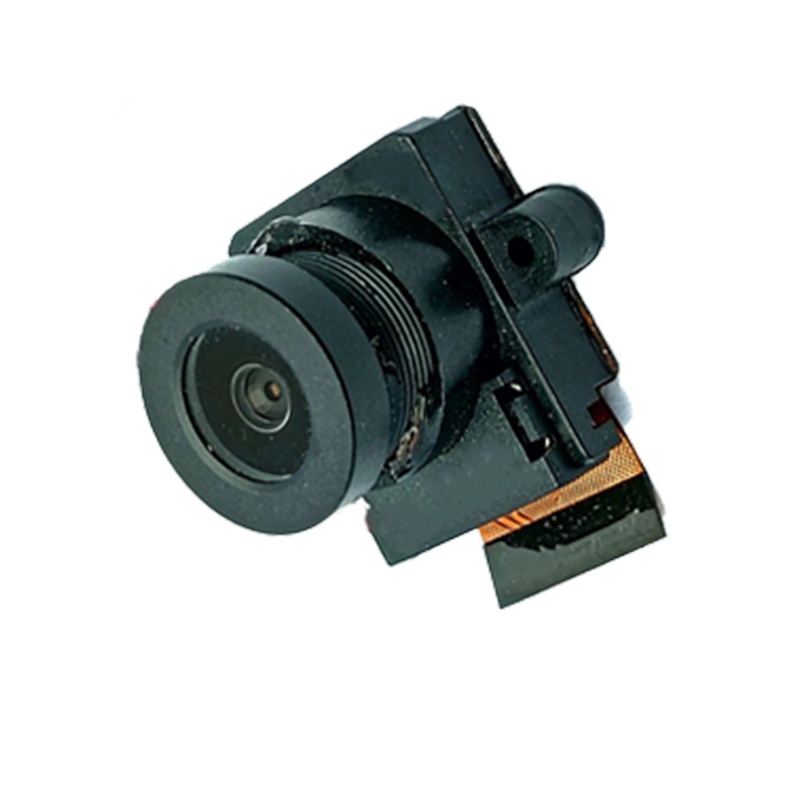
Factory hot-selling 1080p CMOS sensor body camera with HD video/audio recording and night vision
- 1080p
- Night vision
- Audio
A practical capture platform for campus security teams, field-based vocational training and site-record workflows where portable evidence quality matters in low-light conditions.
Review OEM specifications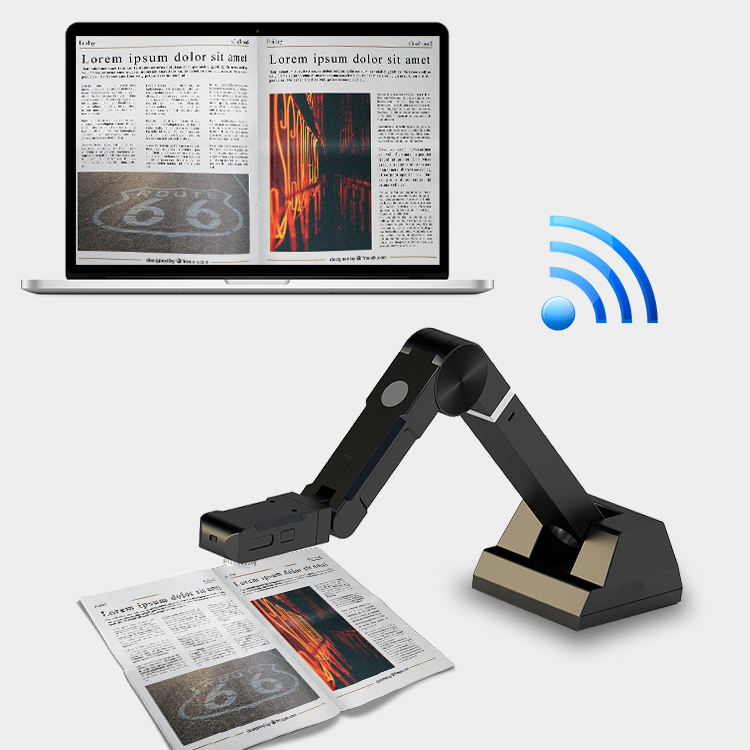
Hybrid Classroom · Book Capture
OEM USB Portable Smart Camera Visualizer Wifi A4 A3 Document Camera Visualizer for Education Book Camera
- USB
- WiFi
- A3 / A4
An education-focused visualizer for teachers who move between classrooms, share textbooks live and support remote learners with a stable overhead view.
Explore classroom fit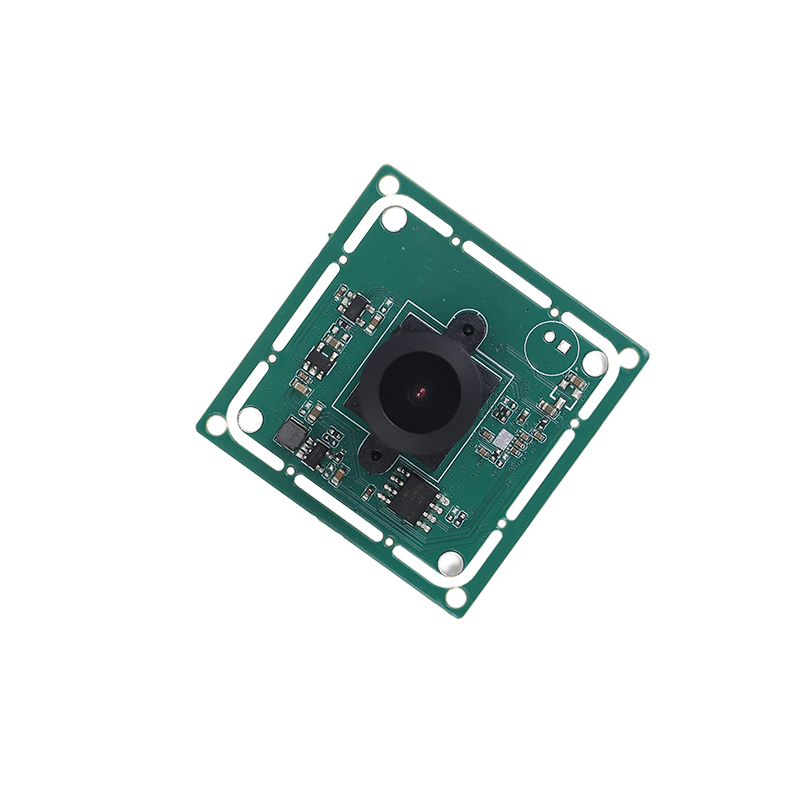
Embedded Camera Module
1080P 30FPS USB HD portrait shooting camera module with macro recognition, fixed focus, and optional auto focus
- 1080P
- 30FPS
- Macro focus
Designed for equipment builders that need a compact USB imaging module for kiosks, portrait capture, document inspection or educational devices.
View module options
High-Resolution Visualizer
Visual Presenter HD Camera 8MP 13MP auto focus Document Camera Scanner online educational equipment book camera
- 8MP / 13MP
- Auto focus
- Book camera
A strong fit for Yokohama classrooms and university lecture rooms that need detailed A3 capture, zoom clarity and reliable autofocus during live demonstrations.
Compare resolution needs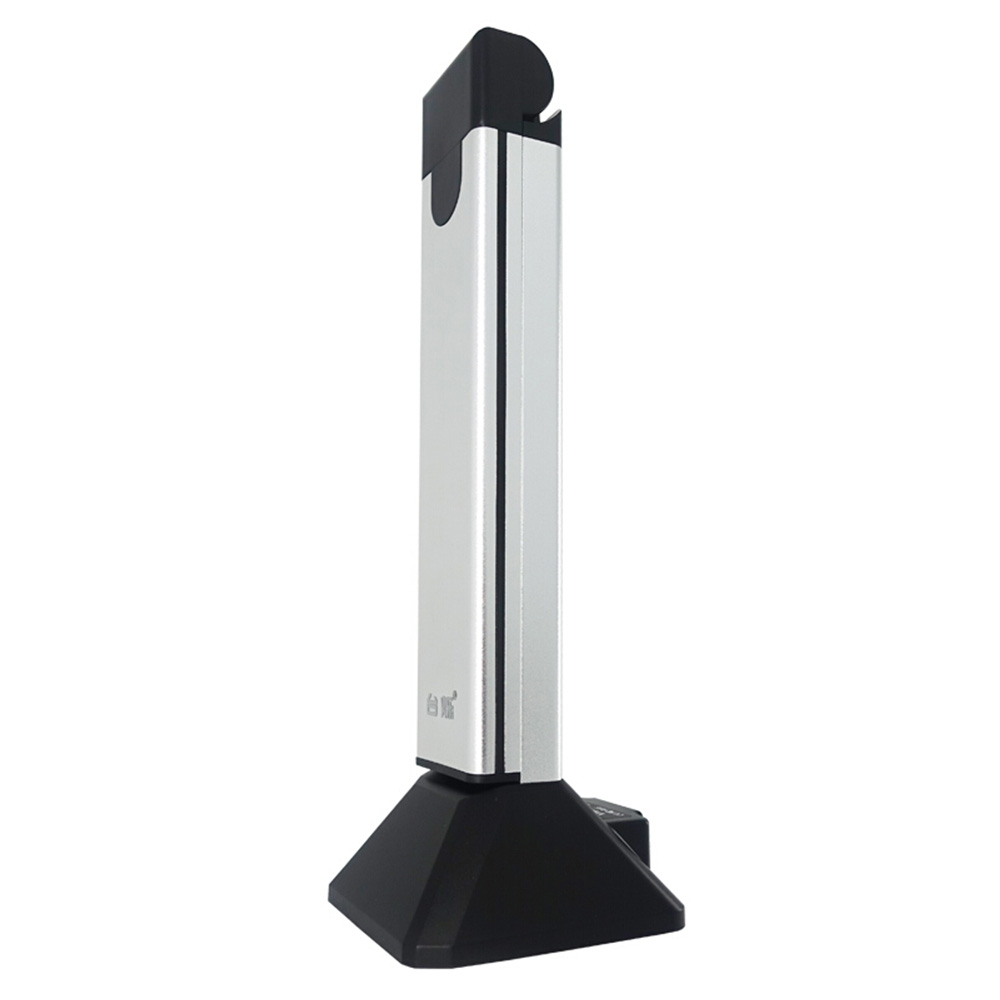
Page Capture · Office Digitization
Document camera page camera high speed page scanner for online educational equipment
- High speed
- Page scanning
- Education
Useful where staff need to digitize handouts, forms and bound materials quickly without moving each page to a flatbed scanner.
Review workflow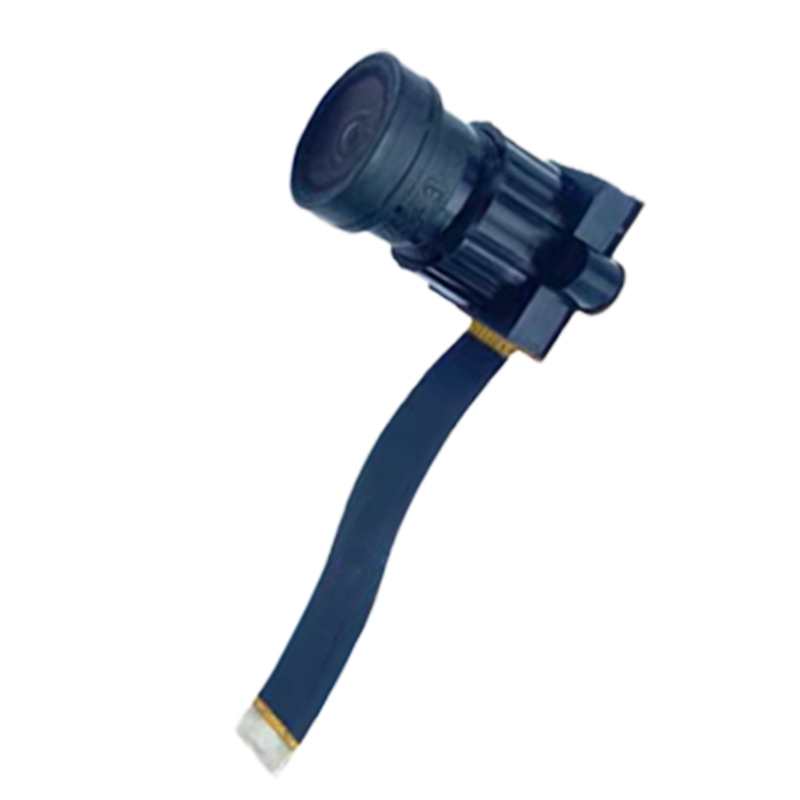
STEM · Robotics · Drone
Professional manufacturer's CMOS sensor MIPI camera module 1080P 2K 4K drone wireless video transmission camera module
- MIPI
- 1080P / 2K / 4K
- Embedded
For Yokohama engineering labs, robotics programmes and device developers that need flexible CMOS imaging modules rather than a finished consumer camera.
Discuss custom modules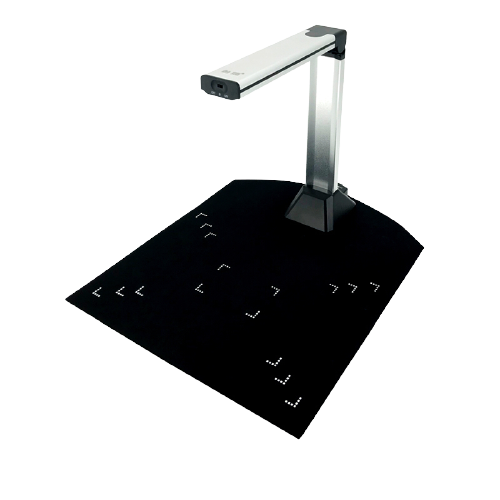
Portable Presenter
Portable OEM 8MP document camera Visual presenter for education equipment camera scanner
- 8MP
- Portable
- Visual presenter
A compact presenter platform for teachers, tutors and training teams that require easy transport, fast setup and clear document sharing.
See portable use cases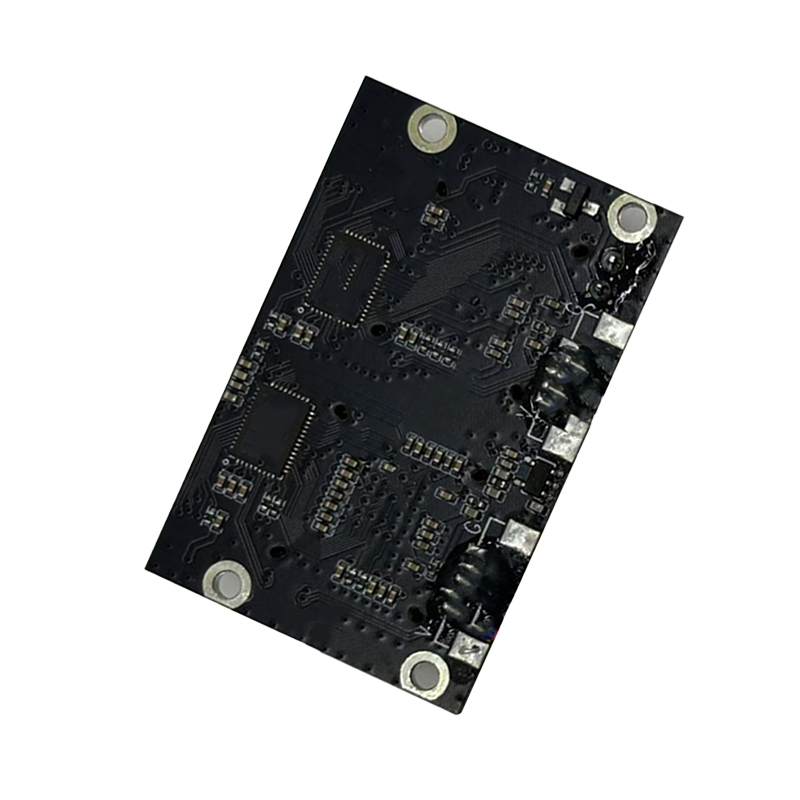
Biometric · Campus Access
Newly upgraded dual 1080P finger vein palm print recognition facial recognition camera module CMOS sensor
- Dual 1080P
- Face / palm
- Access control
A module platform for access-control terminals, identity-checking kiosks and secure campus entry systems that require multiple biometric capture modes.
Explore biometric integrationWhy Yokohama Buyers Need More Than a Generic Camera Supplier
Yokohama is one of Japan's most diverse education and public-service markets. A single procurement programme can involve a municipal school board, a private school group, a university laboratory, a vocational college, a public counter and a local AV integrator. These buyers rarely need a generic catalog item. They need a manufacturer who can adapt resolution, lens, housing, firmware, packaging and documentation to a defined workflow, then repeat that configuration consistently across pilot units and volume shipments. That is why searches for a custom OEM educational equipment manufacturer and wholesaler for Yokohama usually signal a serious B2B project rather than a one-off purchase.
This guide is written for those buyers. It translates Eshuni's factory capabilities into the practical language of Yokohama projects: classroom visualizers, document cameras for hybrid lectures, camera modules for STEM and robotics, identity-capture hardware for municipal counters, and private-label programmes for Kanagawa resellers. It also explains where specifications can fail after installation, what evidence procurement teams should request, and how to plan samples, compliance files and delivery through Yokohama Port or Tokyo-area air freight.
Our point of view comes from manufacturing experience rather than from a general marketplace listing. Shenzhen Eshuni Technology Co., Ltd. has focused on information capture and identity verification hardware since 2012, with in-house R&D, a 3,000 m² production floor, 100+ employees, ERP-driven production, and product certifications that include ISO9001, CE, FCC, RoHS and China 3C. For Yokohama buyers, the value is not simply a lower unit price. The value is a controlled OEM process that protects image quality, deployment stability and after-sales clarity from the first sample to the final repeat order.
OEM and private-label buyers
These buyers need stable hardware, buyer-branded packaging, optional firmware settings and predictable repeat production. They usually evaluate MOQ, sample speed, label control and warranty workflow before comparing price alone.
Project and tender buyers
Schools, universities and public-service teams need evidence: certification files, clear specifications, pilot-unit performance and a realistic delivery plan that fits academic calendars and counter operations.
Resellers and AV integrators
Kanagawa resellers need differentiated products without carrying excessive inventory risk. A sensible OEM programme combines proven base hardware, flexible branding and technical documentation that local sales teams can explain.
Where the Products Fit in Yokohama Workflows
Yokohama buyers often ask for product recommendations by setting, not by model number. The scenarios below show how the same imaging platform can be specified differently for a classroom, a counter and a systems-integration project.
K-12 classrooms and boards of education
Document cameras help teachers show textbook pages, handwriting, science demonstrations and small objects on a large display. For Yokohama classrooms, specify autofocus, UVC plug-and-play, a clear microphone path if lessons are recorded, and a mounting design that is easy for teachers to reposition.
Universities and vocational colleges
Yokohama university lecture rooms often support hybrid teaching, engineering drawings and lab demonstrations. A 13MP A3 visualizer is useful when fine detail must remain legible after zooming, while portable presenters suit seminars that move between rooms.
Municipal and public-service counters
Counter staff need fast ID capture, document image clarity and a repeatable operator experience. Dual-camera or high-speed page-capture designs can reduce handling time while keeping facial and document images clearly separated in the software workflow.
Finance, insurance and telecom branches
Branches in Yokohama handle identity checks, contract digitization and customer onboarding. OEM buyers should prioritize stable drivers, image consistency, privacy-aware housing options and documentation that helps branch staff avoid capture errors.
Corporate offices and co-working spaces
Hybrid meetings around Minato Mirai, Kannai and Shin-Yokohama require reliable webcams, document cameras and simple USB connectivity. A visualizer can turn a meeting room display into a shared review surface for contracts, plans and product samples.
System integrators and education resellers
Integrators need modules that can become part of a larger kiosk, access-control terminal, lecture-capture system or robotics kit. This is where OEM camera modules, custom cables, firmware options and private-label packaging create real differentiation.
What Is Shaping Educational Equipment Demand in Yokohama
Planning signals for Yokohama buyers include hybrid learning, accessible classrooms, municipal digitization, campus identity systems and reseller demand for differentiated products.
Hybrid learning becomes normal
Teachers increasingly expect a device to work immediately with a projector, interactive display or video-conference platform. Buyers should test UVC compatibility, autofocus speed and image stability in the actual room.
Accessibility and universal design
Visualizers support inclusive teaching by enlarging text, demonstrating objects and giving remote students a clearer view. Clear controls and simple setup matter as much as sensor resolution.
Municipal digitization continues
Public-facing offices continue to reduce paper handling and improve document capture. Identity verification terminals and high-speed page cameras can support counter modernization without disrupting service.
Privacy and deployment stability
Schools and public institutions expect predictable device behavior, clear data boundaries and simple installation. OEM projects should document default settings, driver requirements and physical privacy options.
Private-label differentiation
Yokohama and Kanagawa resellers increasingly want products that do not look identical to every online listing. Packaging, manuals, accessories and firmware presets can create a more credible local offer.
Engineering and STEM modules
Robotics, drone and embedded-vision programmes need compact CMOS modules with clear interface documentation. For universities and vocational labs, module support can be as important as the camera itself.
Bars are illustrative planning signals for OEM discussion, not statistical market forecasts.

Manufacturing Depth That Supports Yokohama OEM Programmes
Shenzhen Eshuni Technology Co., Ltd. is a manufacturer and solution provider for information collection and identity verification. Since 2012, we have designed and built high-speed document scanners, video booths, book scanners, identity verification terminals, webcams and camera modules. Our products support digital transformation in education, finance, insurance, telecommunications, government and enterprise environments.
Our factory operates an ISO9001 quality management system, and our products carry CE, FCC, RoHS and China 3C certifications as applicable. Our hardware and software are developed in-house and protected by national patents. ERP-driven production and supply-chain management help keep quality consistent and lead times predictable, which matters when a Yokohama project has a fixed opening date, a pilot deadline or a tender schedule.
For international buyers, we provide three levels of technical support: product design, project design and on-site project application guidance. That support structure is useful for Yokohama resellers who need to answer specification questions, for schools that require a pilot before rollout, and for system integrators that need a module adapted to an existing enclosure or software platform.
We accept FOB, EXW and DDP terms and regularly ship to North America, South America, Western Europe, South Asia and Africa. For Yokohama-bound programmes, ocean freight through Yokohama Port is a practical option for volume orders, while Haneda and Narita support urgent samples and pilot units. Local delivery and after-sales coordination can be structured with the importer, distributor or project partner responsible for the Japanese market.
Contact UsHow to Brief a Yokohama OEM Educational Equipment Project
A clear brief reduces sample rounds, avoids tender mismatches and helps the factory recommend a realistic platform. These four steps are the minimum information a buyer should prepare.
Define the real workflow
State whether the device will be used for live teaching, book scanning, identity capture, kiosk integration or field recording. Include room size, document size, lighting conditions and operator skill level.
Specify interface and software
Confirm USB, 5.8GHz wireless, MIPI or another interface, plus operating systems and meeting software. For schools, UVC plug-and-play is usually more important than extra features that require installation.
Plan compliance and packaging
List required certification files, language needs, private-label markings, manuals, warranty terms and packaging requirements. Ask for sample labels and checklist documents before mass production.
Validate with a pilot
Test a small batch in the actual Yokohama setting. Check image clarity, autofocus, cable length, mounting stability, user training and after-sales escalation before committing to a full rollout.
Common Questions from Yokohama Educational Equipment Buyers
These answers reflect the questions most often raised by importers, resellers, schools and project teams evaluating a custom OEM supplier.
Can Eshuni produce custom OEM or private-label educational equipment for Yokohama buyers?
Yes. We support OEM manufacturing, product design services and buyer-label production. The scope can include logo, packaging, label text, accessories, firmware presets and documentation planning. A clear brief helps our team separate simple branding from projects that need mechanical or software changes.
What is the usual sample and minimum order process?
Start with the intended use, target quantity and required interface. A sample is normally reviewed before volume discussion so that image quality, mounting, software compatibility and packaging expectations are aligned. MOQ depends on the platform and level of customization; standard models and full ODM projects follow different production paths.
Which certifications and documents can support Yokohama procurement?
Our factory operates an ISO9001 quality management system, and products can carry CE, FCC, RoHS and China 3C certifications as applicable. Procurement teams should request the current certificate set, model-specific test documents and labeling information for their chosen configuration.
Should a Yokohama classroom choose 8MP or 13MP?
An 8MP sensor is sufficient for A4 pages, textbooks and live classroom demonstrations. A 13MP sensor is recommended when capturing full A3 sheets, fine print, engineering drawings or archival scans where every detail must stay legible after zooming.
What is the difference between USB and 5.8GHz wireless document cameras?
USB models are plug-and-play and draw power from the computer, making them ideal for fixed desks, counters and simple classroom installations. 5.8GHz wireless models let teachers move freely around the room and can offer a stable live image where the wireless band is less congested than 2.4GHz.
Will the cameras work with Windows, macOS, ChromeOS, Zoom, Teams and Google Meet?
For UVC-compatible models, the camera can usually be recognized as a standard video device without a special driver. Final compatibility should always be tested with the exact operating system, meeting platform and display hardware used by the Yokohama project team.
How do you ship to Yokohama and which trade terms are supported?
We support FOB, EXW and DDP terms. Volume orders can be planned through Yokohama Port, while urgent samples or pilot units may use Tokyo-area air freight through Haneda or Narita. The importer and local partner should confirm customs, labeling and after-sales responsibilities before shipment.
Can you support Japanese packaging, manuals and local after-sales coordination?
OEM packaging and manual planning can be discussed as part of the project brief. For Japanese-language documentation and local service, the most practical structure is usually a partnership with a Yokohama or Kanagawa importer, reseller or service provider that can handle local communication and warranty coordination.
Send Your Yokohama Project Brief to Our OEM Team
Share your use case, target resolution, interface, estimated quantity, packaging needs and delivery timeline. Our engineers can recommend the right platform and identify the customization points before you commit to a sample round.