For distributors, AV integrators, school groups, and public-sector procurement teams in Querétaro, a desktop document scanner is no longer a niche classroom accessory. It sits at the intersection of four local buying patterns: hybrid education, nearshoring-driven documentation, counter-based identity and records capture, and the modernization of paper-heavy administrative workflows. The title of this brief is deliberately specific: the question is not simply “Where can I buy a document camera?” but “Which manufacturer or wholesaler can support a Querétaro buyer with the right A3/A4 capture hardware, documentation, customization, and repeatable supply?”
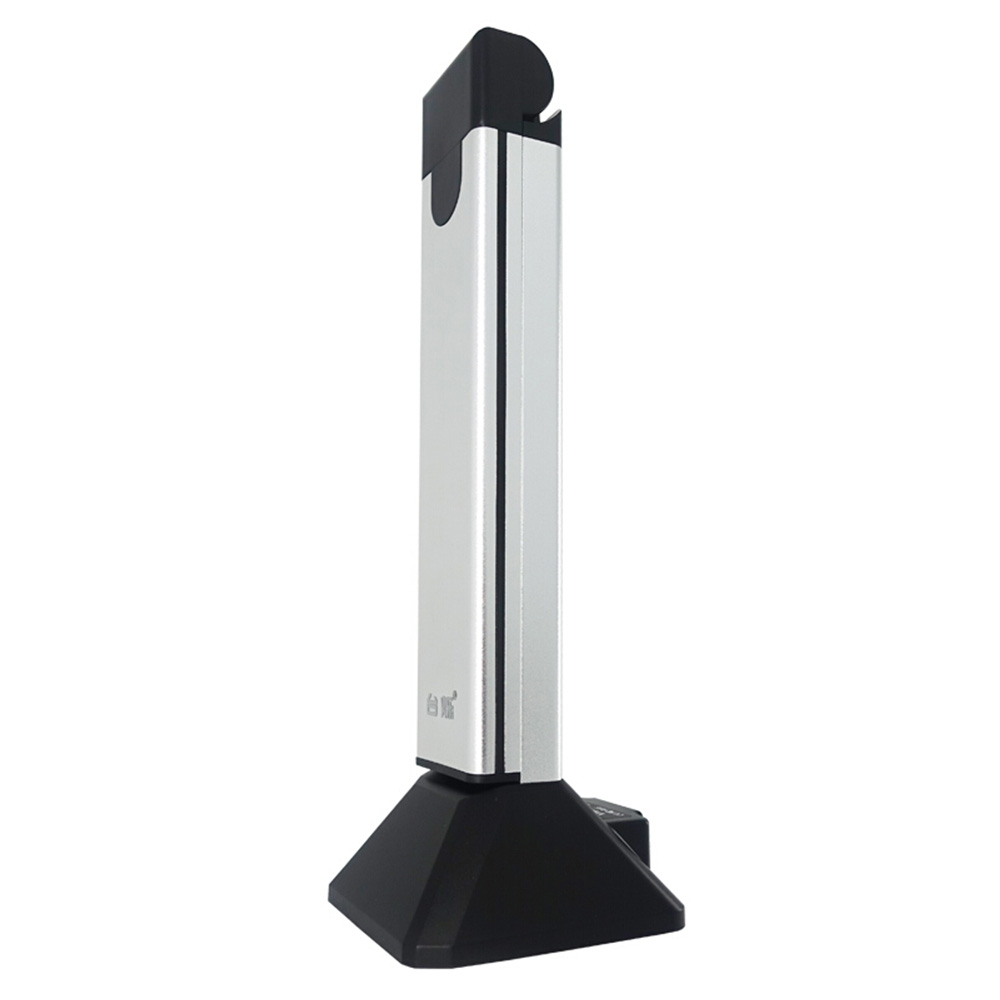
Querétaro’s industrial and logistics base gives the market a distinct document profile. Automotive, aerospace, machinery, and logistics operations generate supplier packs, quality records, engineering drawings, packing lists, and training materials that often need to be displayed live, scanned quickly, or shared remotely. At the same time, private schools, universities, corporate training rooms, notary offices, banks, insurers, clinics, and municipal service windows all handle documents that are too large, too bound, or too fragile for a conventional flatbed scanner. A desktop document camera—also called a visualizer, overhead scanner, or document scanner—addresses that gap with fast setup, live video output, and comfortable A3 or A4 capture.
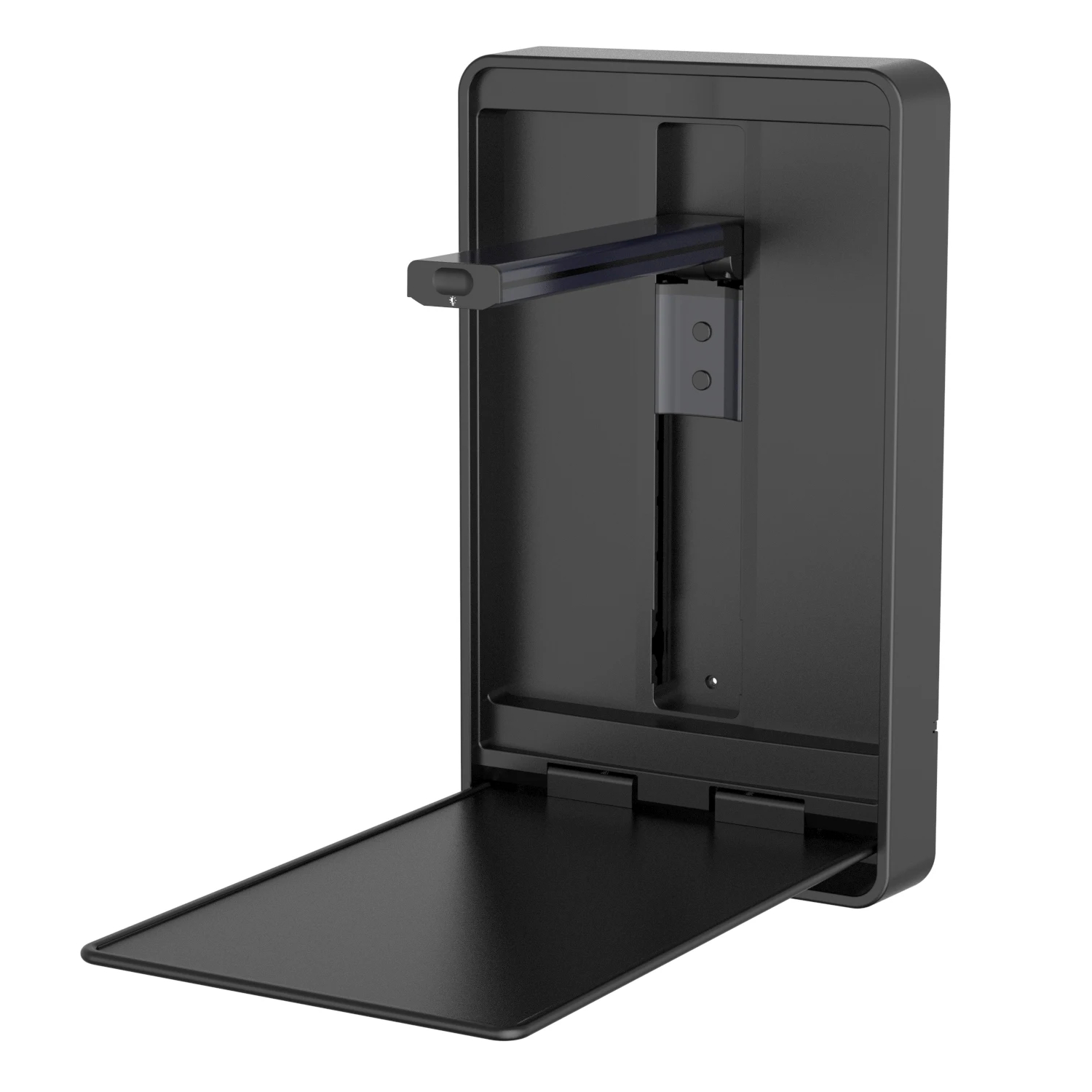
In practical terms, wholesale buyers in Querétaro should compare three layers. The first is image performance: sensor resolution, lens quality, autofocus, frame rate, macro capability, and low-light behavior. The second is deployment: USB plug-and-play, 5.8GHz wireless, VGA/WiFi teaching interfaces, wall-mount stands, or portable A3 arms. The third is supply reliability: OEM/ODM capability, certifications, packaging, spare parts, and whether the manufacturer can keep model consistency across repeat orders. A low unit price without those layers usually creates hidden cost in returns, training, and project delays.
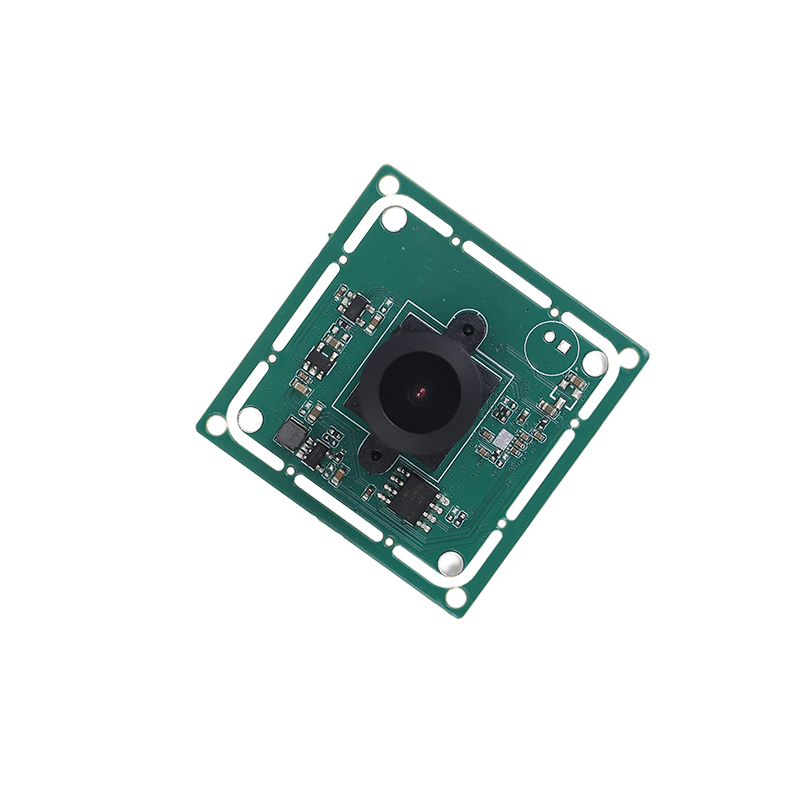
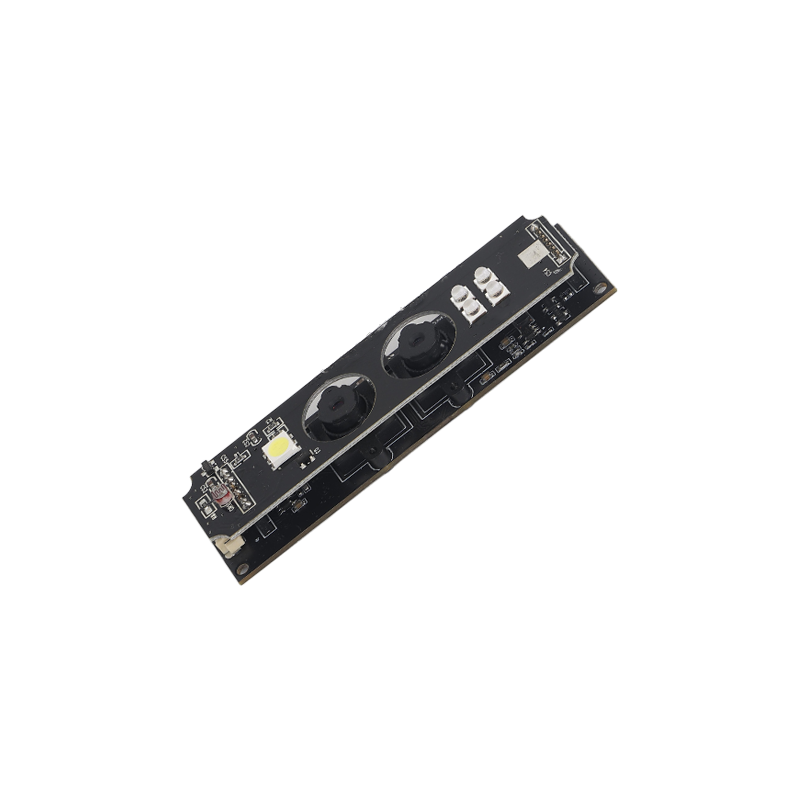
At the product level, 8MP is often adequate for A4 homework, textbooks, and normal classroom demonstration. A 13MP sensor becomes more valuable when the page is A3, the print is fine, the image must remain legible after zoom, or the buyer is scanning engineering drawings and archival records. USB models suit fixed counters and computer-connected desks, while 5.8GHz wireless models reduce cable clutter and let a teacher or presenter move around the room. Buyers in Querétaro should ask for a live demonstration of the exact document mix they expect—Spanish-language contracts, bound manuals, ID cards, invoices, technical drawings, and multi-page packets—rather than evaluating a camera only on a clean white sheet.
Because Eshuni is a Shenzhen-based manufacturer rather than a marketplace reseller, the commercial conversation can move from “which model is in stock” to “which configuration fits the Querétaro channel.” OEM/ODM options, private-label packaging, firmware settings, mounting choices, and camera-module customization can be discussed before the first production run. The following sections are structured as a buying guide: recommended products, local application scenarios, market trends, procurement FAQs, and the manufacturing advantages behind the offer.