8 Factory-Direct Digital Book Scanners, Visualizers & Camera Modules
For Sapporo wholesalers, school suppliers, library contractors and system integrators, the practical sourcing question is not simply “which scanner is cheapest?” It is which capture format fits the room, the document, the counter workflow and the winter season. These eight products cover fixed desks, mobile teaching, A3 documents, hybrid classrooms, kiosks and embedded OEM imaging.

HD Camera Portable Visualizer Presenter Document Camera for Presentation Equipment Book Camera
A compact visual presenter for hot-desking teachers, reading rooms and consulting desks. It helps staff show a textbook, form or handwritten amendment without installing a fixed ceiling camera. For Sapporo offices, confirm the correct 100 V adapter or choose USB bus power where the SKU allows.
View product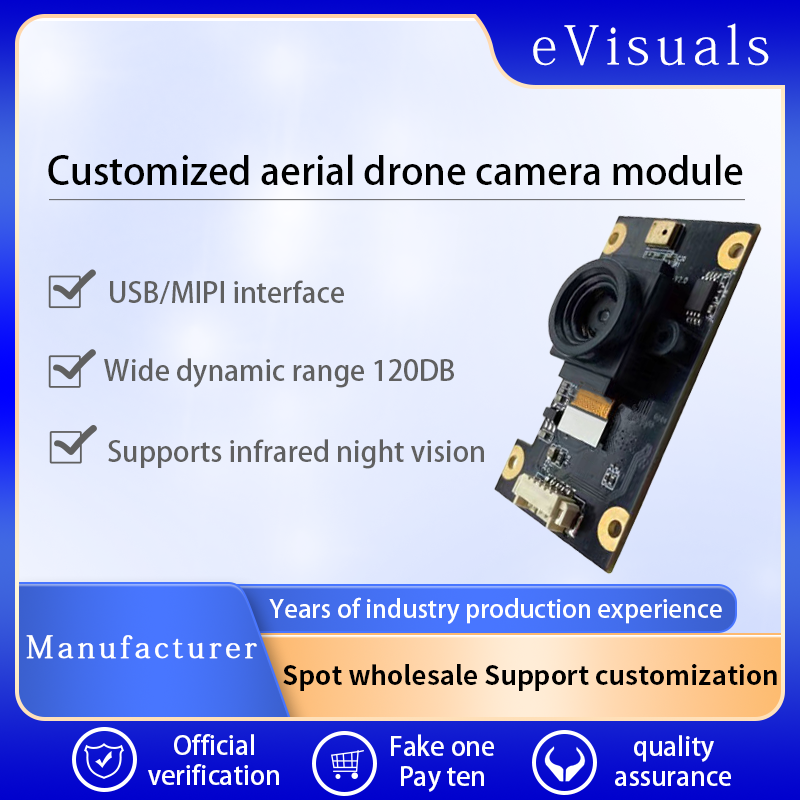
Factory Customized 1080P 4K Drone Wireless Video Transmission Camera Module
A customizable imaging module for integrators building aerial inspection, remote monitoring or face-recognition systems. Sapporo system integrators can use these modules in facility surveys, snow-clearance inspection and industrial documentation. Confirm lens, FPC length, interface and housing details before design freeze.
View product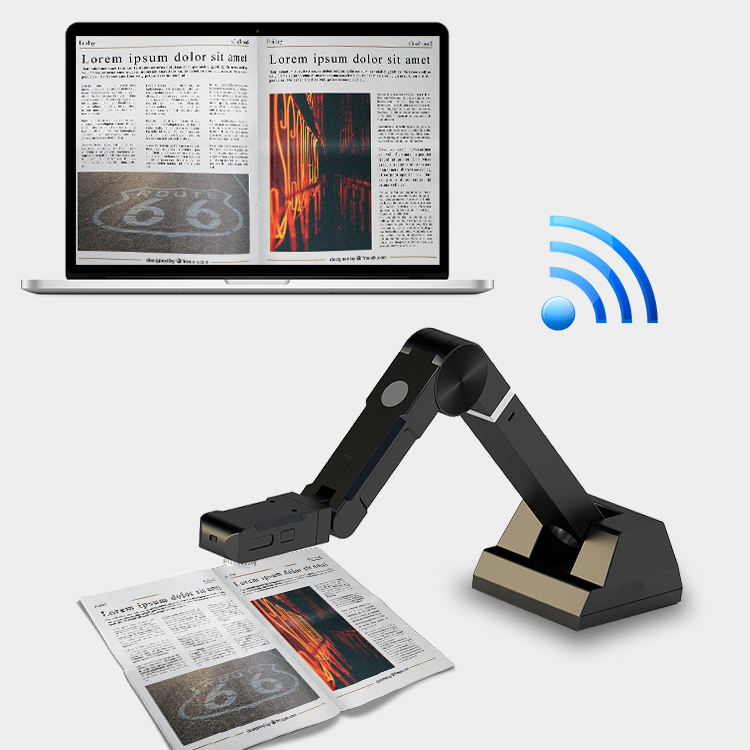
OEM USB Portable Smart Camera Visualizer WiFi A4 A3 Document Camera for Education Book Camera
A classroom visualizer with A4/A3 capture options for K-12 and university rooms. Choose USB for managed classroom PCs, or confirm Japanese radio certification before deploying any Wi-Fi or 5.8 GHz variant in a public school. It suits lessons where the teacher shows a worksheet while students keep their tablets.
View product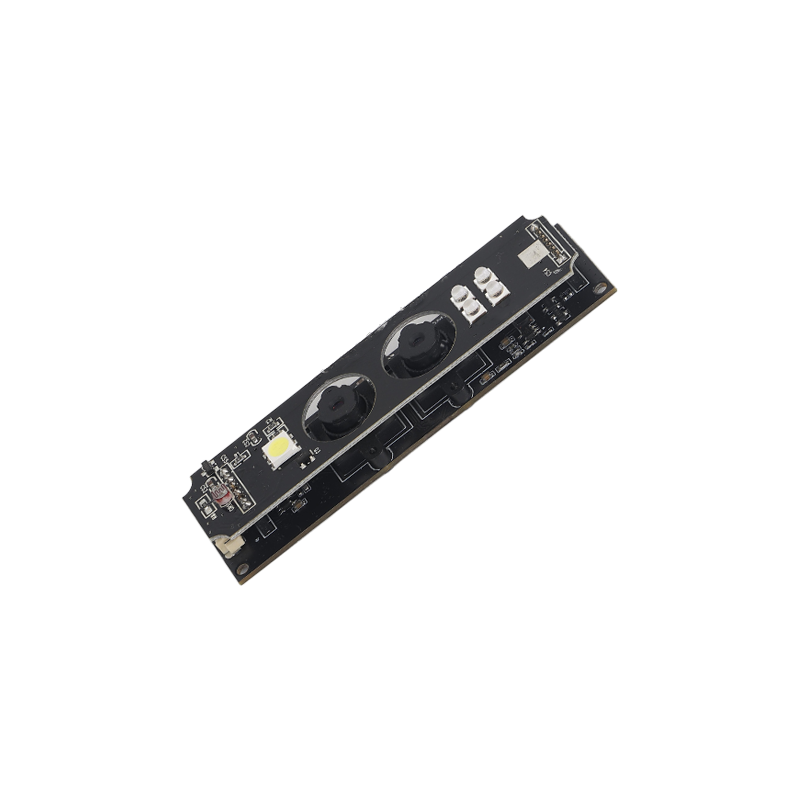
1080P/2K/4K HD Binocular Wide Dynamic Camera Module with Auto-Focus CMOS
A wide-dynamic module for OEM products that need two viewpoints or robust exposure under mixed indoor lighting. In Hokkaido winter facilities, glare from snow through windows and dim corridors can challenge ordinary cameras. Test wide-dynamic performance in your own room lighting before approving a pilot.
View product
OEM USB A3 13MP 2-in-1 Education Visualizer Document Camera and Webcam
A high-resolution 2-in-1 device for hybrid classrooms and library reader desks. The 13MP sensor is the stronger choice when an A3 map, engineering drawing or annotated lesson plan must remain legible after zooming. Webcam mode helps tutors switch between face-to-face discussion and overhead document sharing.
View product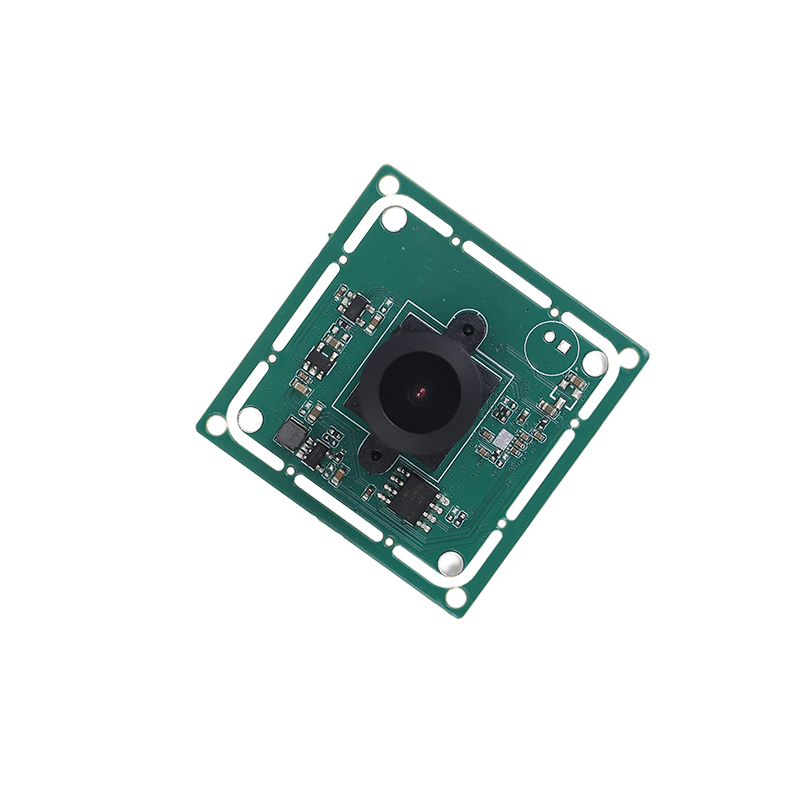
1080P 30FPS USB HD Portrait Camera Module with Macro Recognition
A close-up USB module for kiosks, ID-form capture, product inspection and portrait video. At a Sapporo service counter, a fixed-focus macro camera can speed up form indexing because staff do not need to reposition the document repeatedly. Ask for focus and field-of-view samples for your exact counter height.
View product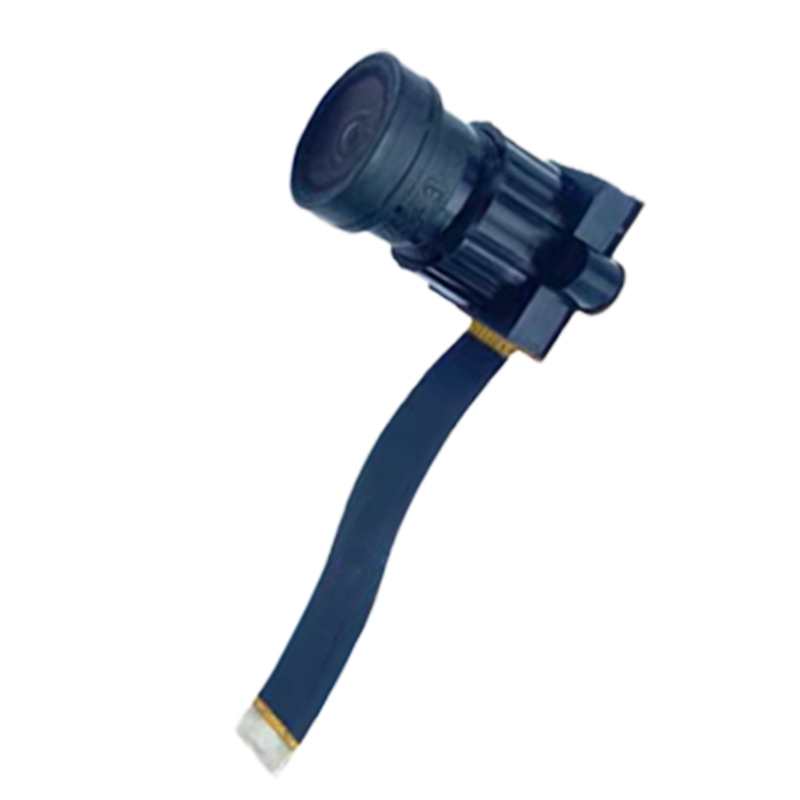
Professional Manufacturer CMOS Sensor MIPI Camera Module 1080P/2K/4K
A MIPI-based module for embedded devices, compact scanners and drone or wireless video designs. Use it when the product architecture requires a board-level camera rather than a finished visualizer. Confirm the host platform, driver support and connector pinout early; those details matter more than headline resolution.
View product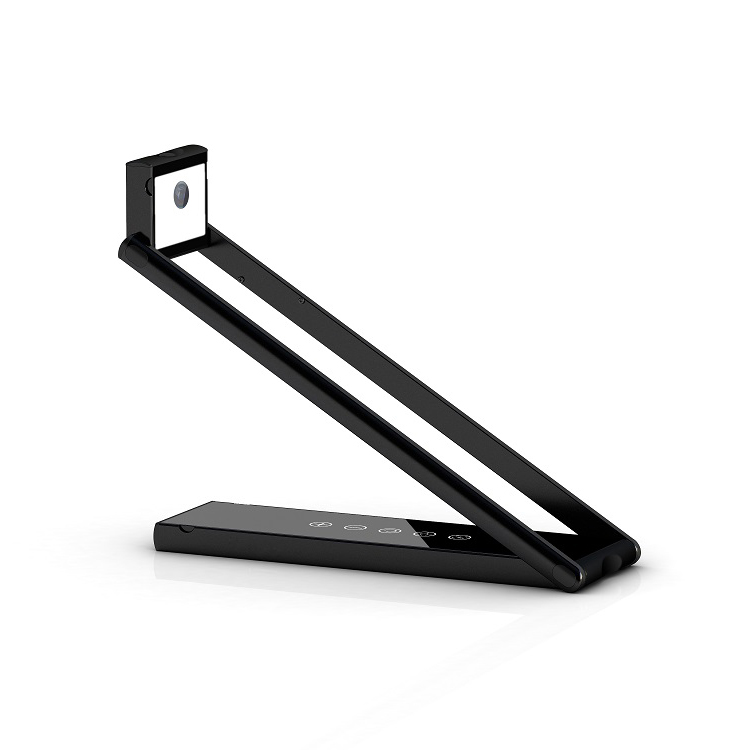
Education Equipment Visual Presenter Document Camera Scanner Scanning A3 Book and Paper
An A3 visual presenter for classrooms, public reading rooms and administrative back offices. The overhead format keeps the operator’s hands free while turning pages, which is practical for bound books, registers and files that cannot be fed through a sheet-fed scanner.
View productWhere Digital Book Scanners and Visualizers Fit in Sapporo Workflows
Sapporo is not only a large northern city; it is a compact regional hub for education, public services, healthcare, finance, tourism and distribution. That mix creates different capture requirements from a generic office scanner project.
K-12 and University Classrooms
Teachers can place a textbook, worksheet, science diagram or handwritten solution under an overhead visualizer and project it immediately. This is valuable in hybrid lessons where students use tablets but still need to see the teacher’s annotations. For fixed classroom PCs, a USB visualizer is usually simpler to manage than wireless equipment.
Libraries, Reading Rooms and Archives
Bound books, local-history materials, maps and registers cannot always be fed through automatic document feeders. An A3 overhead book scanner keeps the spine supported while capturing the page. For public reading rooms, choose a model with a stable base, low heat output and a quiet fan so it can be used close to study areas.
Government and Citizen Service Counters
Counter staff often need to capture forms, proof documents, stamps and signatures while the applicant is present. A visualizer or dual-camera workflow can reduce repeated copying and manual filing. For procurement, confirm the host software, image export format, privacy rules and whether the device can work without an internet connection.
Finance, Insurance and Telecom Counters
Identity verification, contract digitization and application capture are workflow-sensitive. Clear overhead imaging helps staff confirm that a document is complete before it enters the case system. Sapporo branches should test glare from counter lamps, plastic document holders and window light before choosing lens position and resolution.
Healthcare, Welfare and Clinic Administration
Referral letters, consent forms, insurance paperwork and paper logs can be captured quickly at reception. A fixed-focus macro module or a compact visualizer may be enough when the goal is administrative digitization rather than diagnostic imaging. Avoid medical claims and confirm privacy controls with the clinic’s information-management policy.
Wholesalers and System Integrators
Hokkaido distributors need a product mix that can serve schools, public offices and private companies without carrying hundreds of confusing SKUs. A practical range includes one A3 13MP hero model, one 8MP education model, one USB fixed-counter scanner, one portable visualizer and selected OEM modules for integrators.
Digital Book Scanner Trends for Sapporo Buyers in 2025
Search intent around “digital book scanner supplier in Sapporo” is usually commercial, but the buyer’s real concern is deployment. The trends below reflect how education, public administration and distribution teams are evaluating capture hardware.
Hybrid Classrooms Need Simple Visualizers
Japan’s classroom digitization has created a mixed environment: interactive displays, student tablets and paper textbooks coexist. Teachers need a device that starts quickly, focuses fast and does not require a specialist operator. USB plug-and-play models reduce support load.
Local Government DX Favors Evidence Capture
Paperless administration is not only about PDF storage. Counters need a reliable way to capture identity documents, stamped forms and supporting papers during service. Buyers increasingly ask for consistent image quality, clear file naming and compatibility with existing case systems.
Staff Shortages Raise the Value of Low Training
When teams are lean, a scanner that requires five steps is a bottleneck. Sapporo procurement teams should prioritize one-touch capture, stable focus and a visible working area. A slightly lower-spec model with easier operation can outperform a high-resolution device that staff avoid using.
Winter Logistics and Indoor Air Conditions Matter
Hokkaido’s cold season affects shipping schedules, indoor humidity and static handling. Electronics shipped from a humid production region into a heated, dry building should be allowed to acclimatize in the sealed carton before power-on. This simple step reduces condensation risk and protects warranty discussions.
What “Good” Looks Like in a Sapporo Book Scanning Project
A digital book scanner project succeeds when the hardware matches the physical document and the human workflow. In a school, that may mean a portable visualizer on a teaching cart. In a library, it may mean an A3 overhead camera with enough resolution to keep small annotations legible after zooming. At a government counter, it may mean a fixed USB scanner connected to a controlled desktop with no wireless dependency. The common mistake is to compare only megapixels while ignoring capture area, lighting, focus speed, software compatibility and operator training.
For Sapporo wholesalers, the commercial opportunity is to package products with local service value: Japanese quick-start guides, a clear accessory list, spare adapters and cables, sample images from real documents, and a defined escalation path for technical questions. Importers should also decide whether they will hold stock in Hokkaido or ship from a main Japanese warehouse. Winter lead times and last-mile delivery conditions can matter more than a small unit-price difference.
The practical recommendation is to run a short evaluation with five document types: a thin textbook page, a thick bound book, an A3 drawing, a glossy brochure and a handwritten form. Capture each under normal room lighting and again under a desk lamp. This simple test reveals whether the device’s focus, exposure and field of view are appropriate for the intended Sapporo deployment.
The bars are an editorial planning aid for procurement discussions, not a laboratory benchmark or regulatory certificate.
Why Eshuni Is a Credible Digital Book Scanner Manufacturing Partner
Shenzhen Eshuni Technology Co., Ltd. is a manufacturer and solution provider for information collection and identity verification. Since 2012, the company has focused on document cameras, visualizers, book scanners, ID scanners, webcams and camera modules for B2B buyers.
In-House R&D Since 2012
Hardware and software are developed in-house and protected by national patents. The R&D team supports product design, project design and on-site project application.
Quality System and Certifications
The factory operates an ISO9001 quality management system. Products carry CE, FCC, RoHS and China 3C certifications; exact SKU and destination documents should be confirmed at quotation.
OEM, ODM and Private Label
Eshuni offers OEM manufacturing, product design services and buyer-label production. Sapporo wholesalers can discuss logo, packaging, firmware settings and accessory kits for local distribution.
Factory Scale and Trade Support
A 3,000+ m² factory, 100+ employees and ERP-driven production support consistent quality. FOB, EXW and DDP terms are available with regular service to five major export regions.
Experience, Expertise, Authority and Trust for Sapporo Procurement
E-E-A-T is not a badge to place on a page; it is the result of matching claims to evidence. Eshuni’s experience comes from working on document cameras, visualizers, webcams, document scanners and camera modules since 2012. The company states that its devices support digital transformation in education, finance, insurance, telecommunications, government and enterprise. For a Sapporo buyer, this breadth matters because a school project, a municipal counter project and a wholesale product range may all need different imaging formats but can benefit from a single manufacturing partner.
The authority signal is the production and R&D base: a 3,000+ m² factory, a 100+ person team, in-house hardware and software development, national patents, ISO9001 quality management and product certifications including CE, FCC, RoHS and 3C. The trust signal is transparency. Rather than claiming that every wireless model is automatically suitable for Japan, a responsible supplier should help the buyer confirm the exact radio certification, AC adapter status and document workflow before purchase. That is especially important for public schools and government counters, where procurement records and compliance checks are part of the project.
For distributors, the commercial advantage of working with a factory is not only unit price. It is the ability to build a coherent product range, request customization, plan spare accessories and avoid mixing incompatible adapters across SKUs. Eshuni’s OEM/ODM support and ERP-driven production can help Sapporo wholesalers move from one-off imports to a repeatable product line with consistent packaging and documentation.
A Practical Purchasing Checklist for Sapporo Distributors
Importing document cameras and book scanners into Hokkaido requires more than selecting a model. Use this checklist to reduce rework, returns and support calls.
1. Build a Focused SKU Mix
Start with one A3 13MP 2-in-1 model for schools and libraries, one 8MP education visualizer for volume classroom projects, one portable presenter for mobile use and one USB counter scanner. Add camera modules only when an integrator project is already identified.
2. Verify Power and Wireless Rules
Sapporo is in Hokkaido’s 50 Hz power area. Confirm the AC adapter input, plug type and safety documentation for each SKU. For wireless models, check Japanese radio certification before public-sector deployment; otherwise choose USB.
3. Plan for Winter Logistics
Sea and air freight to Hokkaido can face seasonal peaks. Build buffer time for January and February, protect cartons from moisture during transfer and instruct end users to let units acclimatize before power-on after cold transport.
4. Prepare Local After-Sales
Hold a small buffer of adapters, USB cables, remote controls and quick-start guides. Provide Japanese-language setup sheets and a simple fault-diagnosis flow. Clear after-sales preparation is often more valuable than an extra megapixel.
Information Gain: Sapporo-Specific Procurement Questions
- Does the device need a 100 V AC adapter, or is it powered by the USB bus?
- Is the wireless function certified for use in Japan, and for the exact frequency and power level?
- Can the camera capture the full document without cutting off the binding or margin?
- Will the image remain legible after zooming on small print, stamps and handwritten notes?
- Does the software or firmware support the school, library or counter PC environment?
- Are spare adapters, cables and quick-start guides available for local stock?
Frequently Asked Questions From Sapporo Wholesalers and End Users
These are the questions procurement teams most often raise when comparing digital book scanner suppliers for Hokkaido projects.
Can Eshuni ship digital book scanners to Sapporo and Hokkaido?
Sapporo buyers can request FOB, EXW or DDP quotations. Confirm the destination port or airport, Incoterm, adapter requirement and documentation on the quotation. For winter projects, allow extra buffer for snow-season transport and holiday freight peaks.
Should I choose an 8MP or 13MP document camera?
An 8MP sensor is generally practical for A4 pages, textbooks and live classroom demonstrations. A 13MP sensor is recommended for full A3 sheets, engineering drawings, fine print and archival scans where details must stay legible after zooming.
Are USB or wireless visualizers better for Sapporo classrooms?
USB models are easier for fixed desks and managed PCs because they are plug-and-play and avoid wireless compliance questions. Wireless models offer movement, but public schools should confirm Japanese radio certification for the exact model before deployment.
Can a Sapporo wholesaler request OEM or private-label production?
Yes. Eshuni offers OEM manufacturing, product design services and buyer-label production. Logo, packaging, firmware settings and accessory kits can be discussed with the factory before order confirmation.
Which certifications does the factory hold?
The factory operates an ISO9001 quality management system. Products carry CE, FCC, RoHS and China 3C certifications. Always confirm the exact SKU, certificate scope and Japanese market requirements before placing a public-sector order.
What power and environment details should we verify?
Hokkaido operates on 50 Hz. Confirm 100 V adapter compatibility, plug type and whether the SKU is USB-powered. After cold transport, allow the unit to acclimatize in its sealed carton before power-on to reduce condensation risk.
Which trade terms and export markets are supported?
Eshuni accepts FOB, EXW and DDP terms and regularly serves North America, South America, Western Europe, South Asia and Africa. For Sapporo, the quotation should state the Japanese destination, freight mode and responsibility split clearly.
How should we evaluate samples before a wholesale order?
Test a thin textbook page, a thick bound book, an A3 drawing, a glossy brochure and a handwritten form under normal room lighting and desk-lamp lighting. Check focus speed, field of view, image export and software compatibility before approving the SKU.
Request a Sapporo-Ready Digital Book Scanner Quotation
Share your application, document size, target resolution, connection preference and annual volume. Eshuni can recommend a suitable visualizer, book scanner, USB camera or OEM module and discuss packaging, certification documents and trade terms for your Hokkaido project.
Inquire Now