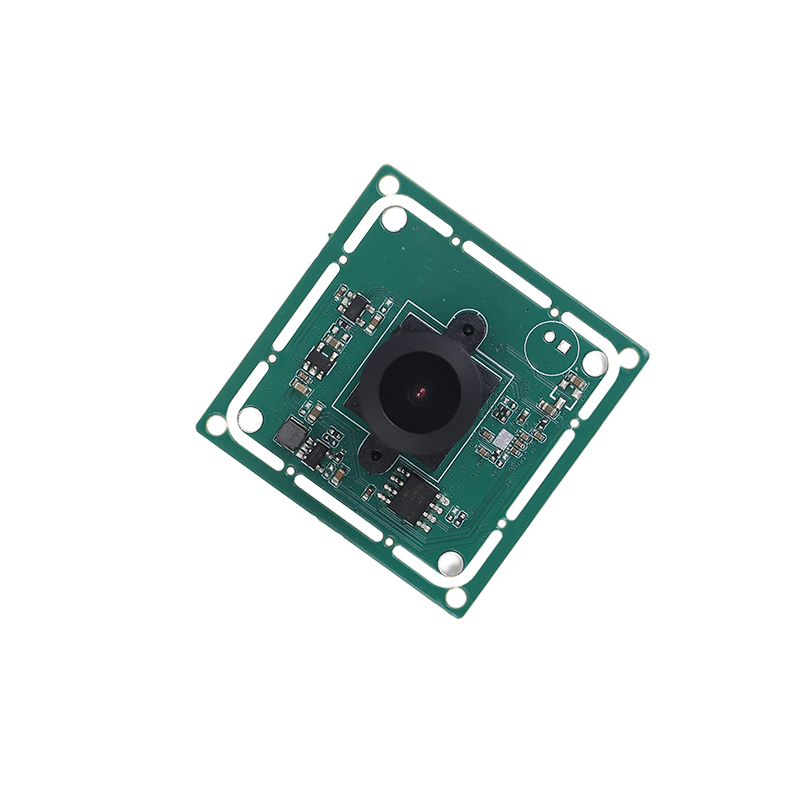
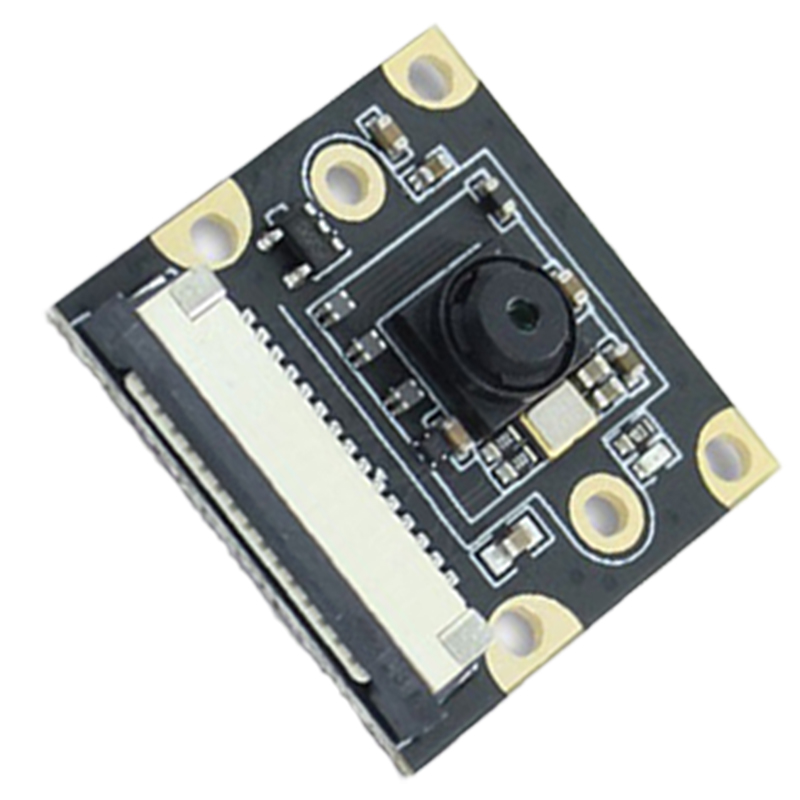
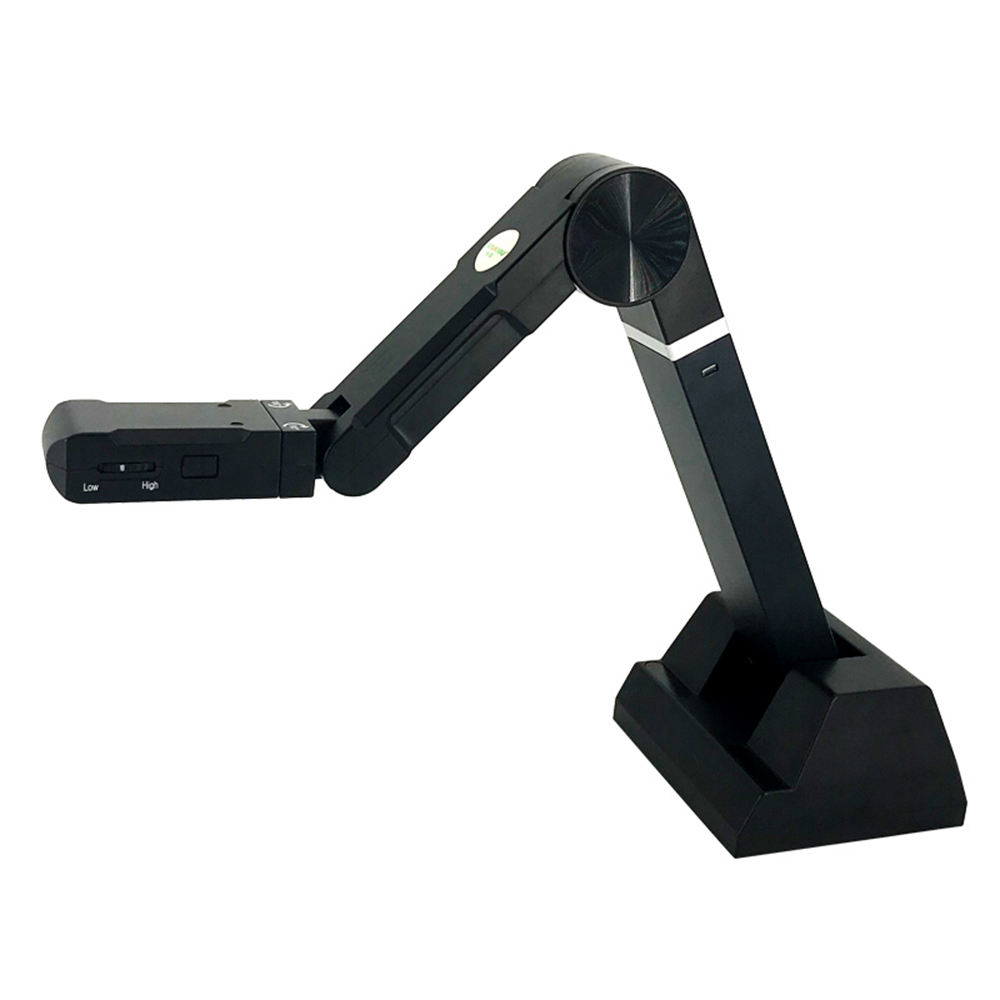
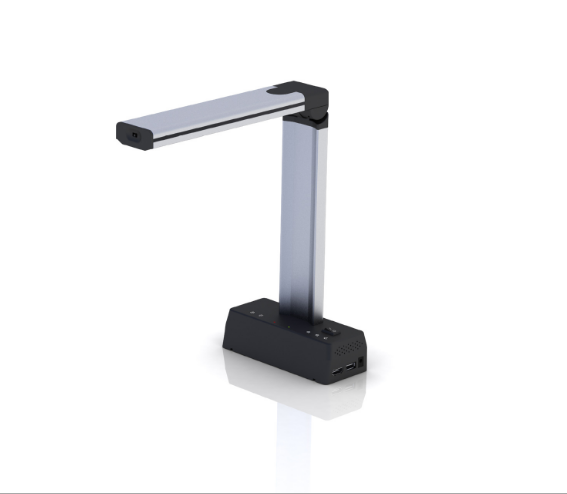
Edmonton buyers often compare interactive panels by brightness, touch points and price, then treat the camera as an accessory. In real classrooms and public counters, the camera is the part that decides whether handwritten notes, textbooks, passports, contracts, lab demonstrations and small components remain legible on the whiteboard, in a recording, or in a remote meeting. A bright display cannot recover detail that the sensor never captured.
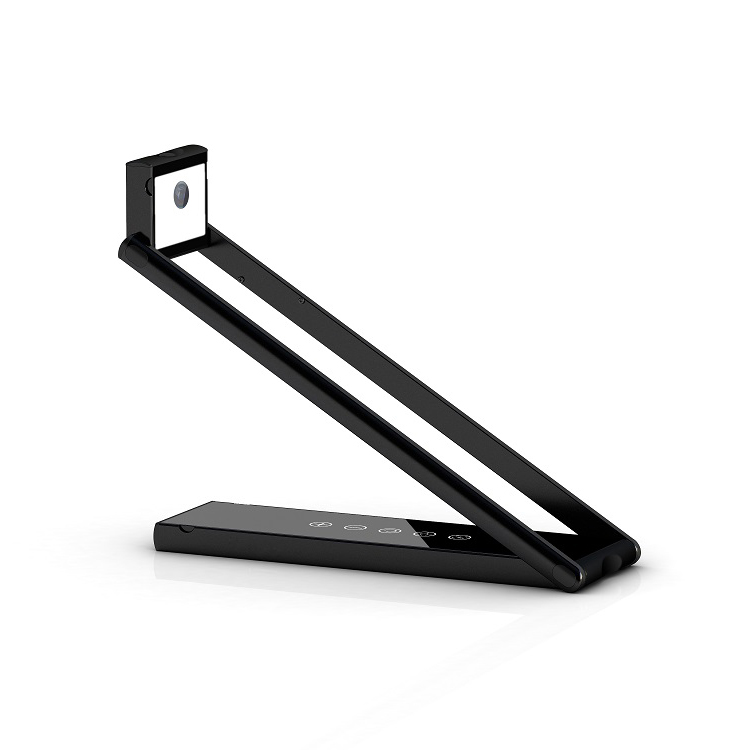
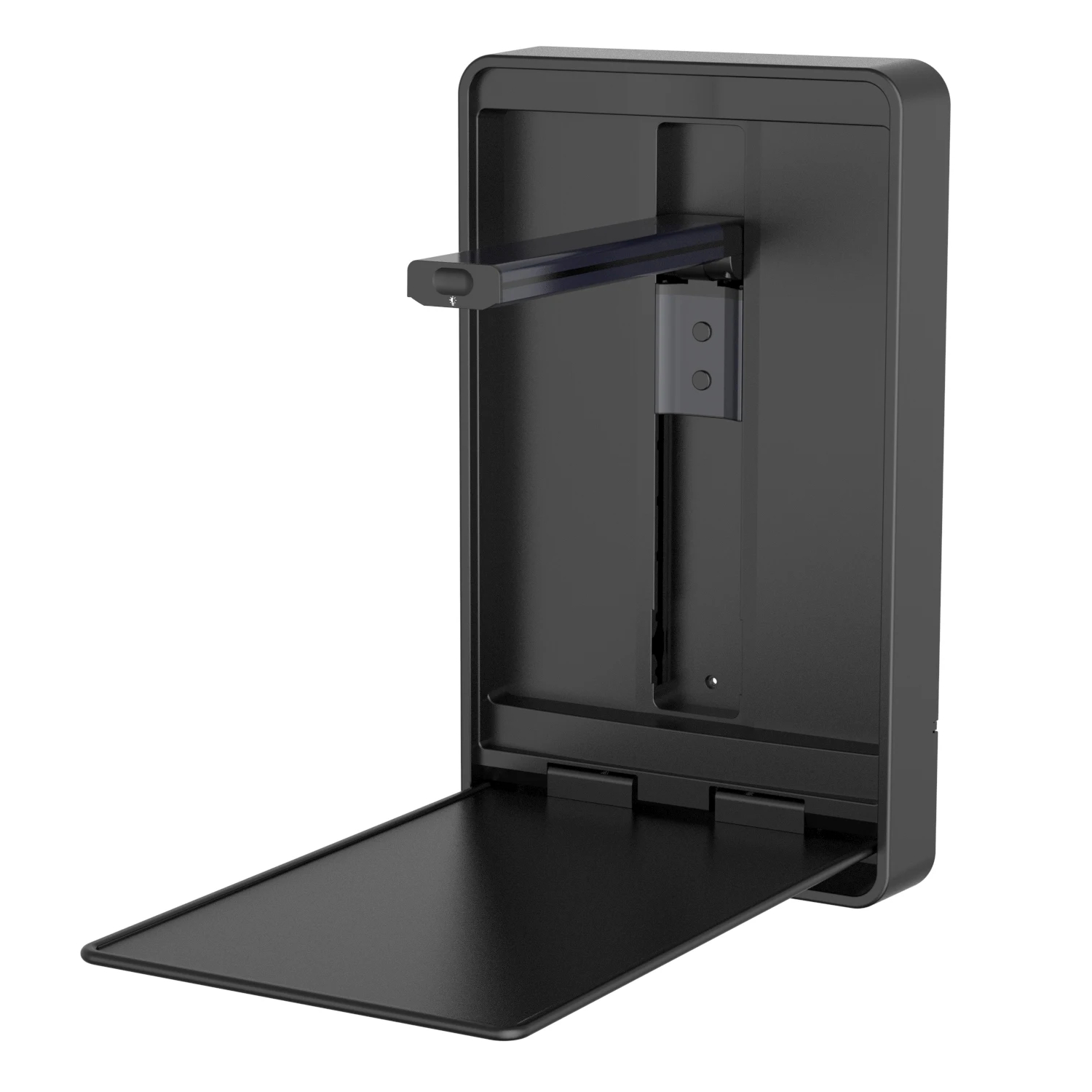
Our engineering experience since 2012 points to a practical rule: specify the capture layer around the smallest detail the viewer must verify, not around the largest headline megapixel number. A wholesaler stocking for Edmonton schools may need an 8MP A4 model for everyday worksheets, a 13MP A3 visualizer for drawings and textbook spreads, and a 5.8GHz wireless unit for rooms where teachers move between tables. Public counters have a different requirement: fixed focus, stable USB power, clear ID capture and simple software integration often matter more than extra resolution.
For Edmonton, three local conditions deserve extra attention: mixed winter daylight, rooms with projector glare, and procurement teams that must document compliance before purchase. A visualizer that looks adequate in a bright showroom can struggle beside a window on a December afternoon or under ceiling lights that reflect from a glossy textbook. Buyers should request a sample test with the actual book, form, drawing or product sample that will be shown, using the same display and software as the final installation.
- Resolution fit: 8MP is usually sufficient for A4 teaching; 13MP is safer for A3 drawings, fine print and archival review.
- Focus behavior: fixed focus reduces user error at counters; auto focus supports books, objects and changing working distances.
- Connectivity: USB is simple for fixed desks; 5.8GHz wireless gives teachers freedom where network congestion makes 2.4GHz unreliable.
Because Shenzhen Eshuni Technology develops hardware and software in-house, we can discuss sensor, lens, focus, firmware, packaging and interface changes rather than forcing a catalogue model into your project. Our role with Edmonton buyers is transparent: factory-direct engineering, sample validation, DDP/FOB/EXW quoting and remote technical support, with local installation or stocking plans confirmed in writing when a distributor or integrator is involved.
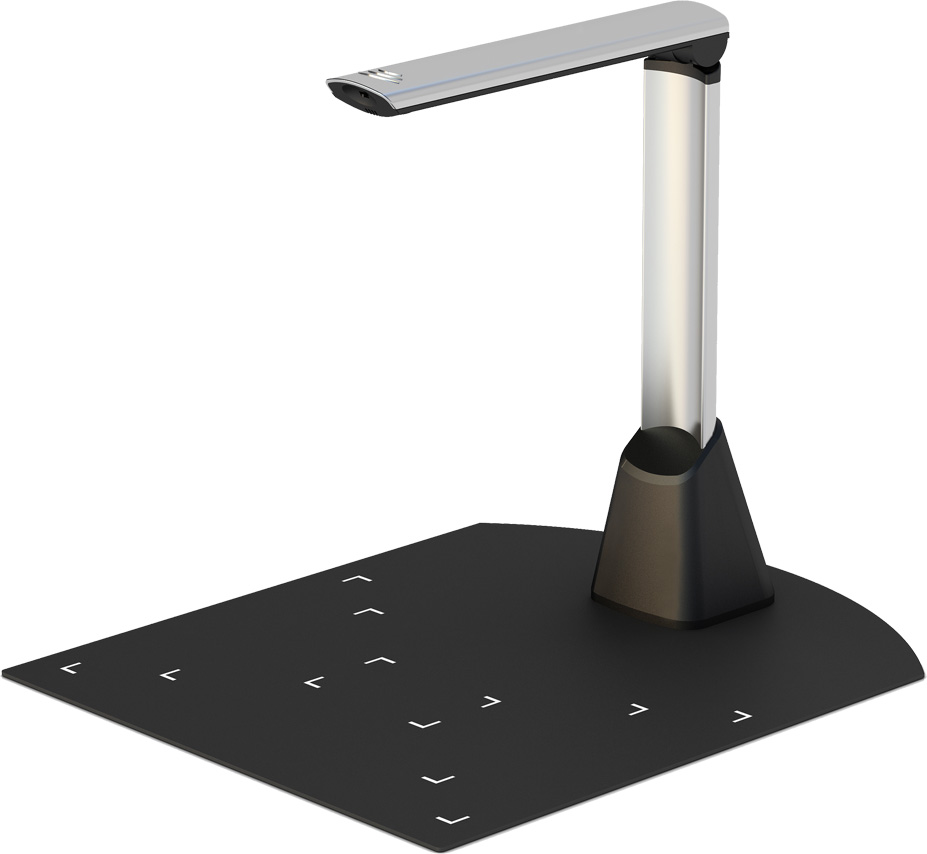 13MP · A4