Document Imaging Equipment Manufacturers & Factory in the Mexico Market
Factory-direct document cameras, visualizers, book scanners and identity-capture devices for Mexican schools, government service windows, banks, telecom stores and enterprise workflows — engineered in Shenzhen since 2012 and configurable for Spanish-language deployment, 127 V accessory planning and Mexico-ready import documentation.
Send an Inquiry8 Factory-Ready Document Imaging Products for Mexico Buyers
The eight models below match recurring Mexican procurement needs: classroom visualizers, A3 book scanners, wall-mounted document cameras, portable wireless units and multi-interface teaching devices. Product links and images are preserved from the Eshuni range. For private-label programs, Spanish quick-start guides, 127 V accessories and tender-specific packaging can be reviewed with our engineering team.
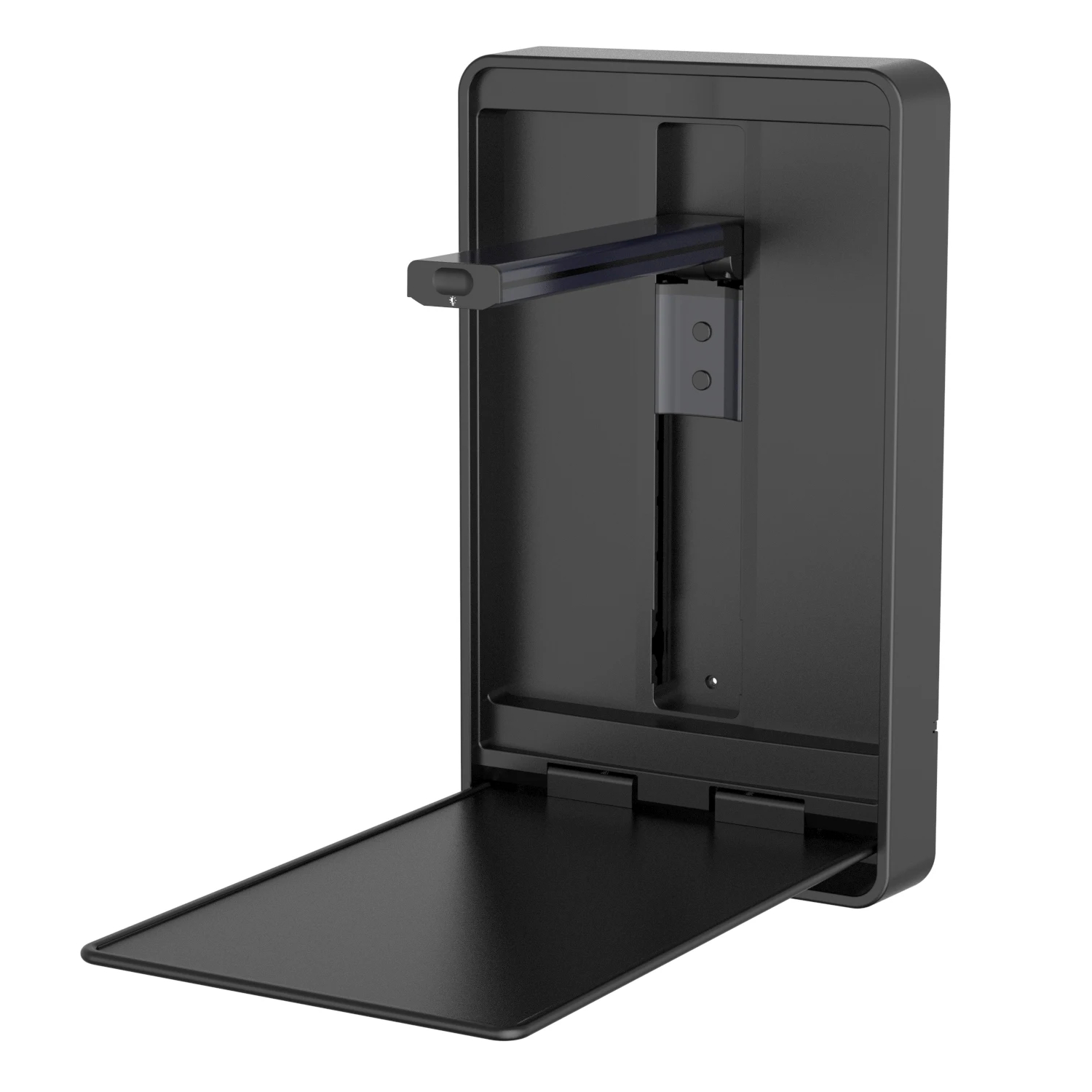
Document Camera OEM Factory 8M Education Display Stand for Wireless Document Camera Scanner, Wall Mounted Video Display Stand
A fixed-position 8MP visualizer for classrooms, labs and public counters where the camera must remain secure, aligned and ready for daily use.
- Wireless option
- Wall-mount stand
- Education display

OEM USB A3 13mp 2 in 1 Education Visualizer Document Camera and Webcam for Education Scanning Book Camera
Combines overhead document capture with a front-facing webcam for hybrid lessons, online tutoring and teacher training sessions.
- USB plug-and-play
- A3 capture
- Webcam mode

WG133AF-HV V508 VGA/HDMI/USB Three Mode 13MP Document Camera for Teachers, Mac, Windows
Supports legacy projectors, interactive panels and computers in the same campus — useful where Mexican schools operate mixed AV generations.
- VGA / HDMI / USB
- Mac & Windows
- Teacher-friendly
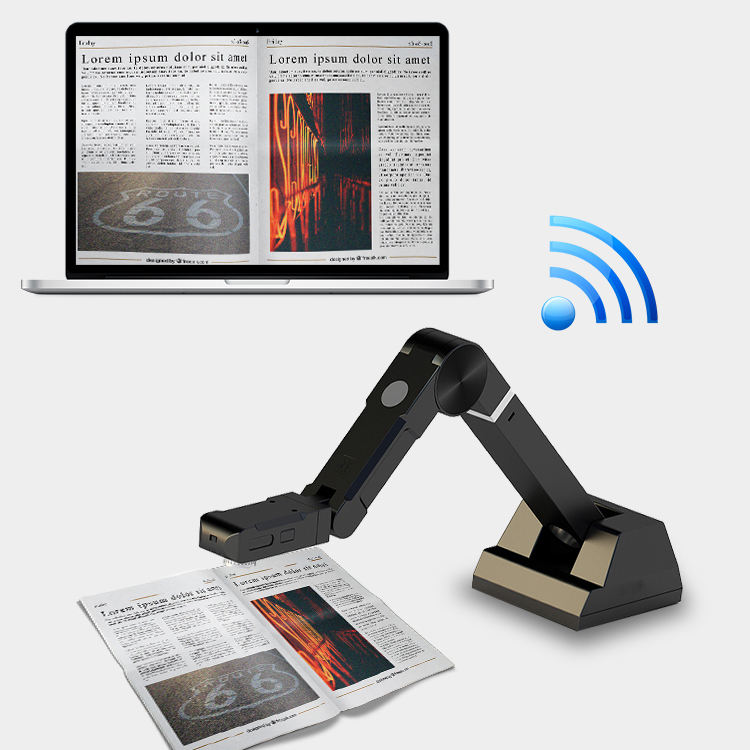
Visualized Handheld Hd Usb A4 Book Scanner A3 Automatic Management Document Scanner Camera
For contracts, receipts, book pages and administrative files. A practical fit for notaries, school offices and document digitization teams.
- USB
- A4 / A3
- Book scanning
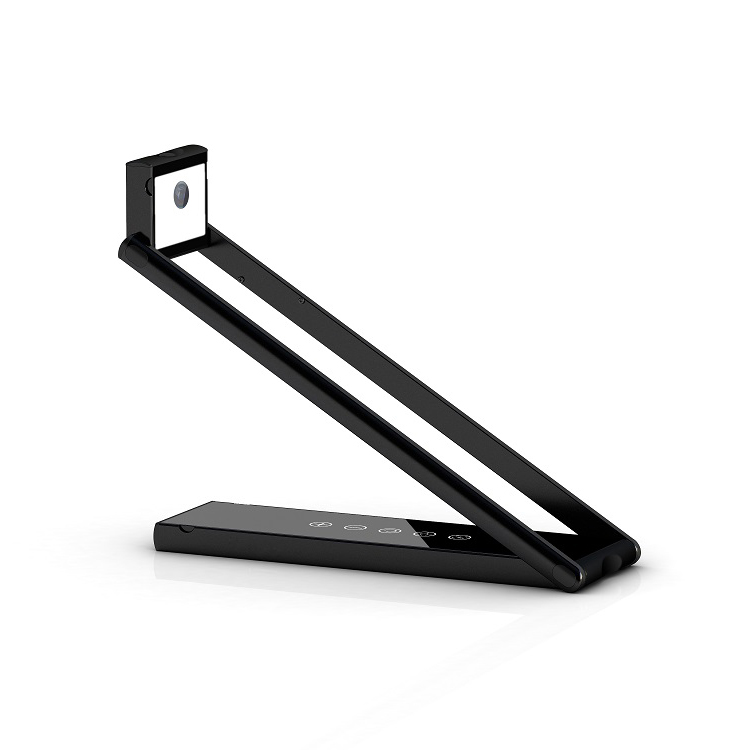
Education Equipment Visual Presenter Document Camera Scanner Scanning A3 Book and Paper
An A3 visual presenter for textbook pages, science demonstrations and teacher-led annotation with a straightforward USB workflow.
- A3 book & paper
- Visual presenter
- Classroom

China Document Camera A3 Portable Wireless 13mp Visualizer Document Camera
A portable A3 wireless 13MP visualizer for shared classrooms, mobile teaching and campuses that need high-detail capture.
- A3
- Wireless
- 13MP detail
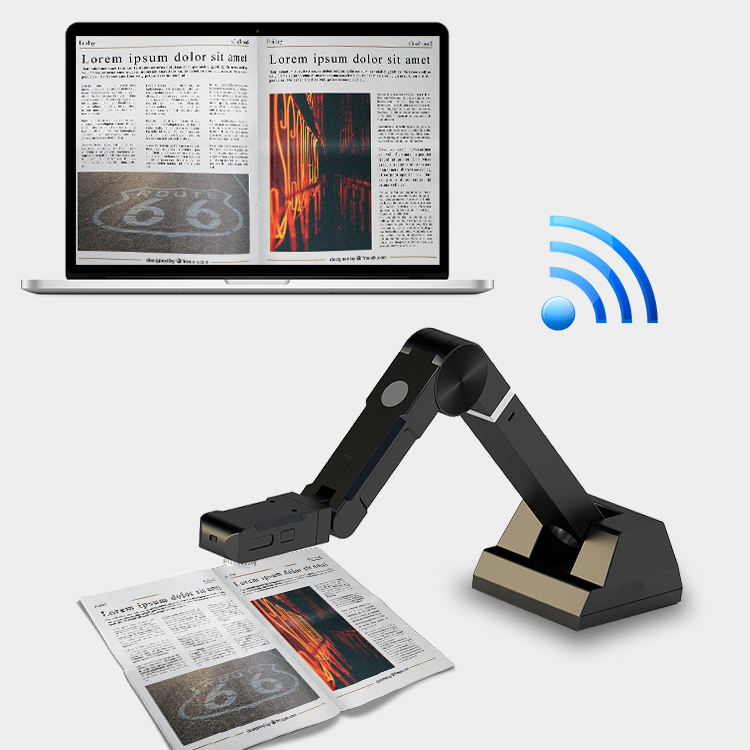
OEM USB Portable Smart Camera Visualizer Wifi A4 A3 Document Camera Visualizer for Education Book Camera
A flexible WiFi/USB visualizer for tutoring centers, school labs and online education where placement changes from room to room.
- WiFi + USB
- A4 / A3
- Portable
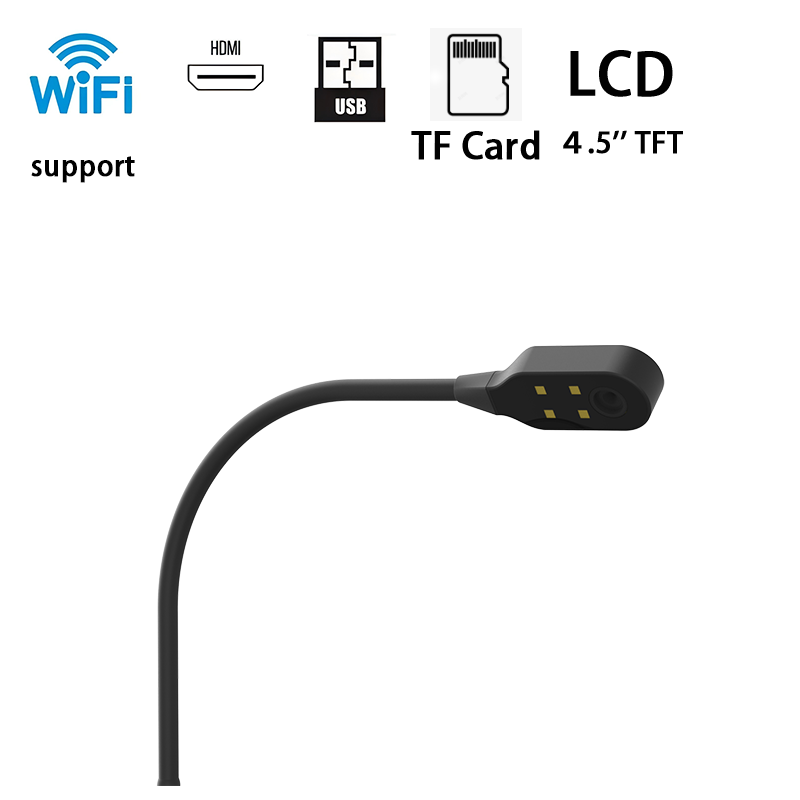
Support VGA WIFI Interface for Teacher Teaching Files, Camera and High Camera
For classrooms that need to connect teaching files, a document camera and a high camera through VGA and WiFi interfaces.
- VGA interface
- WiFi
- Teaching files
The Mexico Opportunity Is a Workflow Opportunity, Not a Single Specification
Mexico’s document imaging demand is shaped by more than camera resolution. Procurement cycles, Spanish-language onboarding, power infrastructure, import classification and after-sales support determine whether a pilot becomes a repeat order.
Four buying centres, four approval paths
K-12 and university education, municipal or state service windows, financial and telecom KYC counters, and private enterprise digitization each require different proof: classroom usability, audit-ready capture, identity verification or paperless workflow integration.
Nearshoring rewards local readiness
Mexico’s position in North American supply chains encourages distributors to hold stock, shorten replenishment cycles and support Spanish-speaking installers. Manufacturers that can supply consistent model families, spare parts and bilingual documentation reduce channel risk.
Landed cost beats FOB price
Importers compare unit price, freight, duty classification, customs brokerage, 16% VAT treatment where applicable, spare-parts buffer, training time and warranty handling. A lower FOB quote can become the more expensive program if these costs are ignored.
Start from the workflow, not the sensor. A 13MP wireless visualizer can underperform on a congested 2.4 GHz school network, while an 8MP USB document camera at a fixed service counter may deliver faster adoption. In shared public areas, a wall-mounted 8MP unit can be a better fit than a premium portable model that is easier to move but harder to secure.
Where Document Imaging Equipment Works in Mexico
The same factory platform can serve multiple verticals, but the sales argument changes. These scenarios help distributors, tender bidders and private-label brands position the right configuration.
K-12 classrooms and teacher training
Teachers need one-button capture of textbooks, workbooks and handwritten examples without changing lesson plans. USB models reduce network dependency; A3 presenters help with large-format classroom materials.
Universities, engineering labs and hybrid rooms
Science, design and engineering courses often need fine print, drawings and small components on screen. A 13MP A3 visualizer with VGA/HDMI/USB or wireless flexibility supports mixed older and newer displays.
Government service windows and municipal offices
Public counters need fast capture of IDs, forms and supporting documents, often with traceability. Wall-mounted units keep the camera aligned; dual-camera models can capture both the document and the person handling it.
Banks, insurance and telecom KYC counters
Counter staff require consistent identity and document images under time pressure. A 2-in-1 camera or dual-camera scanner can reduce equipment switching while supporting onboarding, SIM registration and claims intake.
Notaries, legal teams and archives
Bound books, contracts and historical records require flat, legible capture without cutting pages. A4/A3 book scanners and handheld USB document cameras fit notary offices, school archives and records departments.
OEM and private-label distribution
Mexican distributors can build a price ladder from wall-mounted and USB models to 13MP wireless visualizers. Spanish packaging, quick-start cards, channel branding and model naming can be scoped as part of an OEM program.
A Mexico-Fit Procurement Guide for Document Cameras and Scanners
Use this matrix to narrow tender responses, distributor assortment and private-label model planning. The goal is not to sell the highest specification, but to specify the configuration that will be accepted, installed and renewed.
| Buyer scenario | Recommended configuration | Why it matters in Mexico |
|---|---|---|
| Mainstream classroom visualizer | A3 visual presenter or 8MP USB document camera | Simple USB deployment, predictable training and lower dependence on school WiFi. Ideal for daily textbook and worksheet capture. |
| Fine print, engineering drawings and full A3 sheets | 13MP three-mode document camera or 13MP wireless A3 model | Higher resolution keeps small labels, formulas and technical details legible after digital zoom and projection. |
| Teacher movement and hybrid lessons | Portable A3 wireless 13MP visualizer | Supports shared classrooms and mobile teaching. Confirm 5.8 GHz performance and avoid assuming that every school network is stable. |
| Fixed public counter or display wall | 8MP wall-mounted document camera | Keeps the camera aligned and secure. Cable routing, mount height and lighting should be checked before installation. |
| Online tutoring and face-plus-document teaching | 2-in-1 document camera and webcam | One device covers teacher presence and desktop materials, reducing equipment switching in small classrooms or tutoring centres. |
| Government, bank or telecom KYC counter | Multi-interface teaching camera or dual-camera document scanner | Identity workflows can require document and person capture. Validate privacy rules, counter lighting and local record-management policy. |
| Notaries, libraries and administrative archives | HD USB A4/A3 book scanner | Bound pages and irregular documents need fast setup and consistent focus. Test with real files rather than blank paper. |
| Mixed legacy AV estate | VGA/HDMI/USB or VGA + WiFi document camera | Many campuses still operate older projectors beside newer interactive panels. Multi-interface models reduce adapter confusion. |
Six Mexico-Specific Trends to Design Into Your 2025–2027 Roadmap
These trends are practical, not abstract. They affect product selection, documentation, warranty conversations and the commercial terms a distributor can defend to end users.
Spanish-first onboarding
Machine-translated manuals create training friction. Mexican buyers increasingly value Spanish quick-start guides, teacher cards, packaging labels and support scripts that use local terminology.
Nearshoring and stock planning
Distributors want predictable replenishment for education tenders and government projects. Model-family consistency, spare parts and clear lead-time communication matter as much as unit features.
Hybrid classrooms and “aula híbrida” workflows
Schools continue to blend in-person and remote learners. A visualizer that can switch between face-camera and document view reduces the number of devices teachers must manage.
Digital government and identity verification
Public-service digitization increases demand for consistent ID and document capture. Products should support clean images, stable positioning and straightforward integration into counter workflows.
Network realism: 5.8 GHz versus congested WiFi
Wireless teaching devices can fail when installed in dense school networks. Buyers should request site checks, compare 5.8 GHz point-to-point links with shared WiFi and retain USB fallback for critical rooms.
Serviceability and spare-parts planning
Long-distance support becomes expensive when accessories are not planned. Power adapters, remotes, cables, lens covers and quick-reference cards should be agreed before the first volume order.
Six Checks Before a Mexico Purchase Order Is Issued
This checklist is written for importers, tender bidders and private-label brand owners who need to reduce rework between sample approval and customs clearance.
1. Classify before you commit
Confirm HS classification, duty treatment and NOM applicability with a Mexican customs broker. Do not assume that a CE or FCC report automatically satisfies every local market-access requirement.
2. Specify 127 V / 60 Hz accessories
Mexico uses 127 V and 60 Hz. USB-powered cameras simplify deployment, but external adapters, plug types, safety marks and spare power supplies must be specified correctly for the channel.
3. Treat Spanish as a product feature
Spanish quick-start cards, labels, teacher prompts and troubleshooting notes reduce returns and training calls. For tenders, include the exact document set required in the award conditions.
4. Test the room, not only the camera
Lighting, projector resolution, cable length, WiFi density and mounting height affect perceived image quality. A sample test in a real classroom or service window is more useful than a studio demo.
5. Plan first-line support
Agree who handles basic diagnosis, firmware guidance, accessory replacement and DOA review. A local super-user or distributor technician often determines whether a pilot expands.
6. Align import and invoicing data
Prepare commercial invoice, packing list, model codes, country of origin and HS data early. Mexican importers may also need invoice data aligned with CFDI 4.0 requirements; confirm the field set with your broker and accounting team.
Why Eshuni Fits Mexico Channel and OEM Programs
Shenzhen Eshuni Technology Co., Ltd. is a manufacturer and solution provider for information collection and identity verification. Since 2012, we have built document cameras, visualizers, book scanners, webcams, identity verification terminals and camera modules for education, finance, insurance, telecommunications, government and enterprise buyers.
 Factory & R&D centre · Shenzhen, Guangdong
Factory experience combined with application engineering
Our in-house R&D team works across hardware, firmware and product design. For Mexico-focused programs, this means product selection can be matched to the actual classroom, counter or archive workflow rather than a generic catalogue page.
We support three levels of technical assistance: product design, project design and on-site project application. ERP-driven production and supply-chain management help keep quality consistent and lead times visible when distributors plan education-season or tender deliveries.
All core hardware and software are developed as our own intellectual property, and the factory operates under an ISO9001 quality management system. Products carry CE, FCC, RoHS and China 3C certifications. For Mexico, buyers should confirm NOM scope, customs classification and Spanish documentation requirements with their local compliance team before launch.
In-house R&D and own IP
Hardware and software development stays close to manufacturing, supporting faster customisation and clearer technical answers.
OEM, ODM and private label
Support for buyer branding, packaging, product naming, firmware configuration and Spanish-language quick-start content on qualified projects.
Certified quality system
ISO9001 quality management, with products carrying CE, FCC, RoHS and China 3C certifications. Mexico-specific compliance review remains the importer’s responsibility.
ERP-driven production
Production and supply-chain management support repeat orders, model-family consistency and clearer lead-time planning for channel programs.
Three-level technical support
Product design, project design and on-site project application support help distributors move from catalogue selling to workflow-based solution selling.
One-roof imaging portfolio
Document cameras, visualizers, webcams, ID scanners, face recognition terminals and camera modules allow a broader channel assortment from one manufacturing partner.
Export terms and documentation
FOB, EXW and DDP terms are supported, with regular shipments to North America, South America, Western Europe, South Asia and Africa. Shipping to Mexico can be coordinated with the buyer’s preferred forwarder.
Application experience
Devices support education, finance, insurance, telecommunications, government and enterprise document workflows — a useful foundation for Mexico’s mixed public- and private-sector demand.
Questions Mexican Importers Ask Before Ordering
These answers focus on the practical issues that appear in distributor onboarding, tender clarification and private-label launch meetings.
Does Eshuni offer OEM and ODM document cameras for Mexico importers and private-label brands?
Yes. We offer OEM manufacturing, product design services and buyer-label production. Our in-house R&D team supports product design, project design and on-site project application. For Mexico-focused programs, branding, packaging, model naming, Spanish quick-start guides and accessory bundles can be reviewed according to the target channel and order forecast.
Which certifications are available, and how should Mexican buyers handle NOM and Spanish labelling?
Our factory operates an ISO9001 quality management system, and products carry CE, FCC, RoHS and China 3C certifications. NOM applicability depends on the product, adapter, function and current Mexican rules, so the importer should confirm the exact scope with a qualified customs broker or compliance consultant. Spanish labels, manuals and quick-start materials can be customised for OEM and private-label projects.
Should we choose an 8MP or 13MP document camera for the Mexican market?
An 8MP sensor is sufficient for A4 pages, textbooks, forms and live classroom demonstrations. A 13MP sensor is recommended when capturing full A3 sheets, fine print, engineering drawings or archival scans where every detail must remain legible after zooming. Many distributors build a price ladder with 8MP models for mainstream education and 13MP models for universities, engineering labs and premium tenders.
What is the difference between USB and 5.8G wireless document cameras for Mexican schools?
USB models are plug-and-play and draw power from the computer, making them ideal for fixed desks, counters and classrooms with dependable PCs. 5.8 GHz wireless models let teachers move freely around the room; the 5.8 GHz band is often less congested than 2.4 GHz in busy school environments, but performance still depends on the receiver, line of sight and installation. Retaining a USB fallback for critical rooms is a sensible procurement policy.
Will the cameras work with Windows, Mac, interactive displays, Zoom, Microsoft Teams and Google Meet?
USB document cameras are typically used as standard video devices, allowing them to work with common video-conferencing and classroom software on Windows and Mac. HDMI, VGA and WiFi configurations are useful for projectors and interactive panels. Because Mexican campuses may use different software versions, projector resolutions and local AV integrators, we recommend a sample test with the exact lesson software and display hardware before a tender award.
What power and connectivity details should we specify for Mexico?
Mexico uses 127 V and 60 Hz, so external adapters, plug types and spare power supplies should be specified correctly. USB-powered models reduce power-variation risk but still require suitable PCs or powered USB hubs. For wireless rooms, confirm whether the site will use a dedicated 5.8 GHz link or the school’s existing WiFi, and define who will perform installation and basic troubleshooting.
Which trade terms, shipping arrangements and documents are supported for Mexico?
We accept FOB, EXW and DDP delivery terms and regularly ship to North America, South America, Western Europe, South Asia and Africa. For Mexico, we can coordinate with the buyer’s preferred freight forwarder or discuss a shipping plan to a chosen port or inland destination. Commercial invoice, packing list, model codes, country of origin and HS data should be aligned before shipment. Mexican importers should confirm duty, VAT and CFDI 4.0 data requirements with their broker and accounting team.
Do Chinese-origin document cameras automatically qualify for USMCA benefits?
No. USMCA origin is not granted automatically because goods are sold into Mexico or stored in a North American distribution centre. Qualification depends on the applicable rules of origin, production processes and documentation. This is commercial and legal advice that should be confirmed with a Mexican customs broker before quoting preferential treatment.
How should we validate samples before placing a volume order?
Test the sample with real Mexican classroom or counter materials: textbooks, forms, bound pages, ID cards, handwriting, small print and low-light conditions. Check focus speed, colour fidelity, lag, mounting stability, cable length, software compatibility and ease of training. For private-label programs, also review packaging, Spanish labels, accessory quality and spare-parts requirements before approving mass production.
Build a Mexico-Ready Document Imaging Range with Eshuni
Share your application, target volume, preferred port, price band, Spanish documentation needs and compliance questions. Our team can recommend an 8MP or 13MP configuration, USB or 5.8G wireless setup, wall-mount or portable form factor, and an OEM/private-label plan for the Mexican market.