Eight Capture & Imaging Options for Mexico City Integrators
Mexico City buyers often search for dual lens document camera manufacturers and factories close to home, but the actual optical engine, CMOS sensor and firmware usually come from an experienced export manufacturer. The eight models below cover classroom visualizers, portable document cameras, multi-interface teaching cameras, 2-in-1 document camera and webcam units, OEM camera modules and multi-biometric recognition modules. Product URLs are preserved exactly for direct specification review.
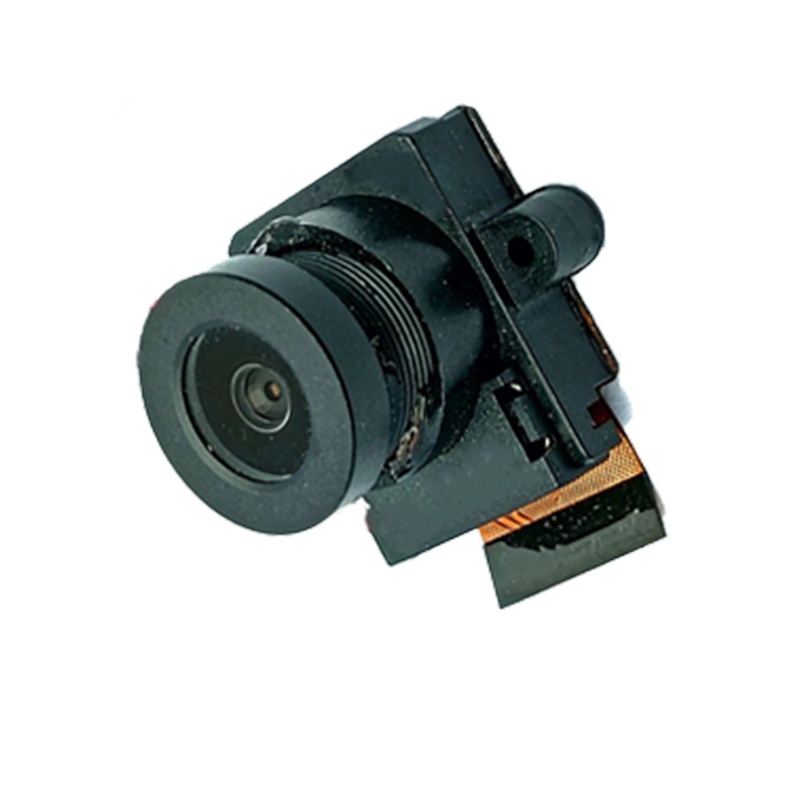
Factory hot-selling 1080p CMOS sensor body camera with HD video/audio recording and night vision
- 1080p CMOS
- HD audio
- Night vision
Best for mobile inspection, evidence capture and field documentation where a fixed document camera is impractical.
View product
Visual Presenter HD Camera 8MP 13MP auto focus Document Camera Scanner online educational equipment book camera
- 8MP / 13MP
- Auto focus
- Book camera
A strong fit for A3/A4 teaching, textbook demonstration and hybrid education in Mexico City schools and universities.
View product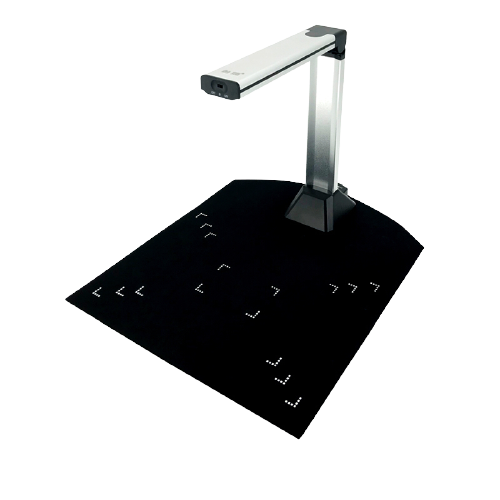
Portable OEM 8MP document camera Visual presenter for education equipment camera scanner
- 8MP
- Portable
- OEM
Recommended for teachers moving between classrooms and for mobile training programs that need quick setup.
View product
WG133AF-HV V508 VGA/HDMI/USB Three Mode 13MP Document Camera for Teachers, Mac, Windows
- 13MP
- VGA / HDMI / USB
- Mac + Windows
Useful when Mexico City integrators must support older projectors, HDMI displays and computer-based capture in one deployment.
View product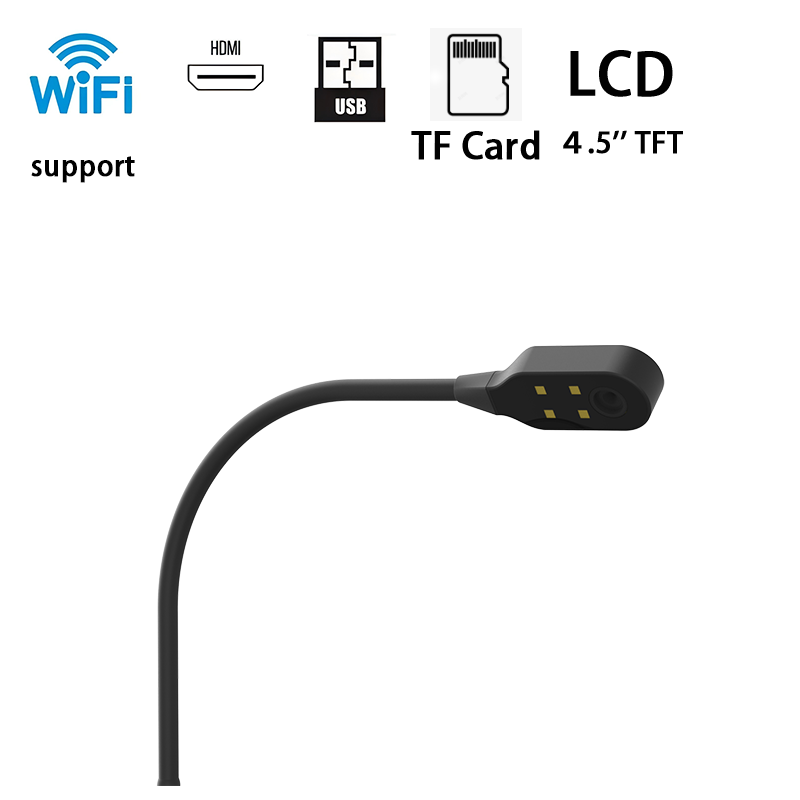
Support VGA WIFI Interface for Teacher Teaching Files, Camera and High Camera
- VGA
- WiFi interface
- Teaching files
A practical option for projects that need to connect teaching files, cameras and existing display infrastructure.
View product
OEM USB A3 13mp 2 in 1 Education Visualizer Document Camera and Webcam for Education Scanning Book Camera
- USB
- A3
- Document camera + webcam
A close fit for remote teaching and tutoring, combining overhead document capture with a conventional webcam workflow.
View product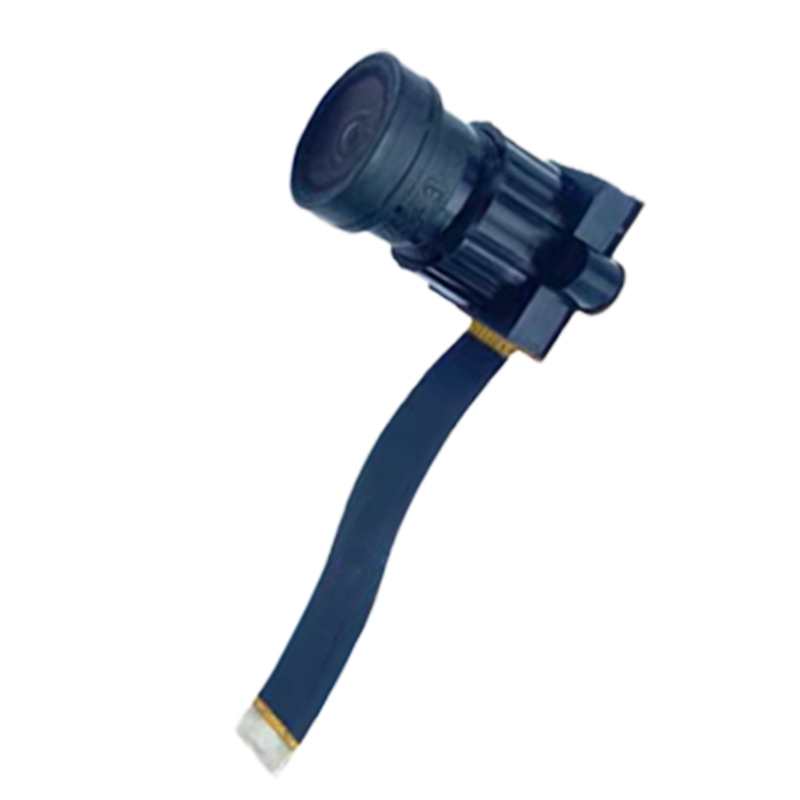
Professional manufacturer's CMOS sensor MIPI camera module 1080P 2K 4K drone wireless video transmission camera module
- CMOS
- MIPI
- 1080P / 2K / 4K
An engineering option for embedded dual-lens designs, wireless video transmission and custom imaging hardware.
View product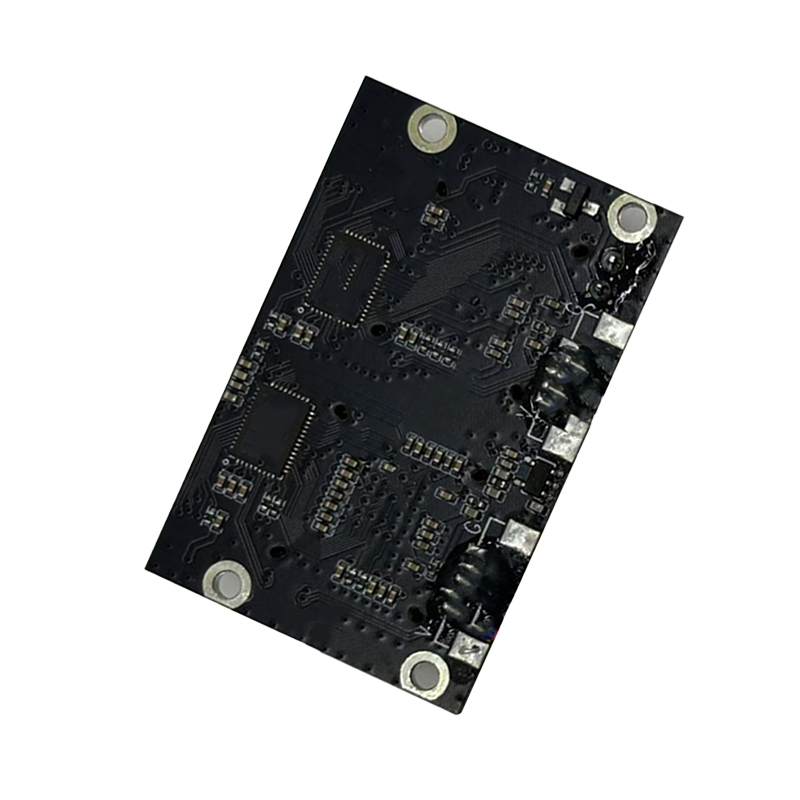
Newly upgraded dual 1080P finger vein palm print recognition facial recognition camera module CMOS sensor
- Dual 1080P
- Biometric
- CMOS
Relevant to access-control, KYC and identity-verification projects needing multi-modal biometric capture.
View productTechnical note: product selection must be confirmed against your application, software environment, certification path and target order volume.
What Mexico City Buyers Actually Mean by “Dual Lens Document Camera”
For CDMX procurement teams, the search term “dual lens document camera” describes several architectures. Clarifying the optical role of each lens prevents a specification mismatch before tendering.
Document + Operator
One lens captures an A3/A4 document while the second records the applicant, clerk or teacher. This is common at government service windows, bank KYC desks and telecom registration counters.
Visible + Infrared / Biometric
Dual 1080P modules can combine visible-light face capture with palm, finger-vein or infrared imaging for access control and identity verification, provided the SDK and local compliance rules are clear.
Wide Overview + Macro Detail
A second lens may capture stamps, serial numbers, handwriting, barcodes or engineering detail while the main lens shows the full page. This setup is useful for notaries, archives and quality inspection.
Information gain: define lens roles, synchronization, interface, lighting, software API and warranty before comparing quotations from “Mexico City manufacturers” or overseas factories.
Where Dual-Camera and Document Capture Hardware Fits in Mexico City Workflows
Mexico City is a dense service economy with schools, public offices, financial counters, hospitals, notaries and logistics operators working in the same metropolitan area. Each environment creates a different capture requirement.
Classrooms & Universities
Live demonstration of laboratory work, textbooks, mathematics and A3 diagrams. A 13MP model is preferred when fine print must remain readable after zooming.
Government Service Windows
Capture identity documents, forms and signatures while recording the applicant or clerk in the same workflow. Dual-camera models reduce counter hardware and operator steps.
Banks, Insurance & Telecom
KYC checks, contract digitization, SIM registration and claims documentation. The buyer should confirm data-flow rules, image retention and integration with existing customer systems.
Notaries, Legal & Accounting
Bound books, seals, signatures and annexes. A foot pedal, auto-focus and A3 capture area can materially improve throughput when scanning long files.
Healthcare & Logistics
Medical records, labels, prescriptions, packing lists and quality evidence. Select a model with stable lighting, clear macro detail and easy cleaning for front-desk use.
Six Mexico City Procurement Realities That Change the Specification
A dual lens document camera manufacturer that knows the Mexico City market will ask about compliance, language, power, logistics and service before quoting a box price.
NOM & IFT Review
Mexico-bound electronics may require NOM compliance, and wireless products may trigger IFT homologation questions. Do not assume a CE/FCC certificate automatically satisfies Mexican import requirements. Ask the factory and your customs broker to confirm the exact path.
Spanish-First Documentation
Spanish quick-start guides, setup videos, driver notes and a clearly defined support escalation path reduce installation friction for CDMX integrators. For OEM projects, discuss Spanish UI strings and software SDK documentation early.
127V / 60Hz Power Reality
Mexico uses 127V/60Hz supply. Verify the power adapter, plug type, surge tolerance and certification marking. For counter deployments, specify lockable cables and protection against unstable power or accidental disconnection.
DDP & Customs Predictability
CDMX buyers often prefer DDP quotations, but FOB, EXW and DDP each shift risk differently. Clarify HS codes, import VAT, customs broker responsibility, insurance and whether the factory offers air shipment via AICM or sea freight through Manzanillo or Lázaro Cárdenas.
Hybrid Education Budget Cycles
School and university purchases can be tied to annual budget releases and tender documentation. Suppliers should provide stable model numbers, clear specifications, sample units and consistent production quality across repeat orders.
Data Privacy & Storage
Document and identity images are sensitive. Clarify whether the device or software stores images locally, in the cloud or only in memory, who controls deletion, and how the integrator will meet internal data-protection rules.
Local Integrator, Export Factory or Marketplace Seller?
Mexico City searches for manufacturers and factories often mix three different supplier types. Separating them makes the quotation easier to compare and reduces post-installation risk.
| Supplier Type | What They Usually Provide | Questions to Ask | Best Fit |
|---|---|---|---|
| Mexico City integrator / reseller | Local delivery, installation, Spanish support, billing and sometimes housing or software customization. | Which factory supplies the optical engine? What spare-part stock is held locally? Who handles warranty labor? | Projects needing local service, fast site visits and Spanish-first account management. |
| Export factory such as Eshuni | OEM/ODM design, firmware adaptation, private label, volume production, certification documents and export logistics. | Can you support NOM/IFT coordination? What is the production schedule? What is the DOA and warranty process? | Importers, tender suppliers and brands that need factory-level engineering and repeatable quality. |
| Marketplace seller | Low-volume availability and simple transactions, but often limited configuration, documentation and after-sales depth. | Who is the real manufacturer? Are the product images and certifications authentic? Is the SDK available? | Samples, urgent small purchases or non-critical pilot deployments. |
Eshuni is a Shenzhen-based manufacturer and solution provider, not a Mexico City assembly plant. This transparency matters when you require factory audit evidence, custom firmware, OEM packaging or long-term model continuity.
Inside Eshuni’s Factory Capability for OEM Camera Buyers
Eshuni has been manufacturing information-capture and identity-verification hardware since 2012. The company’s published profile describes an in-house R&D team, ERP-driven production and supply-chain management, national patents on hardware and software, and three levels of technical support: product design, project design and on-site project application.

The product portfolio includes high-speed document scanners, video booths, book scanners, identity-verification terminals, webcams, document cameras and camera modules. These devices support digital transformation in education, finance, insurance, telecommunications, government and enterprise environments — the same sectors that drive demand in Mexico City.
For Mexico City importers and integrators, factory-level support is most valuable when you need more than a generic product photo. You may need a dual-lens configuration for a counter, a Spanish manual, a customized boot logo, stable firmware, private-label packaging, export carton marks, sample testing before a tender, and a clear production schedule for repeat orders.
Eshuni’s stated manufacturing advantages include ISO9001 quality management, CE, FCC, RoHS and China 3C certification, OEM manufacturing, product design services, buyer-label production and export delivery under FOB, EXW and DDP terms. The factory regularly ships to North America, South America, Western Europe, South Asia and Africa.
Recommended Product Paths for Mexico City Projects
Use this matrix to move from a broad search for “dual lens document camera manufacturers in Mexico City” to a concrete model discussion with the factory.
| Buying Scenario | Recommended Product | Why It Fits | Local Check Before Order |
|---|---|---|---|
| University or large classroom with A3 material | 8MP / 13MP auto-focus visual presenter | Auto-focus, book-camera workflow and higher resolution for fine print. | Confirm projector or display interface, cable length and Spanish setup guide. |
| Government service window with document plus applicant image | 13MP multi-interface document camera or dual-camera OEM discussion | High-resolution document capture and multiple interfaces for counters. | Define simultaneous capture, software integration and identity-data policy. |
| Portable teaching or mobile training | Portable OEM 8MP document camera | Easy transport and quick classroom setup. | Check bag, foldable arm, power source and replacement parts. |
| Online tutoring or hybrid classroom | USB A3 13MP 2-in-1 document camera and webcam | One device for overhead documents and face-to-camera teaching. | Test with Zoom, Teams, Google Meet and local LMS requirements. |
| Retrofit of existing teaching display | VGA WiFi interface for teaching files and cameras | Connects existing display, teaching files and camera sources. | Confirm VGA/HDMI compatibility, WiFi band and cable access. |
| Biometric access or identity-verification pilot | Dual 1080P biometric camera module | Multi-modal face, palm and finger-vein capture for OEM integration. | Request SDK, sample images, illumination data and IFT/NOM guidance. |
What CDMX Buyers Usually Rank Highest in a Supplier Scorecard
Illustrative evaluation weightings for B2B imaging projects, based on common procurement priorities such as image quality, compliance, local support and delivery certainty.
Buyer Priority Weighting
Use this as a discussion framework, not a substitute for your tender criteria.
The Dual-Lens Question That Saves Weeks
Ask every supplier: “Can both lenses capture at the same time, at what resolution, through which interface, and with what SDK or driver support?”
A supplier that can answer this with samples, timing diagrams, power requirements and software notes is materially easier to integrate than a seller that only lists lens count in a title.
- Confirm frame rate for each lens.
- Check low-light illumination.
- Request raw sample images.
- Test Windows and macOS drivers.
- Clarify SDK licensing.
- Verify Spanish on-screen text.
- Define warranty DOA process.
- Check spare-part availability.
Eight Checks Before You Place a Mexico City Order
A rigorous checklist protects the integrator, the importer and the end user. It also gives the factory a clearer brief, which usually produces a more accurate quotation.
Document plus face, visible plus infrared, wide plus macro, or another architecture. Put the requirement in writing.
Ask for 127V/60Hz compatibility, adapter certification, plug type and surge protection recommendations.
Ask for Spanish manuals, quick-start cards, software prompts and support escalation contacts.
Clarify NOM, IFT, CE, FCC, RoHS and 3C documents. Use your customs broker to confirm the import path.
Validate USB, HDMI, VGA or WiFi with your actual computer, LMS, video platform and operating system.
Inspect image quality, auto-focus speed, build quality, packaging and accessories before volume production.
Compare FOB, EXW and DDP quotations with insurance, duties, VAT, broker fees and delivery address clearly stated.
Agree warranty period, DOA policy, spare-part list, repair route and who provides local labor in Mexico City.
Mexico City Buyer Questions About Dual Lens Document Camera Factories
These are practical questions asked by importers, tender suppliers, school groups and integrators when comparing manufacturers.
Are there dual lens document camera factories directly in Mexico City?
Which model is closest to a dual-camera government document scanner?
Should we choose 8MP or 13MP for Mexico City classrooms and offices?
Do you provide OEM, ODM and private-label production?
How do Mexico City buyers handle NOM, IFT and customs?
What is the difference between USB and wireless for a document camera?
What trade terms and delivery options are available?
How should we evaluate warranty and spare parts?
Request a Factory Specification for Your Mexico City Project
Share your capture scenario, target resolution, interface, estimated order volume, certification needs and delivery address. The factory can then recommend a document camera, visualizer, dual-camera configuration or OEM module and prepare a quotation for your tender or private-label program.