Foldable Document Cameras & Imaging Hardware Recommended for Tokyo Buyers
These eight products cover the most common Tokyo procurement scenarios: whole-class A3 demonstrations, compact desk use, wireless teaching, high-resolution book scanning, portable visualizers and dual-lens identity/document capture. Product URLs are preserved; specifications can be adapted for Japanese packaging, manuals, adapters and private-label programs.
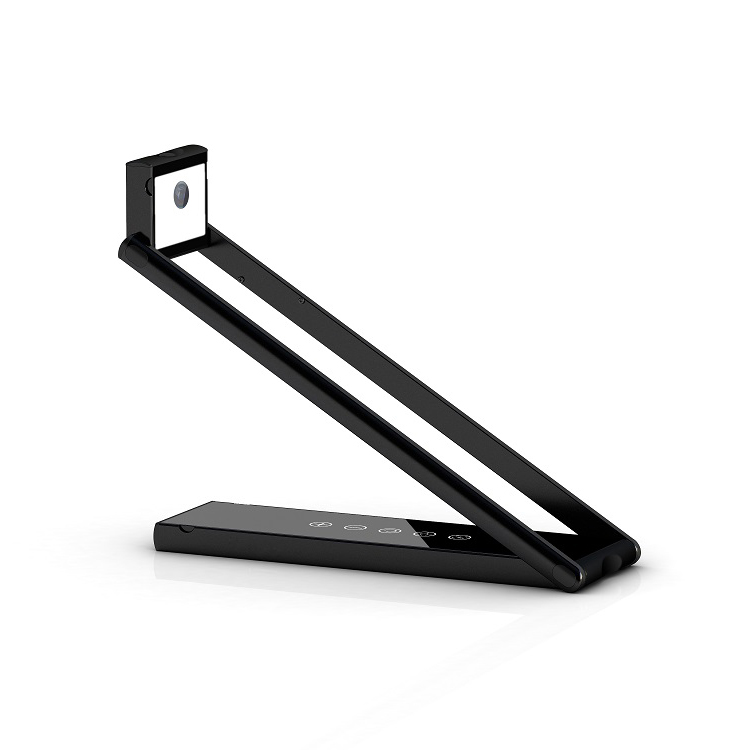
Education Equipment Visual Presenter Document Camera Scanner Scanning A3 Book and Paper
Foldable visual presenter for teachers who need to show textbooks, worksheets and handwritten notes on a projector or display without moving the original document.
View product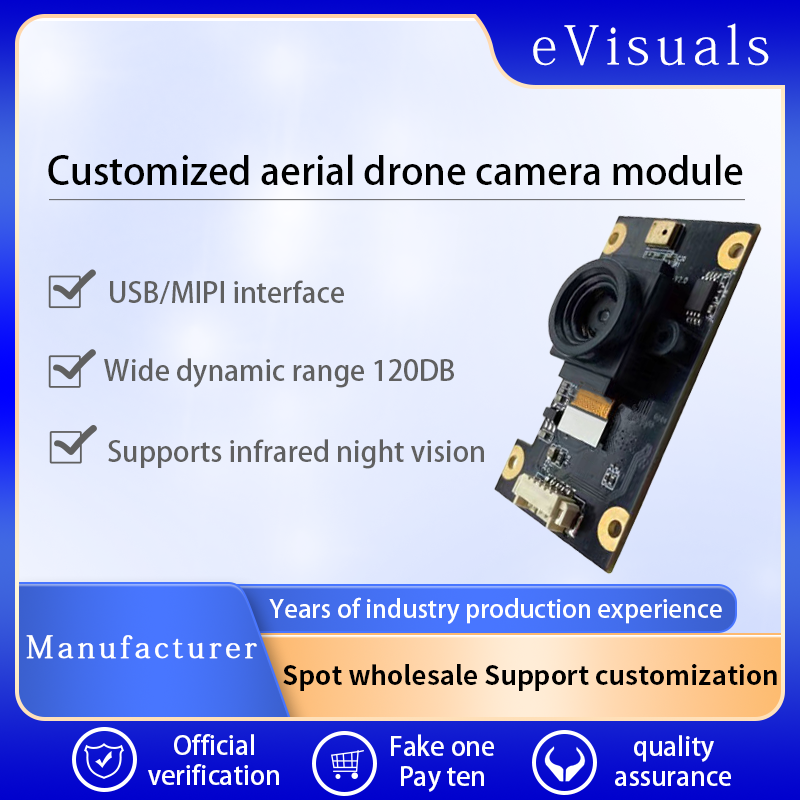
Factory Customized 1080p / 4K Wireless Video Transmission Camera Module
Custom wireless camera module for aerial photography, face recognition and embedded vision projects that need factory-level sensor, lens and PCB customization.
View product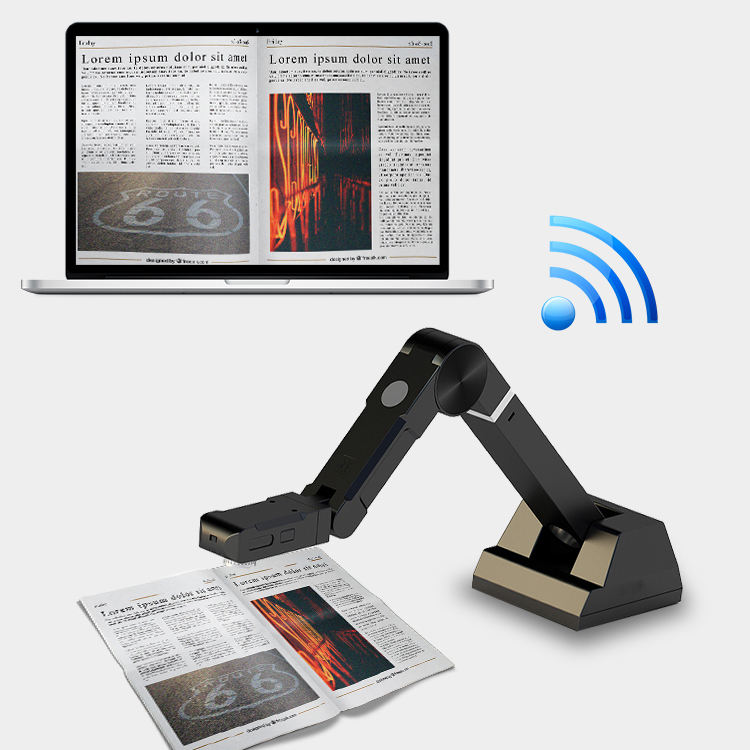
Visualized Handheld HD USB A4 / A3 Book Scanner & Document Camera
Practical desktop scanner camera for book pages, contracts, receipts and forms. Suitable for office digitization and front-desk document capture.
View product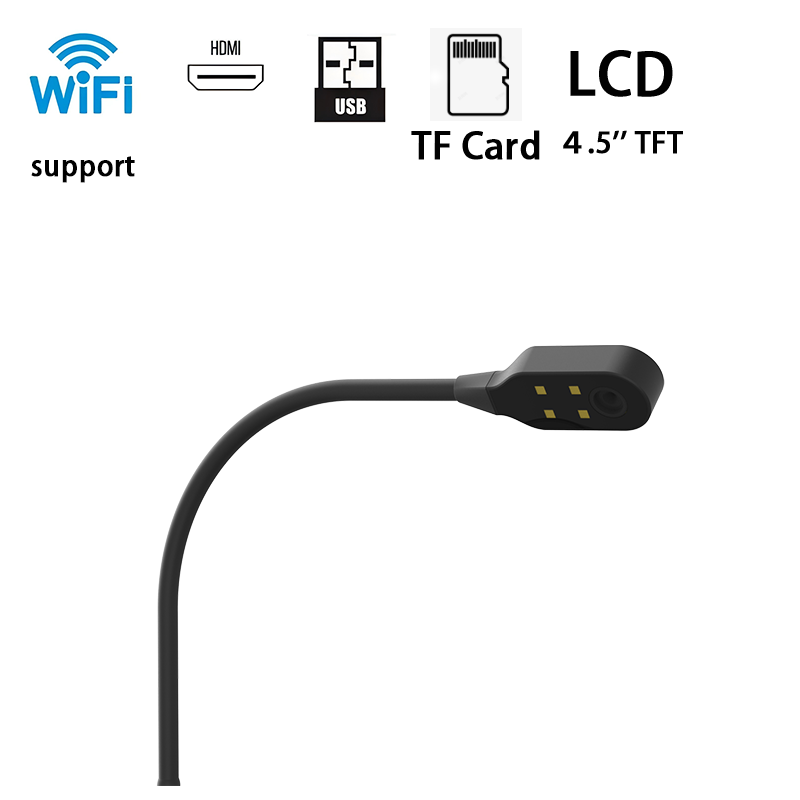
Teaching Visualizer with VGA and WiFi for Teacher Files, Camera and High Camera
Flexible classroom visualizer with legacy VGA compatibility and WiFi connectivity, useful where Tokyo schools and training rooms use mixed display hardware.
View product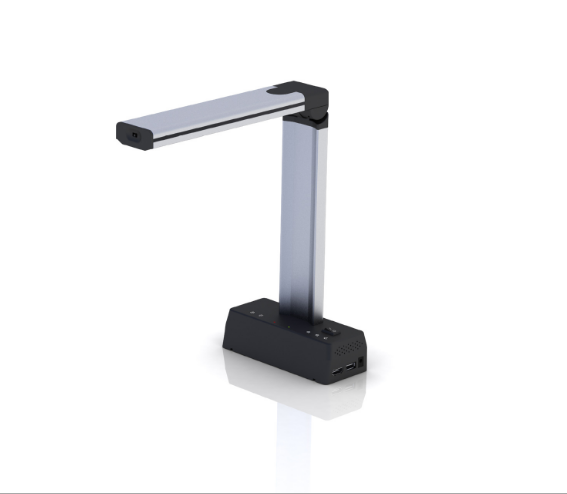
5.8G WiFi Wireless Document Camera Visualizer – OEM / ODM
Wireless visualizer for classrooms and offices where teachers need to move around the room. The 5.8GHz band is often less congested than 2.4GHz in busy environments.
View product
48MP USB3.0 Autofocus Document Camera Scanner for Office and Classroom
High-resolution USB3.0 scanner camera for detailed drawings, fine print, archive capture and visualizer applications where zoom detail matters.
View product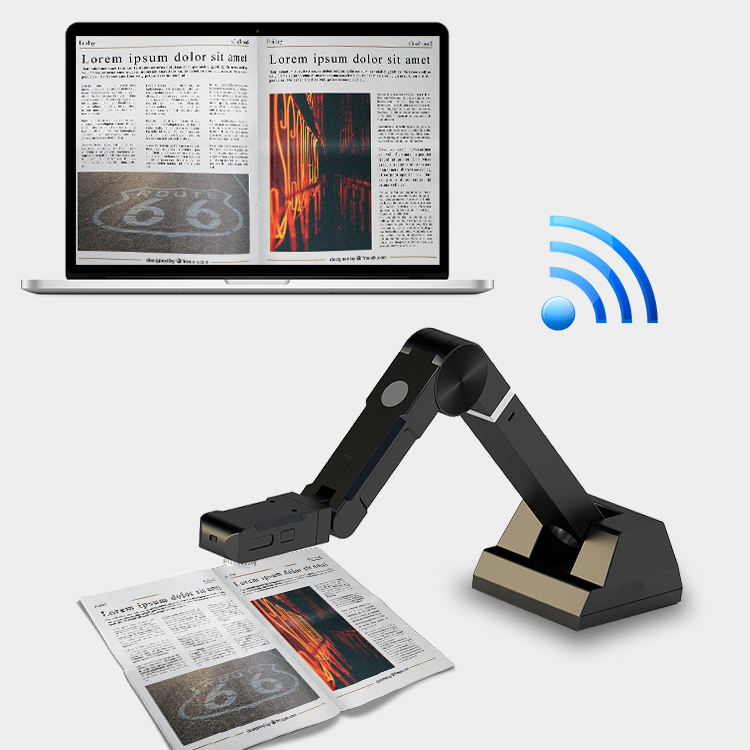
OEM USB Portable Smart Camera Visualizer WiFi A4 / A3 for Education
Compact portable visualizer for cram schools, tutoring rooms and traveling teachers. Ideal for buyers who need a foldable, easy-to-carry design.
View product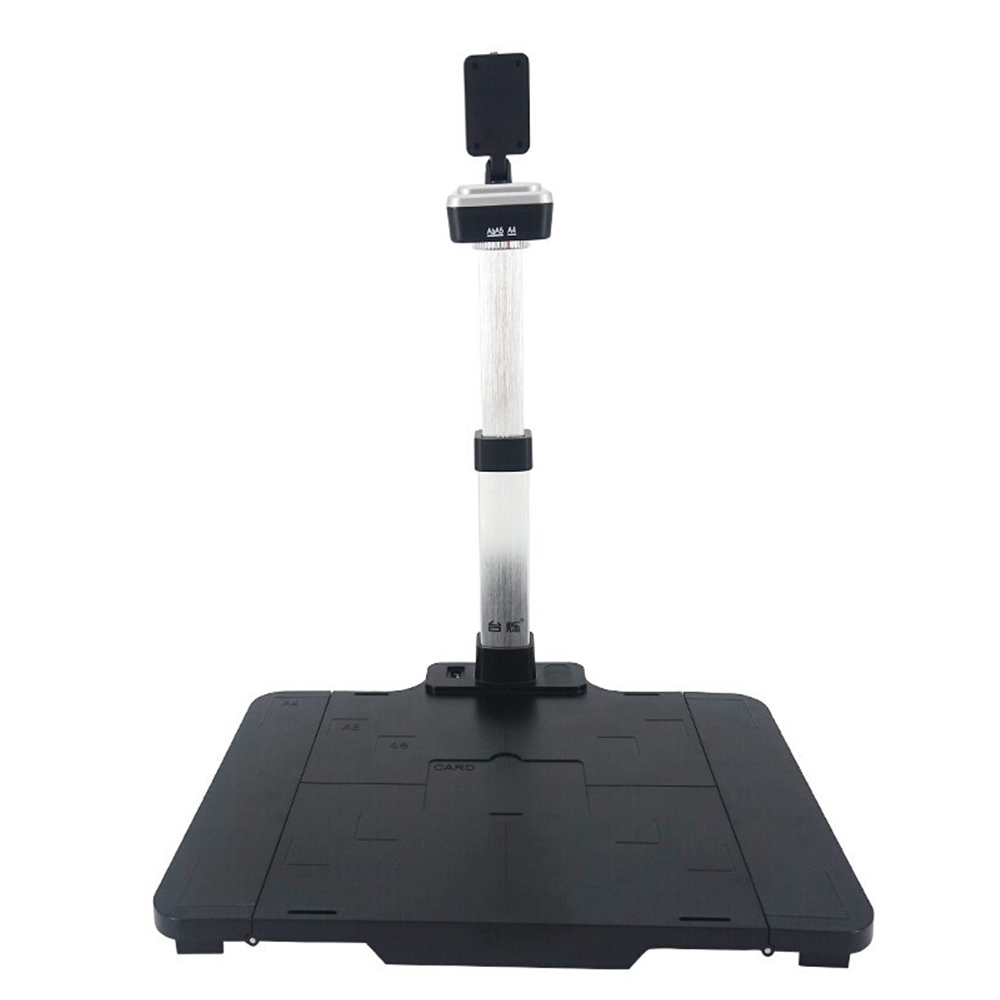
OEM HD 5MP Dual-Lens Document Camera Scanner for Government Counters
Dual-lens capture for counters that need to record the document and the person or scene at the same time. Suitable for ID verification and service desks.
View productWhat Tokyo Buyers Actually Mean by “Foldable Document Camera Factories and Wholesalers”
Search demand around this phrase is rarely a single product query. It usually combines four buyer intents: finding a factory-direct source, comparing Tokyo wholesaler options, checking whether a compact visualizer fits Japanese classroom or counter workflows, and verifying documentation before a school, municipality or corporate tender. For Tokyo buyers, the practical question is not simply whether a warehouse is close by. It is whether the supply chain can deliver repeatable image quality, Japanese-market packaging, stable firmware and responsive technical communication for the life of the project.
Foldable footprint and real desk space
Tokyo classrooms, cram schools and office counters often have limited free space. A foldable arm should be checked not only for folded size, but also for reach, stability, cable clearance and whether it can capture a full A3 worksheet without moving the base.
Local supply expectation, factory reality
Many buyers prefer a Tokyo-based wholesaler for communication and delivery. High-volume document camera production, however, is often factory-based in Shenzhen and the Pearl River Delta. The best model is a transparent factory relationship supported by your importer, distributor or systems integrator.
Compliance and tender documentation
School, municipal and corporate buyers usually need product specifications, certification details, adapter information, packaging files and warranty terms. Ask for the document set before comparing price, especially when the project requires ISO9001, CE, FCC or RoHS evidence.
Wholesale does not always mean customized
A Tokyo wholesaler may stock standard models, but a factory can support private label, Japanese manuals, packaging design, firmware changes and project-specific accessories. MOQ and lead time depend on the model, customization depth and order schedule.
Localized Trends Shaping Foldable Document Camera Demand in Tokyo
Tokyo procurement behavior is shaped by space efficiency, whole-class teaching, hybrid learning and digital counter workflows. These trends explain why buyers increasingly search for compact, foldable visualizers rather than bulky fixed-camera carts.
Whole-class sharing remains essential
Even when students have individual devices, teachers still need to show one textbook page, science demonstration or handwritten solution to the whole room. A visualizer connected to the existing projector or display is often faster than sharing a screen through software.
Compact rooms reward foldable design
Tokyo schools, tutoring centers and office meeting rooms are often multi-use spaces. A foldable document camera can be stored in a cabinet, carried between rooms or placed on a shared desk without permanently occupying the teaching area.
Wireless stability in dense environments
In dense school and office environments, 2.4GHz networks can be congested. Buyers comparing wireless visualizers should ask which band is used, how pairing works, what latency is expected and whether USB fallback is available.
Paper-to-digital workflows at counters
Municipal service desks, finance counters and telecom stores continue to digitize forms and verify documents. Dual-lens document cameras and high-resolution USB scanners are being evaluated alongside traditional flatbed scanners.
Where Foldable Document Cameras Fit Tokyo Workflows
Product selection should start with the room, the document and the people using the device. The applications below reflect typical Tokyo buyer scenarios and show which camera features matter most.
Elementary and junior high classrooms
Teachers can place a textbook, worksheet or science demonstration under the camera and show it instantly on the classroom display. A foldable arm makes it practical to move the device between desks, while A3 coverage supports large worksheets and open books.
Universities and technical colleges
Engineering drawings, small components, handwritten proofs and lab demonstrations require higher resolution and stable autofocus. A 13MP or 48MP model can preserve detail when zooming into fine print or technical diagrams.
Cram schools and language classrooms
Tutoring rooms often need fast homework review and one-to-one document sharing. Portable USB/WiFi visualizers are easy to carry, quick to set up and useful for online tutoring when the lesson moves between in-person and remote delivery.
Municipal and public-service counters
Staff can capture forms, certificates and identity documents without flattening every page on a flatbed. Dual-lens configurations support workflows where the document and the applicant or surrounding scene need to be recorded together.
Banking, insurance and telecom stores
Customer onboarding often includes identity checks, contract capture and document evidence. A compact scanner camera reduces counter clutter and can speed up repetitive capture tasks when paired with the right software.
Tokyo AV wholesalers and systems integrators
Distributors and integrators need consistent specifications, stable supply, private-label options and project documentation. Factory support for packaging, manuals, accessories and tender files can make a standard visualizer suitable for a larger school or office rollout.
Which Foldable Document Camera Fits Your Tokyo Project?
Use this quick recommendation layer to shortlist a model before requesting a quotation. The right answer depends on document size, viewing distance, desk space, software integration and whether the device will be fixed or moved.
Whole-class A3 demonstrations
Choose an A3 visual presenter when teachers regularly show open textbooks, large worksheets or drawings. Confirm arm reach, autofocus behavior and display connectivity before comparing price.
View A3 visual presenterWireless teaching and room-to-room mobility
A 5.8GHz wireless visualizer is suitable when the teacher needs to move around the room or avoid long cables. Ask about pairing, latency, fallback USB mode and how the device behaves in dense networks.
View wireless visualizerHigh-resolution archive and fine detail
Use a 48MP USB3.0 model for drawings, fine print, archive capture and visualizer applications where image detail must remain legible after zooming or projector compression.
View 48MP USB3.0 cameraDual-lens counter verification
For public-service or identity-focused workflows, a dual-lens document camera can capture the document and the person or scene at the same time. Confirm software requirements and counter ergonomics.
View dual-lens scannerWhy Eshuni Is a Practical Manufacturing Partner for Tokyo Wholesalers
Shenzhen Eshuni Technology Co., Ltd. is a manufacturer and solution provider for information collection and identity verification, founded in 2012. The company designs and builds high-speed document scanners, video booths, book scanners, identity verification terminals, webcams, document cameras and camera modules. Its products support digital transformation in education, finance, insurance, telecommunications, government and enterprise.

In-house R&D and manufacturing
With more than 14 years of focus on document cameras, visualizers and imaging hardware, Eshuni supports sensor selection, lens choices, interfaces, folding structures and firmware adjustments. ERP-driven production and supply-chain management help keep quality consistent and lead times predictable.
Quality system and certification file
The factory operates an ISO9001 quality management system, and products can be supplied with CE, FCC, RoHS and China 3C documentation depending on the model. For Tokyo projects, power adapter specifications, packaging requirements and importer documentation should be confirmed early so the correct configuration is quoted.
OEM / ODM and project support
Eshuni offers OEM manufacturing, product design services and buyer-label production. The team supports three practical levels of technical work: product design, project design and on-site project application. Trade terms include FOB, EXW and DDP, with regular shipment to North America, South America, Western Europe, South Asia and Africa.
How to Evaluate Foldable Document Camera Suppliers for Tokyo Projects
Price is only one part of the decision. The comparison below turns common Tokyo buying concerns into specific questions that can be sent to any factory or wholesaler before a sample or tender quotation is approved.
| Question to Ask | Why It Matters in Tokyo | What Eshuni Can Provide |
|---|---|---|
| Are you a factory or a trading company? | Customization depth, engineering communication and long-term supply stability depend on who controls production. | Shenzhen manufacturer founded in 2012, with in-house R&D, production and quality teams. |
| Can the folding arm capture full A3? | Tokyo classrooms often use large worksheets, open textbooks and drawings that do not fit an A4 frame. | A3 and A4 document camera models, including foldable visual presenters and book scanners. |
| Is wireless transmission 2.4GHz or 5.8GHz? | Dense school and office environments can suffer from interference; latency and pairing behavior affect teaching flow. | 5.8GHz WiFi visualizer options, plus USB models for fixed desks and counter installations. |
| What certification and adapter information is available? | School, municipal and corporate procurement teams need documentation before approval and installation. | ISO9001 quality system, CE, FCC, RoHS and 3C documentation by model; adapter configuration discussed per project. |
| Can you support private label and tender files? | Tokyo distributors and systems integrators often need branded packaging, manuals and specification sheets. | OEM/ODM, private label, packaging design, product design and project design support. |
| What are the trade terms and delivery plan? | Importers need predictable logistics, not only a unit price. Air, sea, consolidation and DDP options may be considered. | FOB, EXW and DDP terms, with export experience across five major regions and support for nominated forwarders. |
Common Questions from Tokyo Schools, Wholesalers and Integrators
These are the questions that appear most often during early-stage sourcing conversations. Short answers are provided below; project-specific confirmation should always be obtained from the final quotation and technical file.
Are there foldable document camera factories in Tokyo, or should I import from Shenzhen?
Most volume manufacturing for document cameras and visualizers is based in Shenzhen and the Pearl River Delta. Tokyo buyers are usually served by importers, distributors, AV wholesalers or systems integrators. Eshuni is a Shenzhen manufacturer, so the practical model is factory-direct production supported by your local Tokyo partner for import, delivery and customer service.
Can Eshuni support Japanese 100V power requirements?
Power accessories should be confirmed per model and per order. For Tokyo projects, the adapter, plug type, packaging language and importer documentation can be discussed during quotation. Buyers should confirm any Japan-specific certification or labeling requirement with their importer or compliance advisor before placing the order.
Which model is better for Tokyo classrooms: 8MP, 13MP or 48MP?
8MP is usually sufficient for A4 pages, textbook demonstrations and live classroom sharing. 13MP is preferable for full A3 sheets, fine print and drawings that need extra zoom detail. 48MP is aimed at archive capture, engineering detail and applications where very high resolution is valuable. The intended software and display also matter.
Should I choose USB or 5.8GHz wireless for a Tokyo school?
USB is simple, stable and well suited to fixed desks, counters and rooms with a nearby computer. 5.8GHz wireless is useful when teachers move around the room or avoid long cables. Ask about latency, pairing steps, fallback mode and behavior in dense WiFi environments before selecting wireless for a large rollout.
Can you customize packaging, manuals and labels for Tokyo distributors?
Yes, OEM and ODM support can include private-label branding, packaging design, manual localization planning and project-specific accessories. MOQ and lead time depend on the model, customization depth and packaging requirements. Sharing your target specification early helps the factory confirm the most practical route.
What certifications and quality system does Eshuni hold?
The factory operates an ISO9001 quality management system, and products can carry CE, FCC, RoHS and China 3C certifications depending on the model. Core hardware and software are developed in-house and protected by national patents. Always request the current certificate file for the exact model and adapter configuration you plan to import.
What trade terms and shipping options are available to Tokyo?
Eshuni accepts FOB, EXW and DDP delivery terms, subject to the order and destination plan. For Tokyo projects, shipping can be arranged by air or sea through your preferred forwarder, or discussed with the factory for a DDP quotation where available. The final plan should include packaging, documentation and unloading requirements.
Do you support tender documentation and technical project design?
Yes. Eshuni supports product design, project design and on-site project application. For tenders and distributor programs, the team can provide model specifications, product images, certification references and customization options. Buyers should confirm the exact document list required by the school, municipality or corporate procurement team before submission.
Request the Foldable Document Camera Catalog for Your Tokyo Project
Tell us whether you are equipping classrooms, supplying Tokyo wholesalers, building a tender package or sourcing OEM visualizers for private label. Our team will help match the right sensor, folding structure, interface, packaging and trade plan.
Get Catalog