8 Document Capture Products for Kawasaki Buyers
These eight models represent the practical range requested by overseas buyers building office-capture, education, government-counter and system-integration projects. Product URLs are preserved so procurement teams can verify specifications directly.
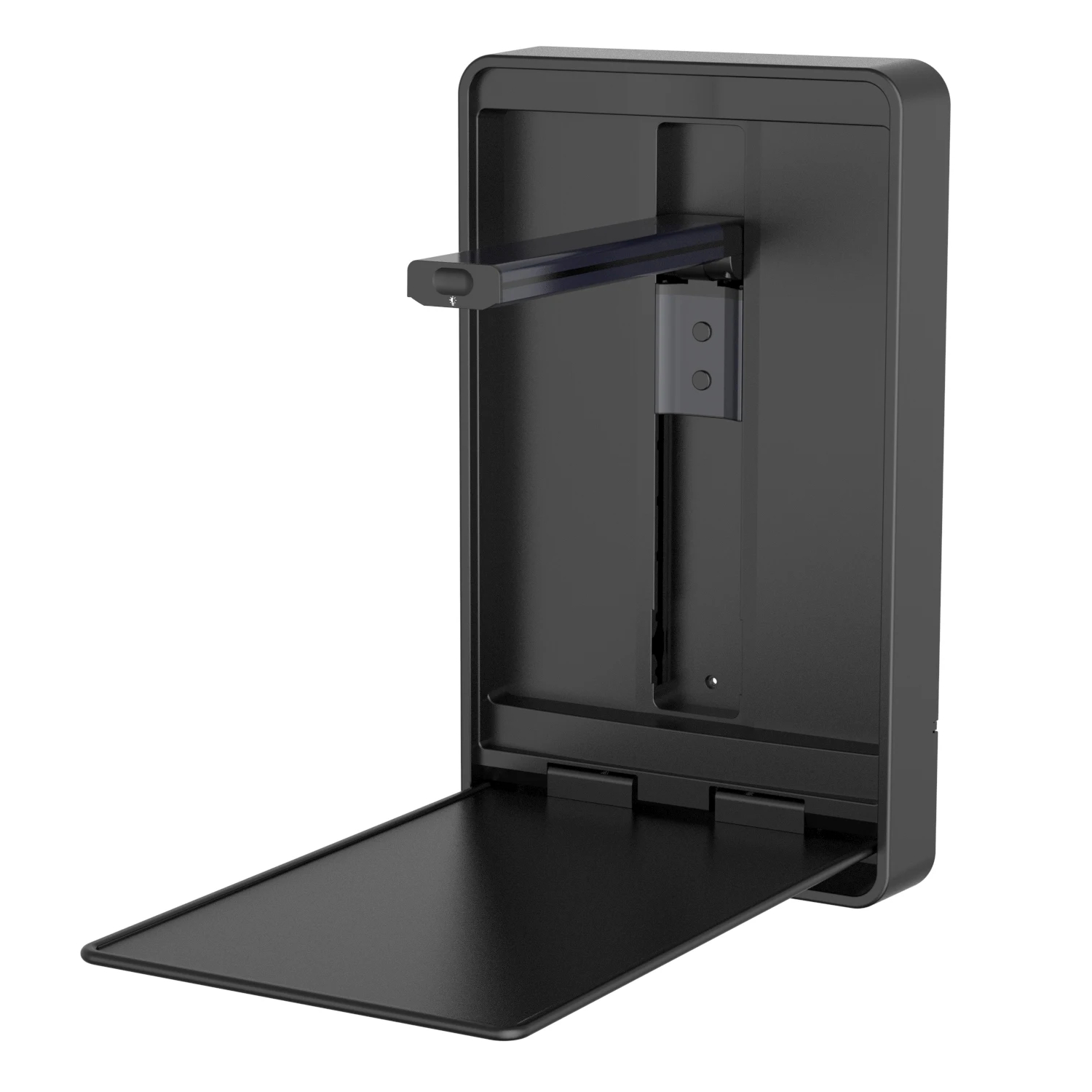
Document Camera OEM Factory 8M Education Display Stand for Wireless Document Camera Scanner, Wall Mounted Video Display Stand
A space-saving OEM model for fixed training rooms, reception counters and compact Kawasaki offices that need overhead capture without dedicating permanent desk space.
View product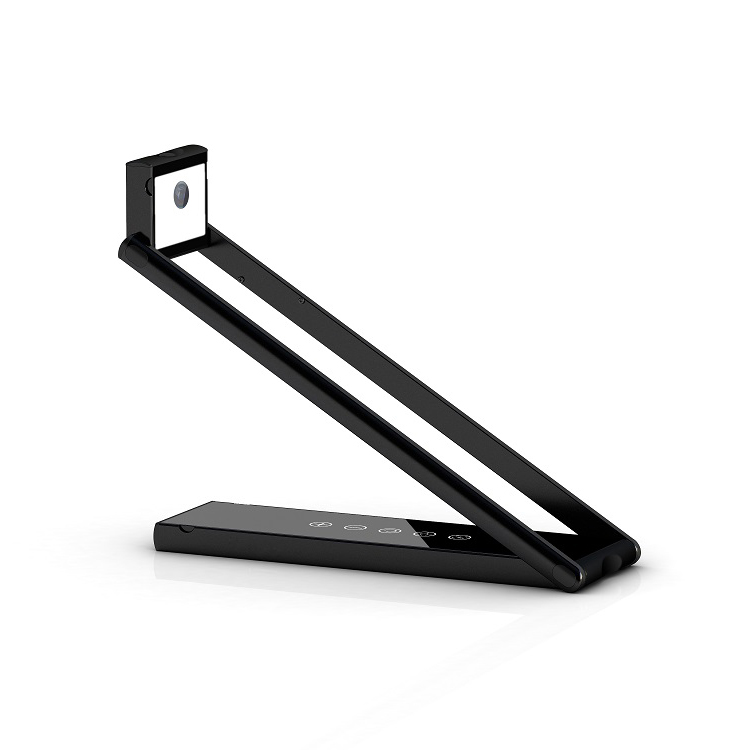
Education Equipment Visual Presenter Document Camera Scanner Scanning A3 Book and Paper
An A3 visual presenter for schools, libraries and administrative reading rooms. The overhead view supports book pages, loose paper and group review on a large display.
View product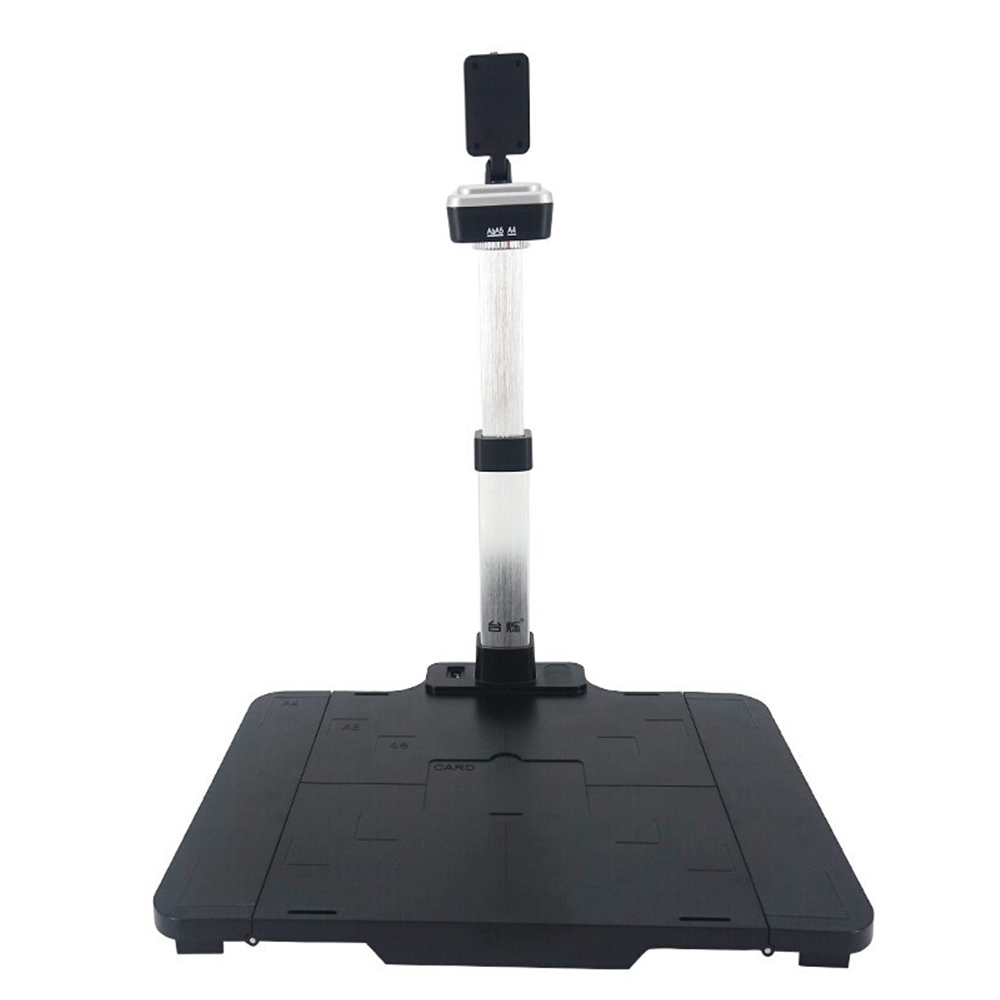
OEM HD 5MP double Camera Document camera Scanner For Government document camera
A dual-lens HD model for municipal, government and regulated counters. It captures the document and the person or counter environment in one verification workflow.
View product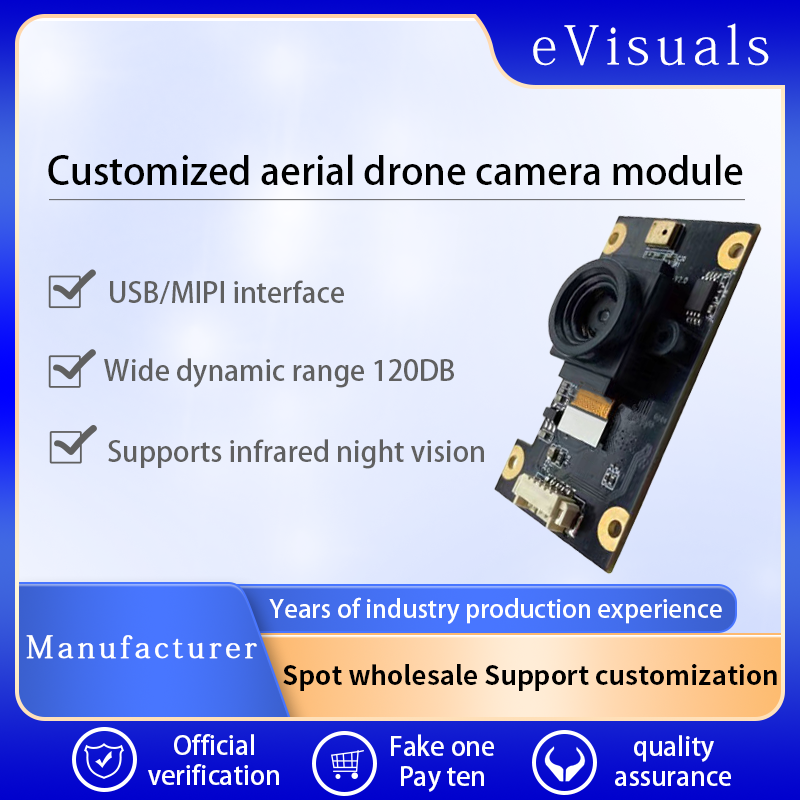
Factory customized 1080p 4K drone wireless video transmission HD aerial photography face recognition camera module
A custom wireless video module for integrators working on inspection, robotics, port logistics and recognition systems where standard office cameras are not the right fit.
View product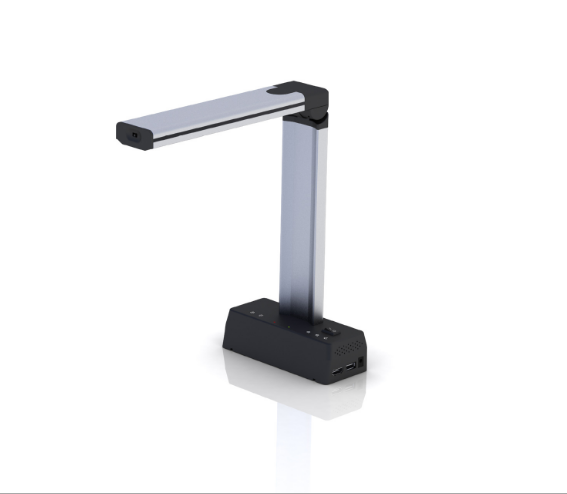
WIFI document camera visualizer wireless 5.8G WIFI OEM ODM Document scanner for education or office
A 5.8G wireless visualizer for flexible classrooms and meeting rooms. The dedicated band helps reduce dependence on congested 2.4GHz office networks.
View product
China Document Camera A3 Portable Wireless 13mp Visualizer Document Camera
A portable 13MP visualizer for auditors, field trainers and shared meeting rooms. High resolution preserves small print when a page is zoomed or recorded for evidence.
View product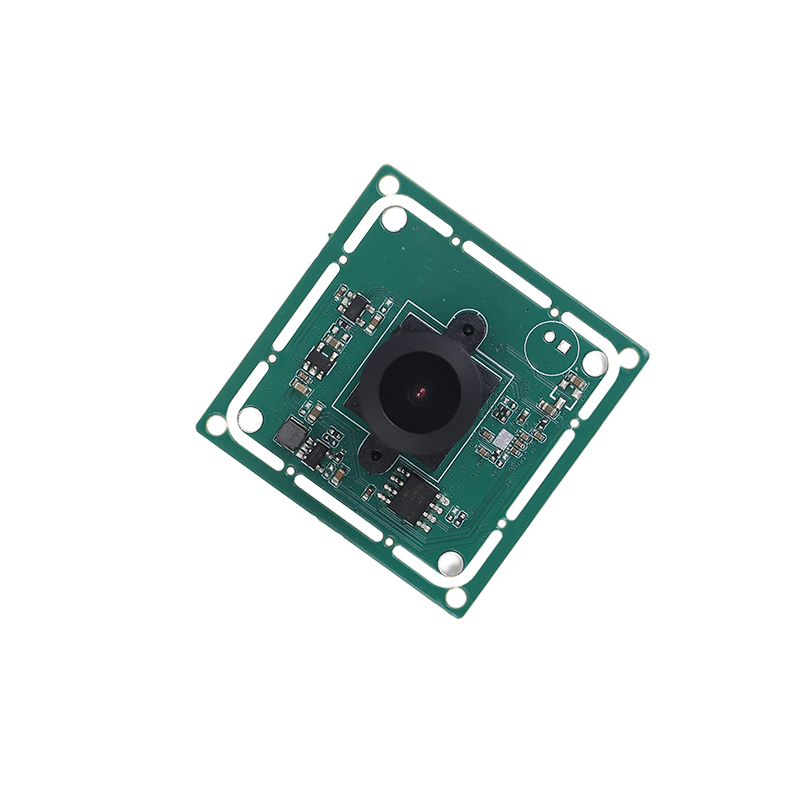
1080P 30FPS USB HD portrait shooting camera module with macro recognition, fixed focus, and optional auto focus
A 1080P USB camera module with macro and focus options for portrait capture, kiosks and fixed-focus inspection stations. Useful for identity windows and small-object inspection.
View product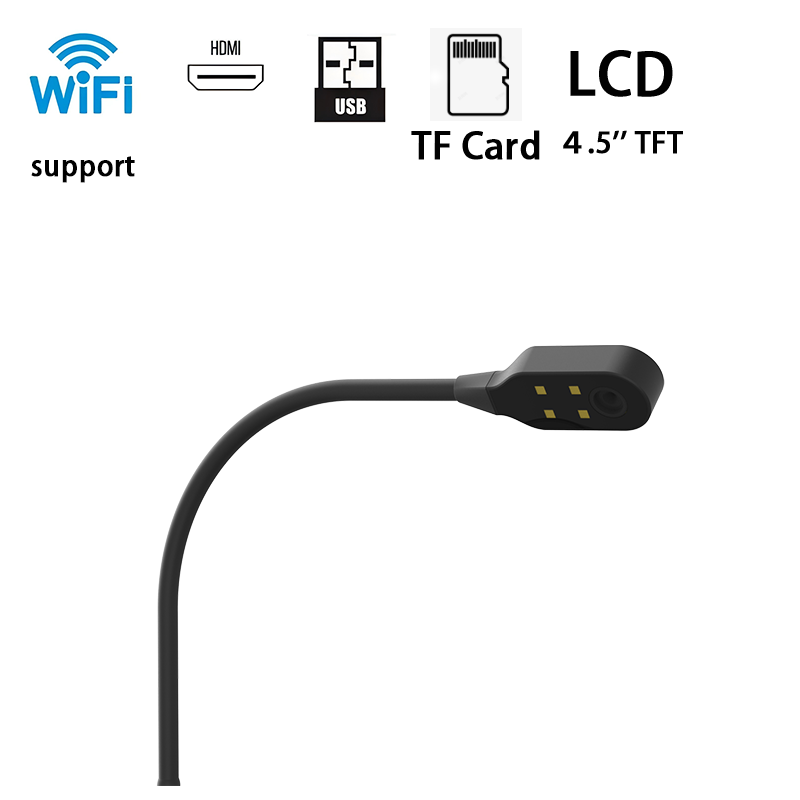
Support VGA WIFI Interface for Teacher Teaching Files, Camera and High Camera
A teaching interface model supporting VGA and WiFi for teacher files, document cameras and high camera inputs. A practical bridge for rooms with legacy AV infrastructure.
View productIn-House R&D
Document cameras and visualizers developed by a dedicated engineering team since 2012.
Certified Quality
ISO9001 management system with CE, FCC, RoHS and 3C documentation for suitable models.
OEM / ODM
Custom design, firmware, housing, packaging and buyer-label production for channel projects.
Export Support
FOB, EXW and DDP terms with shipping coordination via Yokohama, Kawasaki, Haneda and Narita.
Why an HD A4 Book Document Camera Beats a Flatbed Scanner for Many Office Capture Tasks
An HD A4 book document camera scanner is an overhead imaging device, not a flatbed scanner with a lid. The camera sits above the desk, illuminates the page, autofocuses, and sends a live image to a PC, display or meeting platform. That physical difference matters for office document capture in Kawasaki because teams frequently handle bound contracts, sealed certificates, stamped application forms, product manuals and older paper files that cannot be pressed flat. A flatbed scanner asks the operator to lift a lid, align the page to glass and sometimes remove staples. A document camera lets the operator place the item on the desk, turn pages, and capture a clean image in seconds while preserving the spine.
Resolution claims deserve scrutiny. A full A4 page at 300 dpi is roughly 8.7 million pixels. An 8MP camera is therefore close to that practical threshold and is usually adequate for readable text, forms, signatures and live demonstrations. A 13MP camera gives more headroom for A3 paper, fine print, engineering drawings, archive scans and later cropping. The sensible specification depends on the smallest detail that must remain legible after storage, not on the largest number on a brochure.
Workflow is the second differentiator. Buyers should ask how the image reaches the destination: direct USB video, a capture application, OCR to searchable PDF, folder monitoring, or integration with a document management system. For Kawasaki teams, Japanese OCR may matter, but so does consistent file naming, retention rules and the ability to process documents locally rather than sending sensitive images to an unknown cloud service. Our engineering team helps buyers define these workflows during sample evaluation.
The honest limitation is volume. For a stack of 500 loose sheets, an automatic document feeder remains faster. The document camera is strongest where sheets are bound, fragile, irregular, stamped, sealed, or where a live view is valuable. That boundary—bound-book capture and live visual verification, not blind replacement of every scanner—is where Kawasaki buyers get the best return.
Kawasaki Office Capture Scenarios: From Kawasaki Station to Shin-Kawasaki
Kawasaki is not a single office market. It combines dense commercial districts around Kawasaki Station and Musashi-Kosugi, industrial and R&D sites toward Shin-Kawasaki and the coastal zone, established residential wards, schools and public facilities. Each setting values something different: counter speed, privacy, image fidelity, space, or integration with legacy AV equipment.
Ward and Municipal Counters
Buyers serving Kawasaki Ward, Saiwai, Nakahara, Takatsu, Miyamae, Asao and Tama need fast capture of certificates, application forms, identity documents and supporting papers. A dual-camera or HD A4 document scanner keeps the counter moving while preserving a clear record for review.
Legal, Real Estate and Finance
Contracts, seals, property documents, KYC files and client correspondence often arrive as bound packets or fragile originals. A book document camera captures signatures and stamps without feeding pages through a roller mechanism, supporting audit and case-file digitization.
Manufacturing, Logistics and QA
Kawasaki's industrial and port-linked supply chain runs on drawings, inspection sheets, labels and supplier documents. Visual presenters help teams show paper details during training, quality meetings and remote support, while wall-mounted models save floor space.
Education, Libraries and Healthcare
Schools, universities, public libraries and clinics use document cameras to share textbook pages, referral letters and reference materials on screens. Portable A3 or 13MP models are useful when staff move between rooms or need to protect old bindings.
What Is Changing in Kawasaki Document Capture Demand
Procurement teams in Kanagawa are not simply replacing old scanners. They are rethinking where capture happens, who operates it, and how images move into controlled business systems.
Paper Reduction with Audit-Proof Exceptions
Digital transformation programs still leave exceptions: sealed documents, stamped forms, older contracts and records that require visual evidence. Buyers want capture tools that support both efficiency and traceability.
Hybrid Meetings in Smaller Rooms
Offices around Kawasaki Station and Musashi-Kosugi often use compact meeting rooms. A portable visual presenter or wall-mounted document camera can share paper content without adding a large scanner or dedicated copy room.
Security Review Before Convenience
Personal data, identity documents and contracts make local processing important. Buyers now ask whether capture software stores files in the cloud, whether drivers are signed, and how the device behaves on a segmented network.
Space and Labor Constraints
Shrinking back offices and experienced staff turnover create demand for one-touch capture. The right device should reduce training time, avoid repeated page alignment and fit into an existing desk, counter or AV cabinet.
How to Specify an A4 Book Document Camera for Kawasaki Procurement
Use this matrix to align a tender, pilot or retail product range with the actual documents and rooms the device will serve.
| Decision Area | Recommended Starting Point | Kawasaki / Japan Consideration |
|---|---|---|
| Sensor resolution | 8MP for A4 text and forms; 13MP for A3, fine print, drawings or archival scans. | Consider the smallest character that must remain legible after storage, not just the headline megapixel count. |
| Capture area | A4 native for counters and offices; A3 if ledgers, textbooks or engineering documents are common. | Confirm the full item fits without repositioning, including bindings and binders. |
| Focus and lens | Autofocus with macro capability for books; fixed focus for kiosk or fixed-height portrait stations. | Book thickness varies; autofocus reduces operator adjustment at municipal and legal counters. |
| Illumination | Diffused LED with adjustable brightness; avoid harsh glare on laminated or sealed paper. | Certificates, ID sleeves and stamped documents often create reflections under bare LEDs. |
| Connectivity | USB for fixed desks; 5.8G wireless, HDMI or VGA for classrooms and meeting rooms. | Check IT policy for wireless devices and confirmation of Radio Law requirements where applicable. |
| Power | External 100–240V adapter with Type A plug for Japan. | Discuss PSE-compliant adapter options with the importer before the tender is finalized. |
| Software workflow | Windows 11 compatibility, OCR, searchable PDF and local processing options. | Japanese OCR and folder-based intake may be more valuable than extra bundled features. |
| Service plan | Warranty terms, spare adapters, cables, RMA process and remote troubleshooting. | Keep critical spare parts near the Kawasaki deployment site if the system is used at public counters. |
Supplier & Exporters Serving Kawasaki: What a Serious Buyer Should Verify
For a public-sector or enterprise project, the product is only half of the decision. The supplier's engineering depth, documentation and export discipline determine whether the deployment is repeatable.
Factory Identity and Auditability
Confirm the legal entity, factory address, production area and quality system. Shenzhen Eshuni Technology Co., Ltd. has operated since 2012 with in-house R&D, own patents and an ISO9001 management system.
OEM / ODM Depth
Ask whether the supplier can change the sensor, lens, housing, interface, firmware and packaging. Our team supports product design, project design and on-site project application support, not only catalogue resale.
Certification and Test Evidence
Request a SKU-level compliance matrix. Eshuni provides ISO9001, CE, FCC, RoHS and 3C documentation for suitable models. For Japan, discuss PSE adapters and Radio Law confirmation for wireless configurations.
Export Terms and Kawasaki Logistics
Check whether the supplier can quote EXW, FOB or DDP and provide commercial invoice, packing list and test reports. Samples can move by air via Haneda or Narita; volume shipments can coordinate through Yokohama or Kawasaki port.
Quality Control and Traceability
Ask for the incoming inspection, assembly test, aging or function-check flow and sample inspection report. ERP-driven production and supply-chain management help keep repeat orders consistent.
After-Sales and Documentation
Confirm warranty handling, RMA steps, spare parts and manual language before the order. For Kawasaki deployments, English and Japanese documentation planning can reduce training friction and support long-term maintenance.
Eshuni: A Factory-Grade Partner for Kawasaki Document Capture Projects
Shenzhen Eshuni Technology Co., Ltd. is a manufacturer and solution provider for information collection and identity verification. Since 2012, the company has designed and built document cameras, visualizers, book scanners, ID card scanners, identity verification terminals, webcams and camera modules.
Our advantage is the ability to take a requirement from a Kawasaki buyer and translate it into a manufacturable specification. That may mean a wall-mounted 8MP document camera for a compact office, a 13MP portable visualizer for a shared meeting room, or a dual-lens scanner for a counter that must capture both a form and the person presenting it. Core hardware and software are developed in-house and protected by national patents, while ERP-driven production and supply-chain management support consistent quality and repeat orders.
For public-sector and enterprise projects, we provide three practical levels of technical support: product design, project design and on-site project application. Our team can help match the sensor, lens, lighting and connectivity to the documents being captured; prepare drawings and specifications for a tender; and discuss compliance documentation before shipment. We accept FOB, EXW and DDP terms and regularly ship to North America, South America, Western Europe, South Asia and Africa. Japanese projects receive the same engineering process, with certification and power details confirmed for each configuration.
- ISO9001
- CE
- FCC
- RoHS
- 3C
- Own IP / Patents
Local Procurement, Compliance and Delivery Questions
These are the questions most often raised by buyers planning an HD A4 book document camera scanner project for Kawasaki, Kanagawa or the wider Tokyo market.
Can you ship an HD A4 book document camera scanner to Kawasaki and support local delivery?
+
What is the typical lead time for samples and volume orders?
+
Are the cameras compatible with 100V power and Japanese plugs?
+
Can you provide Japanese manuals, packaging and private-label branding?
+
Which certifications and documents are available for procurement review?
+
Can we evaluate a sample before committing to a Kawasaki tender or rollout?
+
How do you handle warranty, spare parts and repairs?
+
Do you support OEM/ODM customization and tender documentation?
+
Request a Kawasaki-Ready Specification and Quotation
Share your target documents, room layout, quantity, compliance requirements and delivery address in Kawasaki. Our engineers will recommend the right A4 book document camera, visual presenter or dual-camera configuration and prepare a quotation with export options.
Contact Us