High-Resolution CMOS Sensor Camera Module for AR Smart Glasses: Exporter & Exporters for Oklahoma City
A technical procurement guide for Oklahoma City integrators, manufacturers, universities, clinics, and field-service teams evaluating 1080P, 2K, and 4K camera modules for AR wearables, embedded vision, and smart-glasses programs.
Inquire NowCamera Modules & Visual Presenters for Oklahoma City Integration Programs
Use these export-ready products as a fast comparison set for optics, interface, and form factor. For AR smart glasses, start with a module that proves image quality, latency, FPC routing, and power budget before committing to a custom lens, housing, or firmware profile. Product URLs below are preserved exactly for direct technical review.
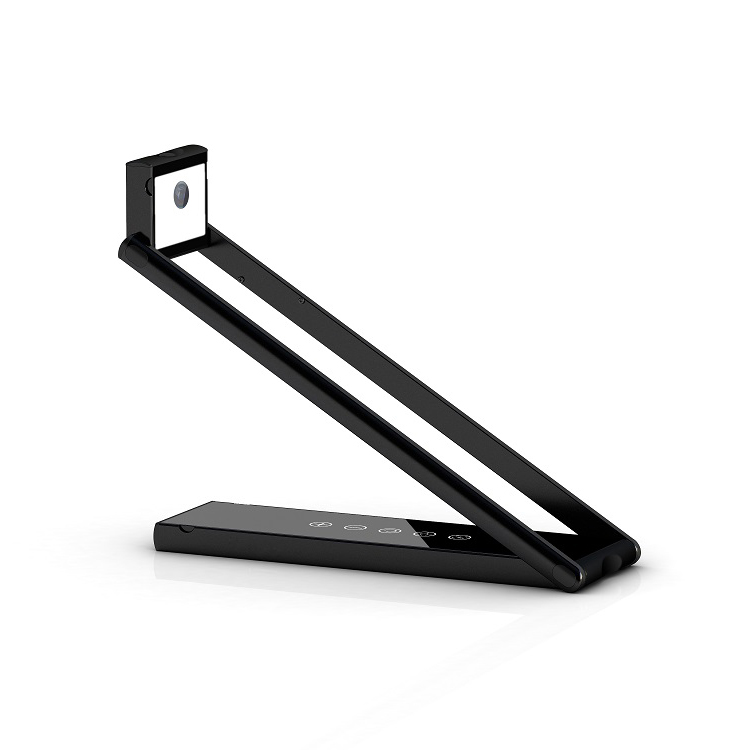
Education Equipment Visual Presenter Document Camera Scanner
A3 book and paper capture for classrooms, libraries, and training rooms where instructors need clear live demonstrations and archival scans.
View product details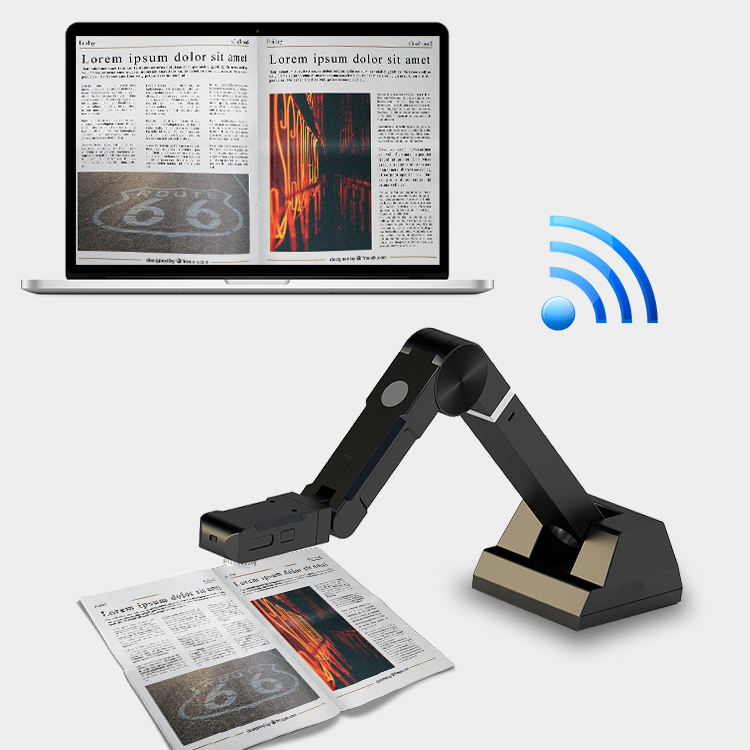
OEM USB Portable Smart Camera Visualizer WiFi A4 A3 Document Camera
Portable visualizer for hybrid teaching, document sharing, and education book capture across A4 and A3 materials.
View product details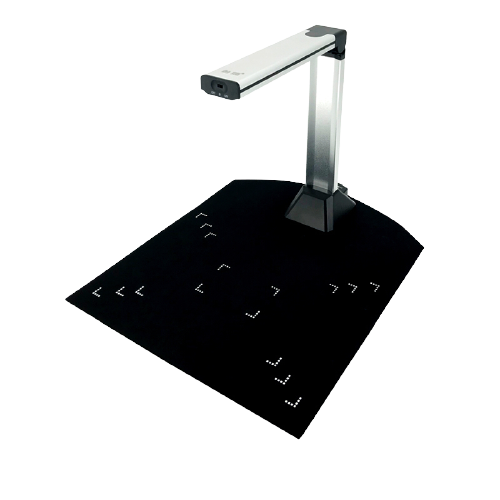
Portable OEM 8MP Document Camera Visual Presenter
Compact OEM 8MP visual presenter for education equipment, book scanning, and desk-side document capture.
View product details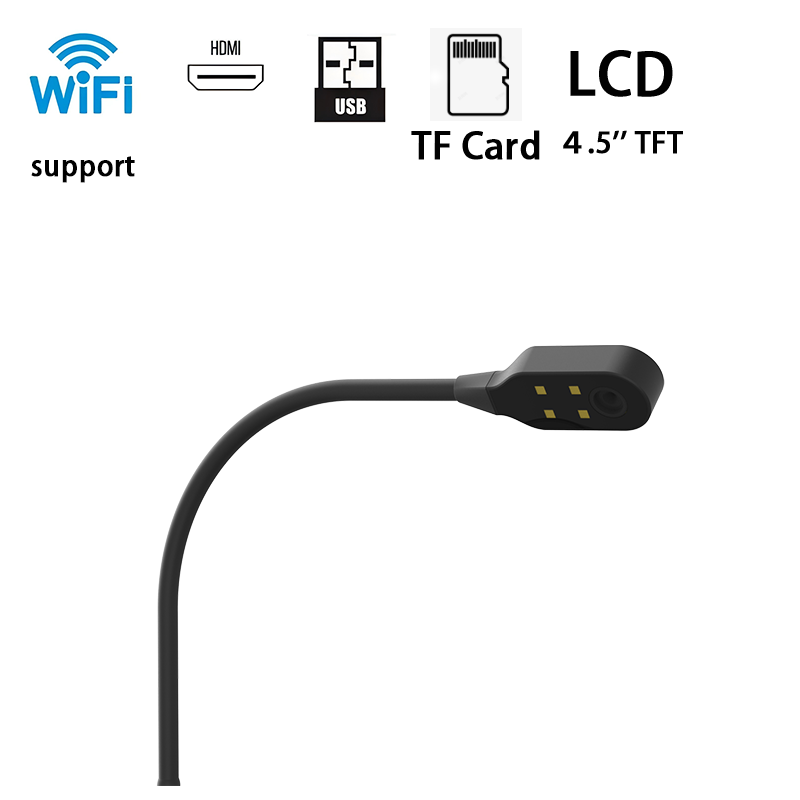
Support VGA WIFI Interface for Teacher Teaching Files and Cameras
VGA/WiFi teaching interface for classroom AV systems that combine teacher files, document camera, and high camera output.
View product details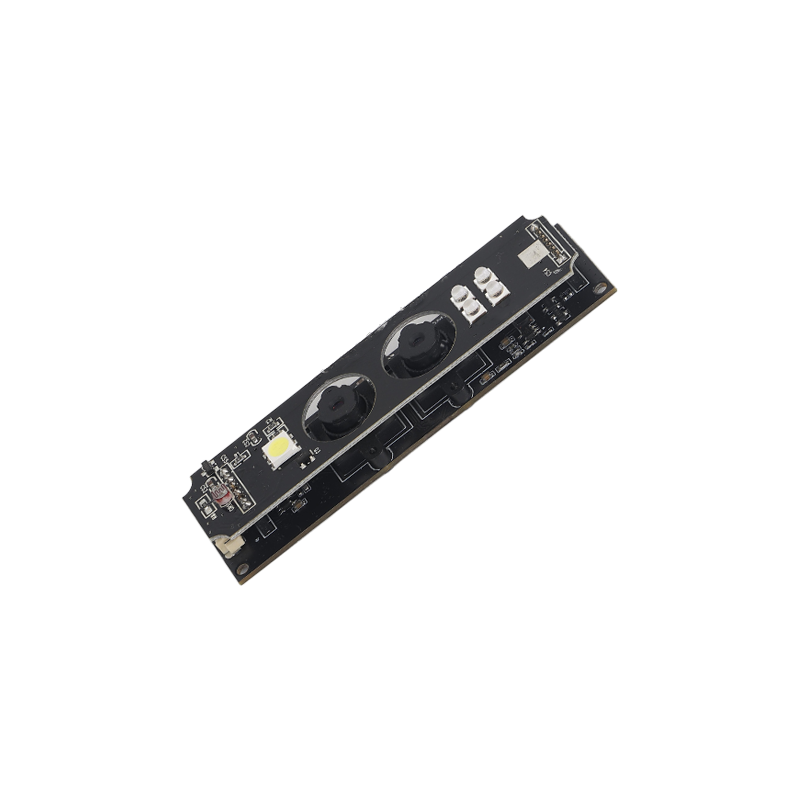
1080P/2K/4K HD Binocular Wide Dynamic Camera Module
Binocular wide-dynamic CMOS module with autofocus or fixed-focus options for stereo imaging, AR prototypes, and embedded vision.
View product details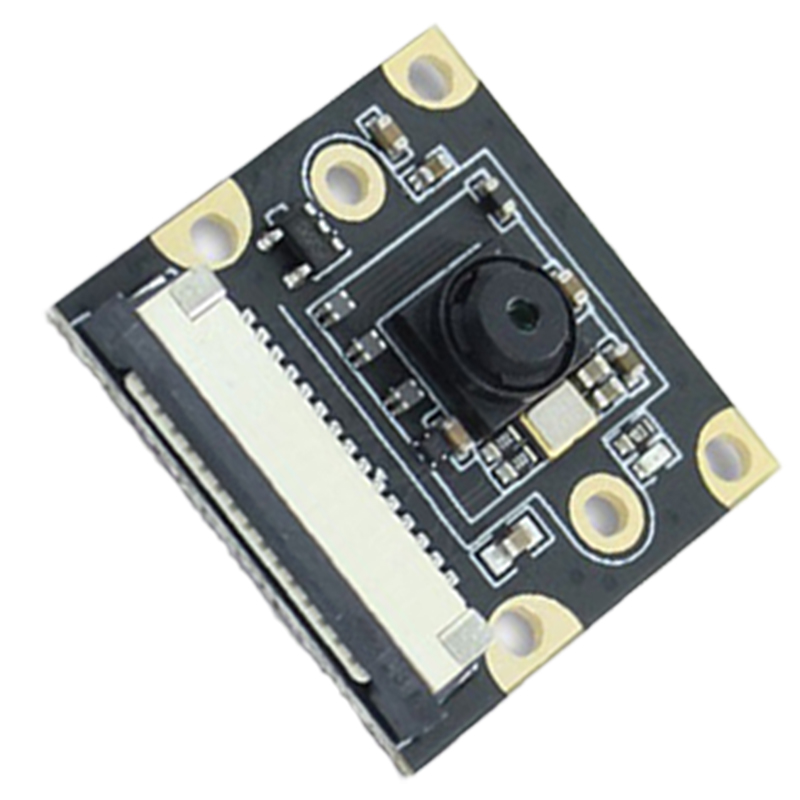
1080p/2K/4K Camera Module for NVIDIA Development Board
Adjustable focal length webcam module for edge AI, robotics, computer-vision labs, and rapid smart-glasses prototyping.
View product details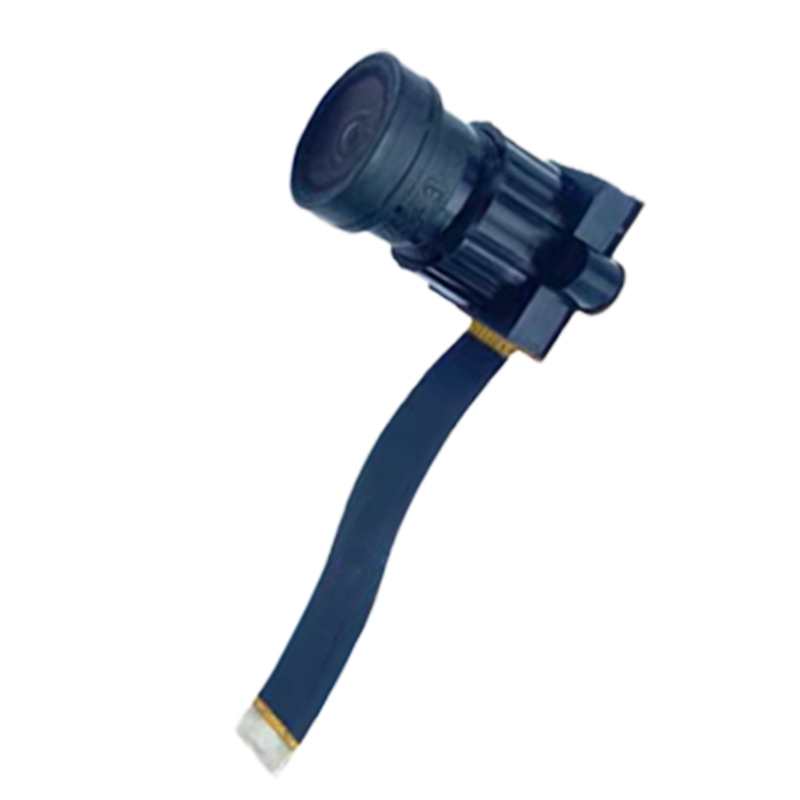
CMOS Sensor MIPI Camera Module 1080P 2K 4K
MIPI camera module for drones, wireless video transmission, embedded vision, and low-latency imaging systems.
View product details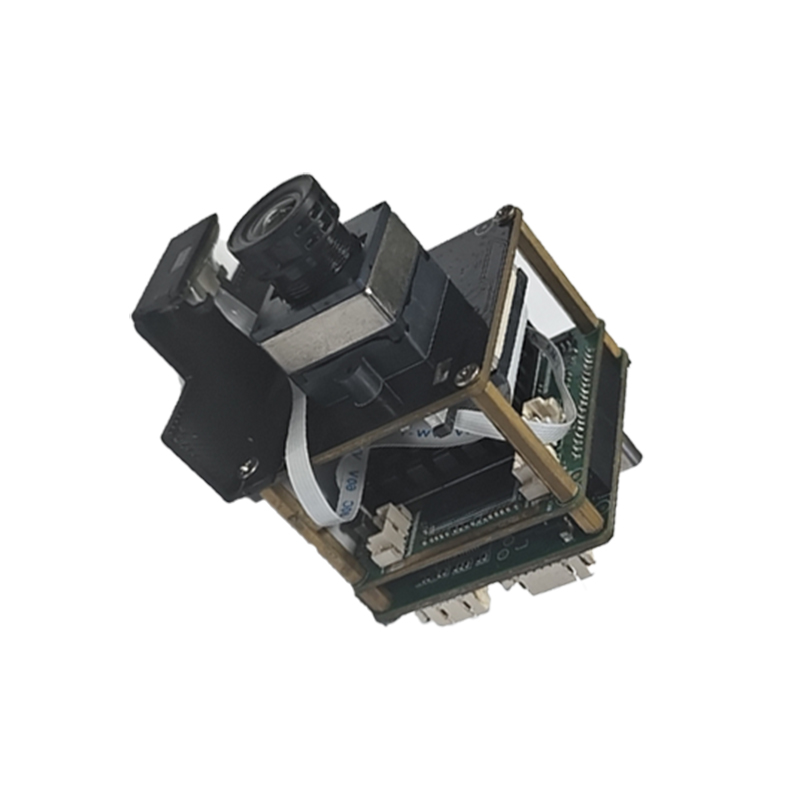
Factory Customized HD Live Streaming 4K Camera Module
Customized 4K live streaming module for conference, teaching, telemedicine, and multi-system video endpoints.
View product detailsFor AR smart glasses programs, the most relevant starting point is often the custom AI smart glasses FPC camera module platform, paired with the benchmarking modules above.
Why the CMOS Sensor Camera Module Defines the AR Smart Glasses Experience
In AR smart glasses, the camera module is not a generic webcam component. It is part of a tightly constrained wearable system where sensor size, pixel pitch, lens angle, autofocus mechanism, image signal processing, and flexible printed circuit routing all affect weight, heat, battery life, and usable image quality. A high-resolution CMOS sensor camera module for AR smart glasses must therefore be selected against the actual workflow: near-field documentation, remote expert assistance, barcode reading, inspection, translation, telemedicine, or training.
Resolution alone is not enough. A 4K module with poor low-light behavior or slow auto-exposure can perform worse than a well-tuned 1080P module in an Oklahoma City warehouse, hospital corridor, or outdoor energy site. Buyers should compare wide dynamic range, signal-to-noise ratio, rolling-shutter behavior, lens distortion, focus speed, power consumption, and mechanical stability. For lightweight smart glasses, fixed-focus modules can reduce size and power, while autofocus modules support variable working distances for inspection and document capture.
The practical answer is to specify the camera chain around the deployment. Eshuni supports three levels of technical work — product design, project design, and on-site project application — so an Oklahoma City integrator can move from a reference module to a customized FPC, lens assembly, housing, and firmware profile with documented samples. This is especially important when the same AR glasses platform must serve indoor classrooms, outdoor field service, and controlled healthcare environments.
For programs that require an exporter with both imaging experience and customization depth, the evaluation should include sample image sets, FPC drawings, interface definitions, thermal notes, driver support, and production inspection criteria. That evidence package is more valuable than a headline resolution claim.
Typical AR Smart Glasses Module Paths
- 1080P fixed-focus FPC module: lightweight, low power, ideal for near-field documentation and notification-style vision.
- 2K/4K autofocus module: flexible working distance for inspection, remote assist, translation, and training.
- Wide dynamic range CMOS: better balance between bright windows, outdoor glare, and shaded equipment rooms.
- MIPI CSI-2, USB, or adjustable focal length: rapid integration with NVIDIA development boards and embedded processors.
- Custom lens, FPC, ISP tuning, and housing: production path for OEM/ODM smart-glasses programs.
Localized AR Smart Glasses Use Cases for Oklahoma City Teams
Oklahoma City’s economy spans aerospace, energy, healthcare, logistics, manufacturing, education, and public service. These environments place different demands on camera modules, so a single “best” module does not exist without a use case.
Aerospace & Aviation Training
Hands-free AR can guide maintenance steps, document inspections, and connect trainees with remote experts. Modules need stable focus, clear low-light performance, and reliable FPC strain relief for head-worn use.
Energy & Field Service
Oil, gas, wind, and utility inspection teams work in bright sun, shadow, dust, and vibration. Wide dynamic range, fast exposure, and rugged lens assemblies matter more than raw pixel count.
Healthcare & Telemedicine
Clinics, simulation labs, and first-responder training programs benefit from high-resolution capture for wound review, device guidance, and supervised procedures. Color accuracy and consistent white balance are critical.
Logistics & Smart Manufacturing
Oklahoma City’s distribution corridors and production floors use vision for picking, barcode reading, quality checks, and remote support. Low latency and dependable MIPI or USB integration reduce operational friction.
What Oklahoma City Buyers Are Preparing for in AR Wearables
Buyers are moving from isolated smart-glasses pilots to repeatable deployment programs. The winning supplier will be the one that can document image quality, control customization, and support a practical sample-to-production path.
Ruggedized, Serviceable Hardware
Pilot devices are being replaced by designs that can survive daily field use. Buyers now ask for replaceable FPC assemblies, secure connectors, and lens protection that can be validated before volume release.
Edge AI & Low-Latency Video
AR glasses increasingly send processed insights rather than raw video. Module selection must consider MIPI lane configuration, frame rate, ISP tuning, and compatibility with edge processors used in vision programs.
Traceability & Supplier Documentation
Procurement teams need more than a sample photo. They ask for sensor datasheets, RoHS and FCC documentation, inspection criteria, change-control notes, and clear export terms before approving a supplier.
Workforce & STEM Pipelines
Universities, technical schools, and training centers around Oklahoma City are building AR and computer-vision labs. Development-board camera modules help teams prototype quickly before a custom wearable design is frozen.
Illustrative Selection Weighting for Oklahoma City AR Programs
How to Specify a High-Resolution CMOS Camera Module for AR Smart Glasses
Use this matrix to align the module with the program, not just the product catalog. A good RFQ states the working distance, light conditions, interface, mechanical envelope, and expected production volume.
| Program Need | Recommended Direction | Why It Matters |
|---|---|---|
| Lightweight AR glasses | Compact CMOS FPC module, 1080P or 2K, fixed focus, low power | Reduces heat and battery drain while keeping near-field image quality predictable. |
| Outdoor inspection | Wide dynamic range sensor, fast auto exposure, robust lens coating | Handles sun glare, shadows, dust, and reflective equipment surfaces. |
| Remote expert assistance | 2K/4K autofocus module with stable low-light performance | Improves fine-detail communication during maintenance and training calls. |
| AI vision prototyping | NVIDIA-compatible module, adjustable focal length, MIPI or USB | Shortens lab iteration and supports edge-AI model testing. |
| Volume OEM production | Custom FPC, lens selection, ISP tuning, housing integration | Creates a repeatable bill of materials and a traceable production path. |
What an Oklahoma City Buyer Can Verify Before Ordering
Eshuni is a Shenzhen-based manufacturer and solution provider for information collection and identity verification, not a trading intermediary. That distinction matters when a camera module must be customized, documented, and supported through production.

Shenzhen Eshuni Technology Co., Ltd. has manufactured document cameras, visualizers, webcams, ID scanners, identity verification terminals, and camera modules since 2012. Our factory operates with ERP-driven production and supply-chain management, and our hardware and software are developed in-house and protected by national patents.
For Oklahoma City buyers, that means you can request a sample, review the mechanical drawings, discuss firmware requirements, and ask for certification files before placing a volume order. We support OEM manufacturing, product design, project design, buyer-label production, and on-site project application support.
Our products carry CE, FCC, RoHS, and China 3C certifications, and our factory operates an ISO9001 quality management system. We accept FOB, EXW, and DDP terms and regularly ship to North America, South America, Western Europe, South Asia, and Africa.
- ISO9001
- CE
- FCC
- RoHS
- 3C
In-House R&D & Patents
Sensor, lens, FPC, firmware, and housing decisions are handled by an engineering team with 14+ years of imaging experience.
Controlled Factory Production
A 3,000+ m² factory floor and 100+ employees support assembly, testing, inspection, and repeatable OEM production.
Documentation & Compliance
ISO9001, CE, FCC, RoHS, and 3C documentation can be prepared for buyer review, tender files, and internal approval.
Export Support for Oklahoma City
FOB, EXW, and DDP terms, export packaging, and freight coordination for buyers using Oklahoma City or regional US logistics.
Oklahoma City Procurement Notes: Samples, Compliance, and Total Cost
For camera modules, the lowest unit price is rarely the lowest total cost. A module that needs repeated rework, unstable focus, or incomplete documentation can delay an entire AR smart glasses program.
What to Send in Your RFQ
- Target application and working distance, such as document capture, inspection, or remote assist.
- Required resolution, frame rate, interface, autofocus or fixed focus, and power budget.
- Mechanical envelope, FPC length and bend radius, connector type, and housing constraints.
- Lighting conditions, including outdoor glare, warehouse lighting, or clinical white light.
- Prototype quantity, forecast volume, target certification, and preferred trade term.
How We De-Risk Your Program
- Provide samples and reference image sets before tooling or volume commitment.
- Confirm sensor, lens, ISP, and FPC specifications in a written quotation package.
- Support pilot builds, buyer-label packaging, and production inspection criteria.
- Prepare export documents and coordinate shipment to your Oklahoma City forwarder or DDP address when agreed.
- Keep change-control discussions transparent so engineering teams can validate revisions.
We do not claim a local Oklahoma City warehouse. We serve the market as a Shenzhen manufacturer and exporter with remote engineering support, documented quality, and flexible shipment terms.
Common Questions from Oklahoma City Camera Module Buyers
These are the practical questions engineering, procurement, and program teams ask before requesting samples or releasing a purchase order.
Are you an exporter or exporters for Oklahoma City buyers?
Can you ship high-resolution CMOS camera modules to Oklahoma City?
Can you customize a camera module for AR smart glasses?
What resolutions and interfaces are available?
How do we validate image quality before a volume order?
Which certifications and documents are available?
What are the MOQ and lead time?
Do you support pilot builds and private-label production?
Request a Camera Module Recommendation for Your Oklahoma City AR Program
Share your resolution target, interface, working distance, light conditions, mechanical envelope, and forecast volume. Our engineering team will help you compare modules and outline a practical sample-to-production path.
Inquire NowOEM / ODM · ISO9001 · CE · FCC · RoHS · 3C · FOB / EXW / DDP · Shenzhen manufacturing since 2012