Non Contact Scanner Manufacturers & Supplier in Hai Phong
A practical, white-paper-style guide for Hai Phong importers, school groups, hospitals, banks, port operators and public-service integrators comparing overhead document cameras, visualizers, ID scanners and embedded camera modules.
8 Non-Contact Scanner & Visualizer Products for Hai Phong Projects
Selection should begin with the capture job, not the catalogue page. These eight factory-direct models cover portable teaching, A3 book scanning, wireless presentation, high-speed page capture and embedded camera modules for kiosks, counters and OEM devices. Product links are kept as supplied so Hai Phong buyers can move from research to a technical inquiry without losing context.

HD Camera Portable Visualizer Presenter Document Camera for Presentation Equipment Book Camera
A compact overhead presenter for training rooms, sales demonstrations and classroom book display where a fixed flatbed scanner is too slow.
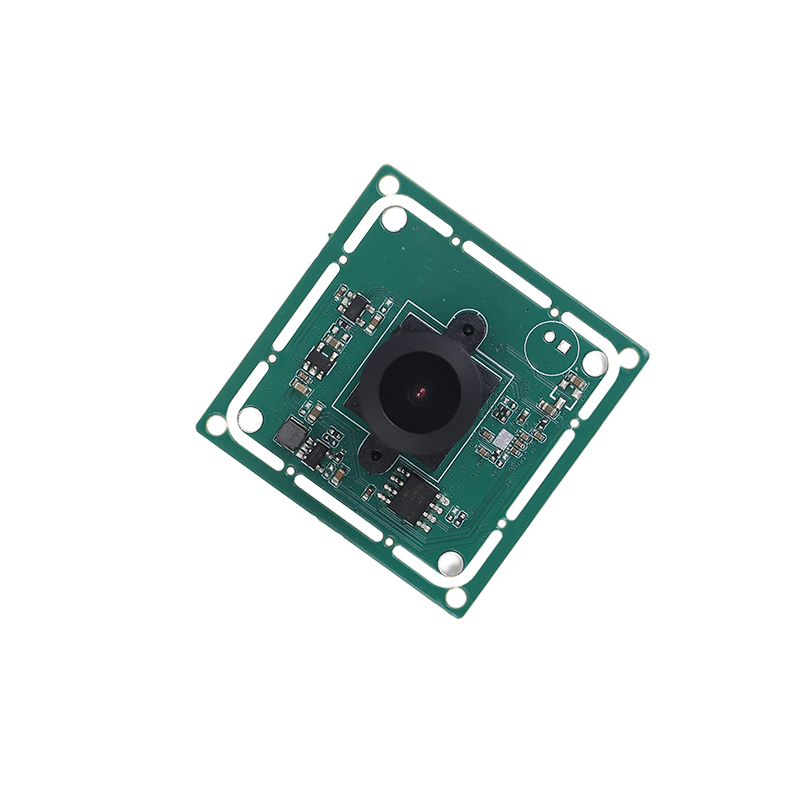
1080P 30FPS USB HD portrait shooting camera module with macro recognition, fixed focus, and optional auto focus
An embedded USB camera module for self-service terminals, identity-check kiosks and OEM scanning heads that need close-range recognition.
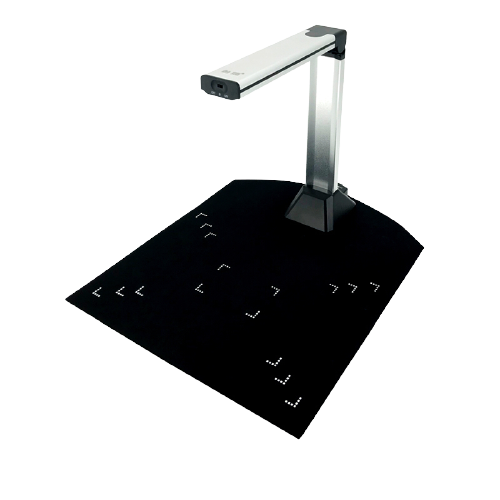
Portable OEM 8MP document camera Visual presenter for education equipment camera scanner
An 8MP education visualizer platform for buyers who need a practical balance of clarity, portability and private-label flexibility.
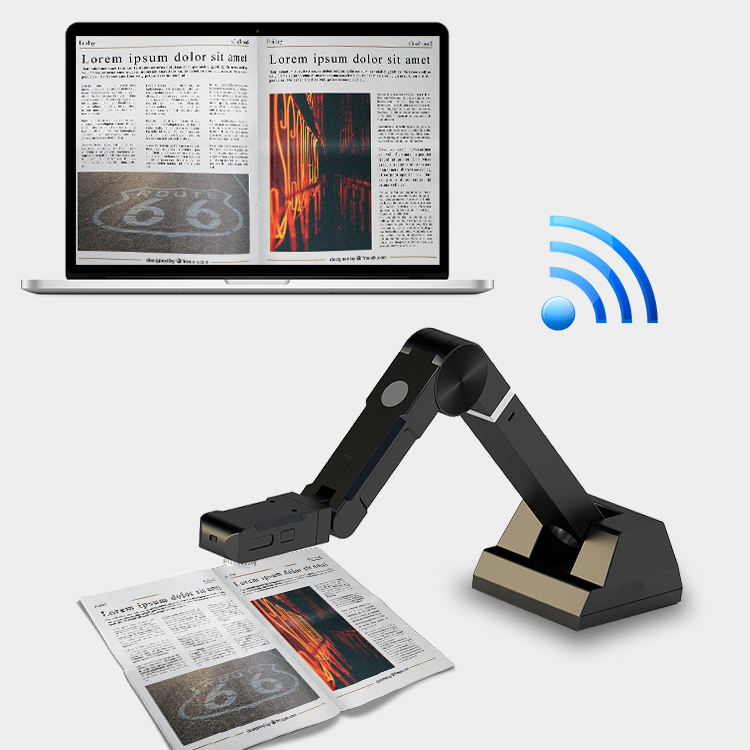
OEM USB Portable Smart Camera Visualizer Wifi A4 A3 Document Camera Visualizer for Education Book Camera
A flexible visualizer for hybrid teaching, tutoring centres and training departments that alternate between USB and wireless display.
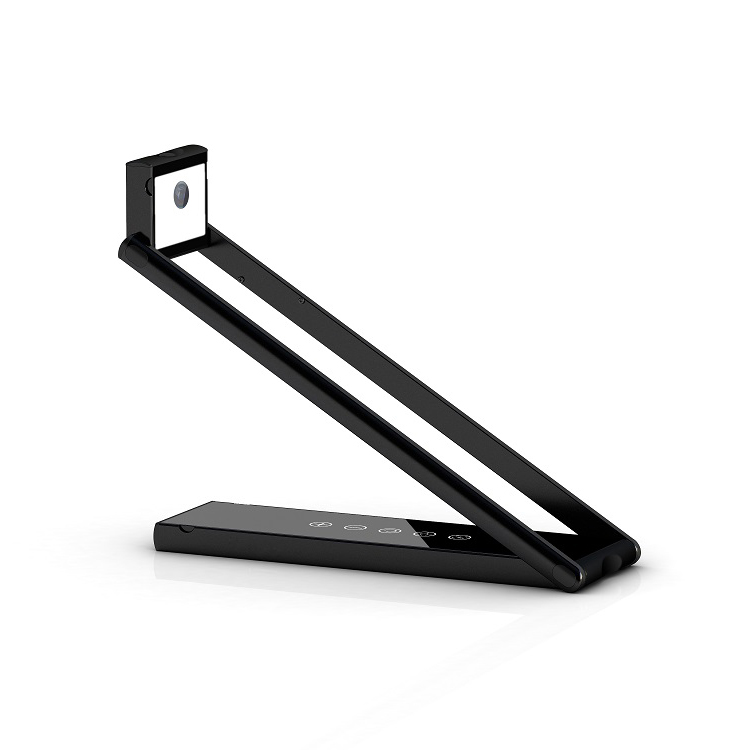
Education Equipment Visual Presenter Document Camera Scanner Scanning A3 Book and Paper
Designed for bound books, large worksheets and A3 paper. Non-contact overhead capture avoids pressing fragile pages flat.
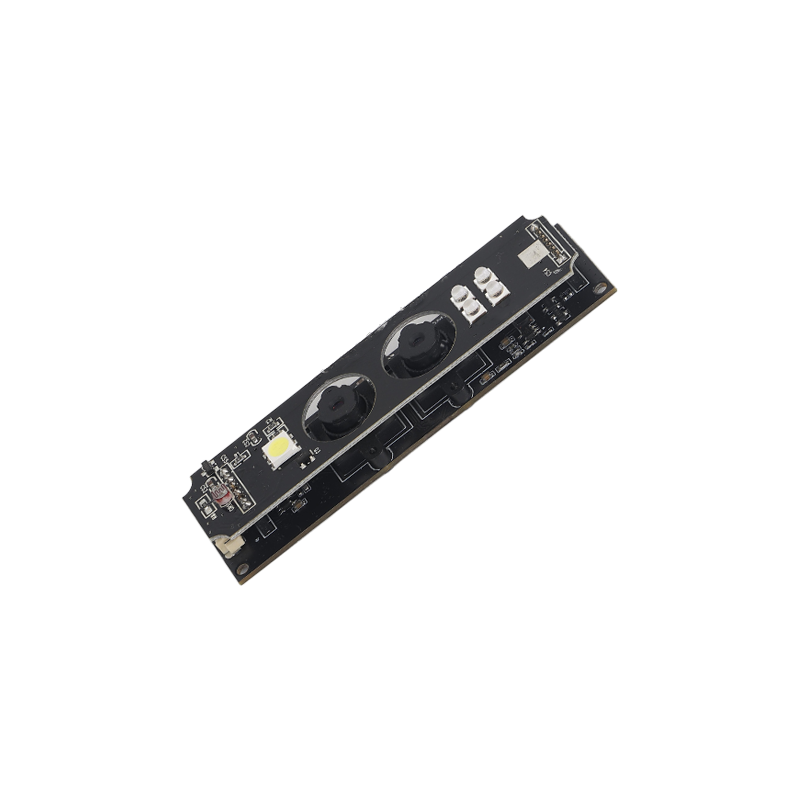
1080P/2K/4K HD binocular wide dynamic camera module CMOS sensor auto focus/fixed focus
A customizable binocular CMOS platform for OEM devices requiring wide dynamic range, face capture or machine-vision input.

OEM Document Camera A3 Portable Wireless 13mp Visualizer Document Camera
A high-resolution A3 wireless model for large classrooms, engineering drawings, port maps and archive work where fine detail matters.
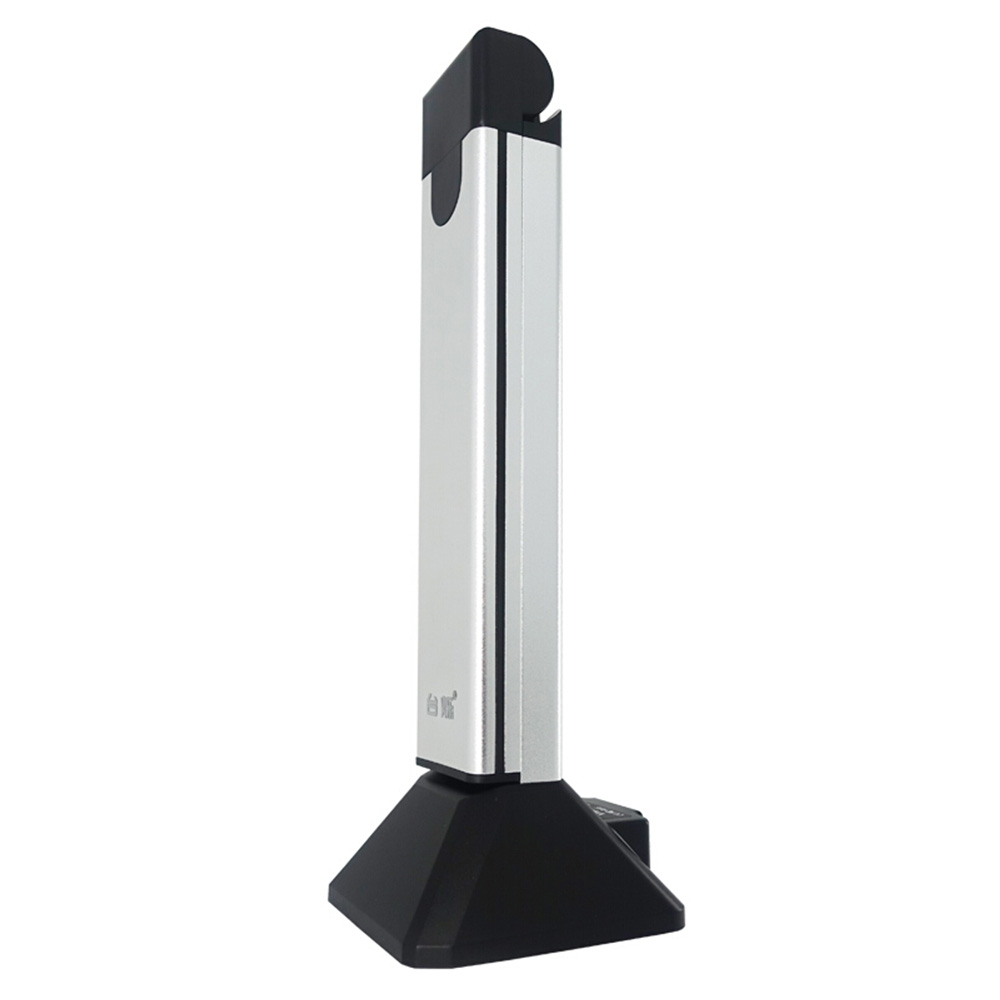
Document camera page camera high speed page scanner for online educational equipment
A page-capture model for online education, paper review and digitisation workflows that need quick overhead imaging.
Need a model shortlist for a Hai Phong tender, school rollout or port digitisation project?
Send an InquiryManufacturing Evidence Hai Phong Buyers Can Evaluate
In B2B imaging hardware, a low quotation without process evidence can be expensive. Eshuni’s manufacturing base in Shenzhen gives importers and integrators a transparent platform for product design, private label, certification support and repeatable production.
Why Hai Phong Is a High-Value Market for Non-Contact Scanning
Hai Phong is not only a port city. It is an industrial, logistics, education and administrative gateway for northern Vietnam. That mix creates document-heavy workflows in places where speed, counter space and user experience matter as much as raw scanner resolution.
A non-contact scanner in this context usually means an overhead document camera or visualizer that captures paper, books, ID cards, passports, shipping documents or product samples without pressing them under a glass platen. It differs from a flatbed scanner, a handheld scanner and an industrial vision camera, but the buying logic is the same: define the object, the environment, the output and the integration.
For Hai Phong buyers, the strongest opportunities are in port and logistics documentation, public-service counters, schools and training centres, hospital administration, banking and insurance onboarding, and manufacturing quality records. These are not speculative use cases; they are daily workflows where paper, identification and physical objects still meet digital systems.
The article below is written with a procurement lens: what to compare, where each format fits, how to test before scaling, and which questions should be answered before a purchase order is issued.
Port & Logistics
Bills of lading, packing lists, delivery notes and signatures can be captured above the desk and sent into a document management workflow.
Public Services
One-stop counters can capture IDs, forms and supporting papers without asking citizens to flatten fragile or oversized documents.
Education
Teachers can show textbook pages, handwriting, science objects and exam answers live, while hybrid classes receive the same visual explanation.
Finance & Industry
KYC packets, contracts, labels and small parts can be imaged quickly, then routed to review, archiving or traceability systems.
What Does “Non-Contact” Mean for Scanner Procurement?
“Non-contact” is not a single product category. For a Hai Phong project, the term should be translated into a measurable capture requirement: working distance, capture area, resolution, focus mode, lighting, interface, software and service model.
Flatbed Scanner
Excellent for flat single sheets, but requires contact with glass and can be slow for bound books, passports, curled paper or objects with height. It is less suitable for live demonstration.
Document Camera / Visualizer
Captures from above, so the operator can turn pages, show objects or place ID cards without glass contact. Image quality depends on sensor, lens, focus, lighting and software.
Embedded Camera Module
Integrates into kiosks, gates, medical consoles, smart glasses or machine-vision equipment. It requires mechanical, optical, firmware and interface planning from the start.
Procurement insight: request sample images under the same lighting and document mix used in Hai Phong, not only studio images from a catalogue.
Where Non-Contact Scanners Fit in Hai Phong Workflows
The same device can fail in one environment and succeed in another. These application notes connect product formats to real operating conditions across Hai Phong’s port, public, education, healthcare and industrial sectors.
Port, Customs & Freight Forwarding
Operators handle bills of lading, packing lists, invoices, signatures and sometimes damaged documents. An overhead visualizer keeps the paper moving while a colleague verifies the digital image. For high-volume counters, use a high-speed page camera; for A3 shipping packs, choose an A3 model such as the 13MP wireless A3 document camera.
Schools, Universities & Training Centres
Visualizers turn a textbook, worksheet or small science object into a shared screen image. For hybrid teaching, the USB portable smart camera visualizer offers a practical bridge between local USB display and wireless lesson capture. A3 book scanning is especially relevant for language, literature and exam review.
Government One-Stop Counters
Public-service desks need fast, respectful handling of identity cards, certificates and supporting documents. A dual-camera or ID-focused configuration can capture the document and the person in one session, while the A3 visual presenter is useful for oversized records and bound files.
Banking, Insurance & KYC
Customer onboarding often involves IDs, contracts, signatures and supporting paperwork. A non-contact camera can reduce repeated lifting and page turning. For OEM kiosks and verification terminals, the 1080P USB HD portrait camera module gives product teams a compact building block.
Healthcare Administration & Records
Hospitals and clinics process forms, insurance papers, referral letters and labels. A non-contact overhead capture station can support records teams without flattening bound or fragile paperwork. Here, the priority is clean images, simple operation and consistent lighting rather than maximum camera features.
Manufacturing & Quality Records
Factories in Hai Phong’s industrial parks need to document labels, inspection sheets, small components and work instructions. A visualizer can serve training and quality teams, while the 1080P/2K/4K binocular wide dynamic camera module supports OEM equipment builders that need a camera inside a larger machine.
Trends Reshaping Scanner Demand in Hai Phong
Hai Phong’s scanner demand is moving from “a camera on a desk” to “a capture point inside a workflow.” Buyers increasingly compare image quality, integration effort, training load and after-sales response as one system.
Port Digitalization
Paperless trade and digital document routing push logistics teams to capture shipping papers at the point of receipt instead of sending them to a separate scanning room.
Hybrid Classroom Standards
Schools want visualizers that work with projectors, interactive panels and video-conferencing tools. A3 capture, stable focus and clear text after zooming are becoming baseline expectations.
Identity Verification
Banks, telecom stores and public counters demand faster identity capture. Dual-camera and embedded modules are replacing single-purpose webcams in many service designs.
Humidity-Aware Service
Hai Phong’s humid climate makes packaging, storage guidance, corrosion protection and spare-parts planning part of the product decision, not an afterthought.
The bars above are illustrative procurement weights, not a market survey. Hai Phong projects should set their own weighting before comparing quotations.
Specification Matrix: Match the Device to the Workflow
A tender-ready comparison should state what is captured, how large the object is, where the image goes and who operates the device. The matrix below translates common Hai Phong requirements into product categories.
A3 Wireless 13MP Visualizer
Best for: large classrooms, engineering drawings, port maps and archival pages. Key check: confirm wireless stability in the actual room and the required zoom detail.
A3 · 13MP · wireless5.8G WiFi 8MP Auto-Focus
Best for: mobile teaching, library book scanning and training rooms. Key check: congested network conditions, battery/accessory needs and mount stability.
8MP · 5.8G · auto focusHD A4 Book / Document Scanner
Best for: office digitization, service desks and records rooms. Key check: page-turn speed, OCR/software compatibility and operator training.
A4 · USB · officeDual-Camera Government Scanner
Best for: public counters, bank onboarding and telecom registration. Key check: document and face framing, privacy workflow and software integration.
5MP · dual camera · counter2-in-1 Webcam / Document Camera
Best for: online tutoring, home learning and small offices. Key check: switching between face view and overhead view without confusing the user.
HD · USB · hybridEmbedded CMOS Camera Module
Best for: self-service kiosks, smart glasses, machine vision and OEM scanners. Key check: FPC/mechanical fit, SDK, frame rate, focus mode and lifetime supply.
1080P–4K · OEM · integration8 Steps to Deploy Non-Contact Scanners in Hai Phong
Use this checklist as a pre-tender and pre-order framework. It is designed to prevent the most common mismatch between a promising sample and a difficult live deployment.
Define the Capture Object
List paper sizes, bound books, ID cards, passports, shipping packs, labels or small parts. Record maximum length, width and height.
Set Resolution by Output
If users must read fine print after zooming, specify 13MP or A3-class clarity. For simple forms and live demonstration, 8MP may be sufficient.
Choose Interface & Power
Confirm USB, HDMI, WiFi or embedded interface. Vietnam commonly uses 220V/50Hz, so power adapters, plugs and cable kits should be checked with the local installer.
Test Under Local Lighting
Request sample images under office lighting, counter lighting and classroom projection conditions. Glare and shadows matter more than catalogue specifications.
Confirm Import Documents
Discuss certificates, packing lists, invoice details and any applicable Vietnam conformity requirements with your customs broker. Eshuni products are supported by ISO9001 factory management and CE, FCC, RoHS and 3C certification claims where applicable.
Plan for Humidity & Storage
Hai Phong’s climate requires sensible packaging, dry storage advice and spare-part planning. Ask how accessories and optics are protected during sea freight.
Run a Pilot Before Scaling
Test one classroom, one service counter or one logistics desk for two to four weeks. Measure capture time, error rate, training load and user confidence.
Lock OEM & After-Sales Terms
Clarify logo, packaging, language, firmware, warranty, spare parts and technical escalation. A clear service path protects the brand more than a low unit price.

Why Eshuni Is a Practical Manufacturing Partner for Hai Phong Buyers
Shenzhen Eshuni Technology Co., Ltd. is a manufacturer and solution provider for information collection and identity verification. Since 2012, the company has focused on document cameras, visualizers, webcams, ID document scanners, identity-verification terminals and camera modules for education, finance, insurance, telecommunications, government and enterprise workflows.
The value for Hai Phong importers is not only the product range. It is the ability to move from a sample requirement to a repeatable OEM program: product design, project design, on-site project application support, private-label packaging and export coordination. Hardware and software are developed in-house and protected by national patents, while ERP-driven production and supply-chain management support consistency across repeat orders.
Certification and quality language should be verified model by model during quotation. The factory operates an ISO9001 quality management system, and applicable products are supported by CE, FCC, RoHS and China 3C certifications. For public tenders in Vietnam, buyers should still confirm the exact certificate set, language requirements and import documents with their local compliance team.
Common Questions from Hai Phong Buyers
These are the questions that usually appear when a Hai Phong importer, school group or systems integrator moves from initial research into a real quotation.
Are you a manufacturer or a trading company?
Shenzhen Eshuni Technology Co., Ltd. is a manufacturer and solution provider established in 2012. The product range includes document cameras, visualizers, webcams, ID scanners, identity-verification terminals and camera modules, with OEM and ODM support.
Do you have local stock or an office in Hai Phong?
Eshuni supplies Hai Phong buyers from its Shenzhen manufacturing base. Local stock or demonstration-unit availability should be confirmed by inquiry for the specific model and order timing. For project rollouts, ask for a sample plan before committing to volume.
What is the MOQ for OEM or private-label orders?
MOQ depends on the model, housing, packaging, firmware and accessories. Standard models usually have more flexible starting quantities than fully customized enclosures or software. Share your target quantity, branding plan and tender timeline for a realistic answer.
Which certifications and import documents are available?
The factory operates an ISO9001 quality management system, and applicable products carry CE, FCC, RoHS and China 3C certification. For Vietnam, confirm the exact certificate package, language materials and import documentation with your broker and compliance advisor before the order is placed.
Can you customize language, packaging and software?
Yes. OEM and ODM discussions can cover buyer labels, packaging, manuals, language support, accessory kits and firmware requirements. The earlier these requirements are documented, the more accurately the sample and production quotation can be prepared.
Which model should a Hai Phong school or port operator start with?
For schools, start with an 8MP or 13MP A3 visualizer and test the actual classrooms. For port and logistics desks, test an A3 wireless or high-speed page camera with real shipping documents. For counters, compare a dual-camera scanner or embedded module against the software workflow before choosing hardware.
Request a Hai Phong-Specific Scanner Recommendation
Share your application, capture area, quantity, power and plug requirements, language needs, branding plan and tender timeline. Our team can recommend a starting model, prepare sample testing guidance and outline OEM options for your Hai Phong project.
Send an InquiryFor faster technical matching, include sample photos of the document or object, the desired output resolution and whether the scanner must connect to a kiosk, interactive panel, projector or document management system.