Non Contact Scanner Manufacturers & Supplier in Jakarta
Document cameras, book scanners, visualizers and identity-capture modules for Jakarta schools, banks, government counters, integrators and private-label distributors.
Eight Non-Contact Scanner & Visualizer Models for Jakarta Buyers
These models cover overhead document capture, bound-book scanning, dual-camera identity verification, wide-dynamic CMOS modules and portable visualizers. Product URLs are preserved exactly; for private-label or tender-specific configurations, use the catalog request button.
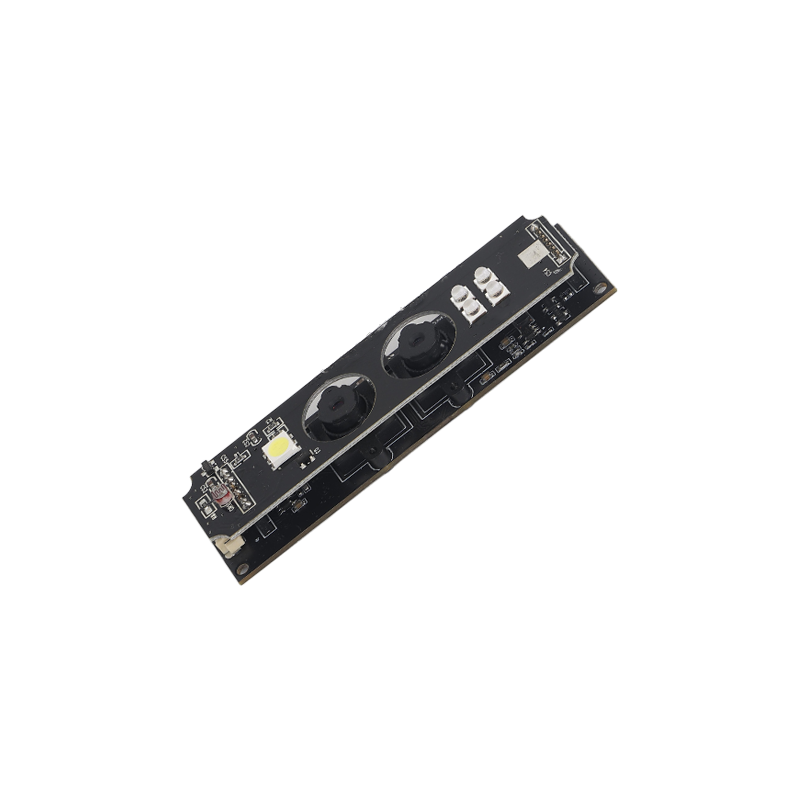
1080P/2K/4K HD binocular wide dynamic camera module CMOS sensor auto focus/fixed focus
Wide-dynamic binocular imaging for kiosk, visualizer and embedded-device teams that need flexible focus options and strong performance under mixed Jakarta lighting.
View product details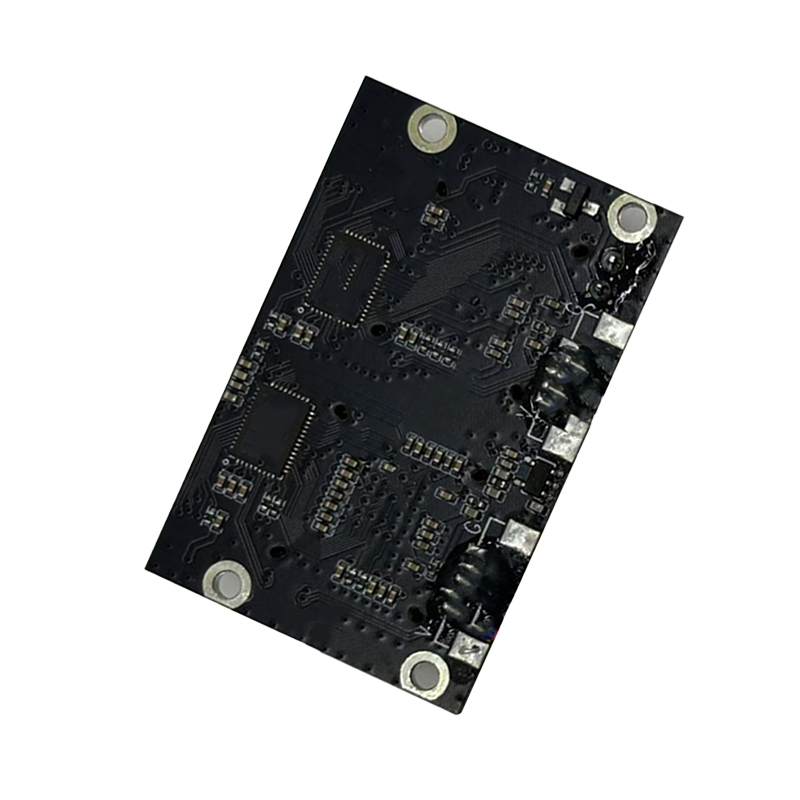
Newly upgraded dual 1080P finger vein palm print recognition facial recognition camera module CMOS sensor
Dual 1080P design for non-contact face, palm and finger-vein capture in access control, banking KYC and public-service identity workflows.
View product details
Visual Presenter HD Camera 8MP 13MP auto focus Document Camera Scanner online educational equipment book camera
Recommended for Jakarta classrooms and training rooms that need A3/A4 demonstration, textbook display and remote lesson sharing with auto focus.
View product details
HD Camera Portable Visualizer Presenter Document Camera for Presentation Equipment Book Camera
A lightweight presenter for teachers, auditors and field teams who move between rooms or sites in Jabodetabek and need fast document sharing.
View product details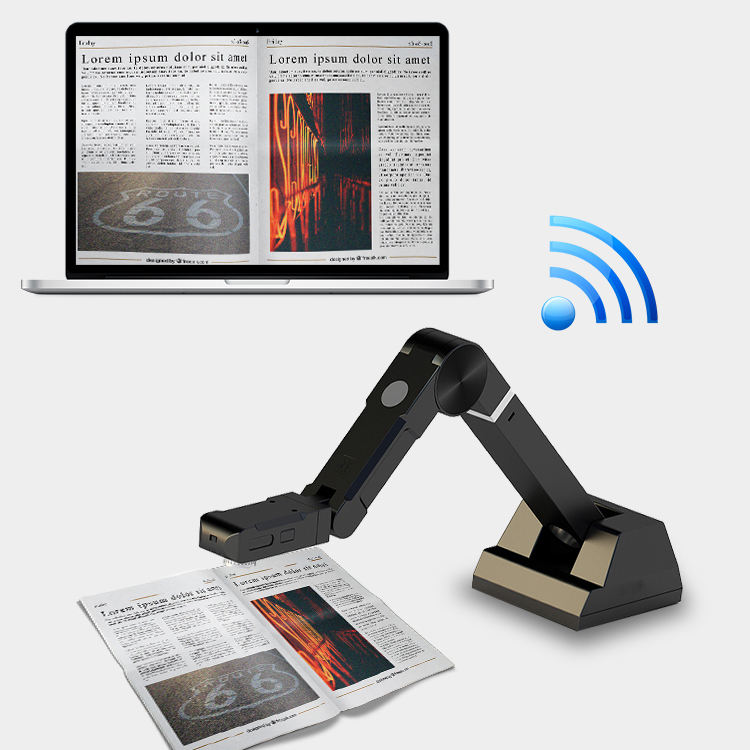
Visualized Handheld Hd Usb A4 Book Scanner A3 Automatic Management Document Scanner Camera
Non-contact capture for bound books, contracts, case files and archive materials without pressing or damaging original pages.
View product details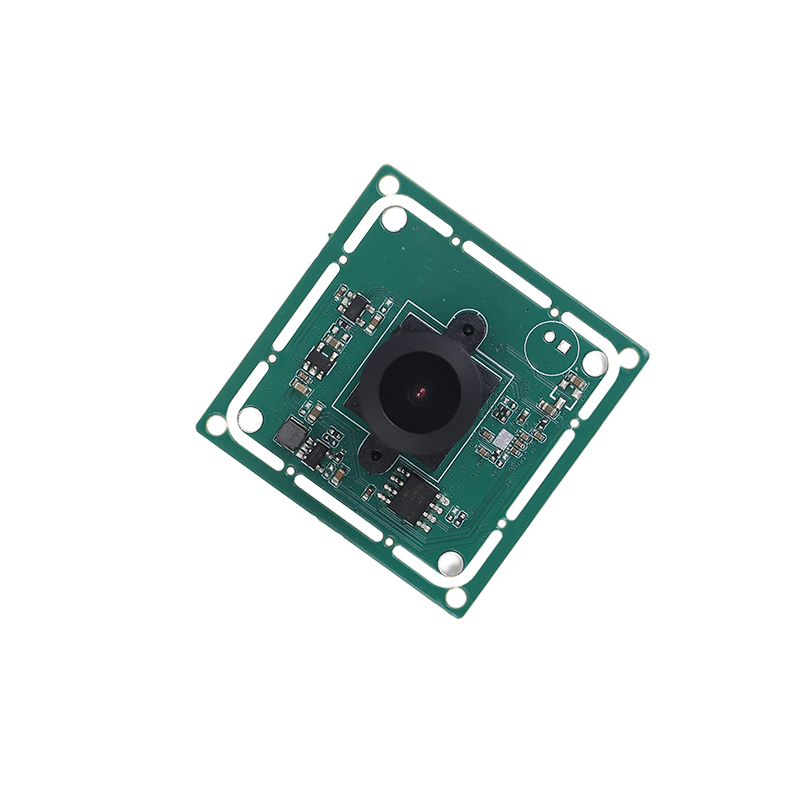
1080P 30FPS USB HD portrait shooting camera module with macro recognition, fixed focus, and optional auto focus
Compact 1080P module for kiosks, ID portrait capture, retail terminals and desktop systems where a stable USB image is essential.
View product details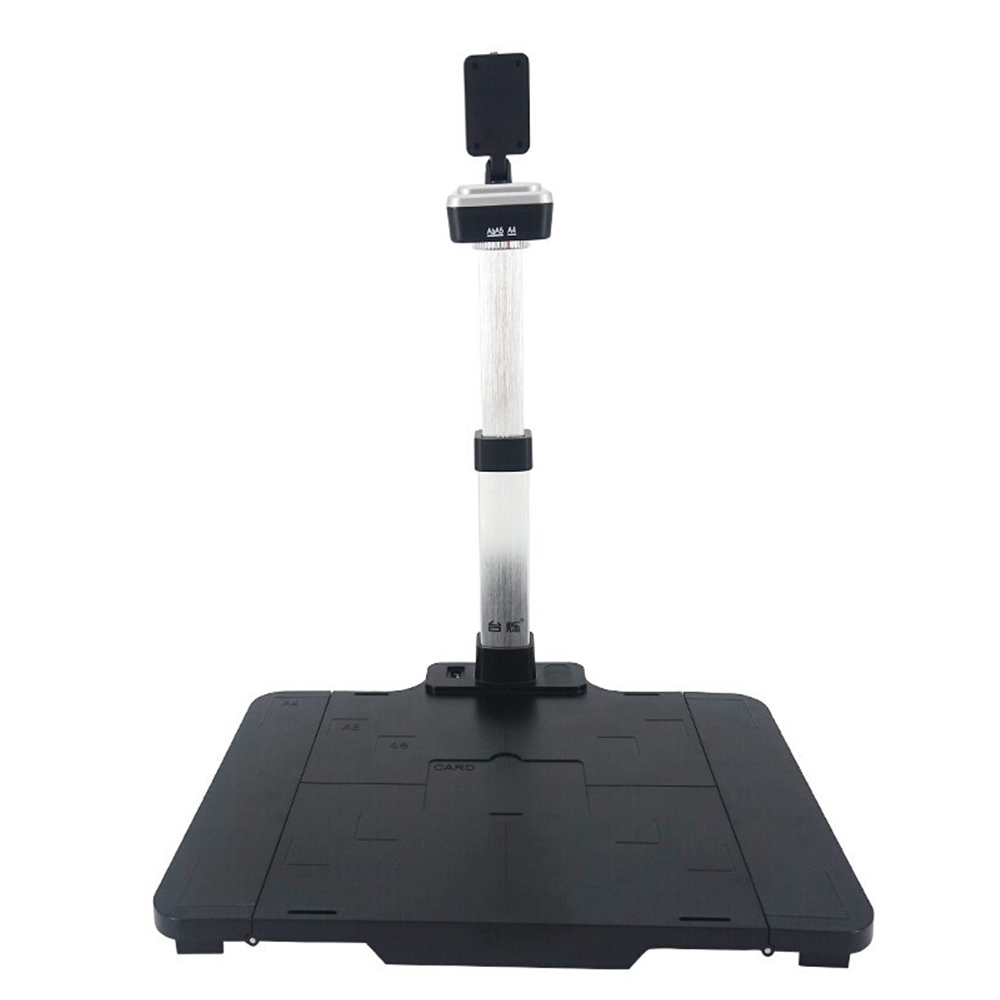
OEM HD 5MP double Camera Document camera Scanner For Government document camera
Captures the document and the person at the same workstation, a practical fit for bank counters, government service desks and verification points.
View product details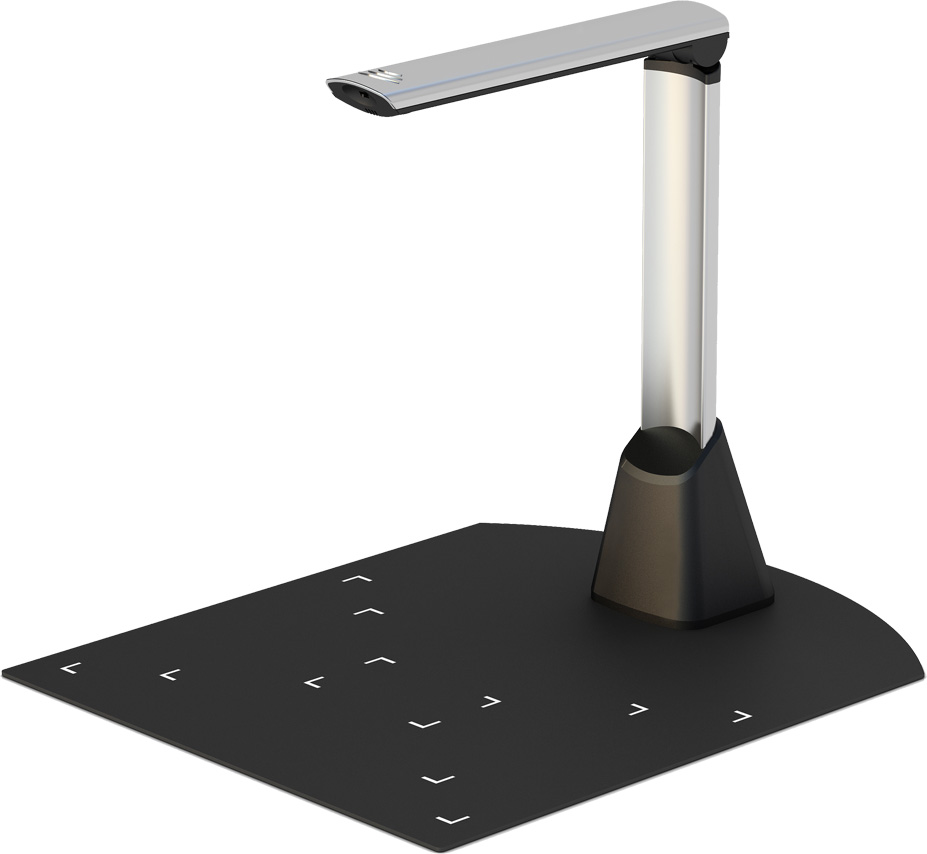
USB OEM A4 Fixed Focus Portable Desktop Document Scanner 13MP for Office Document Scanning
Factory-direct 13MP desktop scanner for office digitization, front-desk intake and A4 document capture where clear detail matters.
View product detailsWhy Non-Contact Scanning Is Becoming Core Infrastructure in Jakarta
Jakarta buyers are not simply replacing flatbed scanners. They are redesigning how documents, identities and physical objects are captured at service counters, classrooms, clinics and back offices across the capital region.
Non-contact scanner in this guide means an overhead document camera, visualizer, book scanner or identity-capture device that uses a camera and lens system rather than a flat glass platen. The user places a document, e-KTP, passport, prescription, contract or bound book under the camera. The device captures an image without physically pressing or flattening the original. This distinction matters in Jakarta because procurement teams are under pressure to reduce queue time, protect fragile documents and support hybrid workflows without expanding desk space.
A non-contact scanner is also a workflow component, not a standalone novelty. In a bank at Sudirman or SCBD, the device may need to capture an ID card and a customer portrait in one session. In a Jakarta school, it may need to show a textbook page clearly to both an in-room projector and a remote class. In a government service office, it may need to create an auditable image trail without slowing the counter. The correct model is therefore the one that matches the field of view, lighting, interface, software integration and after-sales plan — not necessarily the one with the highest megapixel count.
Jakarta’s tropical light, mixed fluorescent and LED interiors, limited counter space and congested wireless environments also influence specification. Buyers should ask for wide dynamic range, stable focus, a tested USB or 5.8GHz wireless link, and confirmation that the chosen device can be integrated with the organization’s document management or CRM system. For A4 forms and standard textbooks, 8MP is often sufficient. For A3 drawings, fine print, archival projects and zoom-heavy review, 13MP is a more defensible choice.
Jakarta buyer decision-weight signals
Illustrative procurement priorities based on common B2B sourcing patterns. Validate weights against your own tender, security review and service-level requirements.
Where Jakarta Organizations Use Non-Contact Scanners Every Day
A product becomes valuable only when it fits the counter, classroom or archive workflow around it. These scenarios reflect the most common Jakarta and Jabodetabek buying intents.
Schools & Universities
Teachers can display textbook pages, science experiments and handwritten work without photocopying. In hybrid classes, the visualizer becomes a shared document camera for both local and remote students.
Banking & Fintech KYC
Dual-camera and 13MP desktop models help staff capture e-KTP, NPWP, signatures and customer portraits at one station. The operational goal is faster onboarding with consistent image quality for review teams.
Government Service Counters
Public-service desks can capture permits, supporting letters and identity documents without removing them from protective sleeves. Dual-camera capture is useful where the document and applicant must be linked in one record.
Clinics, Pharmacies & Insurance
Non-contact capture is useful for prescriptions, insurance cards, referral letters and consent forms. It is not a medical diagnostic device; it is a document and identity capture tool for administrative workflows.
Logistics & Manufacturing
Warehouse and production teams in Jabodetabek can capture delivery notes, supplier forms, quality records and damage evidence. Overhead viewing also helps inspect small labels or components during remote support.
Legal, Accounting & Archives
Bound books, case files, contracts, maps and old records can be captured without damaging spines or fragile paper. USB book scanners are especially practical for back-office digitization projects.
2025 Trends Jakarta Importers and Integrators Should Factor into Selection
The buying conversation in Jakarta has moved beyond “how many megapixels?” toward integration, compliance, serviceability and total cost of ownership.
USB-first at fixed counters
Banks, government desks and offices often prefer plug-and-play USB models because power and connectivity are predictable. USB 2.0 or 3.0 compatibility, cable length and UVC support should be confirmed before a tender is finalized.
Wireless visualizers for classrooms
5.8GHz wireless models give teachers freedom to move around the room. Because Jakarta school networks can be congested, a dedicated 5.8GHz link can be more stable than shared 2.4GHz Wi-Fi, but the final choice must be tested in the real classroom.
Privacy-by-design under UU PDP
Identity and document capture can involve personal data. Jakarta buyers increasingly ask about local processing, access control, encryption, retention policies and integration with approved document management systems. The scanner should support — not bypass — the organization’s data governance.
Certification & import readiness
Wireless devices may require radio-frequency certification through the relevant Indonesian authority, commonly associated with SDPPI/Komdigi requirements. Buyers should confirm the exact model, frequency band and importer responsibility, alongside CE, FCC, RoHS and factory ISO9001 documentation.
OEM and private-label demand
Indonesian distributors and AV brands increasingly request customized packaging, manuals, labels and firmware settings. A manufacturer with in-house R&D and ERP-driven production can support private-label ranges more consistently than a pure trading intermediary.
Total cost and serviceability
Landed cost includes freight, import charges, certification, spare parts and downtime. Modular designs, clear firmware support and remote troubleshooting reduce the lifetime cost of a fleet installed across Jakarta, Depok, Tangerang and Bekasi.
How to Specify a Non-Contact Scanner for Jakarta Projects
A concise RFQ framework for procurement officers, school operators, bank operations teams, system integrators and distributors.
Specification checklist for a Jakarta RFQ
- Capture area: state A4, A3, bound-book or ID-card use. For full A3 sheets, fine print and engineering drawings, prefer 13MP; for standard A4 forms and classroom display, 8MP is often sufficient.
- Focus mode: auto focus is useful for books, objects and variable working distances; fixed focus can be simpler for kiosks and fixed counters.
- Interface: confirm USB version, cable length, UVC compatibility, SDK availability and whether a 5.8GHz wireless link is required. Test with your actual laptop, interactive display or DMS.
- Lighting: Jakarta offices and classrooms often mix daylight, fluorescent and LED sources. Ask for wide dynamic range and test dark text, glossy ID cards and shaded book spines.
- Power: specify 220V/50Hz adapters where supplied. Confirm plug type, adapter certification and whether the device is bus-powered over USB.
- Privacy and integration: define where images are stored, who can access them, retention periods and whether OCR, signature capture or KYC software must receive the image stream.
- Commercial terms: request MOQ, OEM/ODM options, warranty, spare-parts plan, packaging, lead time, FOB Shenzhen, EXW or DDP Jakarta, and the name of the importer responsible for local certification.
Technical selection signals
Use these signals to compare quotations. A lower price should not override missing certification, unclear integration or weak service coverage.
Match the Eight Models to Jakarta Workflows
This matrix helps shortlist a product by application. Final selection should still be validated with sample images, your software stack and applicable certification requirements.
| Model | Best Jakarta Use | Signal / Interface | Buyer Note |
|---|---|---|---|
| HD binocular wide-dynamic camera module | Embedded kiosk, visualizer and OEM imaging projects | CMOS module; auto / fixed focus options | Strong choice where mixed lighting and wide dynamic range matter |
| Dual 1080P biometric camera module | Face, palm and finger-vein identity capture | Dual 1080P module | For access control, KYC and identity terminal developers |
| 8MP / 13MP auto-focus visual presenter | Schools, universities, training rooms and hybrid lessons | USB visualizer; auto focus | Choose 13MP where A3 or fine detail is required |
| Portable HD visualizer presenter | Mobile teaching, field review and shared presentation equipment | Portable USB-style presenter | Useful when one device must move between rooms |
| Handheld HD USB A4/A3 book scanner | Bound books, contracts, case files and archive capture | USB document camera | Non-contact capture protects fragile pages and spines |
| 1080P USB portrait camera module | Kiosks, ID portrait capture, retail terminals and desktop systems | USB 1080P 30FPS module | Compact module for OEM terminal design |
| OEM 5MP dual-lens document camera | Government counters and bank verification desks | Dual-camera capture | Links document image and applicant image in one workflow |
| 13MP USB portable A4 desktop scanner | Office digitization, front-desk intake and A4 records | USB desktop scanner; 13MP | Good balance of detail and desk footprint for Jakarta offices |
Why Eshuni Is a Practical Non-Contact Scanner Partner for Jakarta Buyers
Shenzhen Eshuni Technology Co., Ltd. is a manufacturer and solution provider for information collection and identity verification, not a generic reseller. That distinction is useful when a Jakarta project needs customization, documentation and repeatable production.

Founded in 2012, Eshuni designs and builds document cameras, visualizers, webcams, ID scanners, identity-verification terminals and camera modules. Core hardware and software are developed in-house and supported by national patents. ERP-driven production and supply-chain management help keep quality consistent and lead times controlled for B2B buyers.
For Jakarta distributors, school groups, bank integrators and government suppliers, three support levels matter: product design, project design and on-site project application. The team can help match a sensor, lens, housing, interface and packaging to the actual workflow rather than simply quoting a stock item.
Factory-direct R&D
14+ years of focused development in document cameras and visualizers, with in-house hardware and software capability for OEM and ODM projects.
Documented quality system
ISO9001 quality management, CE, FCC, RoHS and China 3C certification support tender submissions and distributor due diligence.
OEM / ODM flexibility
Buyer-label production, packaging, firmware settings and project-specific configuration can be discussed against your MOQ and launch plan.
Export-ready terms
FOB, EXW and DDP delivery terms are available, with regular shipment experience across North America, South America, Western Europe, South Asia and Africa.
Questions Local Buyers Ask Before Ordering Non-Contact Scanners
Practical answers for importers, school groups, bank operations teams, government suppliers and system integrators.
What is a non-contact scanner, and is it different from a flatbed scanner?
A non-contact scanner uses an overhead camera and lens to capture documents, books, IDs or objects without pressing them against glass. This is useful for bound books, fragile records, thick contracts, ID cards in sleeves and classroom demonstrations. It is not a medical diagnostic scanner; in this guide, the term refers to document cameras, visualizers, book scanners and identity-capture devices.
Can Eshuni ship to Jakarta and support DDP terms?
Yes. Eshuni regularly supports FOB, EXW and DDP delivery terms. For Jakarta projects, the logistics plan usually considers shipment to Tanjung Priok or Soekarno-Hatta, import documentation, final-mile delivery and the buyer’s preferred customs broker. Lead time depends on model, configuration, quantity and whether certification or private-label work is required. Share your target address and Incoterm so the quotation can be structured correctly.
Which certification matters for wireless document cameras in Indonesia?
Wireless devices that use radio frequencies can fall under Indonesian radio-frequency certification requirements, commonly associated with SDPPI/Komdigi. The exact requirement depends on the product, frequency band, importer and intended use. Buyers should confirm the model’s band and certification status before shipment, and clarify which party will hold the import approval. Factory-level ISO9001 and product CE, FCC, RoHS or 3C documents are separate from local radio approval.
Should Jakarta schools choose 8MP or 13MP document cameras?
For A4 worksheets, standard textbooks and live classroom demonstration, 8MP is often sufficient. Choose 13MP when the camera must capture full A3 sheets, fine print, engineering drawings, maps or archival material that reviewers will zoom into. Also check working height, field of view, focus mode and lighting, because these factors affect real classroom clarity as much as the sensor specification.
Will the scanner work with our existing Windows laptop, interactive display or DMS?
Most projects should begin with a compatibility test. Ask for confirmation of USB interface, UVC behavior, driver requirements, SDK availability and framing/software options for the exact model. If your team uses a document management system, CRM or KYC platform, test a sample image and the capture workflow before finalizing the purchase order.
Do you offer OEM, private-label and Bahasa Indonesia manuals?
OEM manufacturing, buyer-label production and product-design support are available, subject to model and minimum order quantity. Packaging, labels, manuals and firmware settings can be discussed for distributor or tender projects. For Bahasa Indonesia materials, provide the approved terminology and regulatory text you require so the project team can confirm feasibility.
What after-sales plan is practical for a Jakarta fleet?
A practical plan usually covers warranty terms, spare-parts availability, remote troubleshooting, firmware support and escalation contacts. For multi-site deployments, buyers should agree in advance how faulty units are diagnosed, whether local service partners are involved and what response time is acceptable for classrooms, bank counters or government service desks.
How do we request a sample, quotation or the full catalog?
Use the Get Catalog button on this page and share your application, target quantity, preferred model, delivery term, certification requirements and any OEM needs. A clear brief helps the team recommend the right sensor, interface and housing configuration for Jakarta instead of sending a generic quotation.
Planning a Jakarta Tender, Distributor Range or OEM Project?
Share your capture area, quantity, interface, certification and delivery-term requirements. Our team can recommend the most suitable non-contact scanner or camera module configuration for your workflow.