Houston OCR Strategy
OCR Scanning Is a Workflow Problem Before It Is a Hardware Problem
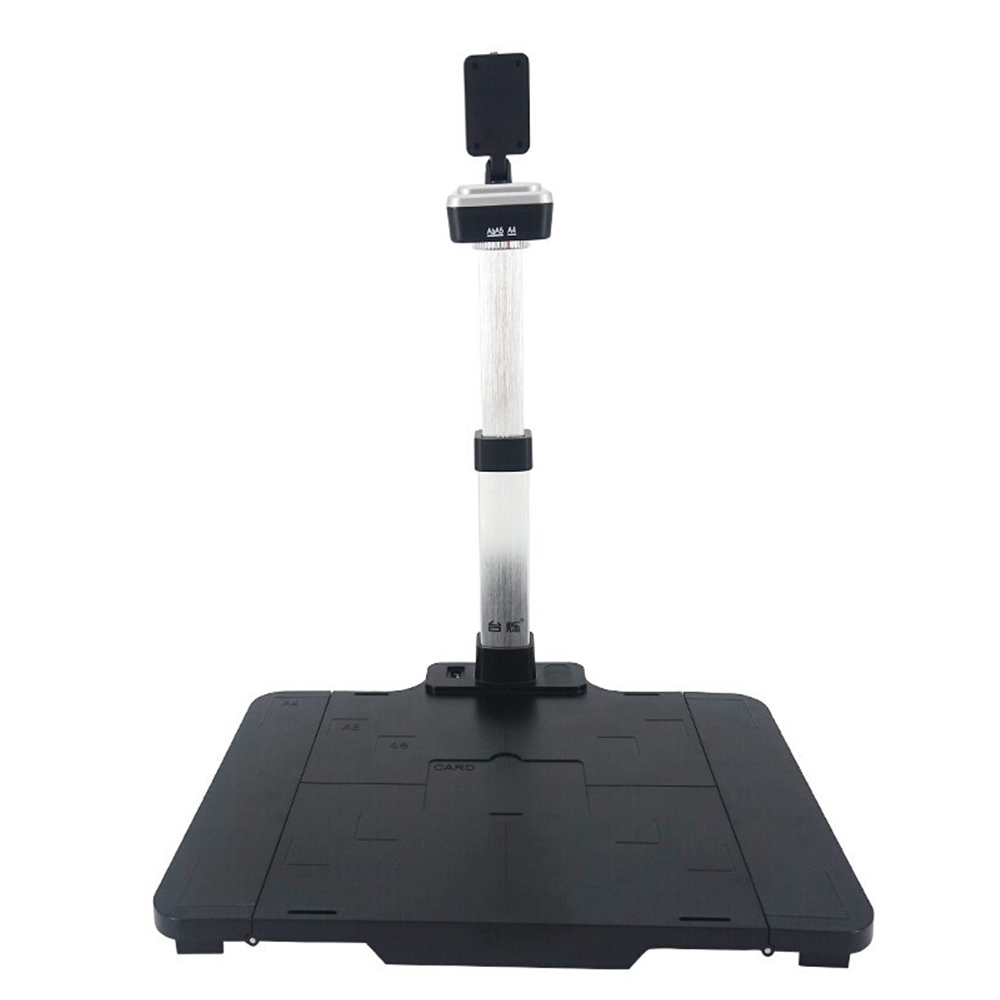
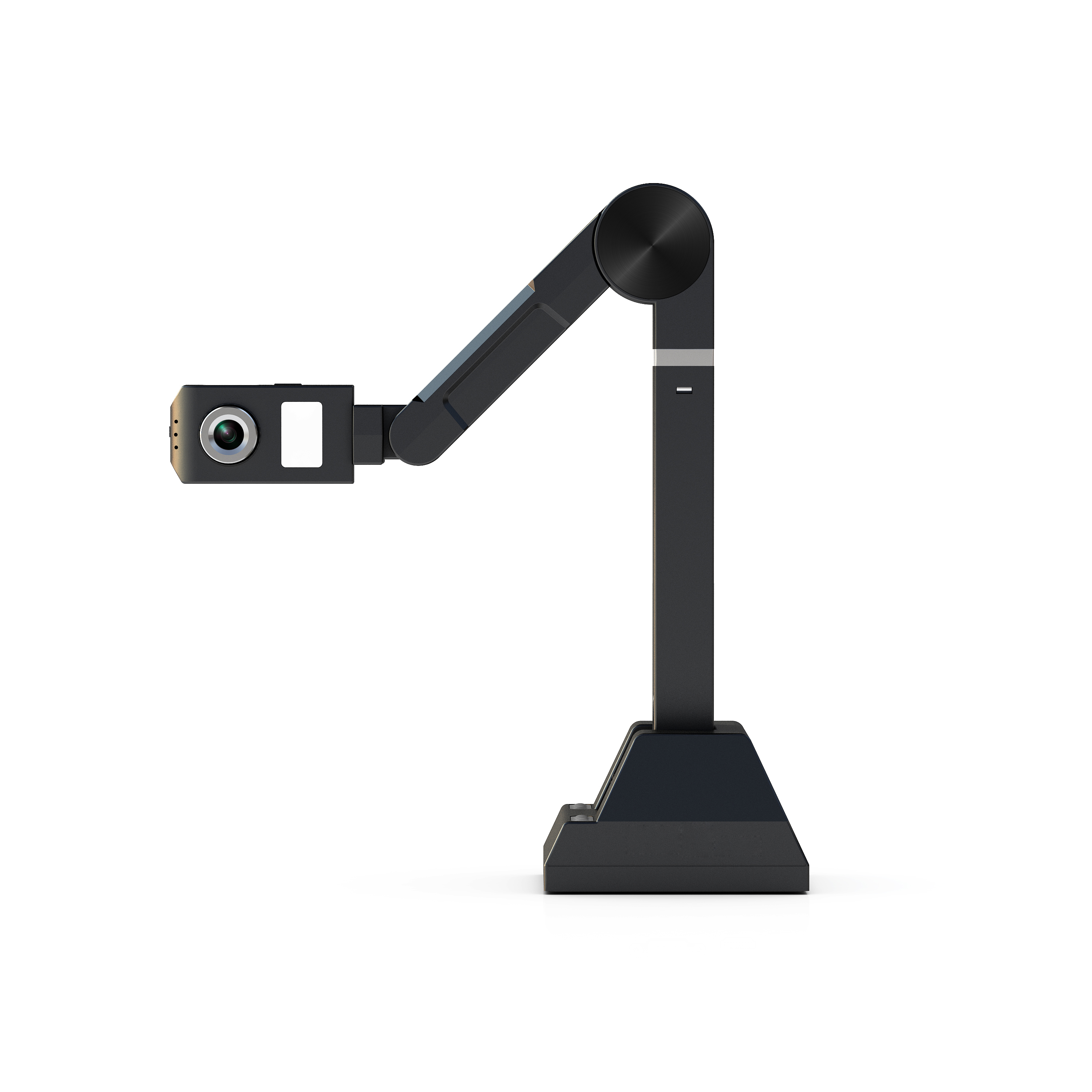
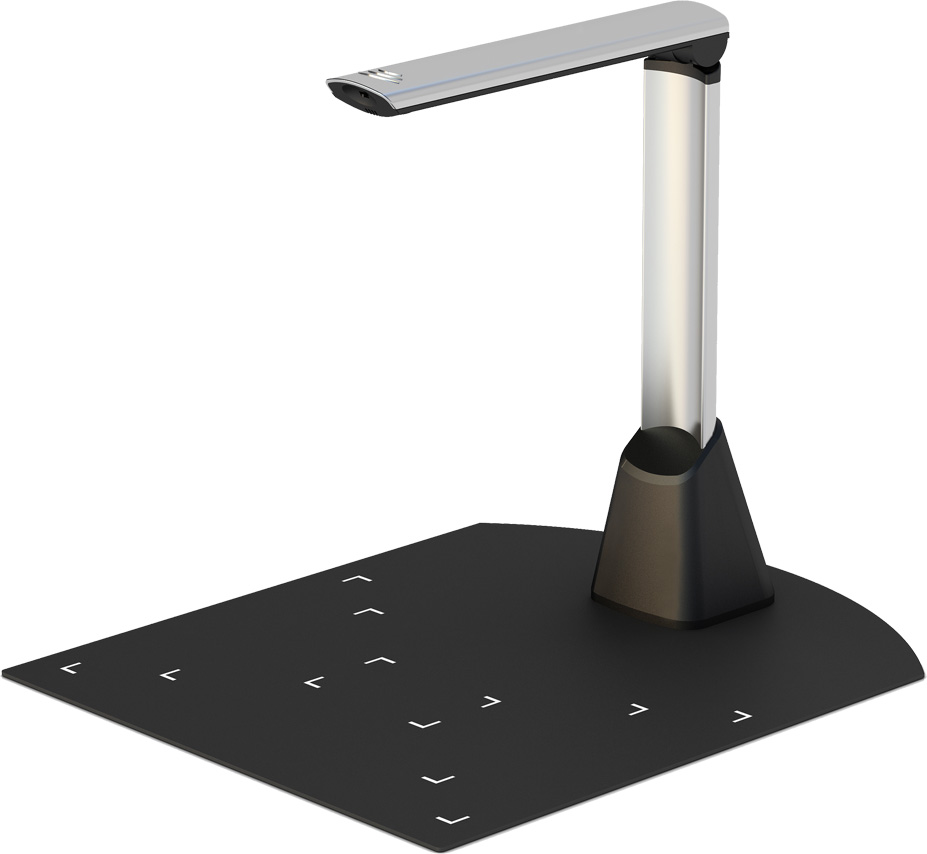
A document camera purchased for a Houston ISD classroom has different requirements from a dual-camera scanner at a Harris County service counter or a book scanner used by a downtown law firm digitizing case files. OCR accuracy depends on capture quality, document handling, software integration, and staff training.
Houston is not a single buying environment. It combines large public-school systems, the Texas Medical Center, Harris County agencies, energy headquarters, engineering firms, logistics operations around the Port of Houston, universities, law firms, insurance teams, and small businesses. A device that works well in a clean demonstration room may struggle at a busy intake counter with glare, curled pages, mixed ID cards, and staff who need to finish each transaction in seconds.
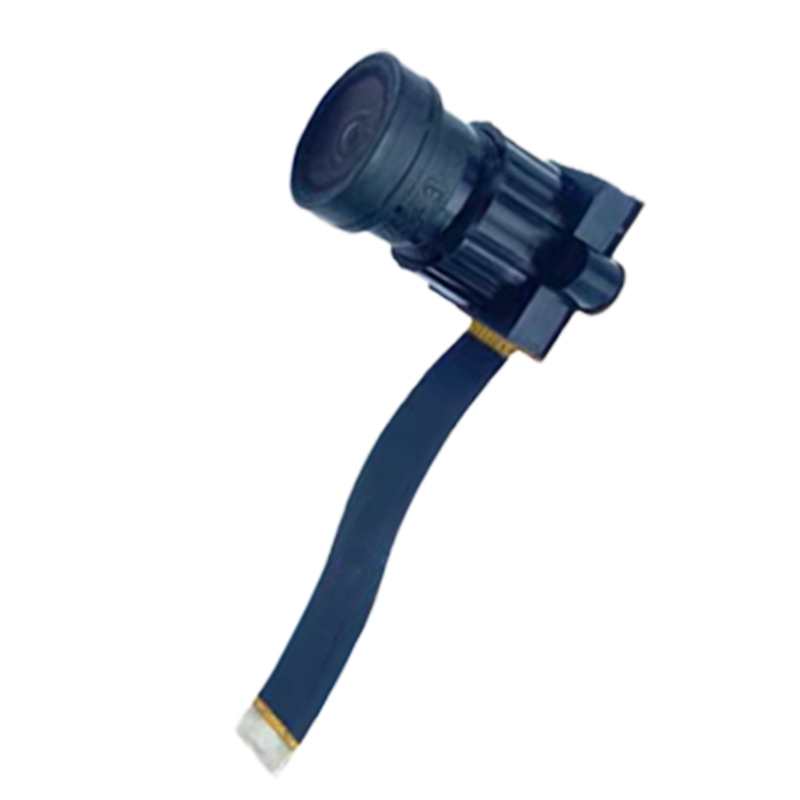
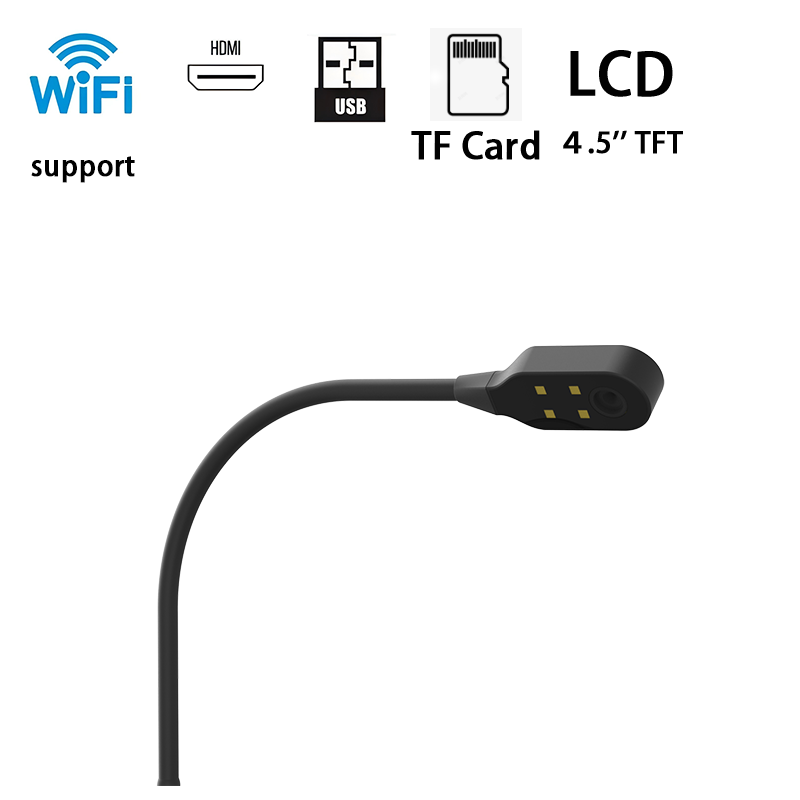
Eshuni approaches OCR-ready hardware as the front end of a records pipeline. Resolution, focus, illumination, image stabilization, capture speed, interface, and software compatibility matter more than any single specification. For Houston buyers, the correct selection process starts with three questions: Where is the document created? Who handles it? How quickly must it become searchable? A fourth question matters just as much: what happens when the OCR engine produces an exception? At scale, even a small exception rate creates hundreds of review tasks, so capture quality has direct operational value.
This guide is written for Houston procurement teams, school technology directors, clinic administrators, legal operations managers, government records staff, logistics coordinators, and B2B importers evaluating factory-direct supply. It covers product recommendations, local applications, procurement trends, selection criteria, company strengths, and common questions asked before a first Houston order.