Portable Visual Presenter Manufacturers & Wholesaler Serving the Seattle Market
OEM/ODM A3/A4 document cameras, wireless visualizers and dual-lens ID scanners for Puget Sound school districts, universities, clinics, law firms and public counters — engineered in Shenzhen, delivered DDP through the Port of Tacoma.
Contact UsEight Portable Visual Presenter Models Seattle Buyers Order Most
Every unit below ships from our own Shenzhen factory with UVC plug-and-play drivers, FCC-compliant wireless modules and true A3/A4 capture geometry. Select a model to review full specifications, or request a Seattle-area pilot unit through the contact button.
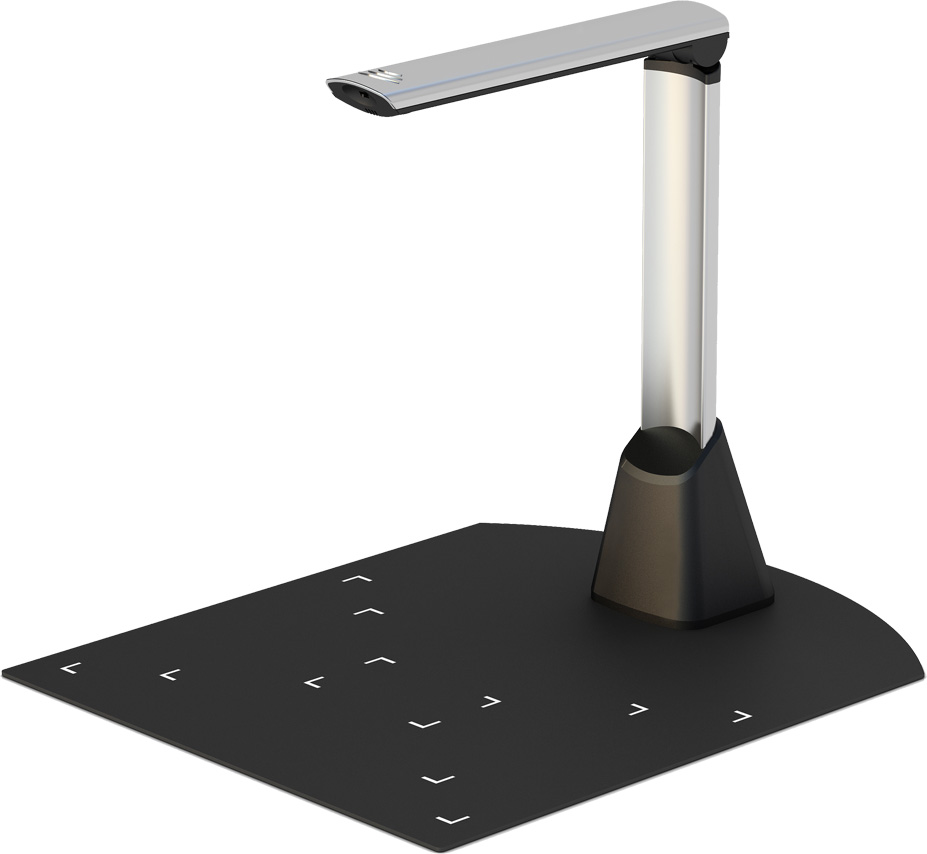
USB OEM A4 Fixed Focus Portable Desktop Document Scanner 13MP for Office Document Scanning
Fixed-focus A4 desktop capture for Seattle reception desks, title companies and records rooms — driver-free on Windows, macOS and Chrome OS.
View Specifications →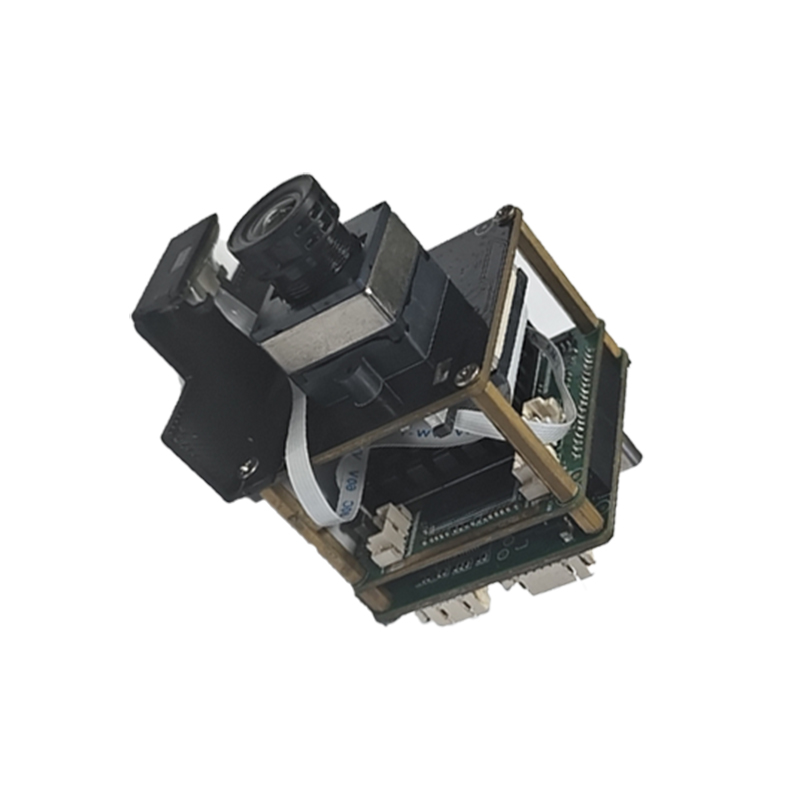
Factory Customized HD Live Streaming Conference / Teaching 4K Camera Module Compatible with Multiple Systems
Drop-in 4K imaging module for conference-room bars, lecture-capture carts and hybrid teaching rigs across the Seattle tech corridor.
View Specifications →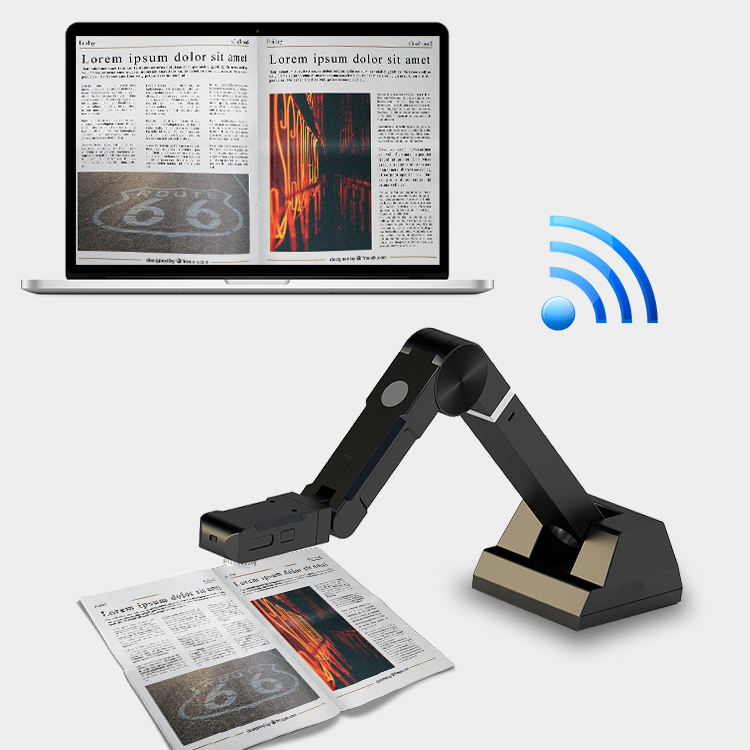
OEM USB Portable Smart Camera Visualizer WiFi A4 A3 Document Camera Visualizer for Education Book Camera
Folding visualizer built for travelling teachers and shared classroom carts in King and Snohomish county districts.
View Specifications →
OEM Document Camera A3 Portable Wireless 13MP Visualizer Document Camera
Full A3 sheet capture for engineering drawings, site maps and art portfolios at UW, Seattle University and community-college studios.
View Specifications →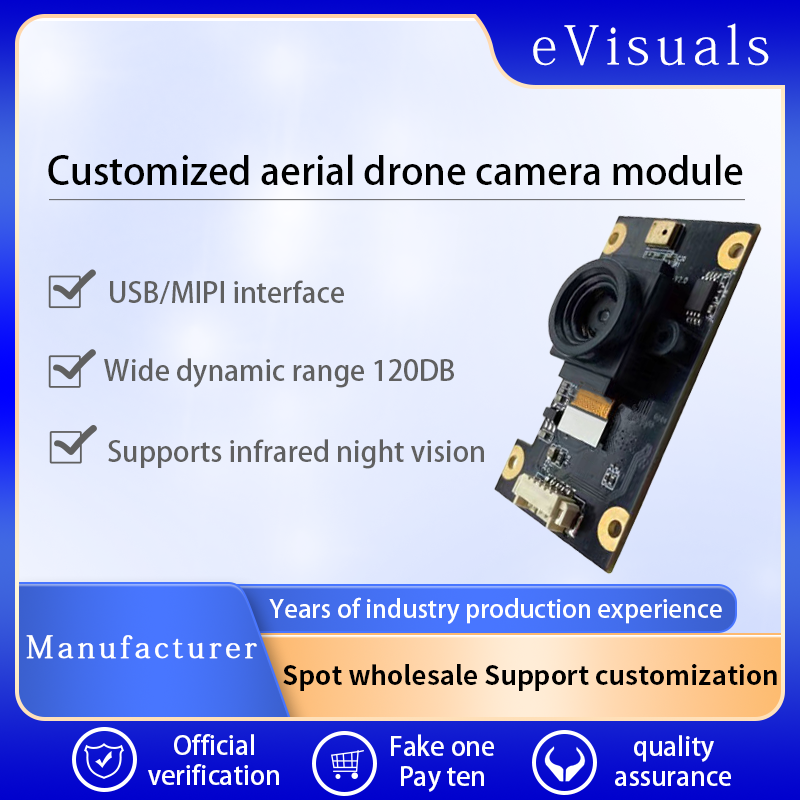
Factory Customized 1080p 4K Drone Wireless Video Transmission HD Aerial Photography Face Recognition Camera Module
Low-latency wireless video module for UAV, infrastructure inspection and remote-capture OEM programmes in the Pacific Northwest.
View Specifications →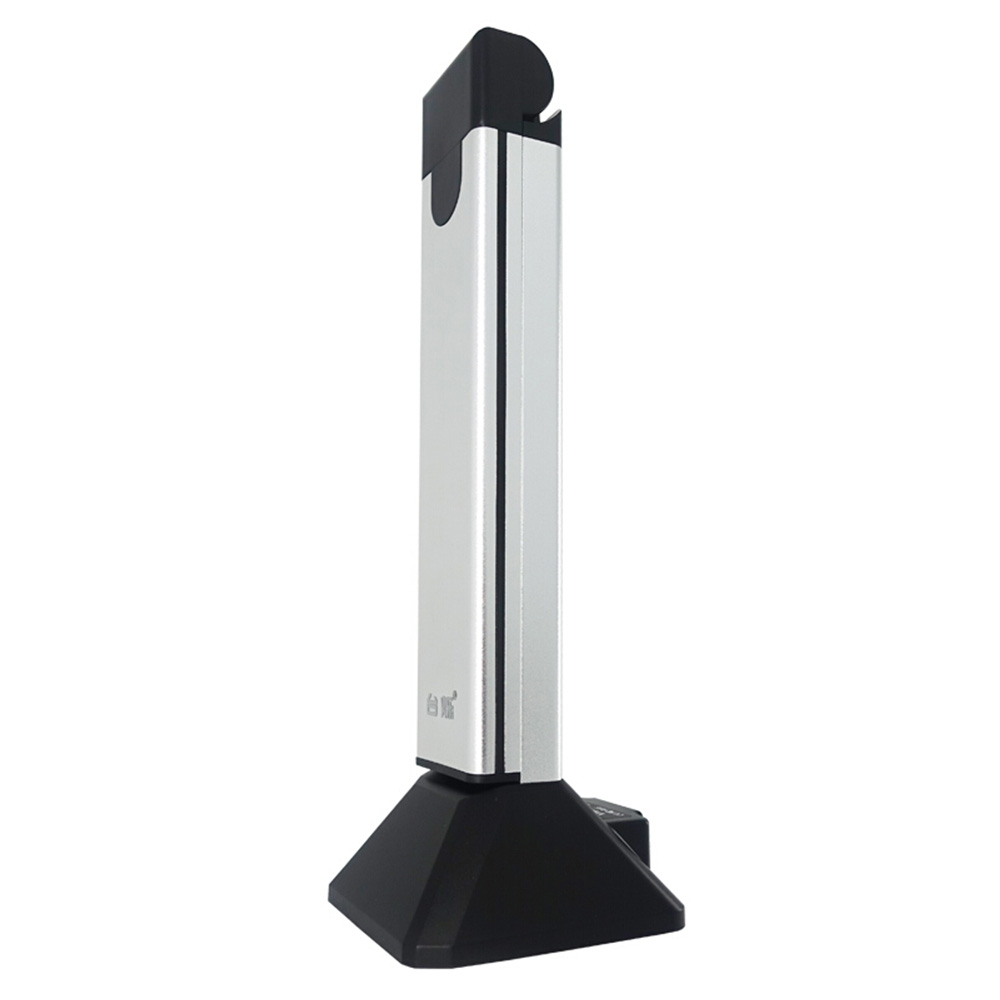
Document Camera Page Camera High Speed Page Scanner for Online Educational Equipment
Page-flip throughput for textbooks, IEP paperwork and archived ledgers — without stressing book bindings.
View Specifications →
HD Camera Portable Visualizer Presenter Document Camera for Presentation Equipment Book Camera
The classic portable presenter: unfold it, plug it in, and project a book page or physical object within seconds.
View Specifications →
OEM USB A3 13MP 2 in 1 Education Visualizer Document Camera and Webcam for Education Scanning Book Camera
One USB device for face-to-camera calls and overhead document sharing — the cleanest fit for hybrid tutoring and remote interviews.
View Specifications →Why Puget Sound Buyers Specify Portable Visual Presenters
A procurement cycle in the Seattle metro rarely buys one device for one purpose. Understanding the local buying pattern is the fastest way to specify the right sensor, mount and connectivity.
Multi-Site, Multi-Budget Realities
A single order can span a King County K-12 district, an independent school in Bellevue, a two-year college in Pierce County and a public counter at the Port of Seattle. Districts standardise on one model; campuses buy in small pilots first.
Buildings That Resist Ceiling Mounts
Many Seattle classrooms sit in century-old buildings with high ceilings, complex ductwork or leased space where drilling is not permitted. A foldable presenter that lives in a cabinet or on a rolling cart is often the only practical option.
RF-Congested Campuses
Dense campus Wi-Fi means the 2.4 GHz band is frequently saturated. Next-generation 5.8 GHz wireless visualizers hold a cleaner live image in crowded lecture halls and open-plan offices alike.
FERPA, HIPAA & My Health My Data
Student records, patient records and consumer health data all carry Washington-specific obligations. Local capture over USB — with no forced cloud upload — is the lowest-risk architecture for review committees.
Grant Cycles Reshaping Budgets
As one-time emergency funding winds down, districts are shifting to multi-purpose, repairable hardware that survives a five-year refresh cycle instead of a single grant year.
E-Cycle Washington Discipline
Washington's electronics recycling law pushes procurement teams to ask about modular lenses, replaceable cables and documented end-of-life handling before a purchase order is signed.
Where Portable Visual Presenters Earn Their Place in Seattle Workflows
These are the six deployment patterns our Seattle-area integrators and importers ask about most often — each with a different sensor, mount and connectivity preference.
K-12 Classrooms & Substitute Teaching
A substitute walking into an unfamiliar room cannot rely on installed AV. A folded presenter in the desk drawer means the lesson starts on time — maths worked on paper, science specimens demonstrated, shared readers projected at readable scale.
Higher Education, STEM & Art Studios
Lecture halls, engineering labs and design studios need to magnify circuit boards, tissue samples, ceramic surfaces or printed typography. A 13MP A3 visualizer keeps fine detail legible after the capture is projected or recorded.
Hospitals, Clinics & Telehealth Consults
Clinicians teaching residents need to show printed charts, wound-care diagrams or device instructions to a remote specialist. USB capture into an existing clinical workstation avoids introducing a new cloud endpoint into the care environment.
Legal, Title & Remote Notarization
Downtown Seattle firms and title companies authenticate signatures, capture sealed documents and walk a remote counterparty through a contract page by page. Overhead capture of the physical signature is often the decisive evidence.
Government & Public Service Counters
Permit desks, licensing windows and airport service counters need to capture an ID document and the applicant in the same record. Dual-camera models solve that in one USB connection instead of two devices.
Aerospace, Architecture & Engineering Review
Blueprints, tolerance tables and as-built drawings are still marked up on paper. An A3 overhead camera lets a review team annotate a physical sheet live, then archive the annotated capture alongside the digital file.
Six Buying Shifts Shaping the Seattle Visual Presenter Market
These are the requirements our Puget Sound buyers raise repeatedly during specification calls — and the design responses we have already engineered into production models.
Wireless First — But Interference-Aware
Buyers increasingly request 5.8 GHz rather than 2.4 GHz because campus networks are already crowded. The practical benefit is a stable live image in rooms where dozens of student devices compete for airtime.
UVC Standardisation Across Device Fleets
Districts running mixed Chromebook, Windows and macOS fleets increasingly mandate driver-free UVC so a device can move between rooms, campuses and spare laptops without an IT ticket.
Privacy-by-Design Procurement Questions
Review committees now ask where footage goes before they ask about resolution. Local USB capture, no mandatory account and optional offline firmware flashing are becoming baseline expectations.
Multi-Year Value Over Single-Year Grants
With one-off funding cycles ending, buyers look at total cost across five years: replaceable cables, a lens module that can be serviced separately and firmware that keeps working with existing classroom software.
Sustainability Written Into Specifications
Packaging reduction, modular construction and documented recycling pathways now appear in tender language. Our hardware and software are developed in-house, which keeps the supply chain short and traceable.
Assistive Capture & Accessibility
Auto-focus, automatic page-boundary detection and glare reduction are no longer premium features — they decide whether a projected page is readable for students with low vision or seated at the back of a hall.
Match the Model to the Room, the Counter or the Cart
Use this matrix as a starting point when drafting a tender, a pilot request or a private-label range for the Seattle market.
| Model Type | Resolution | Capture Area | Connectivity | Seattle Best Fit |
|---|---|---|---|---|
| USB A4 Fixed-Focus Scanner | 13MP | A4 | USB (UVC) | Office desks, title companies, records rooms |
| A3 Wireless 13MP Visualizer | 13MP | A3 | 5.8 GHz wireless | Lecture halls, engineering and design studios |
| WiFi Smart Visualizer | HD / 8MP | A4 / A3 | Wi-Fi + USB | Travelling teachers, shared classroom carts |
| High-Speed Page Scanner | HD | A4 page-flip | USB | Archives, textbooks, IEP paperwork |
| 2-in-1 Document Camera & Webcam | 13MP | Face + A3 desk | USB | Hybrid tutoring, remote interviews, telehealth |
| Portable HD Presenter | HD | A4 | USB / HDMI | Presenter travel kits, training rooms |
| 4K OEM Camera Module | 4K | Application defined | USB / MIPI | Conference-room OEM, lecture-capture integrators |
| 4K Wireless Video Module | 1080p / 4K | Application defined | Wireless TX | Inspection, UAV and remote-capture OEM projects |
Need a different sensor, lens, housing colour or firmware behaviour? Our OEM team adapts any model to your specification, including boot logo, default resolution and packaging artwork.
Shenzhen Eshuni Technology — Information Capture & Identity Verification Since 2012
We are a manufacturer and solution provider for information collection and identity verification. We design and build high-speed document scanners, video booths, book scanners, identity verification terminals, webcams and camera modules for buyers worldwide.
OEM, ODM & Private Label Under One Process
We offer OEM manufacturing, product design services and buyer-label production. Our in-house R&D team supports three levels of technical assistance — product design, project design and on-site project application — so a Seattle district pilot and a national retail range can share the same engineering foundation.
Quality System and Certifications
Our factory operates an ISO 9001 quality management system, and our products carry CE, FCC, RoHS and China 3C certifications. ERP-driven production and supply-chain management keep quality consistent and lead times short, which matters when a purchasing window closes at the end of a fiscal quarter.
Trade Terms Built Around the U.S. West Coast
We accept FOB, EXW and DDP delivery terms. For Seattle-area buyers, DDP into a district central warehouse or a third-party logistics hub removes customs administration from your team and makes landed cost predictable before the purchase order is issued.
Proven in Education, Finance, Insurance, Telecom, Government and Enterprise
Our devices support digital transformation across sectors with very different compliance profiles. That breadth is why a single platform can serve a Seattle school library, a downtown underwriting desk and a county service counter without three separate supply chains.
What a Seattle Order Actually Looks Like, Week by Week
Typical timelines for a mixed pilot and volume order shipped from Shenzhen into the Puget Sound region. Actual schedules depend on configuration, quantity and carrier.
What Seattle-Area Buyers Ask Before Ordering
Practical answers for procurement teams, integrators and district technology coordinators evaluating a portable visual presenter programme.
Can you ship DDP directly into Seattle and Tacoma?
Yes. We accept FOB, EXW and DDP delivery terms and regularly ship to North America. For Puget Sound buyers, the usual route is ocean freight from Shenzhen into the Port of Tacoma, followed by final-mile delivery to a district warehouse, a campus receiving dock or a third-party logistics hub. Air freight into Seattle–Tacoma International Airport is available when a pilot cannot wait for a sailing schedule.
Do your document cameras work with Chromebooks, Windows and macOS?
Our USB models output standard UVC video, so they enumerate as a camera device without a proprietary driver on Windows, macOS and Chrome OS. That matters in Seattle districts where a single classroom cart may contain a mix of Chromebooks, Windows laptops and iPads, and where IT teams want zero-touch replacement when a unit is swapped between rooms.
Are the wireless visualizers compliant for U.S. deployment?
Our wireless models are designed around FCC requirements, and our product certifications include FCC alongside CE, RoHS and China 3C. Where a district operates 5.8 GHz wireless, the band is generally less congested than 2.4 GHz, which produces a more stable live image in busy campus environments.
Can you private-label the hardware for our district or brand?
Yes. We offer OEM manufacturing, product design services and buyer-label production. That covers boot logo, silk-screen branding, retail packaging, quick-start documentation and default firmware settings. Our in-house R&D team also supports project design and on-site project application for deployments that need more than a catalogue item.
Should we specify 8MP or 13MP?
An 8MP sensor is sufficient for A4 pages, textbooks and live classroom demonstration. A 13MP sensor is the better choice when capturing full A3 sheets, fine print, engineering drawings, archival scans or anything that must stay legible after zooming — which is why our A3 and 2-in-1 education models are built around 13MP imaging.
Where is the video processed, and does anything go to the cloud?
Capture is delivered locally over USB or HDMI to the connected computer. No mandatory account, subscription or cloud upload is required to operate the device, which simplifies review against FERPA, HIPAA and Washington's consumer health data requirements. If your institution wants a management layer, that decision sits with your own software stack rather than with the camera.
What are the minimum order quantity and production lead time?
MOQ depends on the model and whether tooling or a custom housing is involved. Samples are typically prepared within about a week of configuration sign-off, with bulk production scheduled through our ERP system afterwards. Because we accept EXW as well as FOB and DDP, smaller integrators can start with a pilot batch and scale once the specification is validated.
Do you support warranty, spare parts and RMA for U.S. customers?
Yes. Consumable and wear items — cables, power adapters, lens assemblies and folding-arm components — can be supplied as separate line items so your team can repair units instead of scrapping them. This aligns with Washington's E-Cycle expectations and with the multi-year refresh cycles districts are now writing into specifications.
Specifying a Pilot, a Tender or a Private-Label Range?
Tell us the room, the counter or the cart you need to equip. Our engineers will recommend the right sensor, connectivity and mount — and prepare a Seattle-ready quotation with DDP landed cost.
Contact Us