Teaching Visual Presenter Exporters & Wholesaler Serving the Washington DC Market
Factory-direct document cameras, A3 visualizers, ID capture modules, and OEM imaging hardware for District of Columbia schools, universities, federal contractors, libraries, legal teams, integrators, and resellers.
Eight Visual Presenter & Imaging Products for Washington DC Buyers
Washington DC buying teams rarely purchase a visual presenter as a standalone gadget. They evaluate the room, the teaching workflow, the software stack, the procurement checklist, and the support plan. The eight products below are export-ready options for education, document capture, identity verification, and embedded imaging projects. Product links are preserved so procurement teams can review exact specifications before requesting a sample or quotation.
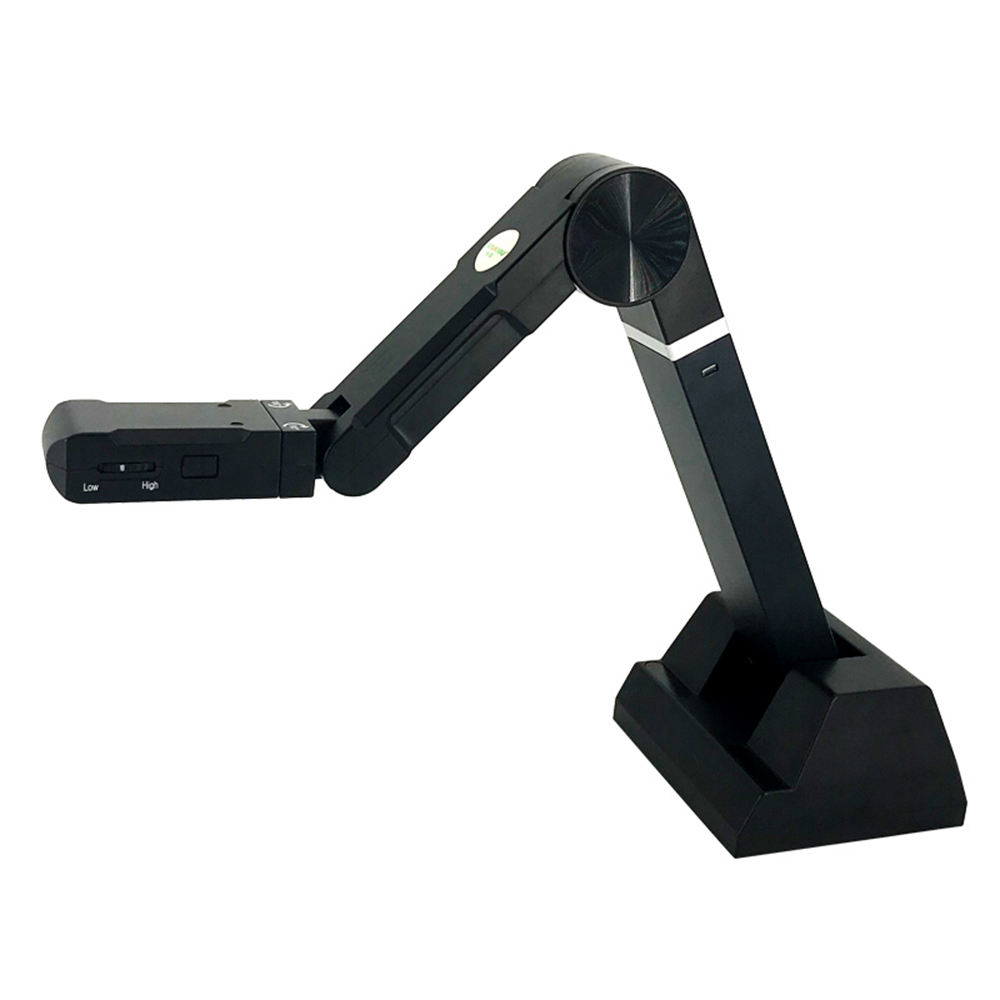
Document Camera High Quality OEM Portable WiFi Camera Scanner Multi-Interface Visualizer for Scanning Book Document
A portable overhead visual presenter for DC public charter schools, substitute teachers, small-group tutoring, and shared classroom devices. WiFi and multi-interface output help staff share worksheets, leveled readers, science demonstrations, and annotated examples without being tied to a fixed lectern.
View product →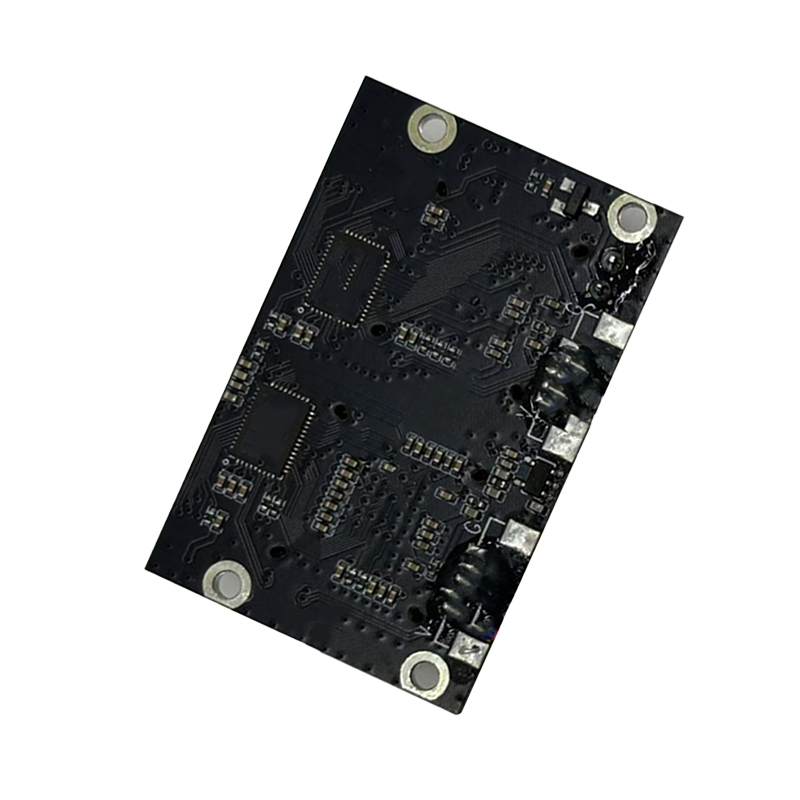
Newly upgraded dual 1080P finger vein palm print recognition facial recognition camera module CMOS sensor
An OEM camera module for integrators building identity verification into university labs, contractor badging desks, reception areas, or access-control systems. Finger vein, palm print, and facial capture should be evaluated as part of a complete privacy, consent, and data-retention design rather than as a camera purchase alone.
View product →
Document Camera Scanner 48MP Usb3.0 Autofocus A3 A4 Office Scanning and Classroom Visualizer
High-resolution A3 and A4 scanning for archives, law libraries, engineering documentation, records-heavy offices, and classroom demonstration. USB 3.0 bandwidth and autofocus help preserve legible detail when staff zoom into fine print, signatures, diagrams, or bound pages.
View product →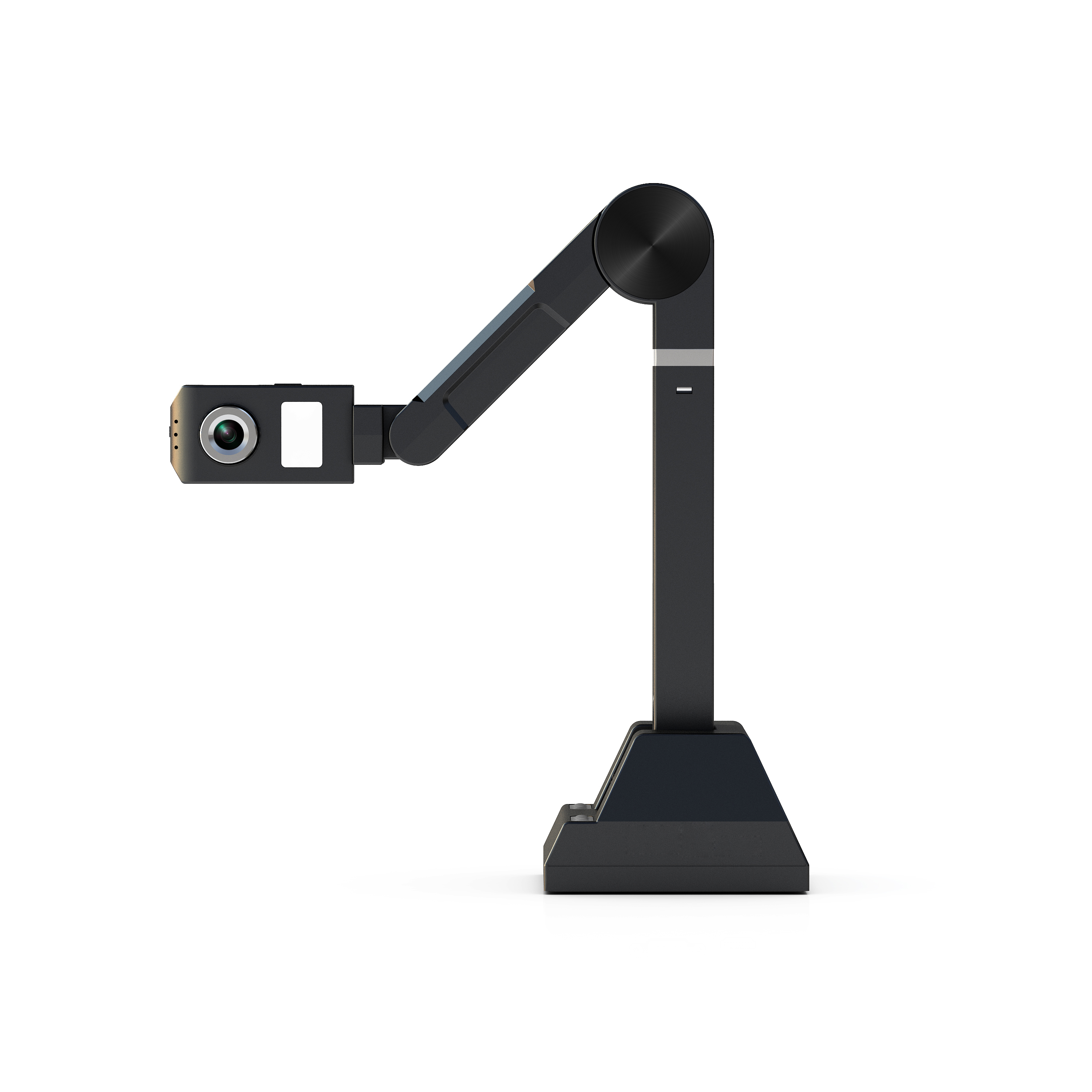
New design HD Camera 8MP 13MP auto focus Document Camera Scanner online educational equipment
A flexible classroom document camera for hybrid lessons, lecture capture, professional development, and remote tutoring. Autofocus and HD output suit District classrooms that alternate between in-person instruction, recorded sessions, and live remote participation.
View product →
China Document Camera A3 Portable Wireless 13mp Visualizer Document Camera
A portable wireless visualizer for mobile teaching, pop-up training rooms, shared-device programs, and substitute-led lessons. The 13MP sensor supports full A3 layouts so educators can present maps, large diagrams, annotated pages, and textbook spreads without recropping the source material.
View product →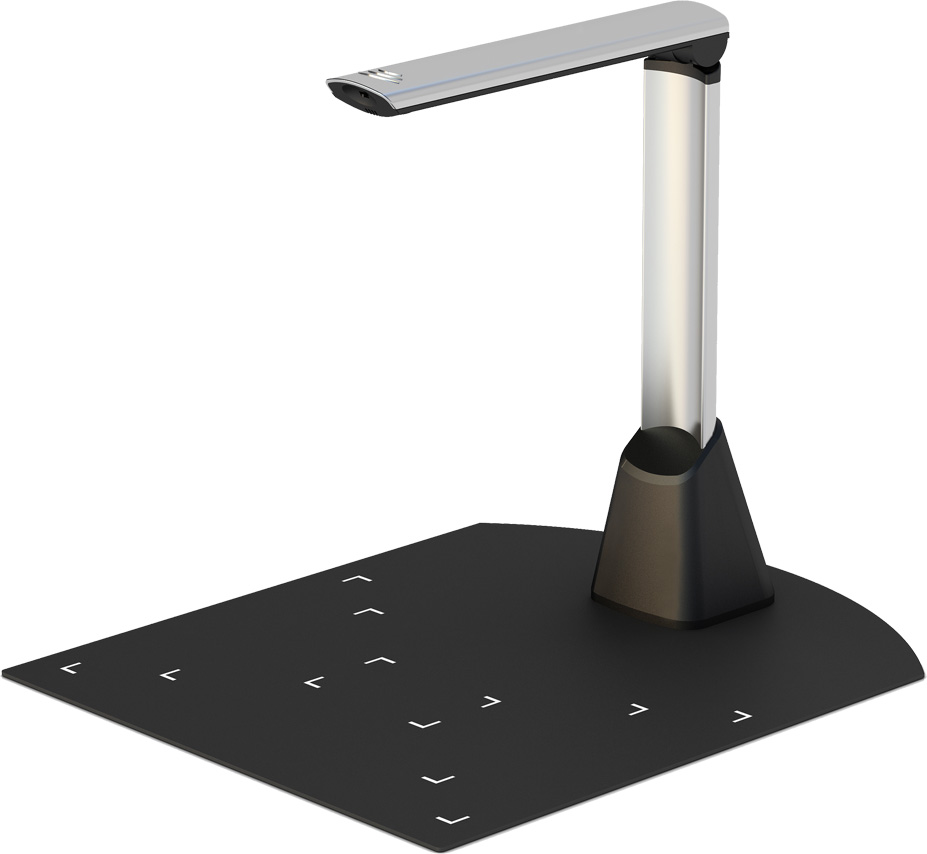
USB OEM A4 Fixed Focus Portable Desktop Document Scanner 13MP for Office Document Scanning
A compact desktop scanner for front counters, notary stations, administrative offices, and document intake points. Fixed focus simplifies high-volume A4 capture where staff need consistent placement, fast training, and a small footprint in tight service areas.
View product →
OEM USB A3 13mp 2 in 1 Education Visualizer Document Camera and Webcam for Education Scanning Book Camera
A dual-purpose document camera and webcam for online tutoring, remote meetings, hybrid seminars, and instructor-facing video. One device can switch between face-to-camera communication and overhead document sharing, reducing peripheral clutter in smaller rooms.
View product →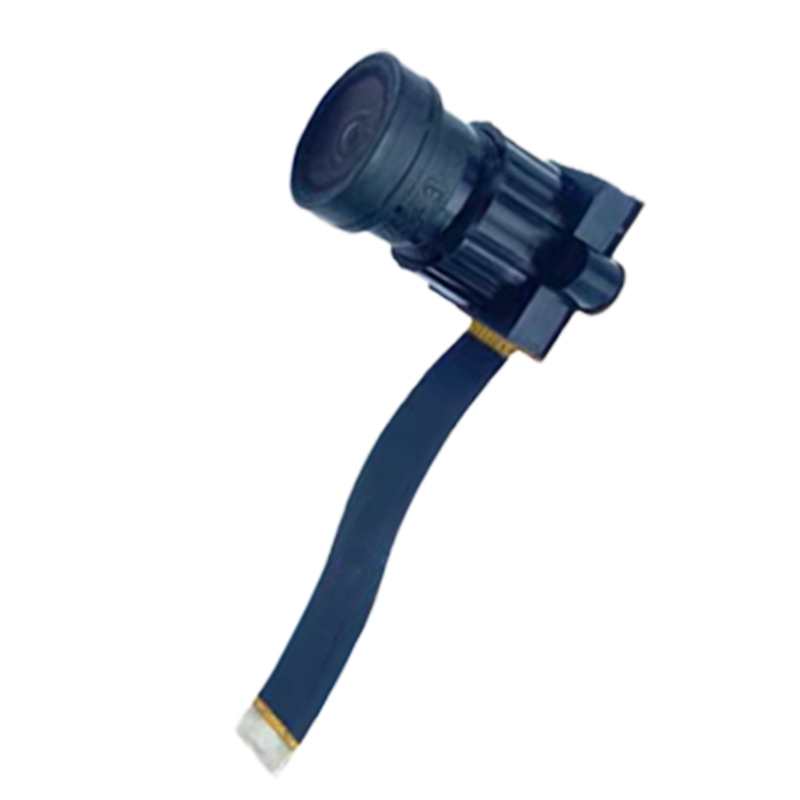
Professional manufacturer's CMOS sensor MIPI camera module 1080P 2K 4K drone wireless video transmission camera module
An embedded camera module for systems integrators working on drones, robotics, inspection devices, wearable prototypes, and custom imaging hardware across the DC technology corridor. Resolution, MIPI interface, power, and enclosure requirements should be matched to the host processor before design freeze.
View product →Why a Washington DC Visual Presenter Purchase Is a Systems Decision
Washington DC is not a single buying market. A District public school classroom, a Georgetown University seminar room, a federal contractor training center in Arlington, a law firm conference room near Farragut Square, and a public-facing service counter in Prince George’s County can all use an overhead visual presenter, but they do not share the same risk profile. Education buyers care about student engagement, device compatibility, and teacher setup time. Government contractors and legal teams care about document legibility, repeatable workflows, and documentation. Libraries and archives care about image fidelity and safe handling of source material. Identity-focused projects care about privacy, integration depth, and module-level support.
An exporter and wholesaler serving this market must therefore do more than quote a camera resolution. The right partner helps the buyer match sensor, lens, lighting, connectivity, software, and mounting to the room; documents what the product will and will not do; and anticipates the procurement, logistics, and support questions that appear after a pilot. That is especially important in the DC metro area, where a single purchase may involve a school district, a purchasing cooperative, a prime contractor, an integrator, and a facilities team.
Information gain matters when every supplier can list similar megapixel counts. A useful proposal should explain capture area, minimum working distance, frame rate, focus behavior, output interfaces, compatible software, power requirements, warranty terms, packaging, and the recommended spare-parts plan. For public-sector buyers, model-level certificates and origin documentation should be confirmed before tender submission rather than after award.
Use the recommendations on this page as a starting point, then validate the exact configuration with a sample in the real room. A successful Washington DC deployment is not simply a camera on a stand; it is a repeatable teaching, document-capture, or identity workflow that staff can operate confidently on the first day and maintain over multiple budget cycles.
Four Checks Before Ordering
- Confirm whether the room needs A4 or A3 capture, and whether the presenter must show an entire page without recropping.
- Test the exact display, adapter, lecture-capture platform, Chromebook, Windows PC, or macOS device used by staff.
- Ask for model-level certificates, dimensions, power data, and packaging information before a tender deadline.
- Plan training, storage, spare adapters, and a named site champion for every multi-room rollout.
How Washington DC-Area Buyers Use Teaching Visual Presenters
The DC market includes the District of Columbia, Northern Virginia, and suburban Maryland. Buyers often need equipment that works across classrooms, conference rooms, public counters, and mobile training programs, not just in one controlled demonstration space.
K–12 Classrooms and Charter Networks
Teachers use overhead visual presenters to project manipulatives, reading passages, handwriting, math worked examples, maps, and science demonstrations. Portability matters where classrooms are shared; USB plug-and-play reduces setup friction; A3 capture helps with large worksheets and reference pages.
Universities and Professional Schools
Lecture halls and seminar rooms need reliable document capture for case discussions, lab notes, annotations, and guest lectures. A 2-in-1 visualizer and webcam supports both presenter-facing video and overhead capture in hybrid courses, while a high-resolution scanner serves libraries and research centers.
Federal Agencies and Contractors
Training rooms, intake desks, and non-classified document review often require clear capture plus controlled workflows. Buyers should confirm funding-source requirements, model origin documentation, software compatibility, and integration limits before a pilot. The visual presenter is one component inside a larger procurement and security review.
Law Firms, Associations, and Nonprofits
Depositions, board packets, membership files, contract review, and policy documents benefit from fast overhead scanning. A compact A4 or A3 unit can reduce meeting delays and make printed records easier to share with remote counsel, committees, or members working from outside the District.
Libraries, Museums, and Archives
Document cameras provide a non-contact way to present fragile pages, maps, photographs, and reference materials to groups. For digitization projects, pair a visual presenter with a high-resolution scanner and a documented file-naming, storage, and retention workflow so that image quality translates into usable records.
Healthcare, Notary, and Service Counters
Patient forms, consent documents, notary records, and identity checks require consistent placement and privacy discipline. Fixed-focus A4 scanners and biometric modules can be integrated into counters when the surrounding process is designed first, including queue flow, staff training, data handling, and device cleaning.
Washington DC Market Trends Shaping Visual Presenter Demand
Buyers in the DC metro area are balancing teaching quality, procurement transparency, device consolidation, and identity workflows. These trends influence which visual presenter or camera module is the right fit.
Hybrid and HyFlex Instruction Is Now Standard
Schools, universities, and workforce programs continue to support remote participants, guest lecturers, and recorded sessions. A visual presenter must work with the existing display, conference platform, and lecture-capture system, not just produce a good image in isolation. Buyers increasingly ask for 2-in-1 document camera and webcam designs that support both instructor video and overhead document sharing.
Procurement Documentation Expectations Are Rising
Public-sector buyers often request specification sheets, dimension drawings, firmware notes, warranty terms, packaging details, and model-level certificates. The product is only one part of the submission. Suppliers that can provide clear, consistent documentation reduce review time and help integrators avoid costly assumptions during tender preparation.
Classrooms Are Consolidating Devices
A 2-in-1 visualizer and webcam can replace separate peripherals in smaller rooms. Portable WiFi devices support shared-device models instead of installing a camera in every classroom. As budgets face more scrutiny, DC-area buyers are looking for equipment that serves multiple teaching modes, is easy to store, and can be moved between rooms without technical support.
Identity and Document Capture Are Converging
Service counters and contractor badging stations increasingly combine document scanning with identity verification. OEM modules give integrators flexibility, but privacy, consent, data retention, and access-control policy need a written plan. The most successful projects separate camera selection from data-governance decisions and test the full workflow before deployment.
Specify the Right Device for a DC Classroom, Counter, or Project
Use this framework to compare offers on workflow fit rather than headline specifications alone. A lower-cost device can become expensive if it does not match the room, software, or support model.
| Buyer Scenario | Recommended Type | Critical Specification | Local Integration Note |
|---|---|---|---|
| Shared elementary classroom | Portable WiFi document camera | 8–13MP, A4/A3, USB plus wireless | Plan charging, secure storage, and a simple display-adapter kit for teachers moving between rooms. |
| University hybrid seminar | 2-in-1 visualizer and webcam | Autofocus, HD or 4K option, UVC compatibility | Test with lecture-capture software and publish a clear recording and privacy notice for participants. |
| Records office or law library | 48MP A3 USB 3.0 scanner | A3/A4 capture, autofocus, high-resolution output | Check desk height, lighting, file output, storage, and retention policy before high-volume rollout. |
| Public service counter | Fixed-focus A4 desktop scanner | Compact footprint, stable focus, simple operation | Design placement, queue flow, and staff training before installation; label each device by site. |
| OEM integration project | CMOS/MIPI or biometric module | Interface, power, SDK support, enclosure fit | Validate with the host processor and document data handling, consent, and retention rules. |
Recommended Decision Weighting
A practical weighting model for Washington DC-metro pilots. Adjust the percentages to match your solicitation, funding source, and support model.

Factory-Direct OEM and Wholesale Support for Washington DC Projects
Shenzhen Eshuni Technology Co., Ltd. has manufactured information collection and identity verification hardware since 2012. The company operates a 3,000 m² production and R&D base in Shenzhen with more than 100 employees, in-house hardware and software development, national patents, and ISO9001-managed quality processes. Product certifications include CE, FCC, RoHS, and China 3C; model-specific certificates should be confirmed during tender review.
Eshuni supports OEM manufacturing, product design services, buyer-label production, and three levels of technical support: product design, project design, and on-site project application. ERP-driven production and supply-chain management help keep specifications and lead times consistent across repeat wholesale orders, while in-house control over core hardware and software helps resolve customization questions without passing the project between unrelated vendors.
Important for DC buyers: Eshuni is a Shenzhen-based export manufacturer, not a Washington DC storefront. Our team supports the DC market through export quoting, sample validation, wholesale and OEM programs, and project documentation. When local installation or on-site training is required, work with your integrator or request a scope discussion before ordering so responsibilities are clear in the quotation.
In-House R&D and Patents
Hardware and software development are handled in-house, with national patents supporting customization and long-term product continuity.
OEM, ODM, and Private Label
Support for buyer-label production, packaging customization, product design, and project-specific documentation for wholesale programs.
ERP-Driven Production
Production and supply-chain management are organized around repeatable specifications, helping protect consistency across multi-site rollouts.
Export Logistics Support
FOB, EXW, and DDP terms can be quoted depending on destination and order size, with documentation prepared for international buyers.
Three-Level Technical Support
Product design, project design, and on-site project application support help integrators move from sample validation to rollout.
Certification Documentation
ISO9001 quality management plus CE, FCC, RoHS, and 3C certification support, with model-specific documents available for review.
From Shenzhen Factory to a Washington DC Classroom or Counter
A clear deployment path reduces surprises for schools, integrators, resellers, and procurement teams.
Scope and Sample
Share the room type, application, quantities, certification requirements, target delivery date, and funding context. We recommend a model, confirm interface details, and quote sample or volume pricing so your team can compare the offer against the actual requirement.
Pilot and Validation
Test the sample with the exact display, adapter, lecture-capture software, network, lighting, and document sizes used in Washington DC. Record the results. The pilot should confirm capture area, focus behavior, setup time, and whether staff can operate the device without specialist support.
Wholesale Rollout
After approval, confirm production schedule, quality inspection, packaging, export documents, Incoterms, warranty, and spare-parts plan. For multi-site deployments, label devices by location and keep a small pool of adapters, power supplies, and replacement units to reduce downtime.
Export, Wholesale, and Local Deployment Questions
These are the questions most commonly raised by education buyers, integrators, resellers, and procurement teams evaluating a visual presenter supplier for the DC market.
Do you ship visual presenters directly to Washington DC, Northern Virginia, and Maryland?
Yes. We quote export shipments to the Washington DC metro area. Most orders move from Shenzhen by air express, air freight, or sea freight depending on volume and deadline. DDP may be available by quotation; otherwise buyers can use FOB or EXW terms with their own freight forwarder. Confirm the delivery address, unloading requirements, and target date before the order is finalized.
Are you a local Washington DC wholesaler with inventory?
We are a Shenzhen-based manufacturer and export wholesaler serving the Washington DC market. We do not claim a local warehouse unless it is confirmed in your quotation. For urgent pilot units, ask about current stock and air shipping. For recurring wholesale programs, we can discuss scheduled production and consolidated shipments with your DC-area integrator or distributor.
What trade terms do you support?
FOB, EXW, and DDP can be quoted depending on destination and order size. The final quotation should state Incoterms, delivery point, duties, taxes, packaging, warranty, payment terms, and the party responsible for customs clearance so procurement teams can compare offers accurately.
Can we order samples before a district or agency rollout?
Yes, sample orders are typically available for evaluation. Test the sample with your actual display, lecture-capture software, Chromebook, Windows PC, or macOS environment, room lighting, and document sizes. Record the test results. A documented pilot strengthens internal approval and helps catch adapter, mounting, or software issues before a larger order is placed.
Do you offer OEM, ODM, and private-label production?
Yes. We support OEM manufacturing, buyer-label production, product design, packaging customization, and documentation coordination. MOQ and tooling requirements depend on the model and customization scope. For best results, provide the target application, expected annual volume, branding requirements, and any software or interface constraints in the first inquiry.
Which certifications and procurement documents can you provide?
The factory operates an ISO9001 quality management system, and products commonly carry CE, FCC, RoHS, and China 3C certifications. Certificates are model-specific. For tenders, request the exact certificate set, test reports, product dimensions, power requirements, and packaging data before submission. For federally funded purchases, confirm origin and funding-rule requirements with your procurement office; do not assume TAA or Buy American compliance without written confirmation for the exact model.
Will your document cameras work with our classroom displays and software?
Most document cameras operate as USB video devices or provide HDMI or WiFi output depending on the model. Compatibility also depends on the interactive whiteboard, lecture-capture platform, display adapter, and room network. Complete a pilot with the exact hardware and software stack. Our team can share interface details before you finalize the specification.
Should we choose A4 or A3, 8MP or 13MP?
Choose A4 when most material fits letter-size pages and desk space is limited. Choose A3 when teachers show maps, large worksheets, engineering drawings, or full textbook spreads. 8MP is adequate for many A4 demonstrations; 13MP gives more headroom for A3 detail, cropping, and zooming. 48MP models are appropriate for high-detail scanning and archival work where file size and workflow can be managed.
What warranty and after-sales support is available?
Warranty terms are confirmed in the quotation and vary by product and order type. Ask for the warranty period, covered components, DOA process, spare-parts availability, and technical escalation path in writing. For multi-school rollouts, plan a small spare pool and label devices by site to simplify support and replacement.
Can you help with a tender specification or pilot proposal?
Yes. Share the application, room type, quantities, target delivery date, funding context, and required documents. We can provide model recommendations, dimensions, interface data, certification details, packaging information, and a quotation. The earlier your team shares the compliance checklist, the more useful the proposal will be.
What is the best model for a hybrid classroom in DC?
For many hybrid classrooms, start with a 13MP A3 wireless visualizer or a 2-in-1 USB document camera and webcam. If the room already has a lecture-capture PC and USB display, a USB model reduces network complexity. If teachers move between rooms, choose a portable wireless model and plan charging. If the instructor must appear on camera and share documents, use a 2-in-1 design.
How do we reduce total cost of ownership?
Standardize on two core models, test one room thoroughly, document setup, train a site champion, and keep spare adapters and power supplies. Buy for the workflow, not only the megapixel count. A clear pilot, labeling system, and training plan often save more time than a small unit-price difference.
Request a Washington DC Wholesale or Project Quote
Send your application, room type, target quantity, certification checklist, and delivery timeline. Our team will recommend a visual presenter or camera module, confirm sample options, and prepare an export quotation for your Washington DC, Northern Virginia, or Maryland project.