Top 10 Classroom Presentation Equipment Manufacturer & Factories for Boston
A localized buyer’s guide to document cameras, wireless visualizers, book scanners and imaging modules for Boston schools, universities, libraries and public-service counters.
Get CatalogWhy Boston Buyers Need More Than a Generic Factory List
Boston’s classroom technology market is shaped by dense university campuses, historic school buildings, multilingual families, rigorous public-sector procurement and a short installation window before the school year begins. A manufacturer that performs well in a catalogue photograph may still fail a Boston deployment if it cannot support USB plug-and-play, 5.8GHz wireless stability, A3 fine-print legibility, product samples, spare parts and documentation review.
Search intent snapshot: the query “Top 10 Classroom Presentation Equipment Manufacturer & Factories for Boston” combines three buyer intents: manufacturer discovery, local deployment validation and product shortlisting. This white paper answers all three with an evidence-based framework rather than a paid ranking badge.
For procurement teams in Boston, Cambridge, Somerville, Brookline, Newton and neighboring districts, the practical question is not simply “who sells document cameras?” It is “which factory can deliver a repeatable visualizer platform that survives IT review, supports accessible instruction, fits existing rooms and arrives before the fall semester?” That is why the strongest classroom presentation equipment manufacturers behave less like box sellers and more like application partners. They understand lesson capture, training rooms, library digitization, hybrid teaching, STEM demonstrations and public-facing identity workflows.
Shenzhen Eshuni Technology Co., Ltd. is presented here as a reference manufacturer within this framework. Buyers should still validate samples, compliance needs and commercial terms. The goal is information gain: a Boston-specific decision model that helps a school district, university department, AV integrator or reseller compare factories with greater confidence.
How the Top 10 Classroom Presentation Equipment Manufacturers Are Evaluated for Boston
A credible “top 10” shortlist is not a popularity contest. For Boston procurement, it should be a 10-point evidence standard covering optical performance, room constraints, compliance, customization and post-sale support.
Education-Specific Optics
Look for A3/A4 capture, autofocus, low-light performance and 8MP, 13MP or 48MP resolution matched to fine print, textbooks and science demonstrations.
Room-Neutral Connectivity
USB plug-and-play, UVC compatibility, HDMI output and 5.8GHz wireless help avoid drilling, cabling and congested school Wi-Fi.
Factory Evidence
ISO 9001 systems, production floor area, staff count, testing workflow and ERP-driven supply-chain management reduce delivery risk.
OEM / ODM Depth
Private label, packaging, firmware, housing adaptation and project design support matter for distributors and university-branded programs.
Certification & Documentation
CE, FCC, RoHS and 3C are baseline signals; confirm whether the district requires UL, ETL or additional electrical documentation.
Boston Deployment Support
Samples, spare parts, RMA process and on-site project application support are especially important before the September installation window.
Trade Terms & Logistics
FOB, EXW and DDP options, packaging strength and delivery experience to North America should be documented before the purchase order.
Privacy & Accessibility Review
For FERPA, COPPA and district IT review, clarify whether capture is local, whether software uploads files and how images are stored.
Total Cost of Ownership
Compare warranty, expected lamp-free life, firmware updates, mount options and teacher training time—not just unit price.
Product Ecosystem
A factory that also produces webcams, book scanners, camera modules and projectors can support a broader classroom and campus imaging roadmap.
Eight Classroom Presentation Equipment Models for Boston Buyers
These product examples cover live teaching, remote learning, book scanning, high-resolution document capture, portable presenting, technical education and OEM imaging projects. Product links are preserved for direct evaluation.
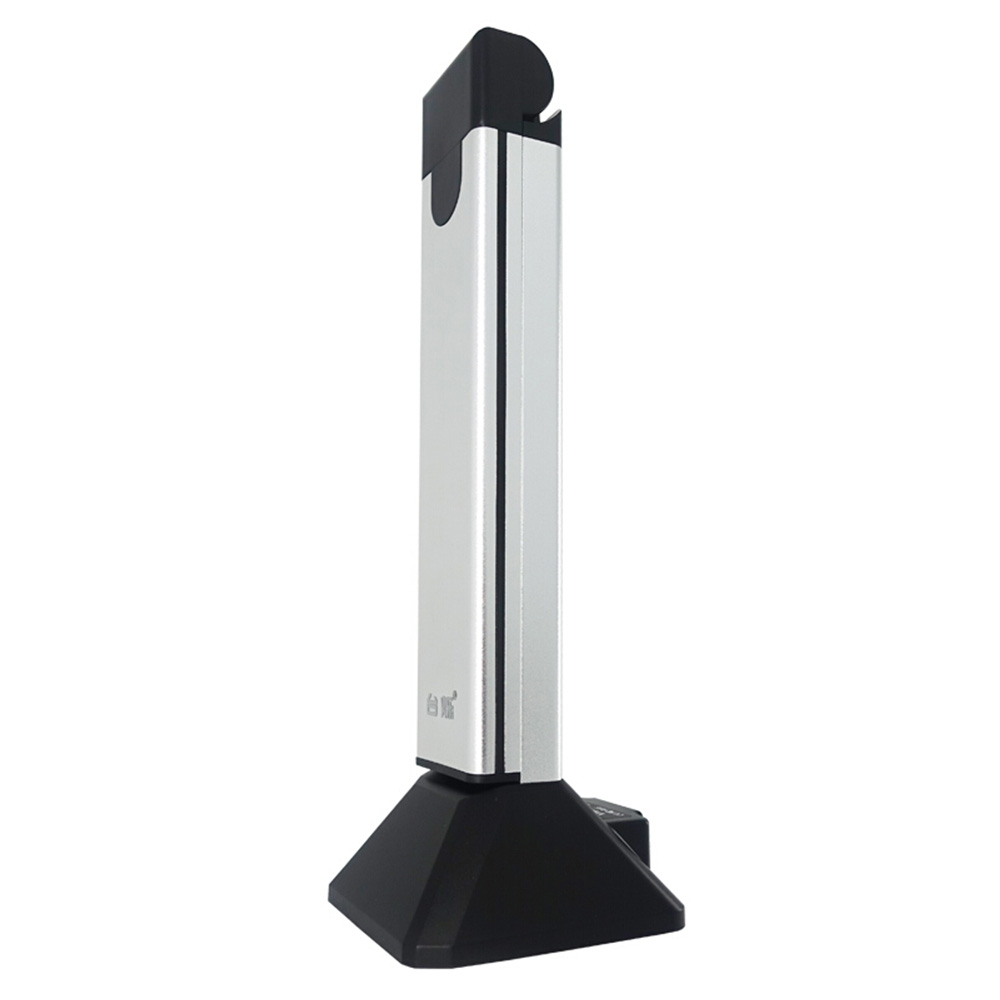
Document camera page camera high speed page scanner for online educational equipment
Best for Boston K-12 hybrid lessons, tutoring and live handwriting demonstrations. High-speed capture helps teachers present math, literacy and science content without breaking lesson rhythm.
View product details →
OEM Document Camera A3 Portable Wireless 13mp Visualizer Document Camera
A portable A3 visualizer for itinerant teachers, shared classrooms and art or architecture reviews. The 13MP sensor supports fine-print readability when the image is displayed on large lecture-room screens.
View product details →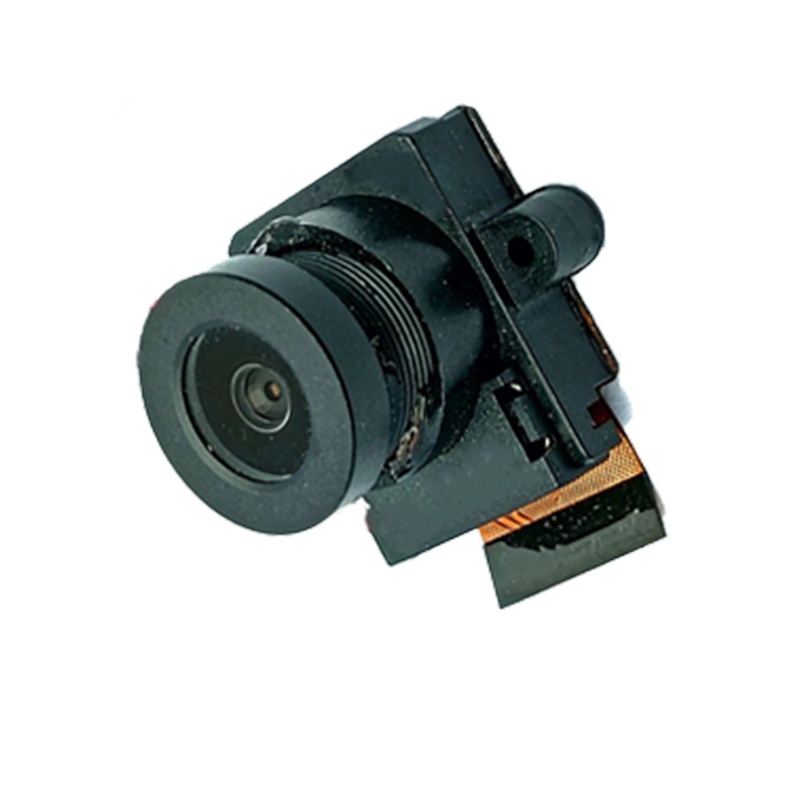
Factory hot-selling 1080p CMOS sensor body camera with HD video/audio recording and night vision
An adjacent imaging tool for CTE media programs, facilities documentation, campus safety training and field observation. Boston buyers should define clear policies before using wearable capture in any student-facing environment.
View product details →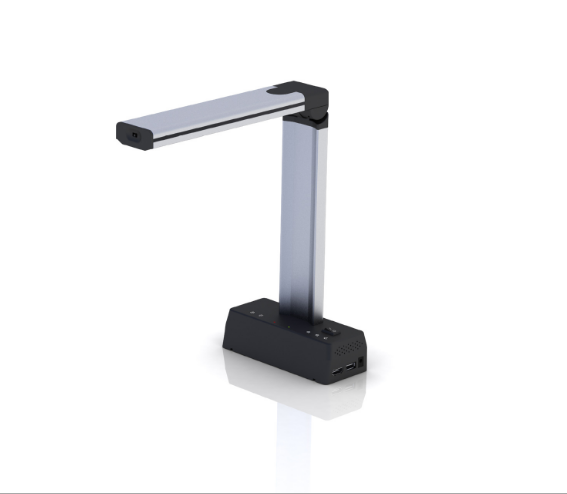
WIFI document camera visualizer wireless 5.8G WIFI OEM ODM Document scanner for education or office
Suited to busy lecture halls, libraries and older Boston buildings where cabling is expensive. The 5.8GHz band is often less congested than 2.4GHz networks, supporting smoother live demonstration.
View product details →
Document Camera Scanner 48MP Usb3.0 Autofocus A3 A4 Office Scanning and Classroom Visualizer
Recommended for higher education labs, engineering drawings, archival pages and detailed materials where every symbol must remain legible after zooming. USB 3.0 supports stable high-bandwidth capture.
View product details →
HD Camera Portable Visualizer Presenter Document Camera for Presentation Equipment Book Camera
A foldable presenter for small-group instruction, library book review and mobile teaching. It fits districts that need a shared device moving between Somerville, Brookline or Newton classrooms.
View product details →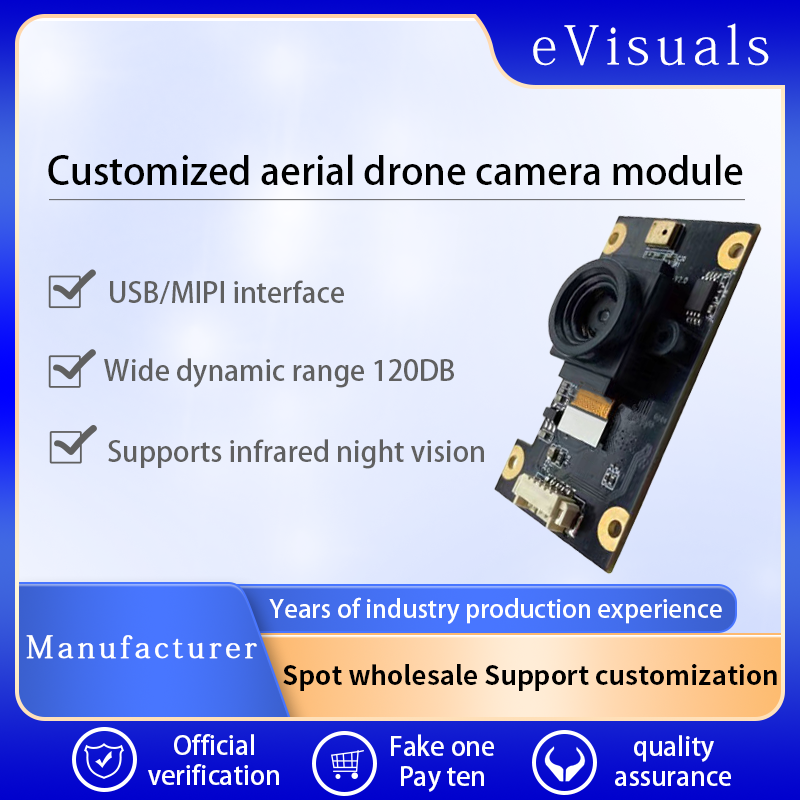
Factory customized 1080p 4K drone wireless video transmission HD aerial photography face recognition camera module
For Boston STEM, robotics, drone and visual-arts programs, this module supports project-based learning and prototype development. Face-recognition features require a separate privacy review before classroom use.
View product details →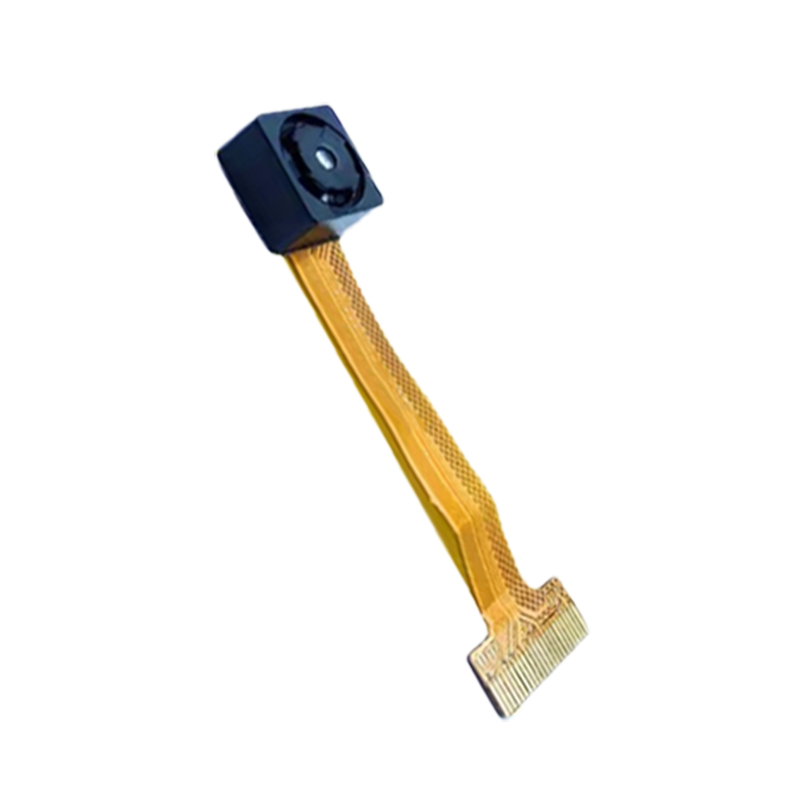
supports 1080P, 2K, 4K pixel camera modules, drone wireless image transmission with night vision and face recognition functions
An OEM camera-module path for universities, integrators and edtech product teams building lab instruments, AR/VR devices or specialized classroom capture tools with custom firmware and packaging.
View product details →Need a different sensor, lens, housing, label or packaging? The exact Get Catalog request can be matched to an OEM/ODM review.
Where Boston Buyers Deploy Classroom Presentation Equipment
Boston-area deployments often involve shared rooms, mixed device fleets and strict privacy expectations. The best product is the one that reduces friction for teachers and IT teams.
K–12 Instruction
For Boston Public Schools and neighboring districts, document cameras make phonics, math manipulatives, science notebooks and multilingual vocabulary visible to every learner without copying worksheets.
University & Lab Capture
Universities across the Boston–Cambridge ecosystem use visualizers for engineering prototypes, anatomy models, lab notebooks and design critiques. A 13MP or 48MP model protects fine detail.
Libraries & Archives
Public and academic libraries need overhead capture for fragile books, maps, microfilm notes and special collections. Portable presenters and book scanners reduce handling while improving access.
Counters & Campus Operations
Dual-camera scanners and high-speed capture support financial-aid counters, identity verification, records offices and service desks where document and person images must be processed efficiently.
Boston Classroom Technology Trends Shaping 2025 Procurement
Boston is not a generic U.S. market. Historic buildings, dense networks, accessibility expectations and research-intensive institutions create specific buying criteria.
HyFlex & Room-Neutral Teaching
Rooms must serve in-person and remote learners without permanent redesign. USB and 5.8GHz wireless visualizers let faculty switch between lecture capture and desk demonstration quickly.
UDL & Accessibility
Universal Design for Learning raises demand for clear, zoomable visuals, readable type and tools that support multilingual learners and students with visual or cognitive needs.
Privacy & Cybersecurity Review
FERPA, COPPA and district IT reviews favor local USB capture, transparent data handling and no unnecessary cloud upload. Face-recognition features should be scoped with legal review.
CTE, Robotics & STEM
Boston’s technical education programs need imaging modules and portable visualizers for drones, robotics, media production and prototype documentation—not just traditional classroom presenters.
What “Local Fit” Looks Like in a Classroom Deployment
A device can be technically capable and still be a poor Boston fit. This scorecard shows how a factory-direct visualizer platform can be assessed against local constraints before a pilot.
Procurement Timing Note
Boston-area schools often plan pilots in spring, validate samples in early summer and schedule installation before late August. Buyers should ask for sample lead time, production capacity, spare-parts availability and a written delivery plan before issuing a district purchase order.

What Shenzhen Eshuni Technology Brings to a Boston Buyer
For buyers comparing factories, the relevant advantage is not a slogan—it is evidence of manufacturing depth, customization support and application experience across education, government and enterprise imaging workflows.
Manufacturing, R&D and OEM/ODM Support Since 2012
Shenzhen Eshuni Technology Co., Ltd. is a manufacturer and solution provider for information collection and identity verification. The company designs and builds high-speed document scanners, video booths, book scanners, identity verification terminals, webcams and camera modules. Its devices support digital transformation in education, finance, insurance, telecommunications, government and enterprise environments.
Backed by a senior R&D team, Eshuni provides three levels of technical support: product design, project design and on-site project application. ERP-driven production and supply-chain management help keep quality consistent and lead times manageable. Core hardware and software are developed in-house and protected by national patents.
For Boston buyers, this matters in practical terms. A school district may need a private-label visualizer with sample units and teacher-friendly packaging. A university lab may need a custom camera module or high-resolution capture device. An AV integrator may need a stable factory source for document cameras, webcams and projectors. Eshuni’s OEM manufacturing, product design and buyer-label production services address those different project paths.
Factory profile: 14+ years of R&D in visualizers, 3,000+ m² of factory space, 100+ employees, national patents, and regular shipments to North America, South America, Western Europe, South Asia and Africa. These are the signals Boston procurement teams can validate during a supplier audit and sample review.
Local Procurement Questions Buyers Ask Before Ordering
These questions reflect common concerns from Boston-area education buyers, AV resellers, university departments and government service teams evaluating classroom presentation equipment manufacturers.
How should Boston buyers verify a “top 10” classroom presentation equipment manufacturer?
+
Do not rely on a badge alone. Ask for factory evidence, sample testing, certification documents, reference projects, product photos, video demonstrations, warranty terms and a written delivery plan. For Boston procurement, also confirm whether the device works with the district’s existing USB, HDMI and network environment.
Which resolution is right for Boston classrooms: 8MP, 13MP or 48MP?
+
An 8MP visualizer is often sufficient for A4 pages, textbooks and routine demonstrations. A 13MP model is better for full A3 sheets and fine detail. A 48MP USB 3.0 scanner is appropriate for engineering drawings, archival materials and university labs where zoomed-in legibility is critical.
Should Boston schools choose USB or 5.8G wireless document cameras?
+
USB models are ideal for fixed desks, teaching stations and plug-and-play computer labs. A 5.8GHz wireless visualizer is useful in older buildings or shared rooms where cabling is difficult and teachers need movement. The 5.8GHz band is generally less congested than 2.4GHz, but IT teams should still test it in the target room.
Can Eshuni support samples, DDP delivery and Massachusetts procurement review?
+
Eshuni regularly supports OEM/ODM buyers and accepts FOB, EXW and DDP terms. For a Boston project, request a sample unit, packaging specification, compliance documents, lead-time estimate and spare-parts plan. School districts should still follow their local purchasing rules, bid thresholds and vendor registration requirements.
What should we ask about FERPA, COPPA and student privacy?
+
Ask whether the document camera stores images locally, whether the bundled software uploads files, where data is processed and whether teachers can operate the device without creating student accounts. For any face-recognition or wearable-camera product, complete a separate privacy and legal review before classroom deployment.
Which certifications and electrical details should Boston buyers request?
+
Request CE, FCC, RoHS and ISO 9001 documentation, and confirm whether the product meets the district’s requirements for UL or ETL in the United States. Also check power adapters, plug type, voltage compatibility, HDMI/USB cable length, warranty coverage and firmware-update process before finalizing the order.
Build a Boston-Ready Classroom Imaging Pilot
Share your classroom, lab, library or counter application. Eshuni can recommend a document camera, portable visualizer, USB 3.0 scanner or OEM camera module based on the capture area, resolution, connectivity and certification requirements of your Boston project.