Top China Wireless Visual Presenter Supplier & Suppliers serving Ho Chi Minh City
Factory-direct visualizers, document cameras and camera modules for schools, integrators and public-sector buyers in Ho Chi Minh City.
Inquire NowWireless Visual Presenters and Document Cameras for Ho Chi Minh City Buyers
Ho Chi Minh City procurement teams rarely buy a visual presenter as a standalone gadget. They are buying a repeatable teaching, service, inspection or verification workflow. These eight models are practical starting points for bilingual schools, universities, training centers, banks, government counters, system integrators and private-label importers comparing a China wireless visual presenter supplier. All original product URLs and image paths are preserved.

HD Camera Portable Visualizer Presenter Document Camera for Presentation Equipment Book Camera
- Portable
- Book camera
- Presentation
HCMC fit: shared-equipment schools and training rooms that need quick workbook, chart and science-demo capture. Confirm USB cable length and request anti-glare lighting for dense classrooms.
View product →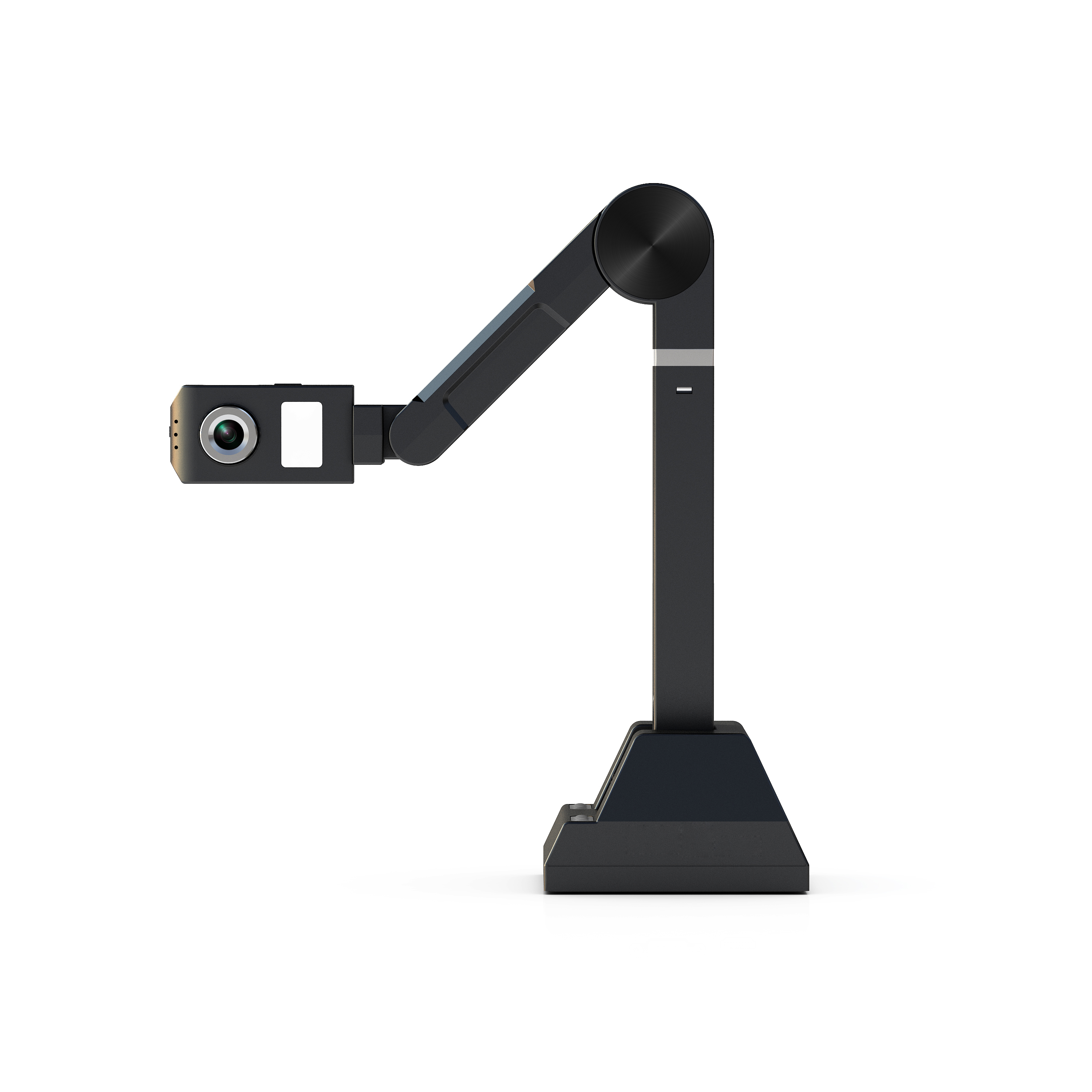
New design HD Camera 8MP 13MP auto focus Document Camera Scanner online educational equipment
- 8MP / 13MP
- Auto focus
- Online education
HCMC fit: online tutoring centers and hybrid university modules needing A4/A3 quiz capture, annotation and LMS streaming. Select 13MP when A3 wall charts or fine print must remain readable after zooming.
View product →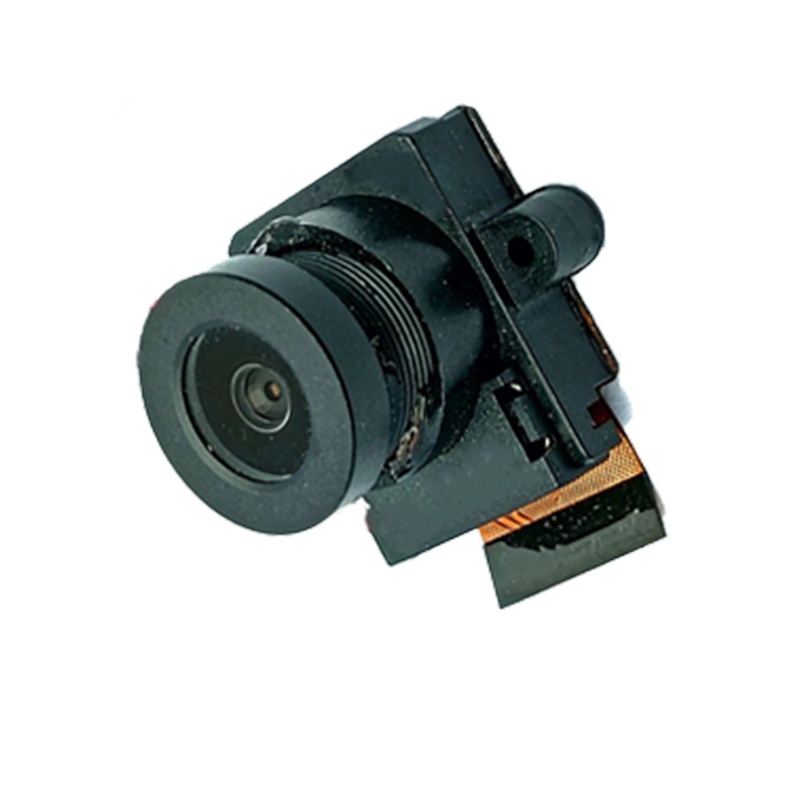
Factory hot-selling 1080p CMOS sensor body camera with HD video/audio recording and night vision
- 1080p CMOS
- Night vision
- Audio/video
HCMC fit: campus security, facility inspection and field-based vocational training. Before piloting, define data-retention rules and obtain consent in line with the deploying organization’s privacy policy.
View product →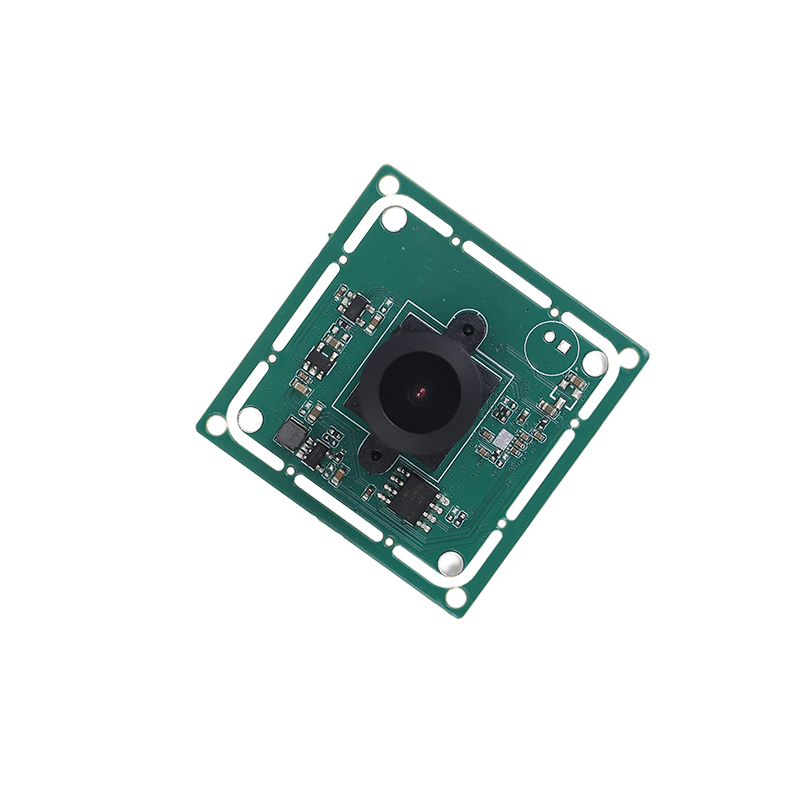
1080P 30FPS USB HD portrait shooting camera module with macro recognition, fixed focus, and optional auto focus
- 1080P 30FPS
- USB module
- Macro option
HCMC fit: kiosk builders, smart lockers, telepresence terminals and industrial/medical inspection prototypes. The module format helps integrators fit a camera into custom enclosures without redesigning the full imaging chain.
View product →
OEM USB A3 13mp 2 in 1 Education Visualizer Document Camera and Webcam for Education Scanning Book Camera
- 13MP
- A3 scanning
- 2-in-1 webcam
HCMC fit: hybrid classrooms that want one USB device for face-to-camera discussion and overhead document sharing. For tender use, specify teacher-facing and student-facing modes in the test script.
View product →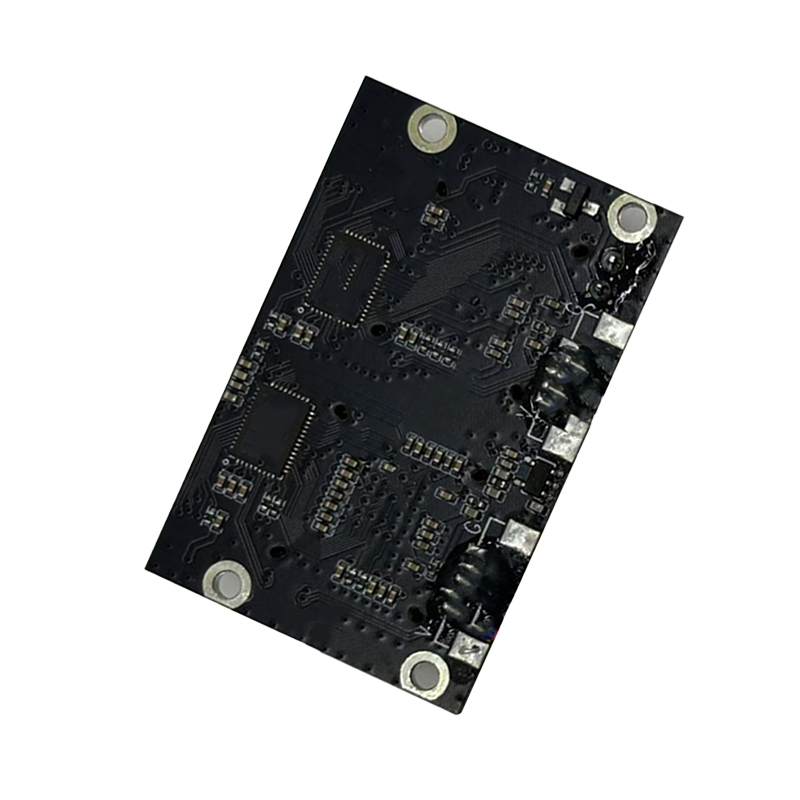
Newly upgraded dual 1080P finger vein palm print recognition facial recognition camera module CMOS sensor
- Dual 1080P
- Biometric
- CMOS module
HCMC fit: banks, data centers, campuses and access-control integrators exploring multi-factor biometrics. Biometric deployments need privacy impact review, consent notices and a clear local support process.
View product →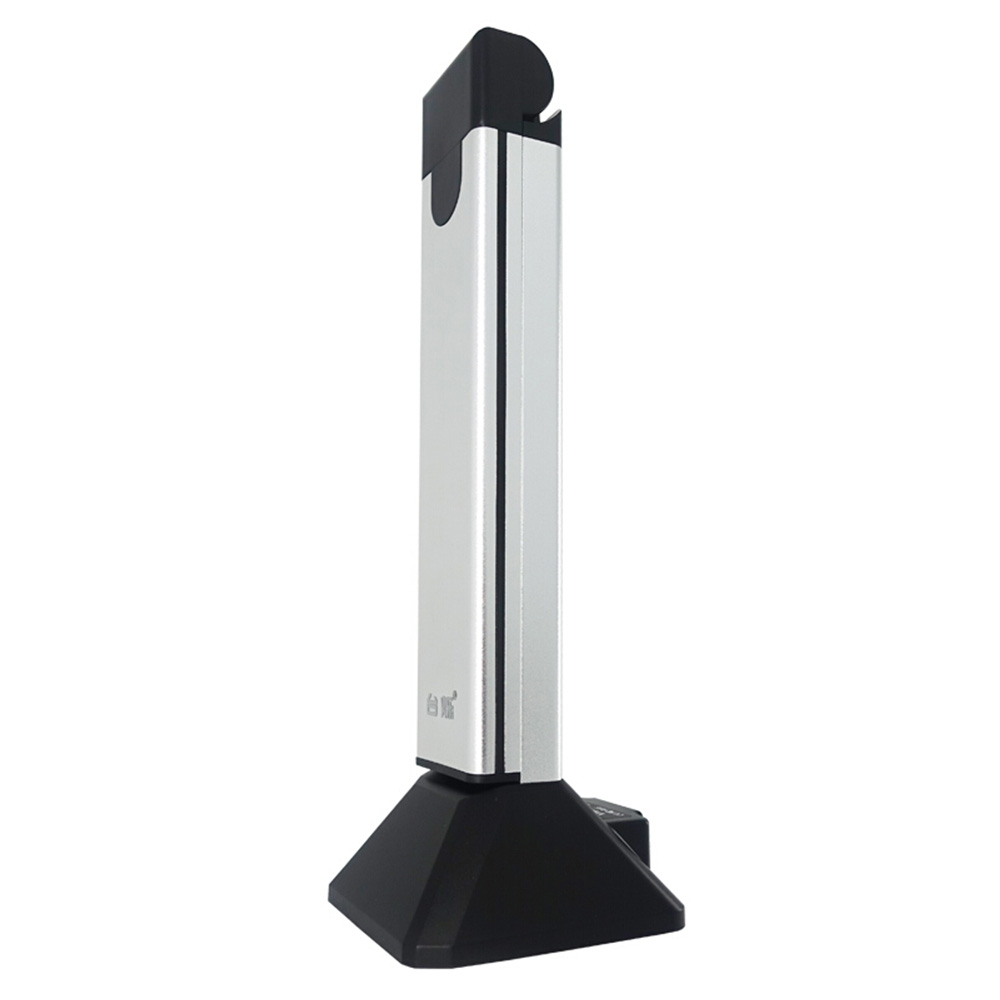
Document camera page camera high speed page scanner for online educational equipment
- High speed
- Page capture
- Education
HCMC fit: library digitization, exam-paper archiving and administrative document capture. Test OCR with Vietnamese diacritics before a large rollout; image capture speed is only one part of the workflow.
View product →
WG133AF-HV V508 VGA/HDMI/USB Three Mode 13MP Document Camera for Teachers, Mac, Windows
- 13MP
- VGA/HDMI/USB
- Mac/Windows
HCMC fit: classroom retrofits where legacy VGA projectors remain in service alongside HDMI and USB laptops. This three-mode design reduces adapter complexity for schools with mixed AV equipment.
View product →Why a China Wireless Visual Presenter Supplier Matters in Ho Chi Minh City
Ho Chi Minh City concentrates bilingual K-12 schools, universities, vocational colleges, corporate training centers, banks, government service counters and technology integrators. Each environment demands different image quality, connectivity and after-sales support.
A China supplier is not automatically the right supplier. HCMC buyers should evaluate five layers together: the imaging chain, the classroom or counter workflow, the local power and AV environment, wireless compliance for Vietnam, and the practical route for samples, spare parts and warranty. A visual presenter that performs well in a Shenzhen showroom must still survive a tropical logistics cycle, a school network policy and repeated daily handling. The most useful RFQ therefore asks for test reports, recommended operating conditions, cable and adapter options, Vietnamese-language quick-start documentation, warranty terms, and a pilot plan with real teachers or counter staff. The lowest quoted unit price is often not the lowest total cost once adapters, replacement lamps, missing dongles, training time and downtime are counted.
Bilingual K-12 and International Schools
Teachers need instant focus on workbooks, manipulatives and wall charts, then a clean switch to face-to-camera discussion. Wireless models help when classrooms are shared and teachers move between rooms; USB 2-in-1 models simplify fixed hybrid-teaching desks.
Universities, STEM Labs and Vocational Colleges
Engineering drawings, component inspection, medical training models and lab demonstrations benefit from 13MP resolution and macro focus. Buyers should test lens working distance, frame rate under room lighting and compatibility with lecture-capture software.
Corporate Training and Co-Working Spaces
Sales teams, design studios and training providers use document cameras for product samples, sketches and contract walkthroughs. USB plug-and-play reduces setup time; HDMI and VGA options keep older meeting-room projectors useful.
Banks, Insurance and Telecom Counters
KYC, contract capture and identity verification require controlled image capture, clean document copying and an auditable workflow. Dual-camera or ID-capture modules are relevant when the tender requires simultaneous document and applicant review.
Government Service Counters
Public-service teams need document capture that is quick to learn, repeatable for high-volume counters and compatible with existing case-management systems. Privacy notices, user access control and data-retention rules should be part of the project design.
Libraries and Document Digitization
Book scanners and high-speed page cameras should be tested against curved pages, glossy paper, handwriting and Vietnamese diacritics. OCR accuracy depends on lighting, lens quality, resolution and the software stack, not only the sensor headline.
Ho Chi Minh City Visual Presenter Trends That Affect Specification
Local demand is shifting from “one camera in a classroom” toward connected, mobile and workflow-specific imaging hardware. These four trends are especially relevant to importers and tender writers.
Hybrid Teaching and LMS Integration
Schools increasingly expect visualizers to work with Google Meet, Microsoft Teams, Zoom and local LMS platforms. Procurement should test not just image quality but driver-free USB operation, microphone independence and stable frame rate during screen sharing.
Mobile Teaching and Shared Rooms
Portable visual presenters and 5.8GHz wireless models are gaining attention in crowded campuses where equipment must move between rooms. Buyers should validate the wireless link in the actual room, because dense Wi-Fi environments and AV cabinets can affect installation choices.
STEM, Healthcare and Fine-Detail Training
Robotics, electronics, dental models and nursing training require close-up clarity. Macro focus, 13MP capture, HDMI output and flexible lighting are becoming stronger differentiators than basic 1080p resolution alone.
Digital Government and Counter-Based KYC
Public-service digitization and financial KYC continue to push identity-capture projects. Decision makers are asking for dual-camera document scanners, face/palm modules and clearer data-governance documentation, not only hardware delivery.
8MP vs 13MP, USB vs 5.8 GHz Wireless, A3 vs A4: A Practical Buyer’s Guide
These comparison points help HCMC buyers distinguish real operational differences from catalog claims. The fit percentages are illustrative procurement aids, not laboratory benchmarks.
Resolution: An 8MP sensor is usually sufficient for A4 pages, textbooks and live classroom demonstrations. Choose 13MP when the project involves full A3 sheets, engineering drawings, small labels, detailed handwriting or archival scans that must remain legible after zooming.
Connection: USB models are plug-and-play and draw power from the computer, which is ideal for fixed desks and counters. 5.8GHz wireless models give teachers freedom to move; they can be less congested than 2.4GHz links, but the buyer should still test room coverage and verify Vietnam regulatory requirements for wireless equipment.
Compatibility: Do not remove legacy inputs from a tender too quickly. Many HCMC classrooms still operate VGA projectors alongside HDMI displays and USB laptops. A three-mode document camera can reduce adapter confusion and training time.
| HCMC Buyer Scenario | Recommended Configuration | Why It Fits the Local Workflow | Commercial Check |
|---|---|---|---|
| Bilingual K-12 classroom | 13MP A3 wireless visualizer or 2-in-1 USB document camera | Teachers move between rooms and need fast focus on charts, books and student work. | Confirm anti-theft mounting, spare dongles and teacher training materials. |
| University STEM or medical training lab | 13MP auto-focus visualizer with HDMI/USB and macro capability | Fine details such as circuits, components and anatomical models must stay clear. | Test lens working distance and frame rate under actual room lighting. |
| Library or exam-paper digitization | 8MP/13MP auto-focus page scanner or high-speed page camera | High-volume capture benefits from stable focus, simple software and consistent lighting. | Test OCR with Vietnamese diacritics and review file-format requirements. |
| Bank, telecom or government counter | Dual-camera document scanner, ID scanner or biometric module | Document and applicant capture often need to be reviewed together for KYC or service records. | Clarify privacy notices, data retention and local technical support. |
Eshuni’s Advantages for OEM and Private-Label Buyers
Shenzhen Eshuni Technology Co., Ltd. is a manufacturer and solution provider for information collection and identity verification. Founded in 2012, the company designs and builds high-speed document scanners, video booths, book scanners, identity verification terminals, webcams and camera modules.

The company’s devices support digital transformation in education, finance, insurance, telecommunications, government and enterprise. Backed by a senior R&D team, Eshuni provides three levels of technical support: product design, project design and on-site project application. This helps distributors and project integrators adapt a standard visualizer into a solution that matches the classroom, counter or document workflow.
ERP-driven production and supply-chain management support consistent quality and shorter lead times. Core hardware and software are developed in-house and protected by national patents. For HCMC importers and regional brands, Eshuni can support OEM manufacturing, private-label production, logo and packaging customization, firmware adaptation and buyer-specific documentation.
The factory operates an ISO9001 quality management system, and products carry CE, FCC, RoHS and China 3C certifications. Export terms include FOB, EXW and DDP, with regular shipments to North America, South America, Western Europe, South Asia and Africa. For Ho Chi Minh City projects, the commercial team can coordinate sample validation, volume production and shipping instructions through the buyer’s freight forwarder or agreed delivery terms.
Local Procurement Checklist for Ho Chi Minh City Importers
Use this checklist to reduce rework between supplier, freight forwarder, importer and end user. It is especially useful for first-time visual presenter procurement or mixed-model tenders.
Compliance & Documentation
Confirm commercial invoice, packing list, bill of lading, certificate of origin where applicable, model labels, test reports and warranty terms. For wireless products, check Vietnam MIC-related requirements and keep the exact frequency band on file.
Power, Plug and AV Compatibility
Vietnam uses 220V/50Hz with common Type A/C plugs. Request universal adapters or suitable power accessories, then verify projector inputs, cable lengths, USB extension stability and laptop operating systems used by teachers or counter staff.
Tropical Logistics Protection
Plan for humidity and condensation during sea freight. Request moisture-barrier packaging, desiccant, shock-resistant cartons and clear storage guidance. For campus deployment, keep spare lenses, cables and quick-start sheets in HCMC rather than shipping one-offs.
After-Sales and Training
Clarify DOA policy, warranty period, spare-parts availability, firmware update process and RMA route. For schools, an English or Vietnamese quick-start guide and a short train-the-trainer session often improve adoption more than adding another hardware feature.
Ho Chi Minh City Procurement FAQs
Common questions from schools, importers, integrators and public-sector buyers evaluating a China wireless visual presenter supplier.
Can Eshuni supply wireless visual presenters and document cameras to Ho Chi Minh City?
Yes. Eshuni supplies document cameras, visualizers, webcams, book scanners, ID scanners, biometric camera modules and related imaging hardware. The team supports FOB, EXW and DDP discussions and can work with an importer’s freight forwarder for delivery to Ho Chi Minh City, Cat Lai, Cai Mep or a nominated warehouse. For first orders, request an itemized quotation covering product, accessories, packaging, documentation and shipping terms.
What is the MOQ for OEM private-label visual presenters?
MOQ depends on the model, customization level and whether the buyer requires logo printing, custom packaging, firmware changes or a new housing. Sample orders are normally possible before volume production. For accurate pricing, share the target model, expected annual volume, label artwork, manual language and whether the order is for retail distribution, a school tender or a system-integration project.
Are CE and FCC certificates enough for importing wireless devices into Vietnam?
Not necessarily. CE and FCC marks support international compliance but do not automatically replace Vietnam’s local requirements for wireless products. Importers should verify with their freight forwarder, customs broker or regulatory consultant whether MIC certification, declaration or other documentation applies to the exact model and frequency band. Eshuni can provide available test reports and product documentation to support the buyer’s compliance review.
Should a Ho Chi Minh City school choose 8MP or 13MP?
Choose 8MP for A4 textbooks, worksheets, live demonstrations and fixed document-capture stations where file size and processing speed matter. Choose 13MP when the lesson involves A3 charts, engineering drawings, small components, handwriting or archive scans that must remain sharp after zooming. For a mixed campus, pilot both resolutions in the same room and compare with the school’s projector, display and lesson-capture software.
What is the practical difference between USB and 5.8GHz wireless visual presenters?
USB models are simple to deploy at fixed desks and counters because they draw power from the computer and are usually plug-and-play. Wireless 5.8GHz models allow teachers to move around the room and reduce cable clutter, but the buyer should validate room coverage, receiver placement and local wireless compliance. A wireless visualizer link is not the same as internet Wi-Fi; it does not by itself provide cloud access or LMS streaming.
Can the product support Vietnamese manuals or buyer-specific packaging?
OEM and private-label support can include logo, packaging, labels, quick-start documentation and selected firmware or software adaptations, subject to model and order volume. For HCMC projects, providing Vietnamese or bilingual quick-start instructions, a spare-parts list and a simple troubleshooting sheet can reduce support calls. Final customization scope should be confirmed in writing before production.
How should we protect visual presenters during tropical shipping to HCMC?
Specify moisture-barrier packaging, desiccant where appropriate, shock-resistant cartons and clear storage guidance. Sea freight can create condensation risk, so the importer should plan for dry storage after arrival and avoid leaving cartons in humid spaces before installation. For campus rollouts, keep spare cables, remote controls and lens-cleaning accessories locally.
What is the usual sample and production process for a first order?
A practical sequence is: share the application, room photos and tender specification; receive a model recommendation; order samples; test with actual teachers or counter staff; confirm packaging, labels and documentation; place the production order; approve pre-production details; and arrange shipment through the agreed trade term. Lead time should be confirmed against the exact model, customization scope and current production schedule rather than assumed from a catalog.
Ready to Specify a Visual Presenter Project for Ho Chi Minh City?
Send your classroom, counter or OEM requirements, target quantity and delivery preference. Eshuni’s team can recommend the right sensor, connectivity, housing and packaging options for a HCMC-ready pilot or volume order.
Inquire Now