USB Document Scanners, Visualizers, and Camera Modules for Detroit Buyers
This eight-product selection combines classroom document cameras, portable USB visualizers, book scanners, and embedded camera modules. Each product link is preserved from the factory catalog, and Detroit buyers can request a sample, volume quotation, DDP review, or OEM customization plan through the inquiry button.
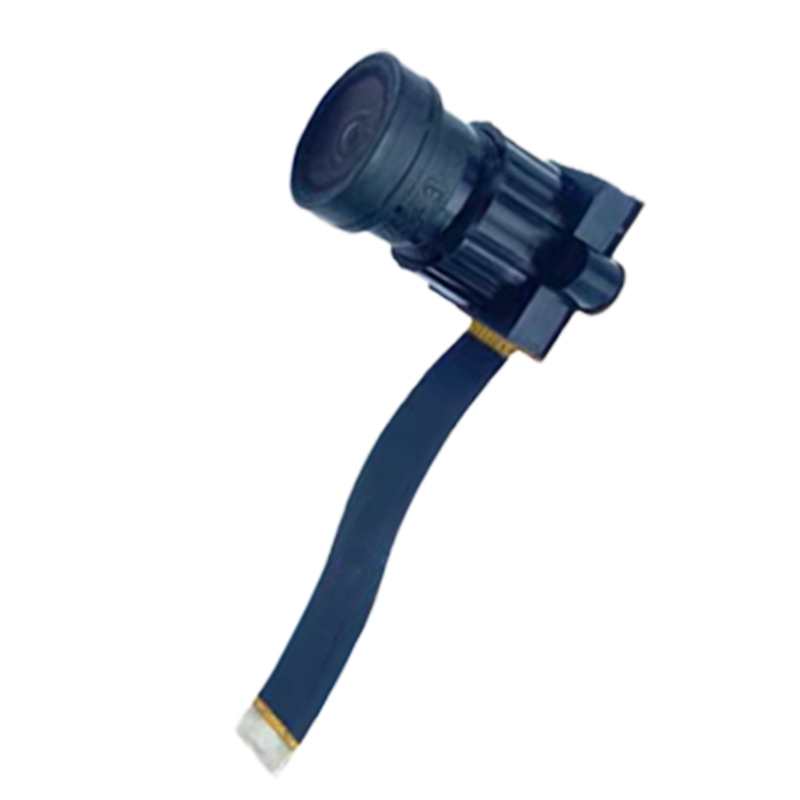
Professional CMOS Sensor MIPI Camera Module — 1080P / 2K / 4K
- MIPI
- 1080P–4K
- Drone video
A compact imaging module for drone, robotics, and embedded vision teams that need stable wireless video transmission and flexible integration.
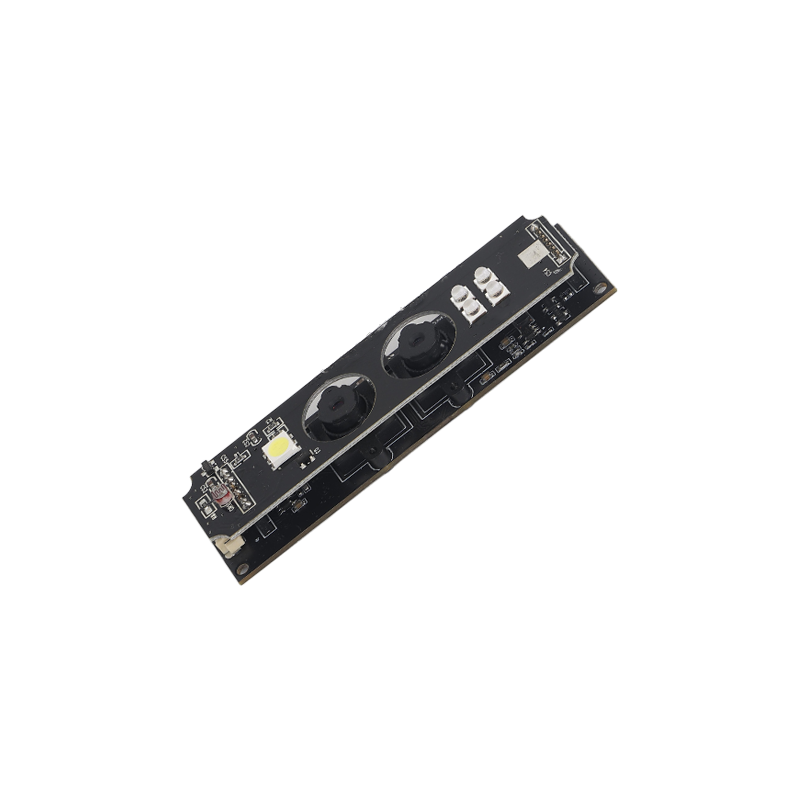
1080P / 2K / 4K HD Binocular Wide Dynamic Camera Module
- Binocular
- WDR
- Auto/fixed focus
Built for stereo vision, kiosk imaging, and quality-documentation fixtures that need balanced exposure in mixed office or warehouse lighting.

A3 Portable 13MP Wireless Document Camera
- 13MP
- A3 capture
- Wireless
A high-resolution visualizer for full A3 textbooks, maps, engineering drawings, and bound pages where fine print must remain legible after zooming.
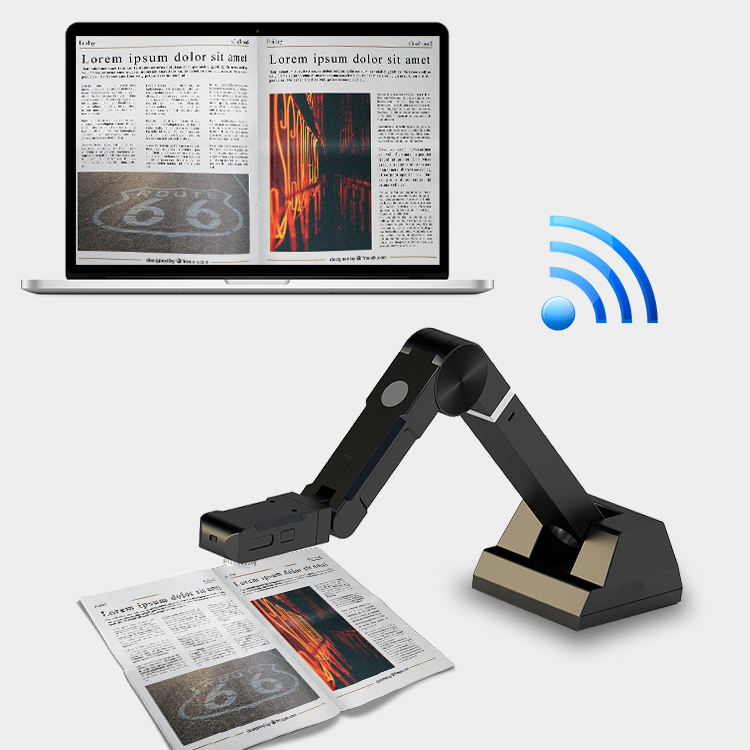
OEM USB Portable Smart Camera Visualizer — WiFi A4 / A3
- USB/WiFi
- A4/A3
- OEM
An OEM-ready visualizer for education and office workflows, with options for logo, packaging, housing, and firmware review on qualified projects.
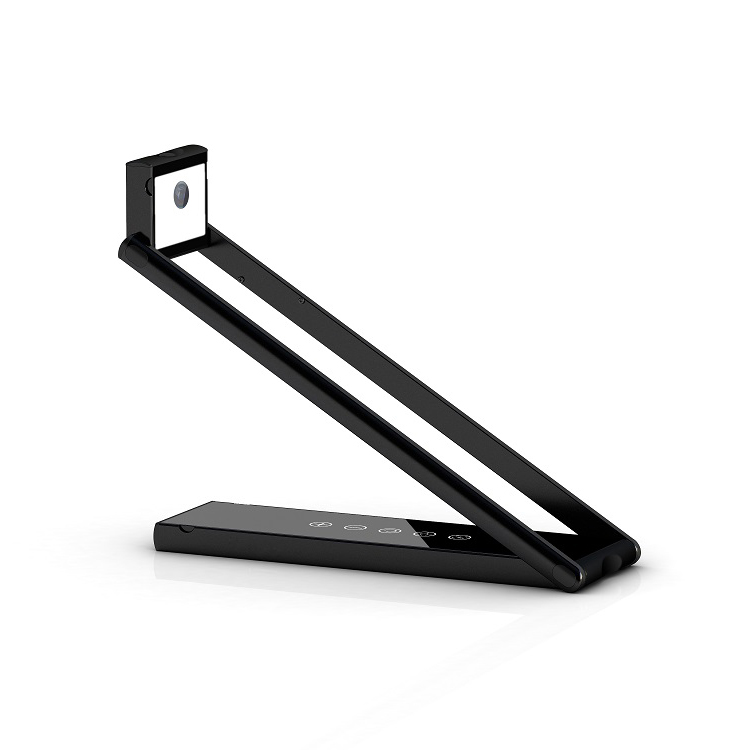
Education Visual Presenter Document Camera Scanner — A3 Books and Paper
- A3
- Book scanner
- Classroom
Designed for live instruction and document capture at the point of teaching, including textbooks, worksheets, and paper records.
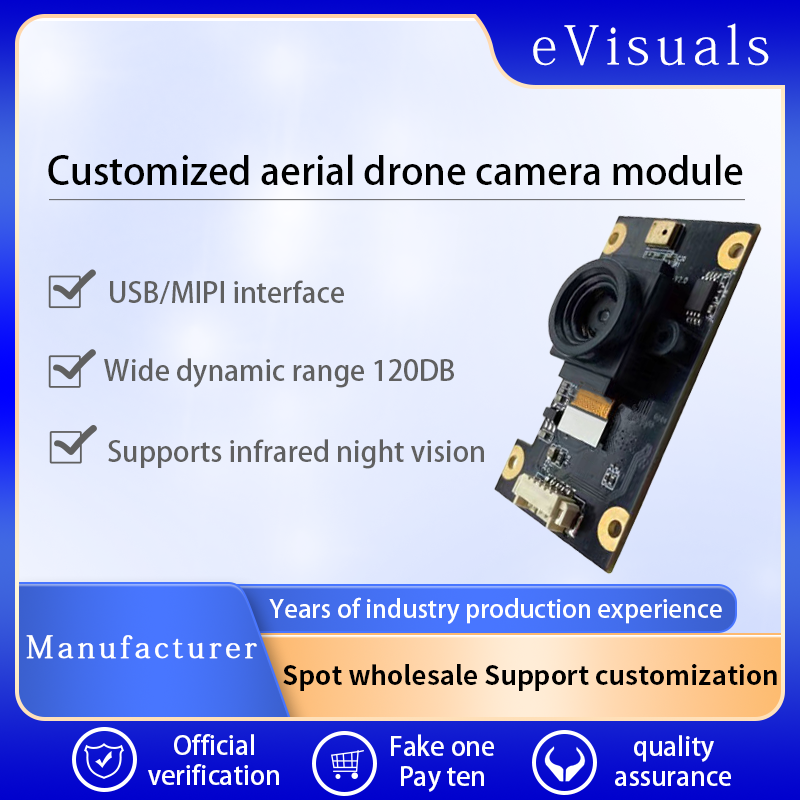
Factory Customized 1080P / 4K Drone Wireless Video Transmission Camera Module
- 1080P/4K
- Wireless
- Customized
A customizable platform for aerial imaging, wireless transmission, and face-recognition development where board form factor and interface planning matter.
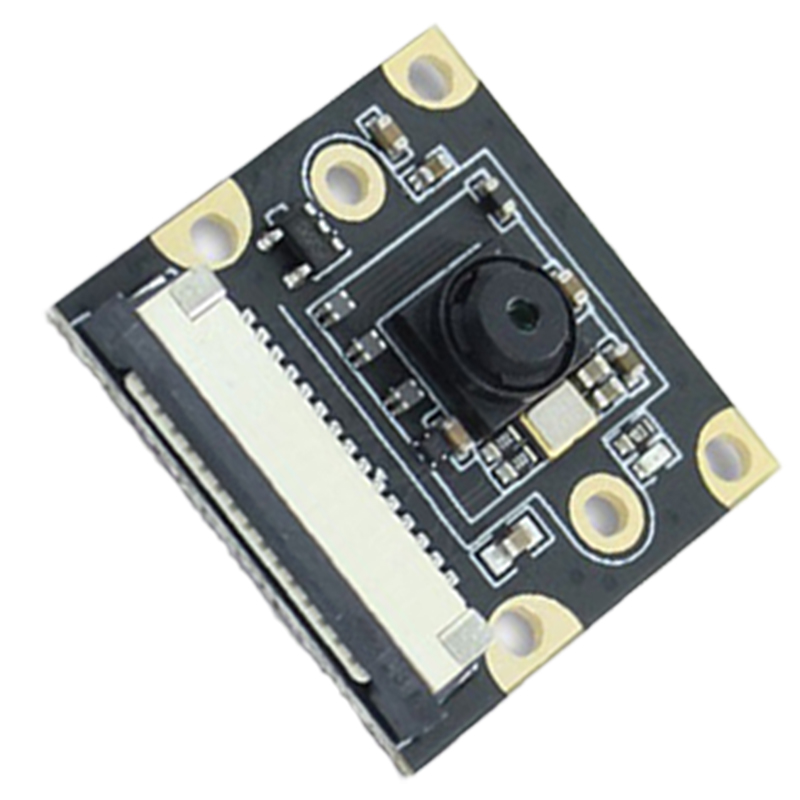
1080P / 2K / 4K Camera Module for NVIDIA Development Boards
- NVIDIA
- Adjustable focal
- 1080P–4K
A development-friendly module for edge-AI prototyping, automation, optical inspection, and vision-logic testing in Southeast Michigan labs.

1080P 30fps USB2.0 CMOS Camera Module — Ultra-Low-Light WDR
- USB2.0
- WDR
- Low light
A monocular USB camera module for embedded kiosks, low-light inspection, and document-capture enclosures that require plug-and-play USB interoperability.
Factory Signals Detroit Buyers Can Verify Before Ordering
The word “trusted” should be supported by evidence. Eshuni has focused on information capture and identity verification hardware since 2012, with an in-house R&D team, ERP-driven production, and export experience across major regions.
Focused experience in document cameras, visualizers, scanners, webcams, and camera modules.
Production and assembly capacity supported by supply-chain planning and quality control.
Engineering, production, quality, and sales teams supporting OEM and private-label projects.
Regular shipments to North America, South America, Western Europe, South Asia, and Africa.
Why Detroit Organizations Choose Eshuni as Their Document Camera Factory
Detroit procurement teams compare more than unit price. They evaluate image quality, software compatibility, certifications, customization depth, after-sales responsiveness, and the supplier’s ability to support a long-term program.
In-house R&D and Own IP
Our engineering team supports product design, project design, and on-site project application. Core hardware and software are developed in-house and protected by national patents, reducing integration risk for Detroit education and public-sector projects.
Quality System and Certifications
The factory operates an ISO9001 quality management system. Products can carry CE, FCC, RoHS, and China 3C certification documentation to support US buyer compliance reviews, tender packets, and school district vendor onboarding.
OEM, ODM, and Private Label
Buyers can discuss buyer-label production, packaging, logo placement, housing changes, firmware requirements, and accessory planning. This is valuable for Detroit distributors and integrators building a branded USB document scanner line.
ERP-driven Production Control
ERP-driven production and supply-chain management help keep quality consistent and make lead times more predictable for repeat orders, school-year deadlines, and phased municipal rollouts.
Application-first Engineering
We serve education, finance, insurance, telecommunications, government, and enterprise workflows. That experience helps Detroit buyers select the right sensor, lens, focus mode, and capture area instead of over-specifying a device.
Global Trade Support
We accept FOB, EXW, and DDP delivery terms and support buyers across North America, South America, Western Europe, South Asia, and Africa. Detroit projects can be quoted with landed-cost planning and Eastern Time communication.
Localized USB Document Scanner Applications in Detroit and Southeast Michigan
Document capture is not a single job. A Detroit classroom, county counter, automotive supplier, library, and telehealth team each need a different balance of capture area, resolution, connection type, and deployment simplicity.
Detroit K–12 and Charter Schools
Teachers use USB document cameras to project worksheets, math steps, science specimens, and textbook pages during live instruction. A3 models help with full spreads and large diagrams, while USB plug-and-play reduces setup time in shared classrooms.
Libraries, Archives, and Genealogy
Public libraries and historical collections can use visualizers for book pages, maps, photographs, and restricted documents. Auto-focus and wide dynamic range help manage glare, uneven page curvature, and mixed lighting without expensive flatbed workflows.
Wayne, Oakland, and Macomb County Service Counters
Municipal clerks, permit desks, and public-service counters can capture application forms, supporting documents, and identity records. A USB scanner can be integrated into existing workstation software or paired with ID-capture hardware for higher-assurance verification.
Legal, Insurance, and Financial Intake
Law firms, claims teams, banks, and credit unions can digitize contracts, correspondence, receipts, and identity documents at the point of service. Clear captures reduce back-and-forth, improve case files, and support audit-ready document workflows.
Automotive and Advanced Manufacturing
Detroit’s automotive ecosystem relies on inspection records, supplier documentation, engineering drawings, and quality evidence. Camera modules with WDR, low-light performance, adjustable focus, and USB/MIPI interfaces can support machine-vision prototypes and documentation stations.
Healthcare, Telehealth, and Small Business
Clinics and small businesses can use document cameras for intake forms, insurance cards, product demonstrations, and remote consultations when configured under the buyer’s privacy and compliance program. USB models minimize training and avoid network dependency.
Detroit and Southeast Michigan Trends Reshaping Document Capture
Buyers in Detroit are not only replacing scanners; they are redesigning workflows around hybrid instruction, digital records, identity assurance, and manufacturing quality evidence. These trends influence the specification of USB document scanners and camera modules.
Hybrid Teaching Is Now a Baseline Requirement
Schools increasingly expect classroom cameras to work with video-conferencing and learning-management tools. UVC-compatible USB document cameras reduce driver issues and help teachers move between in-room projection and remote sharing without reprogramming devices.
Public Records Modernization Continues
County and municipal offices continue to digitize paper-heavy processes. A document camera can serve as a low-friction capture station for forms and supporting evidence, especially where a flatbed scanner is too slow or cannot handle bound documents.
Identity Verification Moves to More Service Points
Banks, telecom stores, and government counters need fast identity capture and document review. While ID scanners and face-recognition gate controllers are separate product lines, they share the same engineering focus on image clarity, lighting control, and reliable integration.
Automotive Quality Documentation Demands Better Imaging
Manufacturing teams need legible records of labels, drawings, defects, and supplier paperwork. Wide dynamic range, low-light sensitivity, and adjustable focal length help camera modules perform in inspection booths and engineering labs.
Chromebook and USB-C Classrooms Need Simplicity
As Detroit districts expand device choices, buyers prioritize plug-and-play compatibility over proprietary software. USB visualizers that present as a standard camera are easier to deploy across Windows, macOS, ChromeOS, and Linux environments.
Procurement Teams Want Total Landed Cost Transparency
Price alone is not enough. Buyers ask for DDP options, certification documents, packaging readiness, spare-parts planning, and predictable lead times. Suppliers that answer these questions upfront reduce risk in Detroit school, municipal, and corporate rollouts.
How to Specify a USB Document Scanner for Michigan Deployments
Use this selection matrix as a starting point. Final selection should be confirmed with a sample test, software validation, and a review of the physical space where the device will be installed.
| Detroit Use Case | Recommended Configuration | Why It Matters |
|---|---|---|
| Classroom demonstration | 13MP A3 wireless document camera or A3 visual presenter | Keeps fine print, diagrams, and full textbook spreads readable after digital zoom. |
| Office digitization | HD A4 USB document scanner or 8MP USB visualizer | Plug-and-play capture for contracts, receipts, forms, and front-desk records. |
| Library and book scanning | 13MP A3 wireless or 8MP auto-focus book scanner | Supports bound pages, maps, and handwritten records with less manual handling. |
| Government and counter capture | Dual-camera document scanner or USB visualizer with ID-capture workflow | Captures the document and, where needed, the applicant in one service step. |
| Automotive inspection | USB2.0 low-light WDR module or adjustable-focus 4K module | Maintains image consistency under mixed lighting and supports machine-vision testing. |
| Drone and robotics projects | MIPI 1080P/2K/4K module or customized wireless video transmission module | Balances latency, field of view, form factor, and transmission requirements. |
| Private-label program | OEM USB smart visualizer or portable 13MP document camera | Allows logo, packaging, housing, and firmware review before volume production. |
Need help matching a model to a Detroit school, county, hospital, or automotive project? Share the workspace, document size, software environment, and target budget for a configuration review.

Quality, Compliance, and OEM/ODM Support for Detroit Projects
Shenzhen Eshuni Technology Co., Ltd. is a manufacturer and solution provider for information collection and identity verification. Our product scope includes high-speed document scanners, video booths, book scanners, identity verification terminals, webcams, and camera modules.
Our devices support digital transformation in education, finance, insurance, telecommunications, government, and enterprise environments. For Detroit buyers, the practical value is a supplier that can discuss the application before the quotation: capture area, lighting conditions, software compatibility, installation space, labeling requirements, and after-sales expectations.
- ISO9001 quality management system
- CE, FCC, RoHS, and 3C documentation support
- OEM manufacturing and buyer-label production
- Product design, project design, and application support
- In-house hardware and software development
- ERP-driven production and supply-chain control
Common Questions from Detroit and Michigan Buyers
These are the practical questions procurement teams, school districts, integrators, and operations managers ask before sampling or placing a volume order.
Are you a USB document scanner manufacturer or a trading company?
We are a Shenzhen-based manufacturer and solution provider focused on information capture and identity verification hardware. Our factory supports OEM manufacturing, product design, project design, and buyer-label production. We have worked in this category since 2012 and develop core hardware and software in-house.
Can you ship samples and production orders to Detroit, Michigan?
Yes. We regularly support North American buyers and can quote FOB, EXW, or DDP terms. For Detroit projects, send the model, quantity, delivery address, labeling requirements, and target installation date. Sample timing and production lead time depend on the configuration, so they should be confirmed in the quotation.
Will your USB document cameras work with Detroit classroom and office software?
Most USB visualizers are designed for plug-and-play capture as a standard camera device. Buyers commonly validate them with Windows, macOS, ChromeOS, Linux, and video-conferencing tools such as Zoom, Microsoft Teams, and Google Meet. We recommend testing the exact software stack and network environment before a large rollout.
Should a Detroit school choose an A3 13MP wireless model or an A4 USB model?
Choose A3 and 13MP when teachers need full textbook spreads, engineering drawings, maps, or fine print that must remain readable after zooming. Choose an A4 USB model for fixed desks, office counters, and straightforward document capture where cable management and plug-and-play simplicity are more important than full A3 coverage.
What certifications and quality documents can we request?
Our factory operates an ISO9001 quality management system. Products can carry CE, FCC, RoHS, and China 3C certification documentation depending on the model and configuration. For tender packets, specify the required certificate set, label language, packaging standard, and any buyer-specific compliance forms.
Can we order private-label packaging, custom firmware, or a modified housing?
Yes, OEM and ODM discussions can include logo placement, packaging, housing review, firmware requirements, accessories, and user documentation. The scope and minimum order quantity depend on the product and the requested change. Our R&D team can review product design, project design, and application support requirements with your Detroit team.
How should we plan warranty and after-sales support for a Detroit deployment?
Warranty terms should be defined in the quotation so they can align with your tender or purchasing policy. We support remote diagnostics, spare-parts planning, and coordination with integrators. For qualified projects, application-support requirements can be reviewed during the quotation stage.
How do we request a DDP quotation to Michigan?
Send the product model or application, estimated quantity, delivery address in Michigan, required certification documents, private-label needs, and target date. Our team will review the configuration, confirm available trade terms, and provide the next commercial and technical steps.
Request a Detroit-Ready USB Document Scanner Quotation
Share your application, target quantity, software environment, and delivery window. We will recommend the right document camera, visualizer, USB scanner, or camera module and outline the OEM, certification, and DDP considerations for your Detroit project.